
Why Kwanzaa still matters

In 1981, Kenneth Zakee was grieving.
His mother, Marjorie Hardaway, had died earlier that year, and the holidays arrived carrying more absence than comfort.
Christmas, once anchored by the familiar rhythms of his mother and sister in the kitchen, felt hollow. The rituals remained, but the warmth had shifted.
“It wasn’t the same without my mom,” Zakee recalled. “Christmas was especially hard that year.”
That December, a friend invited Zakee to a Kwanzaa celebration in Cleveland, Ohio. He went without expectation. What he found instead was community.

Kwanzaa, which translates to “first fruits,” is a seven-day cultural celebration observed between Christmas and New Year’s from Dec. 26 through Jan. 1.
Rooted in African harvest traditions, the holiday encourages African Americans to reflect on ancestral heritage while grounding those traditions in present-day Black life in the United States.
For Zakee, the timing mattered.
“I had just lost my mother,” said Zakee, 68. “Being around community at that time filled a void I didn’t even know how to name.”
On Friday, the first day of Kwanzaa, Zakee will be among millions nationwide — and thousands across metro Atlanta — observing the holiday.
But from his first celebration in 1981, he was struck by what Kwanzaa was not.
“It wasn’t religious,” he said. “It was cultural. That distinction mattered to me.”
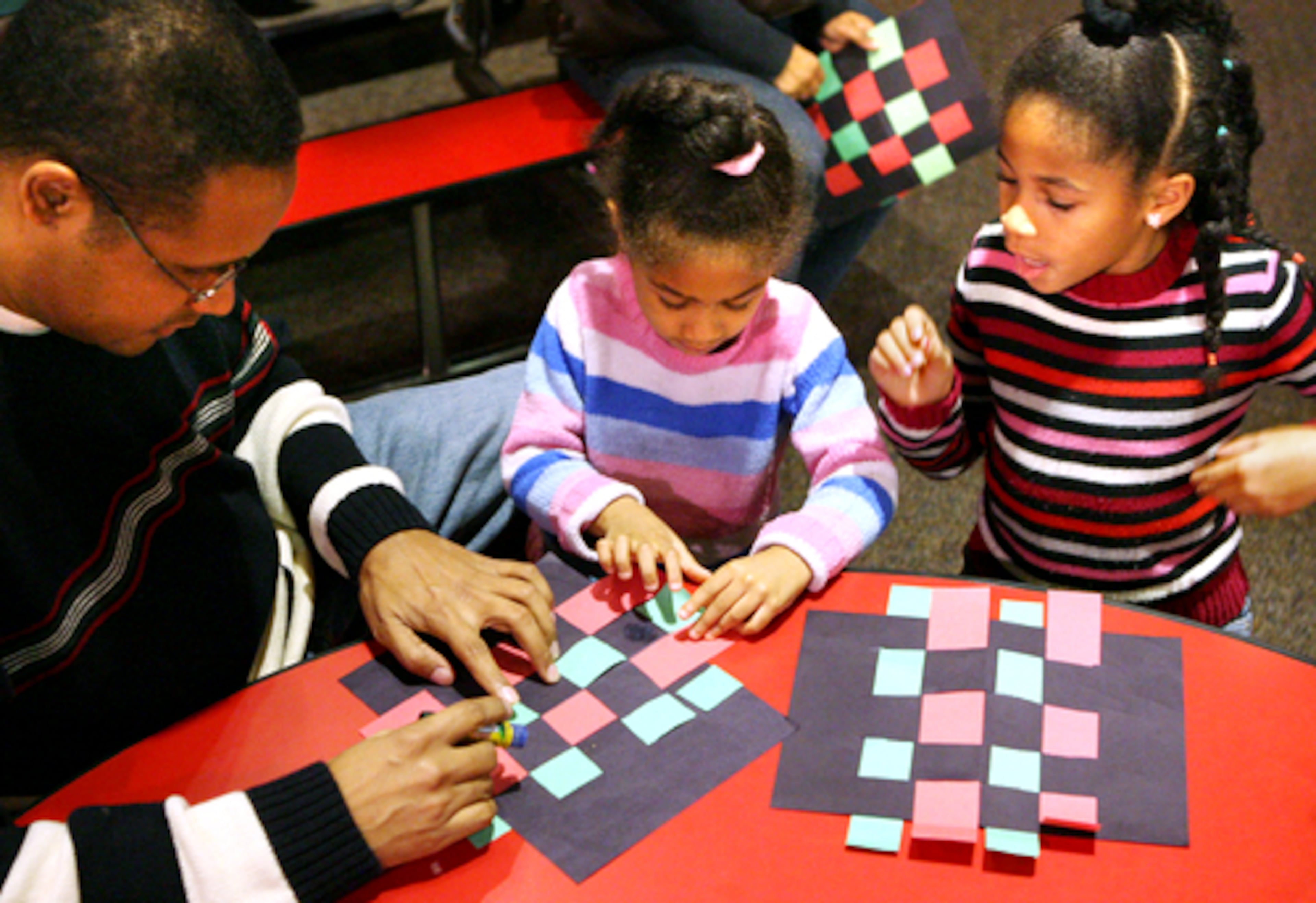
Created in 1966 by Maulana “Ron” Karenga during a period of intense social and political upheaval, Kwanzaa emerged from the Black Power movement of the 1960s. A Pan-Africanist scholar and activist, Karenga was a member of the U.S. Organization, a Black nationalist group that formed in the aftermath of the 1965 Watts rebellion in Los Angeles.
Karenga said the goal was to offer Black people an alternative to Christmas that centered on celebrating their own history and identity.
The holiday centers on seven principles, known in Swahili as the “Nguzo Saba.”

Each principle is honored on a different night through the lighting of a candle: unity (umoja), self-determination (kujichagulia), collective work and responsibility (ujima), cooperative economics (ujamaa), purpose (nia), creativity (kuumba), and faith (imani).
Nobantu Akawanda was one of the early adopters of those seven principles. A former educator, who was living in Northern California at the time, she began observing Kwanzaa in 1969.

Newly graduated from UC Berkeley, where she had been involved with the Republic of New Africa, a Black nationalist group, Akawanda encountered Kwanzaa at a formative moment in her life.
“I had just returned from a trip to Ghana,” said Akawanda, 78. “A couple of friends told me they had this new holiday for African Americans. They said it was a party where people celebrate for seven days straight. I said, ‘I’m in.’”
What began as curiosity quickly became commitment. Kwanzaa, she discovered, was not a party, but a cultural practice rooted in purpose and discipline.
Akawanda, who later ran a K-through-8 independent African-centered school, went on to organize Kwanzaa celebrations at independent schools in San Francisco and Oakland.
She has now celebrated Kwanzaa every year for 56 years and keeps a Kwanzaa altar in her Decatur home year-round.

“The universal nature of the seven principles is what sustained it for me,” she said. “These are values I taught my five children. I wanted them to understand that this was a way to learn who we are as a people.”
Those principles come to life through ritual and repetition.
Each night of Kwanzaa, a candle is lit on the kinara, a candleholder, to symbolize one of the principles. The candles — one black, three red, and three green — reflect Pan-African symbolism.
Black represents the people, red the blood shed in the struggle for liberation, and green the future.
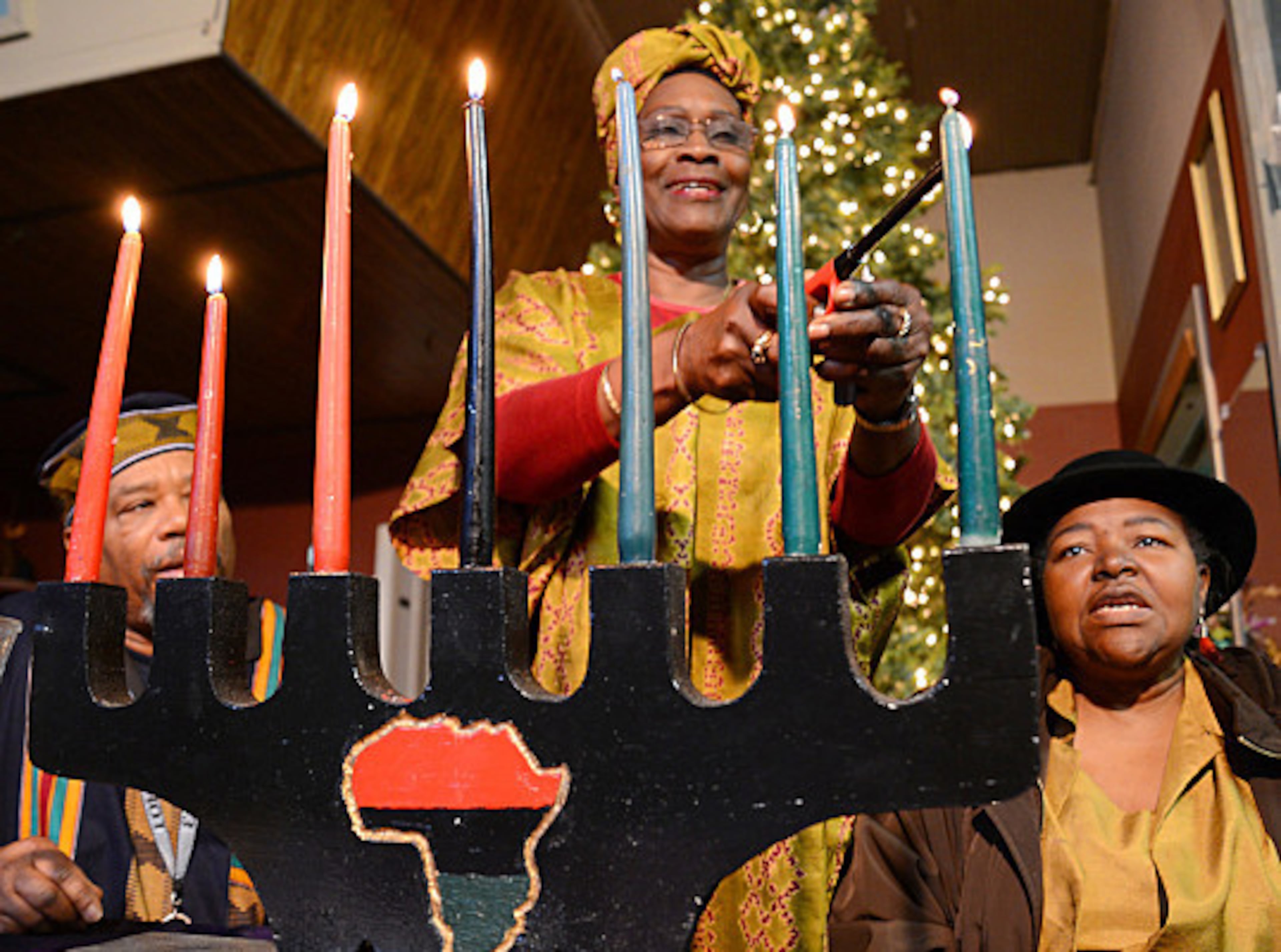
Elders play a central role in Kwanzaa observances, sharing family histories and honoring ancestors through storytelling. Gifts are exchanged on the final night, intentionally modest and meaningful.
Handmade items are encouraged, particularly those tied to African heritage or the holiday’s principles. Children are often the primary recipients, and each exchange traditionally includes a book and a heritage symbol.

“We talk about our ancestors. We talk about our future,” Zakee said. “We lift up our youth — what they learned, what they created, who they’re becoming.”
The celebration concludes with the “karamu,” a communal feast celebrating collective effort and creativity.
The feasting table is decorated with the essential symbols of Kwanzaa, such as a Mkeka (a traditional woven mat), Muhindi (corn to represent the children), Mazao (fruit to represent the harvest), and Zawadi (gifts).
Homes are adorned with African cloth and artwork reinforcing the holiday’s emphasis on culture, beauty, and abundance.
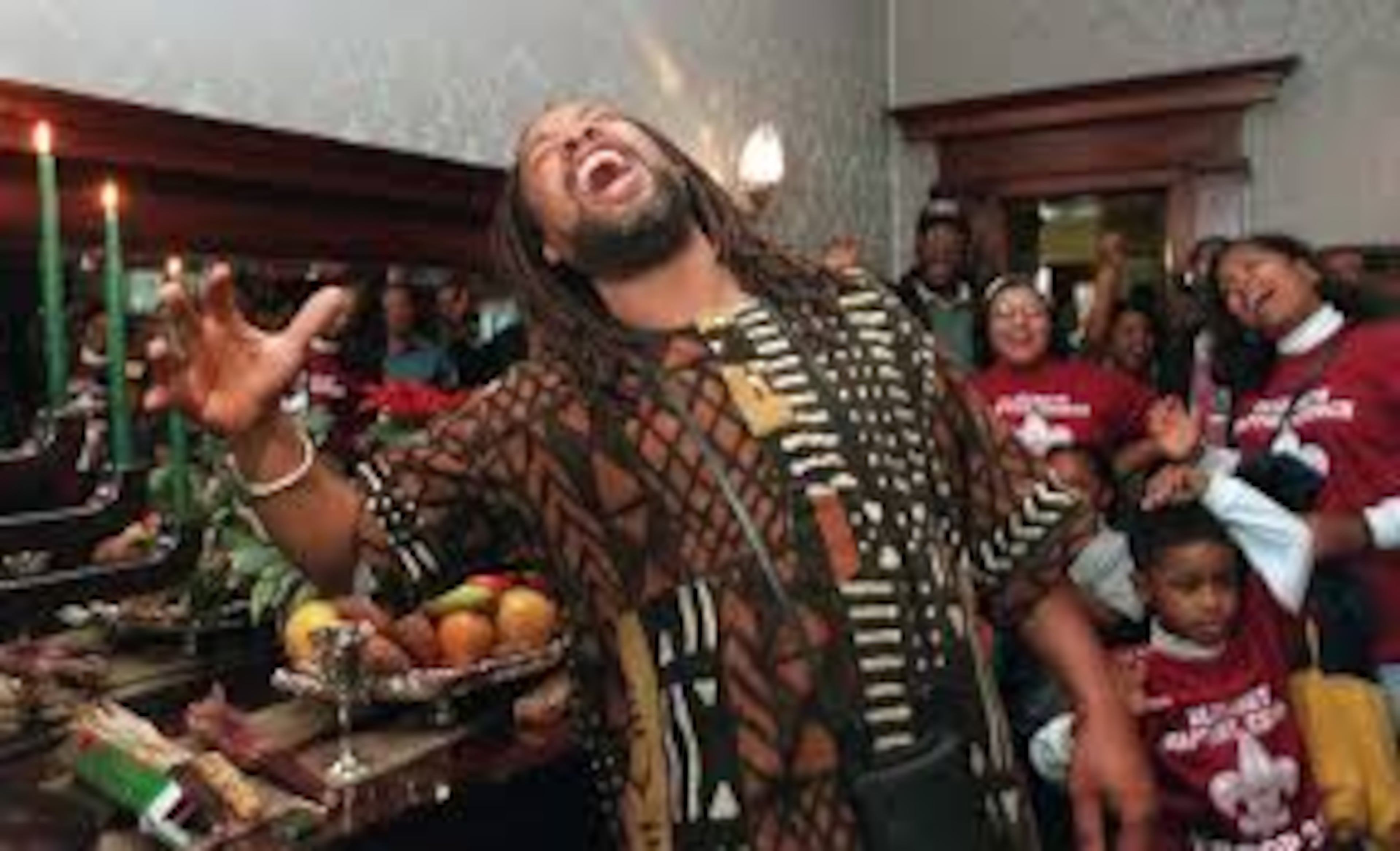
More than four decades after that first observance in Cleveland, Zakee now helps organize Kwanzaa celebrations across metro Atlanta as a longtime member of the Atlanta Regional Kwanzaa Association.
The group curates an annual calendar of events, often featuring multiple celebrations each day in community centers, cultural spaces, and churches.
“You don’t have to choose between Christmas and Kwanzaa,” Zakee said. “Christmas is religious. Kwanzaa is cultural. Many people celebrate both.”

Once viewed as a niche observance associated with the Black Power era and practiced by a relatively small subset of the Black elite, Kwanzaa has endured and expanded.
Today, it is celebrated by an estimated 20 million African Americans across economic, social, and educational backgrounds.
For Zakee, the meaning has never changed.
“Kwanzaa helped me heal,” he said. “It reminded me that even in loss, we are still connected — to family, to community, to purpose.”
About the Author
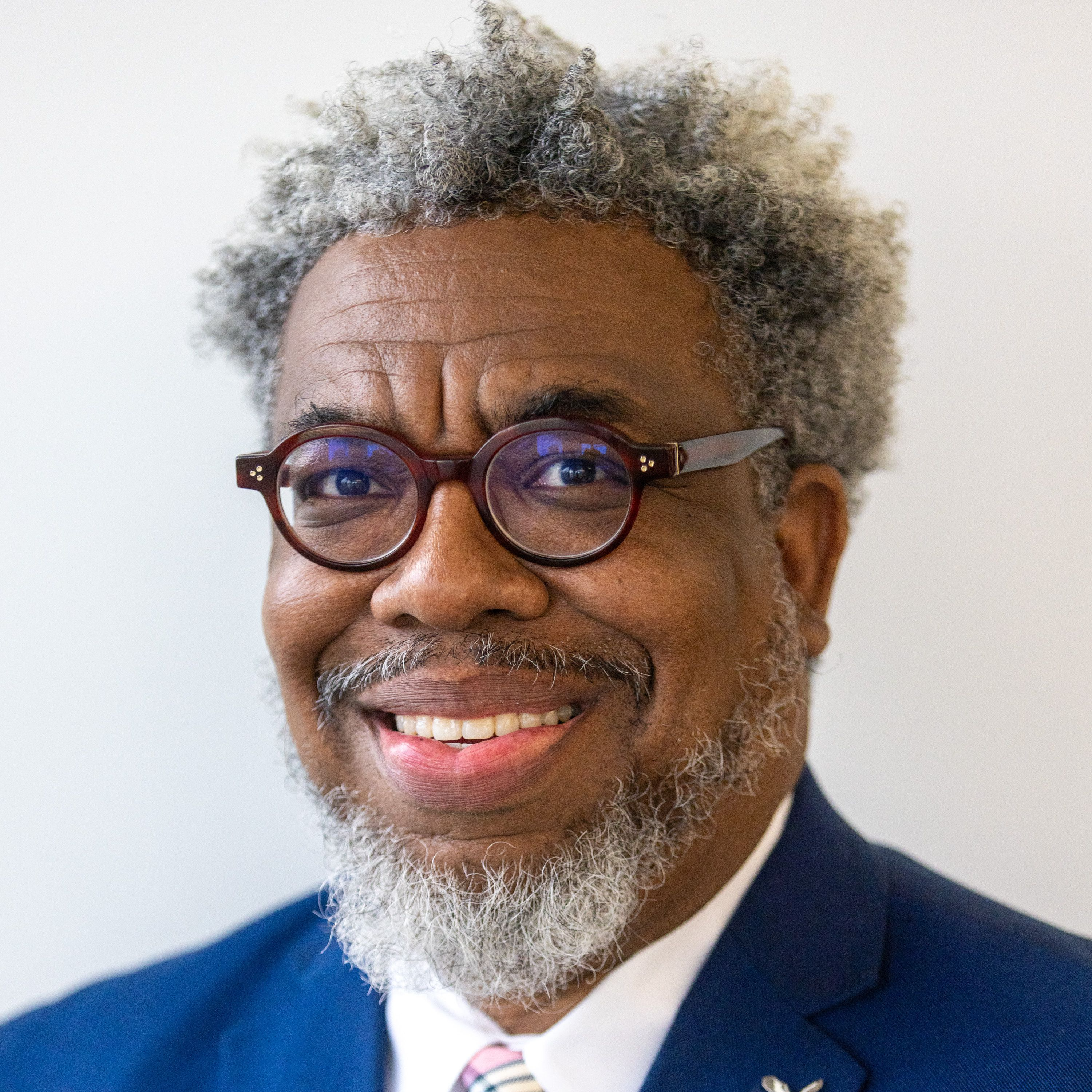
Ernie Suggs is an enterprise reporter covering race and culture for the AJC since 1997. A 1990 graduate of N.C. Central University and a 2009 Harvard University Nieman Fellow, he is also the former vice president of the National Association of Black Journalists. His obsession with Prince, Spike Lee movies, Hamilton and the New York Yankees is odd.
