
Atlanta’s Quality Lenz captures Black culture one frame at a time

A black-and-white mural of Atlanta rap icons stretches across the side of a warehouse in South Atlanta — T.I., Gucci Mane and Outkast guarding the city’s creative past like sentries at the gate.
Inside, the once-industrial space hums with activity.
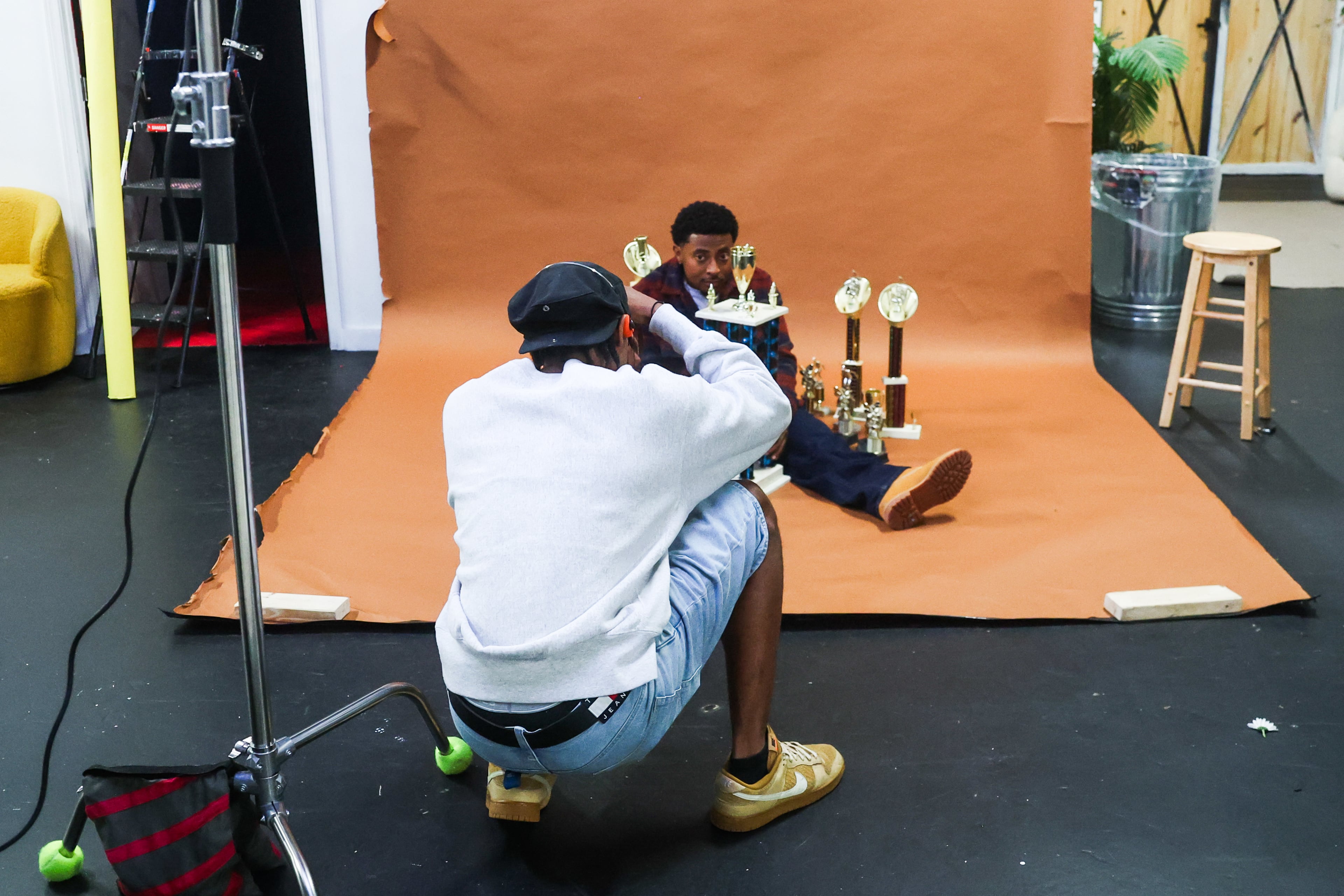
Camera lights flash. Photographers shift between sets. With a film camera in hand and a cassette of Mase’s “Harlem World” ringing through his vintage headphones and portable player to keep him calm and motivated, Quality Lenz waits and observes what will become a timeless moment.
“Digital captures the spirit, but film captures the soul,” he said.
The studio, dubbed Area 412, is a space for a collective of photographers to shoot and be innovative. Named after the original apartment of owner Yanick Ramirez, framed paintings hang on brick walls and the space feels designed for artistic freedom. A green room offers creative flexibility, and traditional white backgrounds are available for more conventional photoshoots.
Quality Lenz, whose legal name is Jaylon Cooper, is a 26-year-old — soon to be 27, as of Monday — helping shape Atlanta’s photography scene.

Instead of going digital, Lenz takes a decidedly old school approach: shooting on film.
He uses film photography to capture the continuous motion of his subjects, creating what he considers more cohesive narratives.
“With film, you only have a certain amount of shots to tell me who you are as a person,” he said. “You have to see the image before you take the image. You have to think before you shoot.”
That philosophy — deliberate, patient and rooted in memory — has begun to define his work.
“He cares about the work. He cares about what he’s producing. He cares about his clients,” Quality Lenz’s mentor, Atlanta photographer Shannon McCollum, said. “He is nurturing. He’s thoughtful; his work is very thought-provoking.”
Quality Lenz places an additional effort to re-create and foster Black culture in his work.
“Capturing Black life is very heavy to me,” he said. “It’s important that people learn where they come from and also understand (our Black predecessors) crawled so we could walk.”
Behind the ‘Lenz’
Quality Lenz grew up in the coastal town of Brunswick.
Raised primarily by his mother, he said his father left the family when he was 3 years old. At 15, Quality Lenz was reacquainted with him in an experience he compared to an episode of “The Fresh Prince of Bel-Air,” when Will Smith’s estranged father returns.
A reunion inside a clothing store — while Quality Lenz was at work — became what he described as a “movie moment,” with people in the store clapping for the father and son.
“I was supposed to go hang with my pop, and then never got a call back,” he said. “I was like, ‘Well, I guess that’s it.’”
Despite the experience with his father, Quality Lenz said he still had a strong family foundation. His maternal grandparents, Fred and Diane Haywood, were instrumental in his upbringing and his gateway into photography.
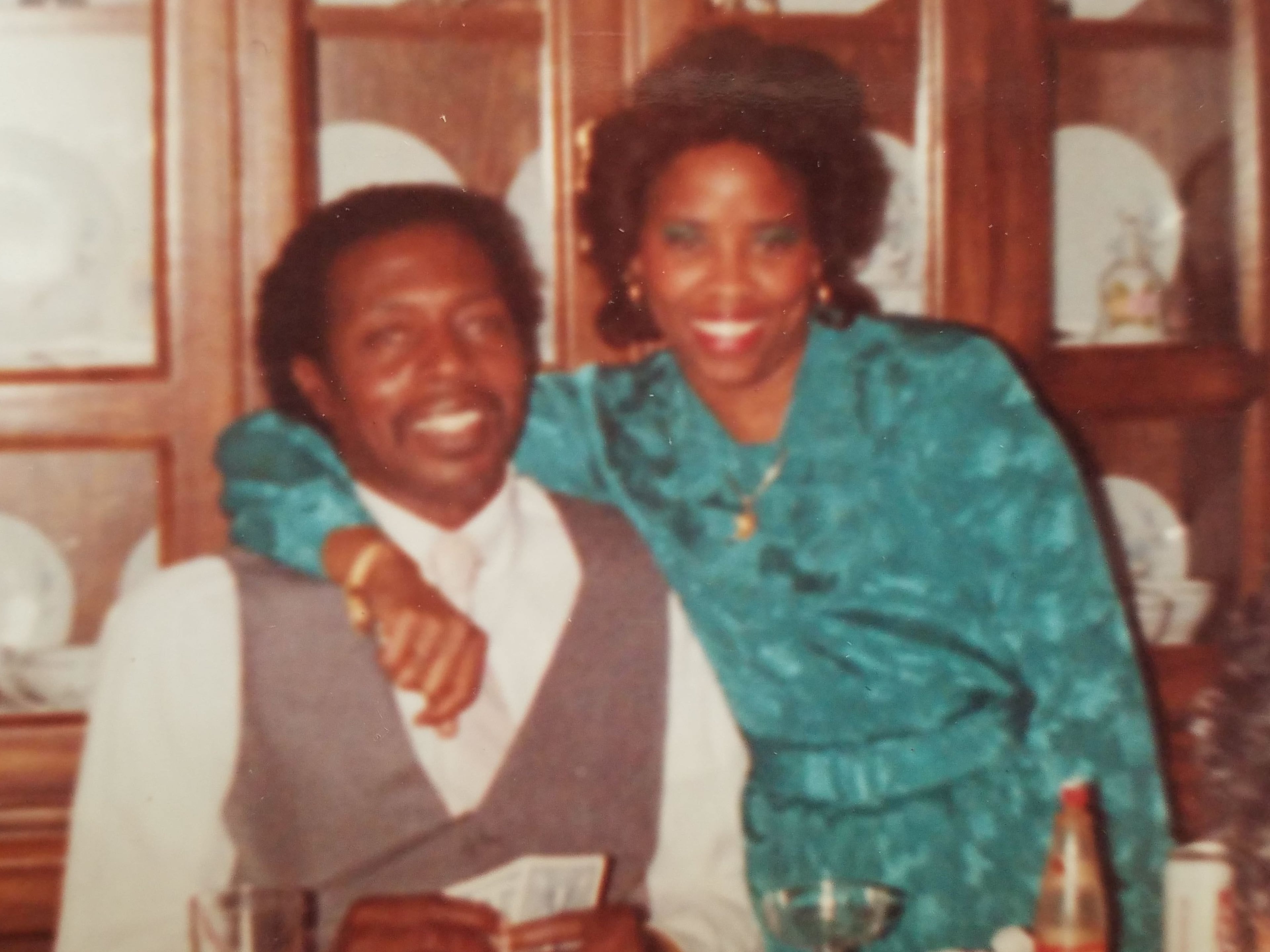
Fred Haywood captured the family with a simple point-and-shoot camera, serving as an early artistic influence.
Quality Lenz smiled thinking about those old family pictures, like a Polaroid shot of his grandmother at her high school graduation.
Because those cameras held limited film, he said, preserving those images for decades felt like an accomplishment.
“Using a shot, so 1 out of 10, and then preserving it 50, 60, 70 years down the line, there’s something very, very special about that,” he said. “When I see old family portraits, I’m always just amazed.”

Quality Lenz began his creative journey in art classes as a kid, sketching before moving into graffiti and painting. At Georgia State University, he explored digital art but left after two years because “it felt easy.”
He studied photographers Gordon Parks, Saul Leiter, Carrie Mae Weems and Richard Avedon, along with Renaissance art, to find a new way to approach his craft. He found film photography.
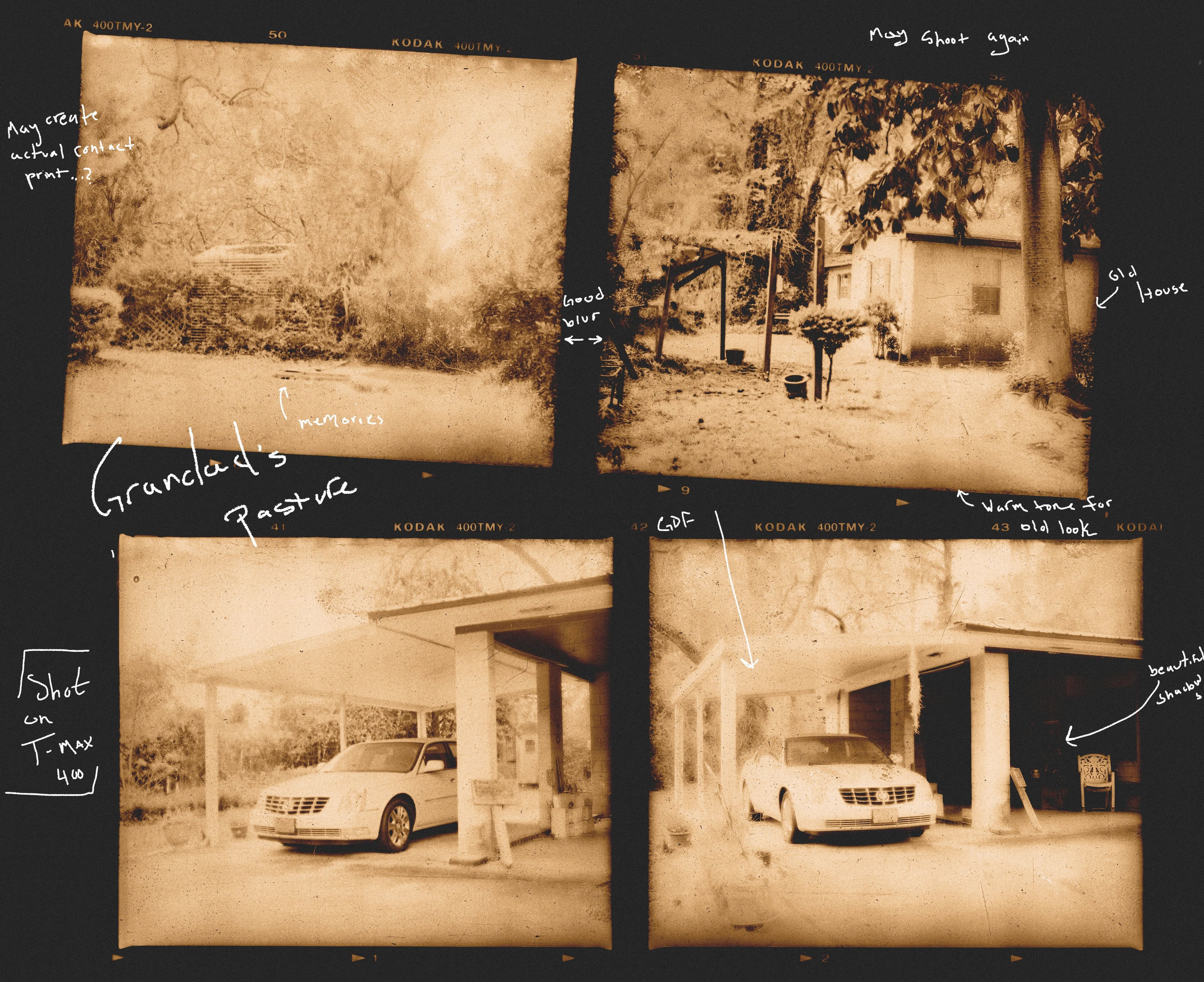
“I just wanted more of a challenge and more of a rush. (Digital photography) just kind of felt like a shoot-and-repeat,” he said. “When you shoot film, you can’t speed through the roll. It’s kind of like the same way you can’t speed through life.”
He said he believes physical media offers a more intentional way to learn, arguing that advancing technology can sometimes lead to miscommunication.
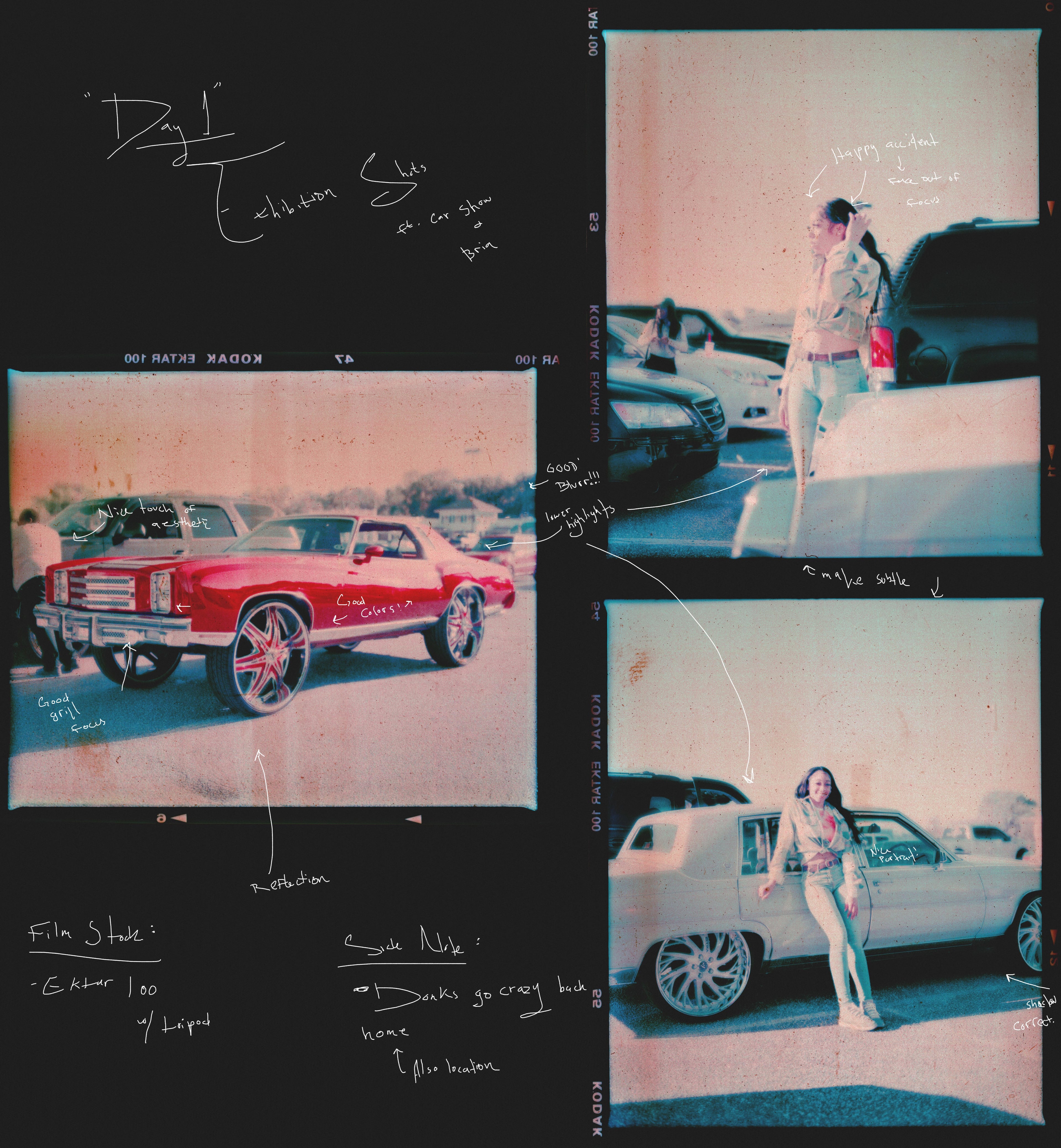
After finding his style, clients across the country and around the world began seeking him out, including Meagan Good, Steve Harvey, Boosie Badazz and Meek Mill.
Along with conceptual photoshoots of Black patriotism, Black family nostalgia and general clientele portraits, his portfolio includes internet personality Deante Kyle, Christian rapper Lecrae, singer K. Michelle and comedian Druski.

Quality Lenz treats every photo shoot as if it’s his first, researching beforehand and paying close attention to detail. He manages the mood of the studio, adjusting lights and assisting colleagues when they need a hand to spark a creative vibe.
‘Iron sharpens iron’
An avid collector of vinyl, video cassettes and cassette tapes — he always carries a portable cassette player with him — Quality Lenz said he believes in the power of analog media. He sees it as his duty as a photographer to preserve history in its purest form.
“I like to treat myself as a marauder,” he said, referring to the need to take risks to push culture forward.
He noted the importance of images of Freedom Riders and Civil Rights Movement protests, adding that while he heard about the monumental leadership of Maynard Jackson as Atlanta’s first Black mayor, he came to better understand that history through photographs.
Continuing that approach, Quality Lenz documented Atlanta’s wave of George Floyd protests in 2020.
“The beautiful thing is … capturing change,” he said. “Do it as much as we can before our time is up.”

Colleagues in the Atlanta photography scene have praised his professionalism and artistic approach.
McCollum praised Quality Lenz as humble and hardworking, and noted his quirky approach to creating art.
“He’s also a little bit of a throwback because he just absolutely loves to shoot film. I love that,” he said. “I just love the character of the young man.”
Quality Lenz is also recognized for his positivity.
“His work and the energy and creativity exudes off the screen and page,” photographer Inari Briana said.

Quality Lenz said he believes that work ethic is a defining trait of Atlanta’s creative community.
“Iron sharpens iron,” he said, comparing his peers to athletes.
“You’re working alongside somebody else. If they’re not competing at the same level as you, then the team as a whole is not going to do well.”
At Area 412, Quality Lenz wears a New York Yankees cap in homage to director Spike Lee. He straightens up the studio before closing up shop so the next photographer can create on a blank canvas.
The space is a second home, where he has found a community of like-minded artists who have become his chosen family.
Like visual documentarians before him, Quality Lenz said it’s imperative to study older generations for the Black community to excel.
“By the time I get 40 (years old), I’m going to tell people that they ran so we could fly,” he said.