
10 years in, the Celebration Bowl has sharpened focus on HBCU football

Last week, John Grant packed his travel bag and headed to Mississippi to watch Prairie View A&M defeat Jackson State in the Southwestern Athletic Conference championship game.
Grant had no rooting interest, only a gift: a coveted framed invitation to Saturday’s Cricket Celebration Bowl at Mercedes-Benz Stadium in Atlanta.
“We present what we call the ‘Golden Ticket,’” said Grant, the bowl’s executive director. “It’s not official until you receive it.”

In late November, he made a similar trip to Dover, Delaware, presenting South Carolina State with its Golden Ticket after the Bulldogs beat Delaware State to claim the Mid-Eastern Athletic Conference bid.
Now in its 10th year, the Cricket Celebration Bowl has become far more than a postseason matchup between the MEAC and SWAC champions, the two major historically Black college conferences with 20 Division I universities between them.
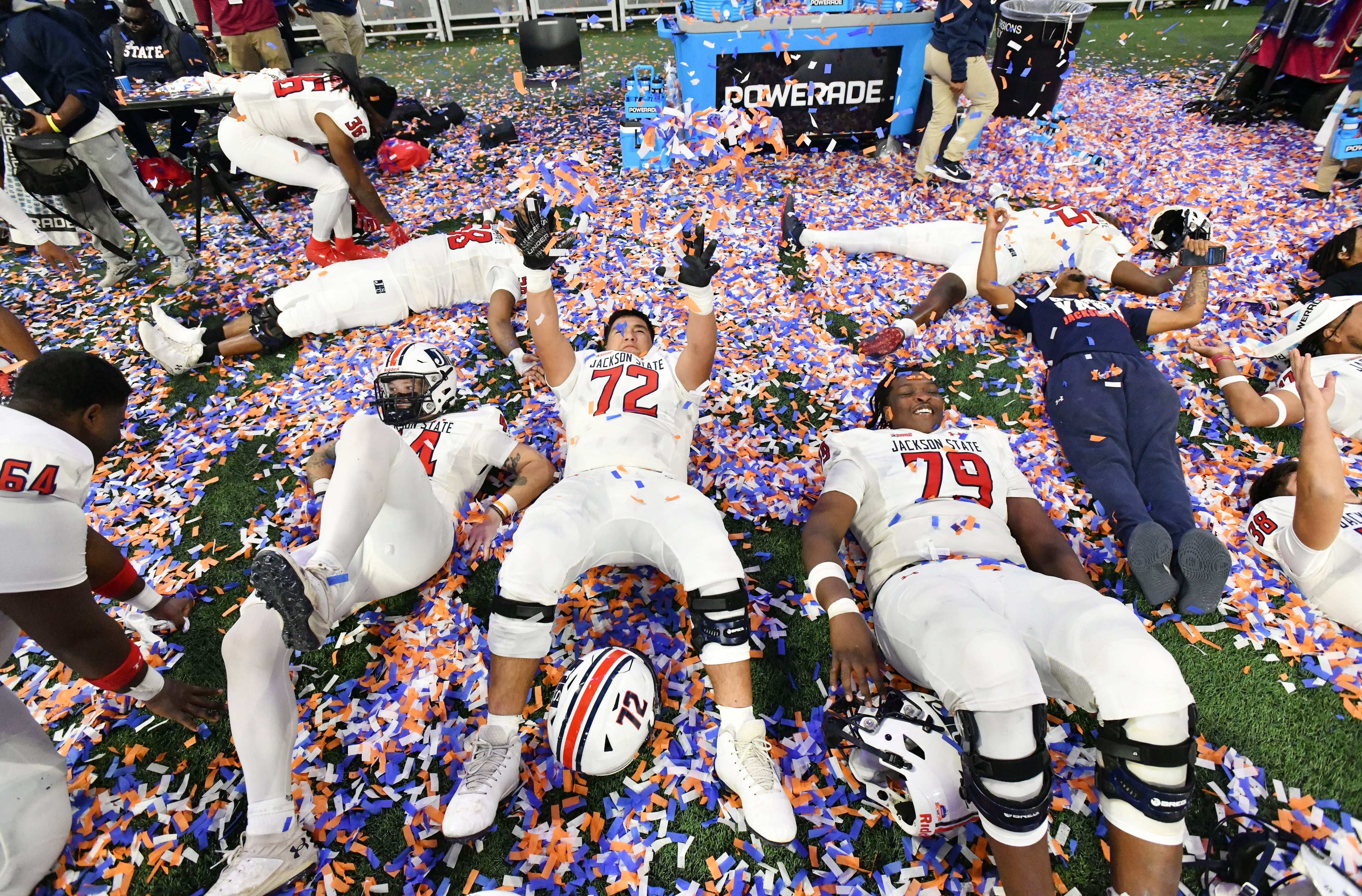
It is a nationally televised celebration of HBCU culture and a dependable economic engine for Atlanta as it opens bowl season.
What began as a long-shot idea now delivers an HBCU national champion, bragging rights, meaningful financial support and national visibility for the schools and conferences it was designed to uplift.
For Grant, the executive director of the bowl who has spent the past decade shepherding the game from an untested concept into a marquee event, each Golden Ticket delivery underscores the weight the bowl now carries.
“Any time you have something that can be in existence for 10 years, it makes a statement,” Grant said. “There’s nothing like the Celebration Bowl. Everybody’s trying to get to Atlanta.”
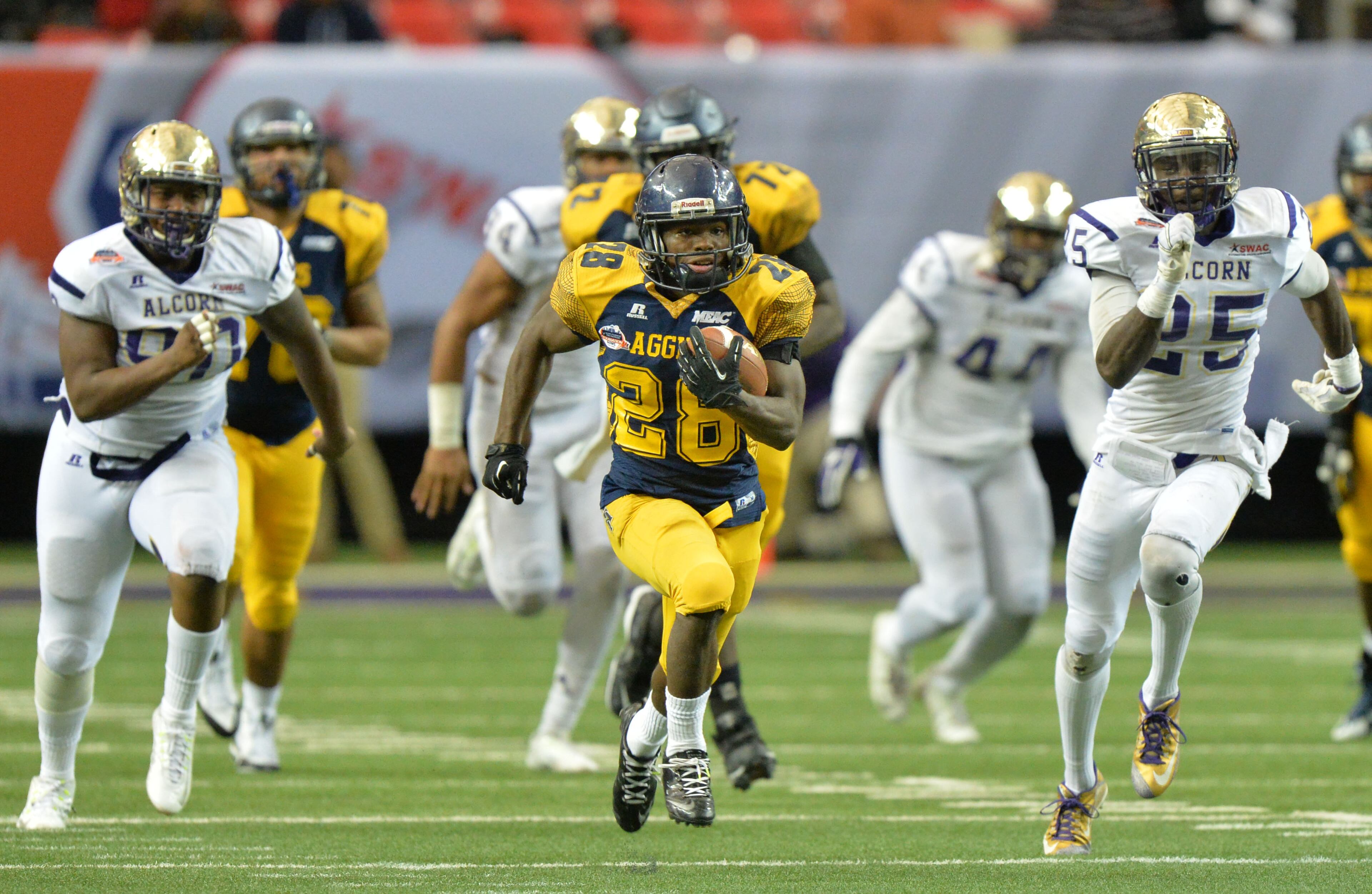
At noon Saturday, the Prairie View A&M Panthers will meet the S.C. State Bulldogs as the Celebration Bowl becomes the longest-running HBCU bowl game, surpassing the nine-year life of the Heritage Bowl.
It will be South Carolina State’s third appearance in the game and Prairie View A&M’s first, bringing together the champions of two relatively small Football Championship Subdivision conferences in a setting more commonly reserved for the larger Football Bowl Subdivision programs.
Grant argues that the arrangement “creates a cultural asset for HBCU alums, fans and anyone who just likes good college football.”
Fans of both schools agree.
“This is nothing new to us. We have always had a good football team,” said Michael V. Menifee, a 2000 graduate of S.C. State, which lost last year’s game to Jackson State 28-7. “This is just an opportunity to make up for our poor performance last year.”

For Prairie View A&M, and for alumnae like Cynthia Lester Hobson, the moment carries a different weight.
In 1990 the university shuttered all of its sports programs for a year because of financial mismanagement. When football returned in 1991, the team went winless until 1998, losing a college-record 80 straight games.
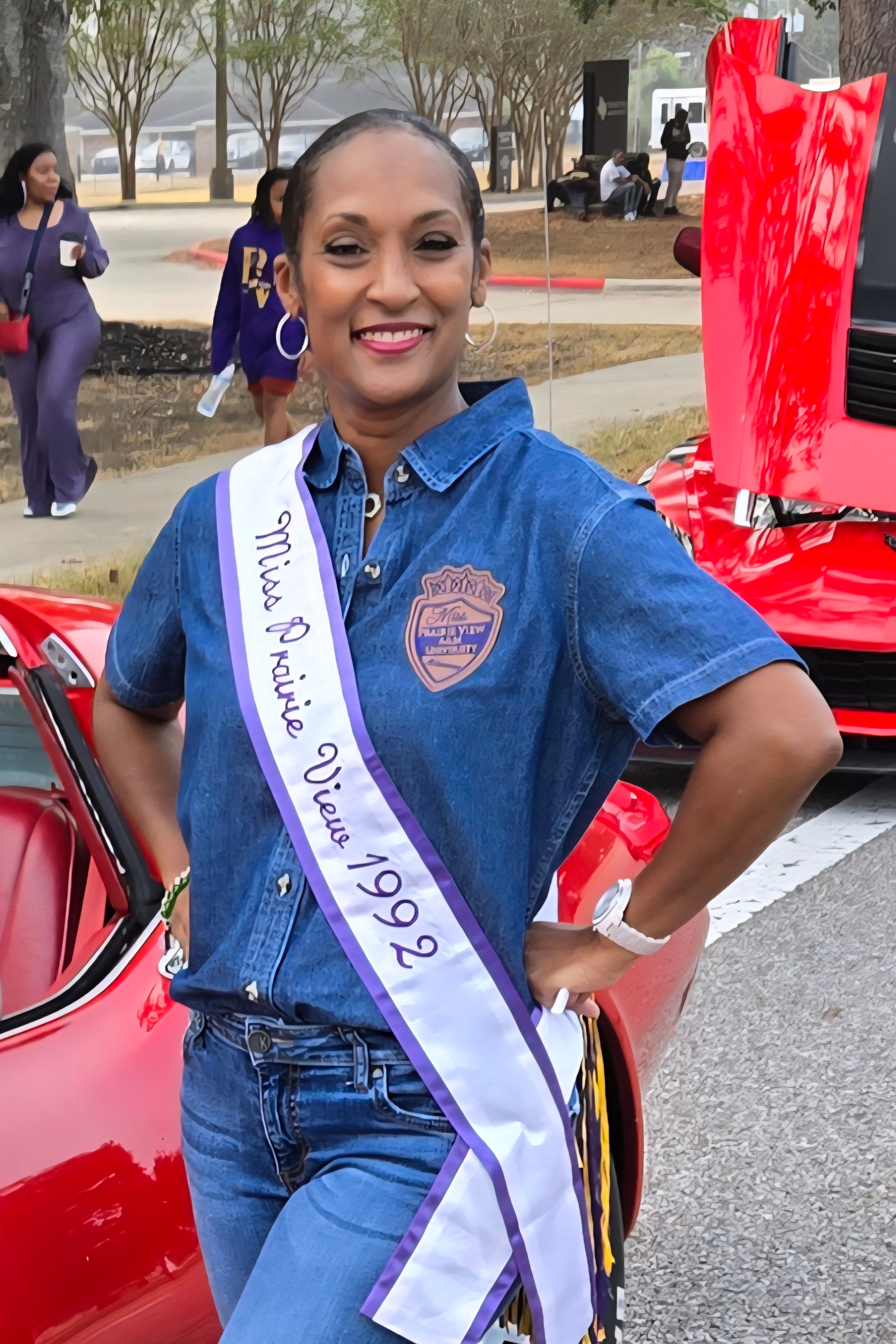
“To see us come back and now be playing for a national championship is especially important for me,” said Hobson, a 1994 graduate and former Miss Prairie View. “We never lost our Panther spirit. To be here now — supporting our student-athletes on a stage like this — feels absolutely amazing.”
That feeling took shape more than 15 years ago, when Grant began outlining a national HBCU championship game capable of settling the title on the field and returning real revenue to HBCUs.
Attempts to channel the strength of HBCU football history were not new. Since the 1920s, when elite Black travelers boarded trains to Philadelphia or Washington, D.C., for the annual Lincoln–Howard game, organizers repeatedly tried to harness the momentum of Black college football.
There was the Pelican Bowl, and later the Heritage Bowl, each an effort to crown a mythical national champion. But the most prominent HBCU games remained the in-season classic rivalries — the Bayou Classic, Magic City Classic, Florida Classic, Turkey Day Classic and the Eagle–Aggie Classic.
The Celebration Bowl emerged from the legacy of the 100 Black Men of Atlanta’s Atlanta Football Classic, which for years drew marquee programs such as Florida A&M, Southern and Tennessee State.
As attendance slipped and interest in the Atlanta Football Classic waned, the idea of a true, end-of-season championship between the top teams from the MEAC and SWAC took hold — offering a more consequential stage for HBCU football in a city with one of the nation’s largest concentrations of HBCU alumni.
Former MEAC commissioner Dennis Thomas spent a decade trying to sell the idea to the conference’s college presidents, but they repeatedly rejected it, choosing instead to keep their automatic bid to the NCAA playoffs. The SWAC, meanwhile, consistently opted out as well, prioritizing its lucrative championship game. However, the lure of a national championship game convinced the conference to agree to play in the Celebration Bowl.
The turning point came with ESPN’s early support — and a significant financial commitment — which finally made the Celebration Bowl possible. The conferences did not fully commit until ESPN offered each league a $1 million incentive, prompting the MEAC to relinquish its automatic playoff berth and participate in the new bowl.
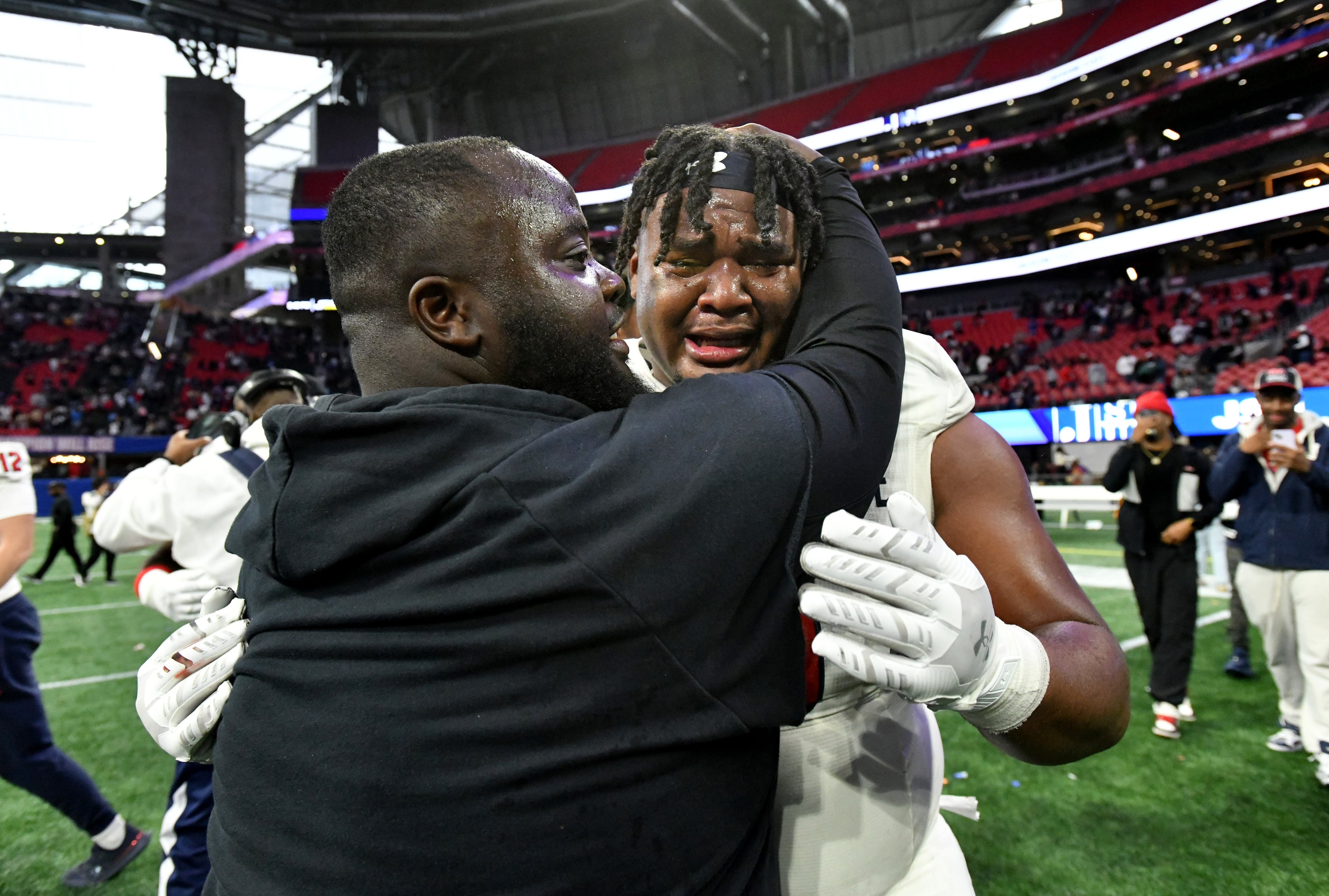
That breakthrough — pairing vision with guaranteed resources — is exactly what observers like Tolly Carr, co-owner of HBCU Gameday, say separated the Celebration Bowl from the failed attempts that came before it.
“Money was the key,” said Carr, whose website covers Black college sports and culture. He added that HBCUs generally lose money when they go to the playoffs. “With the Celebration Bowl, there is a clear payout and corporate sponsorships.”
Grant’s job was to build the vision.
“Everything that happens takes three things: an idea, financing and a builder,” Grant said. “I was brought in to turn the concept into something real.”
From the start, his goal was to turn the Celebration Bowl into a national gathering point, but he knew it would require a major shift.
“We had to create a rivalry between conferences and brand it as our Super Bowl,” Grant said.
When the bowl launched in 2015, only about 35 HBCU games were televised annually. Today, more than 160 appear on ESPN, HBCU Go and SWAC TV — a surge Grant says the Celebration Bowl helped accelerate.
The bowl has elevated the national profile of programs like S.C. State, North Carolina Central and N.C. A&T, all of which have seen surges in applications following their appearances.
Each participating conference receives $1.2 million, one of the largest annual payouts in HBCU athletics, and Atlanta’s tourism industry sees tens of millions of dollars in visitor spending. Downtown hotels routinely sell out.
ESPN again assigned the bowl a noon ABC kickoff — another marker of its standing.

Grant expects about 40,000 fans, a number that would place the Celebration Bowl among the most heavily attended games of the 43-game bowl season.
The inaugural 2015 bowl drew 35,000 fans, while the 2024 edition drew nearly 50,000.
“We’re in the top echelon of bowl games once you take out the New Year’s Six — the Rose, Sugar, Orange, Peach, Fiesta, Cotton,” Grant said.
In 2024, Jackson State’s 28–7 win over South Carolina State drew an average of 2.1 million viewers, peaking at 2.6 million.
But the high point came in the 2022 game — an overtime classic in which N.C. Central defeated Jackson State and Deion Sanders, Shedeur Sanders and Travis Hunter in their final appearances at the school before moving to Colorado. That game drew an average of 2.42 million viewers and reached a record peak of 3 million.

Carr continues to point to that 2022 matchup as a landmark event in the development of the Celebration Bowl.
“When you put our schools in the big arena, with the ESPN production and the sky cam it, looks just as good as Alabama and Georgia,” Carr said. “The ingredients are there. When given equal resources, we shine just as brightly.”
For Carr, that kind of exposure does more than elevate the football programs. It draws people into the larger world of HBCUs.
“Athletics is the front door,” he said. “When people see our schools on big stages, they also start paying attention to everything else — the academics, the programs, the opportunities.”
That shift helped inspire the bowl’s expansion beyond football two years ago when they introduced the Band of the Year National Championship, extending the game’s cultural footprint and turning the weekend into a multifaceted celebration of HBCU life.
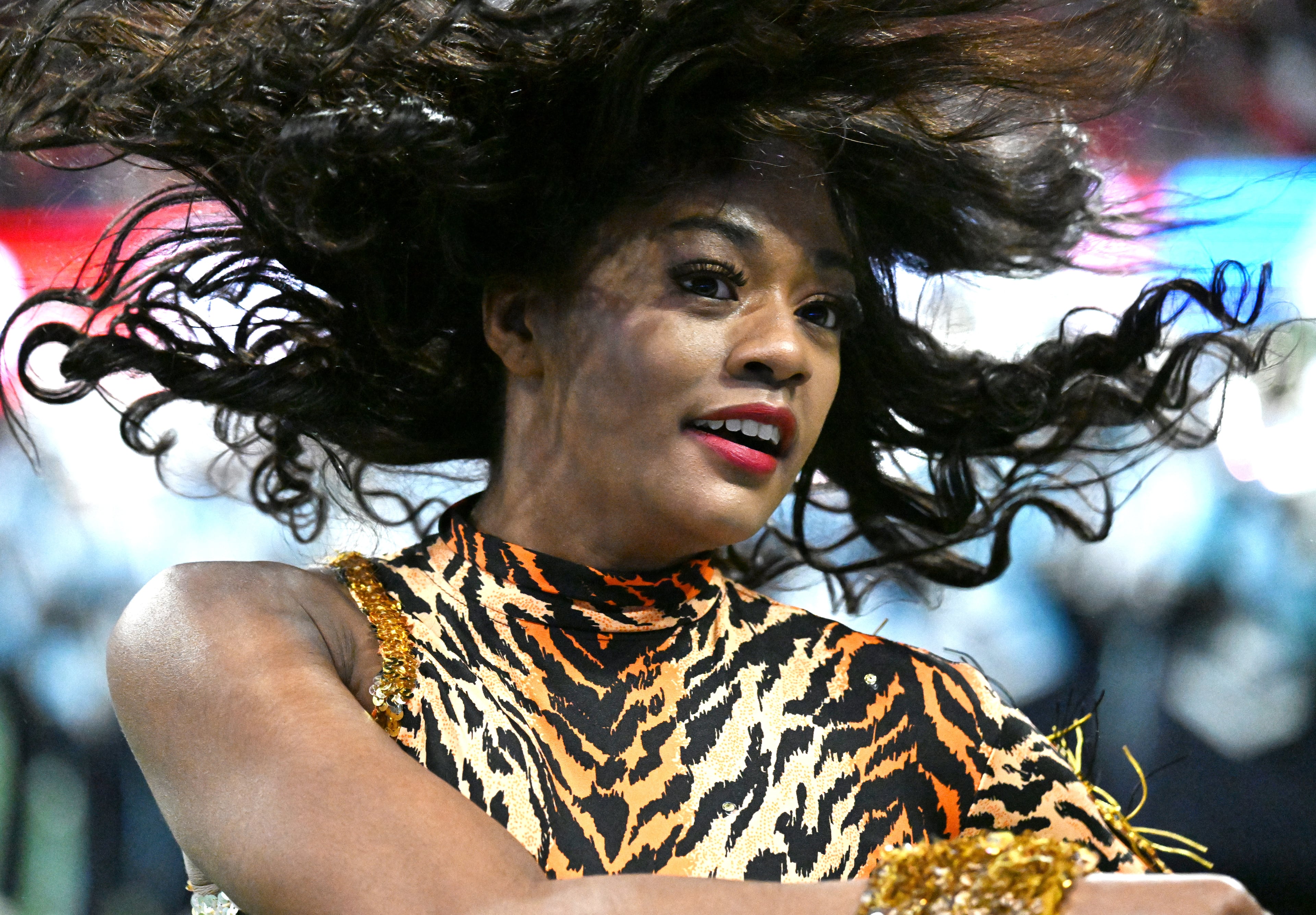
“The eyes of the nation are on Atlanta to open bowl season,” Grant said. “That is something that we cannot overlook. HBCUs produce some of the best human capital assets available in the country.”
About the Author
Ernie Suggs is an enterprise reporter covering race and culture for the AJC since 1997. A 1990 graduate of N.C. Central University and a 2009 Harvard University Nieman Fellow, he is also the former vice president of the National Association of Black Journalists. His obsession with Prince, Spike Lee movies, Hamilton and the New York Yankees is odd.