
End your year right with this reading list from the UATL team
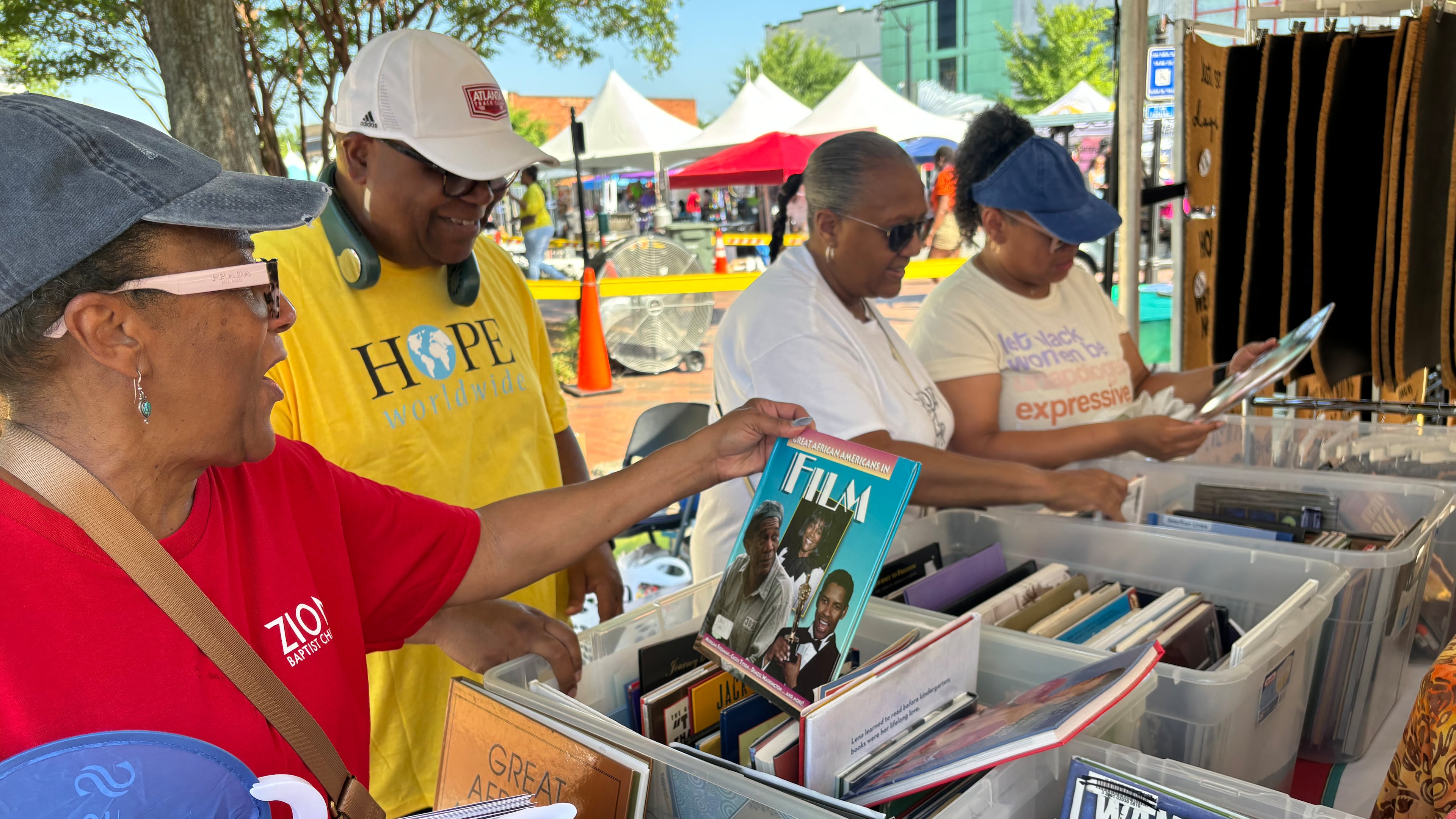
The past year birthed a number of amazing reads, and the team at UATL was happy to be your source for new material.
I mean, we’re writers. Reading is on brand for the profession.
That being said, we do not discriminate against other timeless classics and contemporary marvels that may not have been written this year but that we read this year. These books moved us to tears, made us smile with optimism or jump to research a new topic we knew absolutely nothing about.
Need some suggestions going into the new year? From a mix of memoirs, romance novels and historical fiction, here are the books UATL fell in love with in 2025:
‘Black in Blues: How a Color Tells the Story of My People’ by Imani Perry
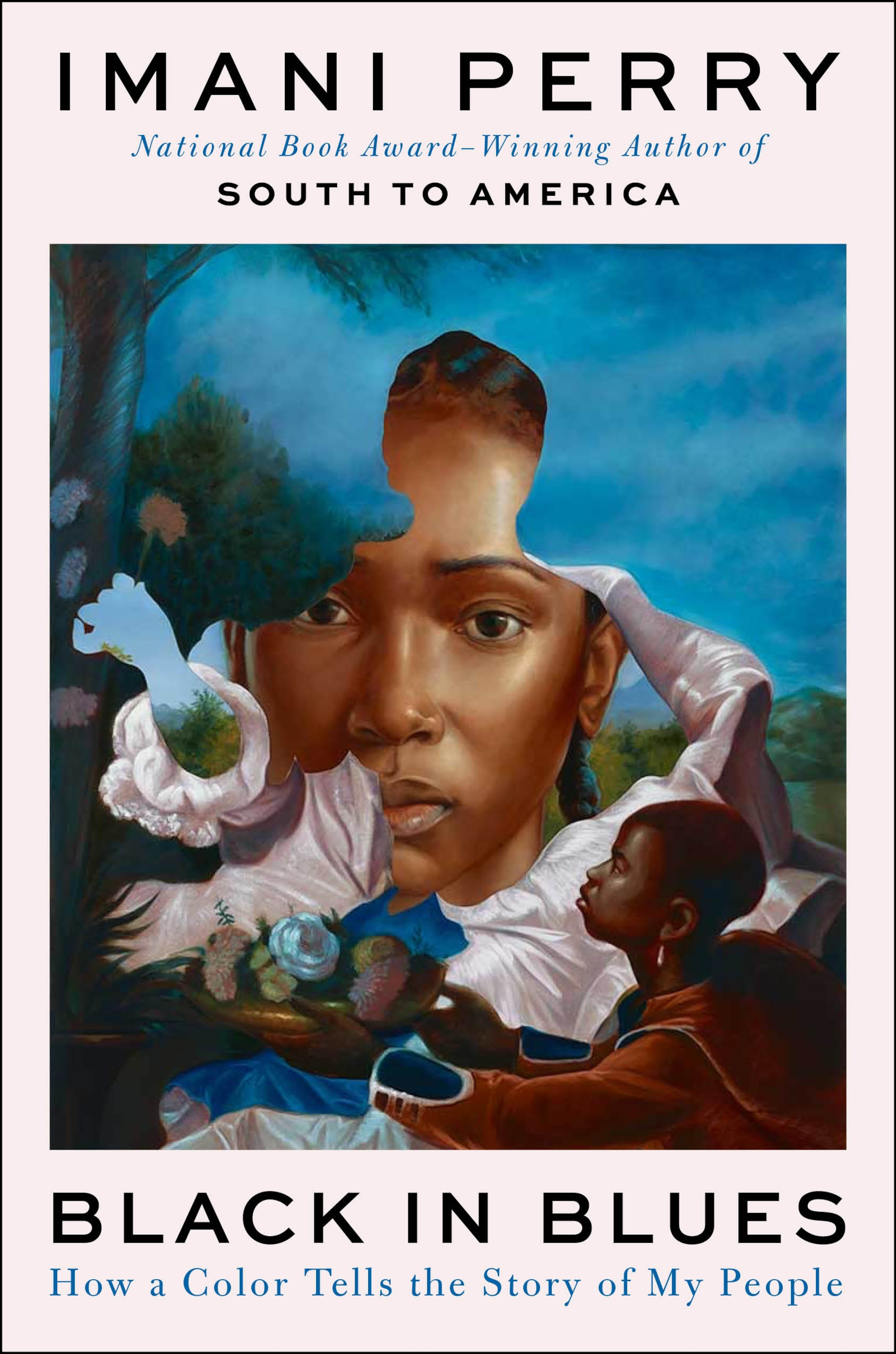
I wasn’t sure when I picked this up that Perry could make me believe the title, but by the time I finished I was fully convinced. Black people are intimately bound to the color blue — our music, our rituals, our skin, our clothing — and Perry articulates and illustrates that connection in the way that only she can. — Nedra Rhone
‘Heavy: An American Memoir’ by Kiese Laymon
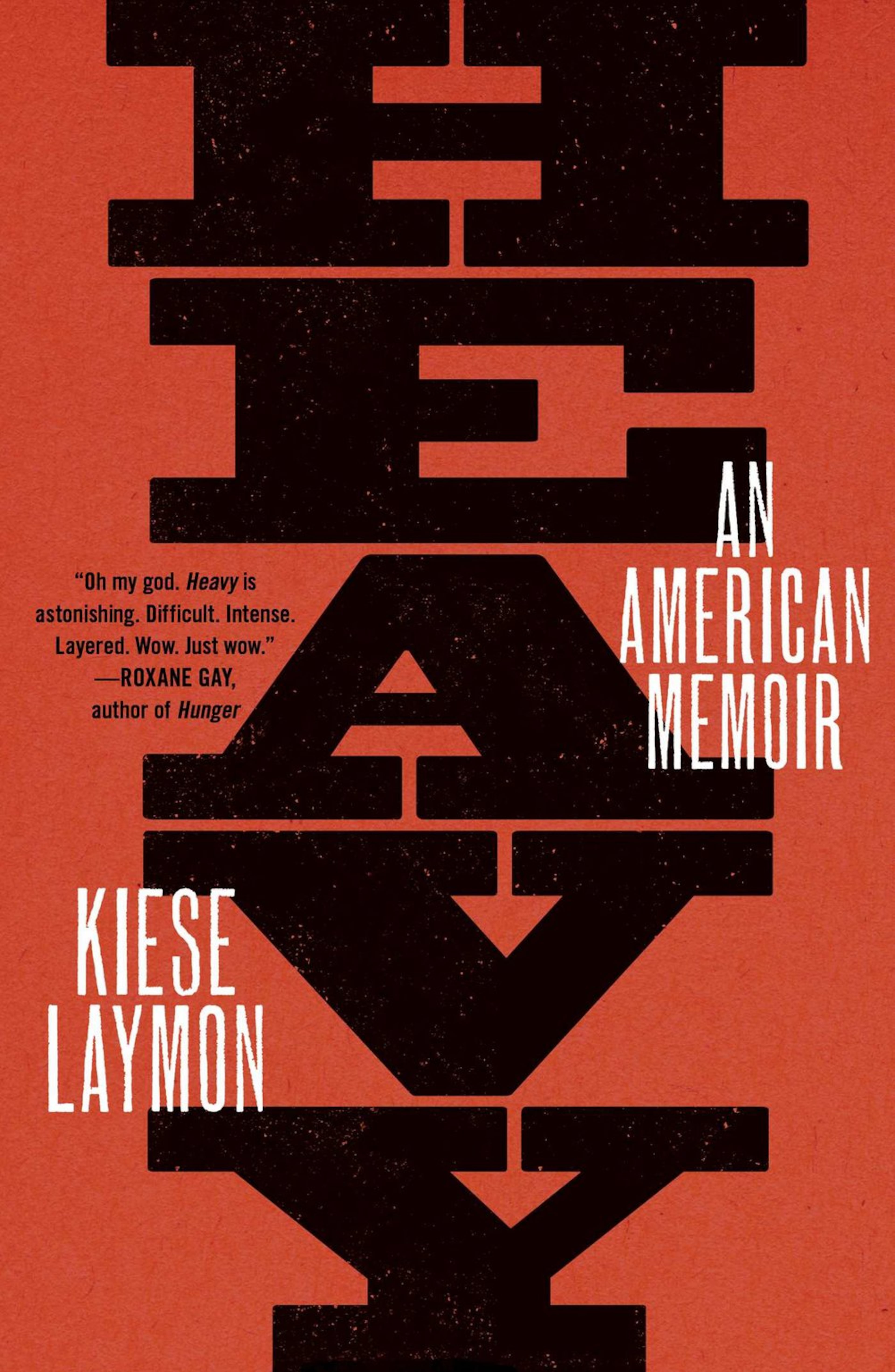
At some (or multiple) points in our lives, we’re reminded to “call your mother.” On its surface, writer Kiese Laymon’s memoir “Heavy” is a 241-page letter to mama, but, as its title would suggest, it’s more complicated than that.
With brutal honesty, Laymon navigates growing up as a Black kid in Mississippi, systemic racism, body image, lost innocence, sex, love and how perceptions of our parents change as we grow into adulthood.
It’s an autobiographical look into life’s beautiful struggles, while meeting (and falling short of) expectations set forth for Black children by family and society. Putting it down is hard. It’s even harder to forget once you’re done. — Gavin Godfrey
‘Take My Hand’ by Dolen Perkins-Valdez
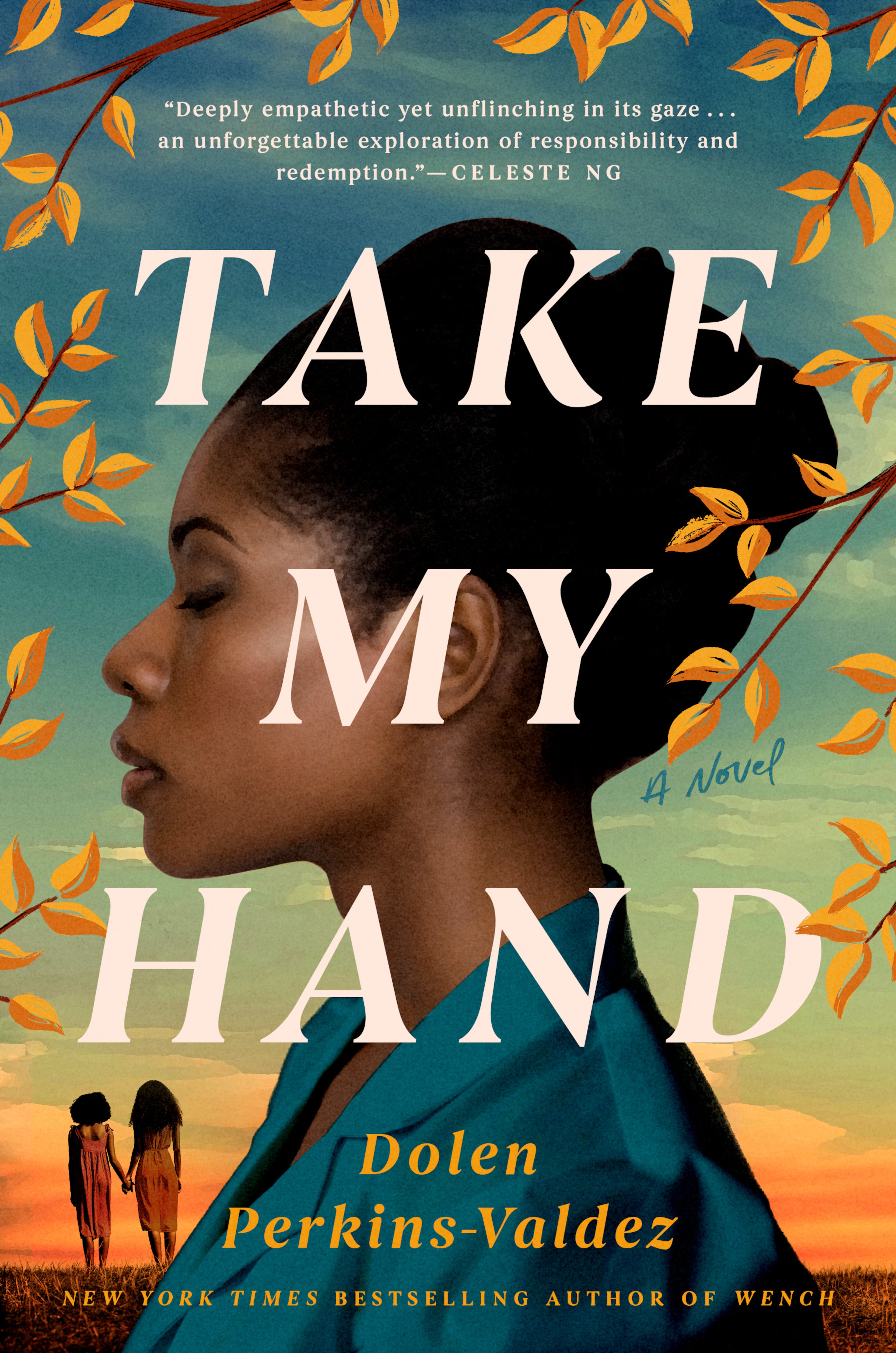
I took my first journey with “Take My Hand” when it was published in 2022, but I had a second encounter earlier this year — thanks to SoLoveSoul Book Club, a national reading and support group for women of color that focuses on literature by authors of color.
Nonetheless, the second read didn’t make the historical fiction any less harrowing.
Dolen Perkins-Valdez paints a murky picture of how classism complicates the workings of racial marginalization in 1970s Alabama. Protagonist Civil Townsend works as the nurse for sisters Erica (13) and India (11), who have been receiving the Depo-Provera birth control shot even though the girls have not reported having any sexual activity and the youngest has not yet had her first menstrual cycle.
Spoiler alert: Civil, a Black woman, disagrees with the decision of the health clinic’s head nurse, who is white, to have the motherless girls, who are Black and living in poverty, on birth control. After she stops giving them their shots, the clinic manipulates their father into giving the girls hysterectomies.
The novel was inspired by the Supreme Court case “Relf v. Weinberger.”
Perkins-Valdez does her homework when it comes to historical fiction. Weaving truth and her creative license together, she’s able to create stories that educate while simultaneously keeping you hooked on the storyline. “Take My Hand” is no exception. — Brooke Leigh Howard
‘An Untamed State’ by Roxane Gay

This is not a new book, nor your standard holiday fare, but I just finished Roxane Gay’s 2014 novel, “An Untamed State.”
I met Roxane about a decade ago, but finally sat down this fall to dive into her writing as a way to push and inform my own. I started with her collection of essays, “Bad Feminist,” and followed that with her memoir about trauma, body and desire, “Hunger: A Memoir of (My) Body.”
But “An Untamed State,” her debut novel about a Haitian American woman kidnapped in Port-au-Prince, Haiti, is the one that stayed with me. It’s breathtaking in how it explores power and privilege, survival and trauma, marriage and intimacy and motherhood and identity. What struck me most is Gay’s refusal to look away.
Gay, who was born in Nebraska to Haitian immigrants, writes about suffering and its aftermath with a clarity that’s tough, honest and unexpectedly compassionate. You feel Haiti around her and the weight of what can break and slowly remake a person.
The book moves like a thriller, but with a steady, controlled voice that makes each emotional hit land harder. Gay never rushes. She gives the story space, which sharpens the tension and makes the moments of grace feel earned.
I’d recommend it because it’s rare to find a novel that is this raw and still this precise. Gay blends urgency with reflection, and the result is a book that lingers. I finished it days ago, and I’m still thinking about it. — Ernie Suggs
‘Sula’ by Toni Morrison
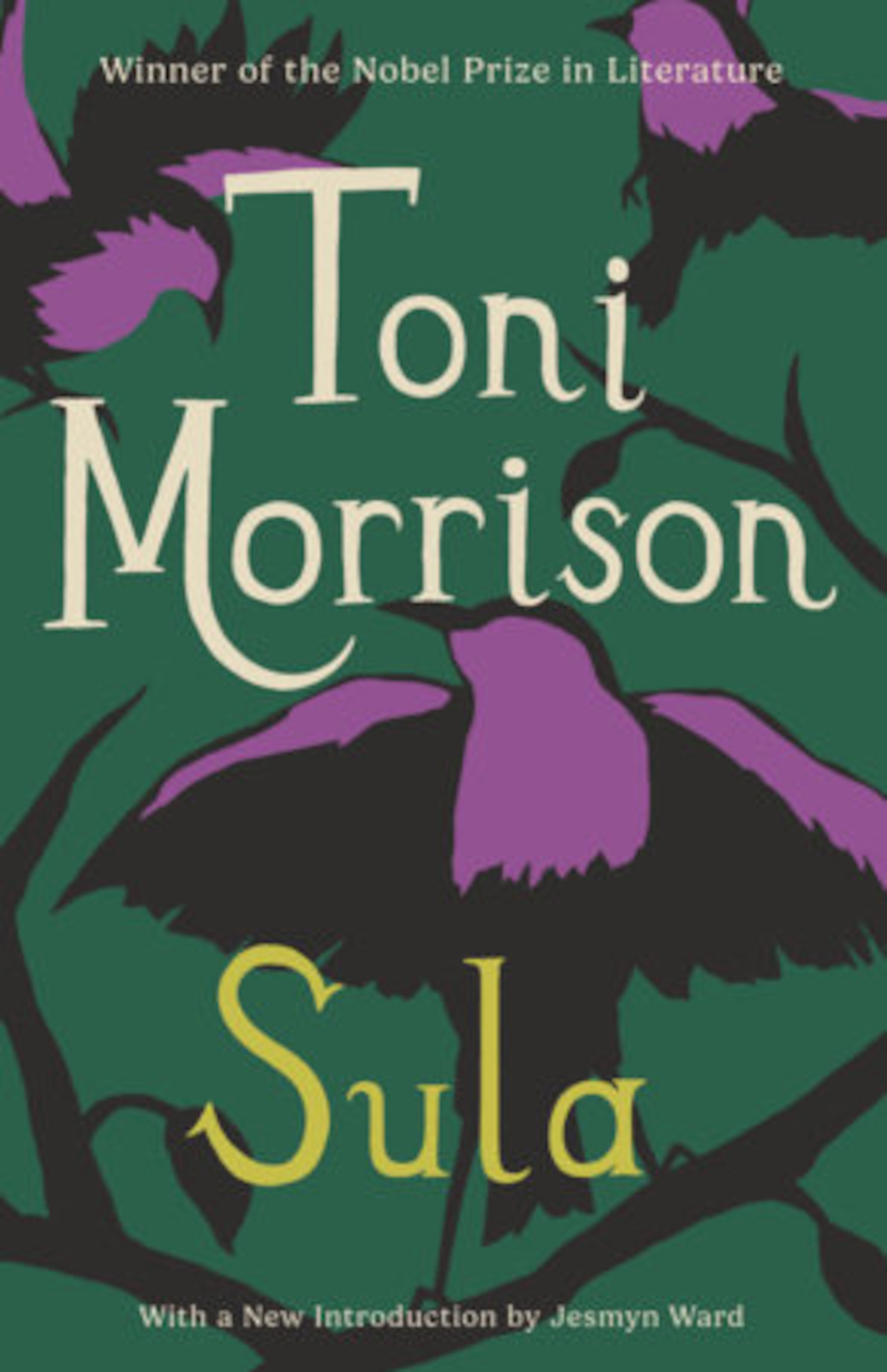
“Sula” is a gorgeous, difficult exploration of female relationships with one another, their mothers, grandmothers, lovers and husbands. And like all the Toni Morrison I’ve read, I feel like I understood maybe 51-60% of it. Her prose is so layered, her characters and their motivations so deep and intertwined with often conflicting desires, shames, loves and relationships, that I can’t digest it all in one pass.
Even if you’ve never read “Sula,” Morrison’s closing line is such an evocative, precise summation of a character’s grief that it needs practically no backstory: “It was a fine cry — loud and long — but it had no bottom and it had no top, just circles and circles of sorrow.”
Whenever I read Morrison’s work, I want to get into the story, but also into her mind. I’m not just a reader, but also a writer working to hone my craft. For me, each of her novels is narrative and writing manual in one. — Mirtha Donastorg
‘Leaving Atlanta’ by Tayari Jones
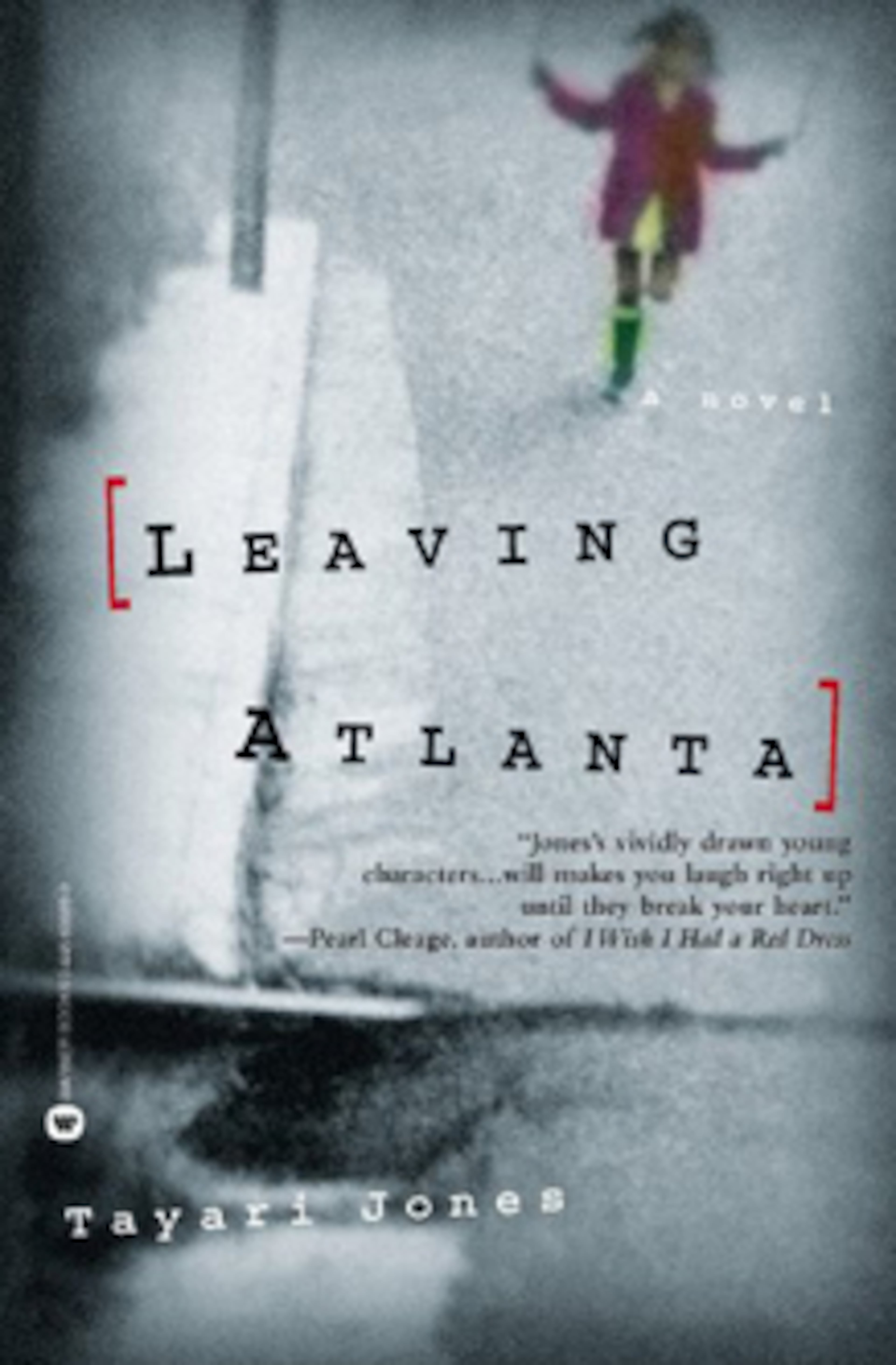
“Leaving Atlanta” was first published in 2002, but 2025 was the year I dove into the Atlanta Child Murders of the late 1970s and early 1980s.
As a new Atlanta resident, I knew author — and child who grew up during the murders — Tayari Jones would give additional context and relatability to a silenced phenomenon that seemingly went unchecked.
The anthology of fictional short stories — though, inspired by a brutal true crime spree — read like the worst of horror novels. But instead of ghosts haunting an old house or the undead rising from the earth, Jones takes us through the livelihoods of marginalized Black children who were left with nothing but crumbs from society. With their intensified vulnerability, these children were hunted and killed — a conspiracy, to this day, that still has no clear motive or understanding.
Truly a heartbreaking account, “Leaving Atlanta” sheds light on how Black children remained unprotected. But it’s even more outrageous that there are still no clear answers and the community has been taught to just move on. — Brooke Leigh Howard
‘Good Dirt’ by Charmaine Wilkerson
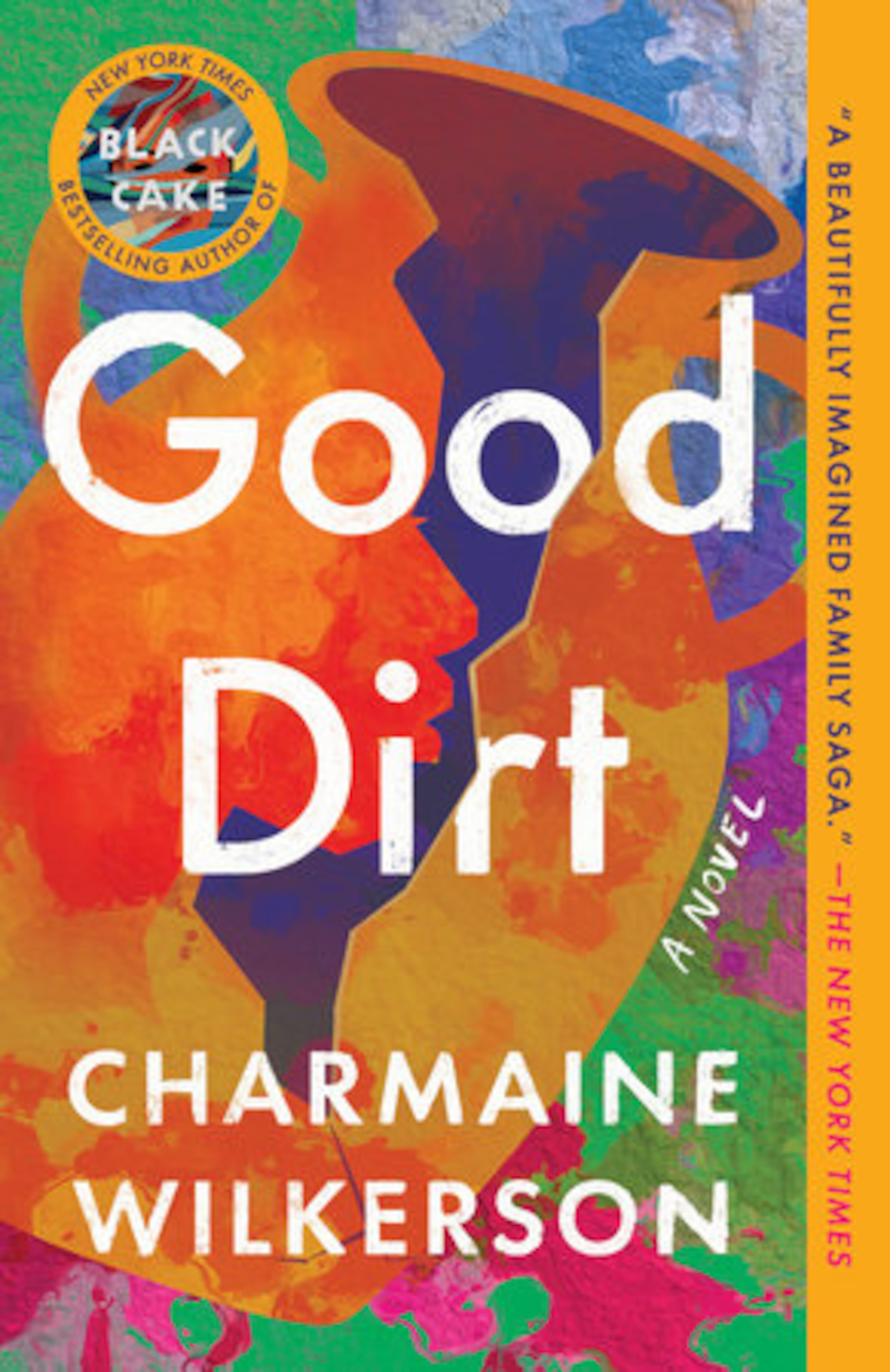
After reading (and watching the Hulu series) “Black Cake” — Wilkerson’s debut novel — I couldn’t wait to read “Good Dirt.” I love a good multigenerational drama, and this one came mixed with history and a modern-day meltdown when Ebby Freeman is jilted at the altar and tries to outrun her family history by heading to France. — Nedra Rhone
‘August Lane’ by Regina Black

“August Lane” is different from typical romances because Regina Black doesn’t follow the beats of the genre’s conventions in the same way as other novels. The book takes a slight deviation from the typical meet-cute/love story/emotional tension/happy ending chronology by intertwining multiple timelines across its 336 pages. While sometimes the result is a little muddy, overall “August Lane” has compelling characters that you want to root for, flaws and all.
Black also brings in heavy topics not typically found in a romance — like sexual assault, unwanted pregnancy, the erasure of Black artists in country music and the difficulty of caretaking — to make it a more holistic look at all iterations of love, not just romance. — Mirtha Donastorg
About the Author

Brooke Leigh Howard is a reporter for The Atlanta Journal-Constitution's Black culture team, UATL.