
‘Sinners’ places Oscars on right side of history with historic recognition

The Southern Gothic film “Sinners” has made cinematic history, leading Sunday’s Academy Awards with a record-breaking 16 nominations.
Atlanta writers and filmmakers have praised the film written and directed by a Black director, which stars a majority Black cast and features elements of Black American history they claim often get overlooked in mainstream storytelling.
Those writers and filmmakers did not hesitate to point out the perceived ironic impact such a so-called Black film has had on the Academy Awards — a ceremony that has been criticized for alleged bias against diverse Black films.
“There’s sort of a cliche in the Oscars that you’re going to get an award for being somebody mentally challenged or disabled, you’re going to get an award for being a prostitute or a victim of sexual violence,” said writer Nicki Salcedo. “But you’re not going to get an Oscar for being just like an average, everyday person.”
Additionally, Atlanta storytellers set the record straight as to how Black stories should be told and explain why “Sinners” was able to crack the Academy Awards’ ceiling.
“We live in a time where the entertainment industry is trying to figure itself out. It’s struggling. New concepts, new ideas, new stories are really becoming more and more difficult to be made,” said Rhavynn Drummer, founder and CEO of RAD Media casting and media production company.
“So the fact that ‘Sinners’ got made, the fact that it was cinematically — and not just cinematically, but also commercially — successful is just something that I can’t really think of any other filmmakers who have done that in recent years with new (intellectual property), as well.”
‘A different kind of storytelling’
“Sinners” has been uplifted for its complexities and multilayered storytelling. The horror aspect of the film is nearly an afterthought in the midst of intricate character building and subplots.
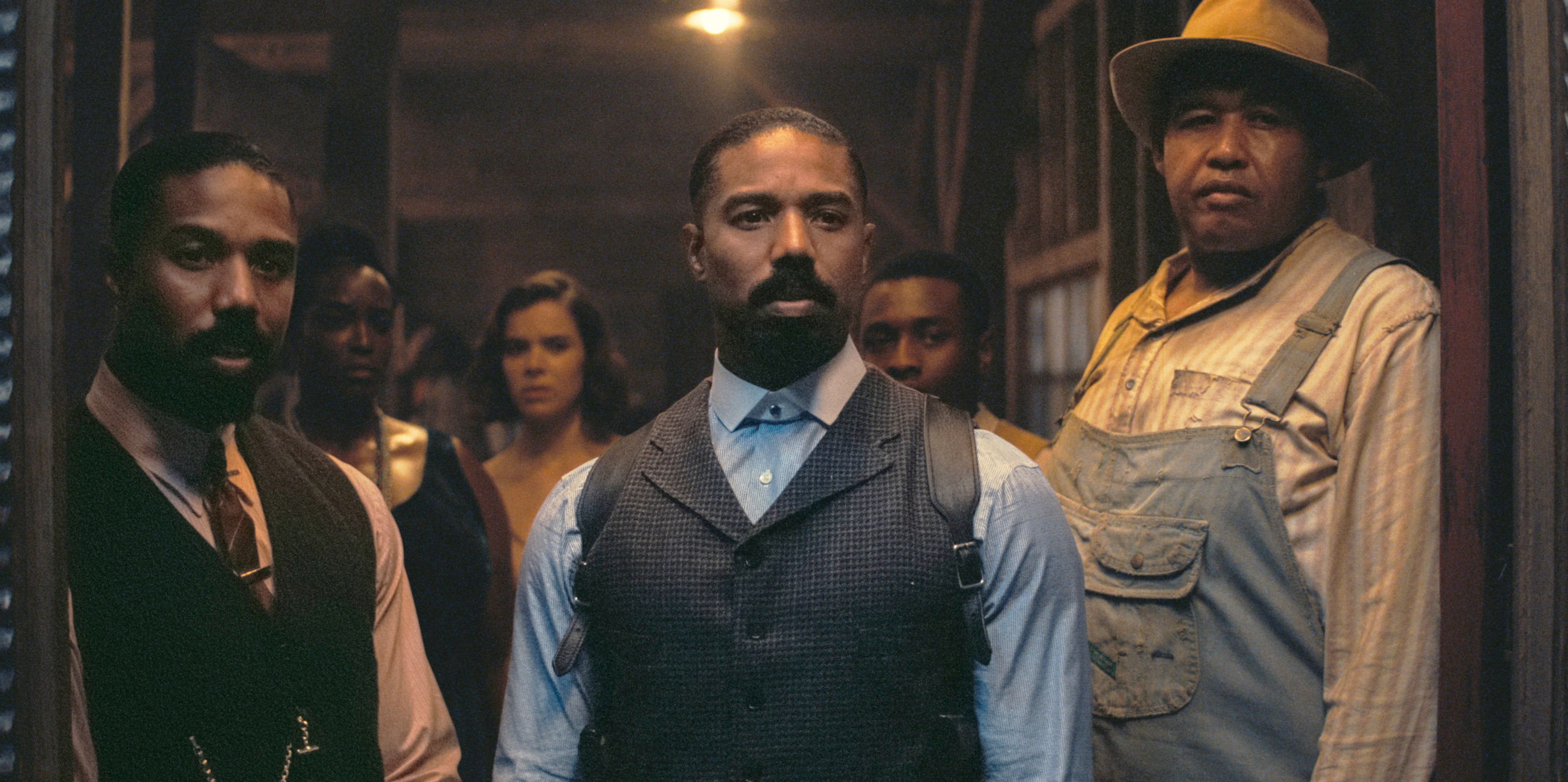
Taking place during the 1930s, “Sinners” sets the stage for Black American life in the Mississippi Delta. Many of the Black characters are sharecroppers on cotton plantations. Michael B. Jordan stars as fictional twins Elijah “Smoke” Moore and Elias “Stack” Moore, who have returned to the area from Chicago. They meet up with their blues-playing younger cousin Sammie (played by Miles Caton) to plan a party at their newly formed juke joint to celebrate the twins’ homecoming.
Christopher Jordan, studio production manager at Atlanta United FC, said “Sinners” was a “creatively revolutionary” movie that came during a slump of ideas in the film industry.
“The focus of the film (is) just characters who happen to be Black in that era,” Jordan said. “It really shows the complexity of people who are oppressed and need to find a way to make a living and might not always be doing the right things.”
Then, of course, there’s a trio of white vampires who stalk the partygoers at the juke joint, hoping to acquire Sammie’s musical talent.
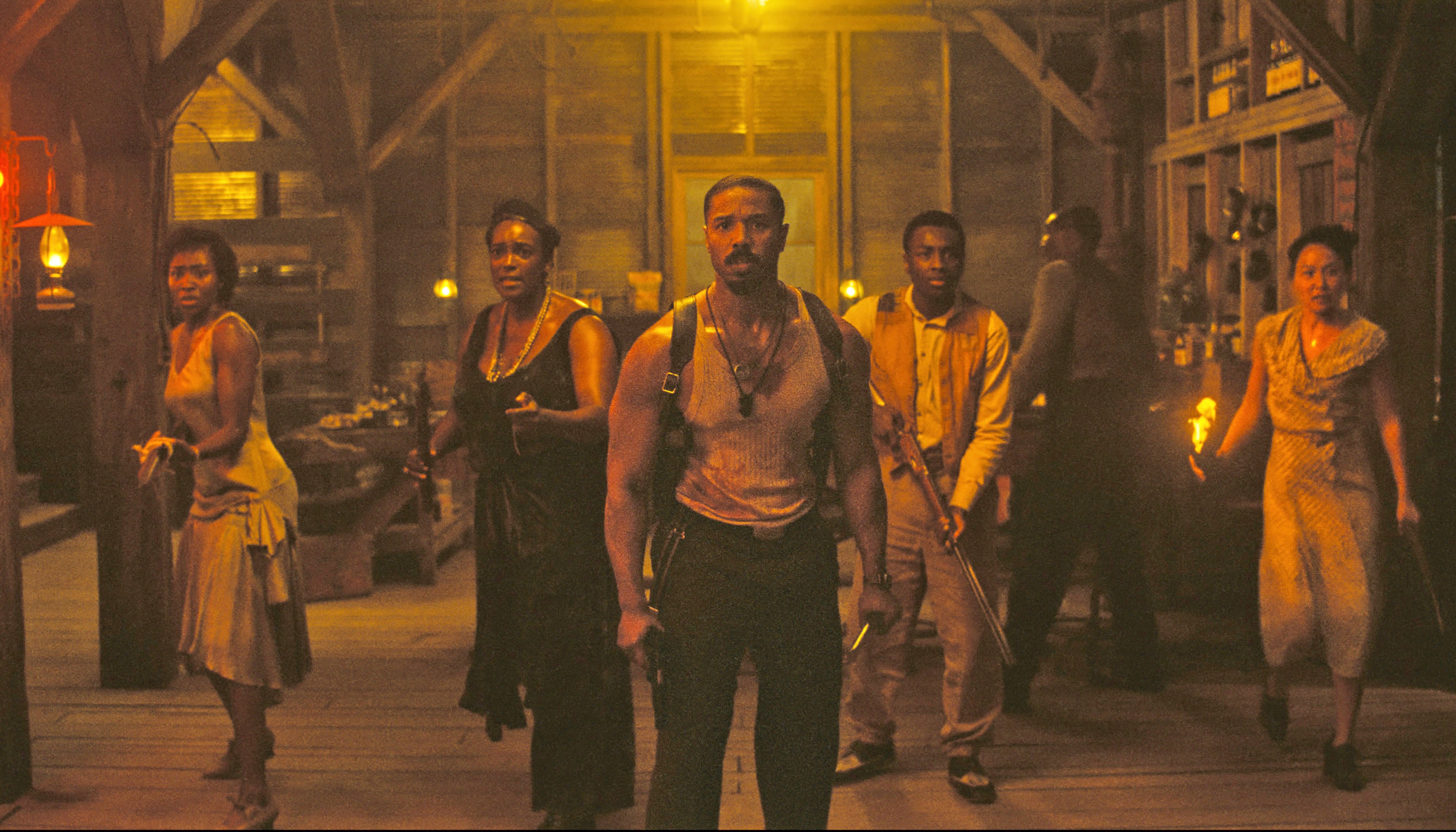
Salcedo said the movie was pleasingly unpredictable and showcased “a different kind of storytelling.” She applauded director Ryan Coogler (whose credits include 2018’s “Black Panther” and its sequel, 2022’s “Wakanda Forever”) for combining multiple genres in one film and still having the space to explore a supernatural element.
“There was a lot of action that happened, but there was also a lot of, sort of stillness and reflection that I think very much reflects the Black experience,” she said.
The film broaches conversations on spirituality and religion, the power of music, American colonialism, love and loss.
“The fact that ‘Sinners’ doesn’t shy away from the reality of Black life is very important,” Drummer said, explaining the uplifting as well as the downtrodden complexities of being Black in America need to be shared. “I think that that’s both of the stories that we need to tell.”
‘We have been here from the beginning’
“Sinners” has been lauded for Coogler’s screenwriting, but Atlanta filmmakers say the cast and crew also were meticulous with detail — which undergirded the storytelling. The contributions of the actors, set designers, composers, stylists and even the marketing team solidified the “Sinners” universe and captivated audiences.
Filmmaker King Williams called “Sinners” a “craft film” because of the dedication and technique ingrained into each element of the movie.
“A lot of it — down to the set design, the cinematography, that all played into it, but also the visual effects. This is something that … could have been easily just another paint-by-numbers horror film or vampire film,” he said.
Williams emphasized the importance of effort. With the amount of work put into the film, he said, “Sinners” couldn’t be written off as a diversity quota.
Time and effort do “make a difference in a lot of movies that do get nominated.”
Writer, filmmaker and Morehouse College professor Stephane Dunn agreed about the intentionality of filmmaking for a “superior film” such as “Sinners.”
“The music scene is one that will go down in history as to how it portrayed the contributions of Black people in the entertainment industry throughout our time here in America,” Dunn explained, referencing an Afrofuturistic scene in the film where music merges the past with the future. “To me, it was just such a testament to know we have been here from the beginning.”
‘Movie was never not going to be nominated’
Filmmakers in Atlanta also attribute the voluminous flowers “Sinners” has received to its popularity in theaters.
“When something makes a noise throughout the entire community, it forces people to see you,” said Atlanta writer-actor-producer Karen Ceesay.
Aside from gaining 16 Oscar nominations, “Sinners” won the Cinematic and Box Office Achievement and Best Original Score awards and four other trophies at the Golden Globes in January. The horror film scooped top spots for Original Score, Original Screenplay and Best Supporting Actress for Wunmi Mosaku at the BAFTA Film Awards in February. In early March, the film took top prizes at The Actor Awards for Outstanding Performance by a Cast and Outstanding Performance by a Male Actor in a Leading Role for Michael B. Jordan.
“Sinners” also accrued wins from the NAACP Image Awards, Gotham Independent Film Awards and American Independent Film Institute.
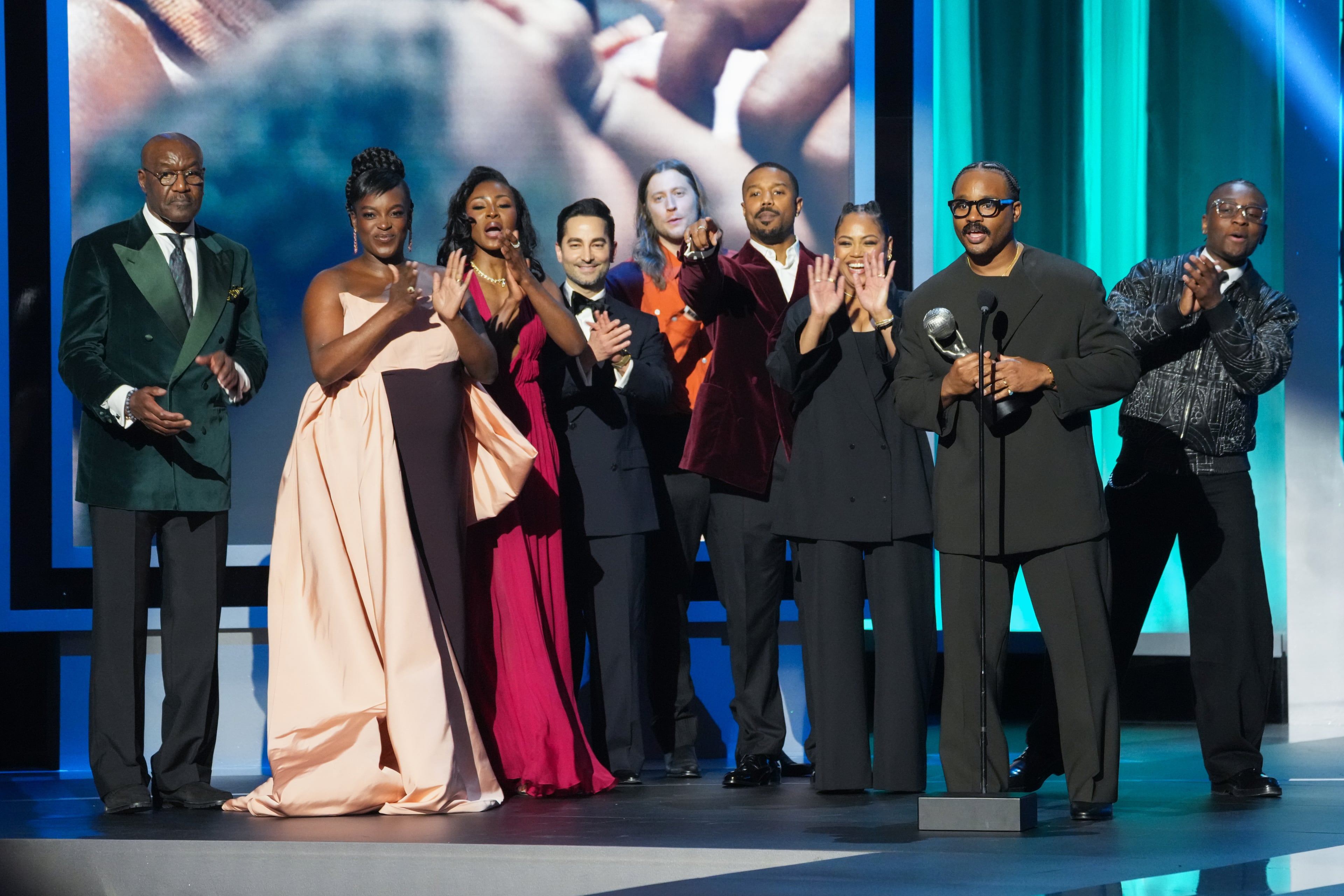
Along with the film’s dozens of accolades, “Sinners” has grossed nearly $370 million internationally at the box office since its spring 2025 release.
Even when the subject matter may be hard for some to swallow, the numbers don’t lie.
“The Academy, every year, has to make sure that they’re still staying culturally relevant with the audience,” Williams explained. “‘Sinners’ is the great nexus of that thing of good audience scores, good critic scores and even better box office. So, that movie was never not going to be nominated.”
‘We’ve barely scratched the surface’
The Academy of Motion Picture Arts and Sciences — the organization that hosts the Academy Awards — was founded in 1927. In 1940, Hattie McDaniel became the first Black person to win an Oscar, honored as Best Supporting Actress for her role as an enslaved maid in “Gone With the Wind.”
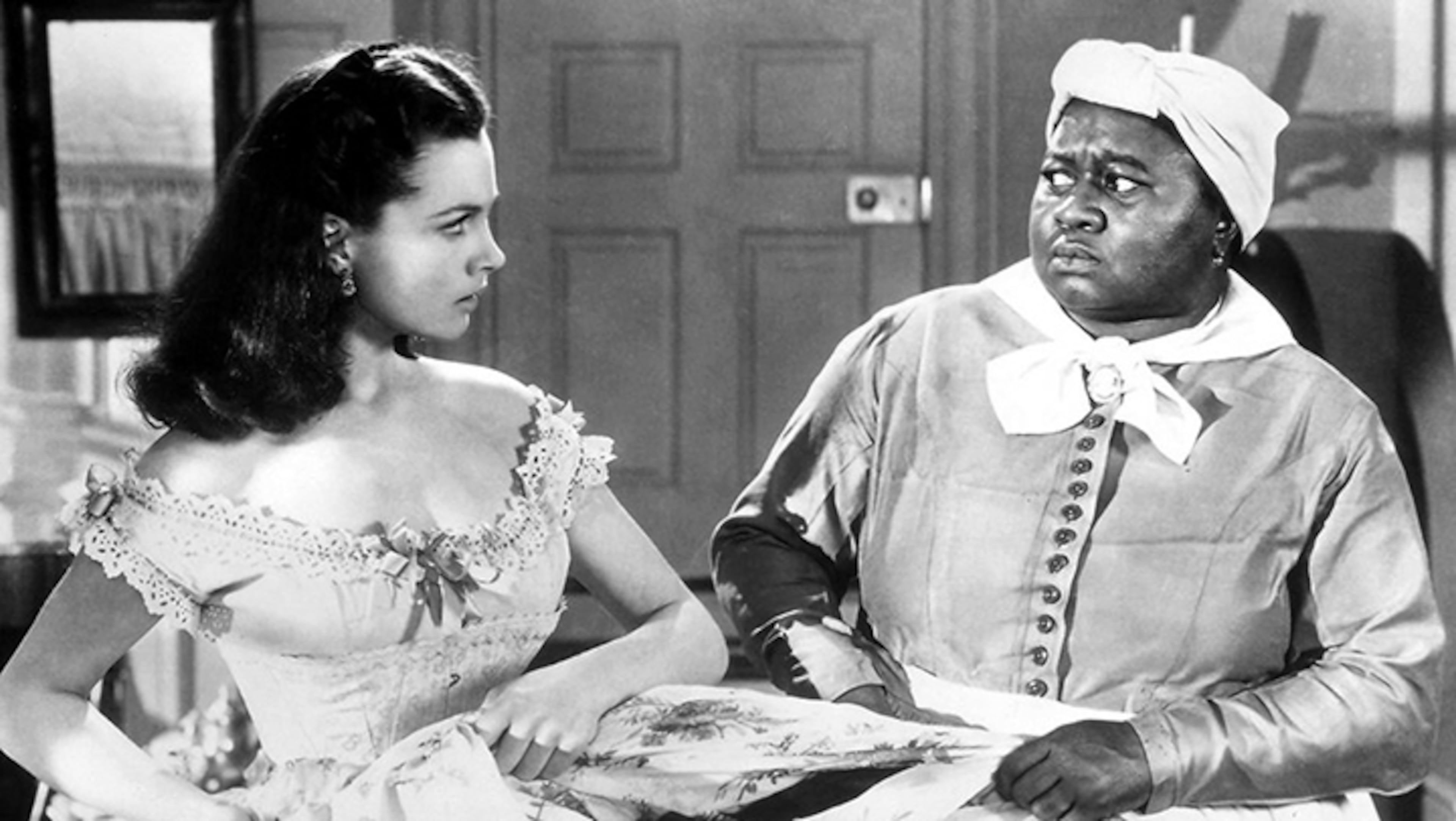
Black viewers have been critical of the Academy Awards since McDaniel’s win. Halle Berry and Denzel Washington’s trophies for Best Actress and Actor, respectively, in 2001 fueled ire because of roles described as degrading. Critics have lambasted the Academy Awards for allegedly only highlighting Black actors playing enslaved or destitute characters that appeared to be negative tropes of Black Americans. Many Black viewers say they’re tired of seeing the Black experience exploited for the sake of traumatic entertainment.
However, Black Atlanta filmmakers disagree. Instead, many believe more stories should be told about the history of Black people in America.
“Slavery was over 250 years in the United States. (Black people) have had more experience with slavery than we’ve had with our own freedom,” Williams said. “Not only should we have more films about slavery, we have different eras within slavery and the people who are a part of it, and what they did and didn’t do. Because if you have that, you would have a better understanding of your history so you don’t repeat it.”
“Sinners” “is set in the Jim Crow South,” Williams continued. “This is a movie that has Black pain and Black trauma. The characters did not make it to the end. I think that for a lot of people, what they really are saying is, ‘I want to feel like the hero, and I want to feel validated, and I want to feel inspired and empowered.’”
Dunn expressed similar views. She said there simply are not enough Black films.
“We need more films that are told through our perspectives and through innovative ways that we control on and off the camera,” she said. “I understand that people are trying to suggest there’s not enough diversity of roles, but I always push back when there’s some suggestion that there’s some big, old investment in a bunch of films about American slavery.”
Whether or not “Sinners” scores wins at the Academy Awards Sunday, Atlanta filmmakers are proud of the project and the overall progress that Black people have made in Hollywood.
“We still have a long way to go, but the fact that we are able to tell stories of nuance and complicated characters that have Black skin, that is something that I think that Hattie (McDaniel) would be really proud of,” said Drummer.
“We’ve barely scratched the surface on the stories that we can tell of the African American life,” she said. “(Our genuine stories) are still important for us to embrace, and we can embrace it with dignity.”
ON TV
98th Academy Awards
7 p.m. Sunday on ABC, Hulu, ABC.com, the ABC app, YouTubeTV, AT&T TV and FuboTV
About the Author

Brooke Leigh Howard is a reporter for The Atlanta Journal-Constitution's Black culture team, UATL.