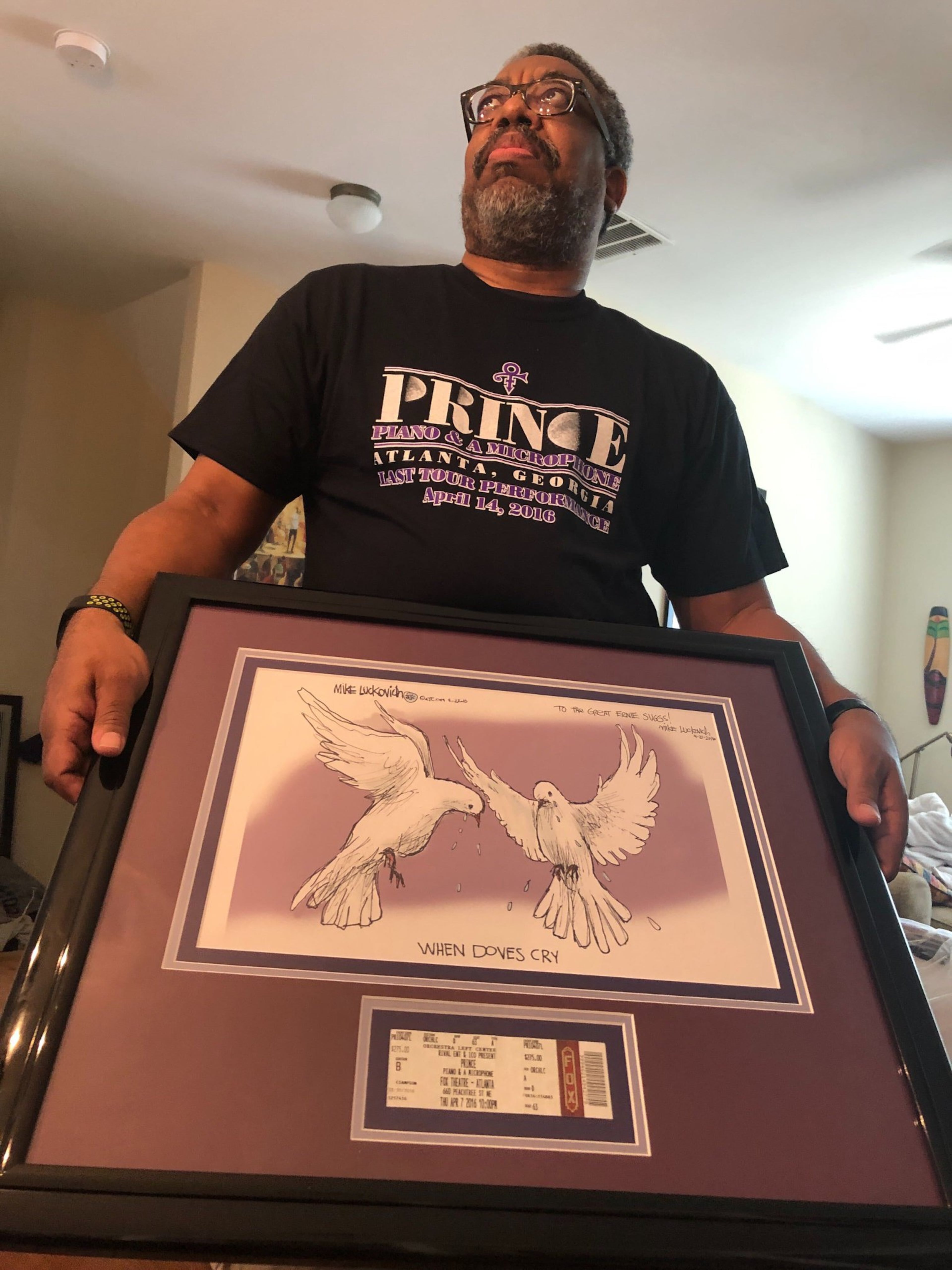
A decade after Prince’s death, his final concert still lingers

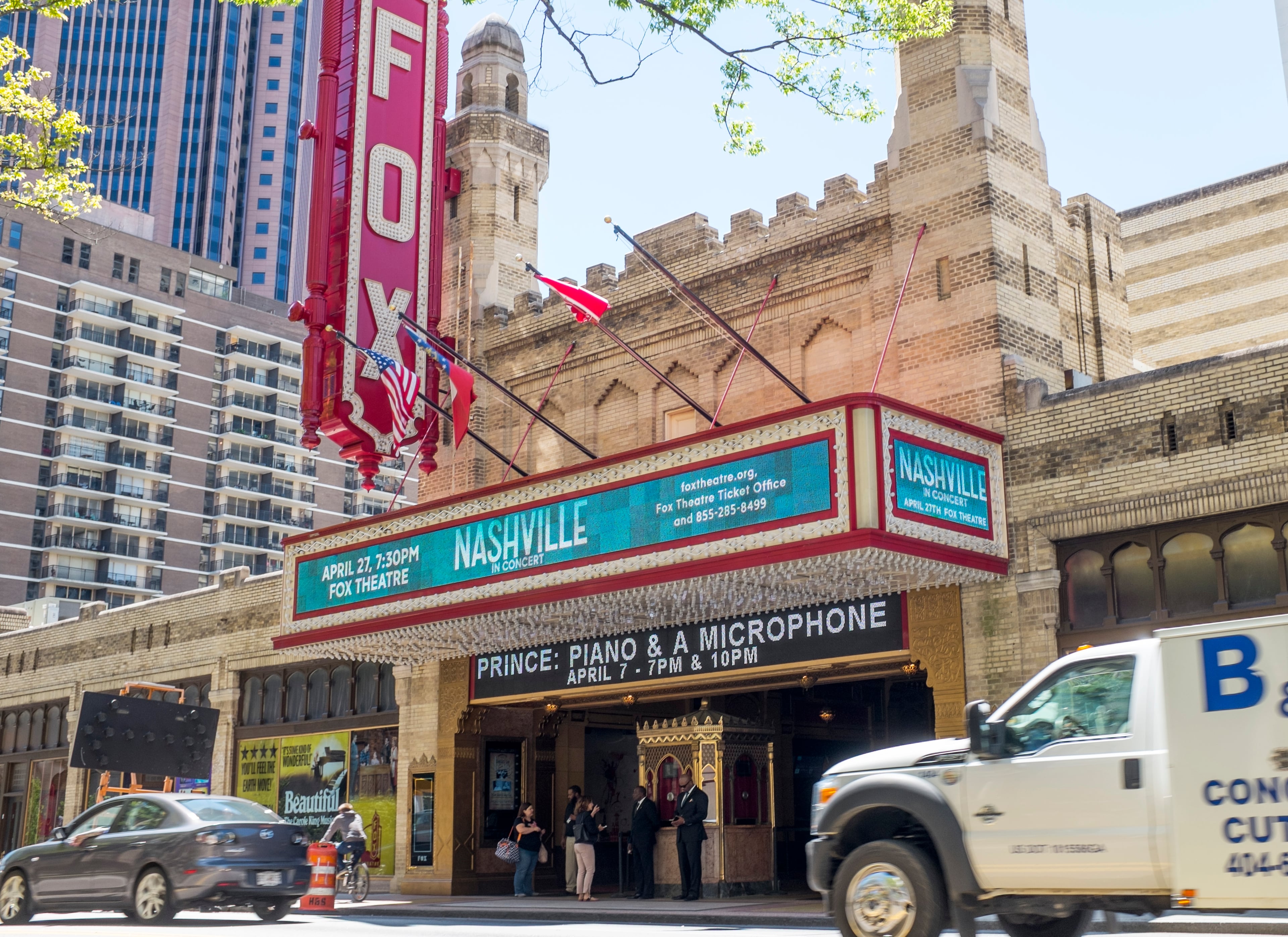
Today, 10 years after the April 21, 2016, death of Prince, the memory that stays with me is not from the day he died but from exactly a week earlier, inside the Fox Theatre.
He performed two shows on April 14, 2016.
I attended the late one. It was spare and intimate, just Prince, a microphone and a piano, stripped down to the barest elements of his gift.
He moved through his then-38-year catalog with a kind of ease that felt almost conversational.
“I am here, Atlanta,” Prince said after opening the show with a cover of the Staple Singers’ “When Will We Be Paid?” “I beg your forgiveness for the (previous) cancellation. But I am here now. Where are you?”
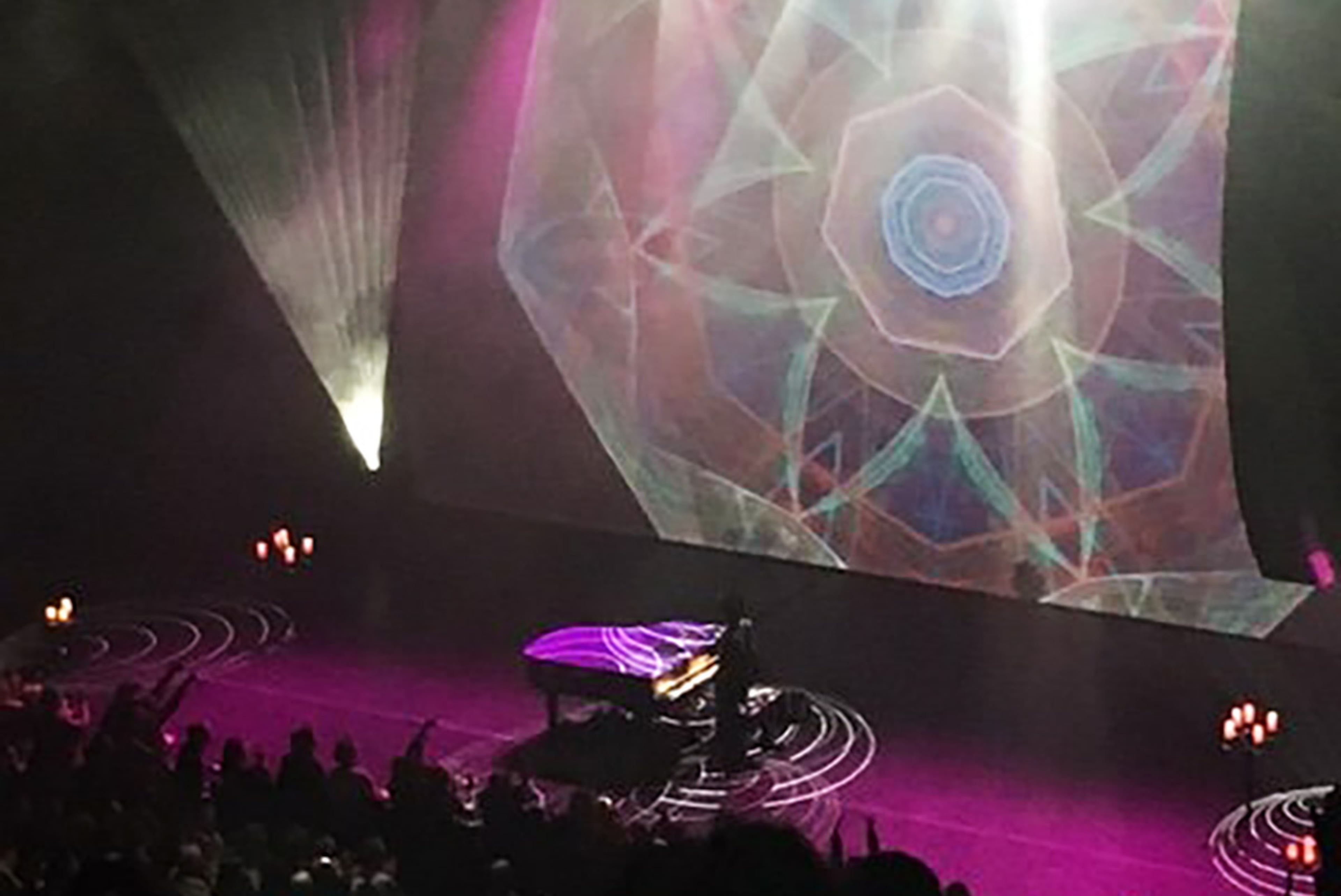
And with that, there was no sense of urgency in what he was doing or how we felt. There was also no sense, at least not consciously, that this would be the last time.
And yet, looking back now, it is difficult not to ask what it meant that he was there at all.
Anniversaries tend to impose order on loss. They offer a clean marker to measure distance from an event that once felt immediate and disorienting.
A decade later, Prince’s death at the age of 57 from an accidental drug overdose has been absorbed into the broader narrative of his life and career: the innovations, the battles over ownership, the sheer volume and range of his work.
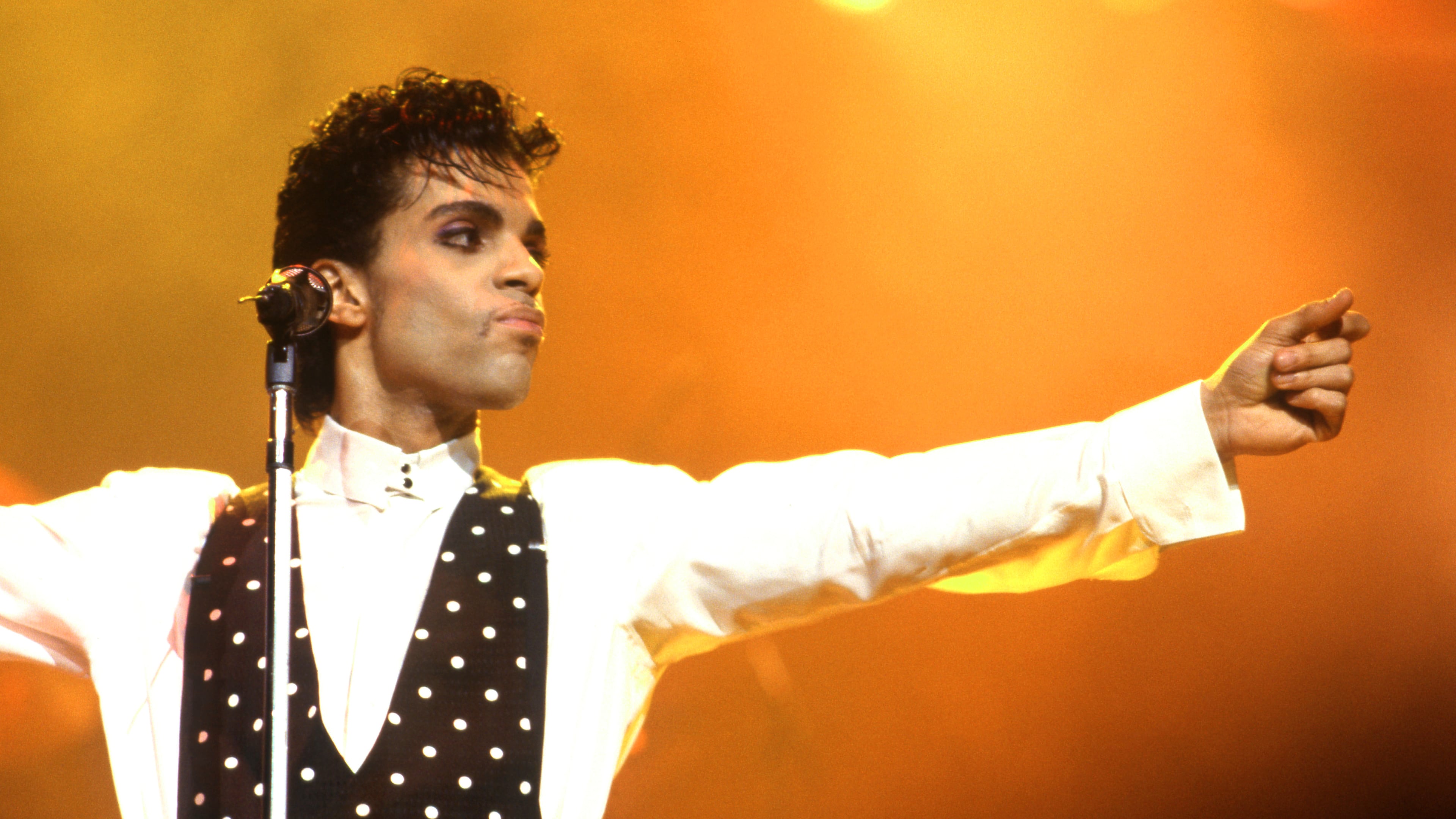
With his death, we lost the permission to be strange, to be brilliant without apology, to be Black and complex and contradictory and fully in control of the terms of one’s own expression. He did not ask the world to understand him. He demanded that it catch up.
But the proximity of that Atlanta performance during his Piano and a Microphone Tour to his death complicates the story. It introduces a question that resists easy explanation.
Why Atlanta? Why that room, that hour, that audience? And, frankly, why was I allowed to be in that space to witness what would be the end?
There is no obvious answer. Artists move through cities constantly, especially one like Atlanta, which has long been a central hub for Black culture and music.
From Gladys Knight to Outkast, Atlanta is a city that understands performance and transformation. It has always been a place where Black life stretches, reinvents itself and claims space in ways both loud and quiet. And Prince, who spent his life refusing to be contained, arrived here at the very end and offered something stripped of artifice.
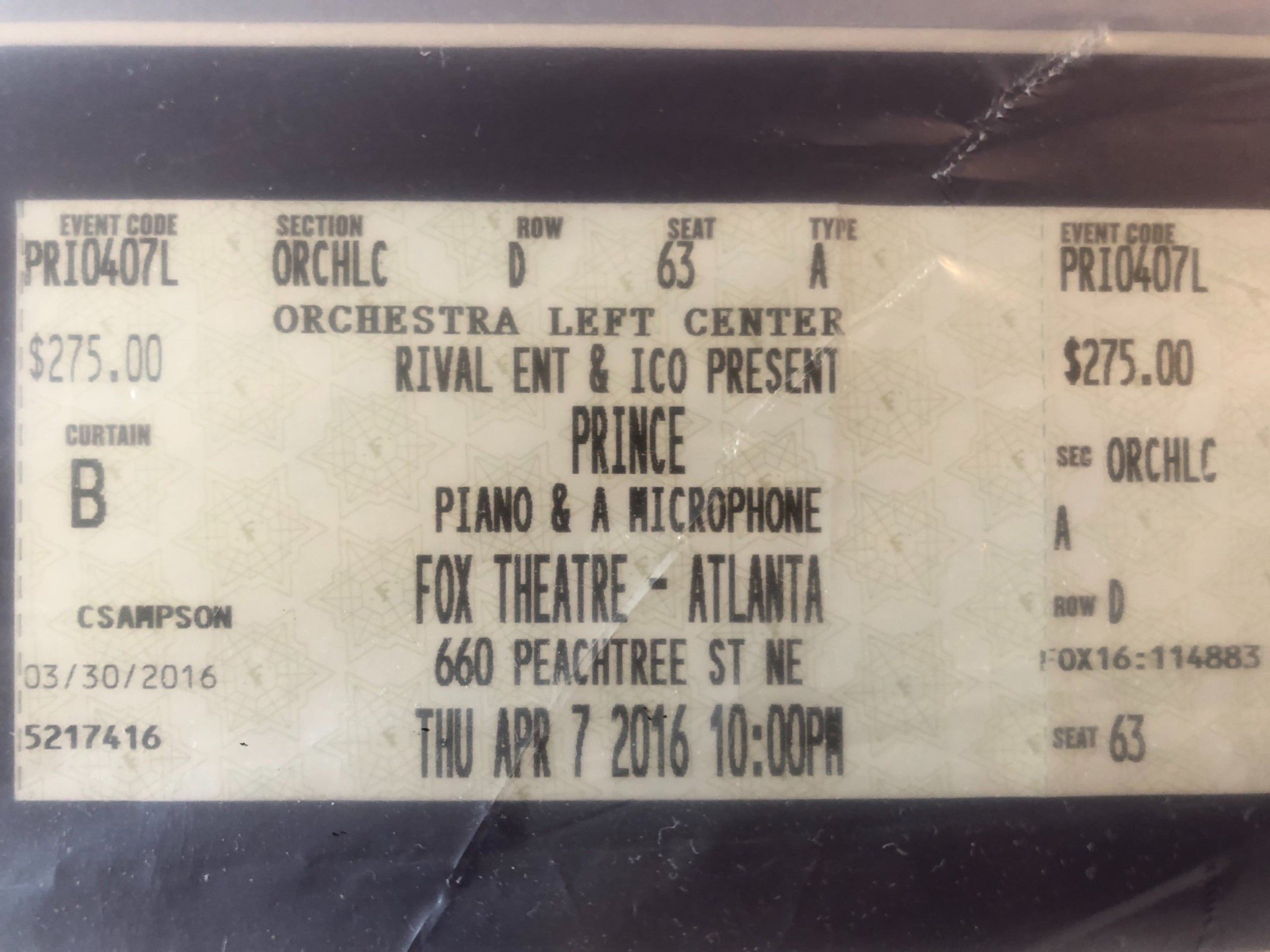
The April 14 performance was the result of a delay and cancellation. In true Prince fashion, the planning was a quick and surprising series of events that happened on successive Thursdays.
It was announced that tickets would go on sale on March 31 for an April 7 show at the Fox. But on the 7th, it was announced that Prince was sick and was canceling the show. The disappointment didn’t last long, as it was quickly announced that he would honor his commitment and come on April 14 — a Thursday.
At the Fox, Prince appeared focused and in command. He moved fluidly between lesser-known songs and familiar hits.
His voice was strong. The audience, many of whom had seen him multiple times, including myself (more than 20), seemed to recognize that this was not a typical show, even if we could not say exactly why.
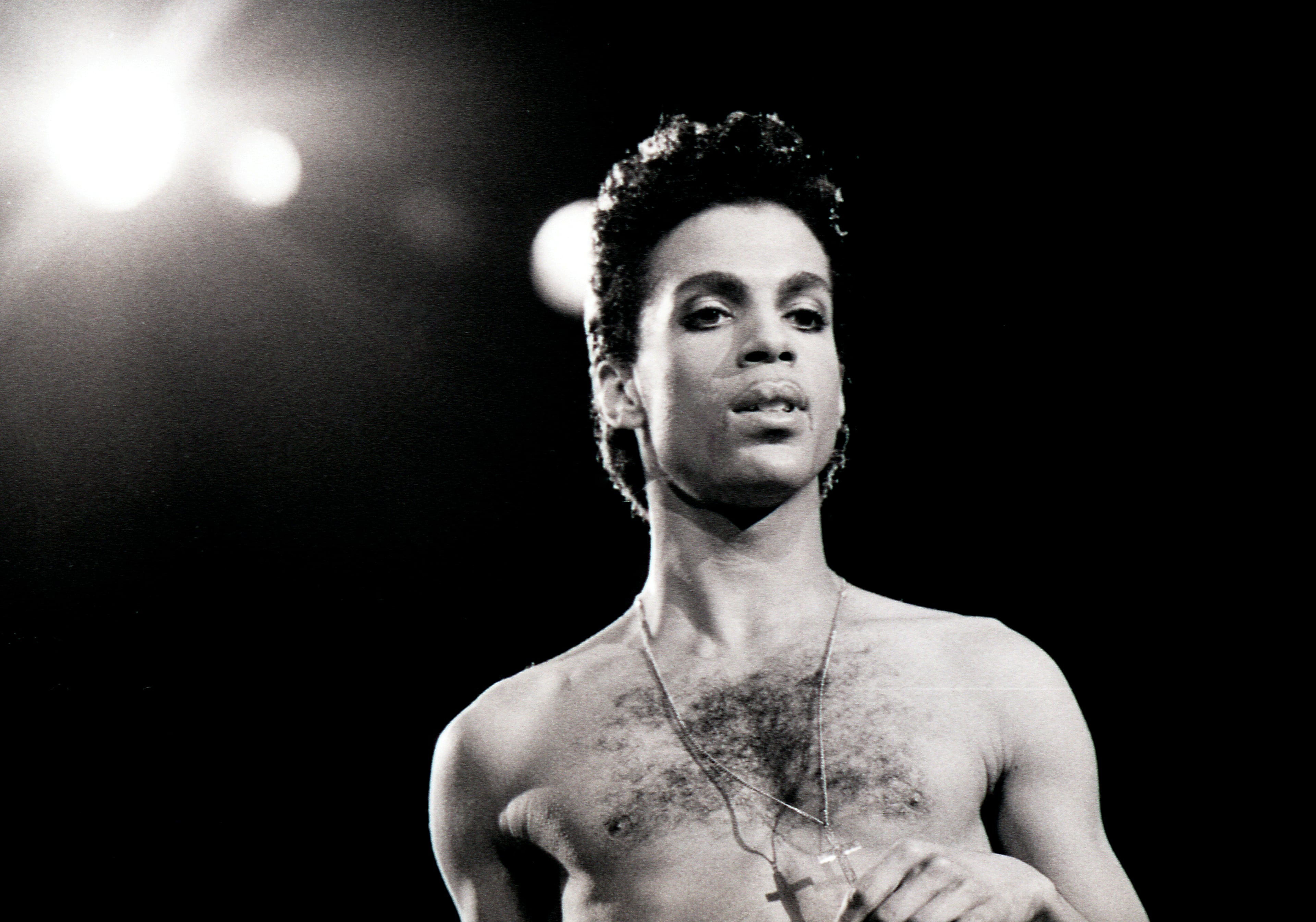
In retrospect, while he sounded great, we did notice how unusually slight and frail he looked that night. He even walked onstage with a cane, which he slyly presented as a fancy walking stick.
But I would be lying if I said I sensed that something was actually wrong.
Near the end, he performed “Sometimes It Snows in April,” a song already haunted by its own understanding of loss. Originally recorded on April 21, 1985 — 31 years to the day of his death — it is difficult not to hear that song as a kind of meditation — not on death, exactly, but on departure.
Seven days later — on a Thursday — he was gone.
I have been reading a lot of James Baldwin lately, and I remember this line from “The Fire Next Time”: “Life is tragic simply because the earth turns and the sun inexorably rises and sets, and one day, for each of us, the sun will go down for the last, last time.”
I was in the newsroom when it happened. On that morning of April 21, news broke that “someone” had died at Paisley Park, Prince’s sprawling Chanhassen, Minnesota, compound.
I swear, for the life of me, I never once thought it could be Prince. Maybe it was a gardener. A tourist. Anybody.
Then — and I will never forget this — George Mathis, a former editor here at the AJC, said across the newsroom: “It’s Prince. Prince is dead.”
It seemed like George was looking right at me.
Prince had been an ever-constant presence in my life. I first “discovered” him in the early days of MTV — when they finally started playing Black artists — and he dazzled us with “1999” and “Little Red Corvette.”
Having grown up on soul music like Aretha Franklin, Stevie Wonder and, of course, Michael Jackson and the Jackson Five, Prince immediately represented something different.
He looked different. He acted differently. He sounded different. His songs were different.
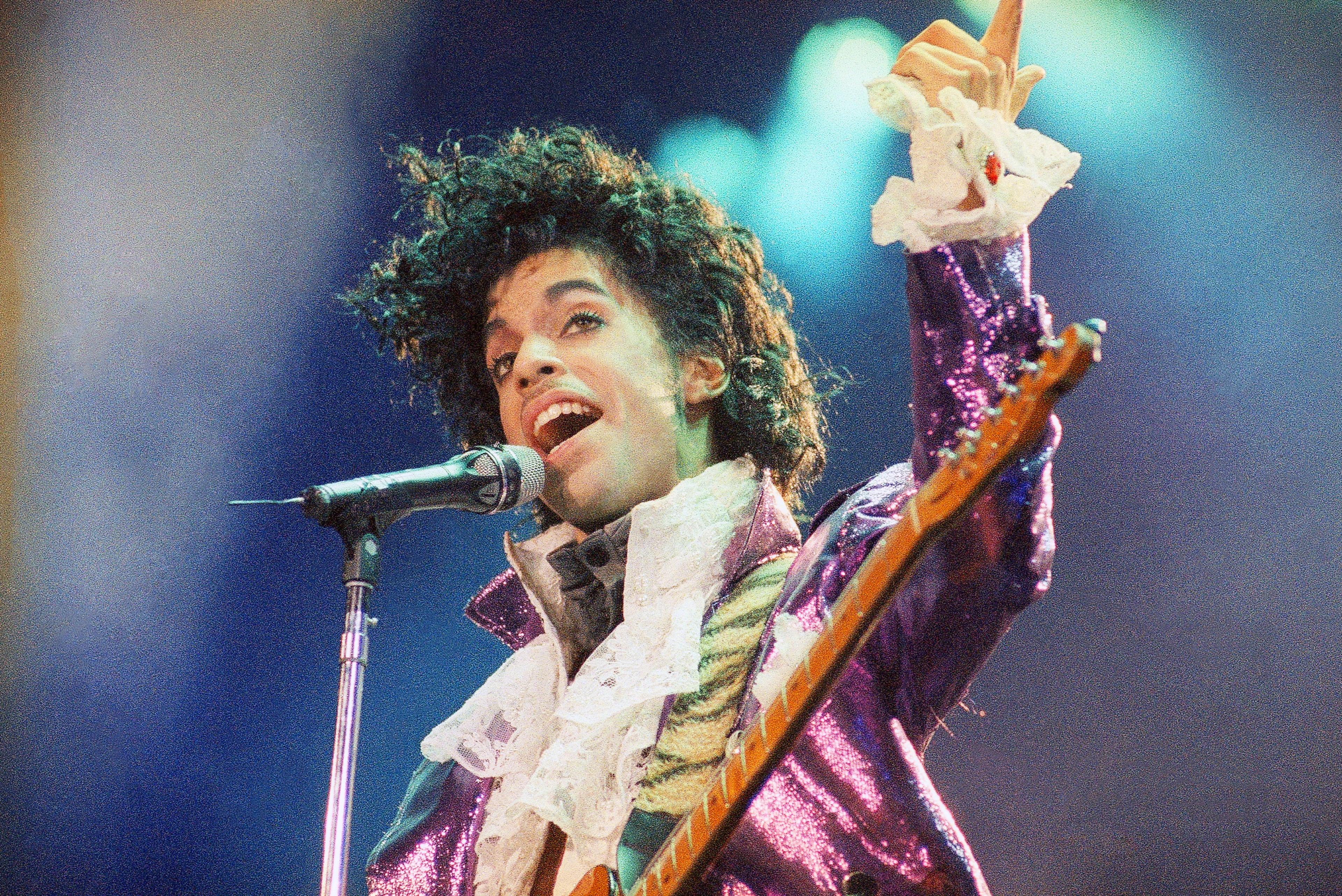
By the time “Purple Rain” dropped, I was hooked. I bought every album the day it arrived. Every magazine. Every book. When I interned and worked in New York City, I spent every spare dollar I had in Greenwich Village shopping for bootleg albums.
And I will neither confirm nor deny the rumor that was going around my college that Prince and I were cousins. Although I will admit that when I pledged Alpha Phi Alpha, my line name was “Lovesexy.”
In the 10 years since Prince’s death, much has been written about his legacy. He reshaped the boundaries of genre, fused funk, rock and pop in ways that influenced generations of artists and challenged the music industry’s control over creative work. His disputes with record labels, once seen as idiosyncratic, now look prescient.
Last Sunday, I was at the Plaza Theatre for a special showing of “Purple Rain,” followed by a discussion about Prince’s influence. The theater was packed with people from all over Atlanta — Black and white, young and old, straight and gay. Most people wore Prince T-shirts. Others came in full Prince attire.
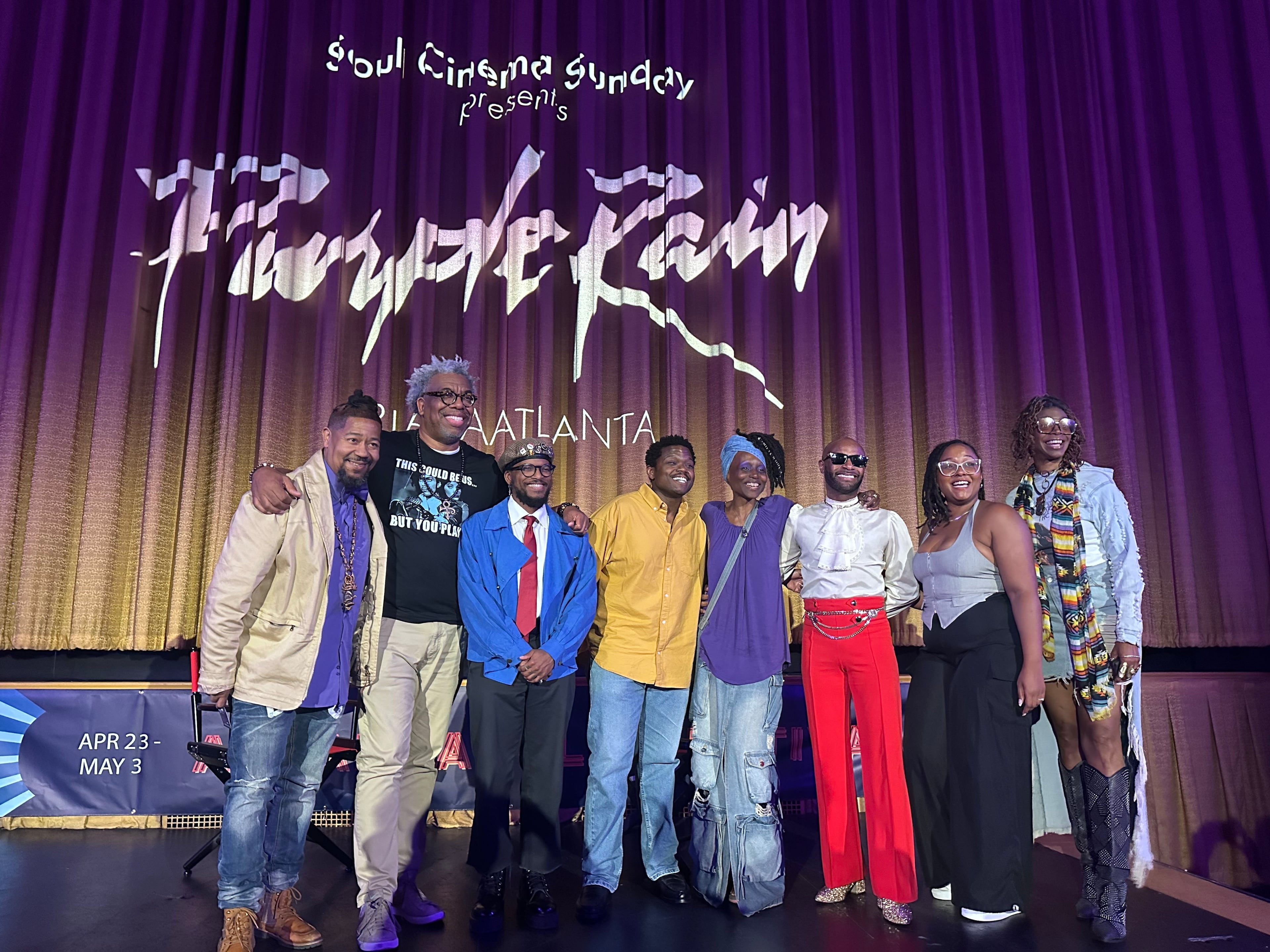
Everyone had a ball, even when they cried at the appropriate times.
For listeners who grew up with his music, Prince’s death felt less like the loss of a distant celebrity and more like the loss of a constant presence. His songs marked specific moments but also seemed to exist outside of time, always available, always relevant.
That is part of what makes the Atlanta concert linger. It offers a final, tangible point of connection.
He was there. He played. People listened.
I listened.
Time is supposed to clarify things. It is supposed to soften the shock, organize the grief, make sense of what once felt senseless. But this may never be resolved, and it continues to shape how the end of his life is understood and how I understand him.
Not as an abrupt disappearance but as something that unfolded quietly, in real time, in a room full of people who could not yet recognize it for what it was.