
Black culture embraces main-character energy at these spring arts events

An array of art exhibitions have landed in Atlanta. Colorful paintings, engaging installations and historic photos are leaving their respective marks in Black culture throughout the city’s museums.
A local artist has symbolically risen from the ashes after a fire ruined a large collection of his work. A Spelman alumna returns home to showcase how Black communities all over the country share a dark history. Another exhibition is reimagined with a live performance. A fourth celebrates the work of a photojournalist who fought for civil rights through a camera lens.
No matter your preference of art mediums, Black pride is on full display. So, be sure to capture these exhibitions before the summer months hit.
UNCOMMON NATURE: The Abstractions of Freddie Styles
Freddie Styles’ latest exhibition — on display at the Clark Atlanta University Art Museum — has been considered an artistic resurrection.
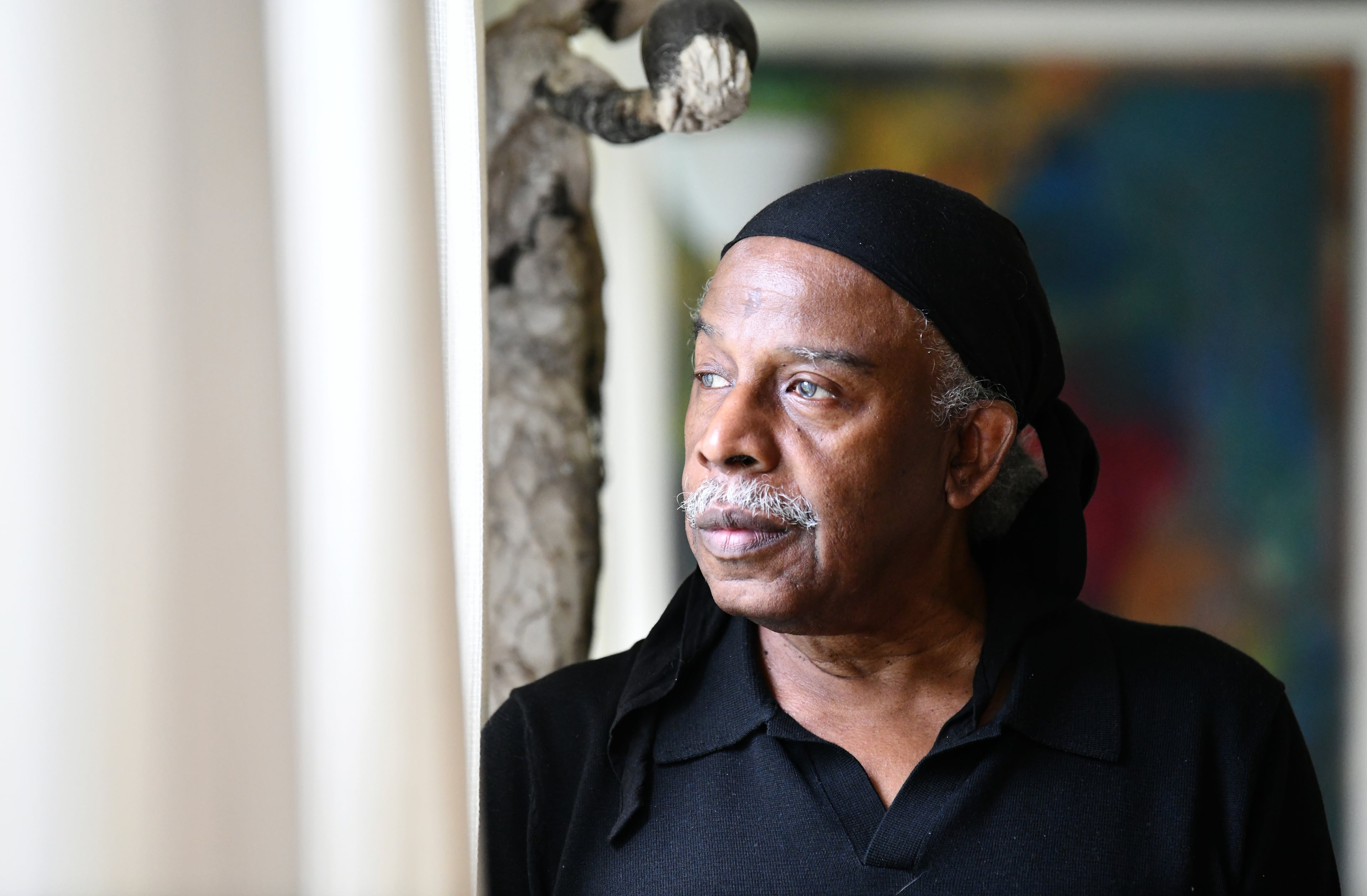
A fire destroyed Styles’ home and much of his artwork in February 2025. Since then, community members have rallied to raise funds and support through auctions, concerts and speaking panels to benefit the painter.
Then, this year, the artist underwent throat surgery.
Art collector Mike Harris says the last year has been a season of artistic renewal for Styles.
“I call it the miracle of Freddie because the whole thing was crazy that it happened the way it did,” Harris said.
Much of Styles’ work is centered around environmental tithings of Black Americans.


Originally from Madison, Georgia, Styles moved to Atlanta at 7 in the early 1950s. His family settled in Summerhill before the neighborhood was subject to urban renewal and highways overtaking Black neighborhoods. With an early interest in the visual arts, in 1965 to 1970 Styles participated in the final years of the Atlanta University Art Annuals, a competition for aspiring artists. He was encouraged by Jeanne Odalie Jackson Oladele — Maynard Jackson’s sister — to professionally pursue the field.
“Maynard Jackson’s sister planted the seed,” said Styles. “It’s all I’ve ever really wanted to do.”
In “UNCOMMON NATURE,” a compilation of Styles’ work has been brought together from various collections to commemorate his dedication as an artist for over six decades. Textures are explored with the use of pine needles, as paintings recall medicinal folk practices of early Black American communities.


Through May 1, 2026, at Clark Atlanta University Art Museum. 223 James P. Brawley Dr. SW, Atlanta. 404-880-8000. cau.edu
Calida Rawles: Away with the Tides
“Away with the Tides” at the Spelman College Museum of Fine Art tussles with how Black people maneuver in a society that forcefully tries to erase their presence.

Spelman alumna Calida Rawles battles the trope of Black people’s fear of water.
But instead of leaning into the separation, the subjects of Rawles’ work embrace water as a parallel universe.

“Water has many meanings for Black people,” Rawles said. “It carries memory. It reflects parts of our historical narrative, from the Middle Passage to segregation at public pools and water fountains. It can be a place that holds trauma, but at the same time, it is also a source of healing. I’m drawn to that dichotomy with this natural element.”
Images of Black people are seen throughout the exhibition, partaking in their own versions of baptisms and reclaiming their freedom in water. In the midst of blue waves, white tides seem to wash over Black bodies — in reference to the reworking of Black history at the hands of white storytellers.
Rawles said she tries to tell multiple truths at one time within her work, to honor “the past while also imagining new ways for Black bodies to exist, to be seen, and to simply be.”

Rawles displays the early grid of Overtown, Florida, as a backdrop within the exhibition. A historical Black neighborhood just outside of Miami, the area once known as the “Harlem of the South” was deconstructed to make way for interstates. Interrupting Black culture and furthering segregation, dismantling Overtown stalled progress and community for Black residents.
Patricia Henry, who viewed “Away With the Tides” on opening night, said the exhibition is timeless and a mirror to the destruction of Black communities.
“In Atlanta, (community) died because of the way they did the streets and the highways,” said Henry. “I am reminded of how history cycles itself. I feel like I’m starting to see things come back in different places, and it’s like a big circle. And (Rawles’) exhibit just kind of shows how we go in and out and in and out.”
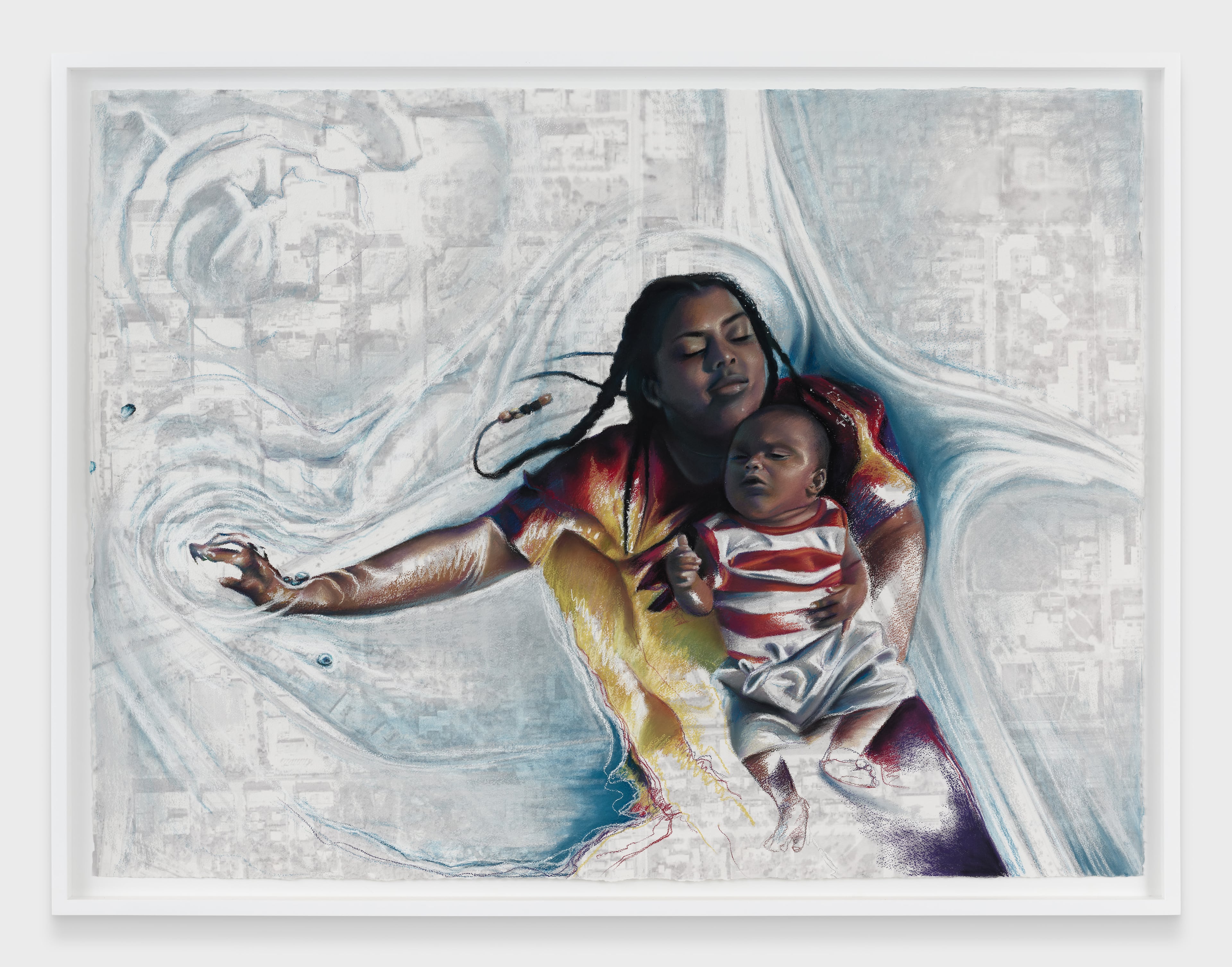
A piece of Atlanta’s history is also shared within the exhibition.
“Rawles said she wanted to compare how Atlanta was similarly affected by the Federal Highway Act.
The I-75/I-85 Downtown Connector is shown splitting Atlanta into pieces, cutting through historically Black areas like Sweet Auburn and Washington—Rawson in the area of the former Turner Field.
“Despite the displacement, there is pride, and love for the communities by the people that live there,” Rawles said, adding that the ramifications of urban renewal are reminders of Black legacies.
“They are living histories that demand recognition, care and preservation — especially since so much has been taken away.”
Through Sept. 5, 2026, at Spelman College Museum of Fine Art, Cosby Gallery. 440 Westview Dr. SW, Atlanta. 404-270-5607. spelman.edu/museum-of-fine-art/
A Live Response to Unbound Narratives: Embodied Language Performance
“Unbound Narratives” at Atlanta Contemporary is getting a new interpretation in the form of performance art.
The exhibition has been on display since February and runs through May. But this Saturday, two works by a’driane nieves will receive a choreographed dance, directed by Spelman College Department of Dance Chair T. Lang.
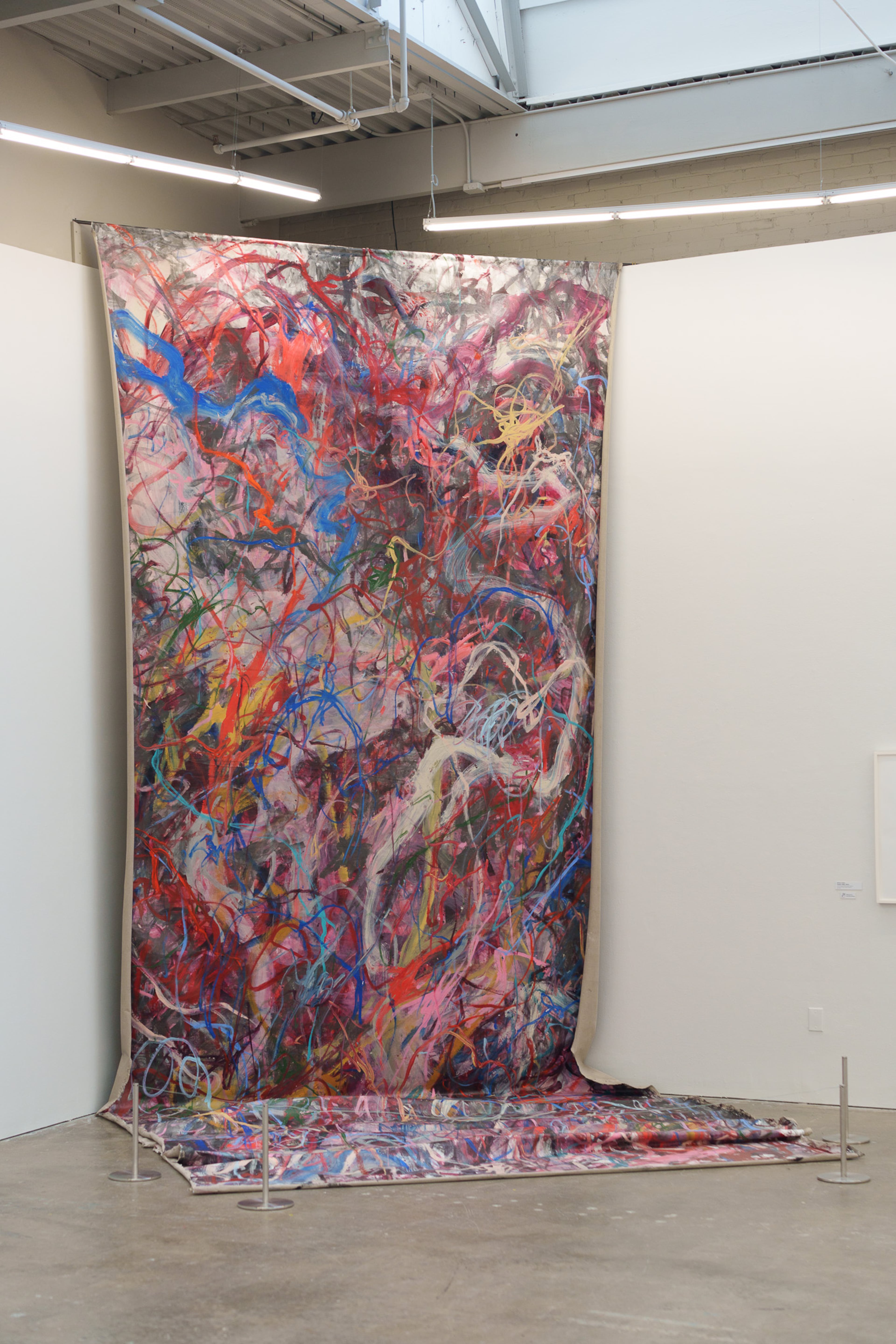
The full exhibition, curated by Karen Comer Lowe, centers on different modes of storytelling and how visual art transforms across creative mediums.
a’driane nieves’ work “let’s dance our way back home” and another titled “i find myself suddenly swinging between the enormity of this grief and the inconsolability of this rage that I cannot seem to shake no matter how much I scream or flail my body in protest of all we’ve been forced to endure and witness during these years. Survival has become a prison and a gravity well swallowing me and all of our dreams whole, 2024,” merges aesthetically colorful visuals with body movement.
“‘Unbound Narratives’ centers on the idea that the body holds memory that exceeds linear storytelling,” said T. Lang. “I want the performance to reflect accumulation, rupture and reassembly.”
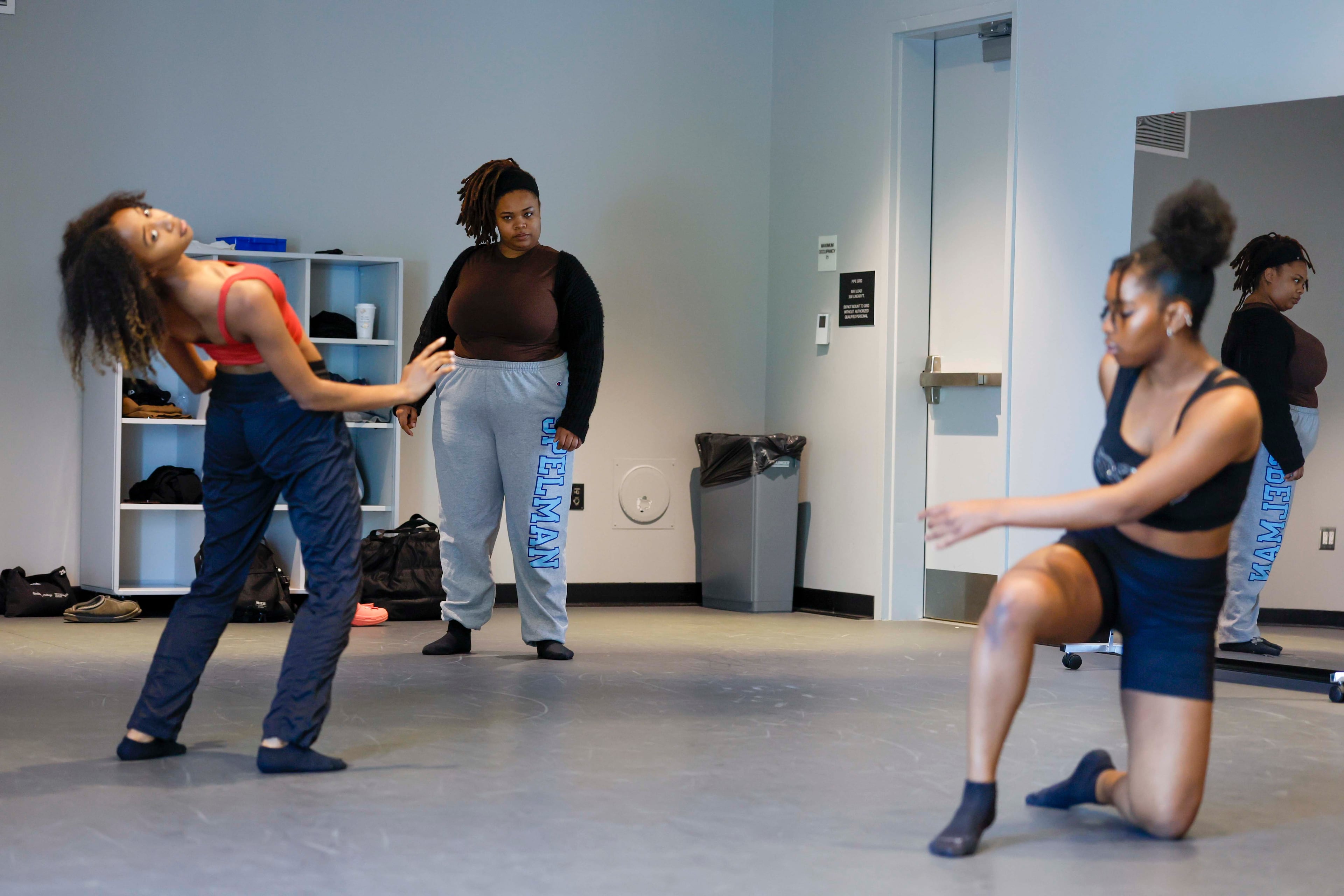
During rehearsal, dancers Zoë Azille and Zoe Shepard (both Spelman College class of 2026) illustrated the bittersweet fluctuation of a woman’s body and the emotional evolution during pregnancy. Movements nearly echoing tribal gestures morphed into graceful pirouettes.
“Movement and dance are a part of how I paint a piece,” nieves said.
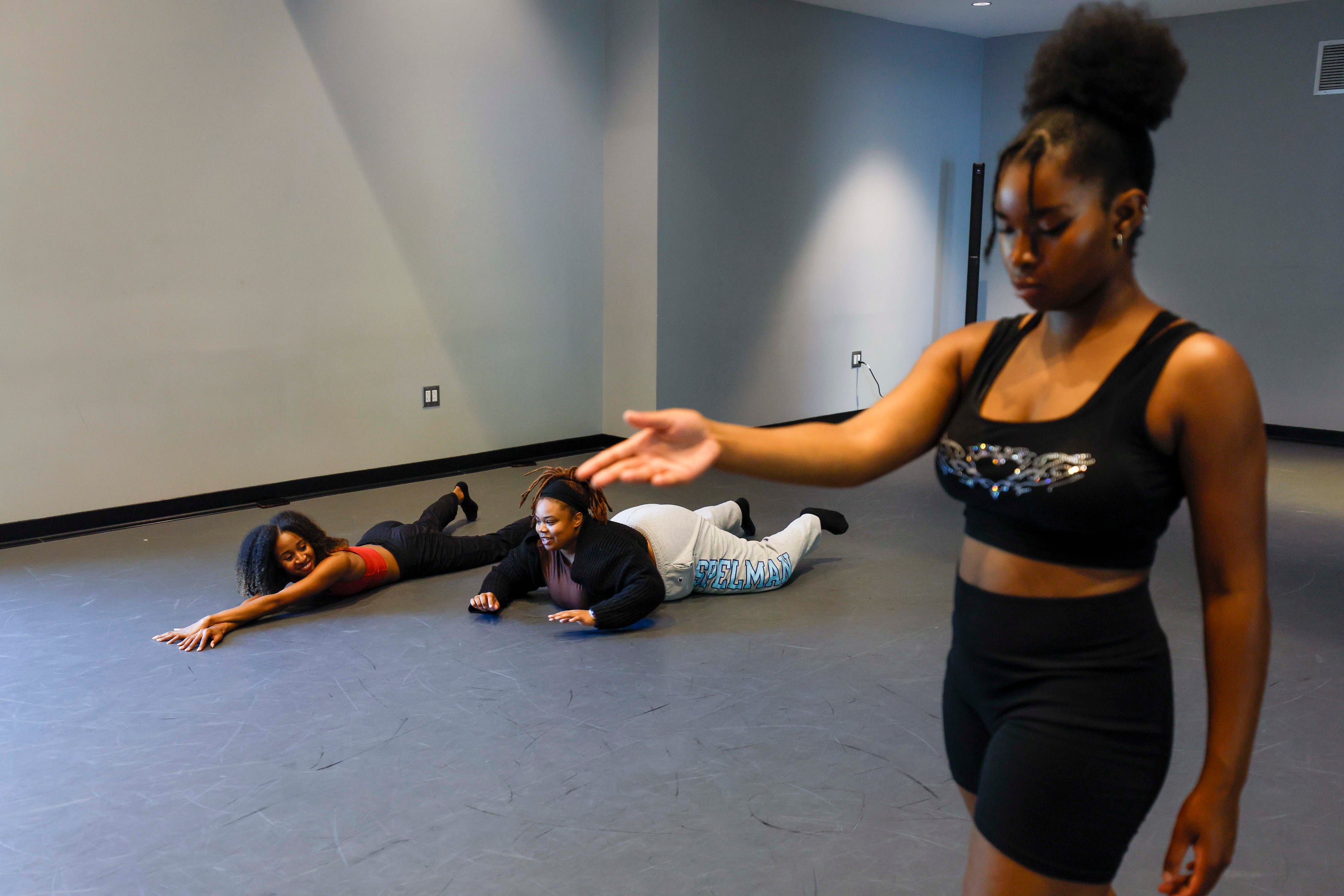
She said she was also drawn to “Unbound Narratives” as a writer because she tends to incorporate language into her pieces.
Noon Saturday, April 18 at Atlanta Contemporary. 535 Means St. NW, Atlanta. 404-688-1970. givebutter.com
Gordon Parks: The South in Color
The estate of Gordon Parks is celebrating the 70th anniversary of the famed photojournalist’s images of the segregated South with an exhibition at Jackson Fine Art.
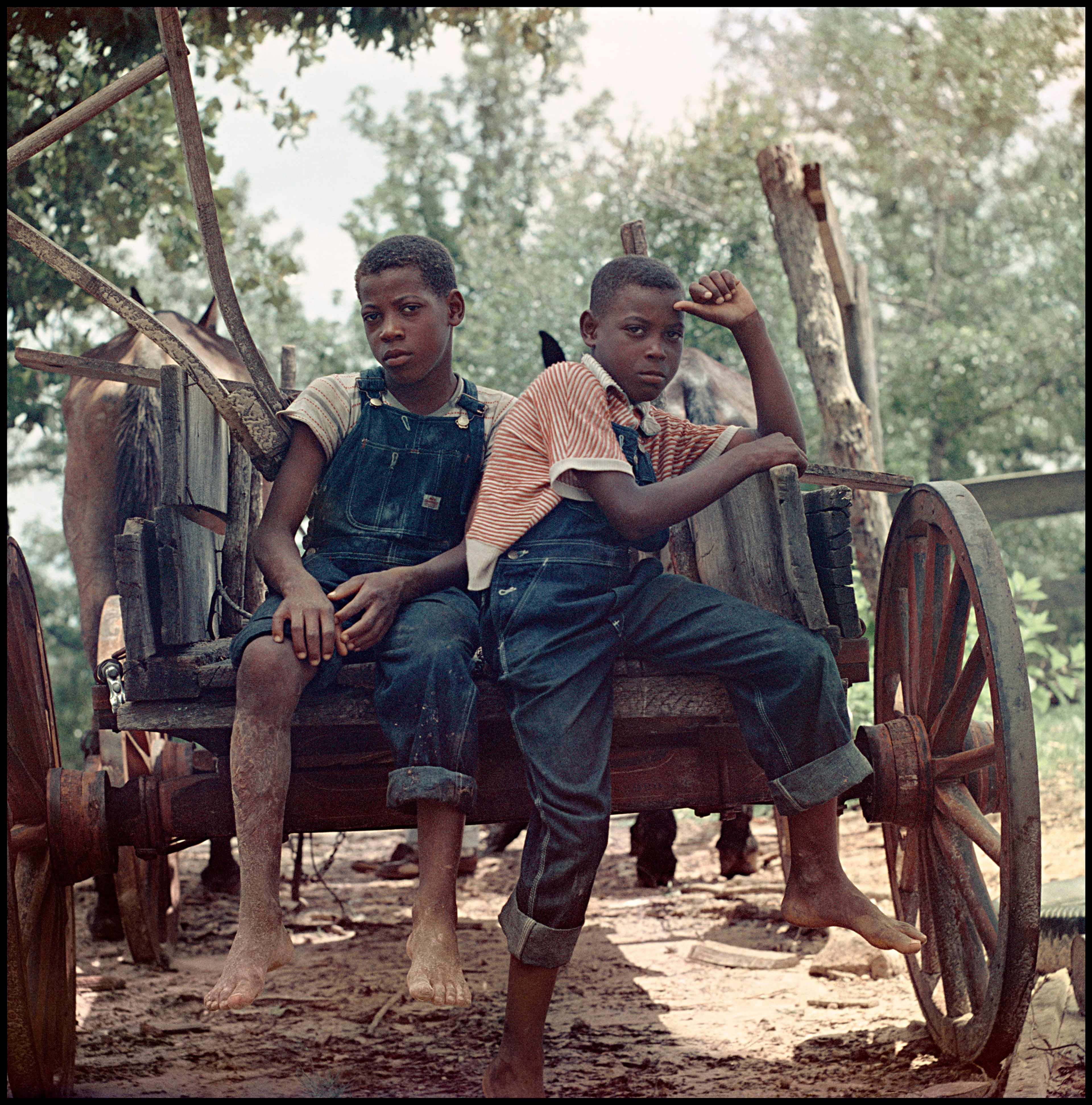
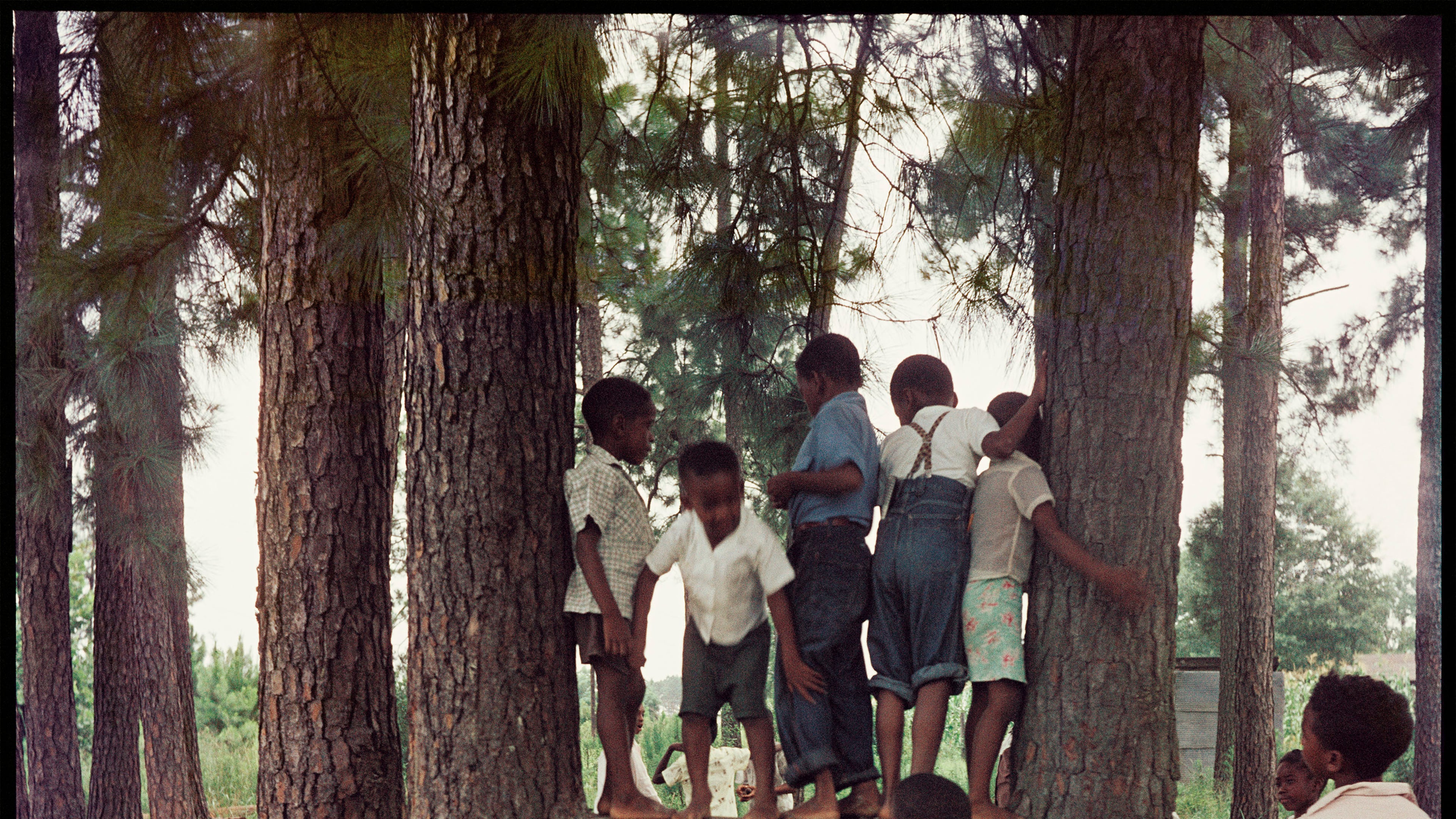
“Gordon Parks: The South in Color” demonstrates Black resilience at a time when racial isolation highlighted economic, environmental and social disparities. Black families in 1956 Alabama find the silver lining of life while attempting to survive in the midst of potbellied youth malnutrition and separate water fountains and dairy entrances that indicated their racial inferiority. Children too small to have shoes — because they’ll outgrow them and quickly need another pair — walk around town barefoot and in clothes slightly too big or slightly too small to make do.
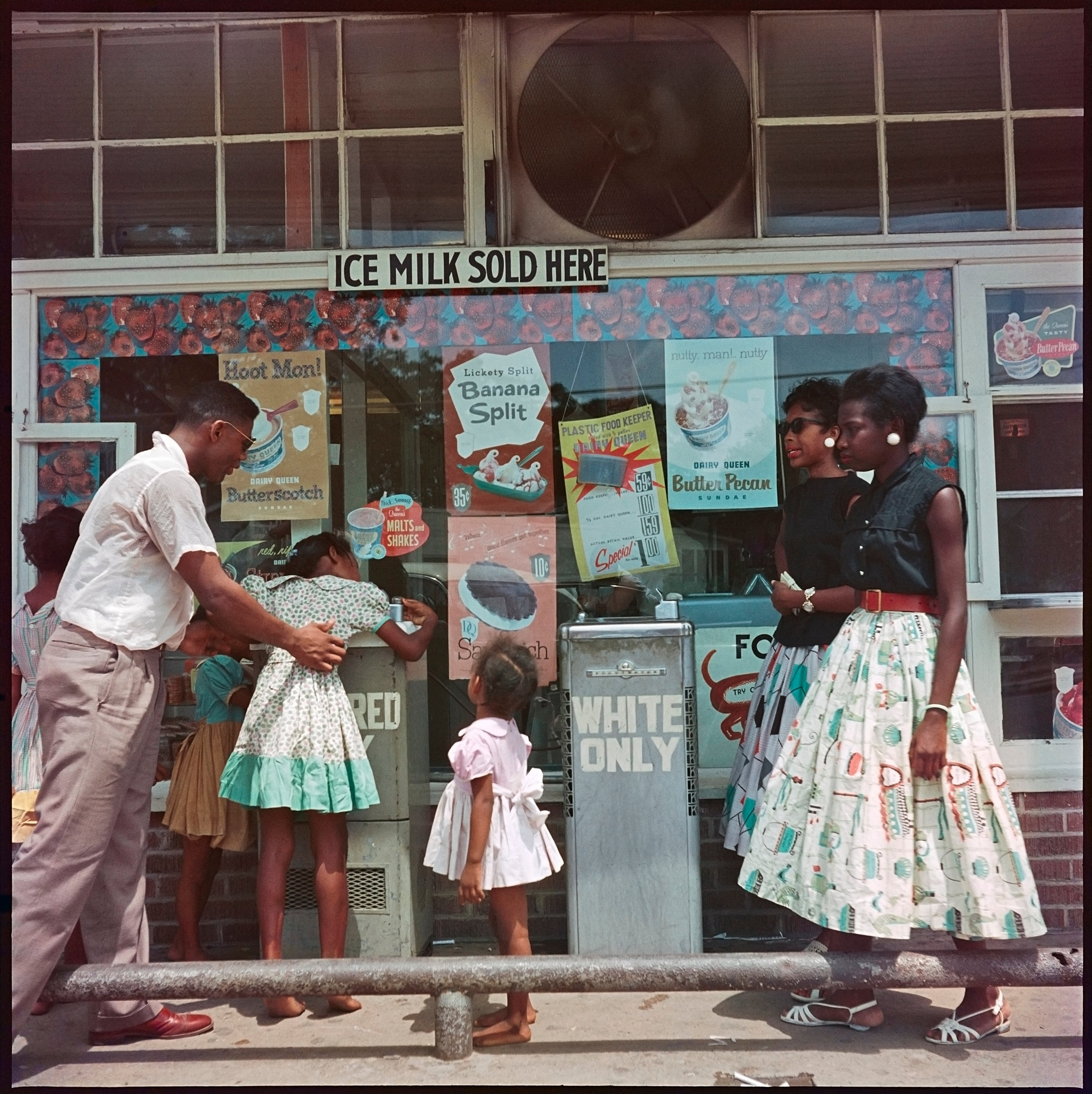
“ (The photos) are a nice reminder of how far we’ve come, how what’s at stake for us these days,” said Parks’ daughter, Leslie Parks Bailey. “It seems like a time that some people want to go back to.”
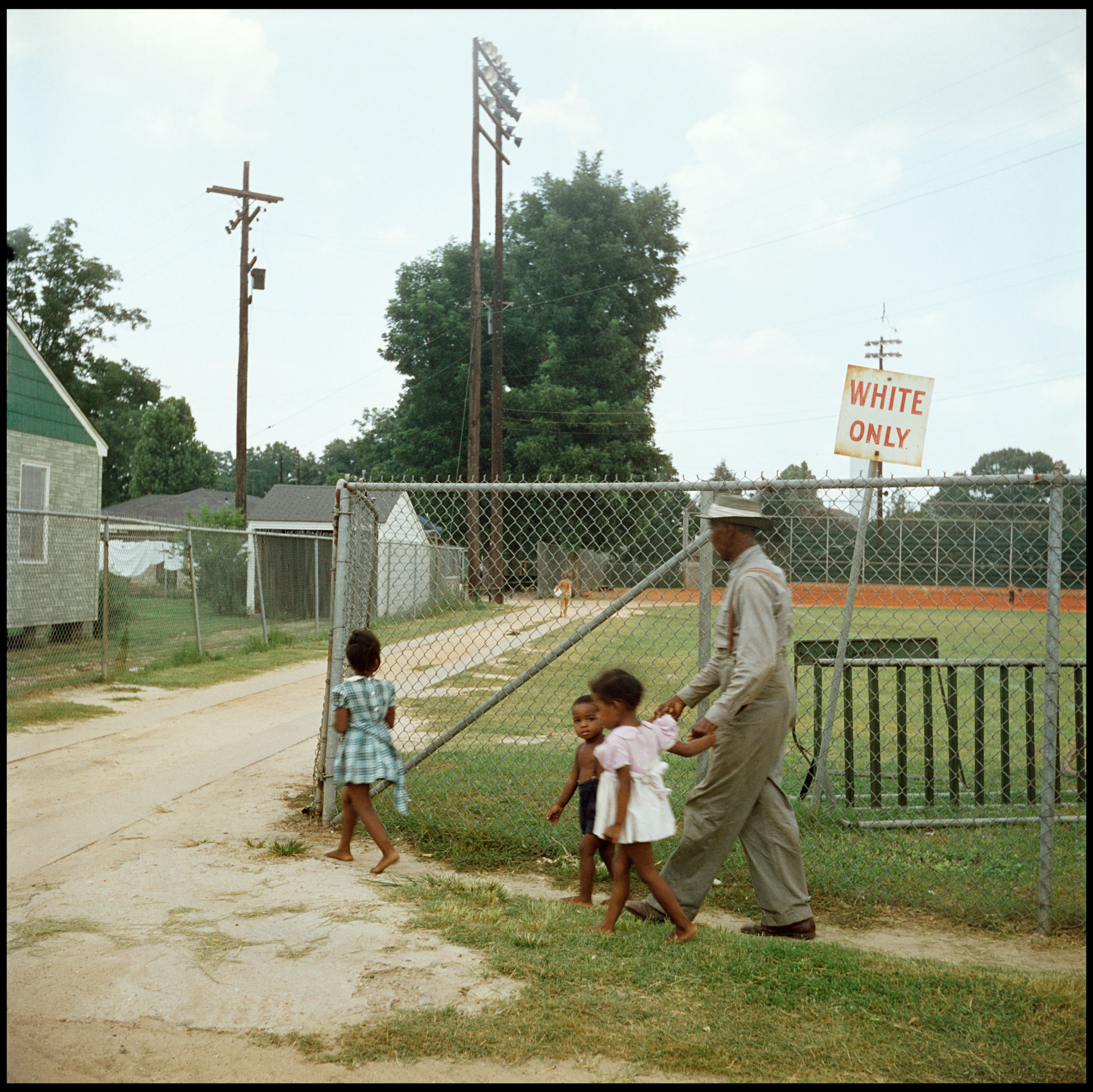
“To watch other children playing and having a good time and at such a young age, to know that is not a place you’re supposed to be, it’s what’s kind of heartbreaking,” Bailey said, referencing a photograph taken of Black children standing outside a whites-only park.
“It’s not just at that moment; it’s an everyday feeling. It was meant to demean and to keep you in your place.”
Despite the disparities indicated in the images, she pointed out the beauty they entailed.
Haint blue doorways and window frames saturate homes. Pride is seen in the adults with how carefully they coordinate their outfits, sometimes making concessions for whatever is available.
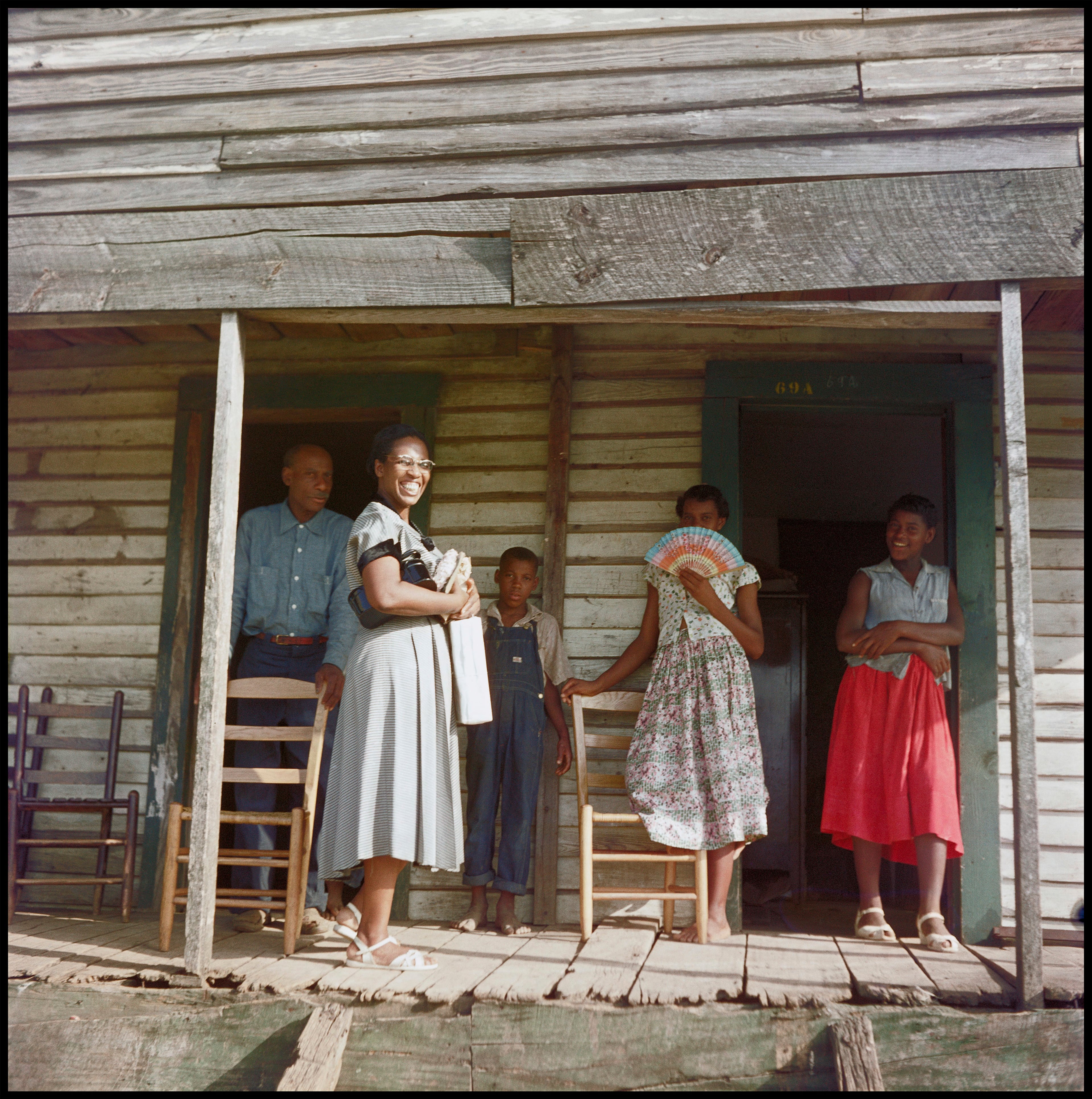
“ (The photographs) speak for themselves. They’re beautiful. It’s more than just you know what they represent and segregation,” Bailey said. “Photographs of a beautiful family, of beautiful people, there’s a beautiful color.
“There’s lots of different ways you can look at them.”
Now — June 13 at Jackson Fine Art. 3122 East Shadowlawn Ave. NE, Atlanta. 404-233-3739. jacksonfineart.com