
‘Michael’: The superstar, human and symbol of hope for Black men in America

I’ve never seen or heard an entertainer in my life more than Michael Jackson.
Growing up in Spartanburg, South Carolina, in the late 1980s and ’90s, my family and I sat in front of the television to catch world premieres of the 13-time Grammy winner’s big-budgeted, long-form music videos, which simulcast on several channels.
I saw him dressed in leather and sequined costumes on magazine covers at the newsstand nearly every time my mother went grocery shopping.
If relatives partied at our home, they always asked me to entertain guests by “doing the Michael Jackson,” a combination of his signature ad-libs, kicks and hand gestures. They also periodically made jokes about his voice and perceived sexual orientation, but it didn’t matter to me because he accomplished things I had never seen other performers achieve, regardless of skin color.
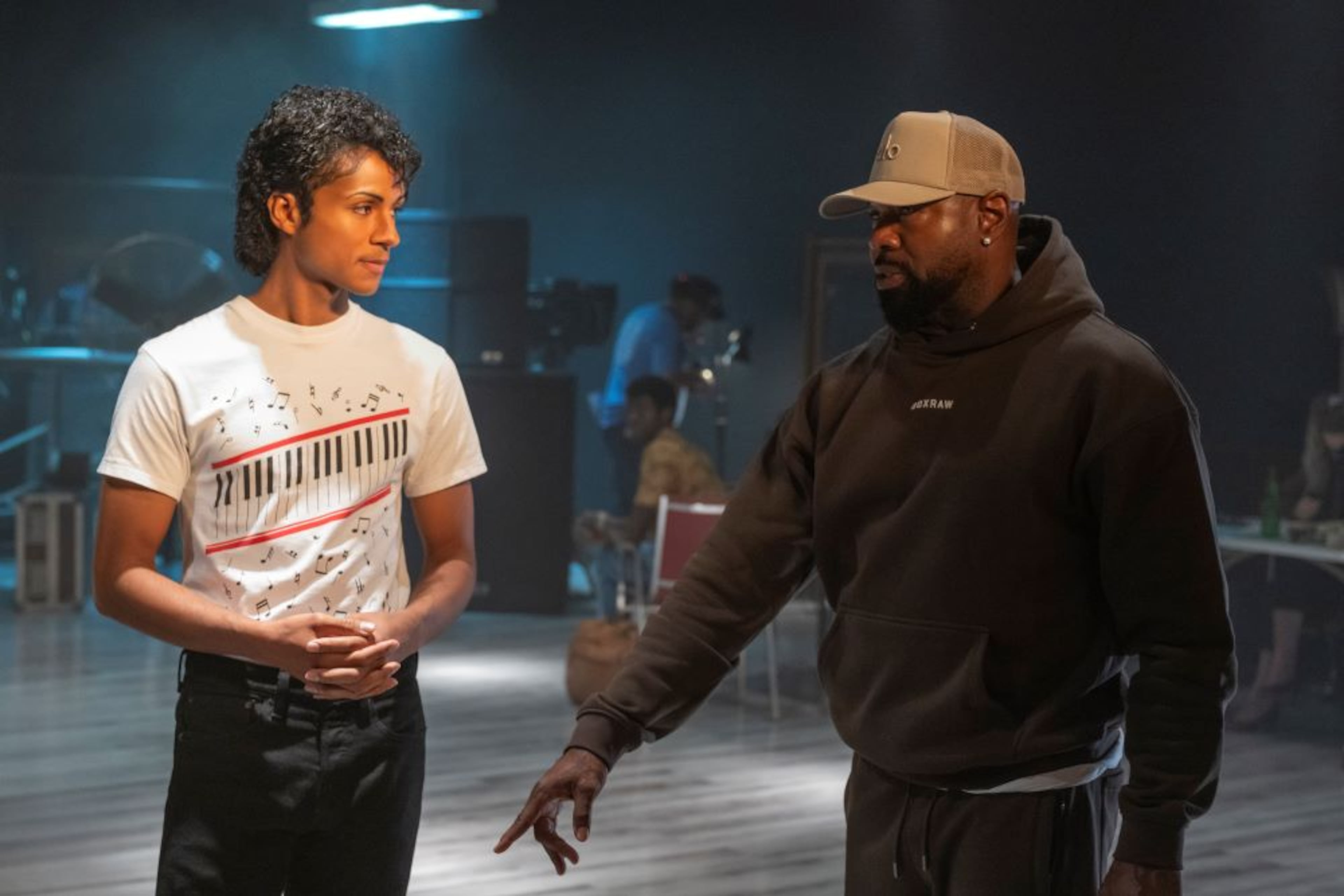
I relived those memories after I saw trailers for “Michael,” the biopic directed by Antoine Fuqua, set to be released in theaters Friday, earlier this year.
I attended a screening of the film at Regal Atlantic Station earlier this week with other fans who showed up wearing graphic T-shirts and Jackson memorabilia.
“Michael” isn’t the first time an attempt has been made to chronicle his story for stage and screen. In 1992, ABC aired a miniseries, “The Jacksons: An American Dream,” about his family.
“MJ: The Musical,” a Broadway and touring production, premiered 30 years later.
Even Cirque du Soleil got in on the action with two Michael Jackson-inspired shows.
Despite critics’ early mixed reviews of “Michael,” the feature film dramatizes how the superstar was no different from many of us Black men who wanted to be heard, loved and able to stand on our own.
At a time when TikTok videos are the standard way younger music fans are introduced to classic artists, “Michael” is the perfect trip down memory lane to bring them up to speed.
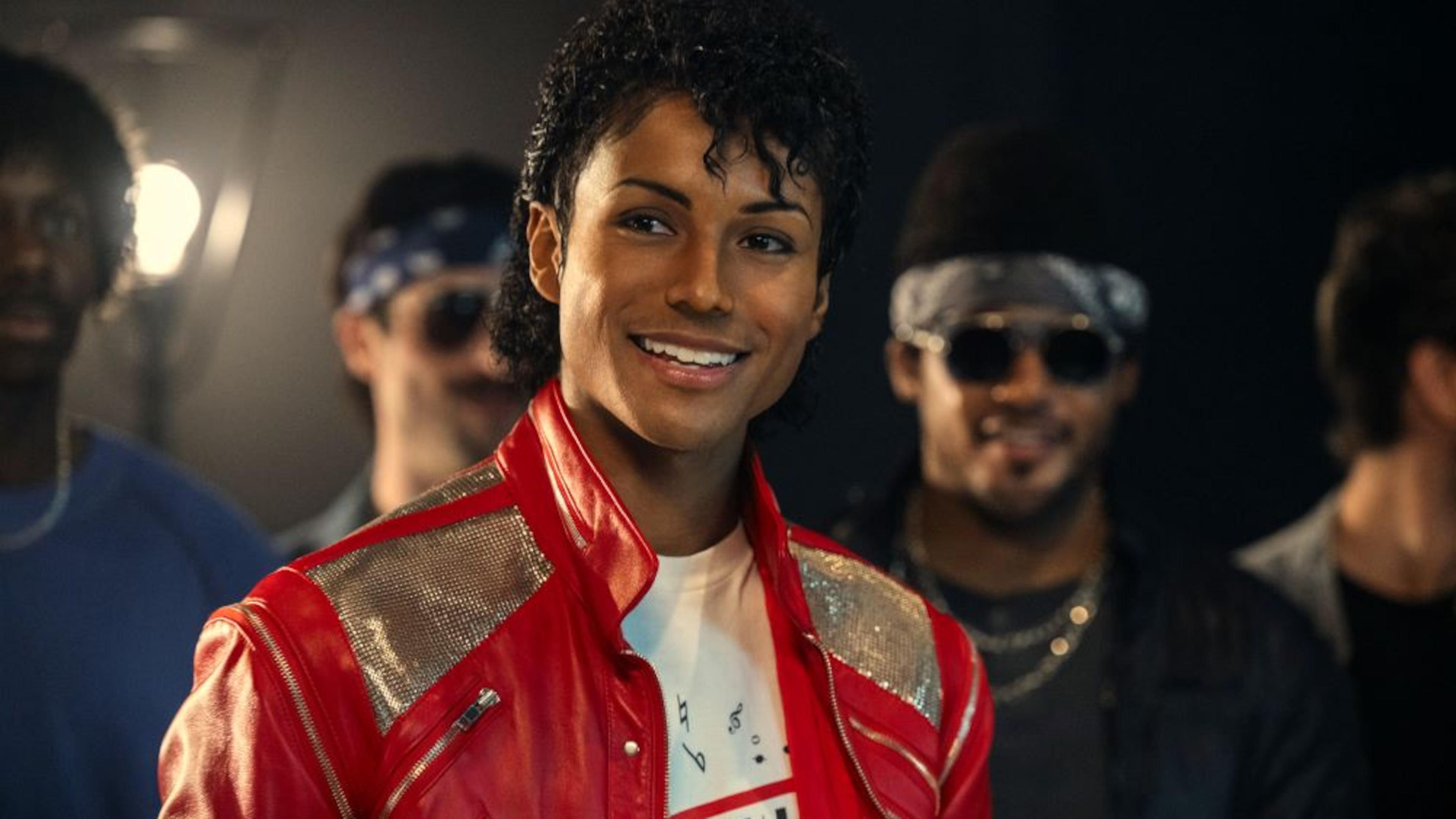
Viewers get to revisit Jackson creating the “Beat It” dance routine with gang members, that landmark “Thriller” video, his 1983 performance on the Motown anniversary special when he did the moonwalk on network television, the Pepsi commercial with his hair catching on fire, and reenactments of hits by his sibling act he led, The Jackson 5.
The period piece sporadically jumps around and rushes through pivotal moments in chronological order, mainly centering on Jackson’s career in the early-to-late ’80s. Still, it spends 130 minutes candidly showing the singer’s emotional side offstage.
Jackson, who’s portrayed by his nephew Jaafar, in his debut role, revives his uncle’s essence (not just facial expressions and slick dancing) as an ambitious performer who’s detail-oriented and intentional about his music career. It helps us understand why his 1982 album, “Thriller,” is still one of the top-selling albums of all time.

“Michael” shows how serious Jackson was about his craft and his connection with fans. He challenged record executives, producers and video programmers to get his music played.
A selfless man who demonstrates emotional intelligence, Jackson regularly donated money and time to hospitals with terminally ill and impoverished children.
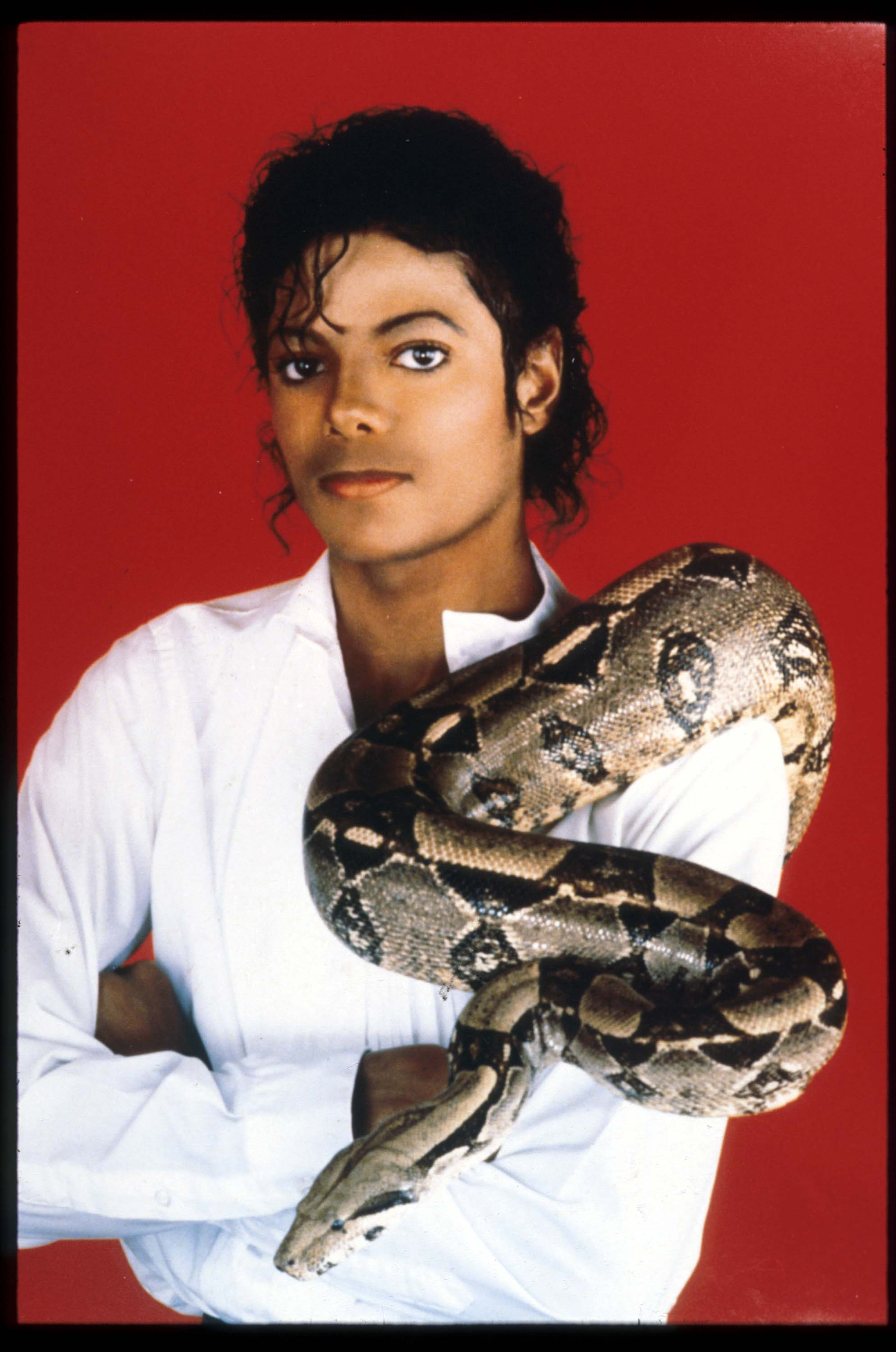
At a moment when more Black men are encouraged to address mental health, “Michael” depicts him escaping his public persona and finding peace by reading children’s storybooks, playing with his zoo animals (chimpanzee, boa constrictors and llamas) and studying his idols at home.
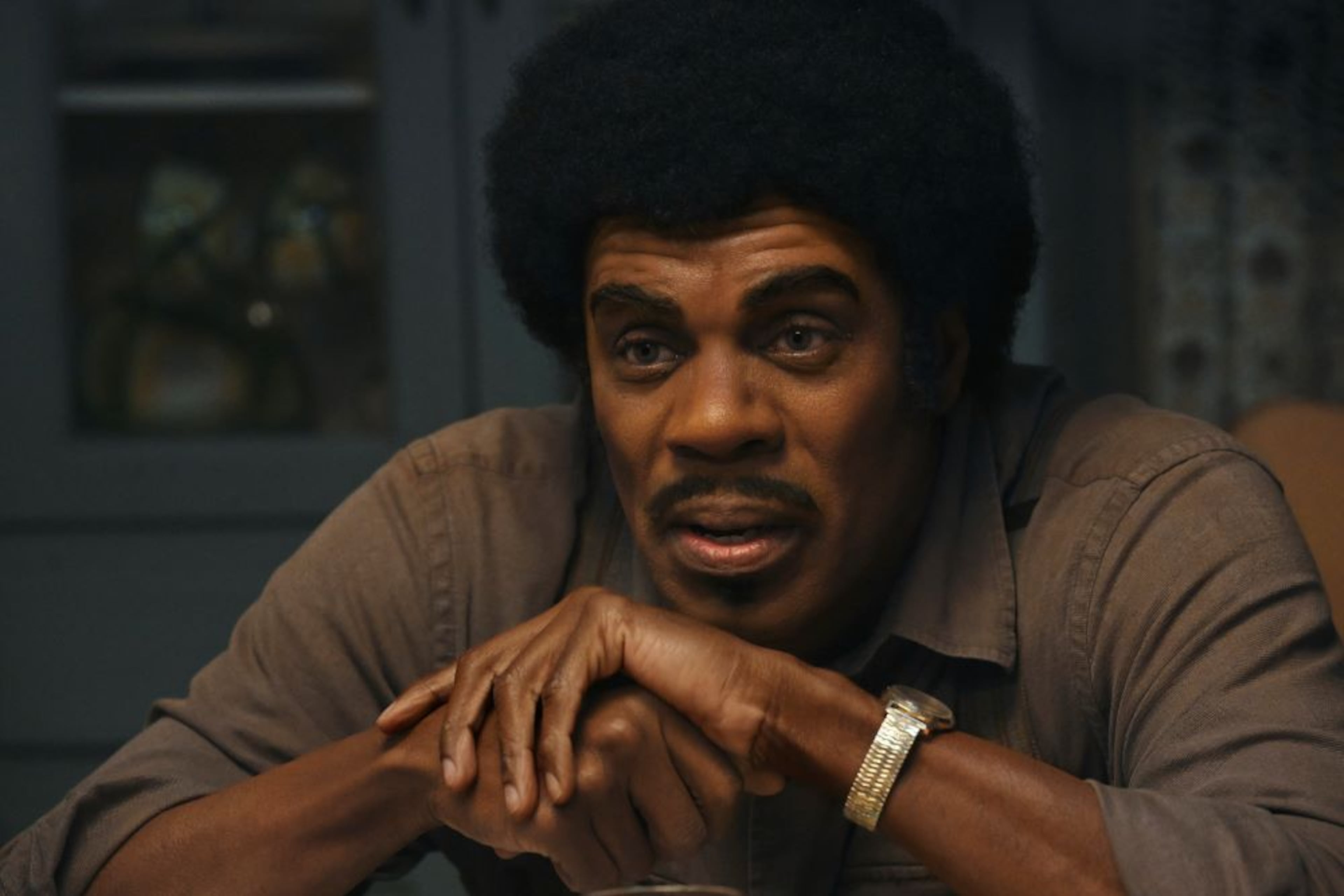
Then, there’s surviving family drama. Most of the story involves Jackson overcoming his father Joseph (Colman Domingo), whose exploitation, abuse and constant guilt weighed on him whenever he pursued independent projects.
It’s a scenario successful Black kids in many families know too well, especially when one of us gets a good job or opportunity.
Other scenes show Jackson battling body image by getting cosmetic surgery on his nose because of his father teasing him about its size, and covering his skin because of vitiligo.
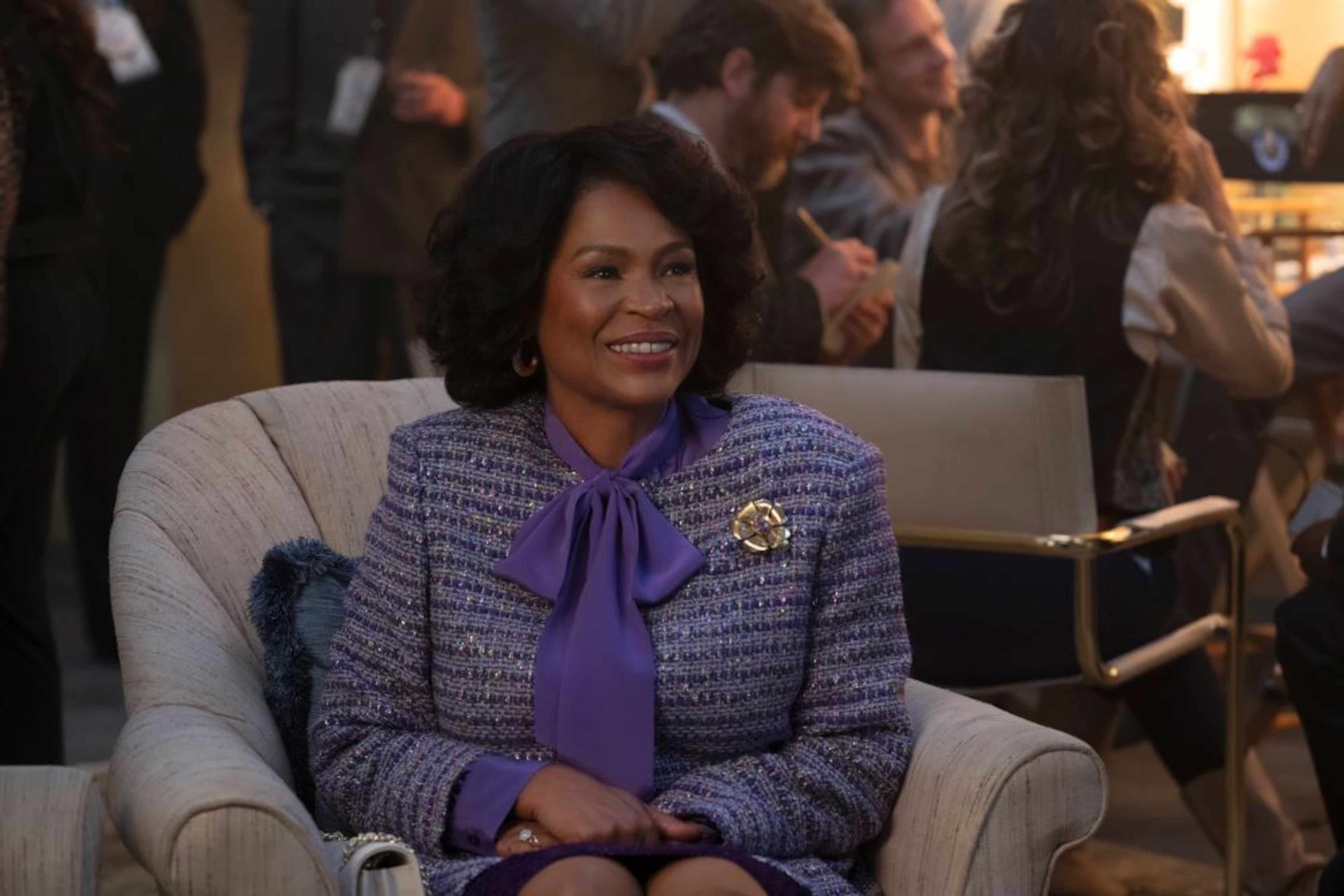
Despite tension with his father and personal struggles, he found advocates — and his confidence — through his mother, Katherine (Nia Long), and formed a chosen family with security guard Bill Bray (KeiLyn Durrel Jones) and manager John Branca (Miles Teller). It’s a lesson in building support systems to keep us motivated.
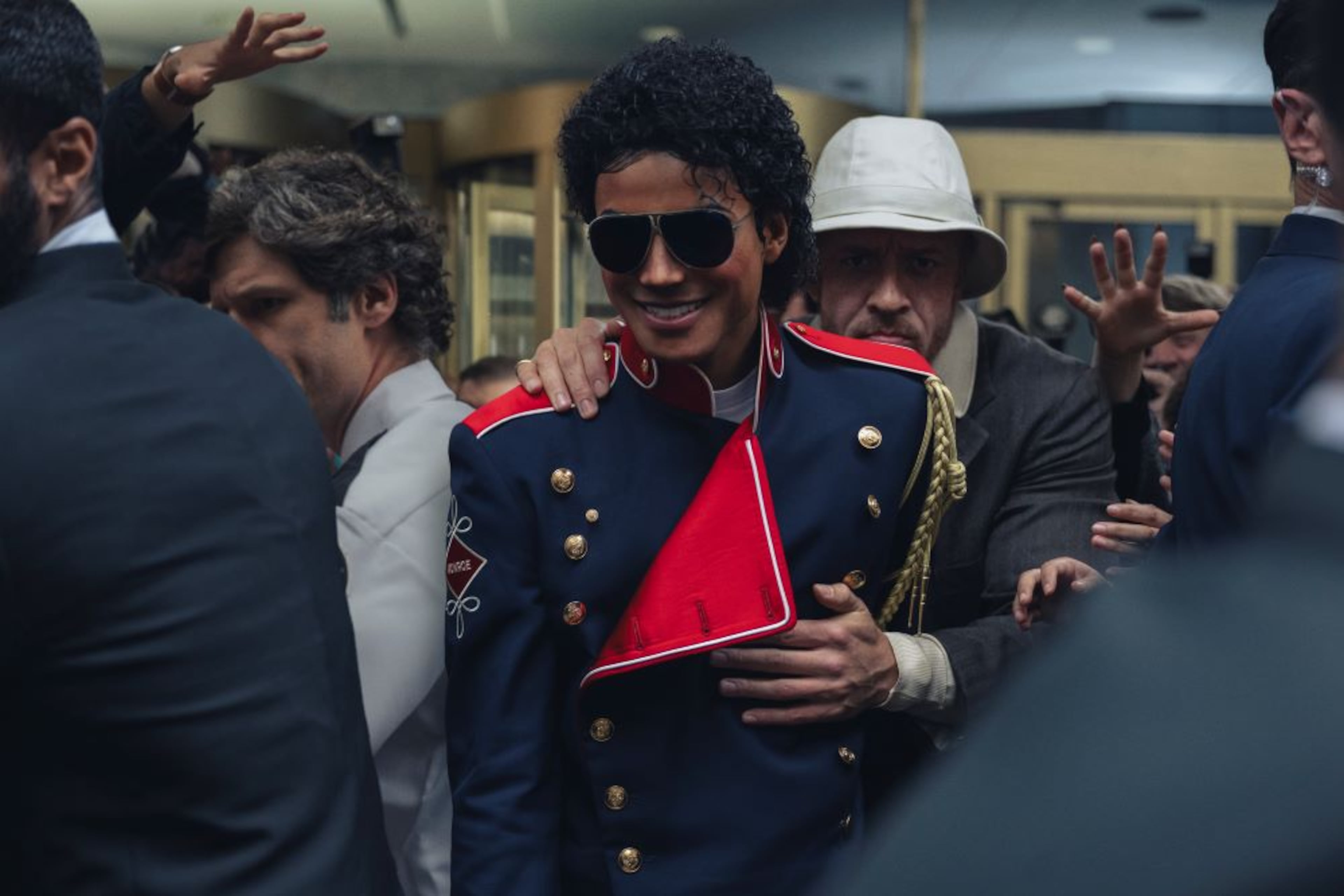
“Michael” is not a perfect film by any means, but what biopic depicting celebrities and musicians is?
The movie’s strength is capturing on film how Jackson, who died June 25, 2009, from a prescription drug overdose, found alternative ways, as a successful Black man in America, to express himself and be his own man, well before we had the vocabulary to make sense of who we are.
That alone makes Jackson an icon.