
New documentary reconsiders W.E.B. Du Bois and the Atlanta that shaped him
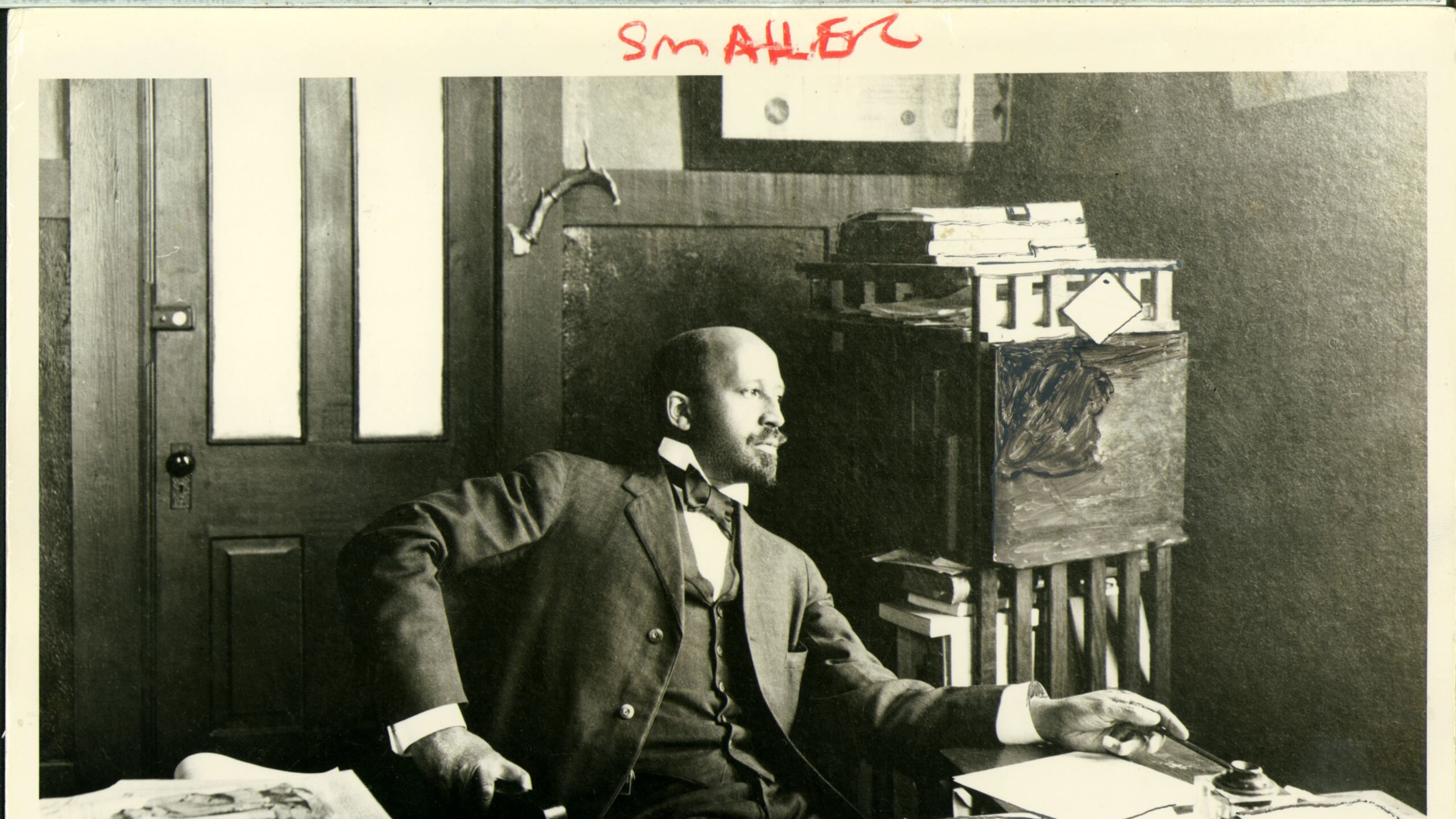
Before he became a globally recognized thinker and author of “The Souls of Black Folk,” which identified the “color line” as America’s defining problem, W.E.B. Du Bois came to Atlanta — and it changed him.
The city at the turn of the 20th century offered a growing Black intellectual class, a network of institutions and a fragile sense of possibility.
But he also found something harsher and more immediate — violence, constraint and the lived reality of Southern racism.
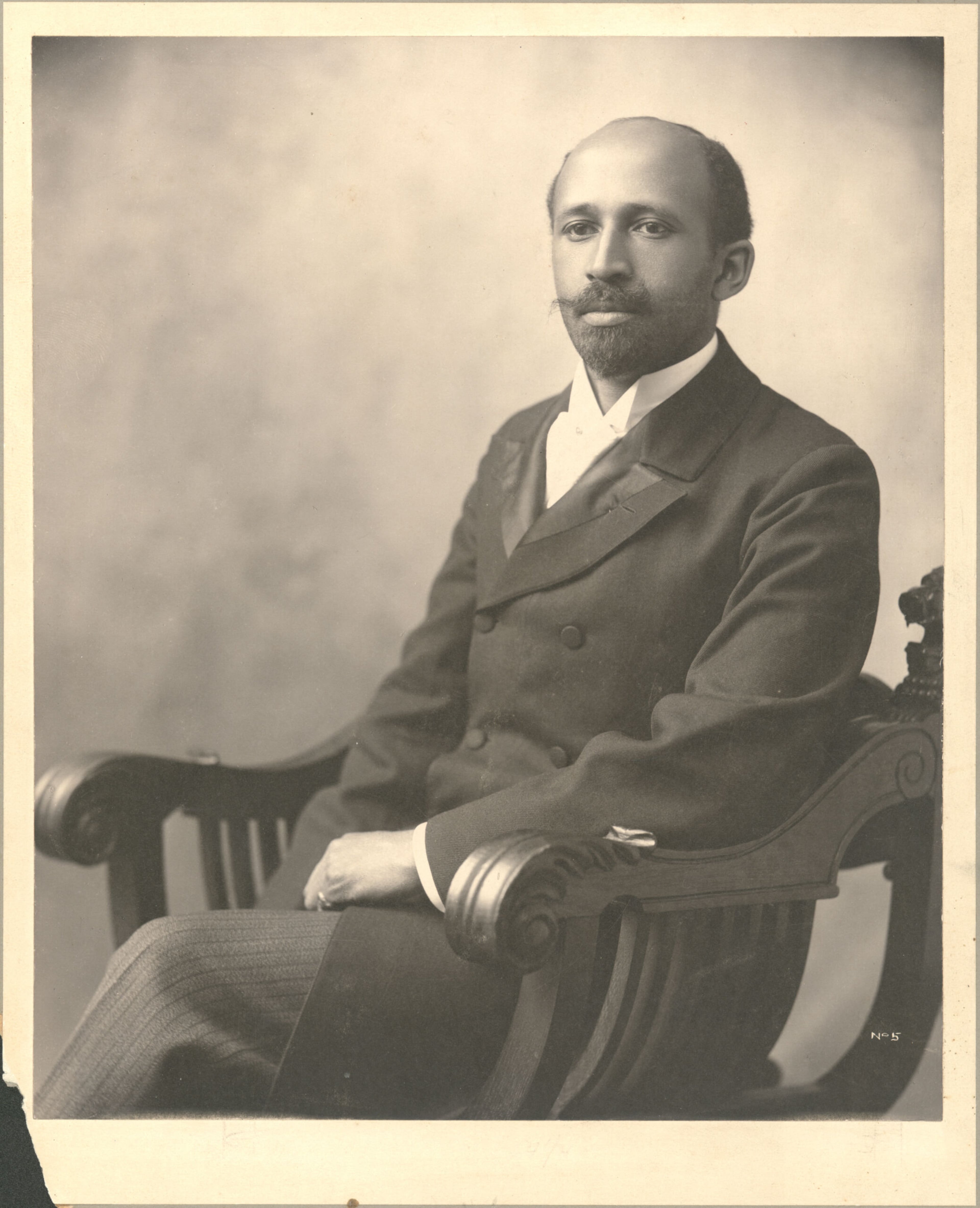
Born in Great Barrington, Massachusetts, Du Bois graduated from both Fisk University and Harvard University before finding his way to Atlanta in 1897 to try to establish himself as a sociologist and scholar at Atlanta University.
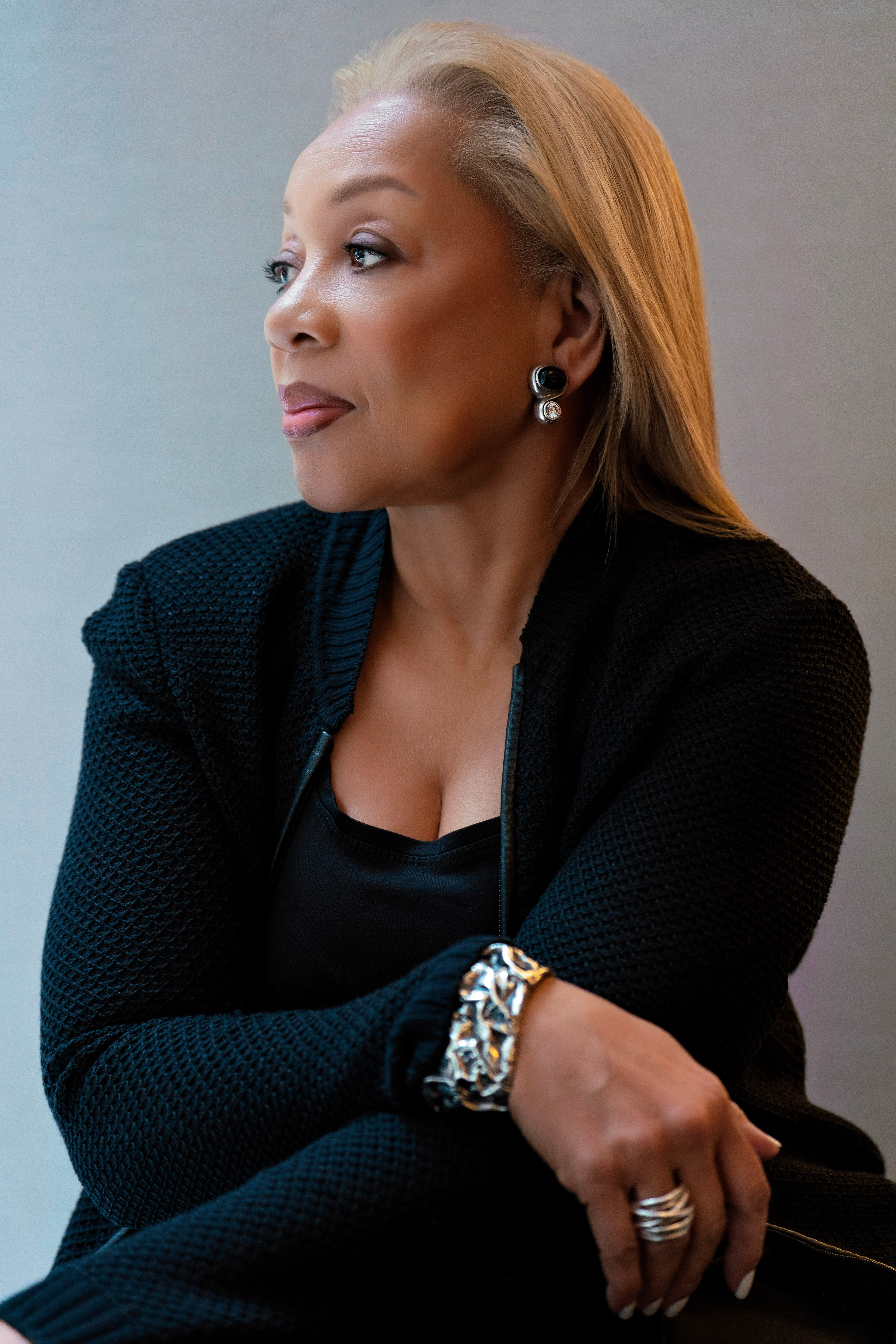
“Atlanta was pivotal,” said Rita Coburn, whose new documentary, “W.E.B. Du Bois: Rebel With a Cause,” traces Du Bois’ transformation from scholar to activist — a shift that helped redefine Black sociology and the writing of history itself. “It gave him his first real professional respect. It had a strong Black intellectual community. But it also exposed him to the brutal reality of Southern racism.”
The Chicago-based Coburn will be in Atlanta on Wednesday for a screening and conversation with National Association of Black Journalists President Errin Haines at the Gathering Spot. The event is hosted by the Tenth, an organization inspired by Du Bois’ concept of the “Talented Tenth.”
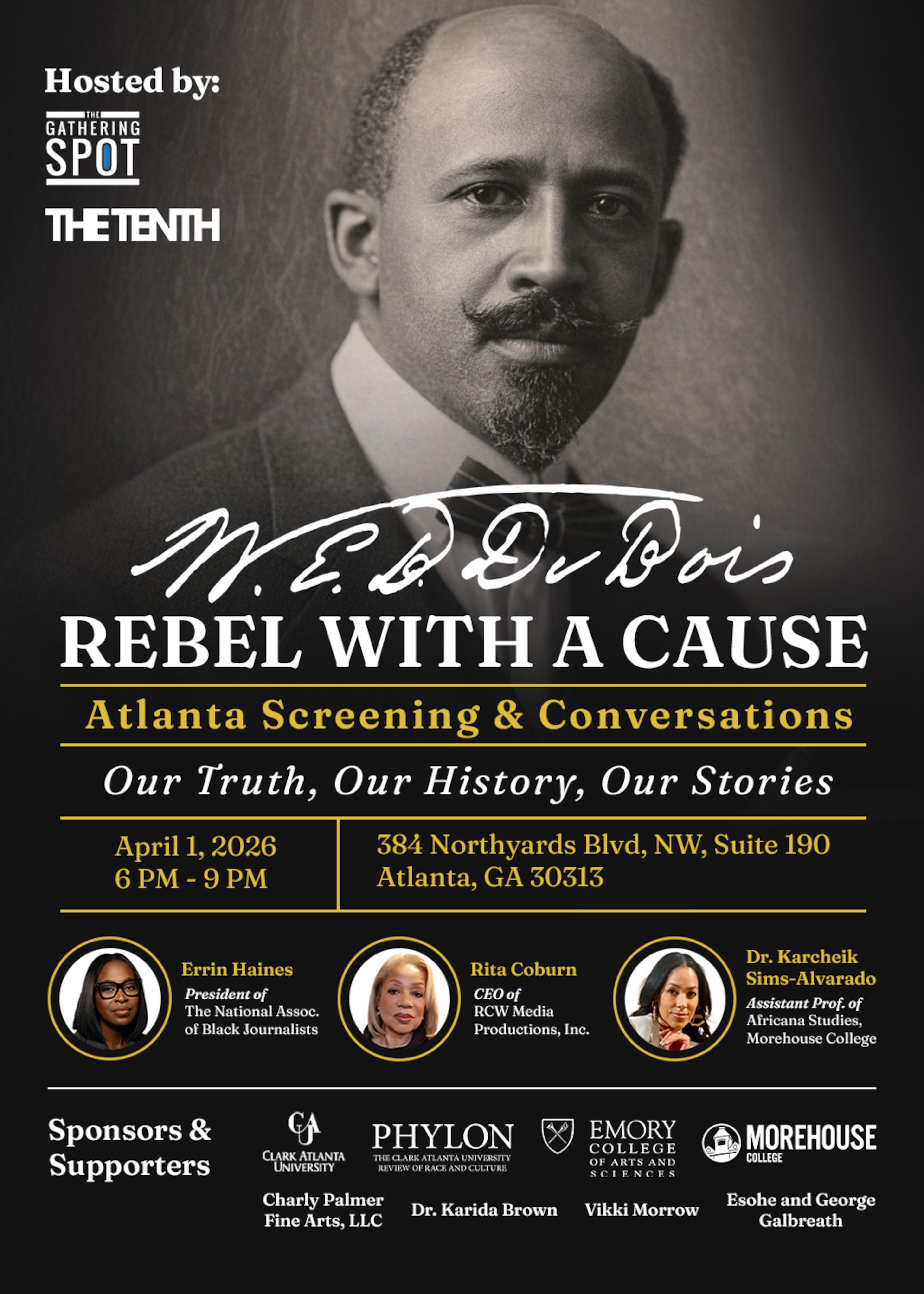
Coburn’s documentary premieres May 19 on PBS as part of the American Masters series. The two-hour film follows Du Bois’ life from Reconstruction to the eve of the March on Washington — a moment he did not live to see but helped make possible.
The film is narrated by actor Viola Davis and features readings of Du Bois’ work performed by Common, Jeffrey Wright and Courtney B. Vance, who recently completed a 75-hour audiobook of David Levering Lewis’ two-volume, Pulitzer Prize-winning biography of the scholar.
Coburn’s approach restores the full weight of a man often reduced to fragments, showing how grief, resistance and intellectual rigor shaped his voice.
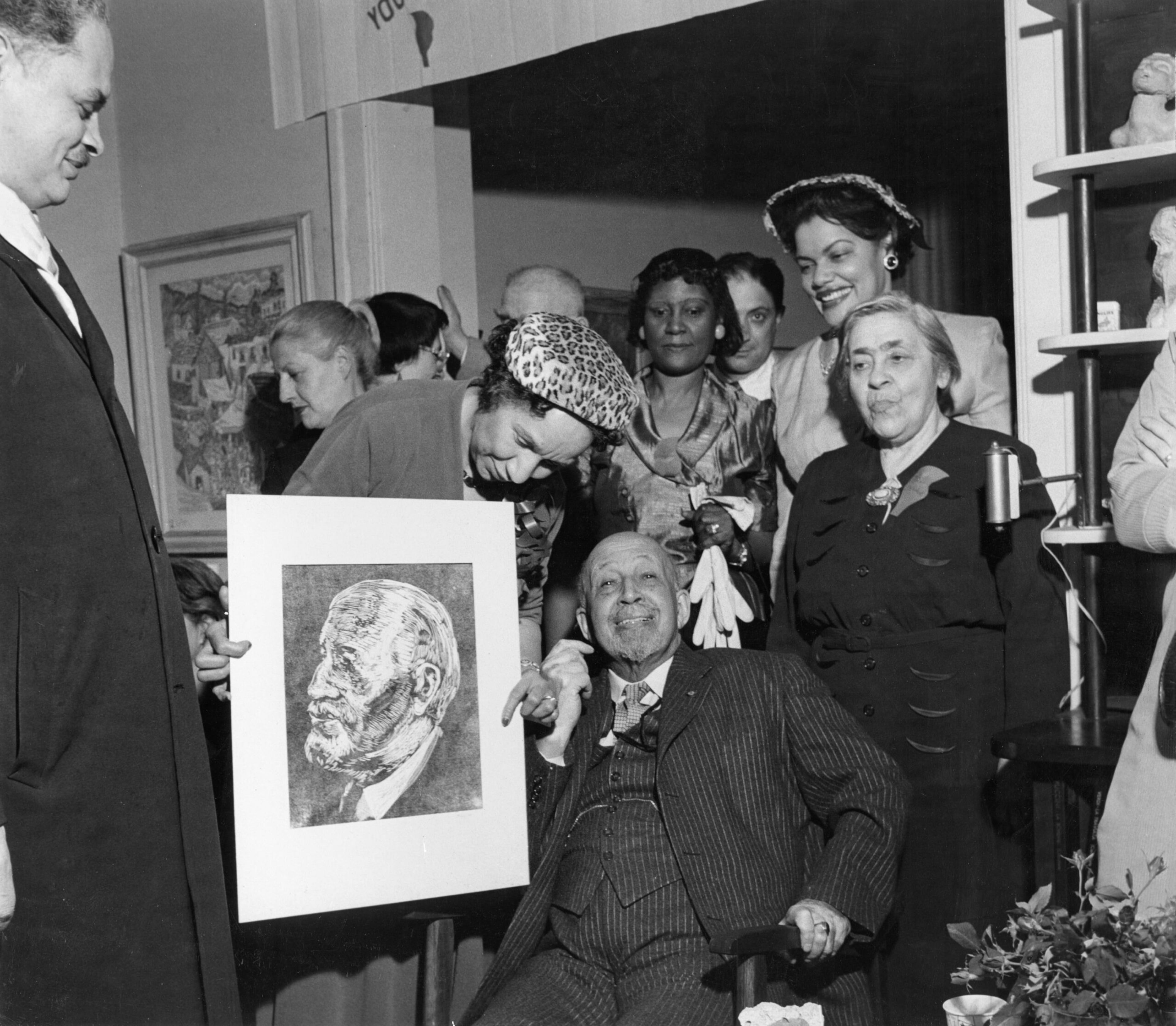
“Du Bois fought against the constraints of his time,” Coburn said. “His cause was to prove that Black people were equal. He challenged presidents, racists, even other Black leaders. And he evolved. That’s what makes him a rebel.”
Du Bois’ influence extended far beyond Atlanta. He wrote more than 20 books, challenged contemporaries like Booker T. Washington and Marcus Garvey and helped found the Niagara Movement and its successor, the NAACP, before advancing a global vision of Black freedom that took him to Ghana, where he spent his final years.
But in Atlanta, Du Bois found both affirmation and confrontation.
When he arrived in Atlanta, the city offered him a platform that he had not been afforded at his previous stops at Wilberforce College and the University of Pennsylvania — a prime faculty post at Atlanta University that gave him space to pursue his research, a community that recognized his intellect and, just as important, stability.
“Du Bois was having a hard time professionally and financially,” said Karcheik Sims-Alvarado, an assistant professor of Africana studies at Morehouse College who is featured in the film along with Henry Louis Gates, Karida Brown and Nikole Hannah-Jones, among others. “Atlanta University offered him a salary that would allow him to take care of himself and his family, and one that was reflective of his Ph.D.”
In 1900, Du Bois set out from Atlanta for Paris, carrying with him photographs and data meant to challenge the world’s understanding of Black life in America.

It was also in Atlanta that he wrote “The Souls of Black Folk,” reshaping that understanding at home.
But Atlanta also forced a reckoning.
In 1899, the brutal lynching of Sam Hose shook Du Bois deeply, altering the trajectory of his work. That same year, his 22-month-old son, Burghardt Gomer Du Bois, died of diphtheria as Du Bois struggled to find a Black doctor — because white physicians refused to treat him.
Those experiences — both intellectual and deeply personal — shaped Du Bois’ writings on race, mortality and the “veil” of segregation during nearly three decades in and around Atlanta.
“He said he created his best work in Atlanta,” Sims-Alvarado said, pointing to both of Du Bois’ tenures in the city.
Du Bois worked at Atlanta University 1897 to 1910 and again from 1934 to 1944.
Coburn admits she knew little about Du Bois when Oprah Winfrey sent her to North Carolina between 2006 and 2010 to collect oral histories from Maya Angelou.
Angelou, who lived in Ghana in the early 1960s, knew Du Bois and was scheduled to meet him the morning he died. She brought him up often to Coburn.
“I could tell that she felt badly that I didn’t know more about him,” Coburn said. “And just that gaze from a woman of that stature told me that I needed to go read up on this man.”
Coburn, who later won a Peabody Award for “Maya Angelou: And Still I Rise” and a Christopher Award for “Marian Anderson: The Whole World in Her Hands,” said that moment was the beginning of a long intellectual quest.
By the time she saw Du Bois listed among potential projects on a PBS development slate, the decision was already made.
“I approached PBS and American Masters and said, ‘I want that documentary,’” she said. “My prayer was, ‘Where are my people? Where is my history?’ I felt like God said, ‘You tell it then.’”
What followed were years of immersion into a figure Coburn approached with both admiration and caution.
“He’s the sharpest knife in the drawer,” she said. “This is medicine — serious medicine.”
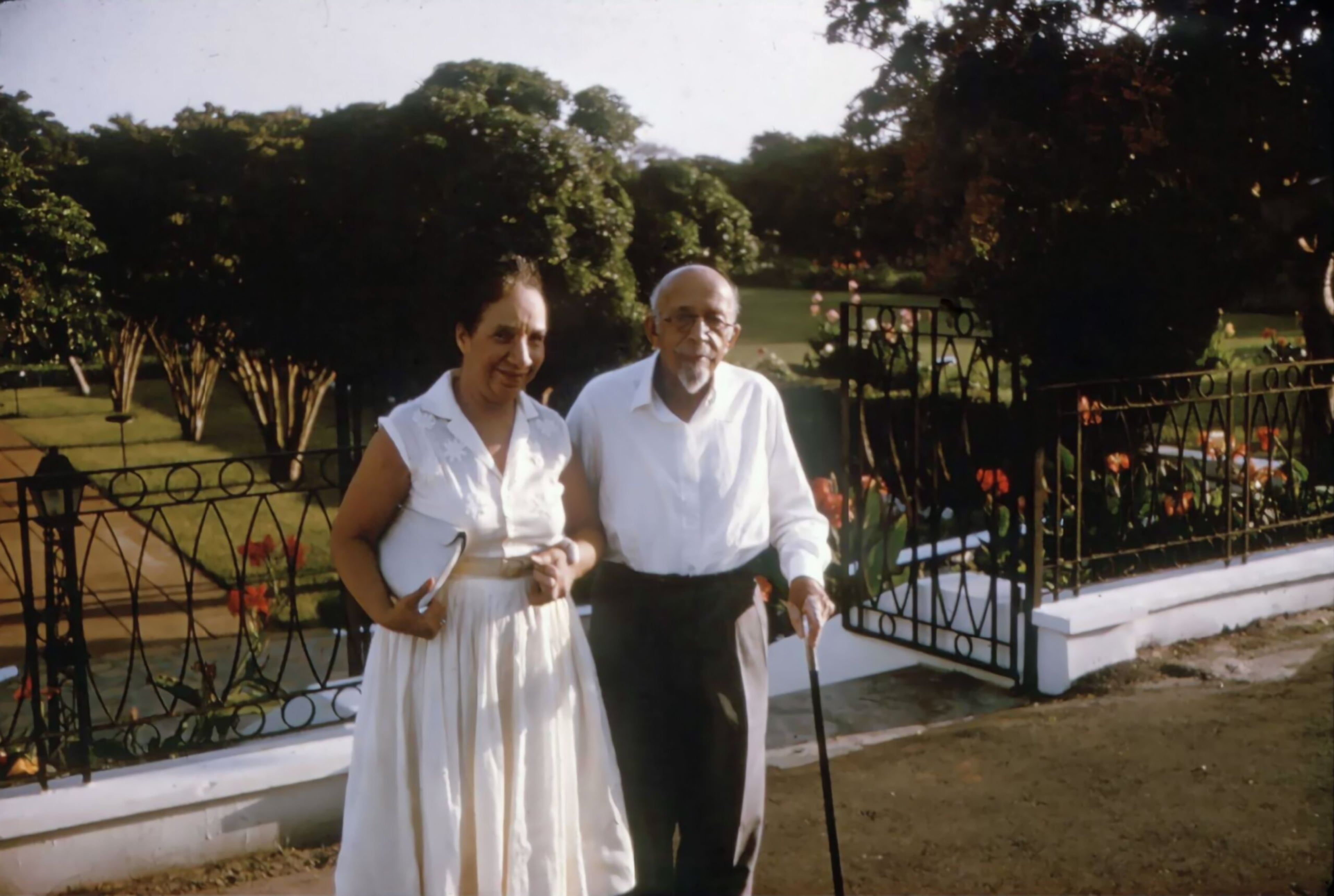
Du Bois died Aug. 27, 1963 — the day before the March on Washington — at 95. Roy Wilkins, then executive secretary of the NAACP — the organization Du Bois helped create more than a half-century earlier — announced his death from the same podium where Martin Luther King Jr. would soon deliver his “I Have a Dream” speech.
“What Du Bois was fighting for then — we’re still fighting for now,” Coburn said. “He built bridges across race and nationality. That’s still required today. If people watch this and truly take it in, they can act — read more and treat people fairly. Documentaries should change you. Every time I do this work, I change.”
IF YOU GO
“W.E.B. Du Bois: Rebel With a Cause”
Filmmaker Rita Coburn will screen her new documentary at 6 p.m. Wednesday at the Gathering Spot, 384 Northyards Blvd., Atlanta. The invitation-only event will be hosted by the Tenth. A conversation about the film will follow, with Coburn chatting with National Association of Black Journalists President Errin Haines and Karcheik Sims-Alvarado, an assistant professor of Africana studies at Morehouse College.
About the Author
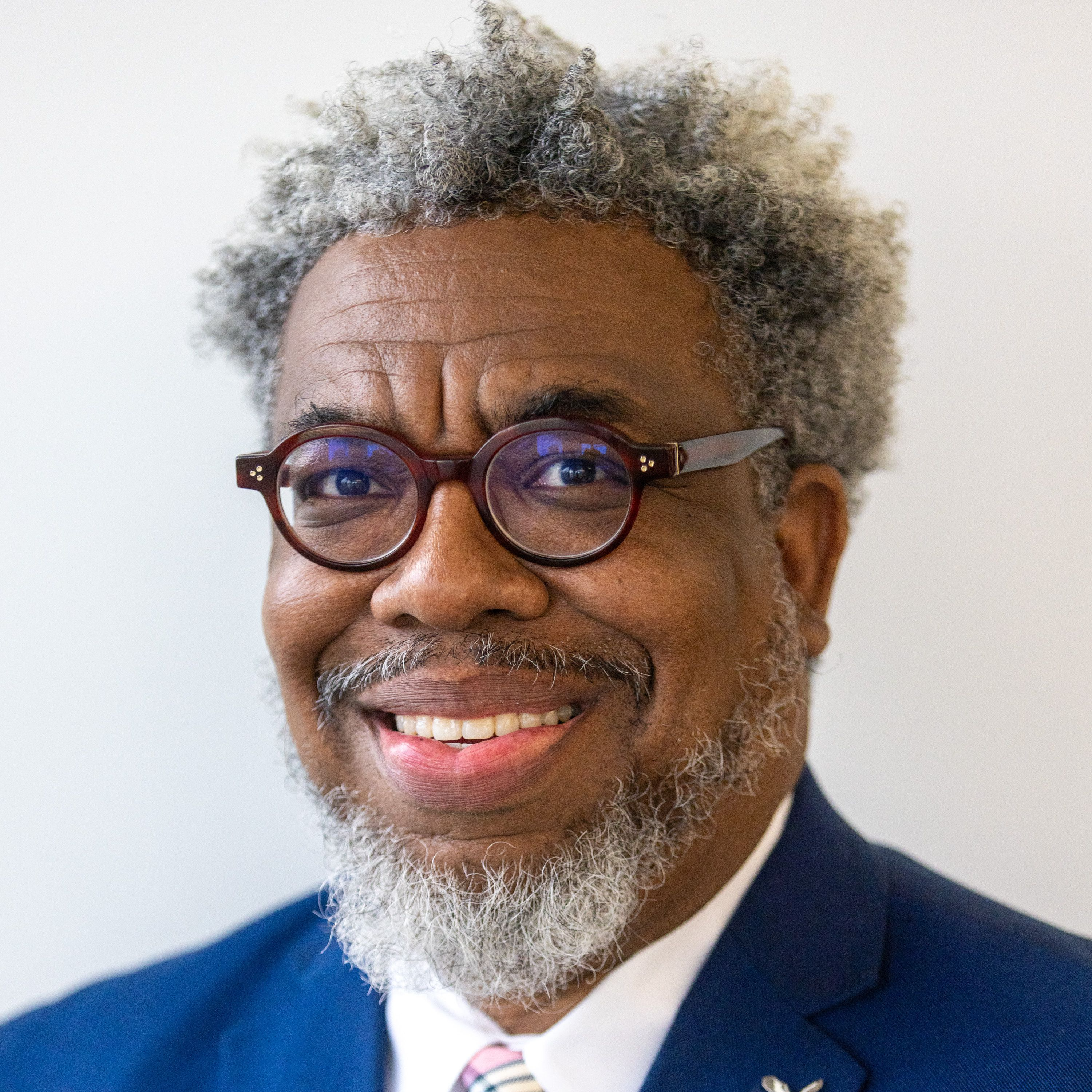
Ernie Suggs is an enterprise reporter covering race and culture for the AJC since 1997. A 1990 graduate of N.C. Central University and a 2009 Harvard University Nieman Fellow, he is also the former vice president of the National Association of Black Journalists. His obsession with Prince, Spike Lee movies, Hamilton and the New York Yankees is odd.