
Matty Rich was supposed to be the next Spike Lee and John Singleton. Then he disappeared.
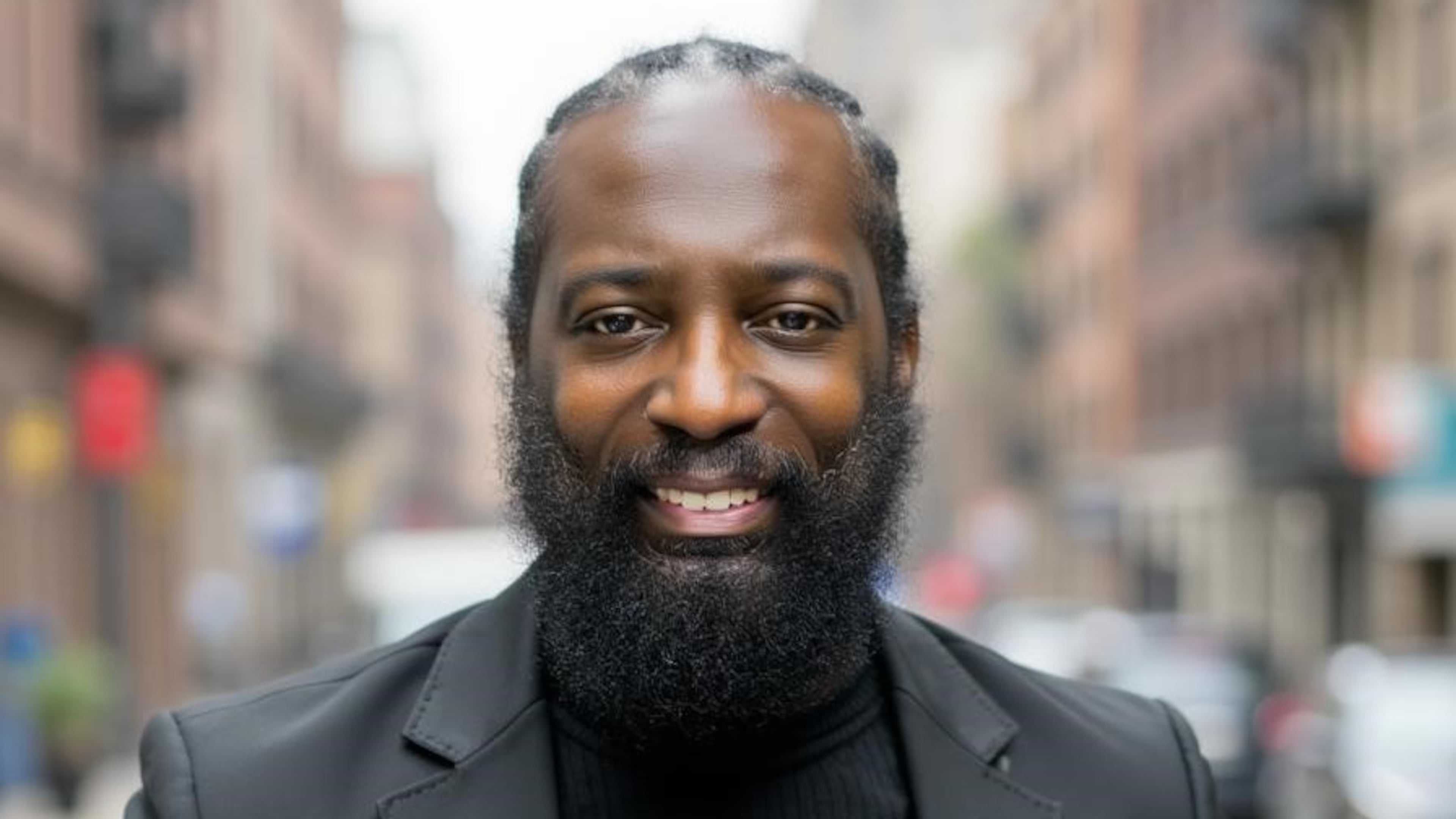

Thirty-five years ago, Matty Rich realized he could defy the status quo and empower creators through filmmaking.
In 1991, he made his directorial debut with “Straight Out of Brooklyn,” a gritty film about a Black family living in a New York housing project and grappling with despair, poverty and alcoholism. Rich originally wrote and starred in the project as a short film. He cast local actors and used family credit cards to finance it.
The teenager went on Black radio stations to promote it and attract investors decades before artists were crowdfunding and streaming their projects online. “I don’t understand the word stop. When I start something, I have to complete it,” Rich told UATL.
Rich’s efforts paid off.
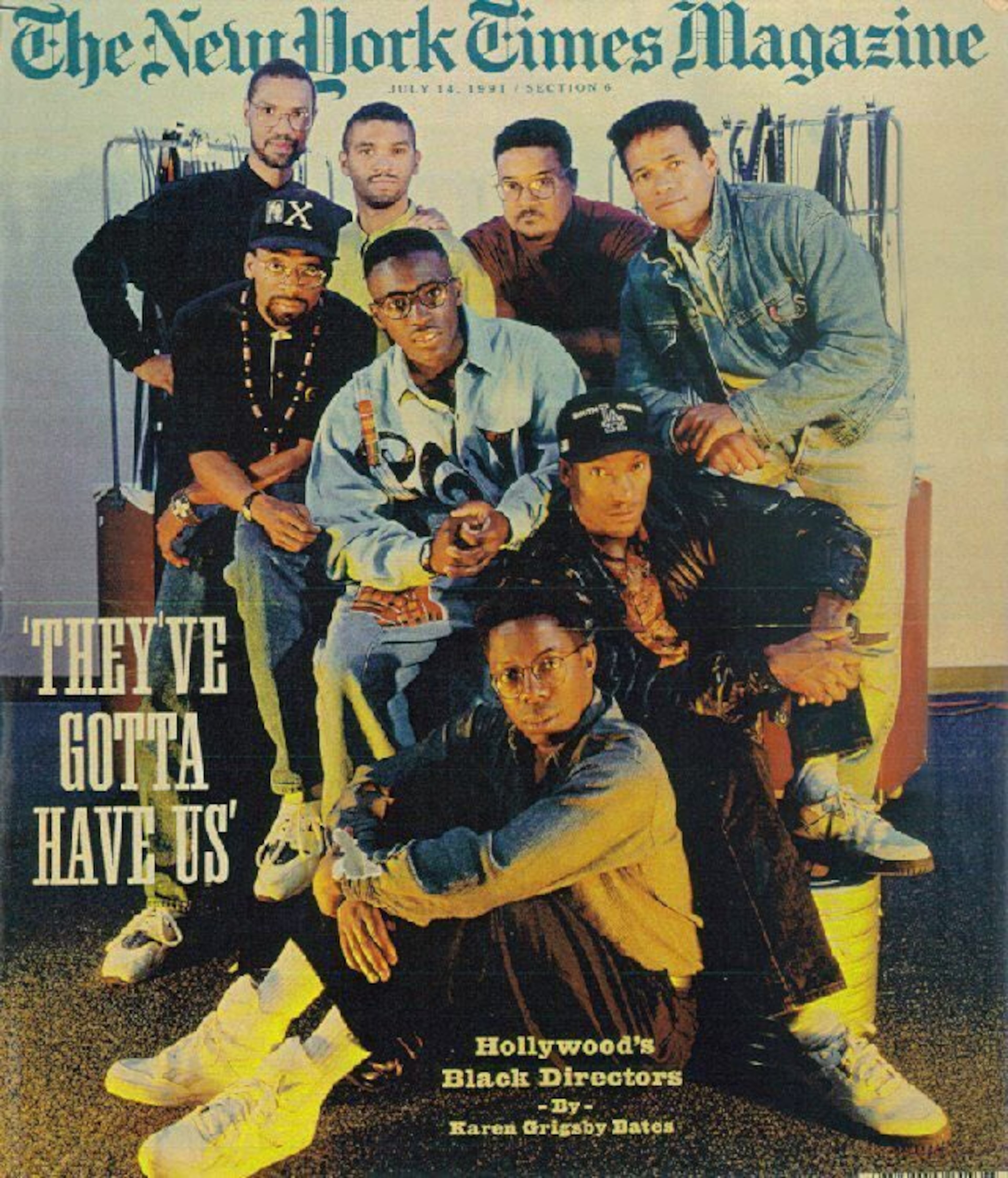
“Straight Out of Brooklyn” earned the Sundance Film Festival’s Special Jury Prize, an Independent Spirit Award and an NAACP Image Award. He appeared on the cover of The New York Times Magazine alongside Black filmmakers Spike Lee, John Singleton, Charles Lane, the Hudlin brothers, Ernest Dickerson and Mario Van Peebles.
Three years later, Rich directed his second film, “The Inkwell,” a coming-of-age dramedy set in 1976 about an awkward Black teen and his dysfunctional, affluent family vacationing in Martha’s Vineyard.
But while Black films directed by Black filmmakers and starring Black actors were flourishing in theaters, Rich feared that he was being typecast as a director.
“I was getting a lot of ‘hood movies and urban dramas, but I wanted to do something different that didn’t define who I am,” he said. “‘The Inkwell’ went on to do some great things, and it’s become a cult classic about Black love and has nothing to do with violence.”
Then, just as quickly as he emerged as one of Hollywood’s promising young Black directors, Rich disappeared from the spotlight.
Until now.
More than three decades later, he has returned with “Birth of the Black Underworld,” his third feature film and first since “The Inkwell.”
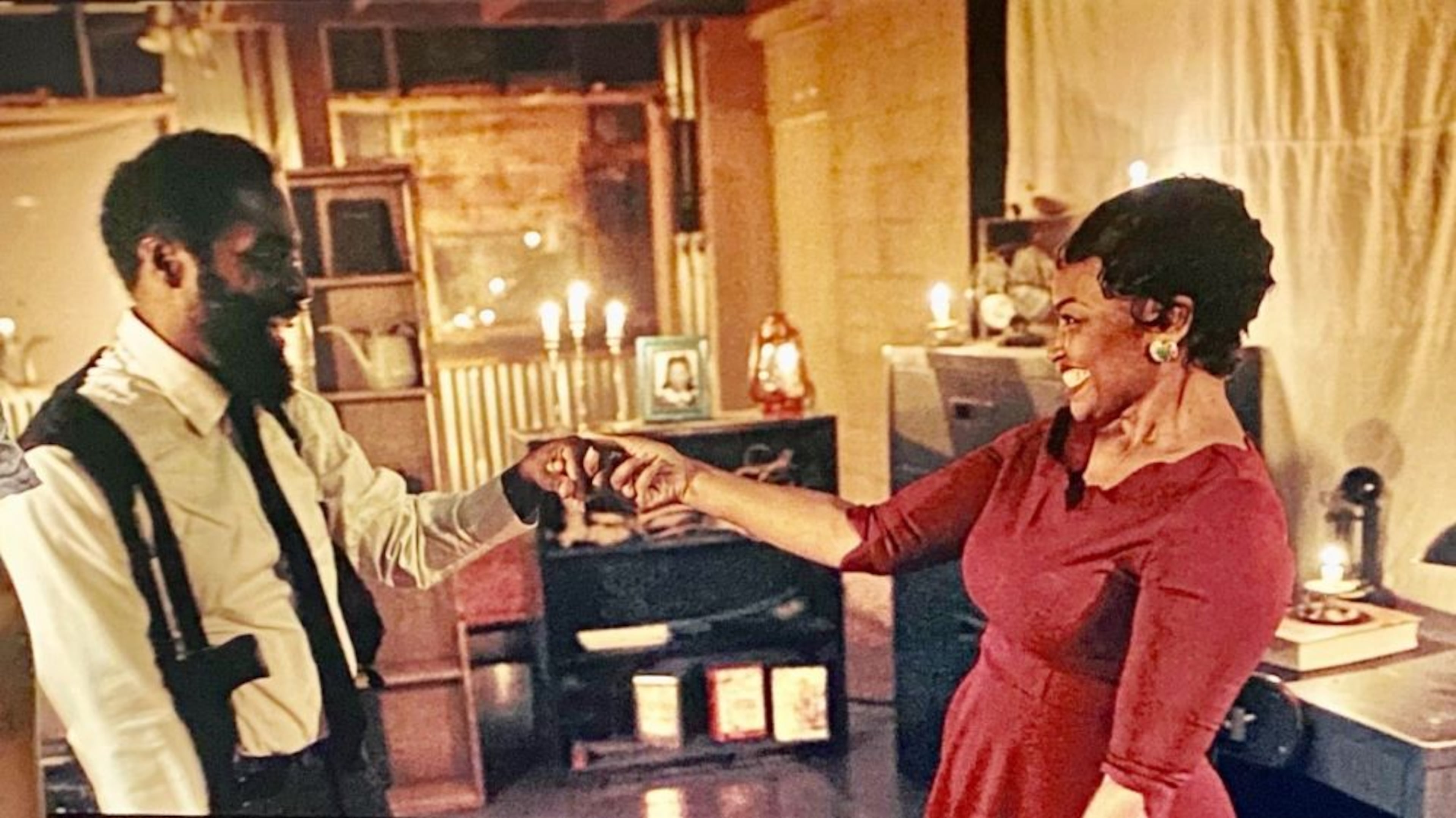
Rich maintains that same independent spirit as the film’s writer, director and star. Set in 1930s Brooklyn, New York, the story is about a Black orphan mentored by an Italian gangster who grows up to turn his crime operation into community building.
The period film begins screening Friday at Starlight Drive-In Theatre and Flea Market. Rich wants viewers to experience the film like moviegoers during Prohibition and the Great Depression.
“We used to go to the drive-in during the 1930s, and I wanted to do something nostalgic,” he said.
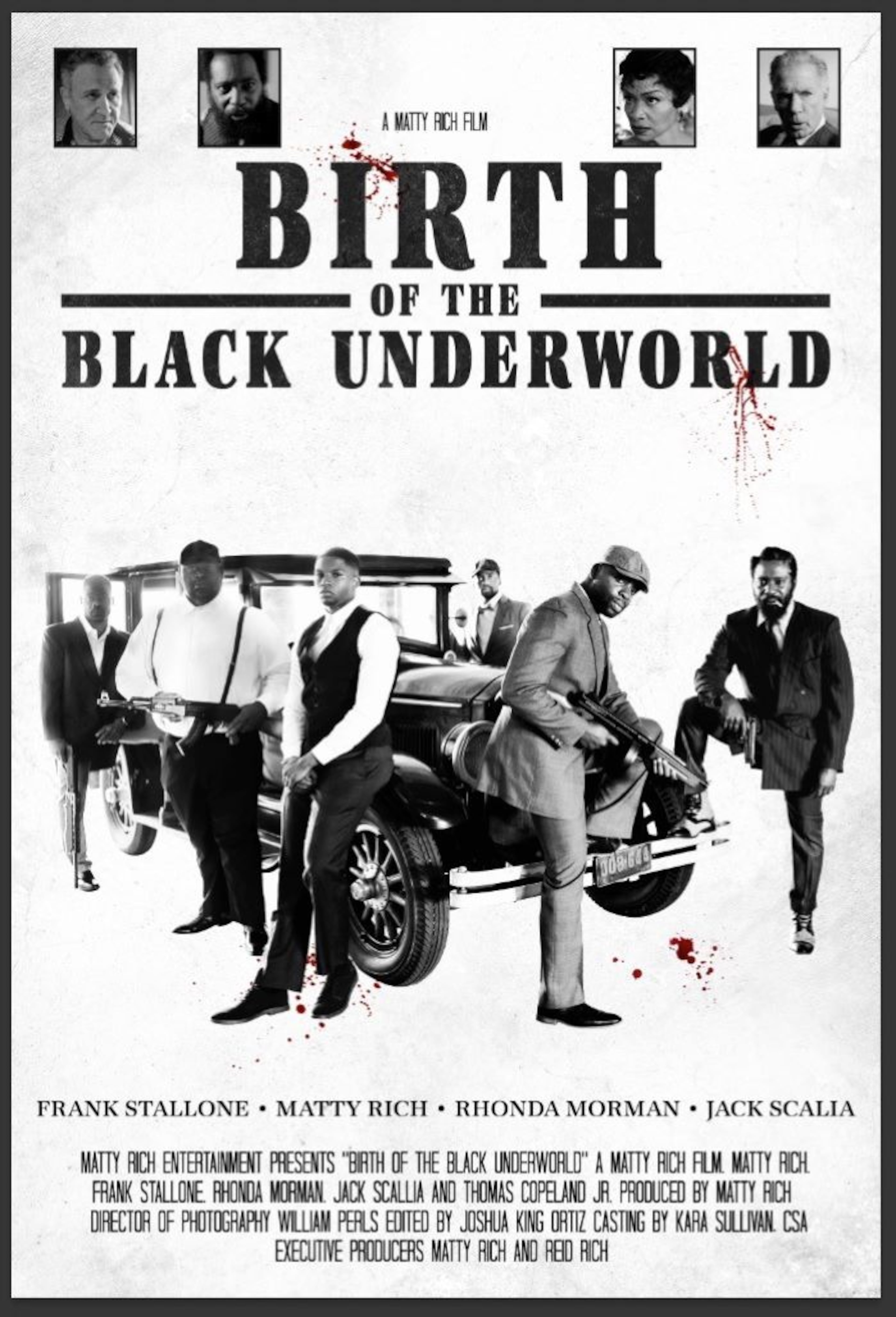
Rich and his wife financed the film, promoted it on Black radio and held screenings in Los Angeles during the two years they spent completing it.
“I’m no different from who I was as a 17-or 18-year-old. I did it in pieces, and it’s (been like) a labor of love and passion,” he said.
As a preteen, Rich became interested in cinema after his mother gave him a book on filmmaking. He regularly visited public libraries to research the craft and read film literature.
“If you can speak it, you will achieve it, but before you achieve it, you have to learn about it before you move,” Rich said.
Atlanta-based film scholar Nsenga Burton, who teaches film and television at Tuskegee University, used “Straight Out of Brooklyn” in courses she taught at Johnson C. Smith University in Charlotte. She said Rich broke barriers by understanding his audience.
“The ’80s had crossover buddy films with Eddie Murphy and Richard Pryor that were made to appeal to white audiences, but his work was decidedly different and for Black audiences,” she said. “He was able to accomplish so much and show what was possible at such a young age in the ’90s, when young Black male directors were starting to break through.”
After “The Inkwell,” Rich wrote and developed projects for late rapper Tupac Shakur for HBO and Jimi Hendrix for Showtime, though neither went into production.
He became impatient with Hollywood not pursuing his ideas.
“I got frustrated. I kept waiting for an executive or head of a studio for notes or to say yes, which could take years. I was writing scripts and making money, but nothing was being produced,” he said. “It felt like my independence was gone. When you realize the system is not designed for you, you must create your own.”
Rich traded the silver screen for joysticks. In 2005, he was offered a position as creative and art director with video game company Ubisoft in Paris.
He relocated abroad to produce and direct the racing game “187 Ride or Die” and approached the project the same way he approached filmmaking.
“I don’t program or design characters. I’m a team leader that has a voice and vision. What you don’t know means you have to find other people to be around you that know something or more than what you don’t know,” he said.
Rich continued in gaming, traveling between Paris, Shanghai and Seoul. It reinvigorated his creativity.
“It was a rebirth that allowed me to reset my life and not allow Hollywood to tell me if they would greenlight my film. I needed to get back to what really drives me,” he said.
Burton praises Rich for his creative evolution from films to gaming.
“He was able to still be transformative in technology, so all of his brilliance early on in his career continued to be on display,” she said.
In 2018, Rich returned to the U.S., began teaching screenwriting at the American Film Institute and online courses for Sundance Collab, a virtual writing program for emerging and experienced talent under Sundance Film Festival. He was inspired to make “Birth of the Black Underworld” after a student inquired about his latest film credits.
“They mentioned my awards (and) history, but (asked) what am I doing now? It challenged and ignited something in me,” he said.
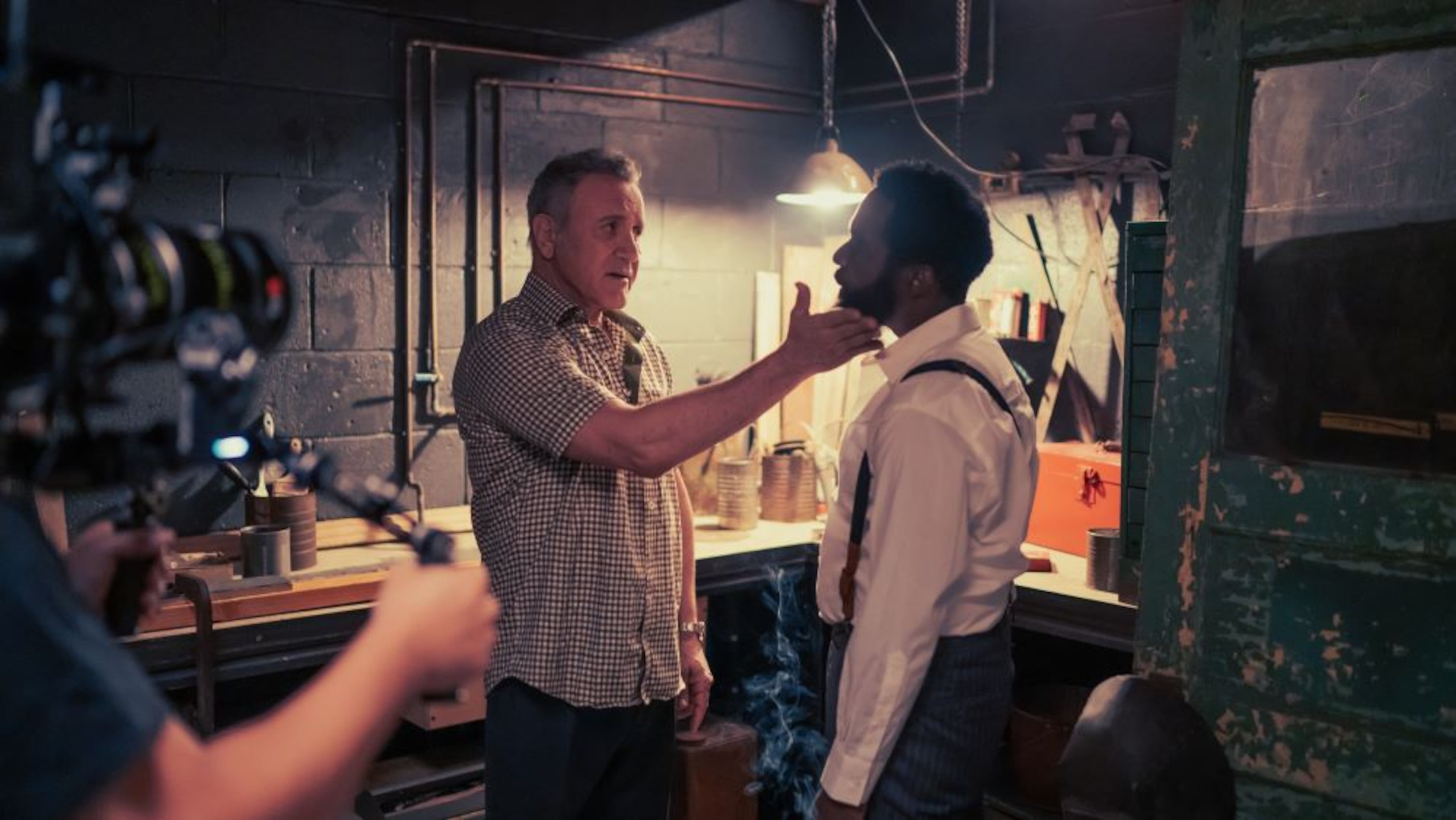
Rich’s mission as an educator is to push emerging writers and filmmakers to become assertive, intentional and collaborative storytellers.
“Know what you want because people want to follow people with passion, honesty and love. The keys to success are to speak your imagination, believe in it, learn it and bring people around that know more than you. If you have something to say, there’s no excuse not to say it,” he said.
Rich plans to begin shooting his fourth feature film at the end of the year. Even after a three-decade hiatus, he’s fulfilled from staying true to his vision.
“I’m doing me, having a great time creating things out of passion because I have more things to say,” Rich said.