
Spelman professor grabs top award at High Museum of Art
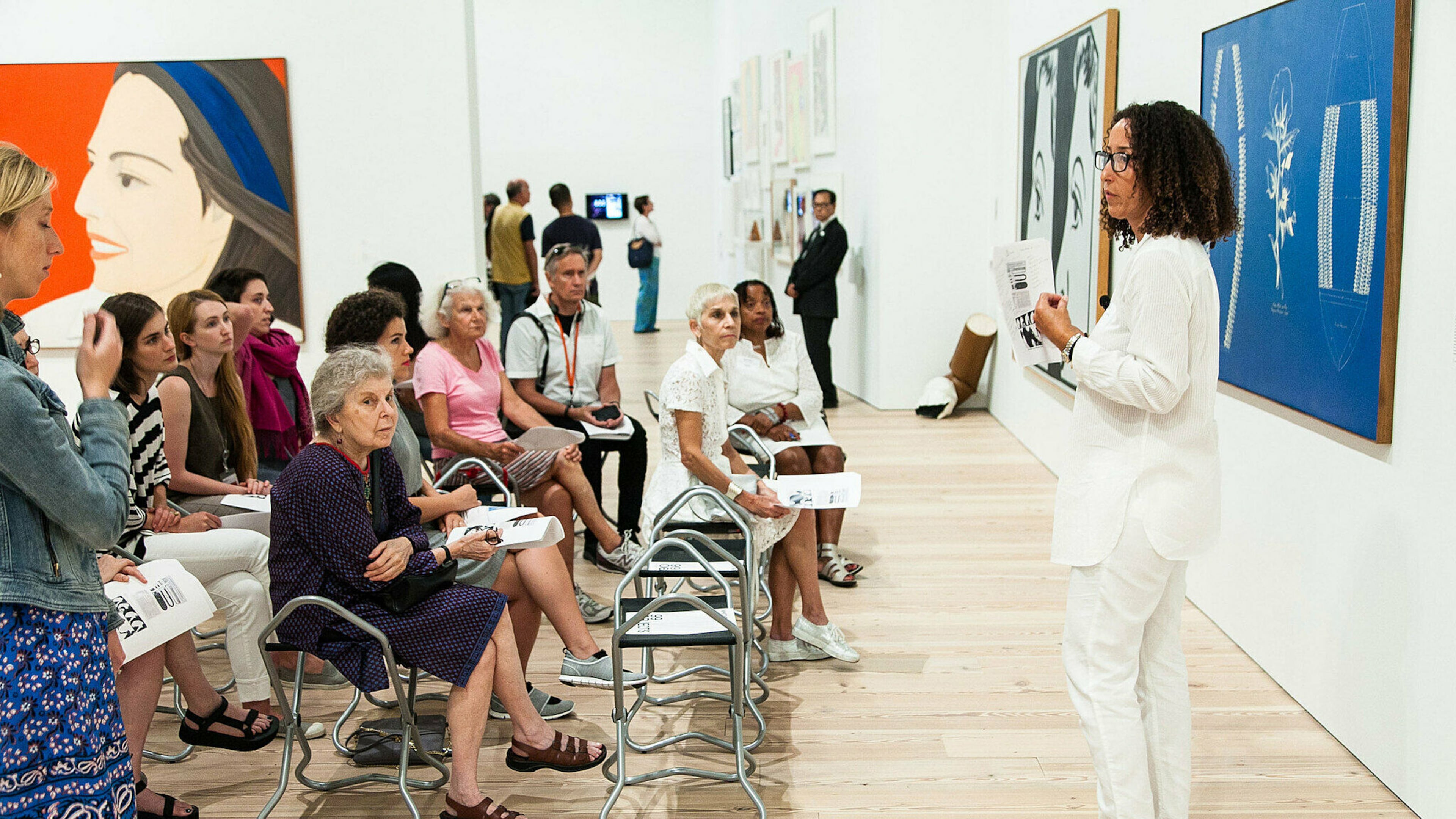
Art scholar Cheryl Finley, the inaugural director of the Atlanta University Center Art History + Curatorial Studies Collective and a Spelman College professor, has been selected as the High Museum of Art’s 2026 David C. Driskell Prize recipient.
Each year, the High Museum in Atlanta recognizes individuals who advance Black American culture within the art industry.
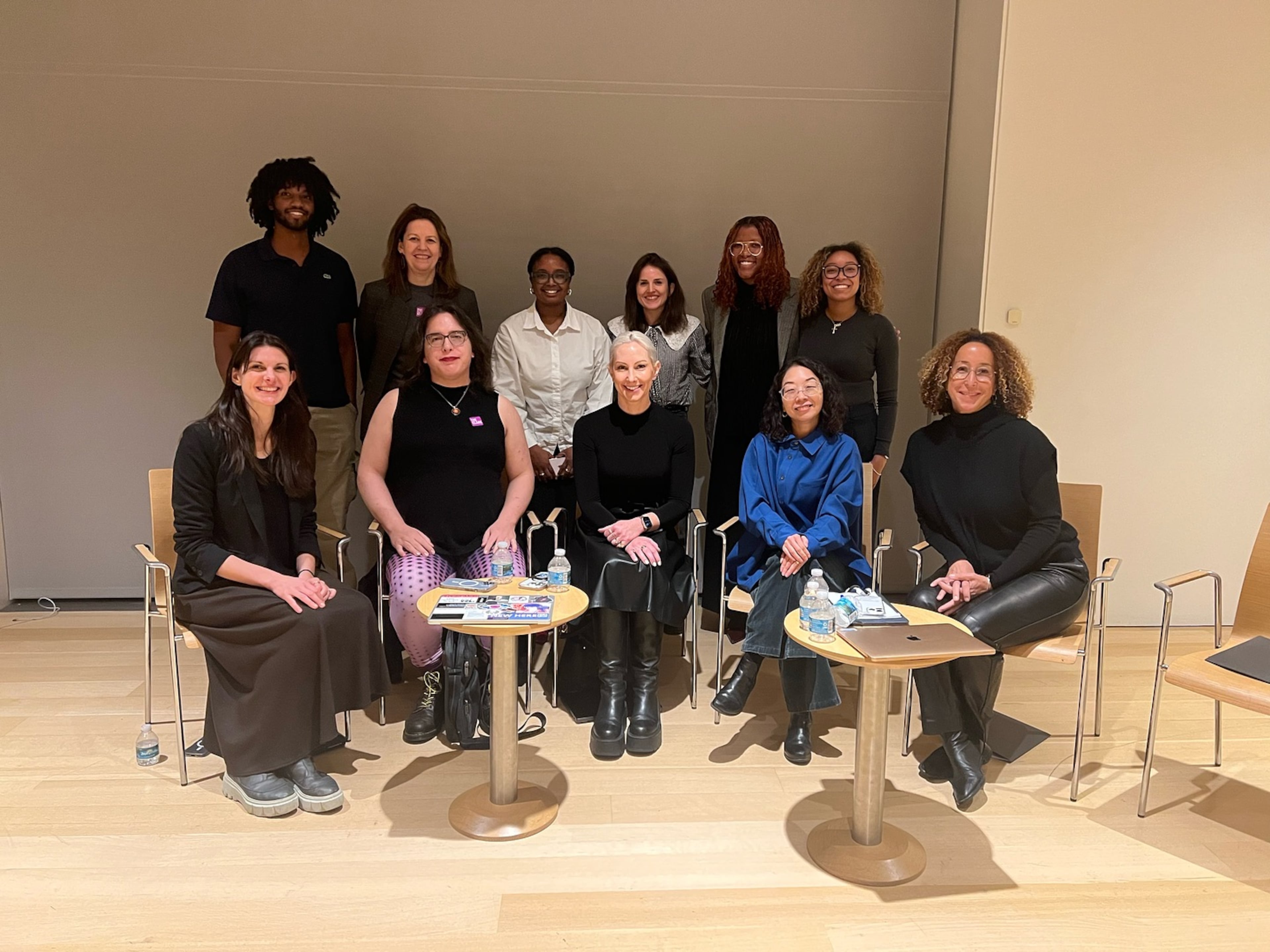
As an art historian and critic, Finley has helped establish a training ground for art professionals through her position within the AUC. She said winning the award aligns with her work and that of fellow historians, curators, scholars, artists and future generations.
She said they share a common interest on how art and culture impacts their daily lives and finding peace in the world.
According to a press release from the High Museum Wednesday, the award is one of the more “significant recognitions for artists and scholars shaping the field.”
“With this year’s award, the High is honored to support Finley’s distinguished career that sits at the intersection of scholarship and institutional change,” said High Museum Director Rand Suffolk. “Through her influential work, she has continuously invested in the next generation of visual arts leaders across Atlanta’s HBCU landscape and far beyond.”
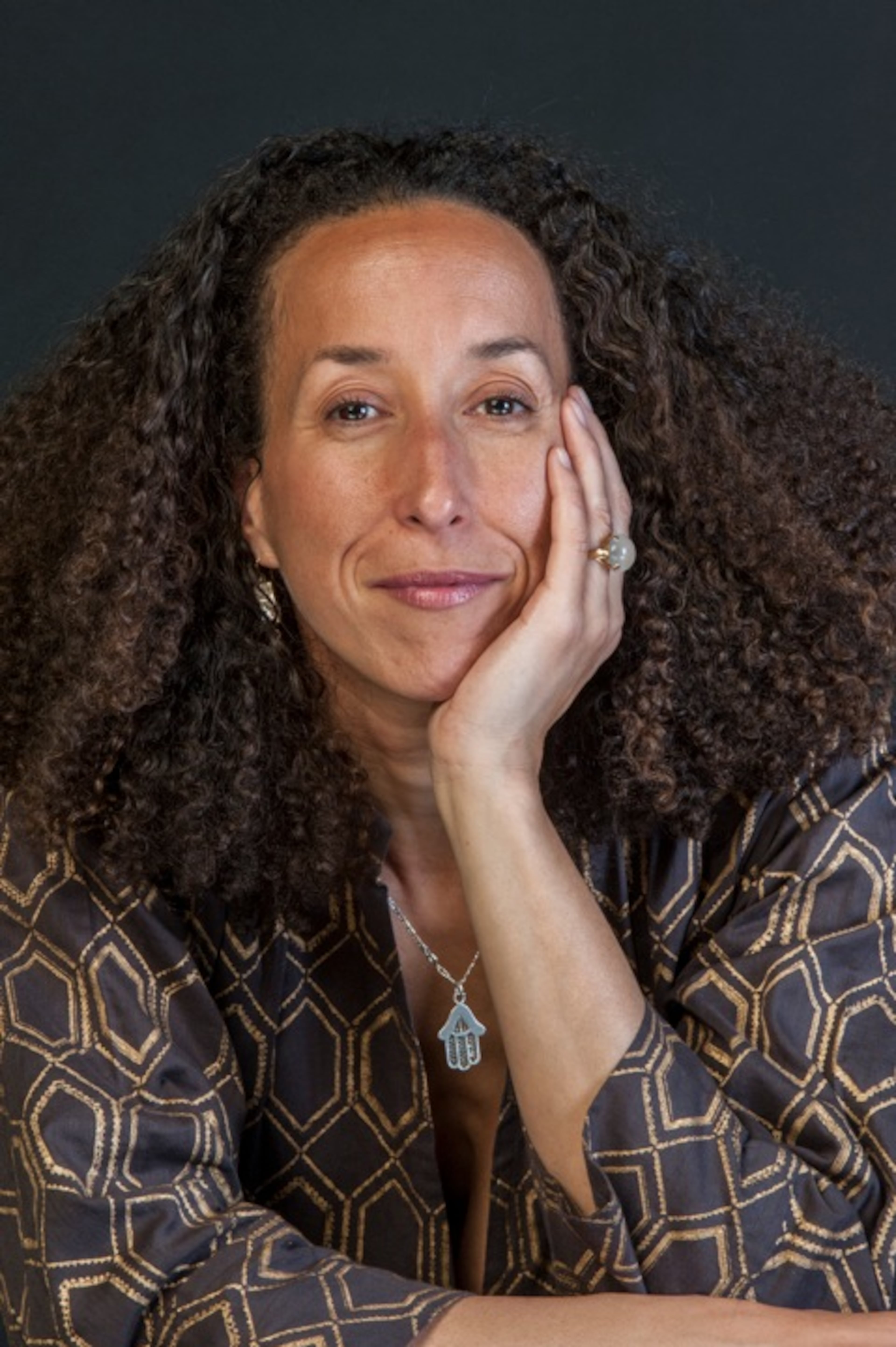
The Driskell Prize is in honor of the late artist David Driskell, who focused much of his work on the African diaspora. Founded in 2005 by the High Museum, the award is the first of its kind to recognize national contributions to African American art and art history. Other prize recipients include Georgia native Amy Sherald, Rashid Johnson and Kirsten Pai Buick.
Though she acknowledged that being personally recognized is a major feat, it’s also a reflection of the artists and art enthusiasts with whom she’s collaborated.
“We don’t ever do anything alone,” she said.
For Finley, expanding arts within Black communities is about building artistic bonds, cross-pollinating through various creative mediums, establishing networks — similar to the Black Arts Movement of the 1960s.
The High Museum noted Finley’s portfolio of introducing a partnership between students and luxury-brand conglomerate LVMH (Louis Vuitton Moët Hennessy).
“Since 2013, she has co-organized Black Portraiture[s], a global academic convening committed to the study of African diasporic art and culture, which brings artists, educators and innovators together from around the world,” according to the High Museum press release.
Additionally, Finley has written books, reviews and articles on the importance of relating art history.
As a curator, Finley finds engaging with visual art to be vital.
“It’s as essential as a glass of water,” she said.
Finley elaborated that it’s important to incorporate visible beauty in people’s everyday lives, in a way that evolves from reality.
She referenced Martin Luther King Jr. Boulevard. Throughout the country, each of these streets has a certain presence, an understanding of culture that tends to be translated into the homes, engineering and design of the neighborhoods.
She explained that it’s not just about the immediate beauty, but the power that lies beyond the image and digs deeper into the legacy that inspired it.
Artistic collaboration is necessary to document the foundation and evolution of African American life. From W.E.B. DuBois’ photography exhibition at the turn of the 20th century, to the Atlanta Art Annuals competition and National Black Arts Festival, art has always been a staple of the city.
“Art obviously happens in any culture, (and it) has always been happening here (in Atlanta),” Finley said. “But I think that more recently … there has been a larger national focus — if not regional focus — on art here in the city. I think that many organizations and many institutions and many individuals have a lot to do with that.”
Along with a $50,000 prize, Finley will be honored at the 21st Annual David C. Driskell Prize Gala in September. She said she plans to use the prize money to expand the accessibility of visual art through education and resources.
“My true hope is that this becomes a springboard to enable more funding opportunities to be made available to our students into the work that we do,” said Finley.