
Before the World Cup, Atlanta’s first soccer heroes came from Africa and the Caribbean
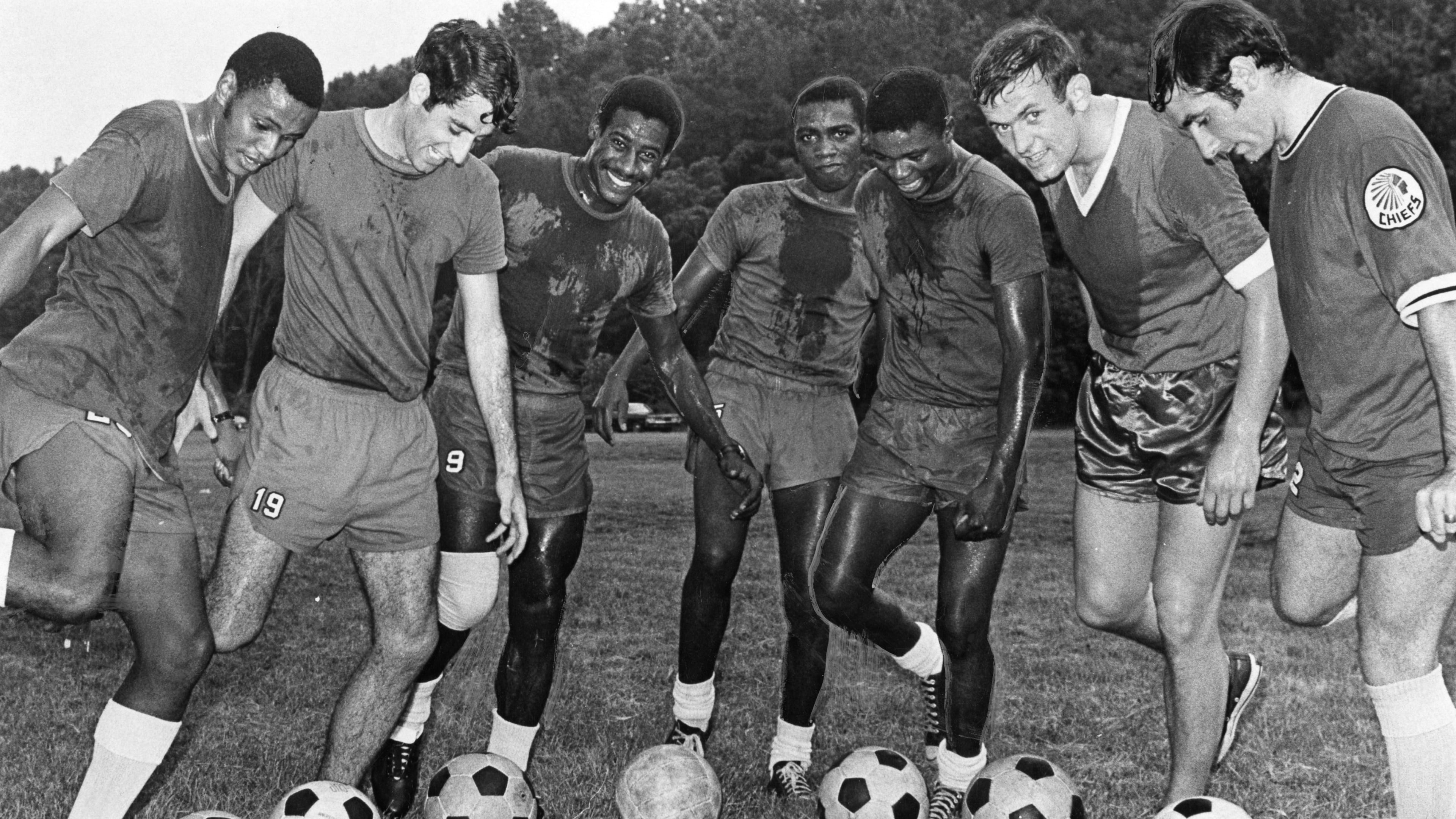
Before Atlanta United was part of Major League Soccer and FIFA World Cup made its Atlanta debut, nine Black soccer players from Africa and the Caribbean helped the Atlanta Chiefs become the city’s first professional championship team.
On a September evening in 1968, five months after Martin Luther King Jr.’s assassination, Trinidadian Everald Cummings; Jamaicans Delroy Scott, Henry Largie, Allan Cole; South African Kaizer Motaung; Zambians Freddie Mwila, Howard Mwikuta, Emment Kapengwe and Ghanaian Willie Evans were members of the 22-member football club that defeated San Diego Toros 3-0 in front of a crowd of 17,000 fans at Atlanta Stadium. Scott and Motaung scored two of the goals.
Bob Hope, Chiefs’ public relations officer, remembers the audience and local media being enthusiastic about the outcome. “It was a lot of excitement. They treated it like it was the World Series, and the guys were known just as much as Atlanta Hawks players,” Hope told UATL.
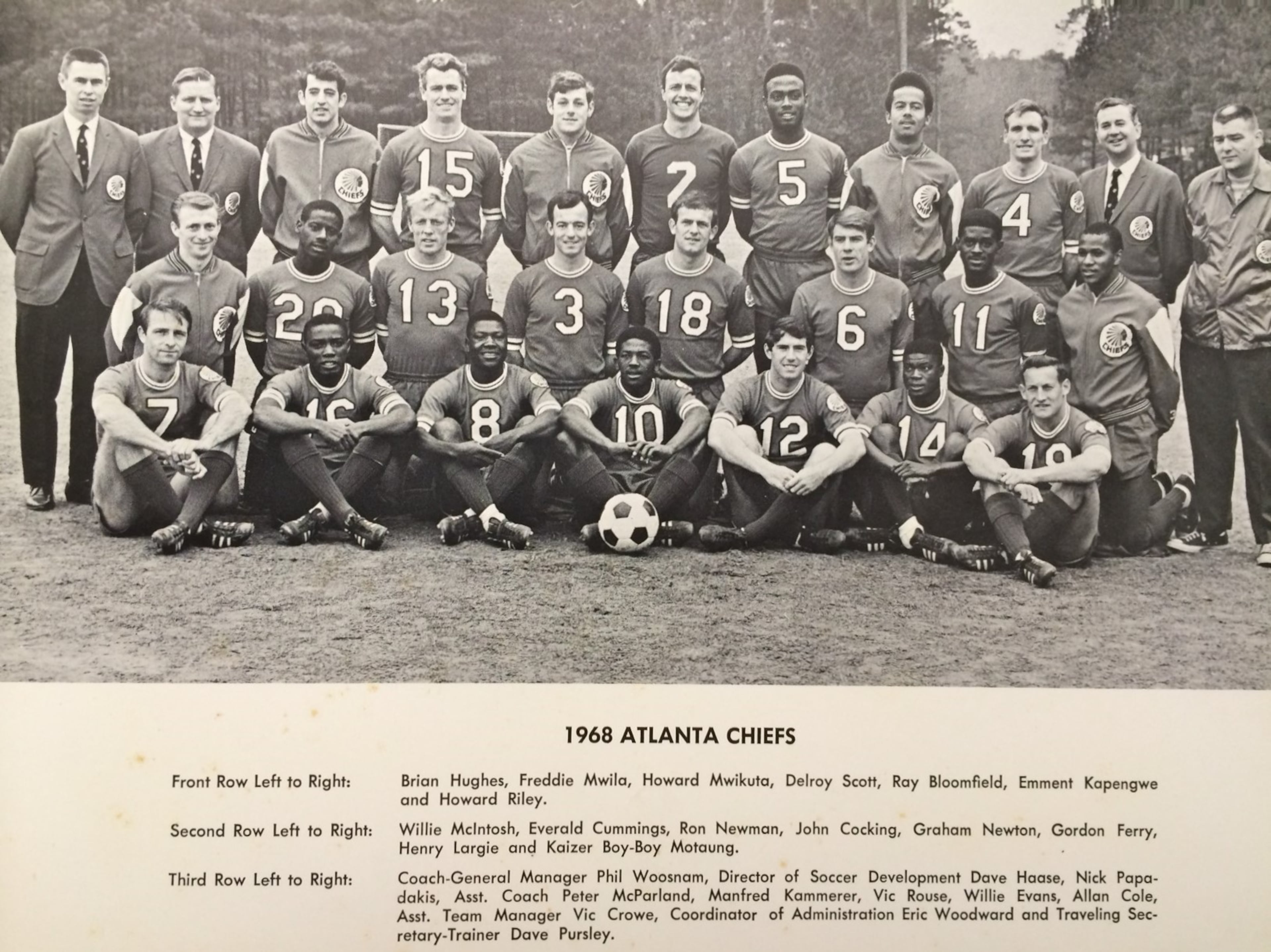
Atlanta Chiefs broke new ground in soccer here and abroad. They pioneered tracking player and game statistics. Civil rights activists Jesse Hill and Ambassador Andrew Young were regulars at home matches.
In 1967, the Chiefs’ partnership with YMCA in Decatur created what Hope says is one of America’s first youth soccer programs. Motaung returned to South Africa to organize Kaizer Chiefs, a championship football club named after the Atlanta team.
But Black players made sacrifices. Cummings, Chiefs’ midfielder, said they became sports trailblazers by overcoming racism and being intentional about becoming part of the community.
Cummings said they were treated fairly and nicely by the team. “The problem is when you leave the stadium and had to go home. It was unbelievable how we were separated socially. Yet, we won the championship. It elevated our game and way of thinking,” he said.
Owned by the Atlanta Braves, Atlanta Chiefs was formed under the National Professional Soccer League in 1967 before it changed to North American Soccer League a year later. The team’s lineup had no Americans.
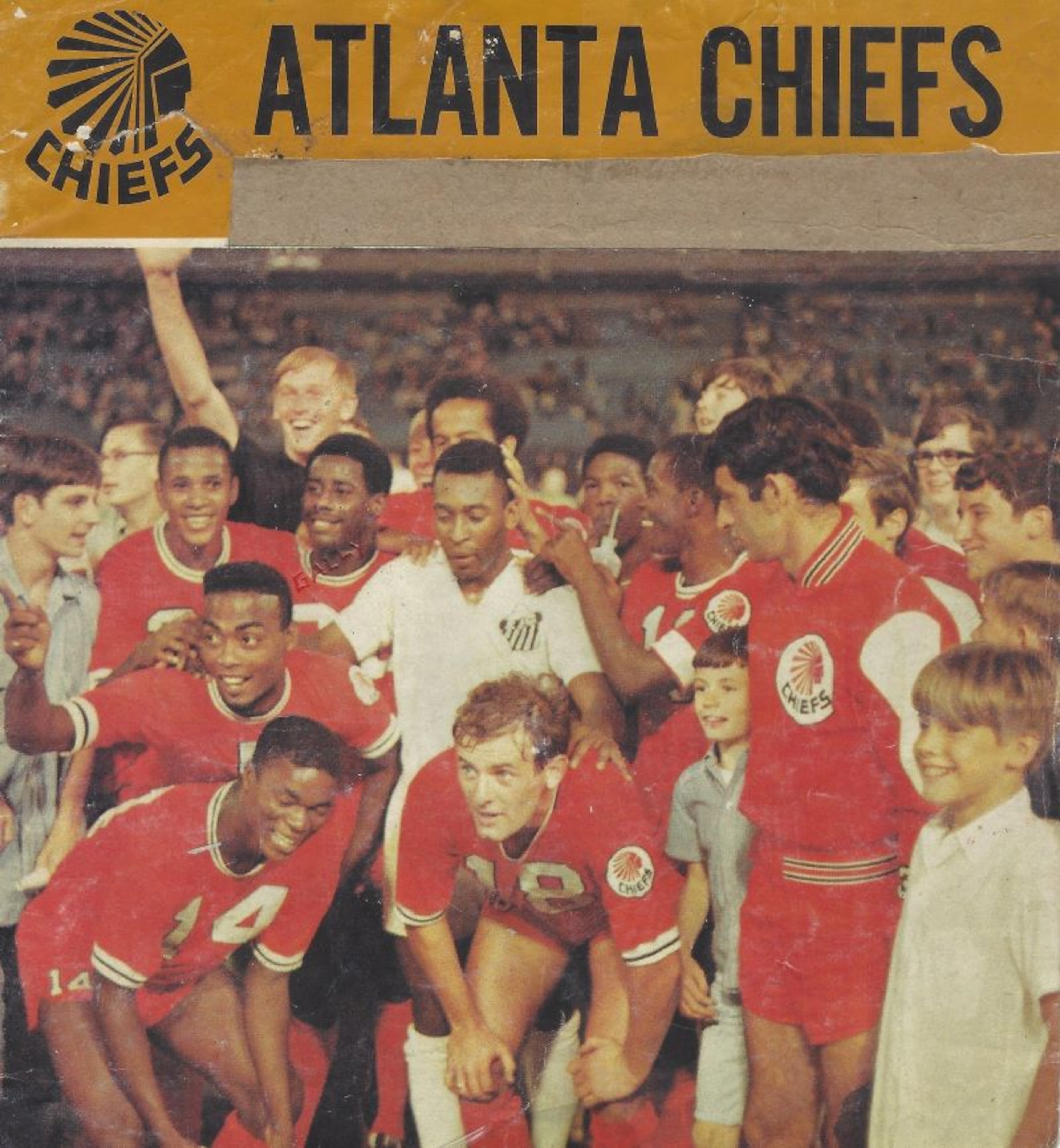
Chiefs head coach Phil Woosnam, an exceptional soccer player from the United Kingdom, knew he needed to recruit players from countries with a strong soccer presence. Hope claims the Chiefs were the first to scout talent from African and Caribbean nations.
“Atlanta was the only team that really did that,” Hope said.
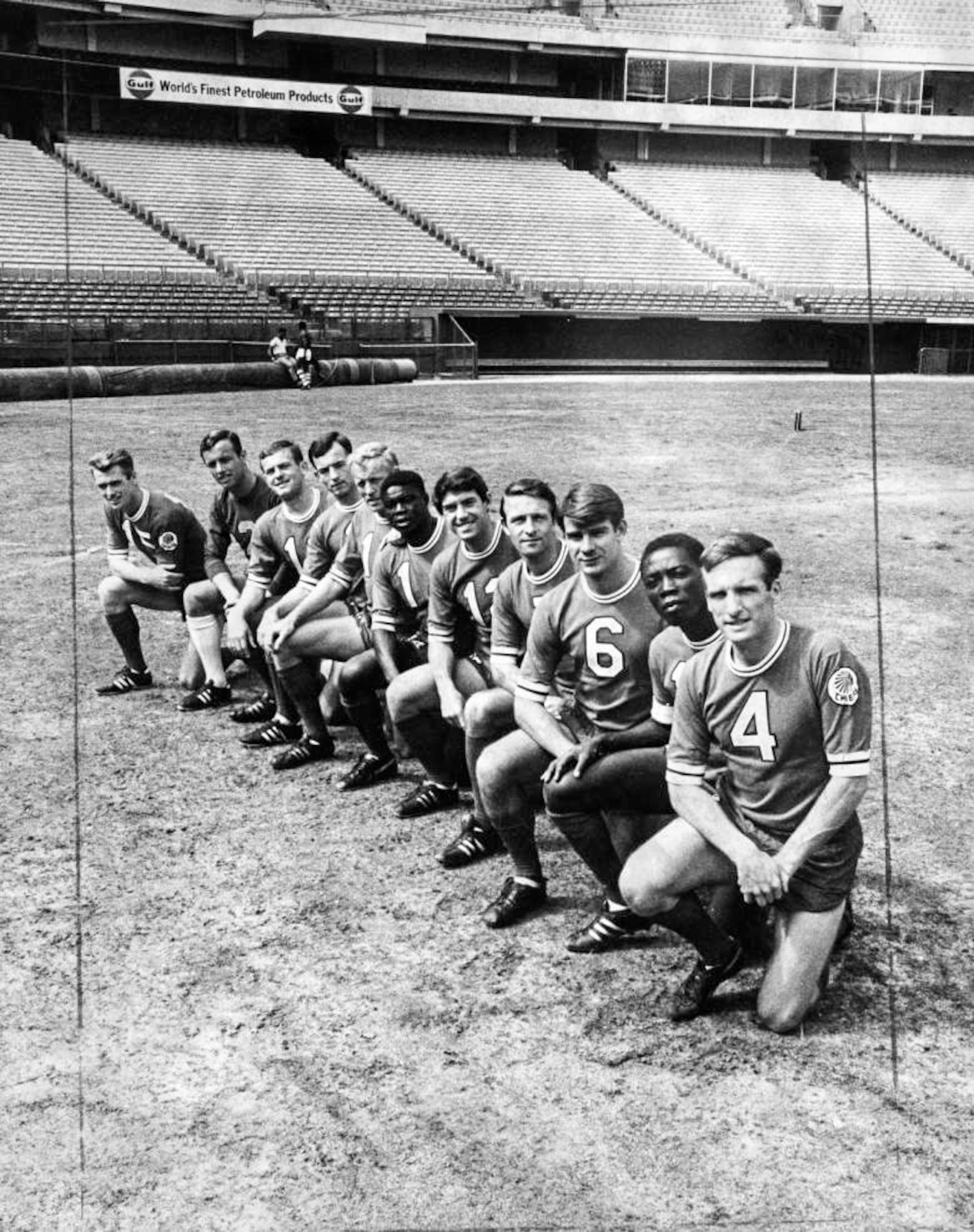
Cummings, a standout for Trinidad and Tobago since his teenage years, was recruited by the Chiefs during a soccer tournament in Jamaica. The Chiefs’ only Trinidadian member, he was roommates with his Caribbean teammates on Hopkins Street in the West End.
Cummings said he was acquainted with the Jamaican players before they were teammates.
“I knew the guys (from Jamaica) because we played against each other on a regular basis. We had a natural bond, because our style of play was almost the same,” he said.
The Chiefs held two practices a day at Emory University. They played 32 games each season.
Other than practice and booster club functions after the games, Black players weren’t allowed to socialize with their teammates outside the stadium. Cummings said the Black players experienced racial profiling.
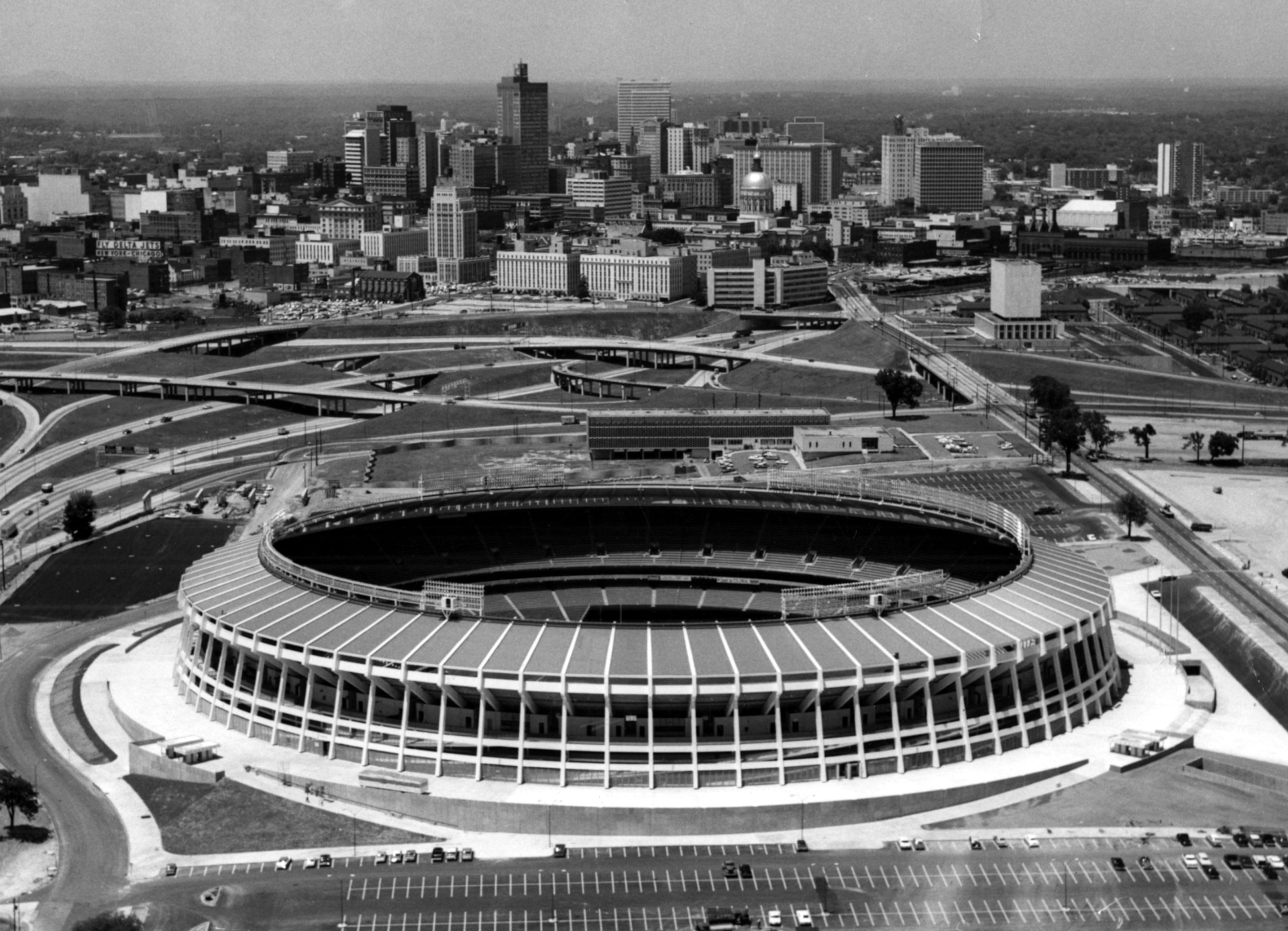
“Coming from games, we’d get stopped by the police. I had a credit card for Rich’s (now Macy’s), the manager took it and called Atlanta Stadium to find out if it was mine. We couldn’t go visit the white players. It was a struggle, so we had to be careful,” he said.
Cummings and his teammates were embraced by the Black community. He said they were always welcomed at Black social events. “People would invite us to church or their homes. We went to King’s funeral, shows when James Brown, Joe Tex, Otis Redding and Aretha Franklin were in town,” he said.
In their spare time, the Black athletes coached high school and college students to raise brand awareness. “We had to spread the word and let Atlanta people know about the game,” Cummings said.
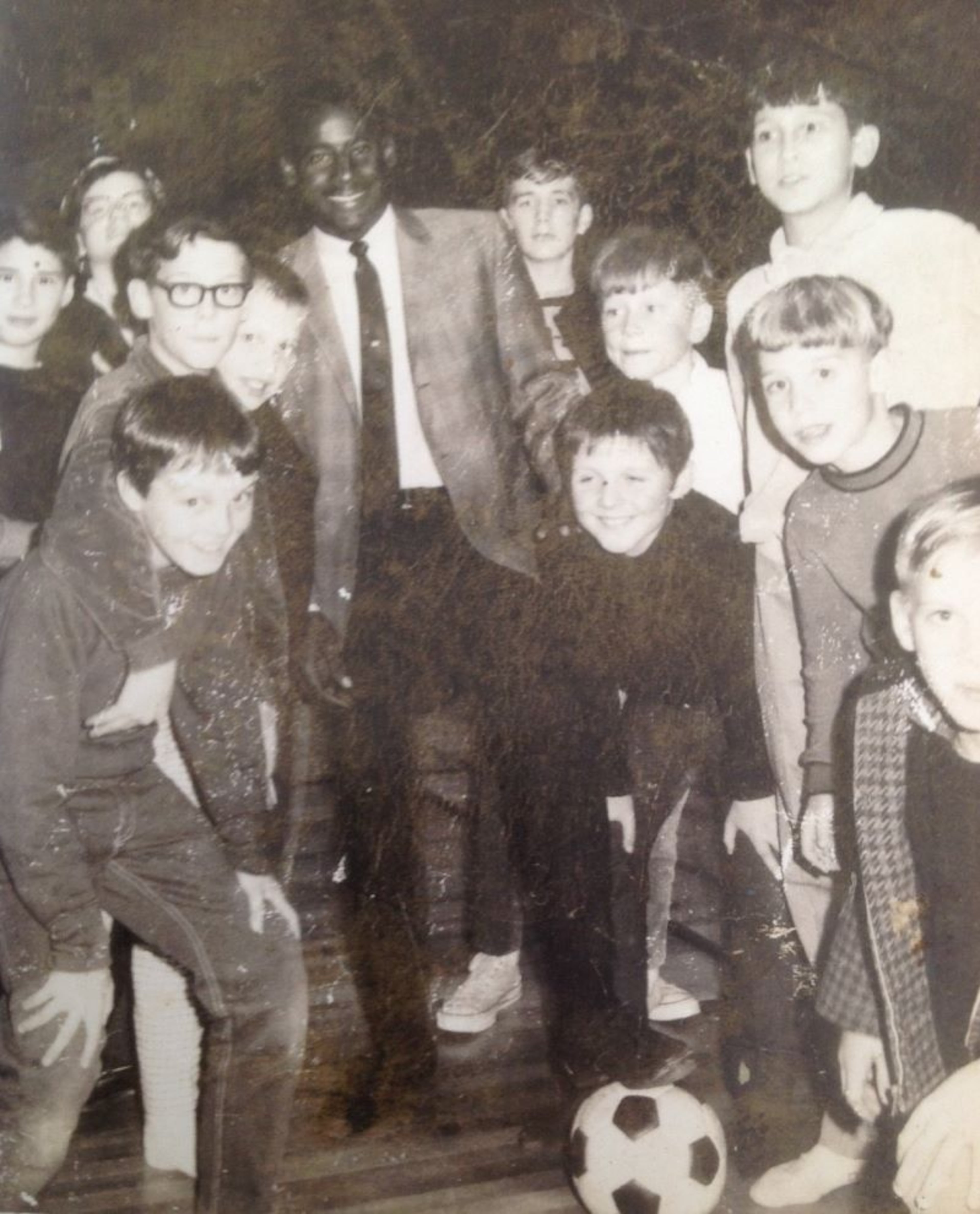
After Cummings left the Chiefs in 1970, he won another NASL championship as a member of New York Cosmos in 1972. He later became a coach for Trinidad and Tobago’s soccer team.
In 1973, the Chiefs were sold, changed their name to Atlanta Apollos and folded after a year. Media mogul Ted Turner purchased, revived the team in 1979 and shut down operations after two years.
Cummings said he’s proud to break ethnic and color barriers in sports.
“It had its trials and tribulations, but it was positive. We’re fortunate to bring the first championship trophy to Atlanta before anybody else, and it’s a wonderful feeling to know I was a pioneer for soccer in the U.S.,” he said.