
Soft party movement is changing Black Atlanta’s social scene


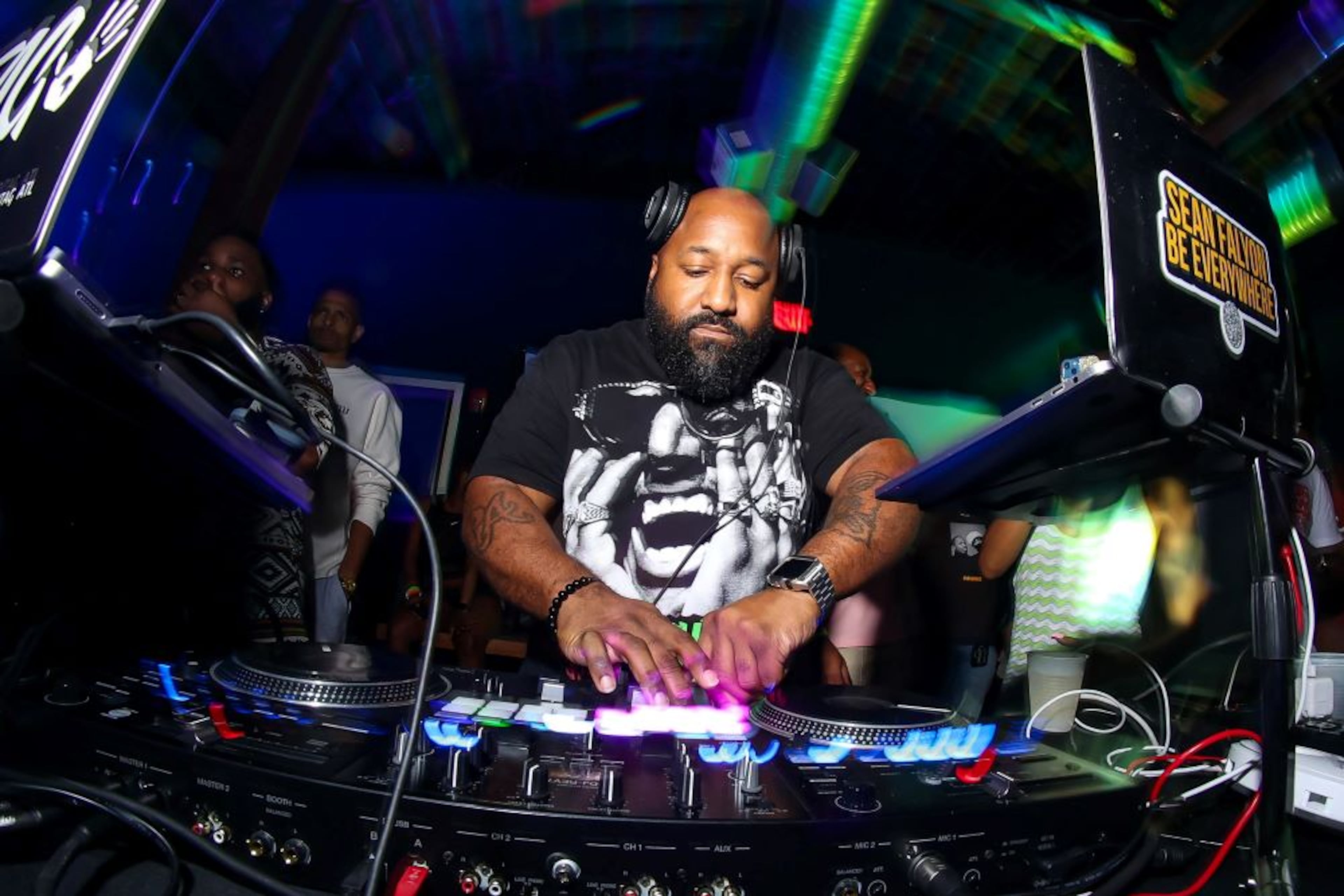
One Friday each month, sometimes the third or the last, Sean Falyon can draw over 500 people to Westside Motor Lounge during standard work hours.
Between noon and 8 p.m., the DJ and event organizer has music lovers singing and dancing by the main bar to songs from deejays he handpicked. Even more people are standing outside, conversing with friends, relaxing on lawn furniture, visiting vendor tables and playing games.
There are no grass walls, VIP sections, valet parking or bottle services present. This is Skip Day Party, an event Falyon co-founded in April 2023 he said gives people relief from their 9-to-5 jobs.

“After the pandemic, people were working from home and not really having a break. It got to a place where people didn’t know how to have a conversation with somebody in person. It (Skip Day) allows people to get out the routine and do a reset for themselves like a mental health day, because in reality, a lot of us need it,” Falyon told UATL.
Skip Day Party is part of a new era of social life in Atlanta for Black partygoers called soft parties. Black soft parties are dances or social events held in smaller venues in the daytime, early evenings or sometimes weekdays with themes relating to decades, cultural symbols or Black music subgenres.
During the 1990s and into the 2000s, nightclubs and late-night lounges helped Atlanta debut music and cement the city’s cultural identity. Club hopping also meant standing in long lines, interacting with bottle girls holding sparklers and partying until early morning.
Now, organizers are considering affordability, community, nostalgia and patrons getting home at a decent hour.

Radio personality Frank Ski was the resident deejay at Club Kaya from 1998-2001 before entrepreneur Alex Gidewon purchased the venue and renamed it Club Visions later that year. A veteran participant and observer of Atlanta’s social scene, Ski also owned Frank Ski’s Restaurant and Lounge from 2013-16.
Ski said Atlanta nightlife became stagnant when club owners prioritized profit over customer service.
“There’s a troubling assumption that Black patrons will spend money without question, which leads to inflated pricing on nights geared toward Black audiences,” he said.
“Older crowds still want to dance. The problem is many of the new clubs no longer even have dance floors. These events are not necessarily replacing traditional club culture, but they’re simply creating an alternative experience.”
At Black soft parties, some people prefer alcoholic beverages. Others consume mocktails or nothing at all.
Falyon said the events are structured as partnerships between venues looking to host regular programming and deejays that attract audiences and have strong online presences.
“People are tired of doing the same old stuff. The options are slimming, because venues are getting bought up, getting taken over by people that don’t know how to sustain them or want to copy other business models that don’t necessarily work for their crowd,” he said.
The Listening Room is a free, open-format showcase for veteran deejays and music producers at Smith’s Olde Bar. Held weekly at the bar on Tuesdays, the performers play hourlong sets on either turntables or Serato consoles.
The Listening Room attracts anywhere between 150-400 people since it launched in December.
Founder Xavier “DJ Big X” Hargrove said he wanted to create a meetup for music lovers that welcomes Atlanta’s DJ community. “I always wanted a spot where I could just play diverse types of music, bring deejays back to the forefront to play what they think would make the people in the room feel good and let the room see the talent,” Hargrove said.

Powder Springs resident Anwar “King Vito” Knight, who hosts the music web series “In the Yo with King Vito,” said he regularly attends The Listening Room for its positive atmosphere and surprise guests.
“The drinks aren’t overpriced, it’s a laid-back crowd, and pretty much everybody is there to listen and enjoy music. You’ll never know who’ll show up. On the right night, Big Gipp, Daz Dillinger and Big Boi have been in the crowd,” Knight said.
Black soft parties span across the diaspora. Rum Punch Brunch, a Caribbean dance party, happens on Sundays at Believe Music Hall. Bamba Tuesdays features amapiano, a style of South African dance music, at Rock Steady Atlanta.
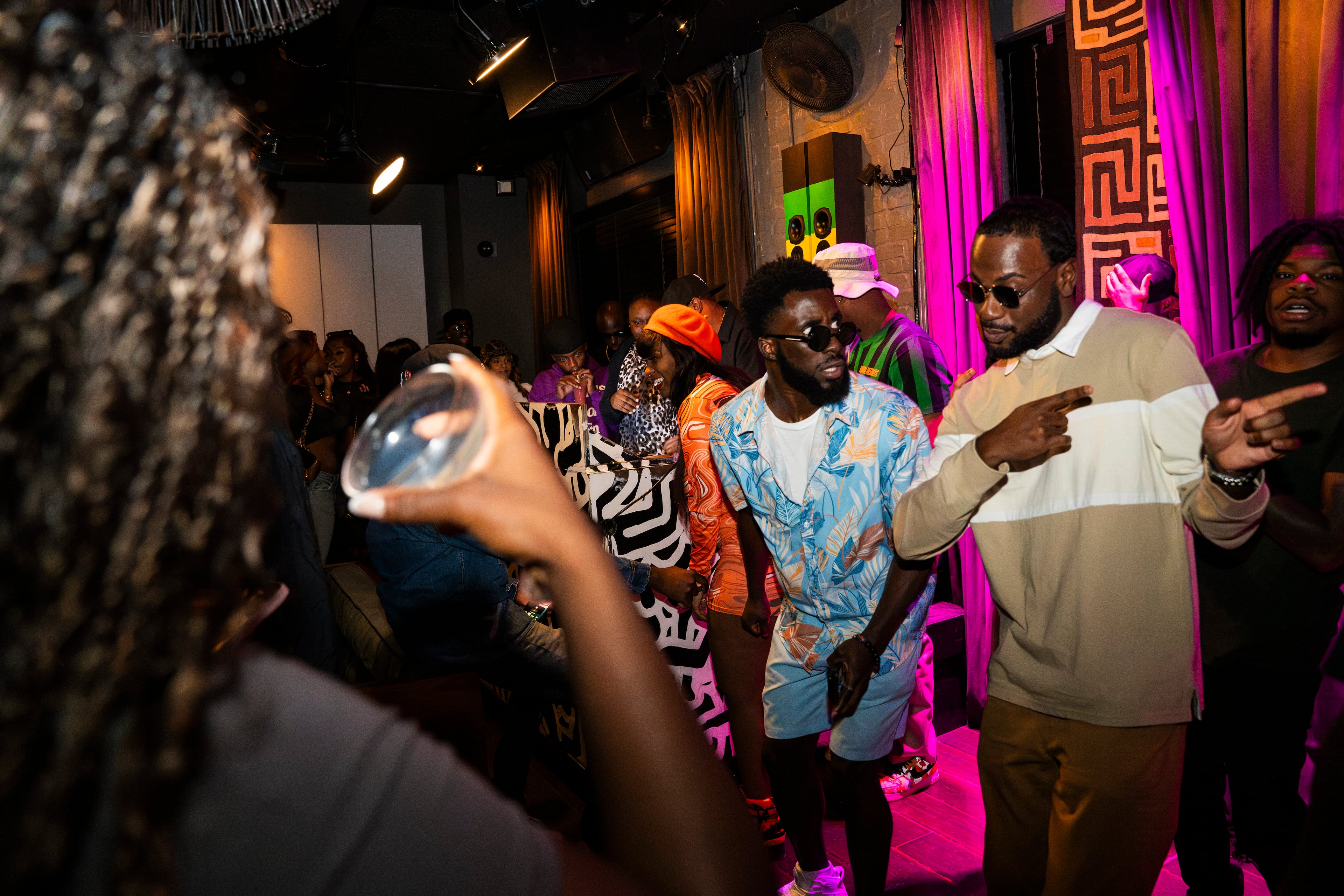
Slow Drag is a monthly, Black woman-led dance party at Atlantucky Brewing that centers ’70s R&B ballads. Its spinoff event, The Jheri Curl, revisits 1980s Black dance music.

Classic hip-hop from the mid-1980s through mid-1990s, or what’s considered “the Golden Era,” is the basis for Back to the Boom Bap, a ticketed party held every second Saturday at Westside Motor Lounge.
Marlyn “DJ Lowe Ki” Lowery, co-organizer, said nostalgic Black soft parties expose transplants and tourists to options for local entertainment.
“People that say Atlanta has nothing to offer aren’t digging deep enough. Many people that visit are mainly interested in places they’ve seen on reality shows, so they miss out on the hidden gems,” Lowery said.
Rodney “DJ Rock Most” Powell, Boom Bap’s other co-curator, said playing rare grooves is how he connects with newcomers and regulars.
“They might get a dash of Biggie and 2Pac at other ‘old school’ events, but we tend to dig beneath the surface for the favorites they forgot about, and they love that. We’ve had guests from various parts of the country and overseas thank us, because they’ve been unable to find an event that caters to them,” he said.
Hi-Top Fade is a free afternoon party, named after the geometric haircut, for fans of New Jack Swing, a style of up-tempo music with soulful melodies and hip-hop beats popularized in the late 1980s by producer Teddy Riley, on the last Sunday of each month at Rock Steady Atlanta.
DJ Wally Sparks, Hi-Top Fade organizer who also produces an annual Southern hip-hop dance party called Twankle and Glisten, said hosting events is a labor of love that is sometimes risky.
“I’ve seen people do ’90s nights, and I wanted to find a niche that wasn’t tapped into yet and reminds people like me of what they came up on. You can’t be afraid to alienate the audience, because you’re filtering out the people who don’t need to come and making space for those that do,” Sparks said.
“I’m in it to serve the people who actually want to have fun, remember the way things were and give it to them.”

Atlanta native Charles Minnifield said he attends Black soft parties as an outlet from his daily routine.
“They’re best kept secrets that provide some of the same benefits of nightlife without the shenanigans: long lines, troublemakers, opportunists and outrageous pricing before you’re able to enjoy the environment,” he said.
“I’m always looking for a place where I can escape the day-to-day rigors of life, so I follow certain DJs’ schedules, because I know they’ll put you in a great place and around great people.”