
The Groove Line: UATL’s June book recommendations for Black Music Month
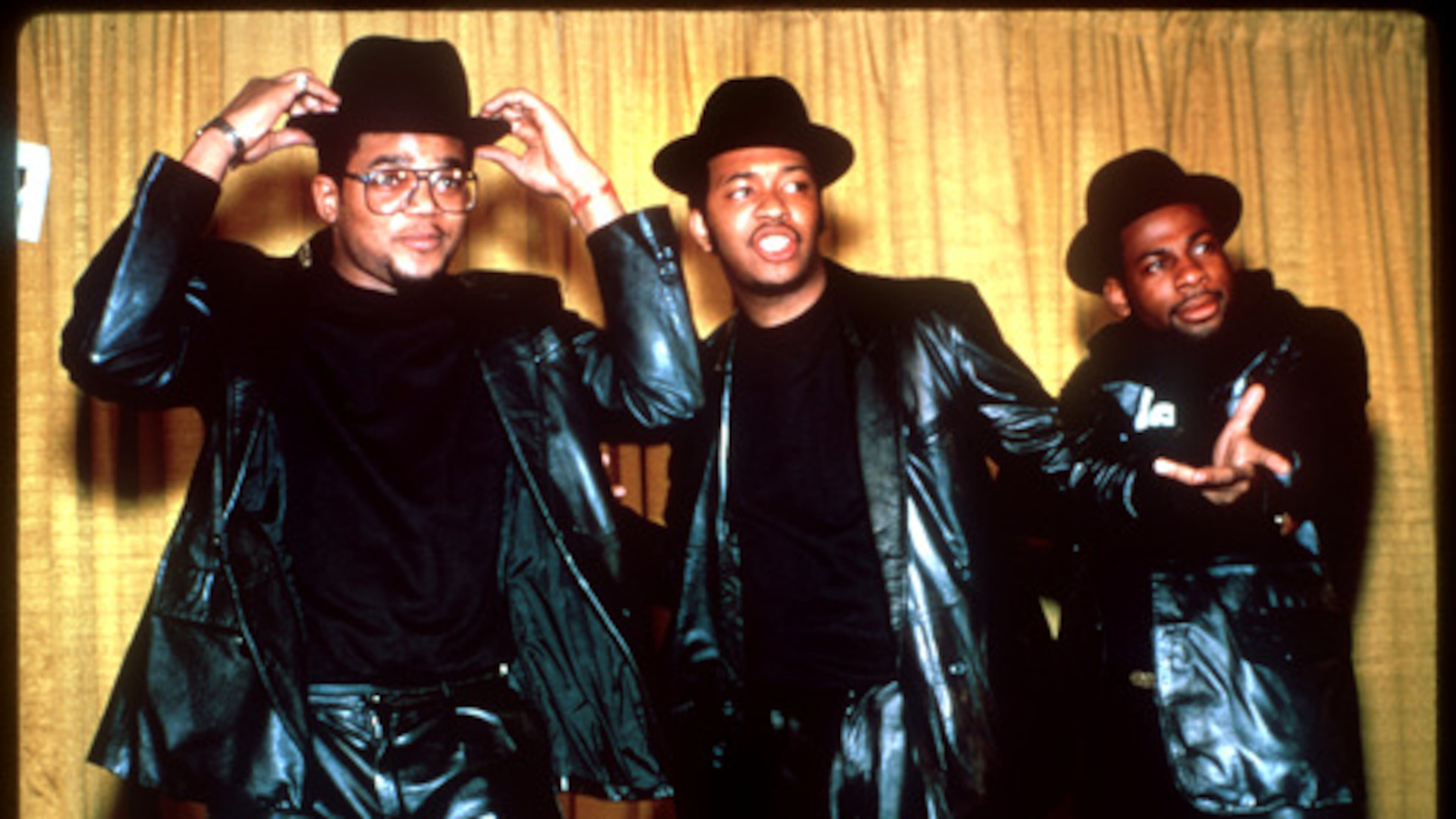

For four centuries, Black music has provided listeners opportunities to hear the experiences of Black people.
Whether its gospel, jazz, soul, rock, funk or hip-hop, musicians have recorded and performed songs about their pain, joy and aspirations. They’ve merged technology with storytelling to introduce art to the masses while defying race and gender politics.
To celebrate June as Black Music Month, here are six Black culture books about groundbreaking artists and creators who challenged conventional music and entertainment.
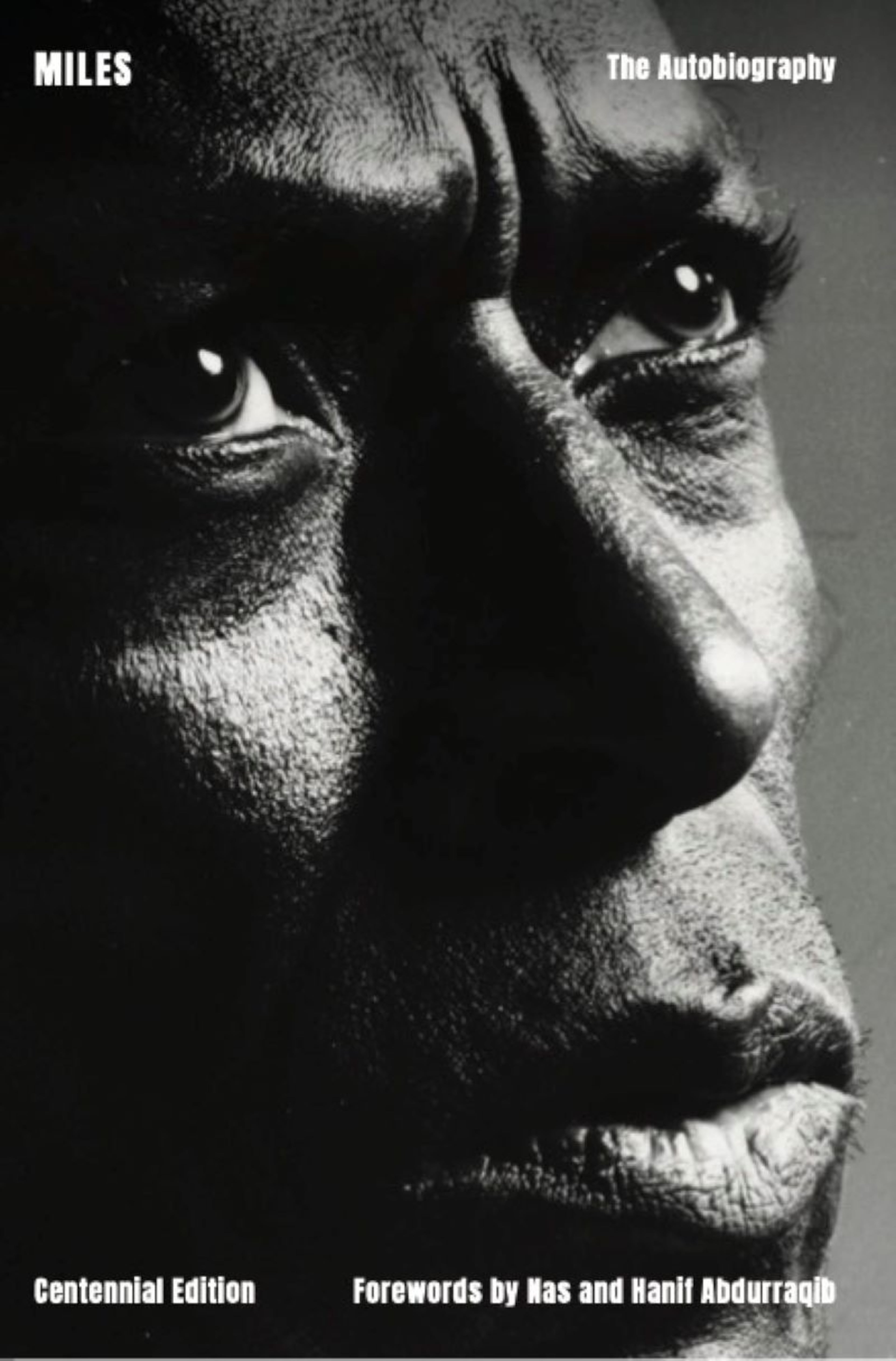
“Miles: The Autobiography” (Centennial Edition) by Miles Davis with Quincy Troupe
“Miles: The Autobiography” is Miles Davis’ unfiltered life story told directly from him.
In the book originally published in 1989, the jazz trumpeter and bandleader who stretched the boundaries of America’s purest musical form through classic albums “A Kind of Blue,” “Sketches of Spain” and “Bitches Brew” speaks unapologetically about his childhood, creative process, dealing with racism, drug abuse, failed marriages and taking a hiatus from music. The performer, who died in 1991 and would’ve turned 100 on May 26, discusses musical relationships with bandmates-turned-legends Herbie Hancock, Sonny Rollins, Wayne Shorter and Ron Carter, and John Coltrane.
“Miles: The Autobiography’s” reissue has forewords from rapper Nas, poet Hanif Abdurraqib and vividly captures how risk-taking, intuition, self-definition and destruction result in musical genius.
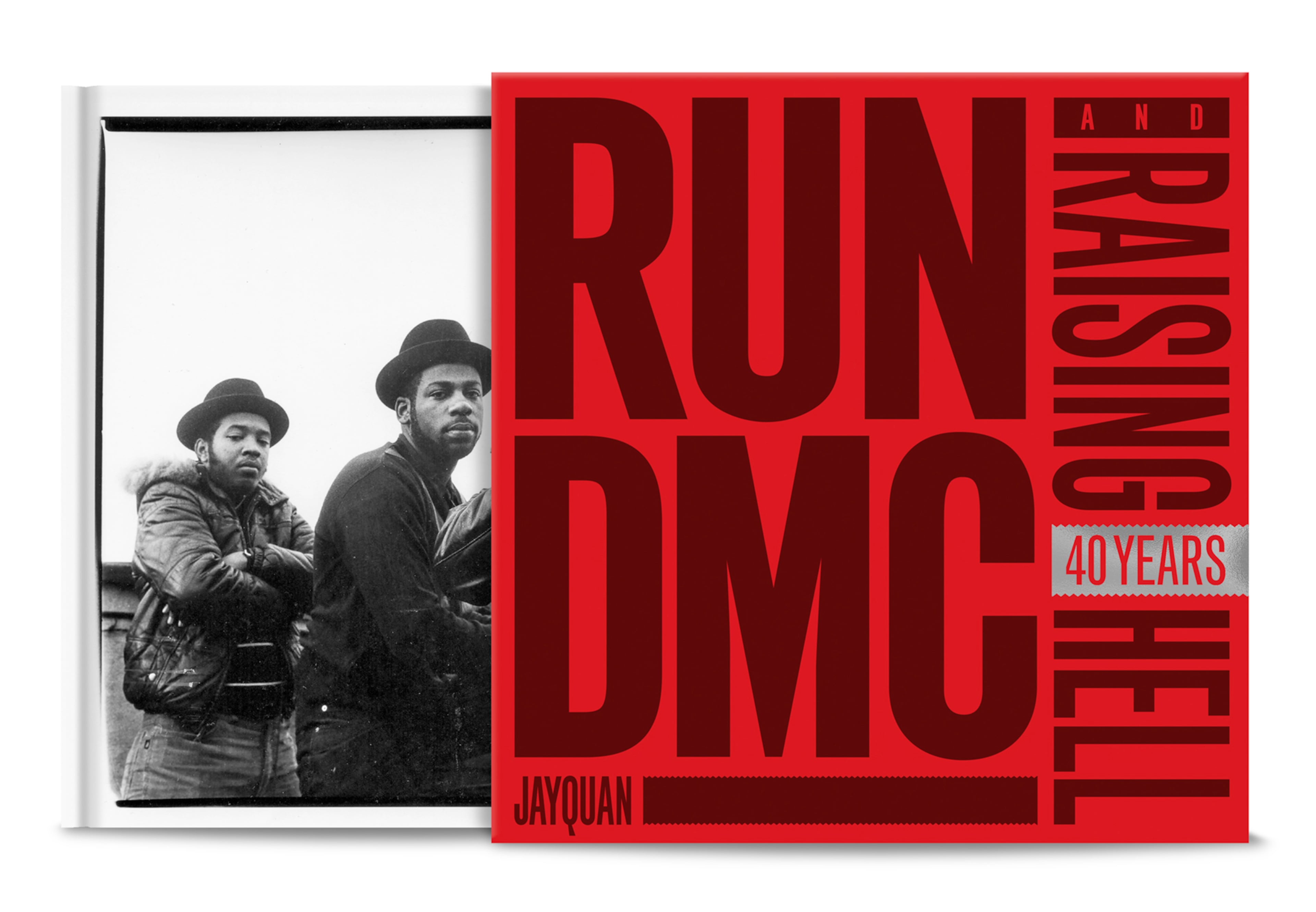
“Run-DMC and Raising Hell: 40 Years” by JayQuan
Run-DMC changed pop music with the release of their 1986 fourth album, “Raising Hell.”
“Run-DMC and Raising Hell: 40 Years” is hip-hop historian JayQuan’s coffee-table book about the making of that classic album. The book is told with classic photographs and track-by-track backstories, like how “Walk This Way” — the rap-rock cover of Aerosmith’s 1975 hit that became a Top 5 pop single and received regular MTV rotation — and their ode to sneakers, “My Adidas,” helped the album sell 3 million copies and propelled rap music to mainstream success and global notoriety.
“Run-DMC and Raising Hell: 40 Years” includes accounts on hip-hop’s humble beginnings, the murder of DJ Jam Master Jay in 2002 and the trio’s longevity in entertainment, proving that hip-hop is a cultural force to be reckoned with.
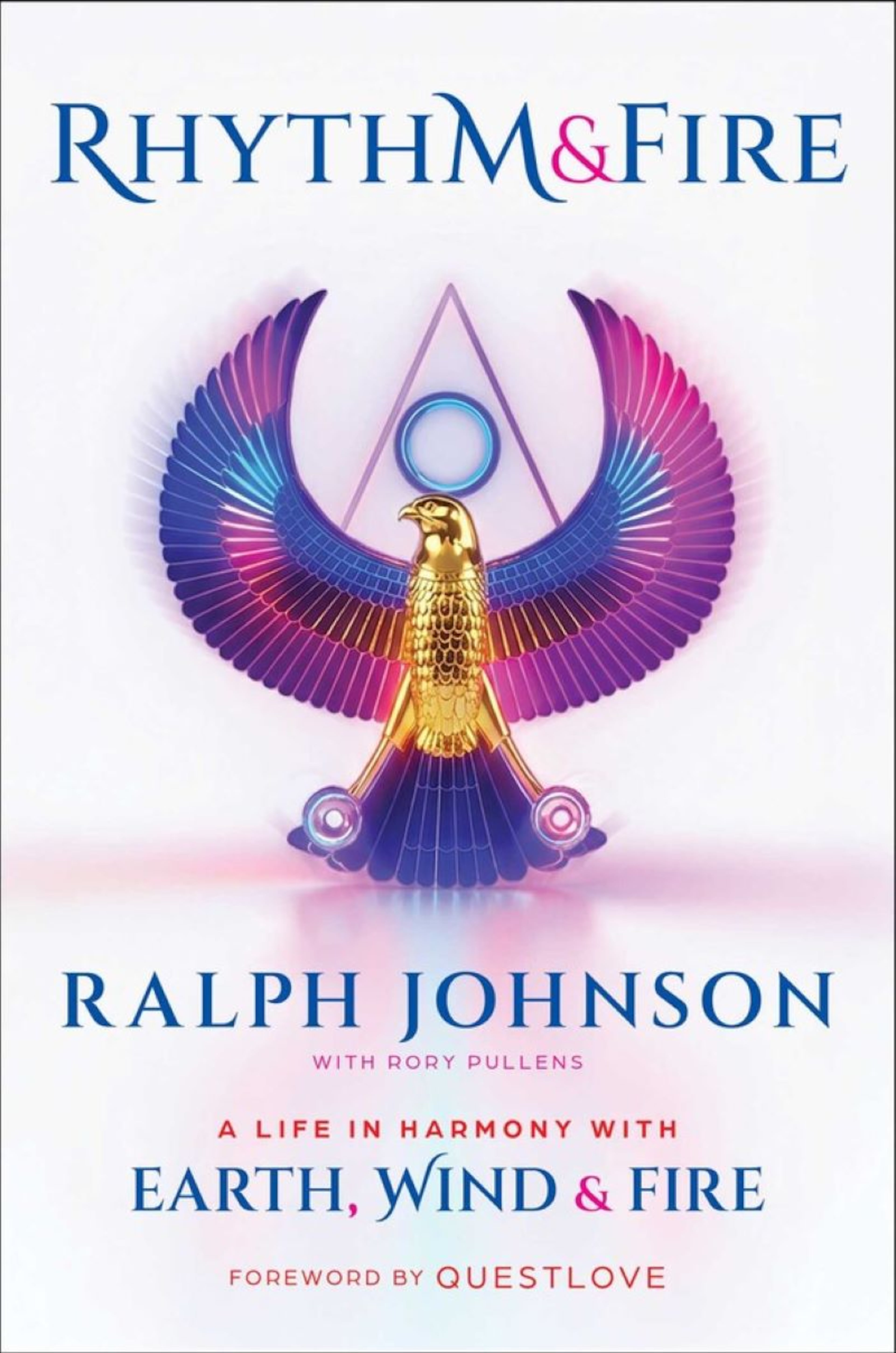
“Rhythm & Fire: A Life in Harmony with Earth, Wind and Fire” by Ralph Johnson with Rory Pullens
Arriving in time for the Roots drummer Questlove’s documentary on R&B band Earth, Wind and Fire, premiering Jun. 7 on HBO Max, is percussionist and vocalist Ralph Johnson’s memoir.
Titled “Rhythm & Fire,” the book released last month chronicles Johnson’s five-decade career as a member of the chart-topping, Grammy-winning band responsible for classic tunes “Shining Star,” September” and “Let’s Groove.” The musician divides the story into three parts named after each natural element and invites us into his home, on tour and in the studio with bandmates.
Johnson, who was inducted in the Rock & Roll Hall of Fame with the group in 2000, shares his insights on fame, spirituality, overcoming the death of founding member Maurice White and longevity. “Rhythm & Fire” is a road map for performers and musicians who want sustainable careers in entertainment.

“It’s No Wonder: The Life and Times of Motown’s Legendary Songwriter Sylvia Moy,” by Margena A. Christian
Before Black women songwriters Valerie Simpson, Angela Winbush and Missy Elliott crafted hits for some of our favorite performers, there was Sylvia Moy.
Former Jet and Ebony writer Margena A. Christian’s book “It’s No Wonder” is the untold story behind Moy, who was Motown Records’ first female in-house staff writer and record producer. She broke racial and sexual barriers in the music business during the 1960s by co-penning Stevie Wonder’s “My Cherie Amour” and “Uptight (Everything’s Alright),” Marvin Gaye and Kim Weston’s “It Takes Two,” and the Isley Brothers’ “This Old Heart of Mine (Is Weak For You).” Moy became Wonder’s mentor after she saved him from getting dropped by Motown after going through puberty and later encouraged him to become a prolific songwriter and producer.
Moy, who died in 2017 at age 78, is an unsung hero, and “It’s No Wonder” uncovers the contributions Black women often make but are never credited for in entertainment.

“Cosmic Music: The Life, Art, and Transcendence of Alice Coltrane” by Andy Beta
While trumpeter and composer John Coltrane explored jazz music, his wife, Alice Coltrane, was blazing trails (for Black women) in electronic music.
“Cosmic Music” is a biography about the transformative jazz musician, spiritual leader and activist who died in 2007 at age 69. A harpist and pianist, she was the muse for her husband’s seminal 1964 album, “A Love Supreme.”
Author Andy Beta writes about how she battled depression after John Coltrane’s death in 1967, critics questioning her musicianship and being misunderstood for incorporating introspection and spirituality in her compositions. She pioneered recording ambient music, which motivated Wonder and Carlos Santana to make socially aware music.
“Cosmic Music” reminds readers of how Black women remained true to their art by carving paths in nontraditional spaces.
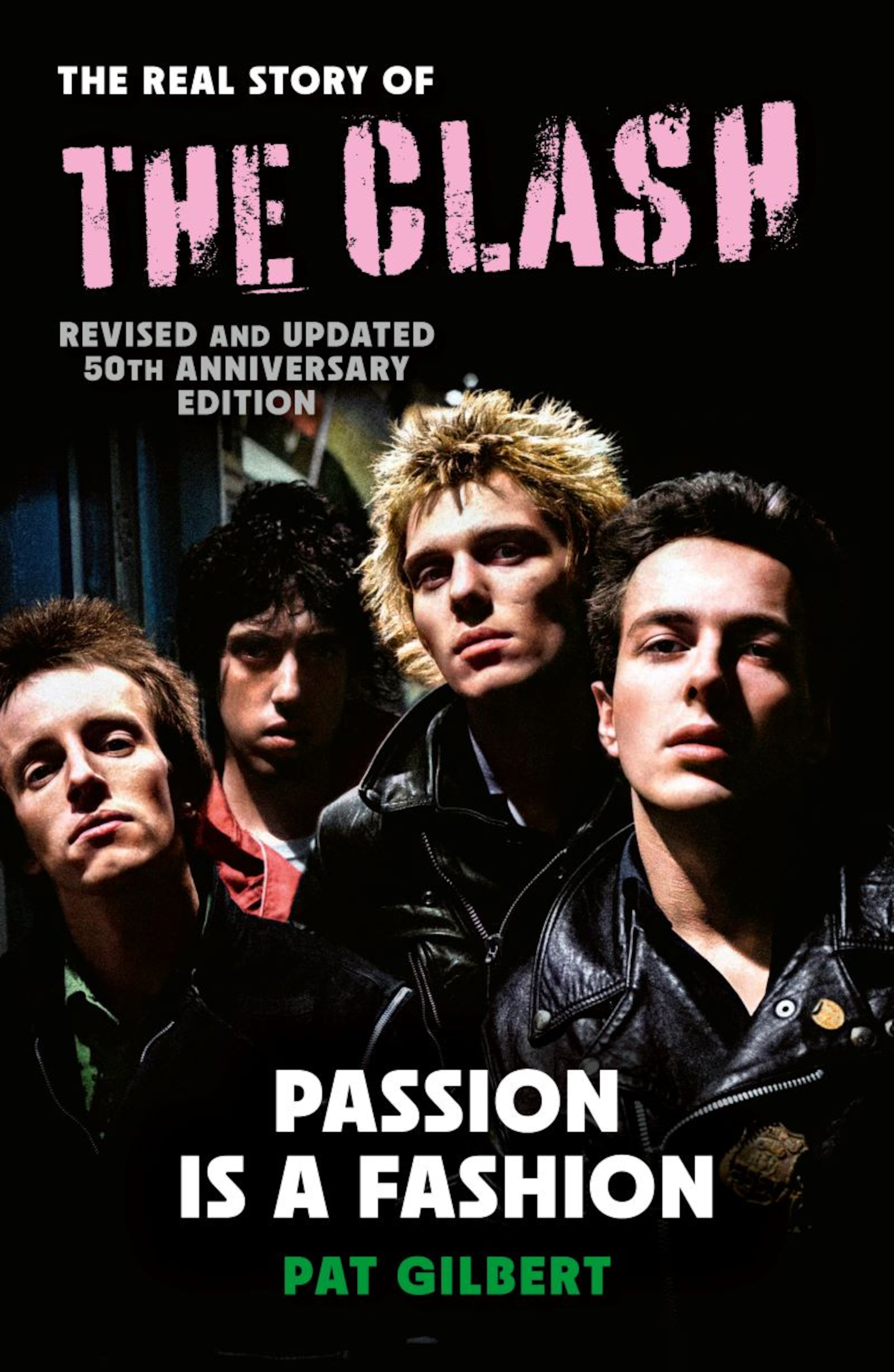
“Passion is a Fashion: The Real Story of The Clash” by Pat Gilbert
As hip-hop culture rose from the underground in the late 1970s and into the ‘80s to become the voice of Black youth, the Clash studied Black musicians and artists to create social messaging in punk rock.
“Passion is a Fashion” by music journalist Pat Gilbert chronicles how the British band behind “London Calling” and “Rock the Casbah” built careers on songs about working-class life in the U.K. The biography features stock images and details on the band experimenting with rap (“The Magnificent Seven”), reggae (“Straight to Hell”) and funk (“Train in Vain” and “This is Radio Clash”) turned the Clash into icons despite attempts to avoid pop success.
Gilbert, who reissued the 2004 book in time for the Clash’s 50th anniversary, doesn’t shy away from the band’s internal tensions, frustrations with music executives, conflicts on tour and the death of founding member Joe Strummer in 2002. “Passion is a Fashion” recognizes how Black expressive culture is often a blueprint for all genres.