
A July 4 reading list on Black history and the American experience


It’s the Fourth of July and America’s 250th birthday.
For many Americans, the holiday is a celebration of freedom and independence. But for many Black Americans, it’s a reflection on the nation’s complicated history and its promises of liberty and equality.
This back-and-forth has inspired many Black writers to think about race, freedom and identity with fiction and history.
To commemorate Independence Day, members of The Atlanta Journal-Constitution’s summer internship class selected seven books that challenge readers to think deeper about freedom, race, history and what it means to be Black and American.
“Native Son” by Richard Wright
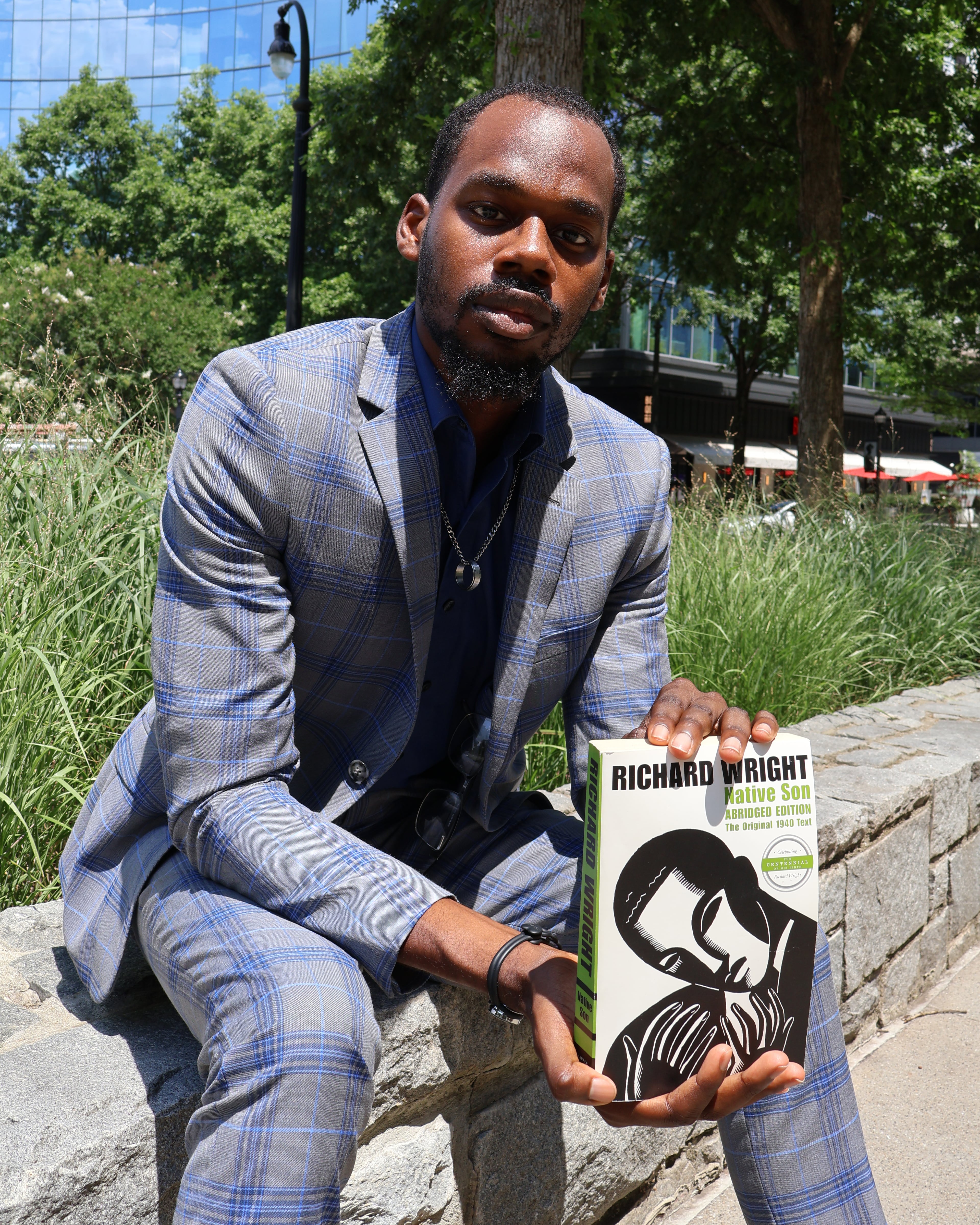
Published in 1940, “Native Son” follows Bigger Thomas, a 20-year-old Black man living on Chicago’s South Side during the 1930s. After becoming a chauffeur and accidentally killing a white woman in a panic, Thomas’s life spirals toward conviction and a death sentence.
Through the novel, Richard Wright argues that Thomas never stood a chance in a racist society, illustrating how systemic racism fosters hopelessness and limits opportunities for Black Americans.
Recommended by Christopher Frazier, North Carolina Central University.
“The 1619 Project: A New Origin Story” by Nikole Hannah-Jones
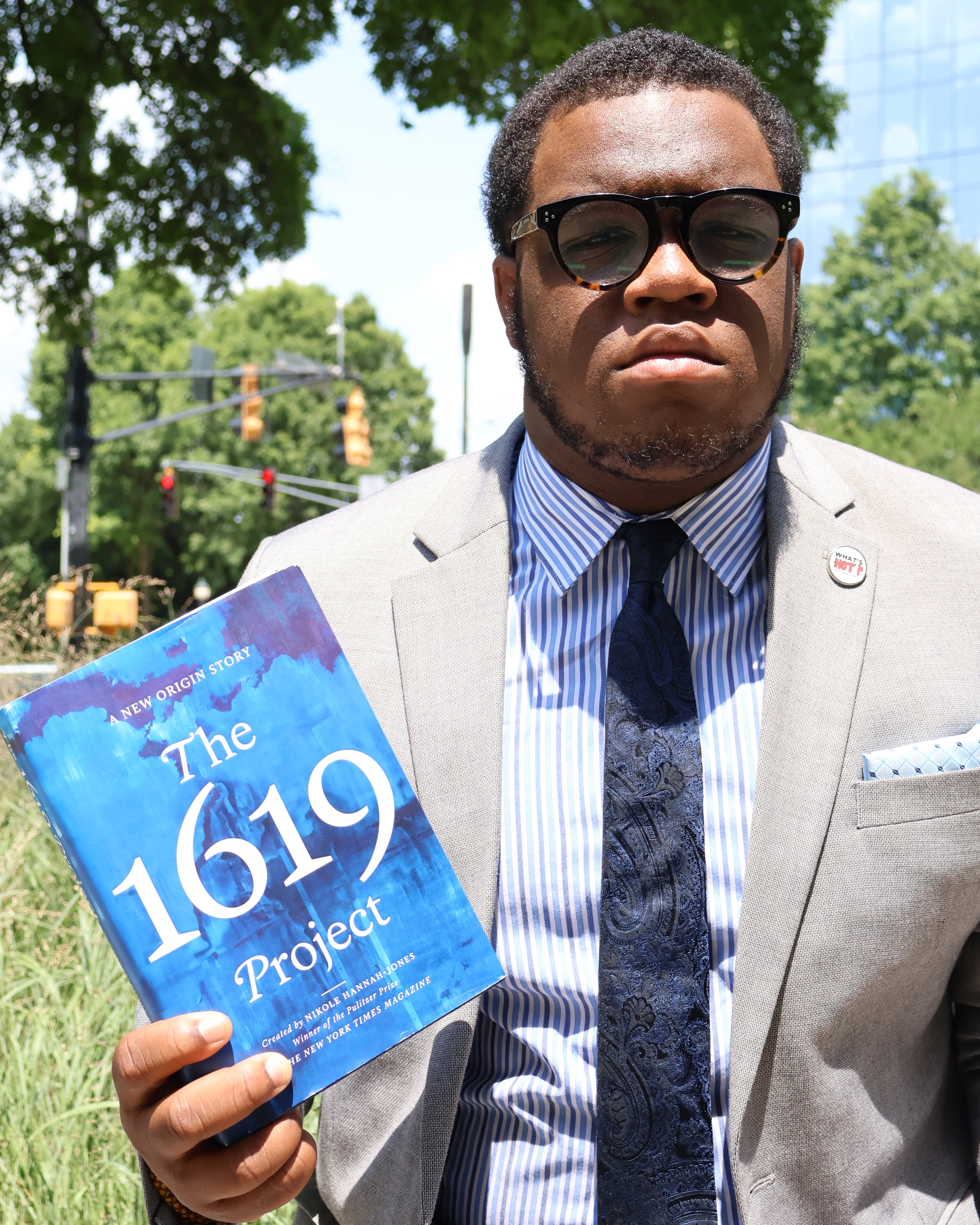
Originally published as a special issue of The New York Times Magazine in 2019 and expanded into a book in 2021, “The 1619 Project” reframes American history by arguing that the nation’s story should begin in 1619, when the first enslaved Africans arrived in the English colony of Virginia, rather than in 1776.
Through essays, poetry and fiction by Black writers and scholars, the book examines how slavery and the contributions of Black Americans have shaped nearly every aspect of American life, from healthcare and politics to the economy and the criminal justice system.
The project sparked national debate, with some historians disputing portions of its interpretation while others praised it for broadening the way Americans understand their history.
Recommended by Shimei Ricks-Cook, Fayetteville State University.
“Between the World and Me” by Ta-Nehisi Coates
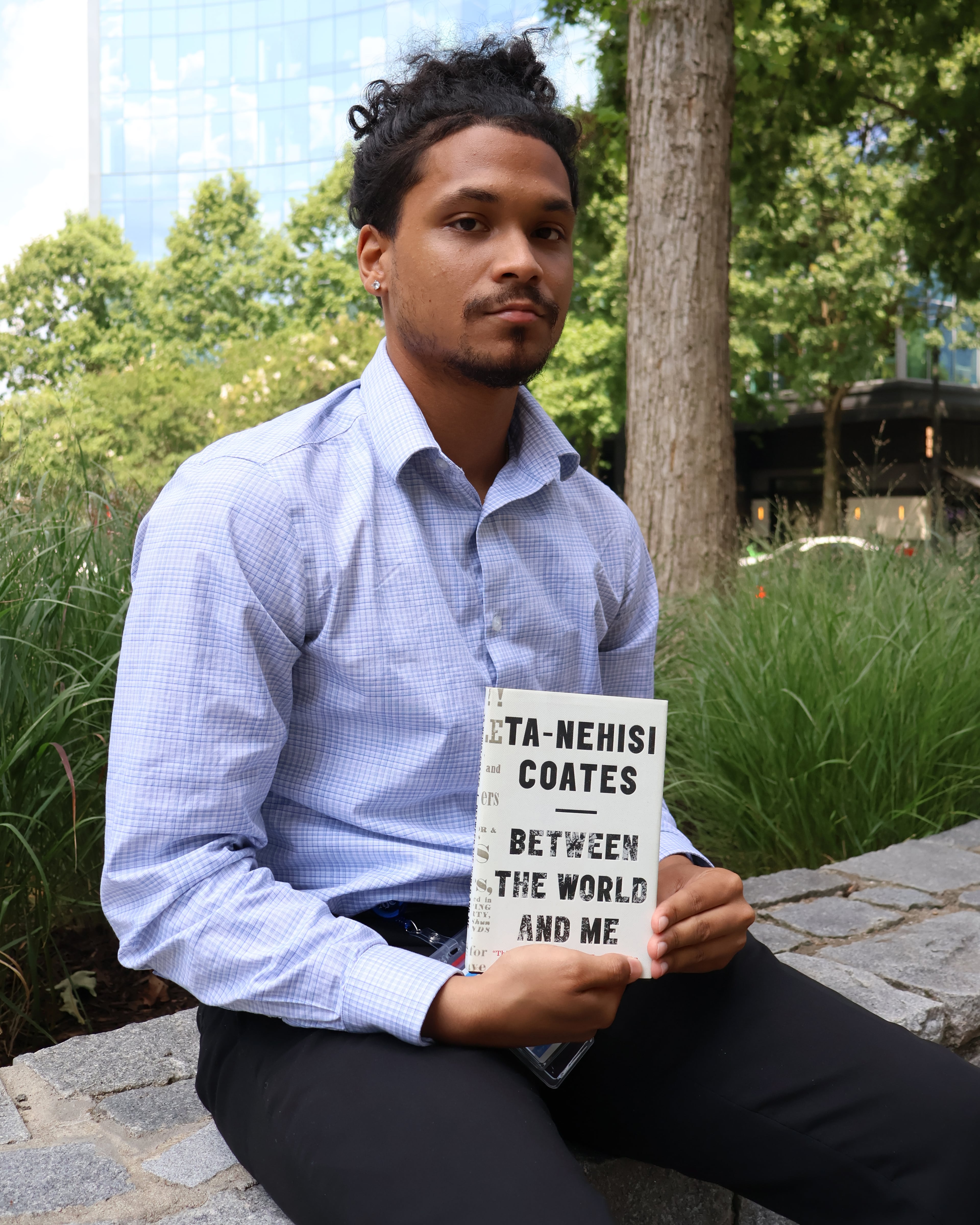
Originally published in 2015, “Between the World and Me” is written as a letter from Ta-Nehisi Coates to his teenage son about the realities of growing up Black in America.
Drawing on his experiences growing up in Baltimore and attending Howard University, Coates explores race, identity and survival in a nation shaped by slavery, segregation and systemic racism.
His letter is rooted in America’s haunting history of slavery, racial discrimination and police brutality. In it, he reflects on the deaths of Trayvon Martin, Michael Brown and other Black Americans to examine the vulnerability of Black life while challenging the nation’s ideals of freedom and equality. The book invites readers to confront America’s history and consider what it truly means to belong.
Recommended by Elijah Megginson, Morehouse College.
“The Warmth of Other Suns” by Isabel Wilkerson

Through the lives of three Black Americans from Florida, Mississippi and Louisiana, Isabel Wilkerson chronicles the Great Migration, when millions of Black Americans left the South between 1915 and 1970 in search of greater opportunity and to escape Jim Crow segregation.
The book explores how that migration reshaped American cities, politics and culture, while influencing generations of Black families, including those of Michelle Obama, Spike Lee, Toni Morrison and Denzel Washington.
Recommended by Yacine Ba, Howard University.
“The Bluest Eye” by Toni Morrison
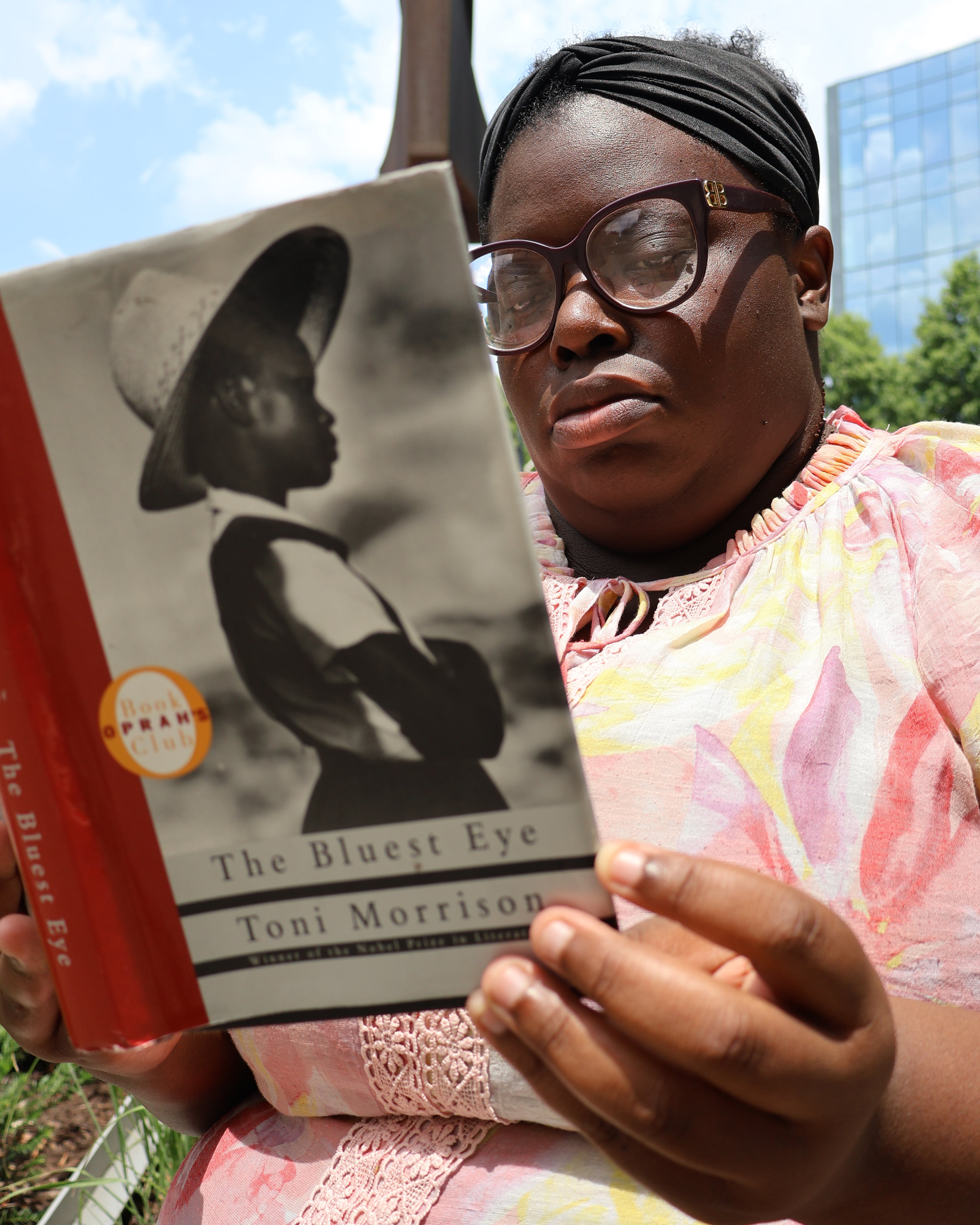
Published in 1970, “The Bluest Eye” captures beauty, trauma, and self-discovery through the eyes of Pecola Breedlove, a young Black girl who longs for blue eyes, believing they will make her beautiful and accepted.
Through Pecola’s story, Morrison examines the devastating effects of racism, poverty and white beauty standards on a child’s sense of identity and self-worth.
The novel remains one of Morrison’s most powerful explorations of internalized racism and the lasting emotional toll of discrimination.
Recommended by Tierra Stone, Morgan State University.
“Stamped: Racism, Antiracism, and You” by Jason Reynolds and Ibram X. Kendi
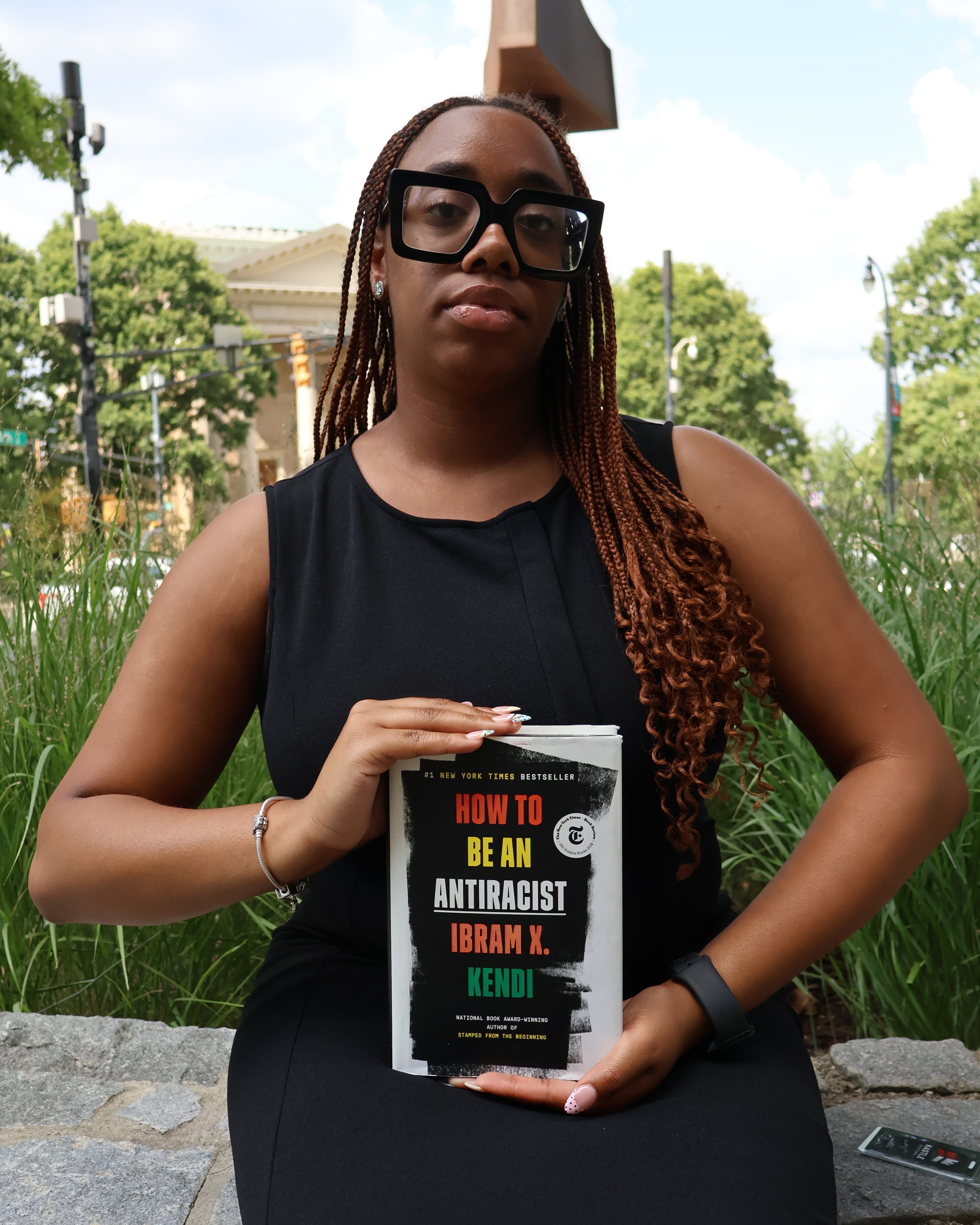
Adapted by Jason Reynolds from Ibram X. Kendi’s “Stamped from the Beginning: The Definitive History of Racist Ideas in America,” this young adult edition explores how “anti-Black” and other racist ideas have shaped American history from the Colonial era to the present.
The book traces the origins of racism in America and examines how those ideas continue to influence institutions, policies and everyday life.
Kendi is also the author of several other books including, “How to be an Antiracist,” “The Power of Our,” and “Goodnight Racism.”
Recommended by K’mari Greene, North Carolina Central University.
“Black AF History: The Un-Whitewashed Story of America” by Michael Harriot
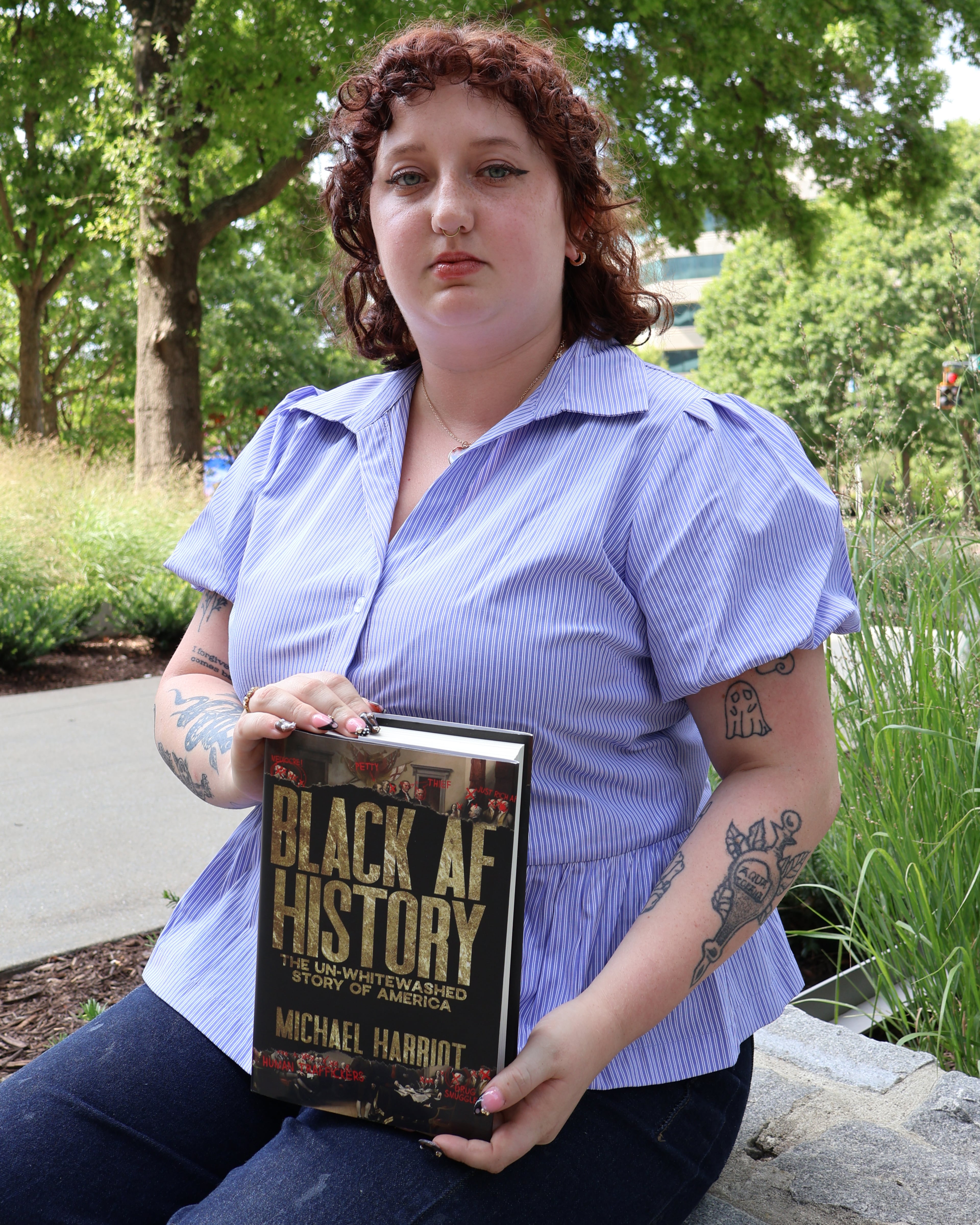
Blending history, satire and sharp cultural commentary, Michael Harriot challenges traditional narratives of American history by centering on the experiences and contributions of Black Americans.
Drawing on historical events and overlooked stories, he examines slavery, civil rights, politics, culture and resistance to argue that Black history is inseparable from American history.
With humor and rigorous research, Harriot offers a fresh perspective on the people and events that helped shape the nation.
Recommended by Carson Bonner, Berry College.
All photos in this story were taken by Kevin Pernell, an Ida B. Wells Society Fellow, from North Carolina A&T State University.