
Mother-daughter filmmakers launch VibeKast to help Black creators tell their own stories
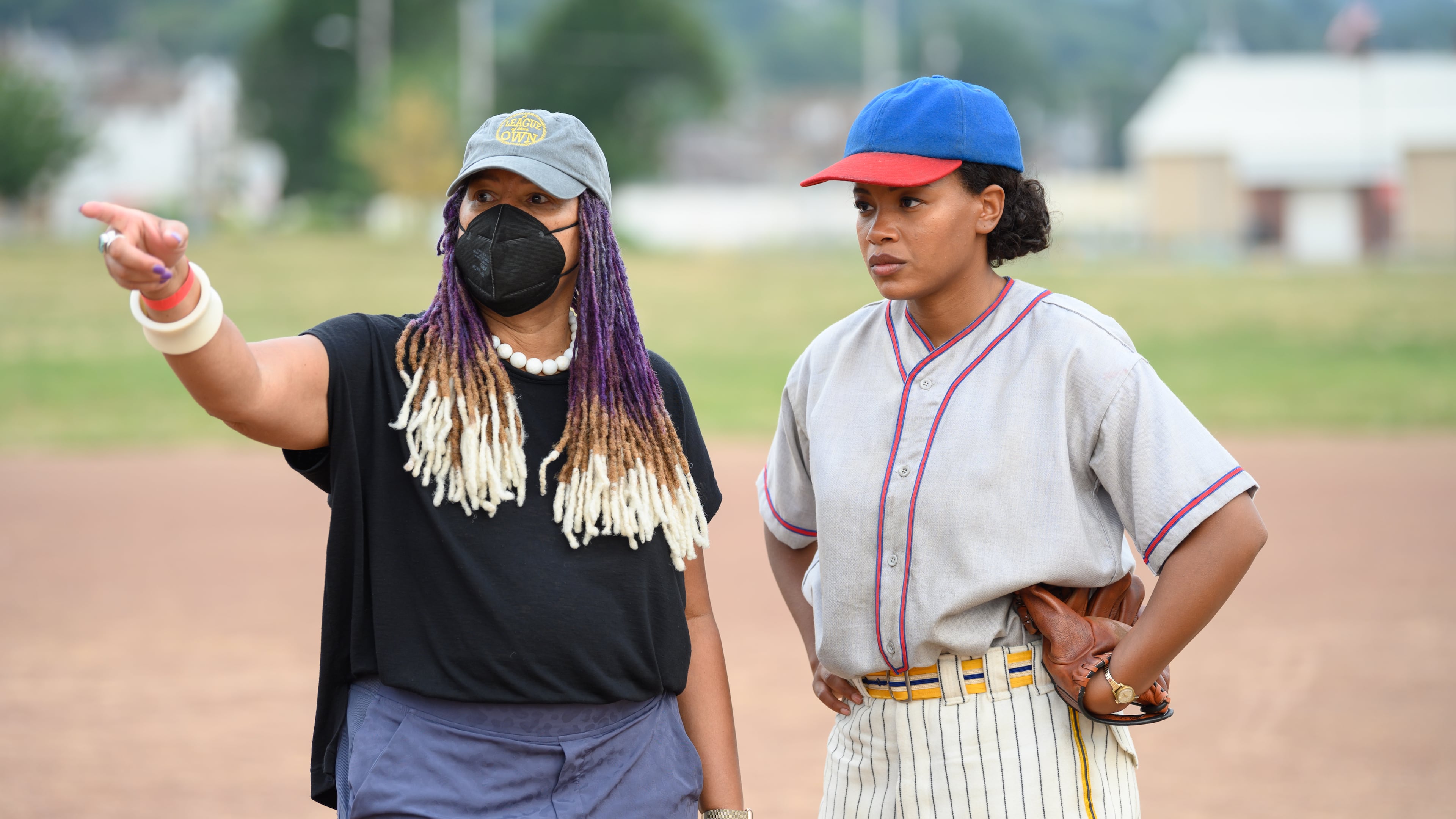
Growing up in a household where filmmaking and performance were part of everyday life, HaJ Chenzira-Pinnock’s education began long before college.
Her mother, Ayoka Chenzira, was building a groundbreaking career as an independent filmmaker, while her father, Thomas Osha Pinnock, brought stories to life as a Broadway choreographer.
By the time she was 8 years old, her parents had put her to work behind the scenes, exposing her to theater productions, internships at music companies and serving as a production assistant for Canadian music video director Director X, formerly known as Little X.
She later attended a performing arts high school in New York before enrolling at Carnegie Mellon University, where she and her friends filmed skits they hoped would one day make it to Hollywood.
One of Chenzira-Pinnock’s biggest influences was her mother, whose career expanded the possibilities for Black independent filmmaking.
Watching her mother redefine Black filmmaking and her father, Broadway choreographer Thomas Osha Pinnock, bring stories to life on stage taught Chenzira-Pinnock that storytelling could preserve culture, strengthen communities and transcend artistic disciplines. Those lessons became the foundation for her own career.
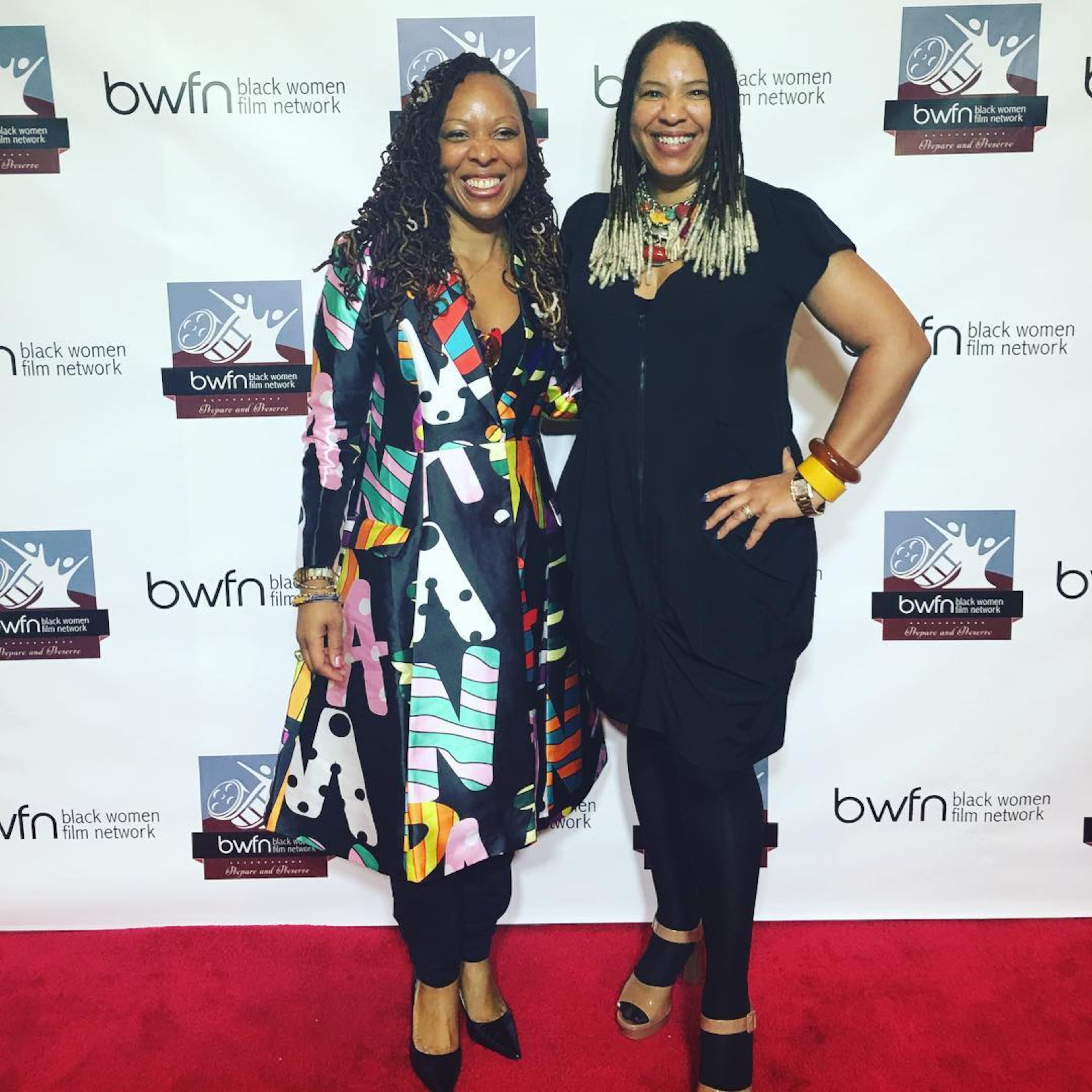
Ayoka Chenzira, a Philadelphia native, studied film and photography at The College of New Rochelle before earning a Bachelor of Fine Arts from New York University, where she created her groundbreaking thesis film, “Syvilla: They Dance to Her Drum” (1979).
She later stepped away from NYU to study filmmaking beyond Hollywood’s traditional model.
“I had an opportunity to train with people who were thinking about film not just from a Hollywood standpoint,” she said. “But from a community building standpoint and also (thinking about) culture and film as a political tool in Black communities.”
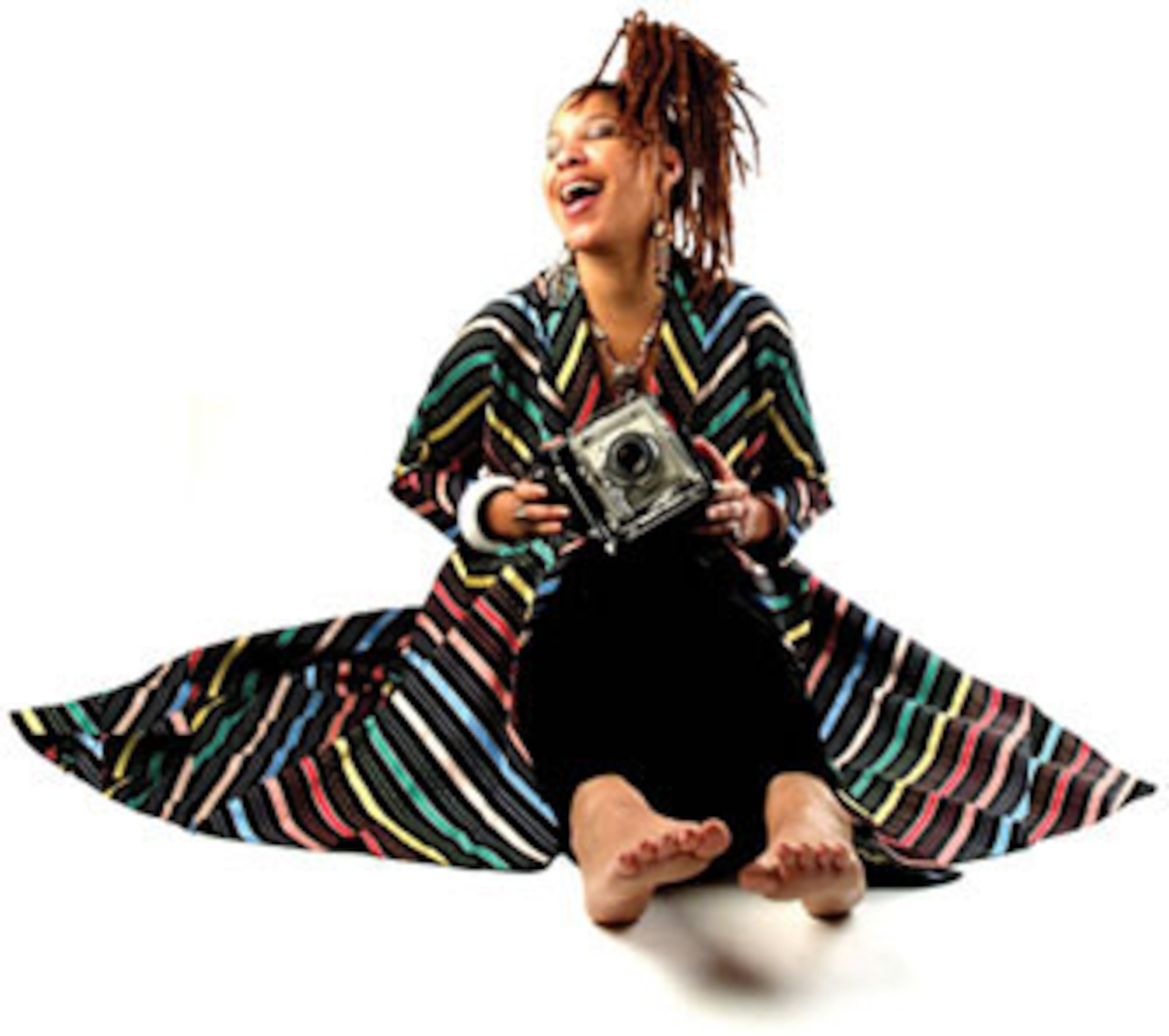
Those experiences eventually brought Chenzira to Atlanta.
In 2001, she joined Spelman College as the institution’s first endowed professor in the arts before later serving as division chair of the arts.
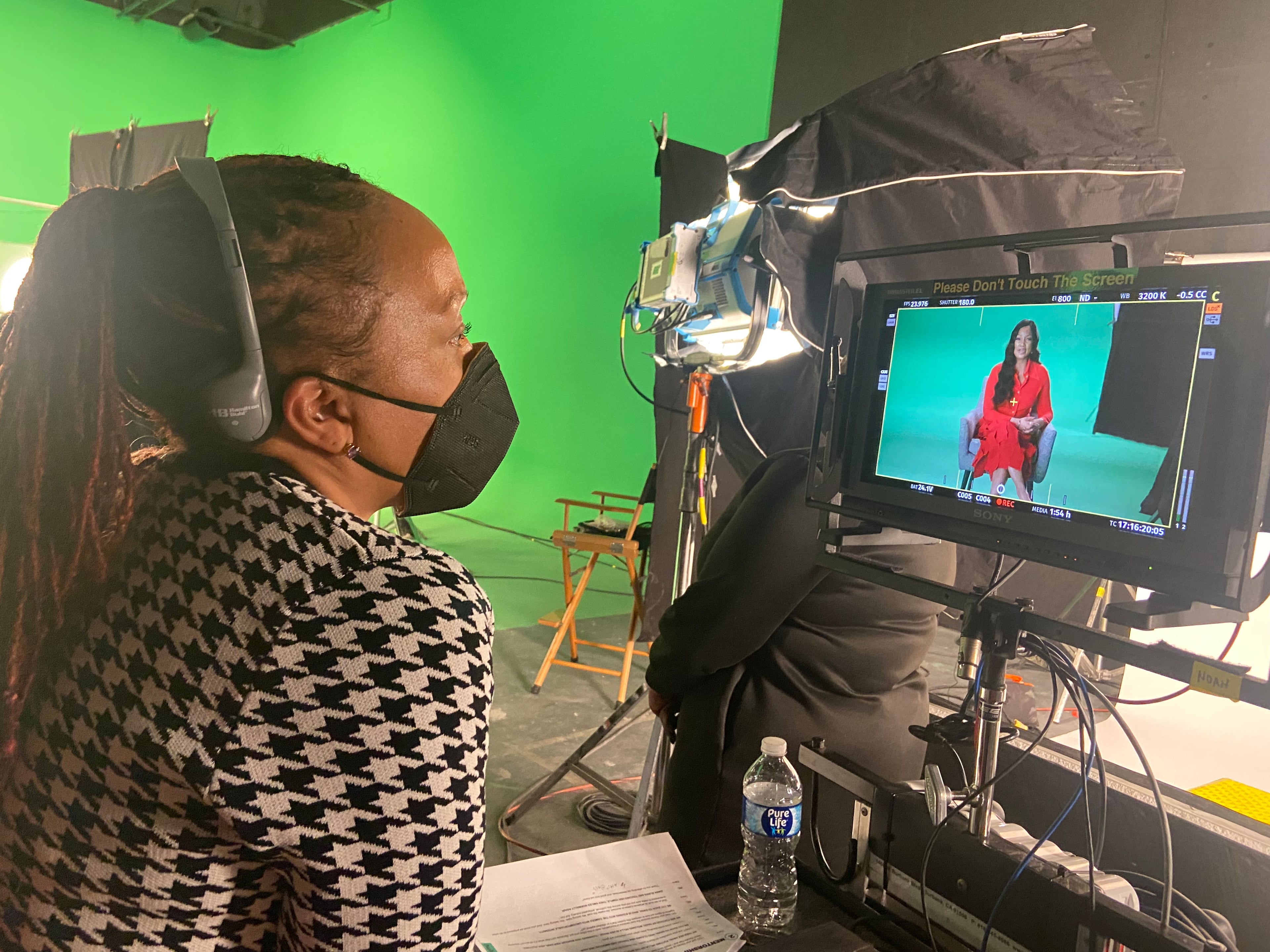
While pursuing projects in Hollywood, Chenzira worked at the boutique management company Margaret Riley Management before moving to Brillstein-Grey, where she pitched stories she believed deserved to be told.
“I started getting my films into film festivals and eventually started writing, directing, producing and licensing,” Chenzira said.
Those experiences inspired Chenzira-Pinnock to create VibeKast, a platform she describes as something akin to a Soho House for filmmakers, where audiences become collaborators instead of simply consumers.
Chenzira-Pinnock said the platform is designed to support projects at every stage, whether they are destined for movie theaters, streaming platforms or even a phone screen.
VibeKast’s first project, “OLF,” will serve as the platform’s first proof of concept.
The feature screenplay, written by Chenzira, follows a rural Georgia plumber born with an extraordinary sense of smell who spends his weekends crafting imitation luxury fragrances while dreaming of creating an original perfume of his own.
That dream eventually takes him to Grasse, France, the world’s perfume capital, where he hopes to master the art of fragrance making.
The inspiration for the screenplay arrived unexpectedly.
Chenzira said it came to her in a dream about a year and a half ago.
“This voice said to me twice you need to wear perfume, and I jumped up out of bed, and the room was spinning, then I heard it again,” Chenzira said. “I started researching and studying perfumes, and the more I looked into the history and ingredients and how they’re made, the more the story started to come together in my mind.”
Through VibeKast, audiences won’t simply watch “OLF” after it’s finished.
Instead, they can join what Chenzira-Pinnock calls the OLF Collective, a membership community that gives supporters access to the filmmaking process while helping finance the project’s development through membership fees and participation.
“You get a very unique, rare opportunity into the filmmaker’s process (while) putting a project together,” Chenzira-Pinnock said.
For both women, VibeKast extends beyond a single film. They see it as an effort to reshape who gets to tell stories and how those stories reach audiences by creating sustainable systems that allow creators to own and develop their work outside traditional industry gatekeepers.
“We have always been cast out and had to figure out alternative, unique ways to make something happen from a fashion, music and storytelling standpoint,” Chenzira said.
Chenzira said film has always been one of the most powerful ways communities define themselves, making the absence of Black voices behind the camera impossible to ignore.
“The question is who gets to say what it means to be a human in this world,” she said. “So, how do we figure out sustainable systems (like VibeKast) so we have an opportunity to express what that means?”