
Lonnie Bunch defends Smithsonian’s truth-telling mission at John Lewis Gala
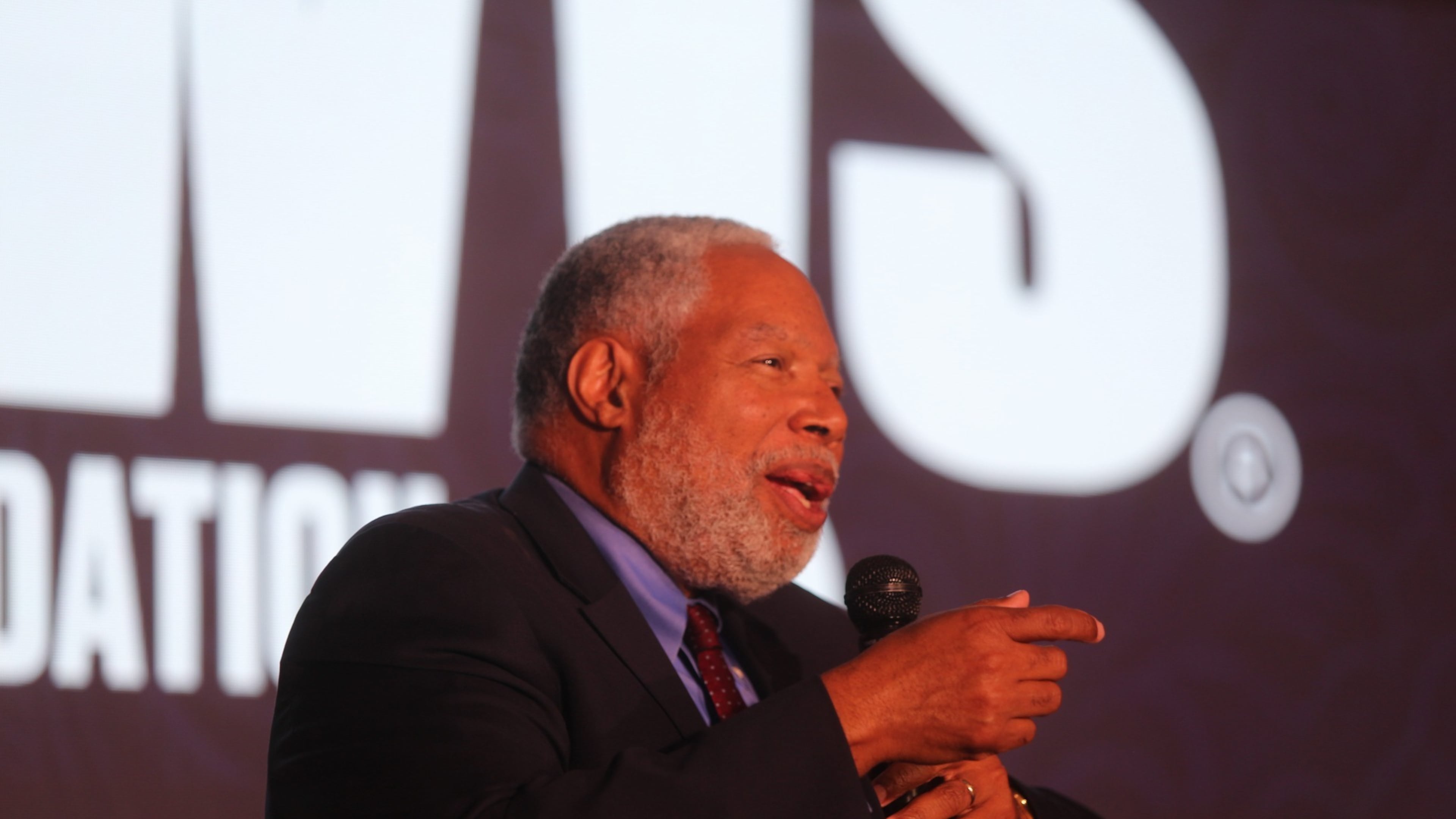

Channeling the spirit of John Lewis, Smithsonian Institution Secretary Lonnie G. Bunch III urged the nation to protect its truths and push back against the erasure of African American history.
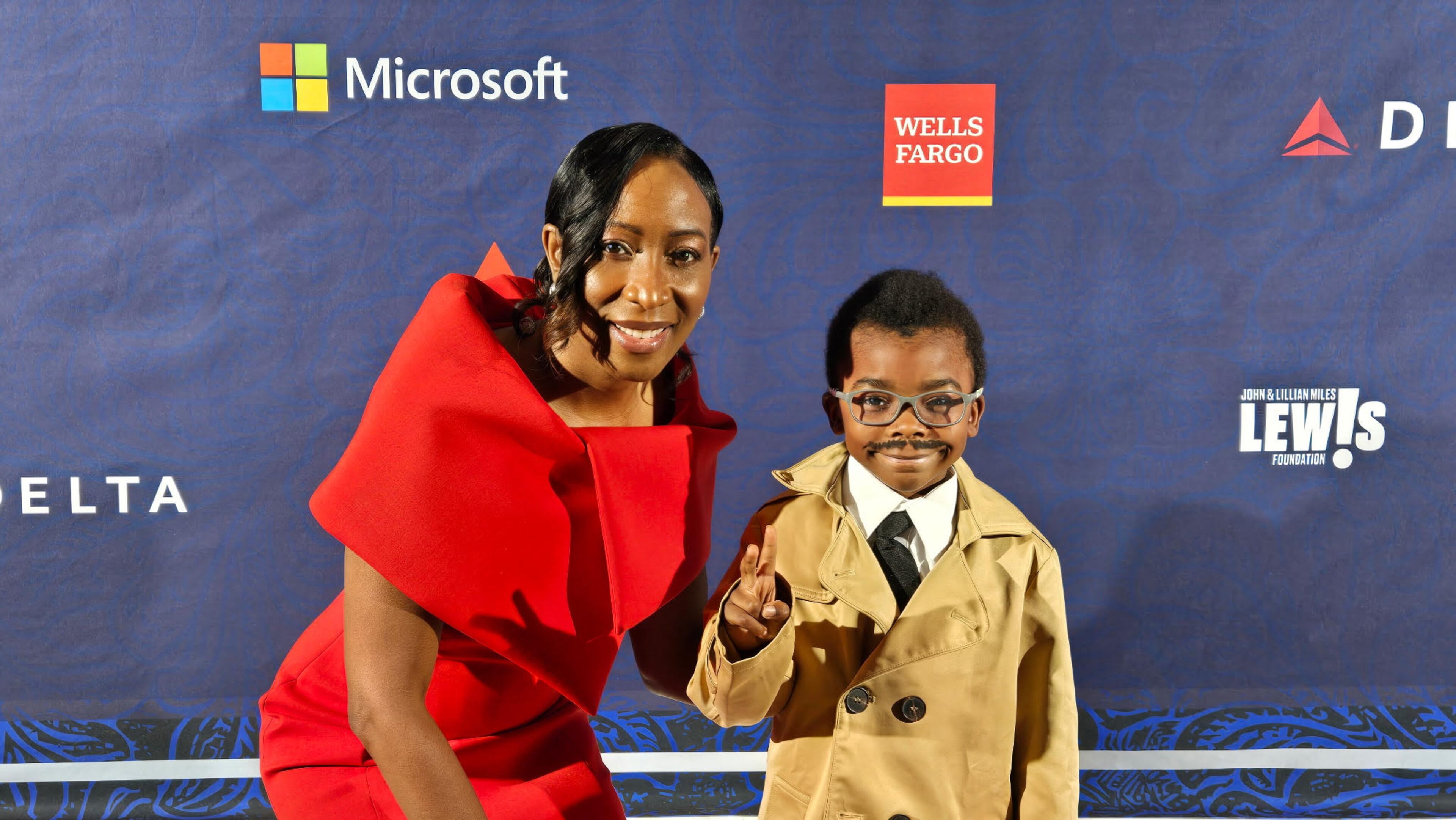
Bunch joined Jason Carter, chairman of the Carter Center and grandson of former President Jimmy Carter, for a fireside chat at the John and Lillian Miles Lewis Foundation’s annual Good Trouble Gala, which honors the legacy of the late congressman and his wife, Lillian Miles Lewis.
In one of his first public appearances since President Donald Trump issued an executive order in April seeking to remove what he called “divisive, race-centered ideology” from the Smithsonian — specifically targeting the National Museum of African American History and Culture — Bunch delivered a pointed critique of the administration’s efforts to silence narratives it deemed “anti-American.”
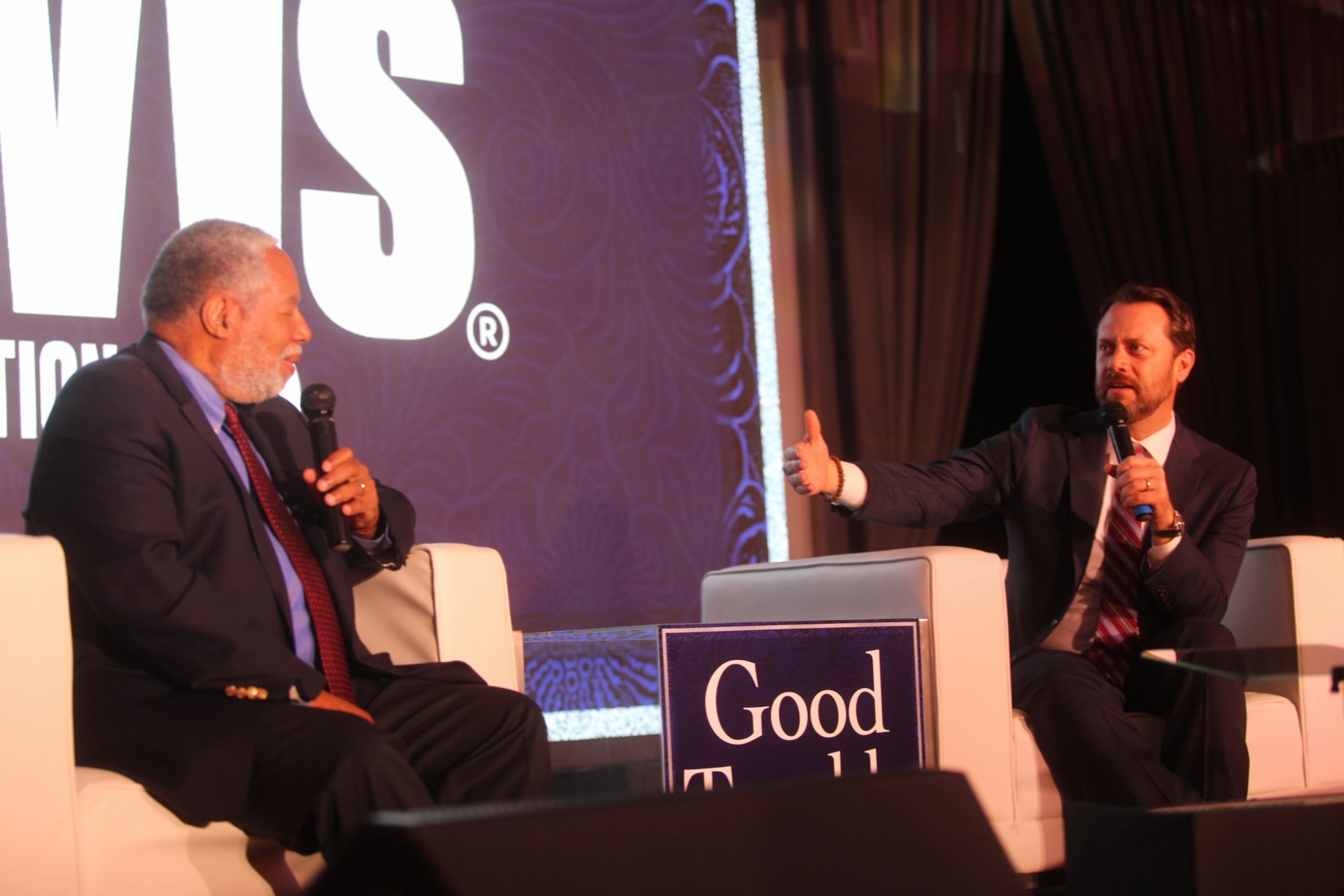
“The most powerful thing about the Smithsonian is that it is run by 7,000 public servants, who all they want to do is explore art, history, culture and education,” said Bunch, who was the founding director for the Smithsonian’s National Museum of African American History and Culture. “Why you want to attack an institution that all it wants to do is make America better is beyond me.”
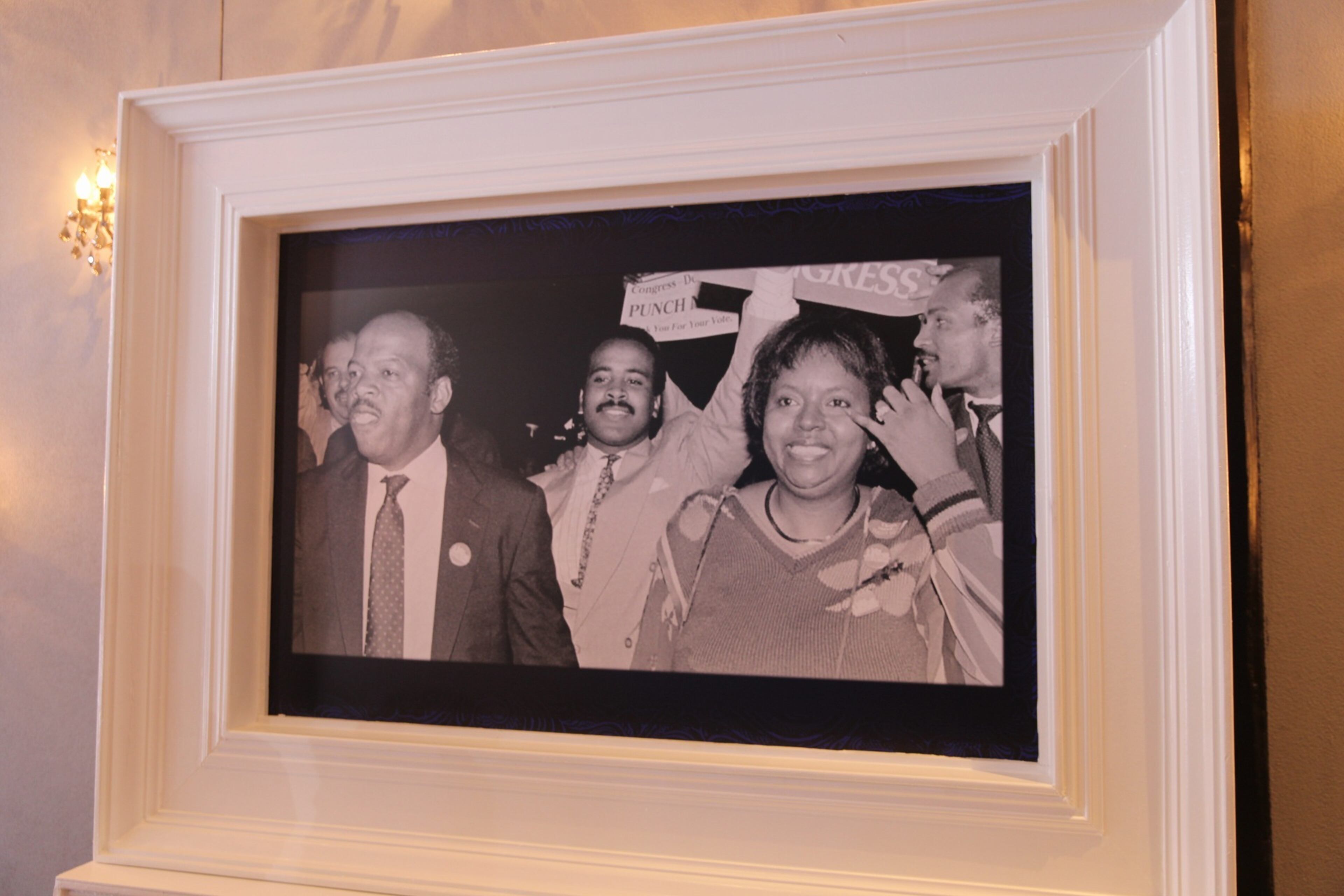
Nearly 500 people attended the dinner, which honored Bunch with the John Lewis Carry On Award and presented philanthropist Billye Suber Aaron, widow of Hank Aaron, with the inaugural Miles Lewis Luminary Award.
The event awarded college scholarships to Atlanta high school students and grants to local organizations that embody the Lewises’ commitment to justice and civil rights.
The program also featured a performance by Atlanta’s Theatrical Outfit, which presented a preview of its upcoming musical, “Young John Lewis,” opening next Wednesday.
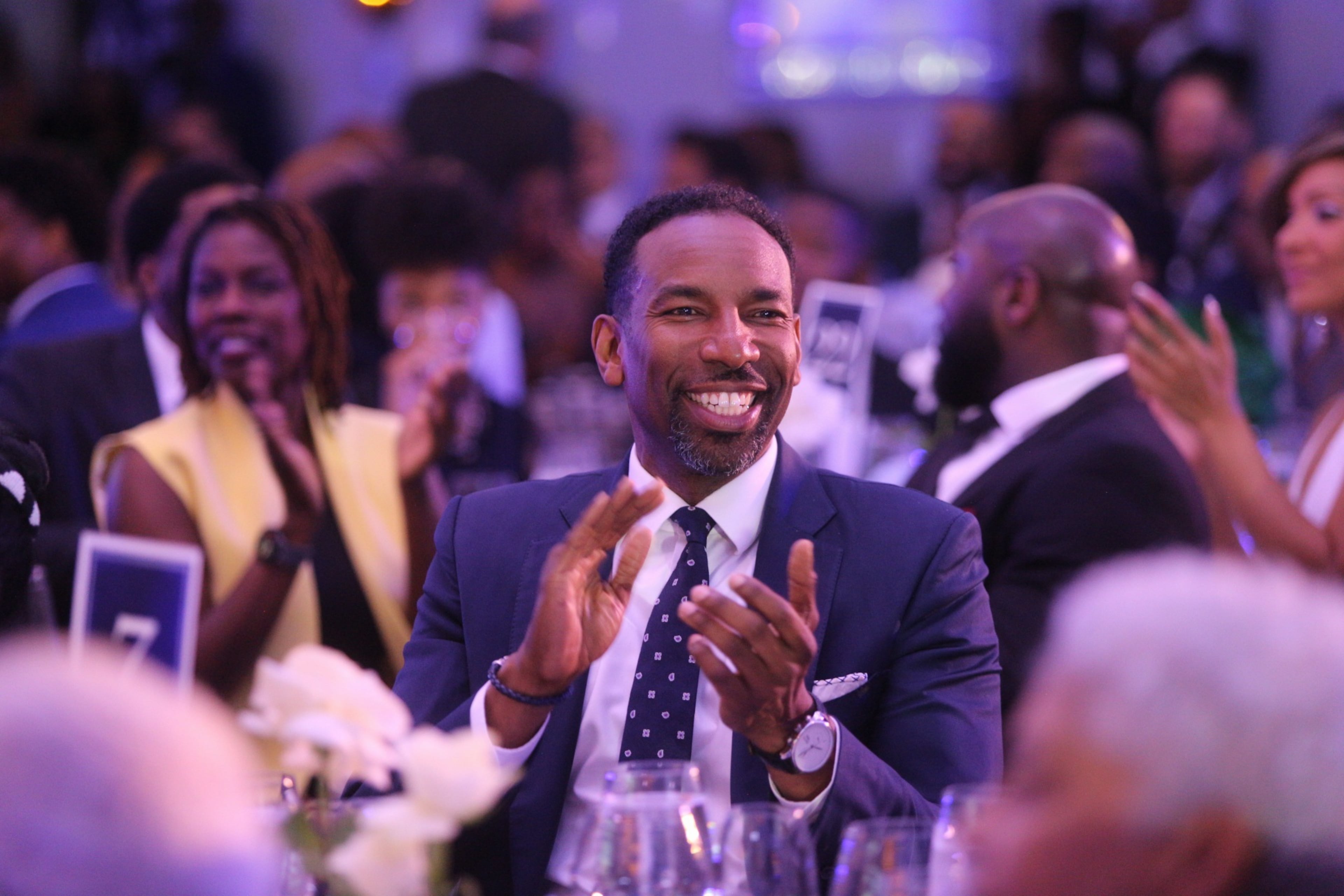
Speakers included Atlanta Mayor Andre Dickens; Rep. Nikema Williams, who now represents Lewis’ former district; Lewis’ former chief of staff Michael Collins; his only son, John-Miles Lewis; and Sen. Jon Ossoff.
“Congressman Lewis is due the honor that we pay him, not because he was so fundamentally good of a man, but because he was a legendary fighter,” Ossoff said. “And my goodness, Congressman Lewis would have loathed and opposed and fought what is being done to this country.”

During his life, Lewis championed legislation to establish an African American history museum as part of the massive Smithsonian system on the National Mall, a process that spanned nearly two decades.
In 2003, the bill he cosponsored to build and fund the NMAAHC finally passed.
Collins recalled that every time Lewis passed the three-tiered building with its distinctive bronze lattice on Constitution Avenue, “he would sit at attention and beam with pride and say ‘Michael, this is the house that John Lewis built.’”
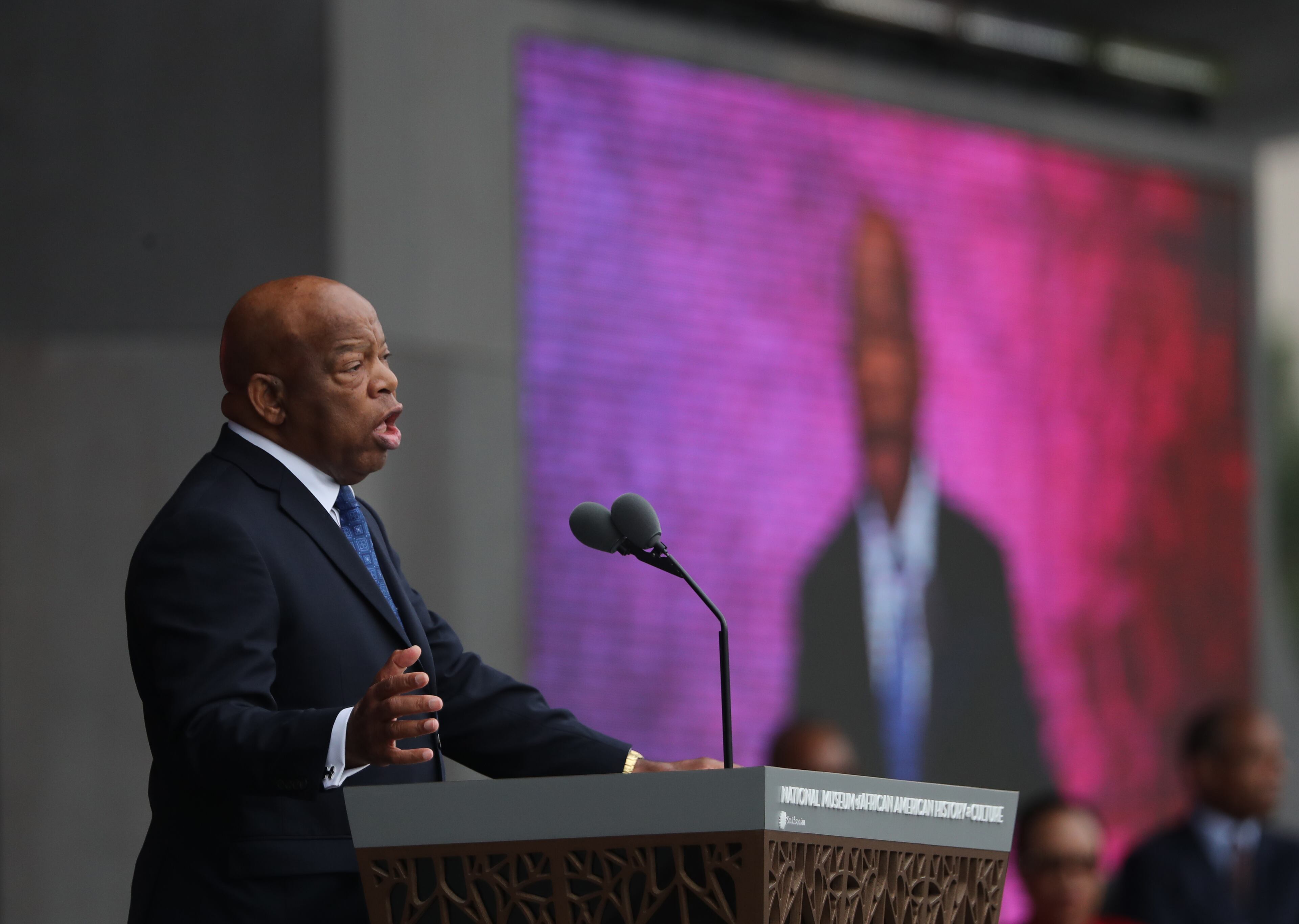
Bunch told Carter that every time he drove past the museum, which opened in 2016, he thought of Lewis.
He went on to share personal memories about Lewis, including walking across the Edmund Pettus Bridge in Selma with him on the 50th anniversary of Bloody Sunday — a moment he described as profoundly moving.
Lewis died in 2020.
Bunch said the Trump administration targeted him partly because of his identity as a leader, calling himself “the epiphany of what many people feel in this Administration is wrong.”
He also pointed to the institution’s willingness to not shy away from topics of human rights as another reason for criticism.
“I would argue the greatest strengths of the Smithsonian [is] to not simply look back, but to allow people to find the tools to live their lives and understand the challenge of race, gender and sexuality,” Bunch said.
As the conversation between Bunch and Carter concluded, Bunch, who as secretary of the Smithsonian Institution, does not hold a presidential appointment and cannot be fired by the president, reflected on the importance of a nation understanding its history.
“I would argue the great challenge is to recognize that for 179 years, the Smithsonian has been a reservoir for possibility, and it is upon all of us to make sure it is around for the next 179 years,” Bunch said. “Otherwise, we as Americans have failed, and we’re not the country we think we are.”
Become a member of UATL for more stories like this in our free newsletter and other membership benefits.
Follow UATL on Facebook, on X, TikTok and Instagram.