
Federal files on 1962 beating of Albany activist Marion King to be released
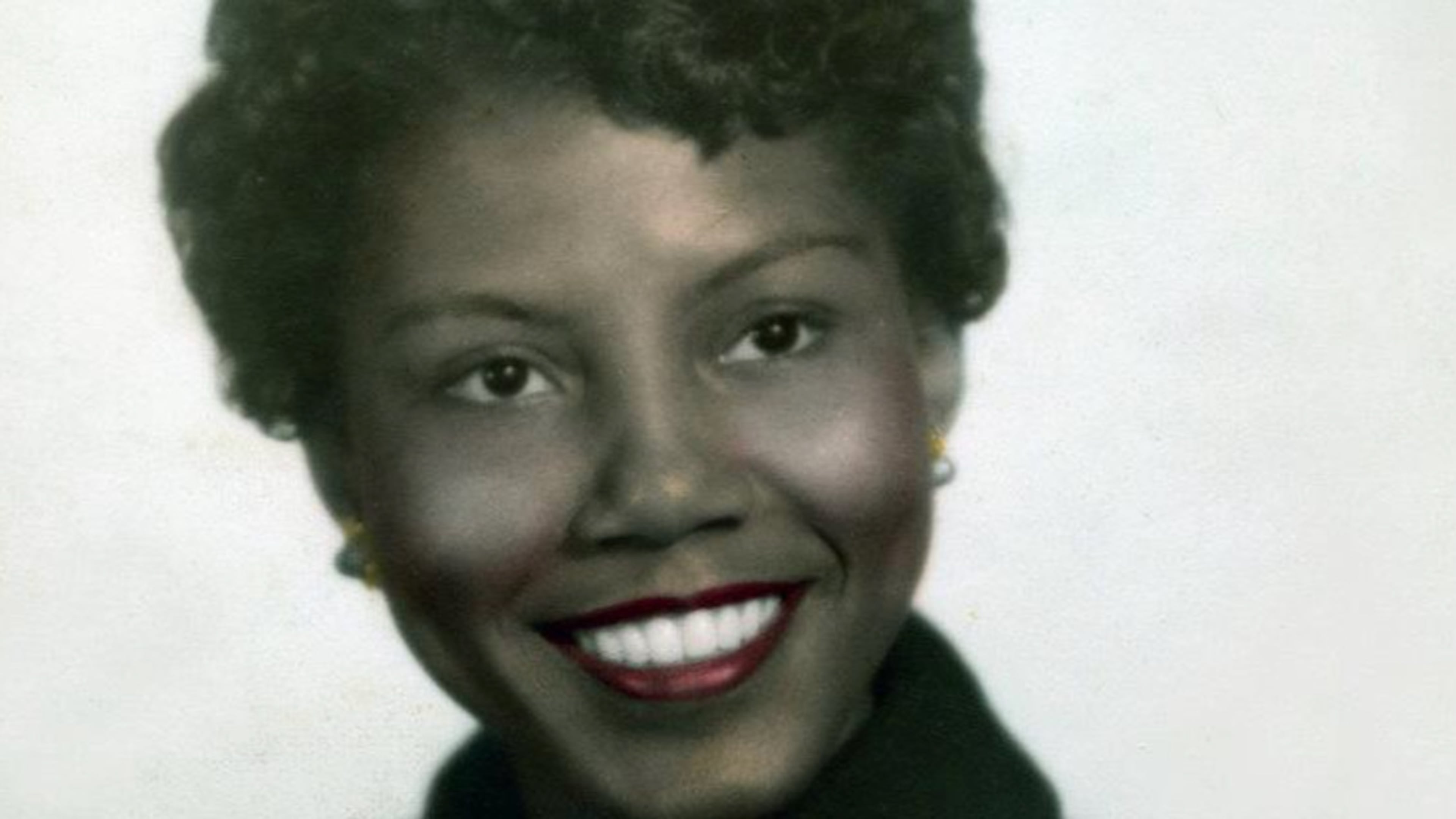
Five-year-old Jonathan King thought he was going to a picnic.
It was July 23, 1962, when he climbed into the family car in Albany with his mother, Marion King, and his younger siblings, Edward and Abena.
Marion King, a Spelman College graduate married to prominent Albany organizer Slater King, had loaded the car with blankets and bags of food, her son recalled.
They were headed 30 miles south to the jail in Camilla, where their housekeeper’s teenage daughter, Ella May, was being held after joining demonstrations tied to the Civil Rights Movement in Albany, which had filled jails across southwest Georgia with young protesters.
“No one told us about the danger of going down there. We were just told, ‘We’re going to take some things to Ella May,’” Jonathan King said.
When they arrived, they found Ella May in a cell with about 20 other girls. There was no hot running water, so they couldn’t bathe; there was only one filthy toilet, and the food was horrible.
“It was despicable,” Jonathan King said.
When they spotted Ella May on an upper floor, they waved and called her name.
Then the shouting started.
Officers stormed toward the group, cursing and ordering them off the grounds. Marion King, visibly pregnant, tried to step aside.
“A big man, maybe 250 pounds, came up with another officer and said, ‘Didn’t I tell you to get out of the way?’” Jonathan King recalled. “My mother said she was moving. He replied, ‘You’re not moving fast enough,’ and that’s when they attacked her.”
They knocked Marion King to the ground and beat her until she lost consciousness. Her body fell across her 3-year-old daughter.
“While my mother lay on the ground unconscious, they kept kicking and stomping her,” Jonathan King said. “She was a pregnant woman.”
The attack would define the rest of Marion King’s life and shadow her family for generations, because they simply suppressed any talk of it. Within months, the baby she was carrying was dead.
The beating and its aftermath were later captured in television reports and newspaper accounts.
It was even mentioned by a young John Lewis in his 1963 speech at the March on Washington, where he asked, “What did the federal government do when local police officials kicked and assaulted the pregnant wife of Slater King, and she lost her baby?”
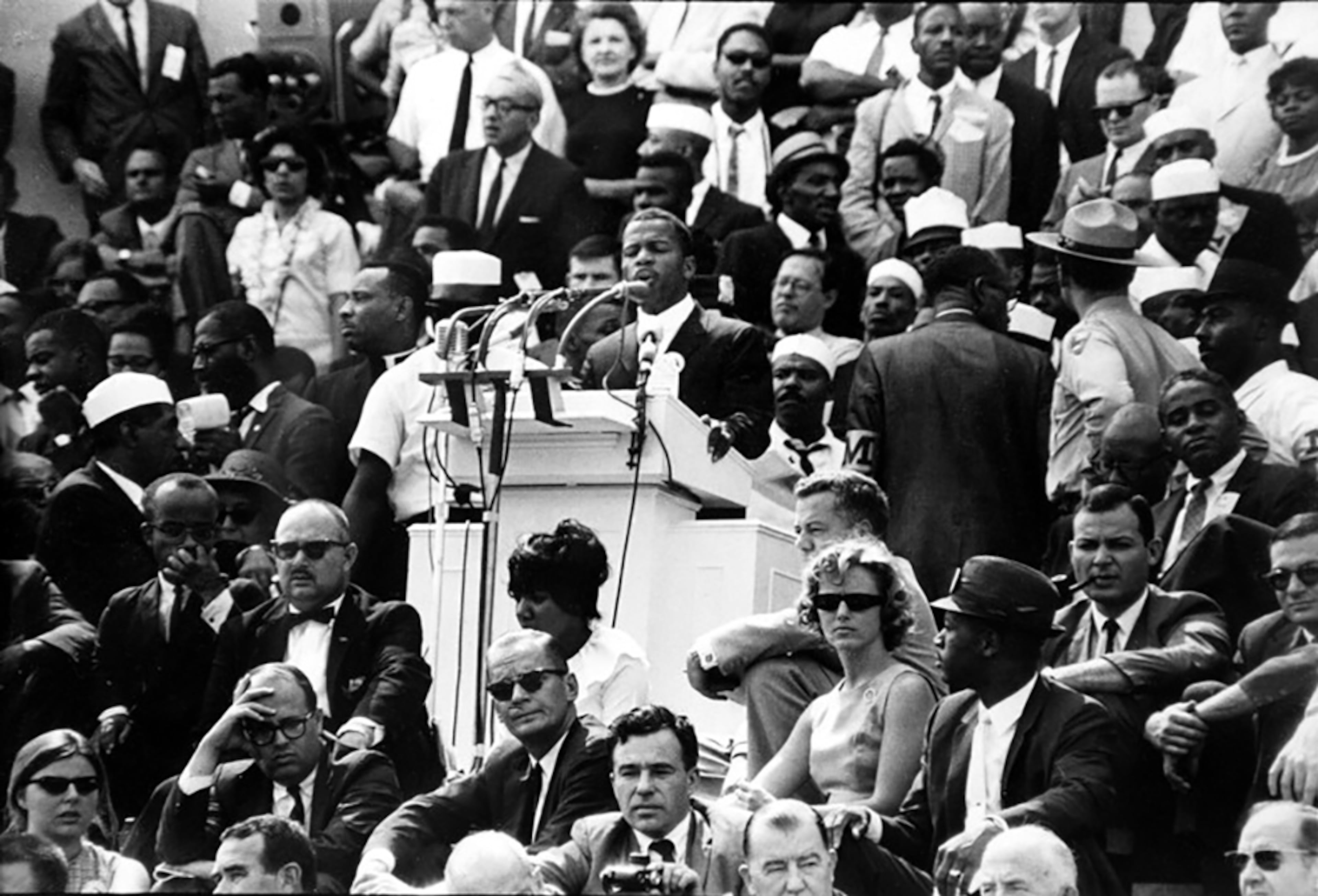
Six decades later, that question still hangs over Camilla.
Jonathan King, 67, who now works as an education administrator in Southern California, has long sought an apology, but has never received one.
This week he might at least get some answers.
The federal government is expected to release the full investigative file on the attack, part of a sweeping effort by the Civil Rights Cold Case Records Review Board to unseal thousands of pages long buried in FBI and Department of Justice archives.
Jonathan King was allowed to read the files early, and the documents confirm what he witnessed as a child — and what he says federal authorities failed to confront in real time.
“What the records show me is that our own federal government did not protect us,” he said.
The records, he said, identify the officers who beat his mother. They show letters — which he never knew about — that his father wrote to the federal government seeking justice.
But the Justice Department and the FBI never charged anyone with the beating.
There is also Marion King’s compelling statement that she made on July 27, four days after the beating.
“The second officer then kicked me with his foot, striking me in the buttocks … Someone yelled, ‘Don’t kick her, she’s pregnant.’ The first officer was in front of me and hit me on the right side of my head … I fell to the ground on gravel … I do not know what the officer hit me with. I momentarily blacked out when he hit me.”
“All of these cases were happening across the South, and the DOJ and FBI did nothing,” Jonathan King said. “They had informants and contacts everywhere. They knew who the perpetrators were. Everything had been swept under the rug. That’s mind-blowing.”
That is why the review board, created by Congress to reexamine racially motivated crimes of the civil rights era, picked up the King case.
“You have lots of families out there who just do not know what happened,” said Hank Klibanoff, a member of the board and director of the Georgia Civil Rights Cold Cases Project at Emory University.
With the release of the Marion King files, the board will have made public records in 37 cases involving 42 victims. More than 9,000 pages have been released, including about 6,000 involving the death of Emmett Till. Marion King’s file is well over 200 pages.
Klibanoff, a former managing editor at The Atlanta Journal-Constitution, has spent years researching the civil rights era and won a Pulitzer Prize for his book “The Race Beat.” He said the Marion King case is only one of two cases they have investigated where the main figure did not die.
“The beating did not kill her,” he said. “But it’s just such a compelling case that the board felt that even though she didn’t die as a result of that beating, someone did.”
For the King family, the new documents are about forcing recognition.
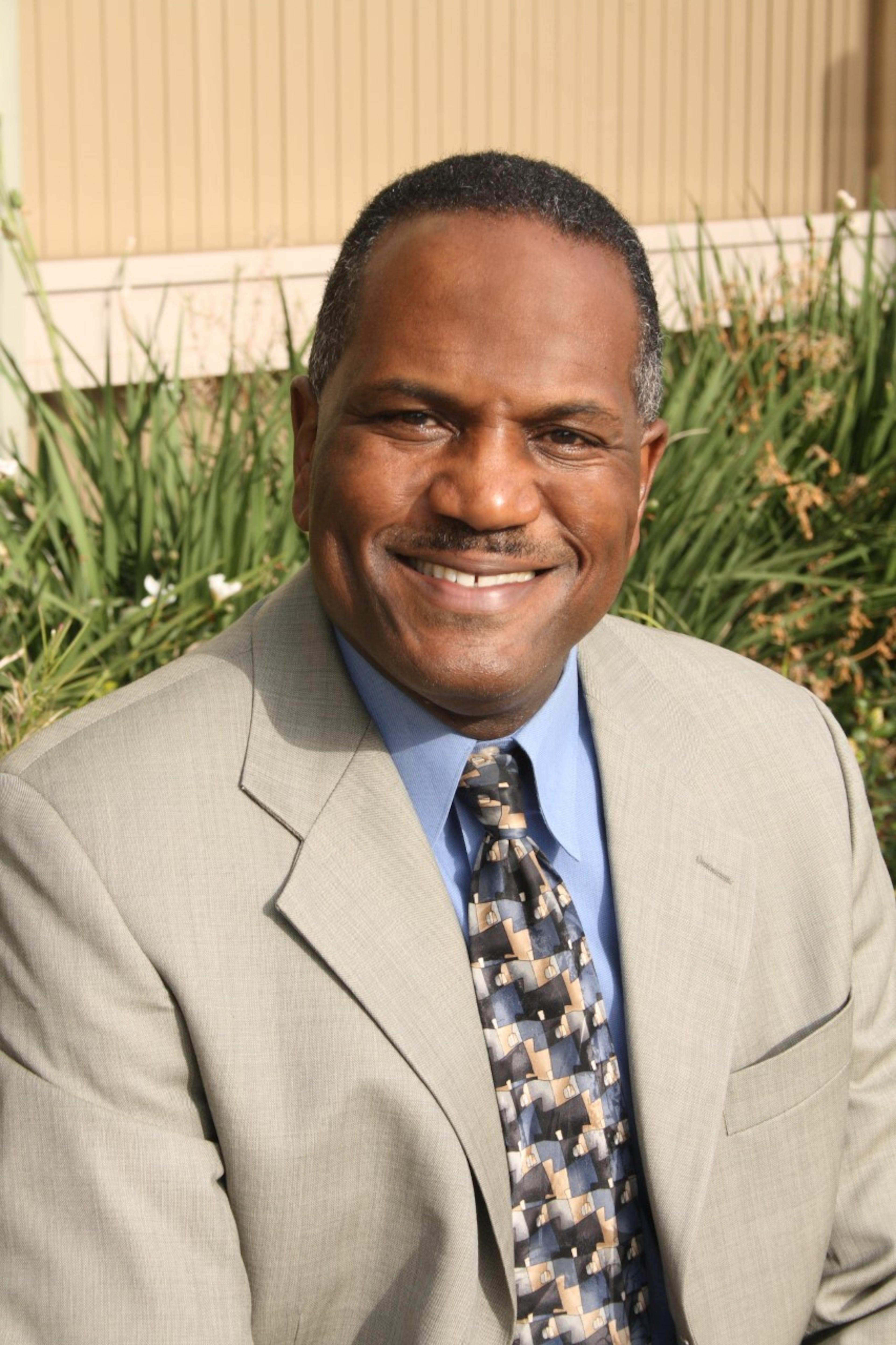
In 2013, Jonathan King visited Camilla, first to meet with the city attorney, then, in 2021, to address the mayor and City Council.
He asked for a written apology from the city and Mitchell County. He left both times empty-handed, as officials told him an apology might expose the city to litigation.
“All we asked for was an apology,” he said.
But King acknowledges that the harm and trauma he endured still lingers and haunts him, partly because of what he witnessed and partly because of how the incident vanished from family lore.
The silence ran so deep that he sometimes wondered if he had dreamed or imagined the whole thing.
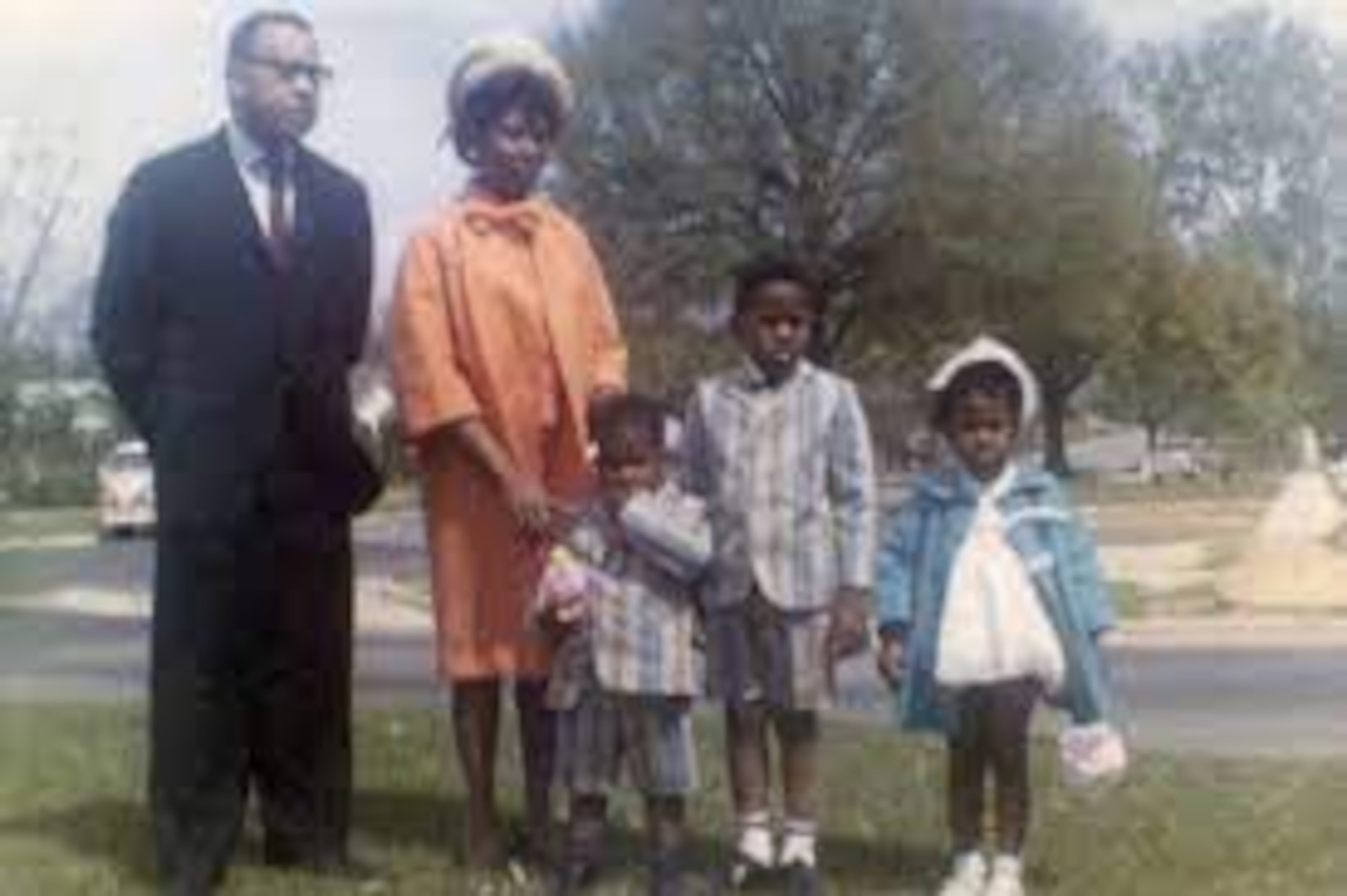
King knew his mother was pregnant and he was excited at the prospect of being a big brother. He remembers the November day, roughly three and a half months after the beating, when his father made him wait in the car outside Phoebe Putney Memorial Hospital as he went in to get his mother.
He remembers nurses wheeling Marion King toward the car. Her arms were empty. His parents silently got in.
“I said, ‘Daddy, Mommy, where’s the baby? Where’s the baby?’” King said. “No one said a word. Not then, not ever.”
King said that until his mother died in 2007, no one ever discussed it. It is unclear at what point the baby — a stillborn — died.
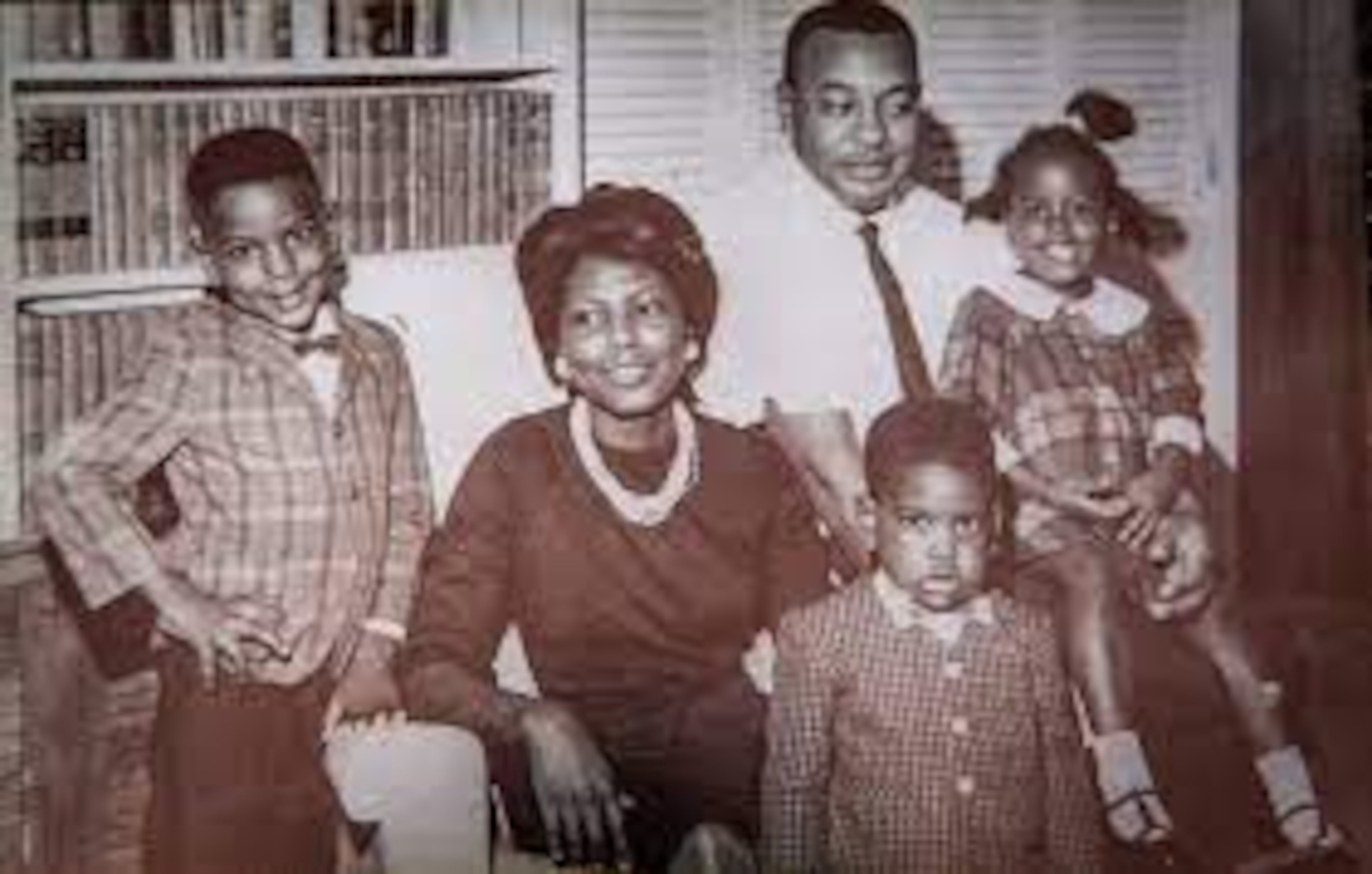
“There was never any conversation about the baby’s name, whether the baby was buried, what happened,” King said. “I don’t even know if it was a boy or girl. All I know is the baby died.”
King said he didn’t begin to understand the incident until well into adulthood in the 1990s when he picked up Taylor Branch’s “Parting the Waters” and read a chapter on his mother.
“It hit me: ‘This is real,’” he said. “Because we had never talked about it, part of me had treated it like a childhood hallucination. Reading that chapter blew me away.”
Marion King recovered enough to resume her work in the movement. In the 1970s she earned a law degree from Mercer University and later served as an assistant city attorney in Atlanta under Maynard Jackson and Andrew Young, even as the trauma of 1962 remained unaddressed at home.
“There was shame in being beaten that way, and a desire not to traumatize us,” King said, explaining that his mother was trying to shield her children from the weight of what happened. “There was also a lack of understanding about mental health and trauma. In Black communities, you were expected to be stoic and take the hit, not complain.”
He believes the records are at least a start, albeit “60 years too late.” He called it evidence of what he sees as a long history of federal indifference toward Black victims.
“This kind of thing would never have happened to white citizens without consequences,” he said. “For no one to have been indicted is a stain on our history.”
About the Author
Ernie Suggs is an enterprise reporter covering race and culture for the AJC since 1997. A 1990 graduate of N.C. Central University and a 2009 Harvard University Nieman Fellow, he is also the former vice president of the National Association of Black Journalists. His obsession with Prince, Spike Lee movies, Hamilton and the New York Yankees is odd.