
How Atlanta haircare brand grew despite Target boycott and DEI rollbacks
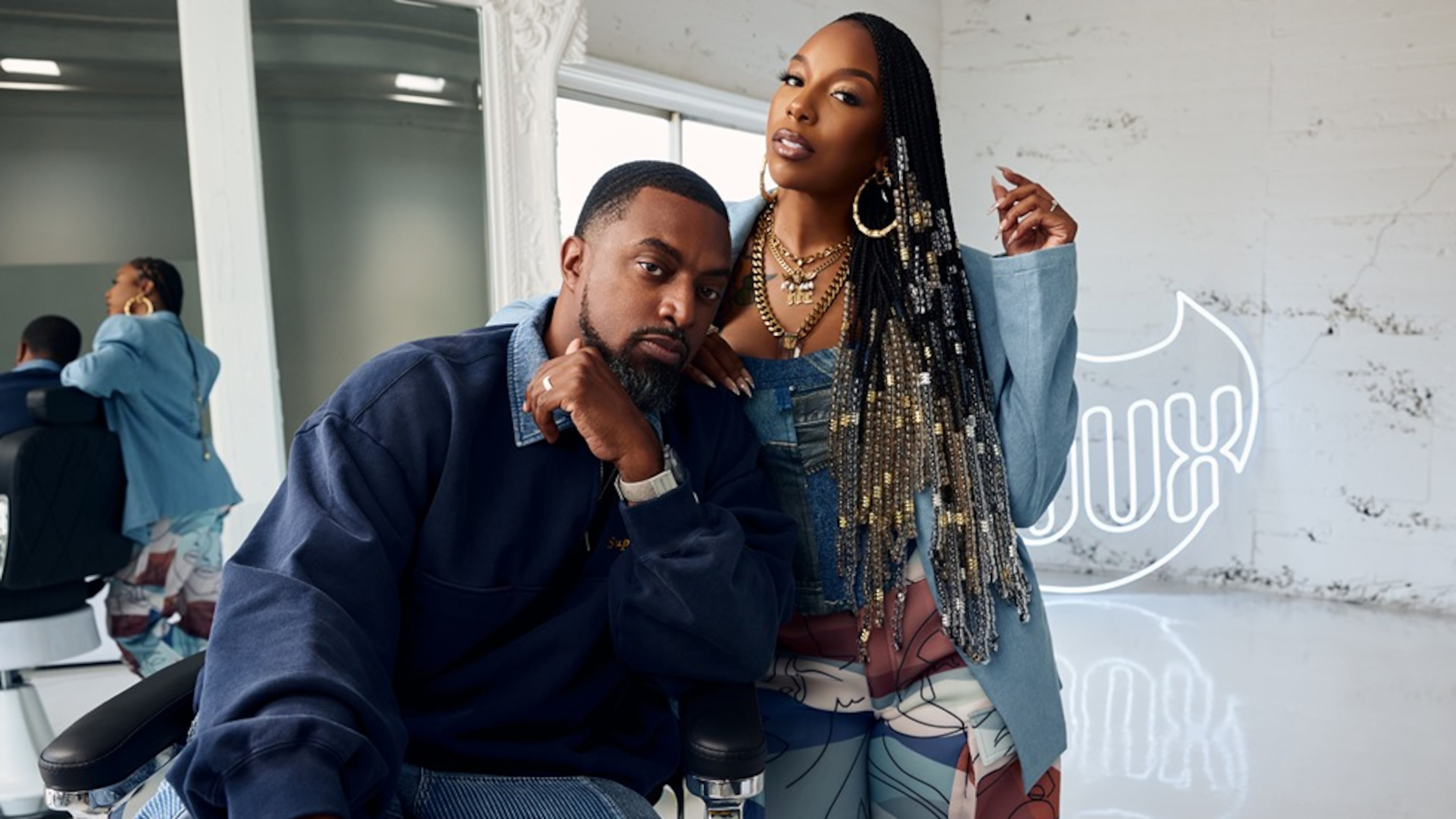
Maya Smith was among the Black founders concerned about the impact calls for a Target boycott might have on business toward the beginning of this year.
In February, Atlanta-based pastor Jamal Bryant challenged Black consumers to boycott the major retailer after the company rolled back its DEI initiatives. This left founders facing a dilemma as they didn’t want to alienate their core consumer base, but also didn’t want sales to plummet as a result.
This year, Black beauty brands — from venture-funded to startups — continued to close amid ongoing funding challenges, too.
Despite all of this, Smith says the Doux has experienced a year of growth, adding staff and launching eight new products including their anti-humidity line Block Party Collection. In alignment with the companies’ hip-hop branding, MC Lyte served as the voice for the digital advertisements related to the new line.
Smith spoke with UATL about the past year, her future entrepreneurship plans and experimenting with AI.
A lot of Black business owners whose products are sold in Target were concerned earlier this year amid calls for a boycott over the retailer’s DEI rollback. How is the business faring nearly a year after the boycott began?
Everybody panicked when that news dropped.
We’ve been fortunate enough to say that we’ve experienced a lot of growth in Target as well. Some of that is attributed to the fact that our core consumer isn’t the only one shopping the Doux. The Doux is a really multicultural brand, so we’re seeing people of all backgrounds and preferences that are still shopping there.
It’s really difficult to say how everyone is truly internalizing the Target situation, but it’s clear that the DEI situation is stretching across all of the retailers. We really just try to focus on validating the experience of our consumer. I’m a Black woman. I shop too. I feel a way about a lot of things as well. It’s important to us that our customers know that we want them to find the Doux wherever they can and shop wherever they feel valued.”
You were initially concerned the impact of the boycott might have a negative impact on the brand. Are you saying you actually experienced growth as a company throughout this year?
I understand that that’s not the norm, and that’s not what would have been expected from a brand of our size at the top of 2025 but we’ve experienced exponential growth over the past year.
Even aside from the boycott, we’ve continued to see several Black-owned beauty brands shutter this year. From your perspective, why has the Doux’s story been different?
I think one thing that’s a little unique about the Doux versus a lot of other textured hair brands in our space is that we didn’t come into the industry during DEI. We had something established, and we were already rolling when the pandemic hit. A lot of these brands that aren’t doing well, they started unfortunately during the post-George Floyd boom when we had all of these DEI initiatives. I think that the extraction of those programs really hurt those brands.
What people don’t get is when you’re in retail, the marketing programs, anytime you do a sale — all of that the brand pays for. The DEI initiatives really helped to bolster these small independent brands. I think it’s unfortunate that a lot of these brands were kind of depending on a lot of their retail partners and vendors and stuff to help. The way the business was structured was based on a lot of these DEI initiatives. That just wasn’t the case for the Doux.
You’ve been busy with the company these past few years, but I’m curious if you have ambitions to work on other brands. Do you have a desire to invest in other companies eventually?
Oh, yeah. Absolutely. [I] can’t wait to do it.
A lot of what I’m working on now has to do with what I can do to support other stylists, to bring them into not only what we’re doing with the Doux, but also to, at some point in the future, help them to develop their own story.
Black women have such a sacred relationship with hair salons, but sometimes we also have trauma and poor experiences, too. In previous decades, if we didn’t like our hair there weren’t a ton of ways to make that publicly known. But, social media has brought a lot of those conversations to the forefront.
I think today’s stylists need more mentorship and support from our community. Technology has entered the chat and so much of the beauty business has been hijacked by social media. I think that it will get better, but right now, we’re just that kind of like this volatile place of what it means to be a hairstylist. I think we need to invest more into cosmetologists, hairstylists (and) service providers. I think people will get more from their service providers if there’s more education and mentorship and accountability there. A lot of what we’re seeing in the hair space that we don’t like is because most of these stylists didn’t have the kind of mentorship that I had. They didn’t have the aunties that were in the salon kind of schooling us on how to be professional, how to do a consultation, how to show up on time. We just jump out of beauty school, and then you have your own suite, and you’re in this silo. There’s no one modeling professionalism from that old school perspective like I had.
The Doux partnered with Black Girls Code earlier this year to launch a contest encouraging young girls to submit AI-generated videos to help diversify AI models. And, recently, your company used AI-created imagery to promote its new product line. Can you talk about your use of AI and why this experimentation is important to you?
I’ve created a lot of AI just in my personal time and for the Doux. I started to think about the fact that there’s a lot of resistance to just the concept of AI, especially when it comes to Black beauty, which I totally get and understand. But it’s not going anywhere. And the way that these images are generated a lot of times can be super racially biased. And without Black people behind the scenes as a part of this AI conversation, creating AI (and) improving the AI models, we are allowing a conversation to happen outside of the culture. It was really important to me to reach out to Black Girls Code, see if there’s a way that we could just spark some interest. These young people have access to so much technology. They’re very, very talented.
Don’t get me wrong, there’s a lot of arguments we can go into all day about what makes AI ethical or unethical. But I think the way that we use it as the Doux is (as) ethical as it can be. Creatively, I make the art that I make about the people who love The Doux. It’s not necessarily about the Doux products.
The Doux and your family remain based in Atlanta despite your ongoing success. Why?
We’re a military family. You grow where you’re planted. I have two kids in the Air Force, (but) with my husband being out of the military, we’ve kind of planted ourselves here. We find so much love and support (in Atlanta). It’s always great when you can go out to a dinner party and you’re not the only two entrepreneurs at the table. This city has really embraced us and embraced the people that we’re here to serve.
Become a member of UATL for more stories like this in our free newsletter and other membership benefits.
Follow UATL on Facebook, on X, TikTok and Instagram.
