
‘I Am Somebody’

I had known Jesse Jackson all my life, or so I believed, long before I ever shook his hand.
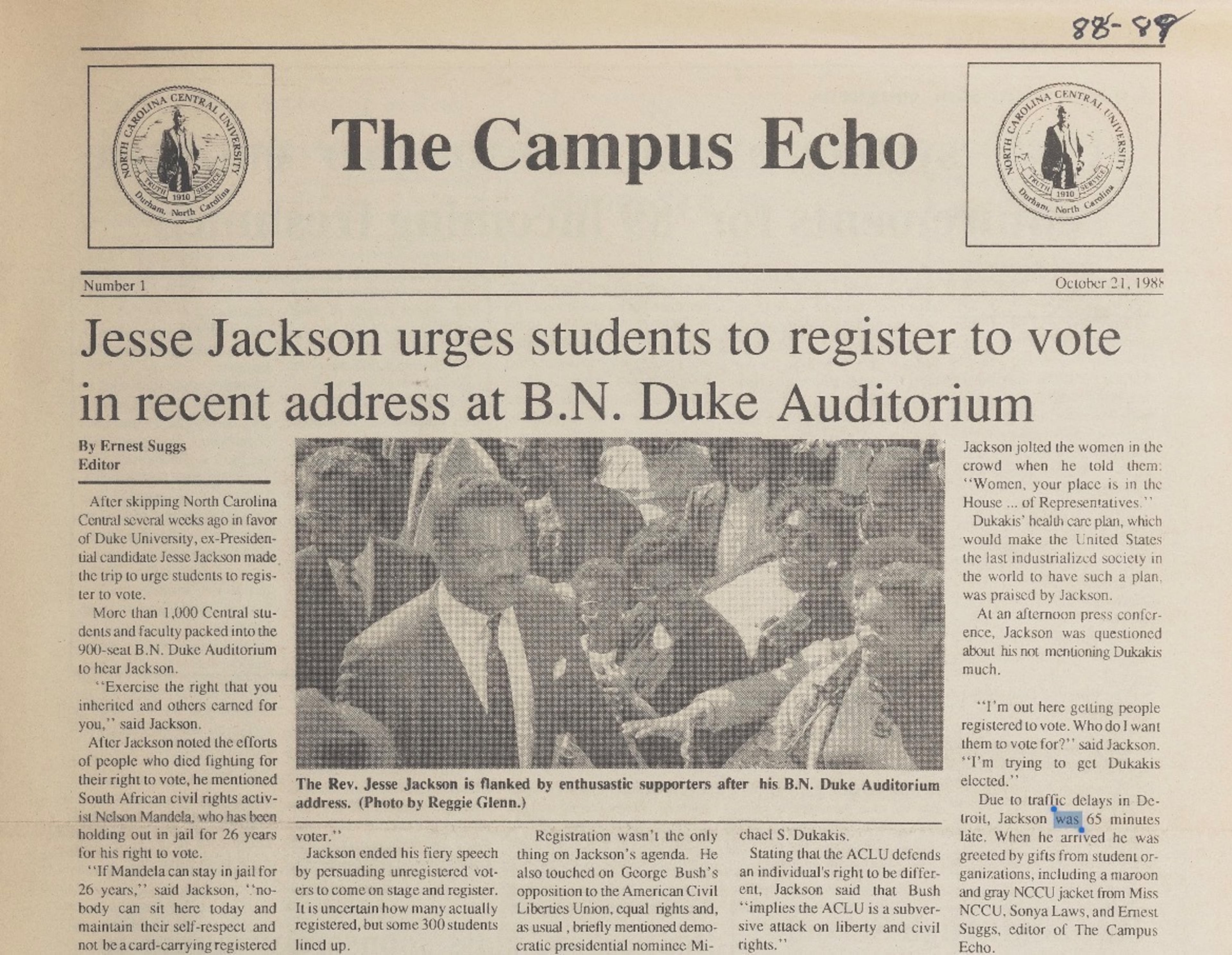
I met him for the first time in October 1988, three months after he had conceded the Democratic presidential nomination to Michael Dukakis.
All the math pointed to the fact he had lost.
But when he walked into North Carolina Central University’s B.N. Duke Auditorium for a voter-registration drive, he entered as a conquering hero. He had made it possible to imagine that maybe, just maybe, a Black man could one day be president.
For those of us coming of age in the uneasy quiet after the Civil Rights Movement, that was no small thing. We had grown up in the shadow of assassinations and uprisings, in neighborhoods bruised by crack, frightened by AIDS and confused by Reaganomics.
We were also beginning to wrestle with the writings of James Baldwin, who had visited the campus two years earlier, along with the vision of Spike Lee and the defiant pulse of Public Enemy, all of it shaping a language that refused to apologize.
In that collision of fear and rhythm, Jesse Jackson stood before us, embodying what we might become if we refused to shrink.
I was born on March 18, 1967, 13 months before Martin Luther King Jr. was killed.
I cannot remember when King first entered my consciousness. But he arrived framed in grainy black-and-white images, already placed in history.
To a child — especially one who did not grow up in Atlanta — he might as well have been George Washington, a figure sealed in marble and distance.
Jackson was not marble. He moved.
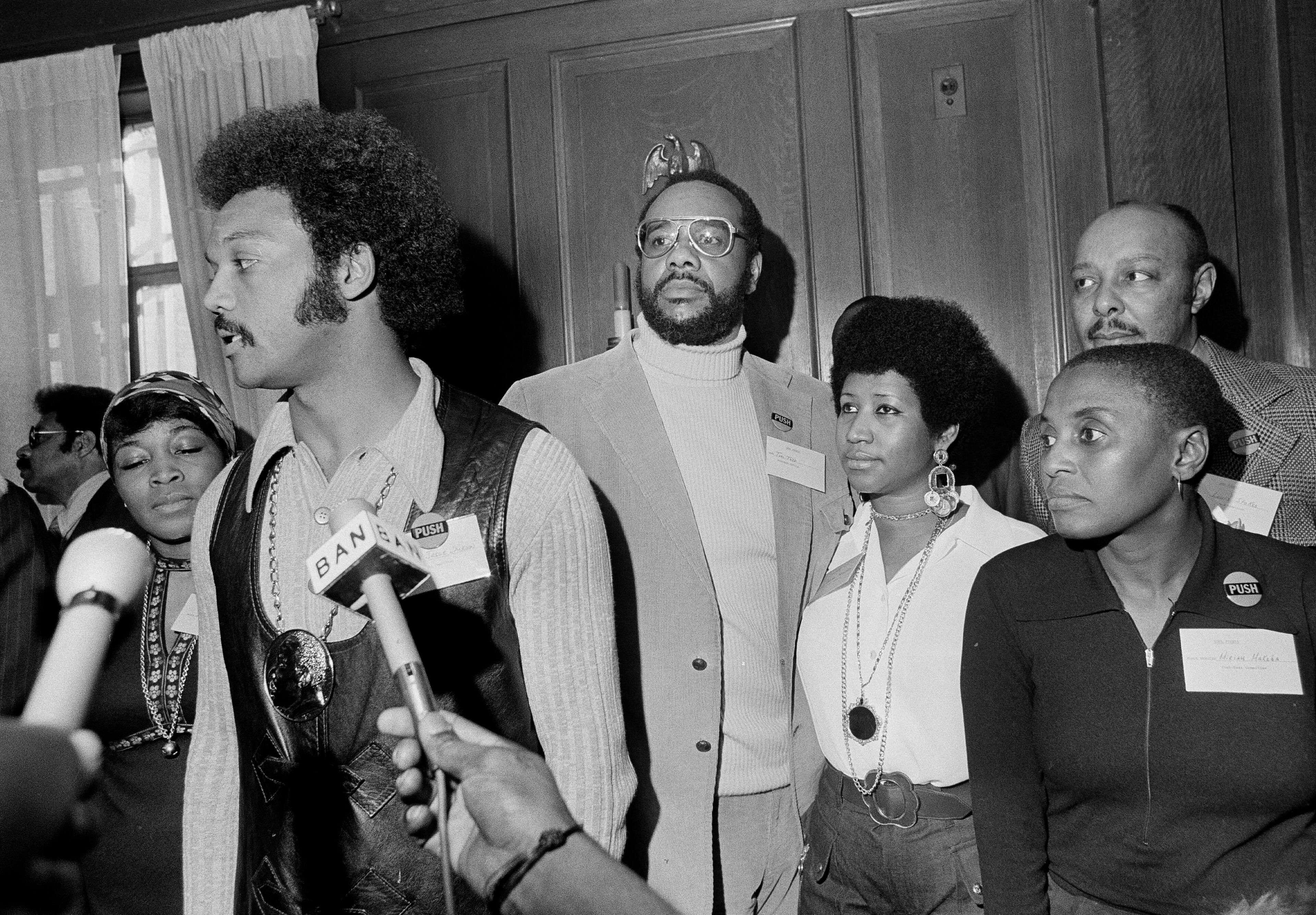
My first sight of him came in 1973, in a darkened theater in Brooklyn, where my mother, who insisted that I know something about who I was, took me to see “Save the Children,” a documentary about a benefit concert for his Operation PUSH.
I had come for the Jackson 5. That was the promise. But before the lights revealed any singer, before the music took hold, a voice rolled through the theater.
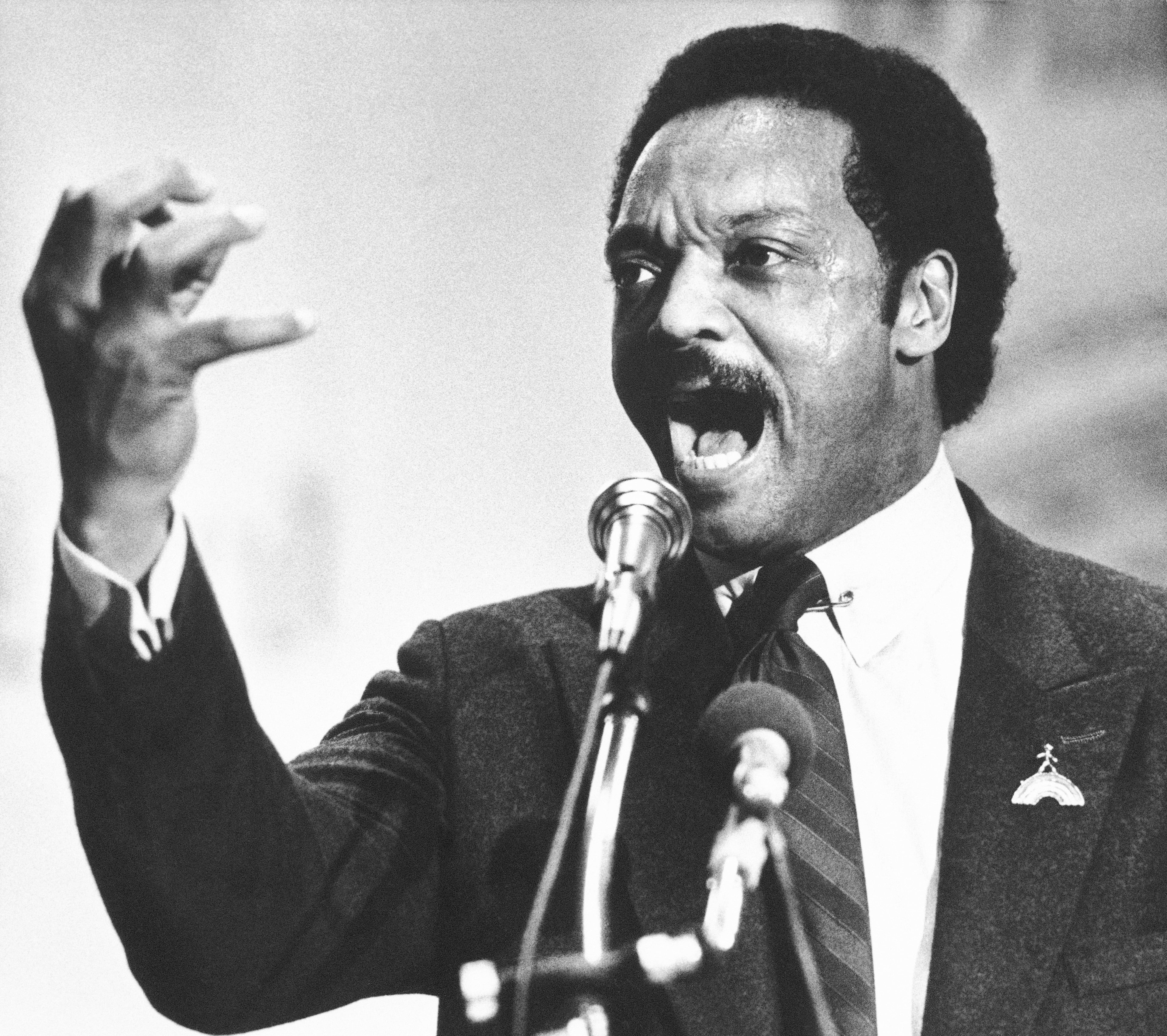
“I am — Somebody.
“I am — Somebody.
“I may be poor — but I am Somebody.
“I am God’s child.
“What time is it?
“Nation Time.”
When he finally appeared on the screen, Afro crowned and voice measured but urgent, he did not resemble the solemn men I had seen in history books. He wore the struggle — with leather vests and dashikis — differently than the men in grainy photographs.
Even as a child watching this, I understood he was wrestling with history in real time.
Years later, when I stood on the stage of B.N. Duke Auditorium with him, that feeling came rushing back. Though he did not secure the nomination in 1988, his campaign carved a path that, 20 years later, made the election of a Black president possible.
I graduated from NCCU in 1990 and began my career as a professional journalist — first in New York, then back in Durham and finally in Atlanta.
Covering race and culture meant our paths crossed often. By 1997, when I arrived in Atlanta, he had opened a Rainbow/PUSH office on Auburn Avenue.
He was everywhere — a source, a presence, in some ways unavoidable.
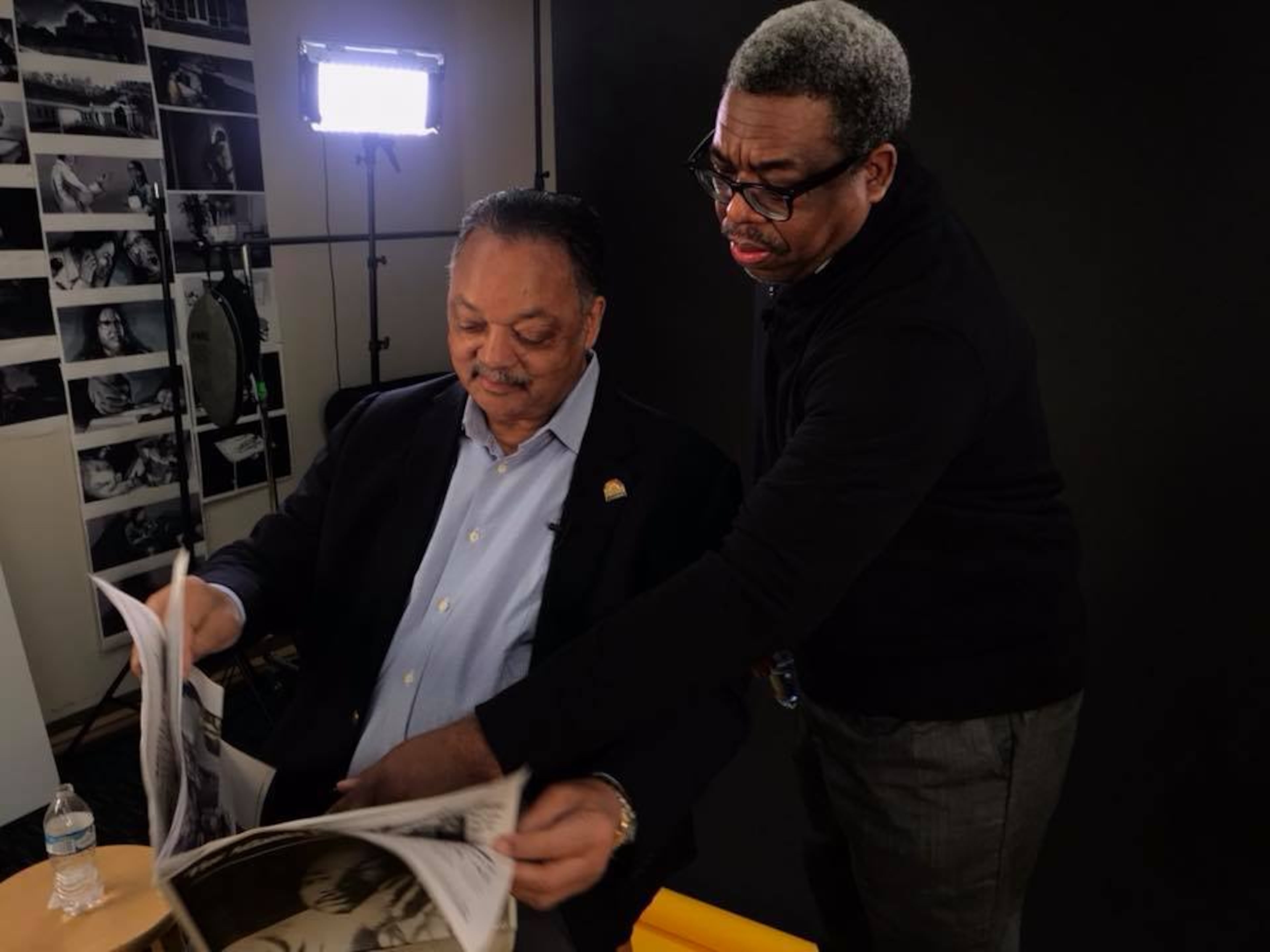
In 2001, he called me out of the blue and asked me to join him and his wife on a bus tour across Georgia. It was a redemption tour.
Earlier that year, he had admitted to an extramarital affair that resulted in the birth of a child. The country, always eager to condemn its prophets, had judged him swiftly. The bus was an attempt to reclaim the narrative. At each of the 25 stops, crowds gathered — some came to forgive, others to see whether he was still standing.
Of course, I wrote about it.
But what remains with me is the bus itself.
Sitting on that bus with Jackson, we talked for hours. The conversations ranged from King to Nelson Mandela to Desmond Tutu, from presidential campaigns to private frailties. He spoke of triumph and weakness in the same breath, as if both were inevitable companions.
He teased me for attending NCCU, and I teased him about going to N.C. A&T. We ate peach cobbler.
After that trip, Jackson and I remained in direct communication.
Whenever I needed a quote or clarification about the movement or politics, I could call him directly. The funny thing was, he called me more than I called him.
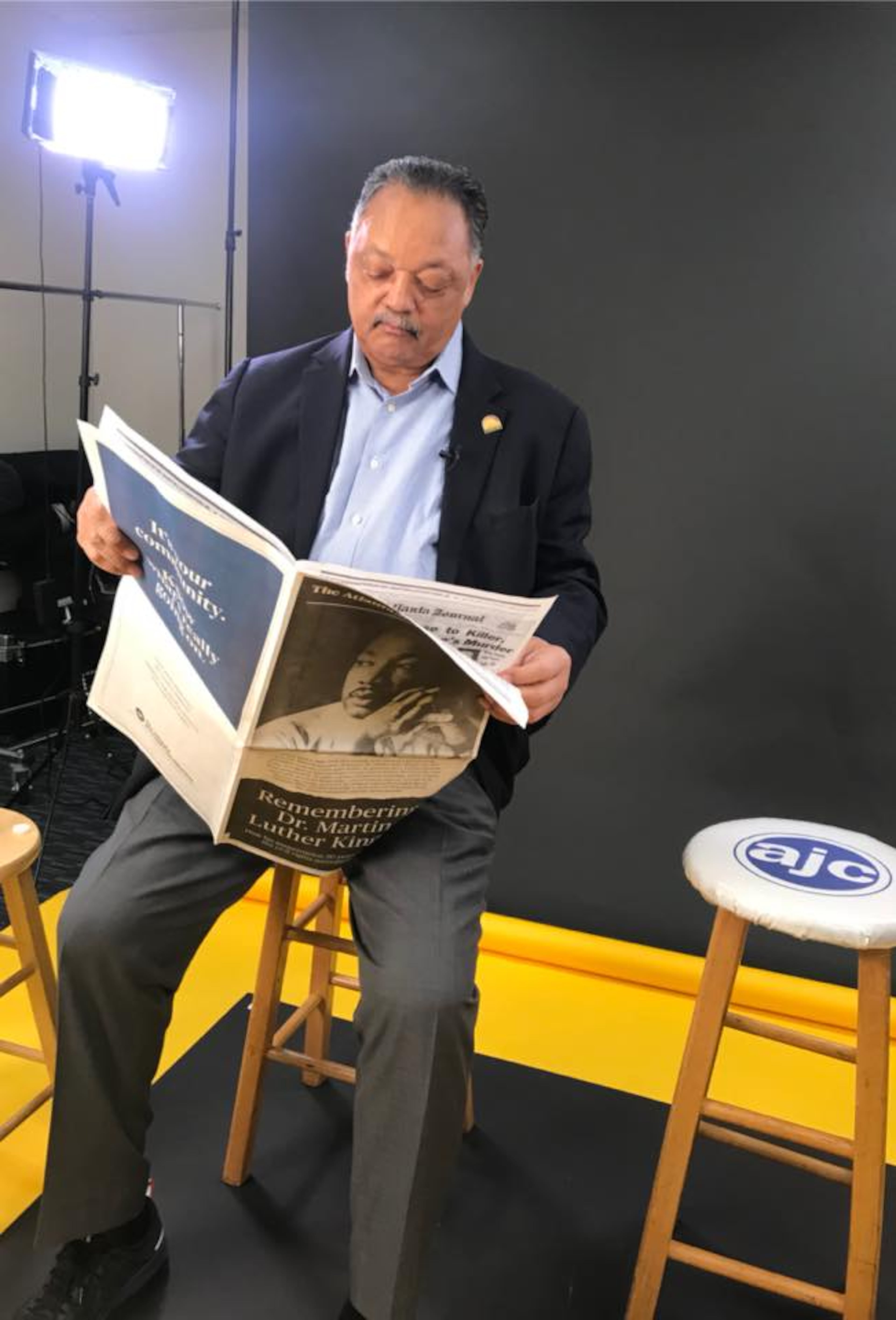
Jackson tended to begin conversations in the middle.
“Hey, Rev. Jackson.”
“… The prison industrial complex …”
And I would listen for an hour.
But as a rare neurological disorder took his most distinctive feature — his voice — the irony was cruel.
The man who had thundered “I am Somebody” now struggled to be heard.
He still called. I could barely make out the words, but I listened.
Which brings me to the last time I saw him.
It was March 9, 2025, the 60th anniversary of Bloody Sunday in Selma, Alabama. I was in the crowded balcony of Tabernacle Baptist Church for a rally and service. Jackson, now in a wheelchair, sat below in front of the pulpit.
Before the service ended, his son began wheeling him out for the march that would follow. I made my way downstairs to greet him. He saw me through the crowd of people stopping to take his photo and reached out his hand.
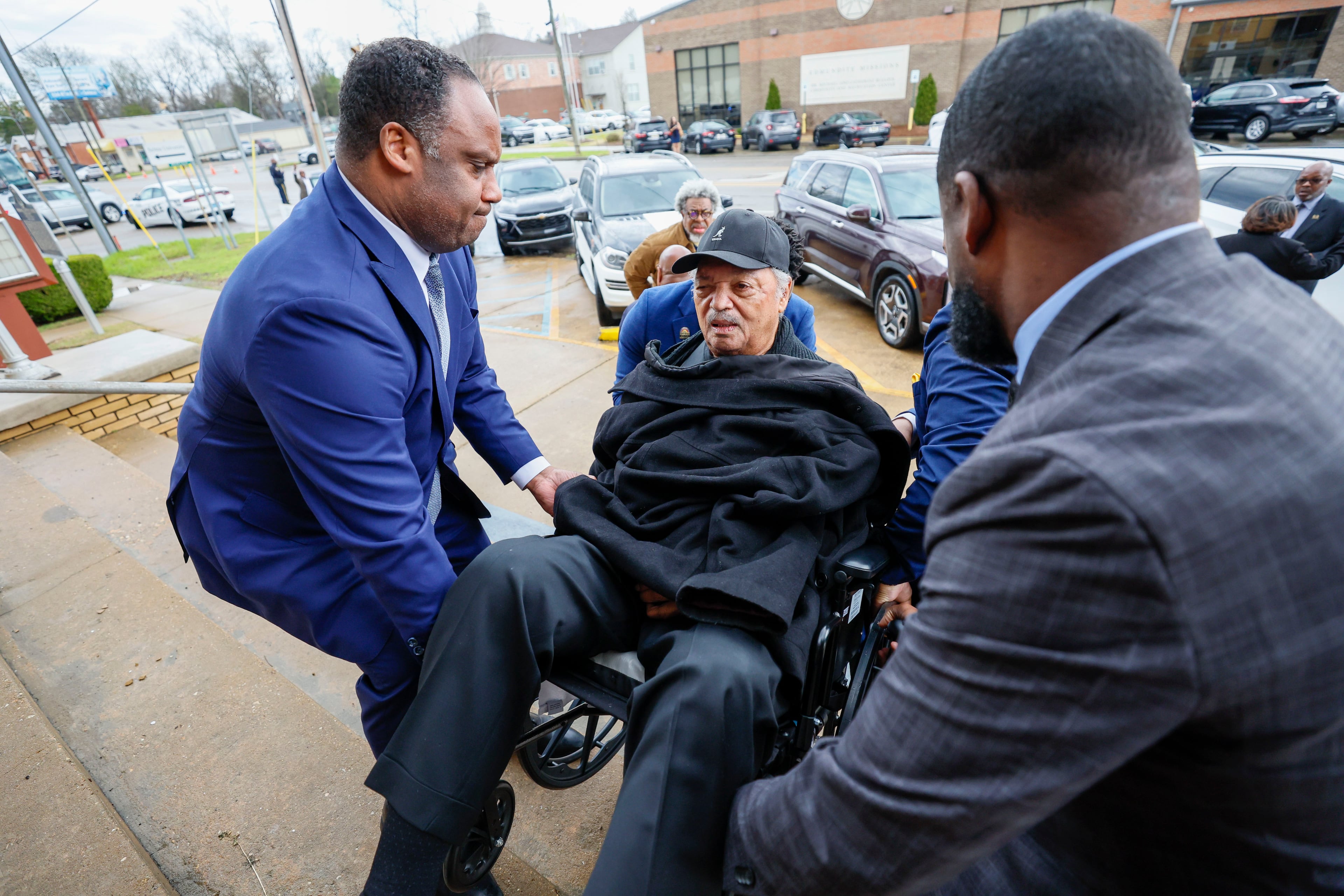
For some reason, at least at that part of the church, there was no ramp. His son and others lifted the wheelchair and carried him down the stairs. I rushed over to help — mostly positioning myself in case they slipped.
I could not help but get emotional as we eased him out of that church. I sensed it would be the last time I would see him.
And I flashed back to 1988.
As editor of The Campus Echo and a student leader, I was given the honor — along with Miss NCCU, Sonya Laws — of presenting Jackson with an NCCU letterman’s jacket. No small feat, considering he is an Aggie.
I said a few words. Sonya said a few words. Then I unfurled the maroon and gray jacket and handed it to him. He took off his suit jacket and handed it to me.
I remember how large and physically imposing he seemed, the gleam in his eyes and wide smile as he examined the jacket with playful suspicion. After he put it on, I remember how big his hands felt when he gave me a pound and a brotherly hug before hugging Sonya.

And in that moment in Selma, helping them carry Jackson down those stairs, I remembered the first time he told me I was somebody, in 1973. I remembered the many times he repeated it, publicly and privately.
It is no small thing to tell a Black child he is somebody in a country determined to tell him otherwise.
He gave my generation permission to imagine ourselves in rooms we had never seen.
And once you hear someone tell you that you are somebody, you spend the rest of your life trying to live up to it.
About the Author
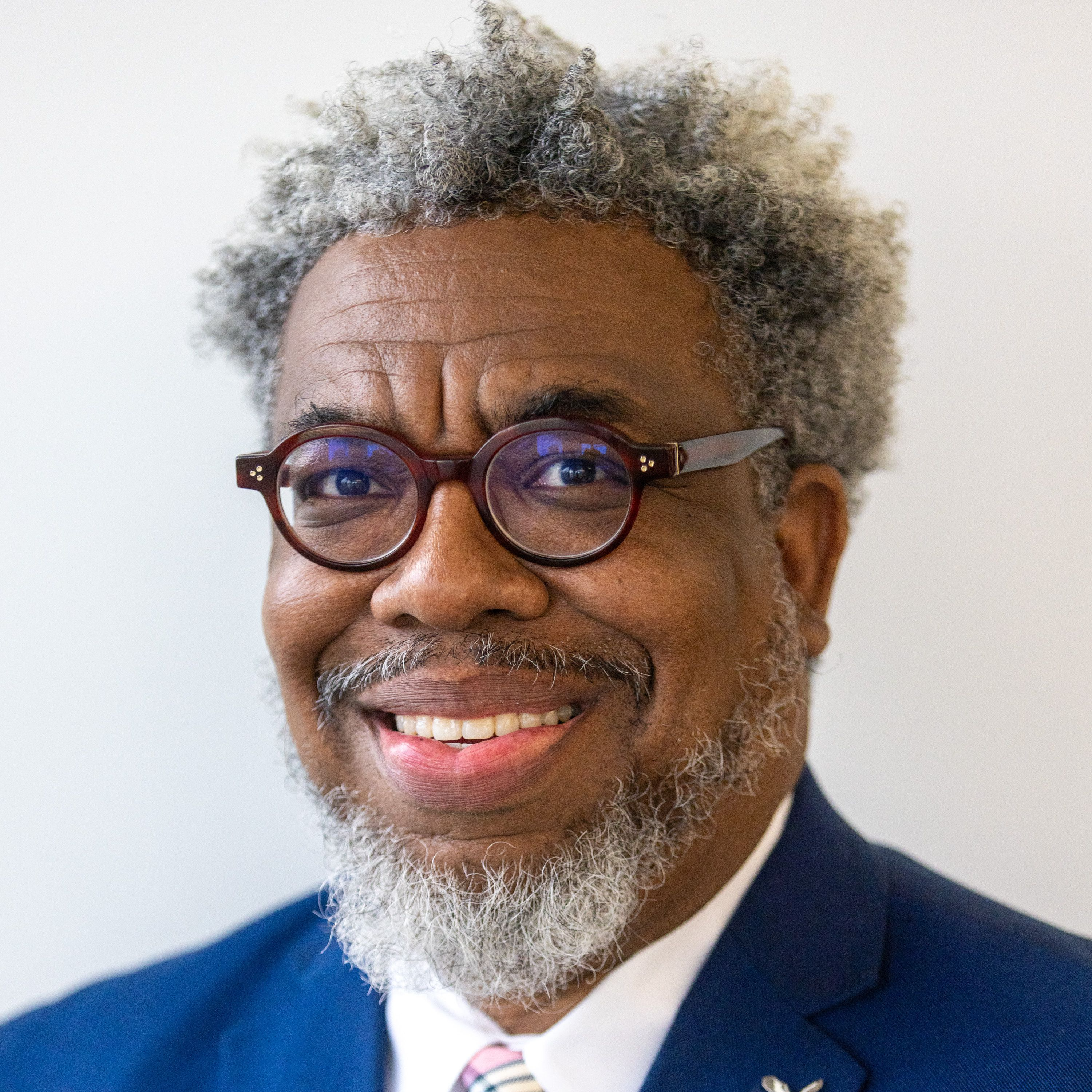
Ernie Suggs is an enterprise reporter covering race and culture for the AJC since 1997. A 1990 graduate of N.C. Central University and a 2009 Harvard University Nieman Fellow, he is also the former vice president of the National Association of Black Journalists. His obsession with Prince, Spike Lee movies, Hamilton and the New York Yankees is odd.