
Reimagining the work of W.E.B. Du Bois for a new century
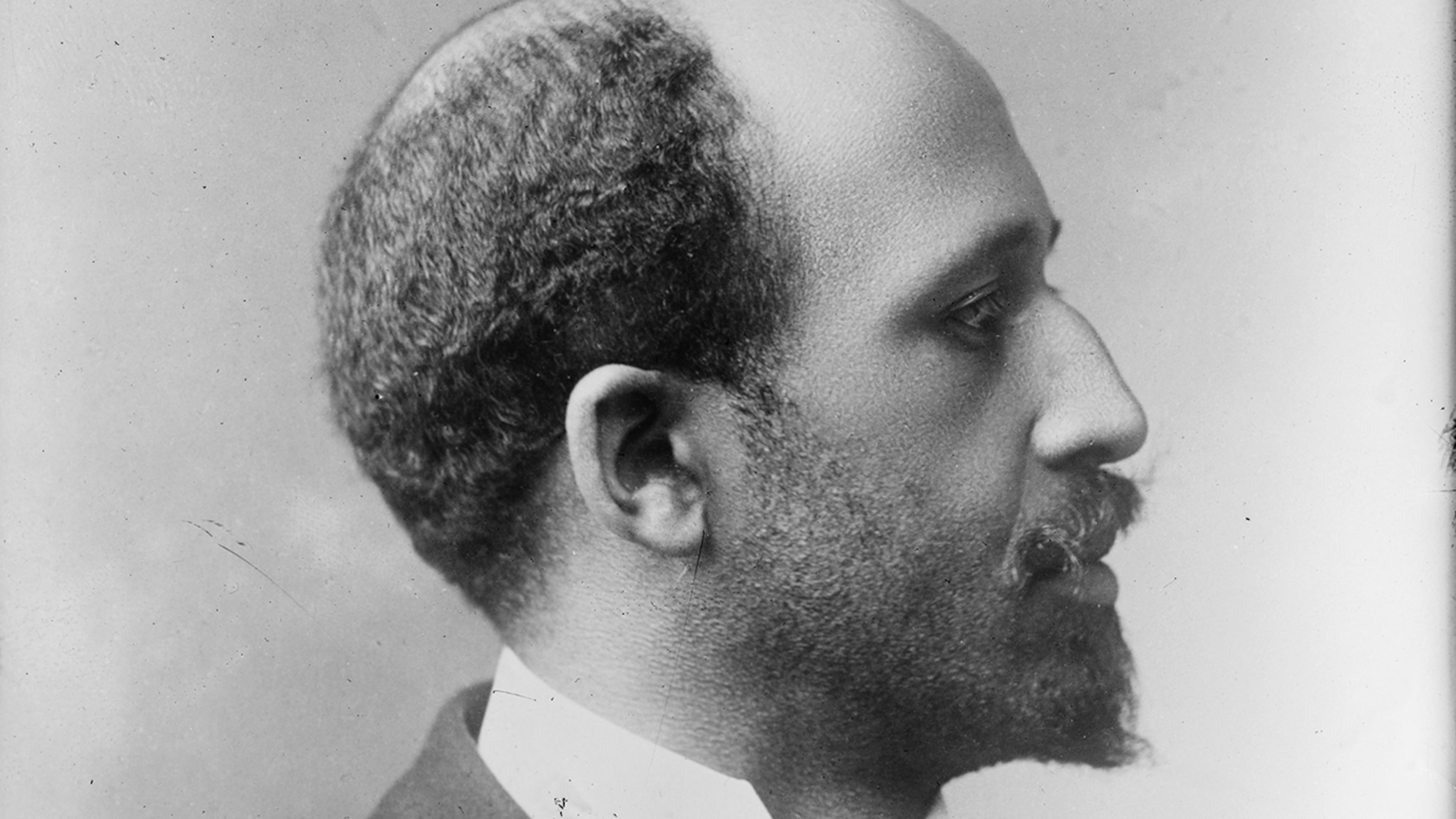
At the turn of the 20th century, W.E.B. Du Bois boarded a ship to Paris aiming to prove that Black Americans, newly freed and fiercely determined, could be measured not by caricature but by data, dignity, beauty and achievement.
More than a century later, that argument is being staged once more in Atlanta, as The Atlanta Journal-Constitution revisits his landmark “Exhibit of American Negroes” and asks what the numbers and faces reveal now as part of its annual Black History Month series, now in its 11th year.
On Friday, to mark the AJC project, the 100th anniversary of Black History Month, and to bring Du Bois’ original ambition into conversation with the present moment, Clark Atlanta University will unveil “W.E.B. Du Bois Revisited: Re-imagining Du Bois’ work from ‘The Exhibit of American Negroes,’” at the university’s museum.
CAU President George T. French Jr. framed the exhibit as both inquiry and homage. At the time of the exhibit, Du Bois was a professor at Atlanta University, one of Clark Atlanta’s predecessor institutions. By 1903, he had written the landmark book, “The Souls of Black Folk,” while still working on the campus.

Du Bois, French said, “was not just a scholar; he was a visionary whose work continues to inspire and challenge us today.” He added that the installation invites viewers to engage with his legacy through a contemporary lens and to reflect on the ongoing pursuit of equality and representation.
In 1900, at the Paris Exposition, Du Bois presented “The Exhibit of American Negroes,” a bracing display of photographs, charts and hand-drawn infographics designed to rebut the prevailing myths about Black life in America.
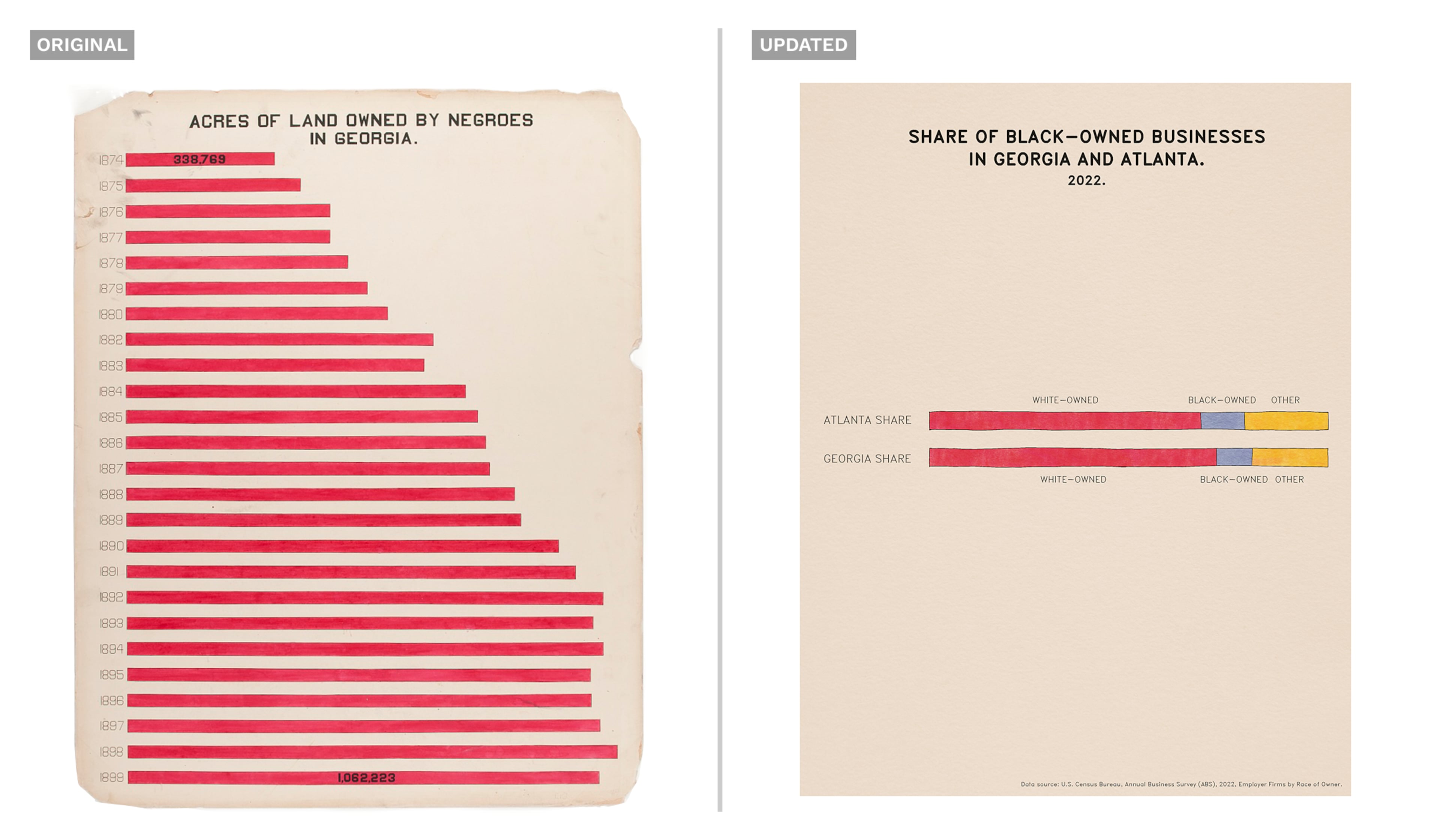
With elegant data visualizations and portraits of teachers, craftsmen, students and families, Du Bois offered what he called “an honest, straightforward exhibit” of a people’s progress.
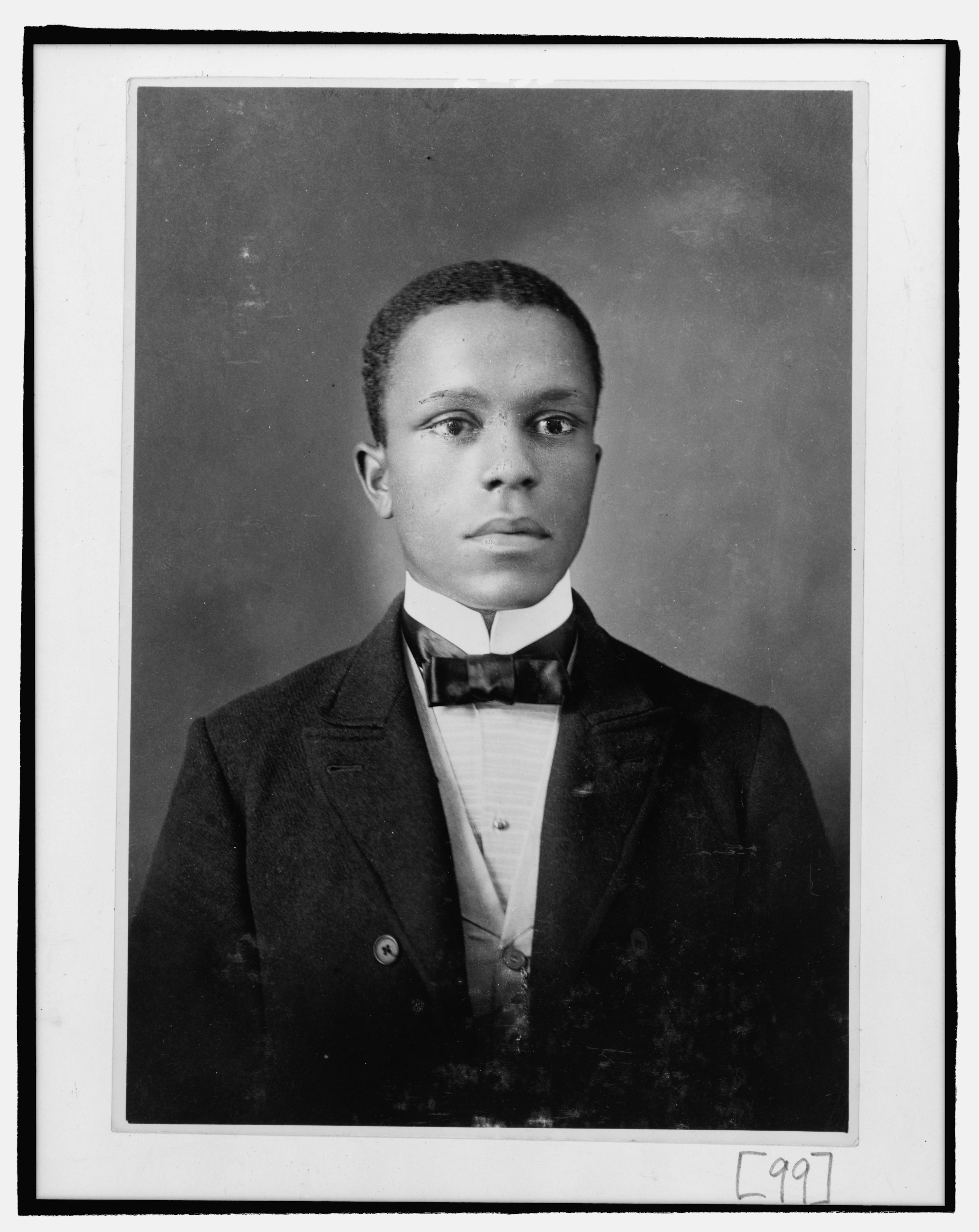
The exhibit featured striking black-and-white photographs by Atlanta photographer Thomas Askew.
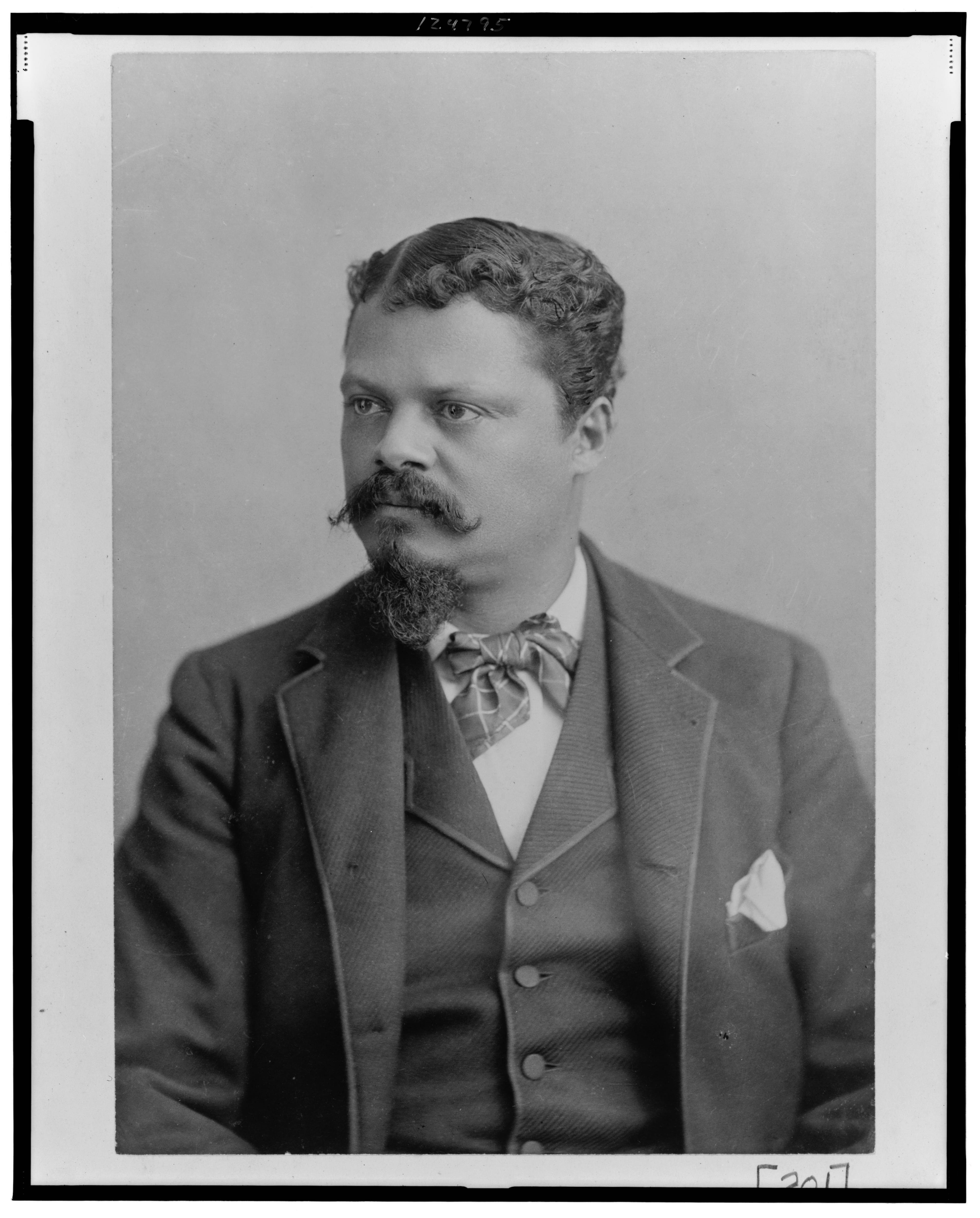
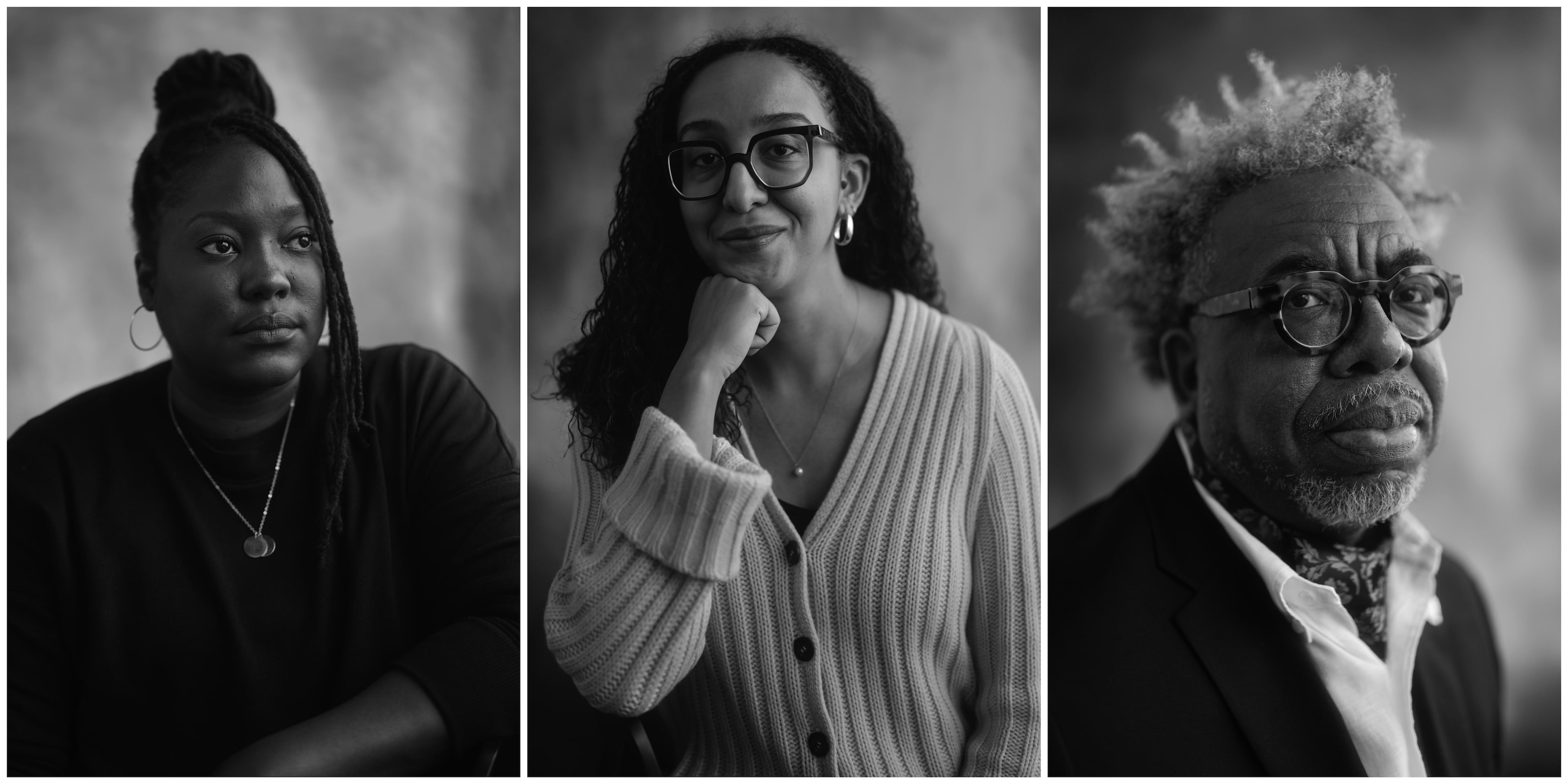
In the AJC story and the exhibit, those photos are in conversation with the contemporary images created by AJC photographer Natrice Miller, who re-created the spirit of Askew’s work.
The exhibit will also feature the work of AJC business reporter Mirtha Donastorg, who proposed revisiting Du Bois’ Paris exhibit, and worked with data reporter Stephanie Lamm to analyze current data to re-create his arrestingly colorful statistical graphics and charts.
AJC race and culture reporter Ernie Suggs directed the project.
“The Atlanta Journal-Constitution is honored to have our storytelling showcased in memorializing the work of W.E.B. Dubois, a globally influential scholar who helped change the course of history,” said Atlanta Journal-Constitution Editor-in-Chief Leroy Chapman. “We appreciate Clark Atlanta University allowing us to participate in this celebration of his extraordinary legacy.”
The exhibit opens at 3:30 p.m. Friday in the Clark Atlanta University Art Museum, in Trevor Arnett Hall.
The unveiling, free and open to the public, marks the final event in the university’s Black History Month observance, as well as the end of the AJC’s Black History Month series.
About the Author
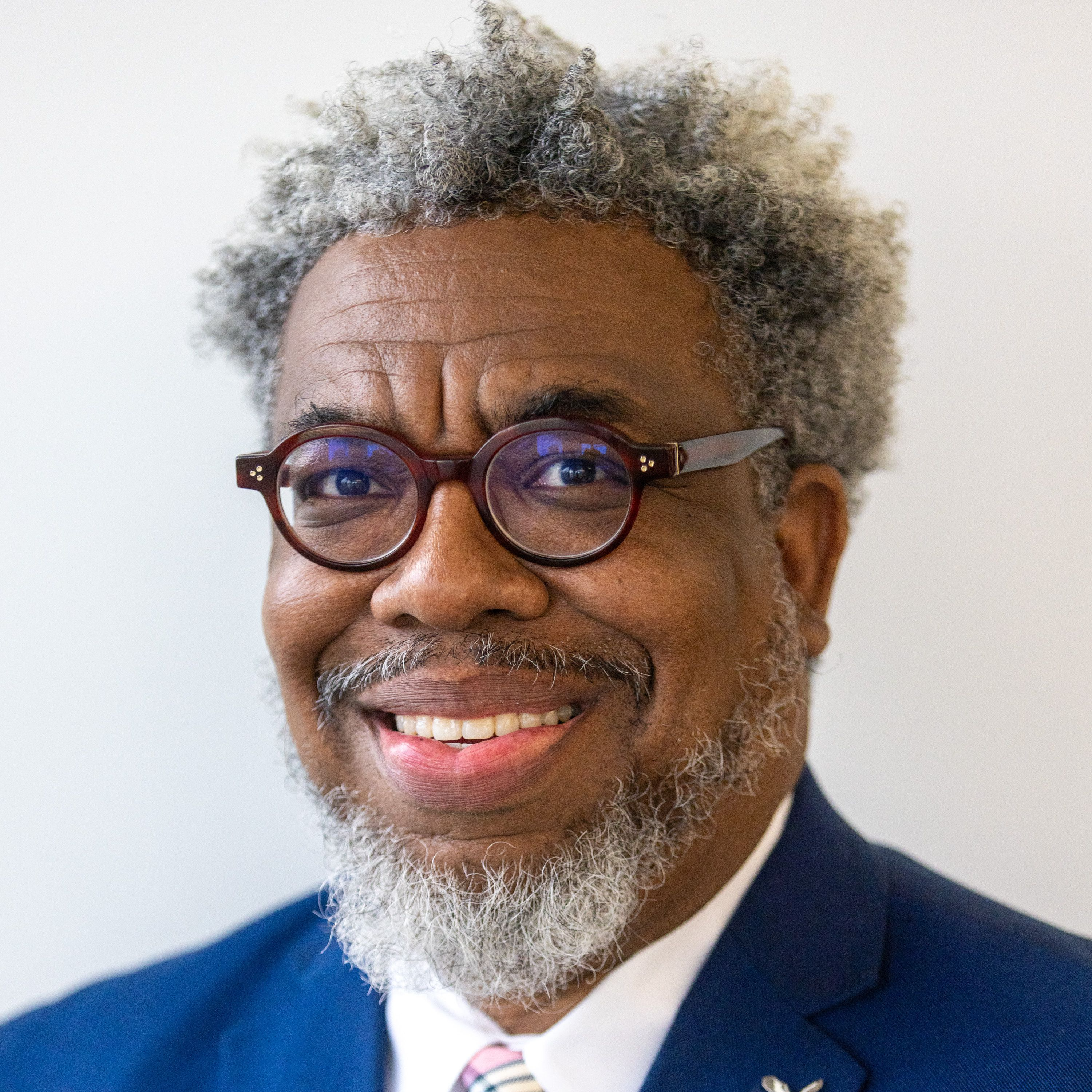
Ernie Suggs is an enterprise reporter covering race and culture for the AJC since 1997. A 1990 graduate of N.C. Central University and a 2009 Harvard University Nieman Fellow, he is also the former vice president of the National Association of Black Journalists. His obsession with Prince, Spike Lee movies, Hamilton and the New York Yankees is odd.