
A century of Black history. Eleven years of bearing witness.
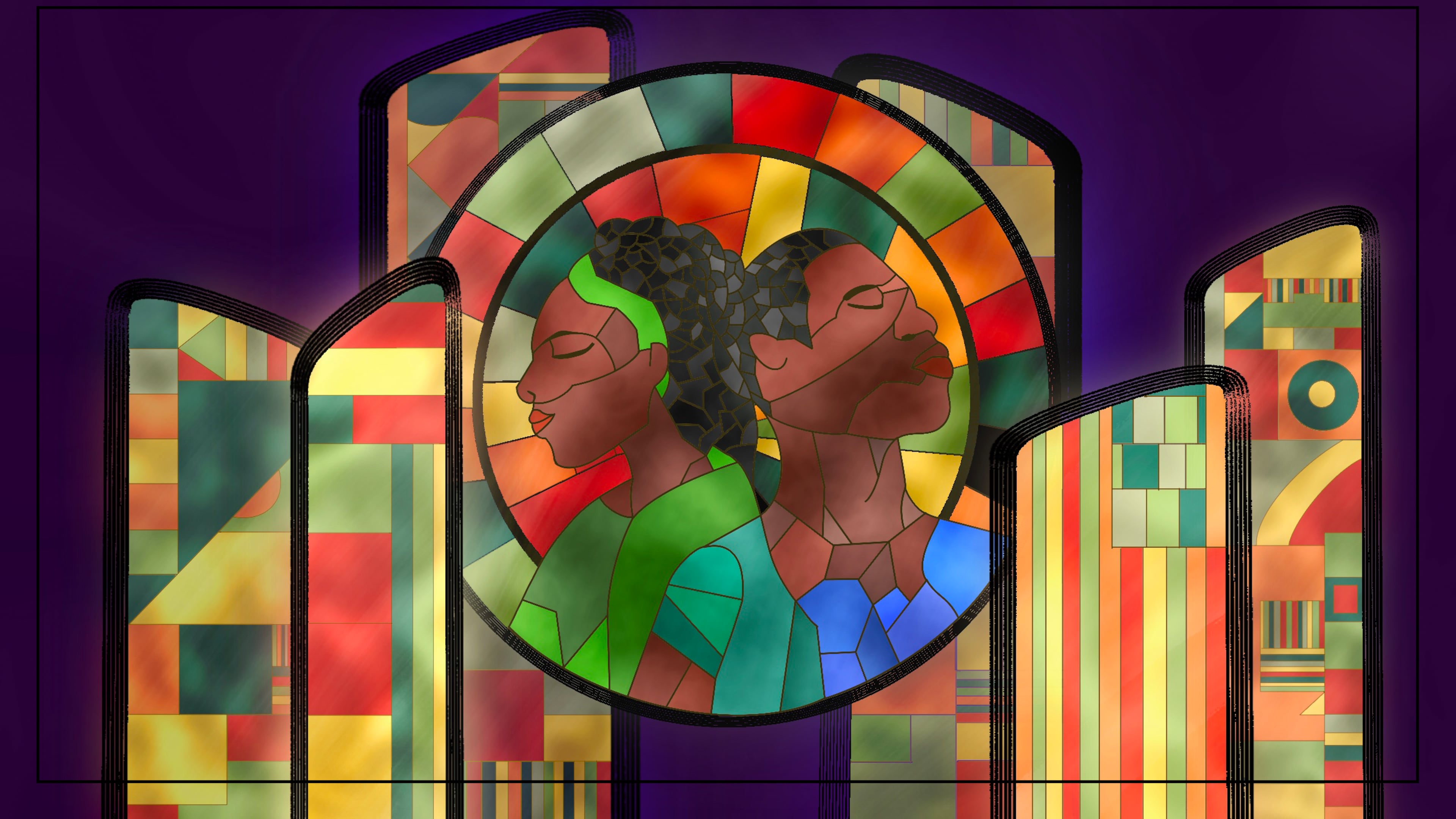
This year carried weight.
It marked 100 years since Carter G. Woodson launched Negro History Week, which became Black History Month. And it marked the 11th year of The Atlanta Journal-Constitution’s Black History Month series, our annual effort to document, interrogate and celebrate the people and forces that shape this city and America.
We opened the series at scale.
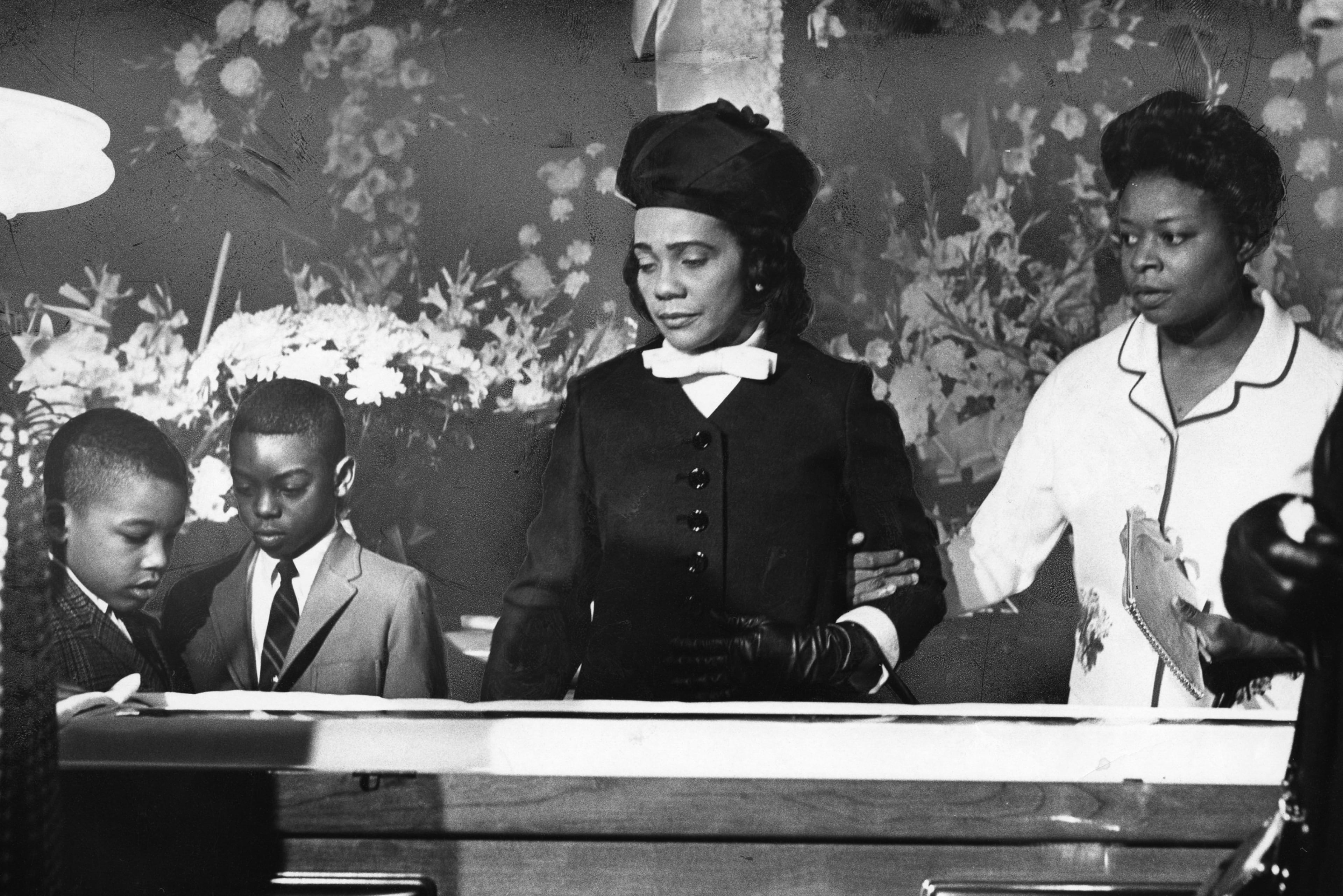
“Black History at 100: Five Years That Shaped Atlanta” examined pivotal moments that helped define the modern city, from the integration of UGA to the 1973 election of Maynard Jackson, from the trauma of 1968 to the arrival of OutKast to the grief of 2020, which saw the loss of a trio of civil rights giants.
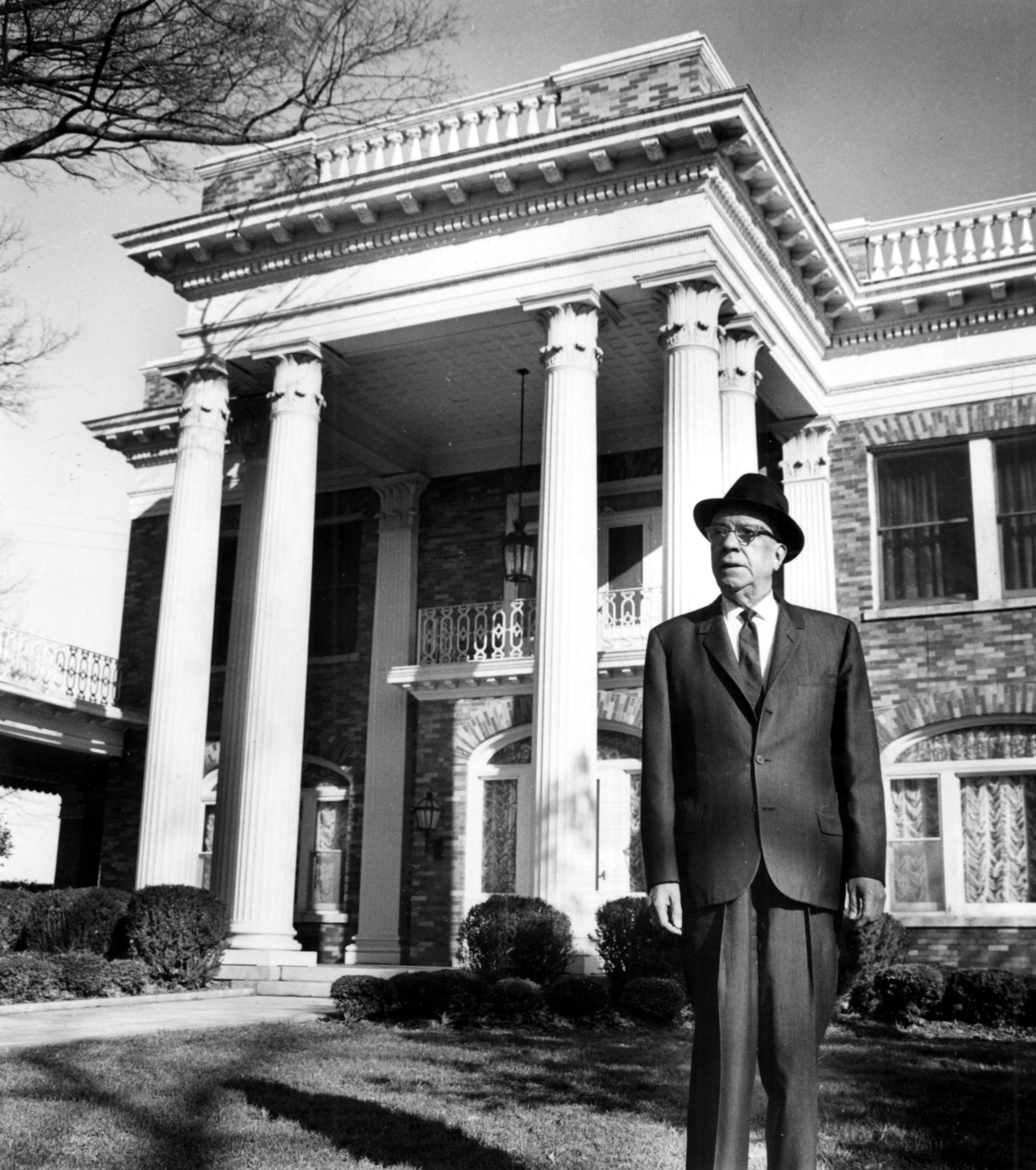
A companion piece, “From Auburn Avenue to the World,” traced one defining moment for every year, from the 1926 birth of Negro History Week to the present.
Both stories, rooted in Sweet Auburn yet conscious of Atlanta’s global imprint, set the tone for the month, moving between the past and present.
In all, we published a story each day, along with videos, audio and music playlists. Nearly every department in the newsroom — from features to sports to video to photo to podcasting to design, marketing and communications — had a hand in it.
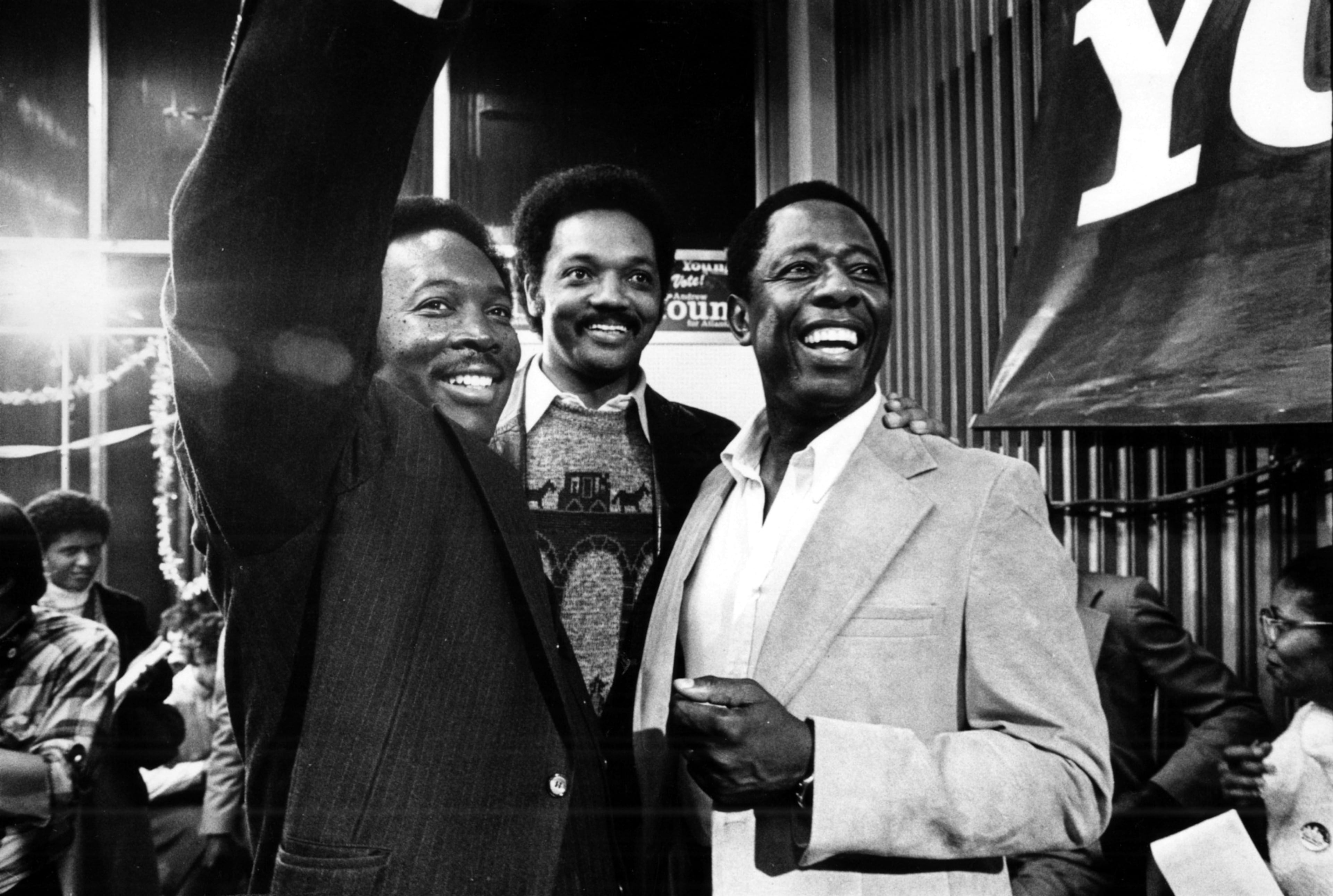
And in the middle of it all, we said goodbye to the Rev. Jesse Jackson.
His death forced a pause.
For decades, often from Atlanta, he bridged the Civil Rights Movement and electoral politics, marched with King and later built his own campaigns for justice, access and the White House. His death reminded us that history is lived in real time.
Reframing the record: The W.E.B. Du Bois project
The intellectual and visual center of this year’s series was our re-examination of W.E.B. Du Bois and his data visualizations from the 1900 Paris Exposition.
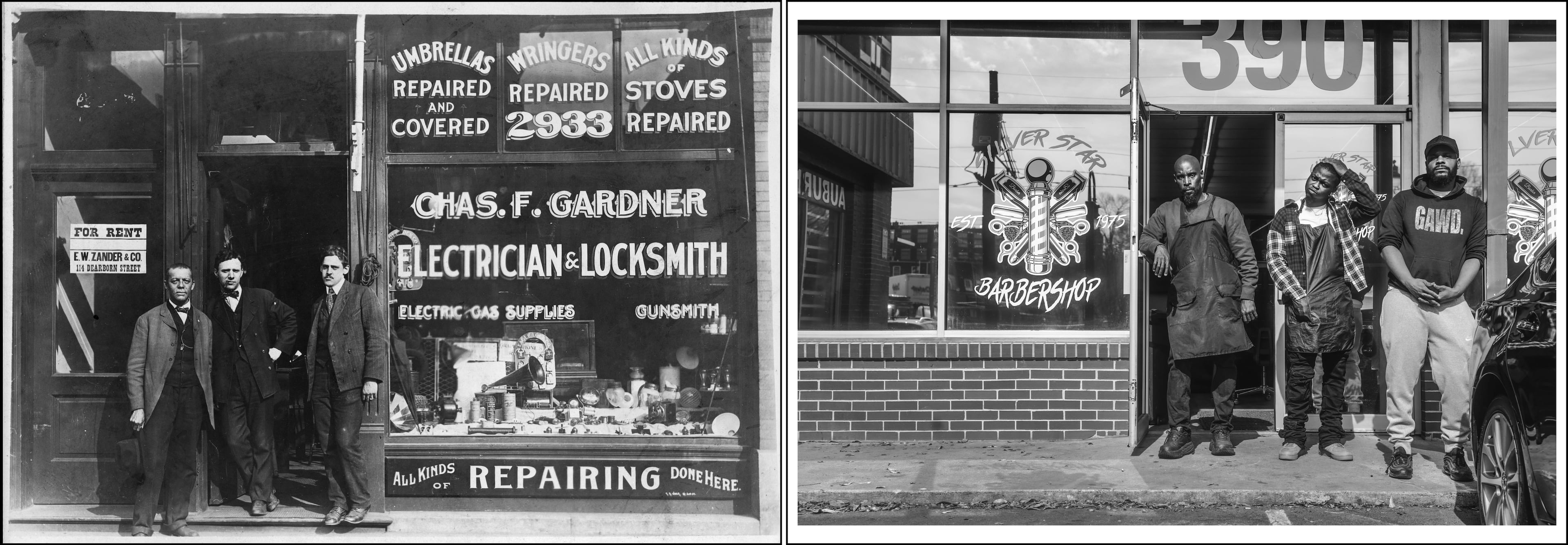
Du Bois understood that facts and photographs, rendered with precision, could dismantle caricature.
In revisiting his “Exhibit of American Negroes,” Mirtha Donastorg and photographer Natrice Miller paired modern Atlanta data with contemporary photography, answering the same question Du Bois posed more than a century ago: What does Black life look like when it is presented with clarity and intention?

The answer is clear: Black history has always included scholars and image-makers determined to affect and correct the national record.
Power, policy and the long fight
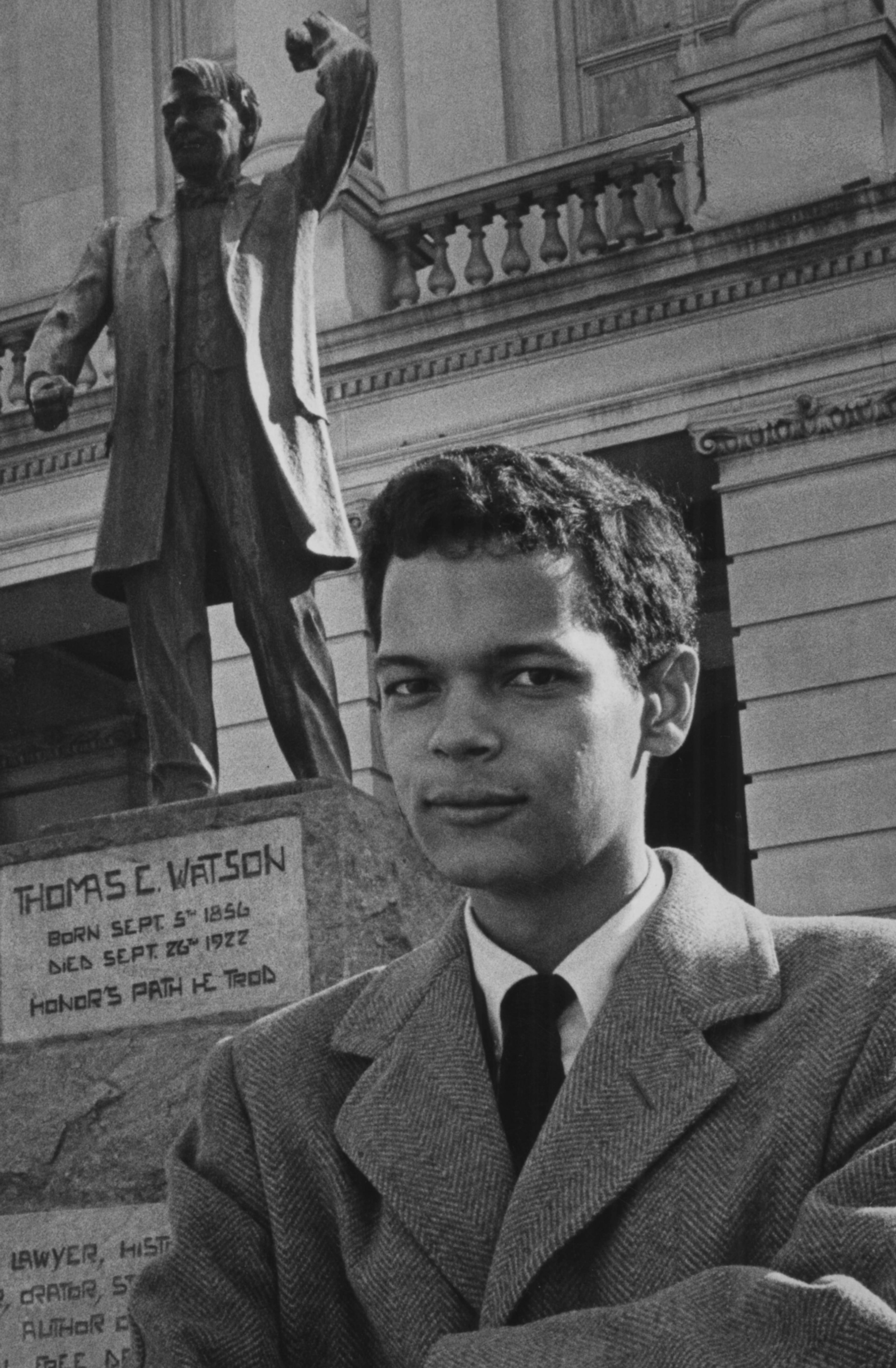
We revisited the silencing of Julian Bond, whose exclusion from the Georgia House exposed how fiercely institutions resisted Black political authority.
We returned to the 1906 Atlanta Race Massacre through the eyes of Walter White, who could have easily passed for white, but maintained his identity and eventually became executive secretary of the NAACP.
We examined reparations and how local governments are addressing the questions.

We spoke with the city’s living mayors to explore Atlanta’s minority contracting programs, shaped in the era of Maynard Jackson and now under renewed federal scrutiny.
We traced how in 1868, 33 Black men were elected to Georgia’s General Assembly in the violent aftermath of the Civil War. And how within months, white lawmakers expelled them.

We stood on the land that witnessed the Weeping Time, one of the largest slave sales in American history.
We reported on a former CDC employee placed on a “DEI Watchlist,” showing that battles over race and power are not confined to history books. They are current. And how facing that can make a difference.

The reopening of the Prince Hall Masonic Temple as part of the Martin Luther King Jr. National Historical Park also carried meaning beyond ceremony.
Soundtrack of a city
If politics formed one backbone of the series, music and the arts formed another.
We reread Langston Hughes through a new interpretation of “The Weary Blues,” exploring how poetry leans into music for a new generation.

We honored the Black women who sustained the blues in Georgia, their names less famous than their influence.
We listened to Curtis Mayfield and his 1970s-era brilliance, considering how his early soundtrack work helped turn funk into commentary.
And we profiled the historian known as NuFace, a living archive of Atlanta’s Black music lineage, proof that preservation happens not only in institutions but also in community memory.

Through the lens
Some stories were told in images, showing that photography can humanize.
We opened the AJC archives and published rarely seen photographs tracing Black life across decades.

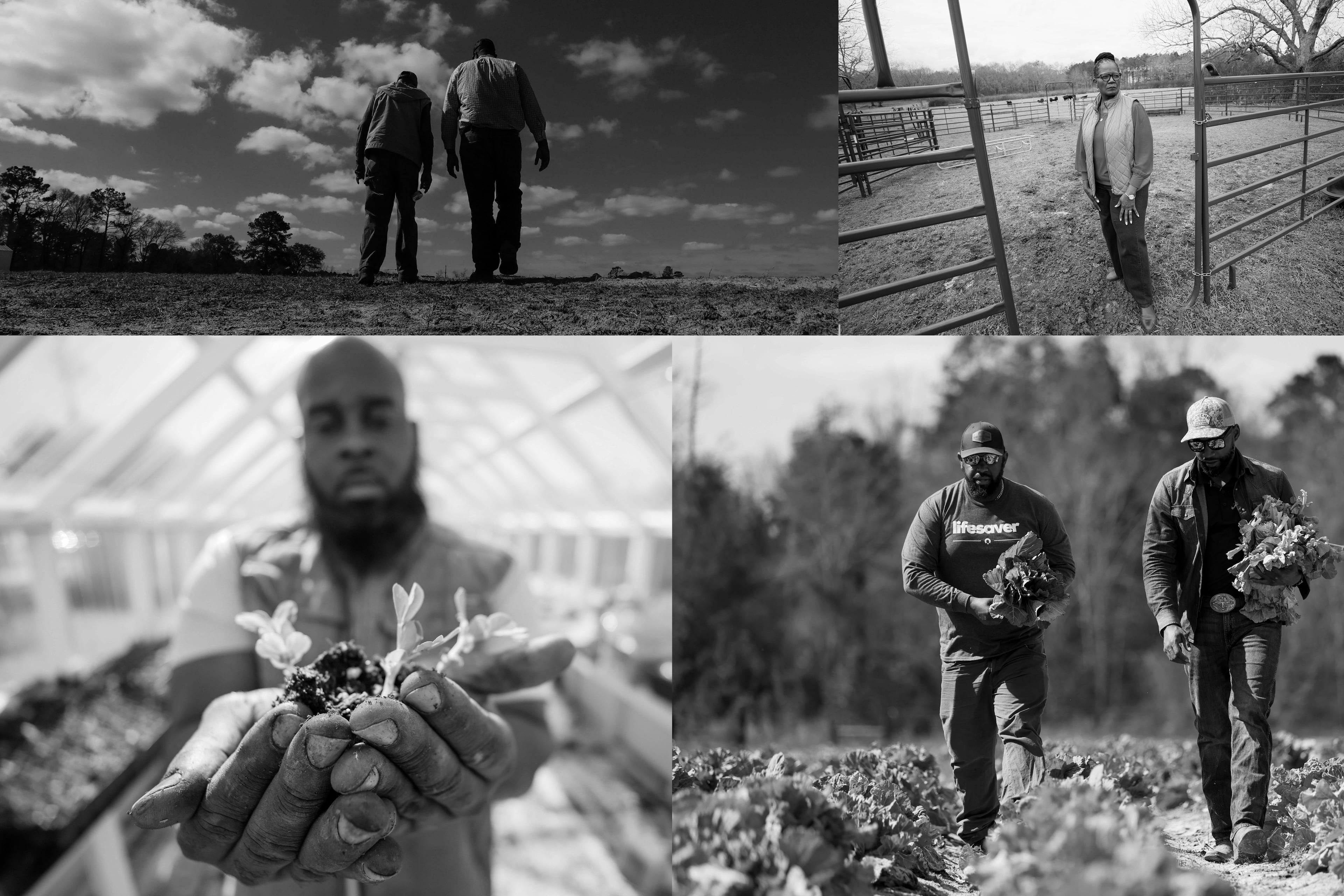
We featured Miguel Martinez’s essay on Black farmers navigating tariffs and economic pressure, the camera capturing endurance and uncertainty in equal measure.
Profiles in motion
We told stories of individuals whose lives stretch across eras.
Mozel Spriggs, founder of Spelman College’s dance department, turning 100 and is still shaping generations of Black dancers.

Art Shell, who in 1989 became the first Black head coach of the modern NFL era, a breakthrough that reshaped the league’s sideline and widened the imagination of who could lead from it.
Black female district attorneys across metro Atlanta navigate power in courtrooms long dominated by others.

The career of Harriet Powers honored with a U.S. Postal Service stamp.
Black grocers during Reconstruction planting the roots of entrepreneurship and community service.
And the silence of how stormwater runoff and sewage overflows have long plagued parts of Atlanta, especially majority Black neighborhoods near downtown.
Looking inward: When Black history becomes a mirror
Three personal essays shifted the lens inward.
Nancy Clanton offered a personal reckoning with race, Atlanta and what it means to learn Black history through the act of reporting. Her essay wrestled with proximity and responsibility, with the realization that a white woman covering a story can also expose the limits of what one thought they understood.
Brooke Howard, writing about her collection of almost 400 Barbie dolls, traced how a toy became a family archive — shaping her sense of girlhood and echoing through the hopes and aspirations of the Black women in her family.

AJ Willingham wrote about how Black gospel music transformed her white life. Through artists such as Marvin Sapp and Mary Mary, she traced a spiritual and cultural education that forced her to consider what it means to receive something born of struggle and faith that is not her own.
These first-person essays expanded the series in a necessary direction. They examined how Black history shapes not only Black communities but the people who move alongside them.
In a year marking a century of Black History Month, that introspection felt essential.
A seat in the sky
One story flew on its own.
As Delta marked its 100th anniversary, we told the story of its first two Black flight attendants. It was a story of barrier-breaking Black women told by barrier-breaking Black women.
More than a million people watched Najja Parker’s video of Nedra Rhone’s story on Phenola Culbreath and Patricia Grace Murphy, who opened doors in the sky.
The ongoing story
Carter G. Woodson saw Black History Week in 1926 as a corrective — a refusal to let the American story be told without Black people at its center.
One hundred years later, that work continues.
This 11th year of our series extended that conversation. It was accountability, art, policy, music, sports and urgency. It looked back with clarity and forward with intention.
If the first days of the month established scale, the final days underscored that Black history in Atlanta does not live only in February.
It is the through line.
And we will keep tracing it.
This year’s AJC Black History Month series marked the 100th anniversary of the national observance of Black history and the 11th year the project has examined the role African Americans played in building Atlanta and shaping American culture. Get a recap of the entire series, as well as 11 years of archival stories at ajc.com/news/atlanta-black-history.
About the Author
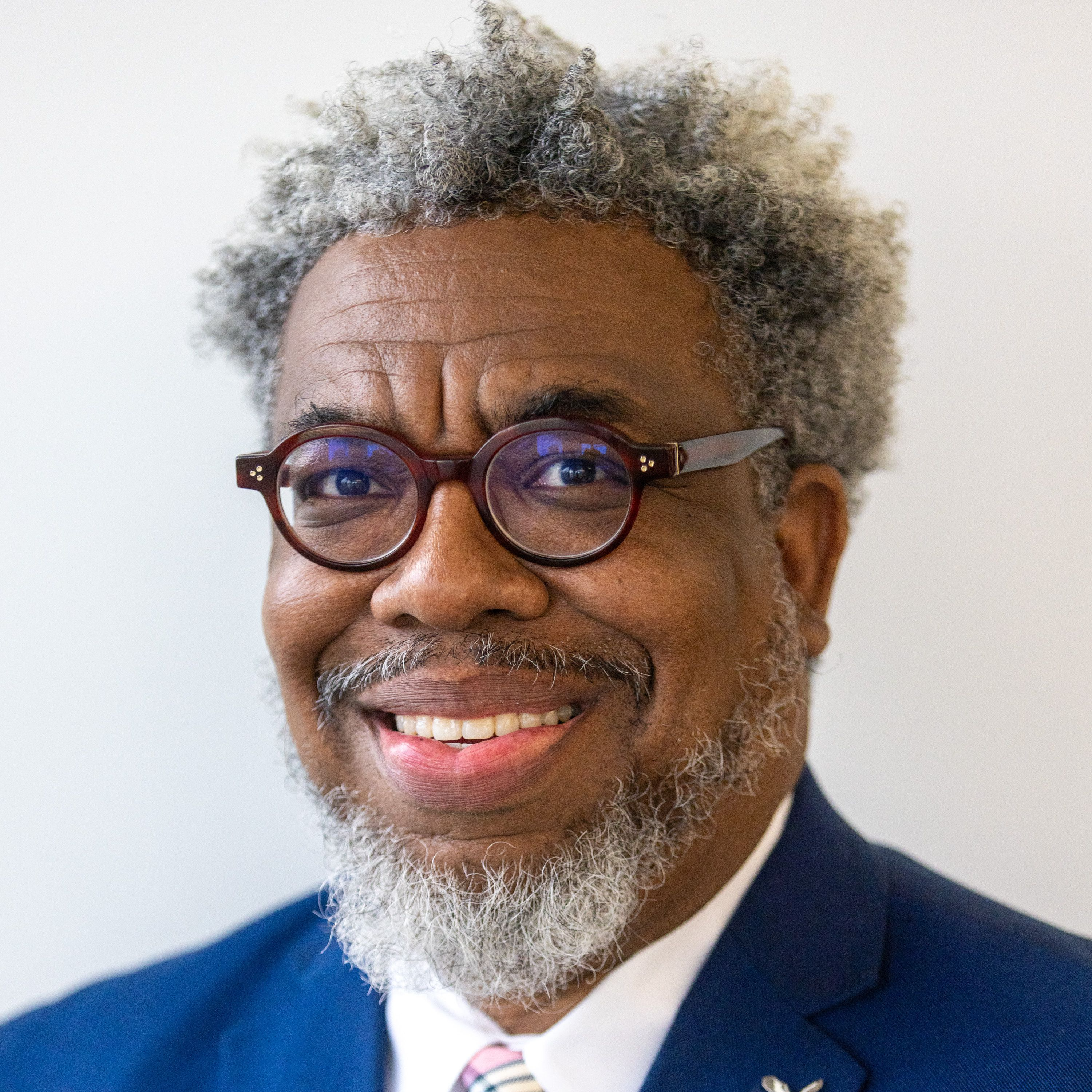
Ernie Suggs is an enterprise reporter covering race and culture for the AJC since 1997. A 1990 graduate of N.C. Central University and a 2009 Harvard University Nieman Fellow, he is also the former vice president of the National Association of Black Journalists. His obsession with Prince, Spike Lee movies, Hamilton and the New York Yankees is odd.