
Aniaba N’guessan came to Morehouse unsure. Now he’s a Rhodes scholar.
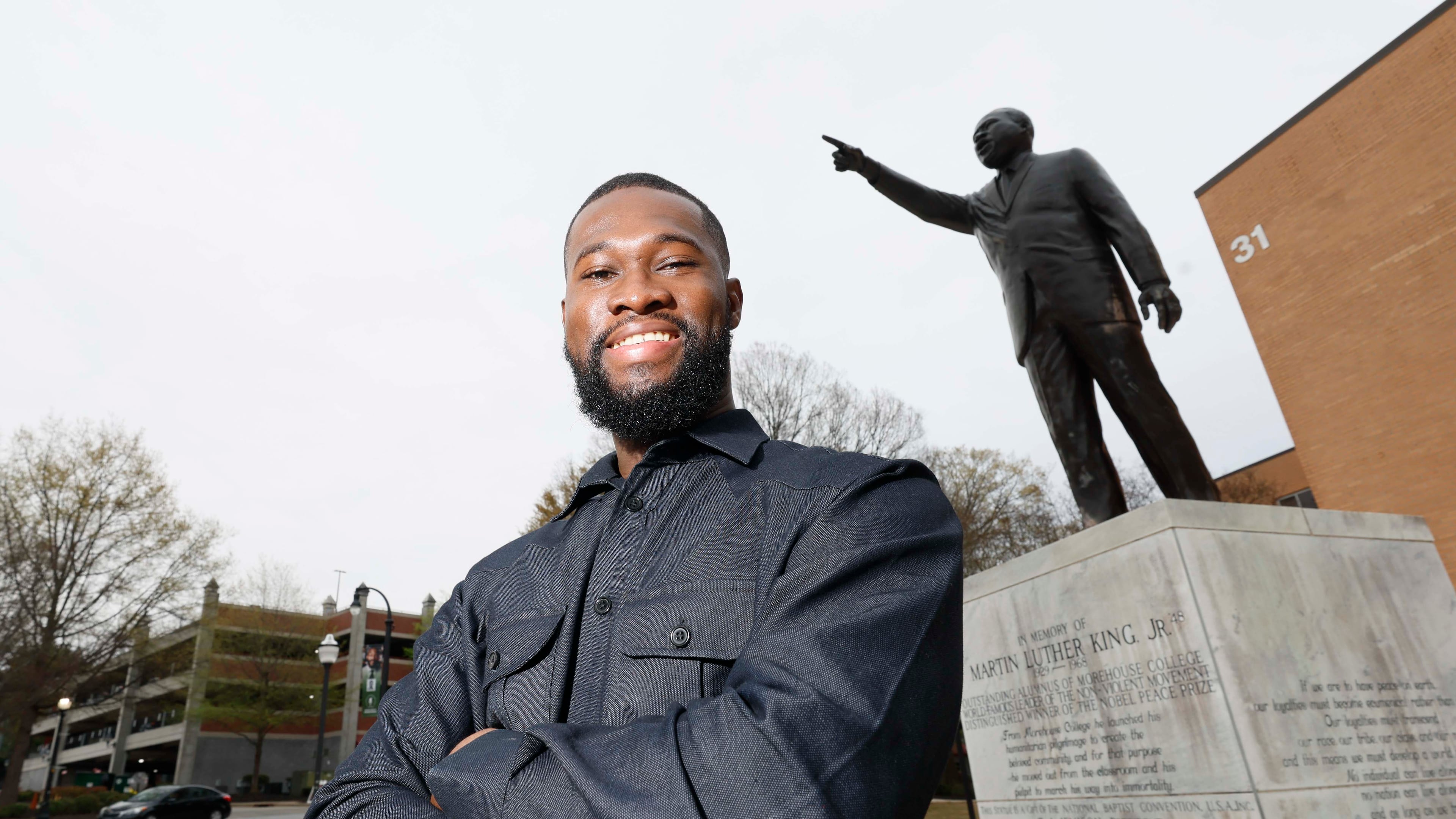
Aniaba Jean-Baptiste N’guessan arrived at Morehouse College in 2021, stepping into an unfamiliar world.
He came from Abidjan, Côte d’Ivoire, by way of Johannesburg, South Africa, for his first experience in the United States — at a historically Black college.
The transition was daunting and the expectations unclear.
“I was very unsure about how I would fit in as an African student at an HBCU,” he said.
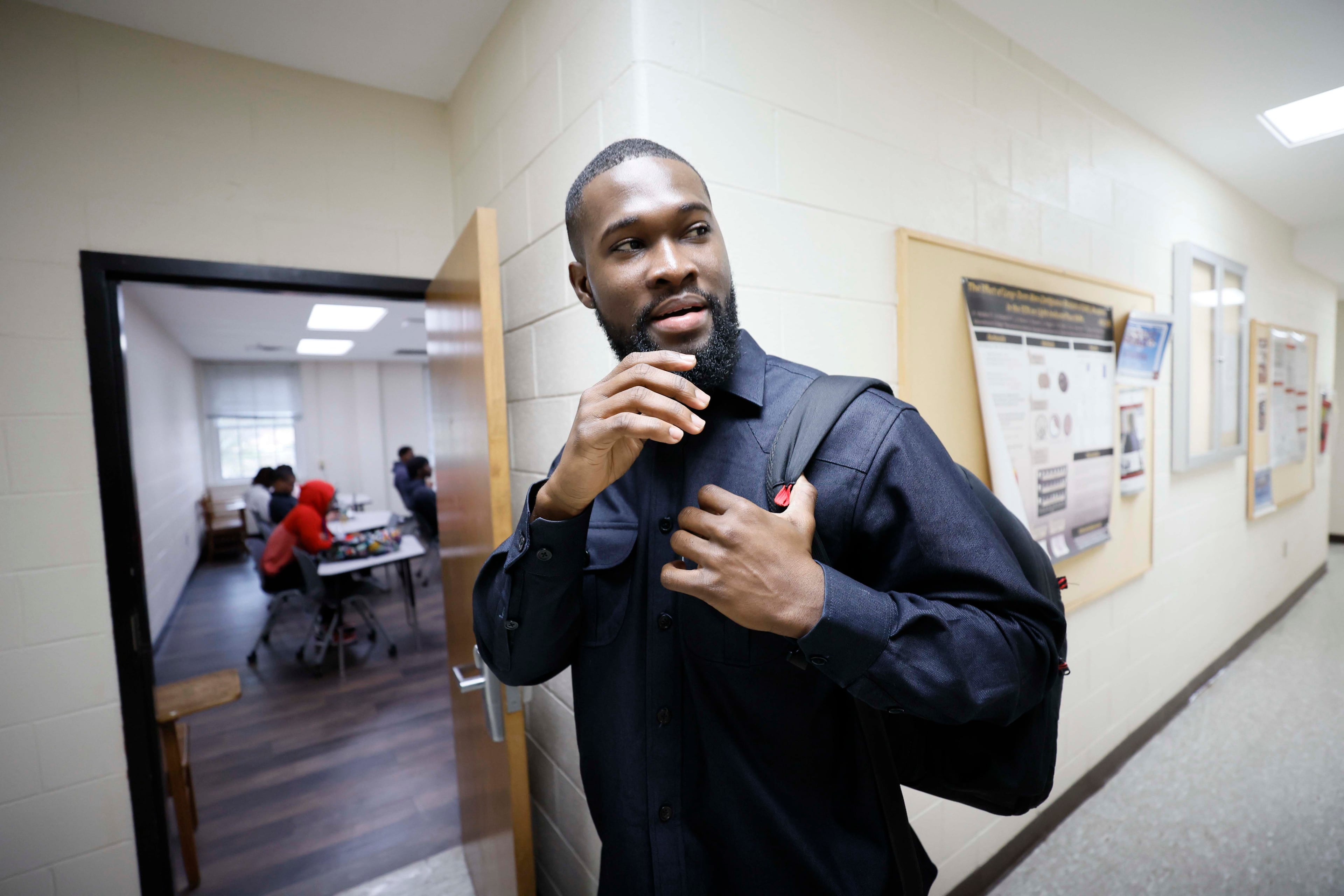
By all accounts, he has done just fine.
Now a senior, N’guessan has flourished on campus and is one of three 2026 Rhodes scholars representing the West Africa constituency — an honor that will take him to the University of Oxford to pursue graduate studies in economics.
Established in 1902, the Rhodes scholarship is widely considered the world’s most prestigious international postgraduate award. Its recipients have included Bill Clinton, Pete Buttigieg and Kris Kristofferson.
In 1907, Alain Locke — later known as the “Dean” of the Harlem Renaissance — became the first Rhodes scholar of African descent, followed by figures such as Susan Rice, Cory Booker and Wes Moore.
N’guessan is one of just 108 students worldwide selected for the 2026 class. He is the sixth student from Morehouse to receive the honor, the only student selected from Georgia this year.
“His selection as a Rhodes scholar is another profound testament to his tireless dedication and intellectual caliber,” said Morehouse President F. DuBois Bowman.
N’guessan’s journey was no accident but the product of years of preparation, guided by parents and mentors who saw his potential and shaped as much by uncertainty as achievement.
“A huge part of my story has always been second chances,” he said.
A foundation of faith and sacrifice
The oldest of four, N’guessan was born and raised in a religious household in Abidjan.
His early life was shaped by discipline, hard work, faith and what his father, Koffi Guillaume N’guessan, an administrator at the country’s sports academy, described as quiet achievement.
“Early on, I learned my value cannot be placed in achievements,” N’guessan said. “There are times when things don’t work out, but that doesn’t mean you’re not valuable.”

N’guessan always wanted to study abroad, and at 16, he left home for the first time to attend school nearly 3,000 miles away at the African Leadership Academy in Johannesburg, an institution focused on developing future African leaders.
There, a visit from Morehouse’s Oprah Winfrey Scholars introduced him to Morehouse and Black colleges.
“I hadn’t heard about HBCUs before,” he said. “I was really fascinated and started to dig more into it.”
He quickly abandoned plans to study medicine in Europe or Asia and set his sights on economics and business in the United States.
After receiving a $25,000 partial Oprah Winfrey Scholarship to attend Morehouse, N’guessan spent a gap year securing additional funding — even as his classmates left for college.
He applied for scholarships, worked and started a business. His parents urged him to consider a backup plan.
“I put all my eggs in one basket,” he said. “I wanted to go to Morehouse.”

As his plans began to take shape, his father saw opportunity and something deeply personal. He had always wanted to study in the United States but couldn’t afford it.
“I see him as fulfilling my dream. What was impossible for me has become possible for him,” said his father, Koffi Guillaume N’guessan. “And I was happy because Martin Luther King Jr. had been a student at Morehouse. I thought, this may be a good college for you.”
Finding his footing at Morehouse
A triple major in economics, mathematics and computer science, N’guessan built a résumé that extended well beyond campus. He conducted research at Stanford University on artificial intelligence and economic development, developed computational models at Emory University and explored African political economy.
He also served two terms as president of the Morehouse International Students Organization, where he supported a small but diverse group of students navigating many of the same challenges he once faced.
Outside the classroom, he started a ping-pong club, plays basketball and, as a classically trained pianist, still finds time to sit at the keys.
Big man on campus
Even on a campus like Morehouse, stacked with exceptional students, N’guessan stands out. Standing over six feet, he could pass as a model or football player. His smile is easy, and his laugh is hearty.
And he is clearly a leader.
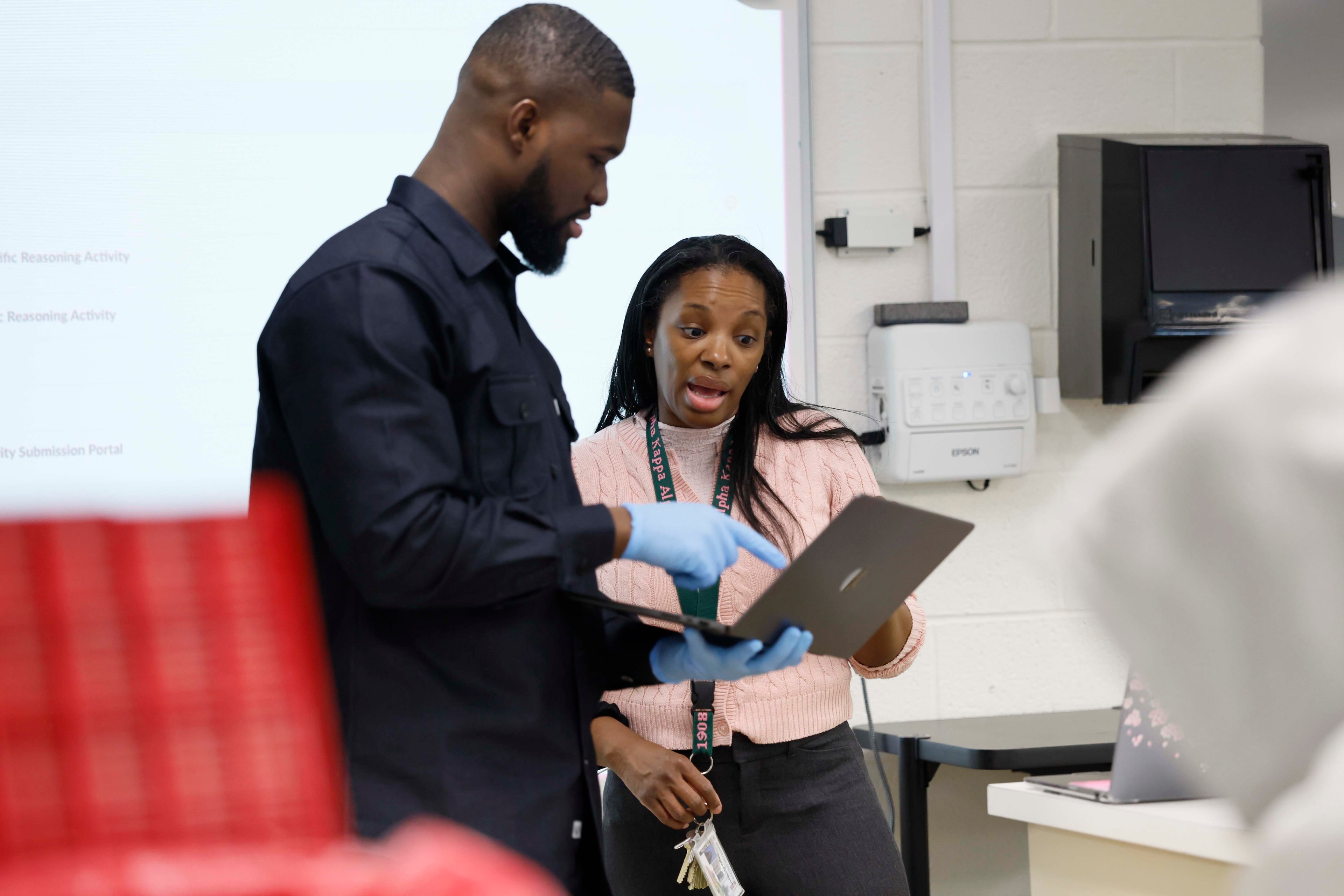
Recently in Dwann Davenport’s molecular biology lab, he led a group of three other students in testing whether artificial intelligence could correctly replicate an experiment they designed.
While the rest of the class worked to complete the assignment, N’guessan’s team had already finished — a week early.
He spent the extra time not talking about himself but praising one of his lab partners, Kenyan runner Brian Kemei, the SIAC’s reigning 10,000-meter cross-country champion.
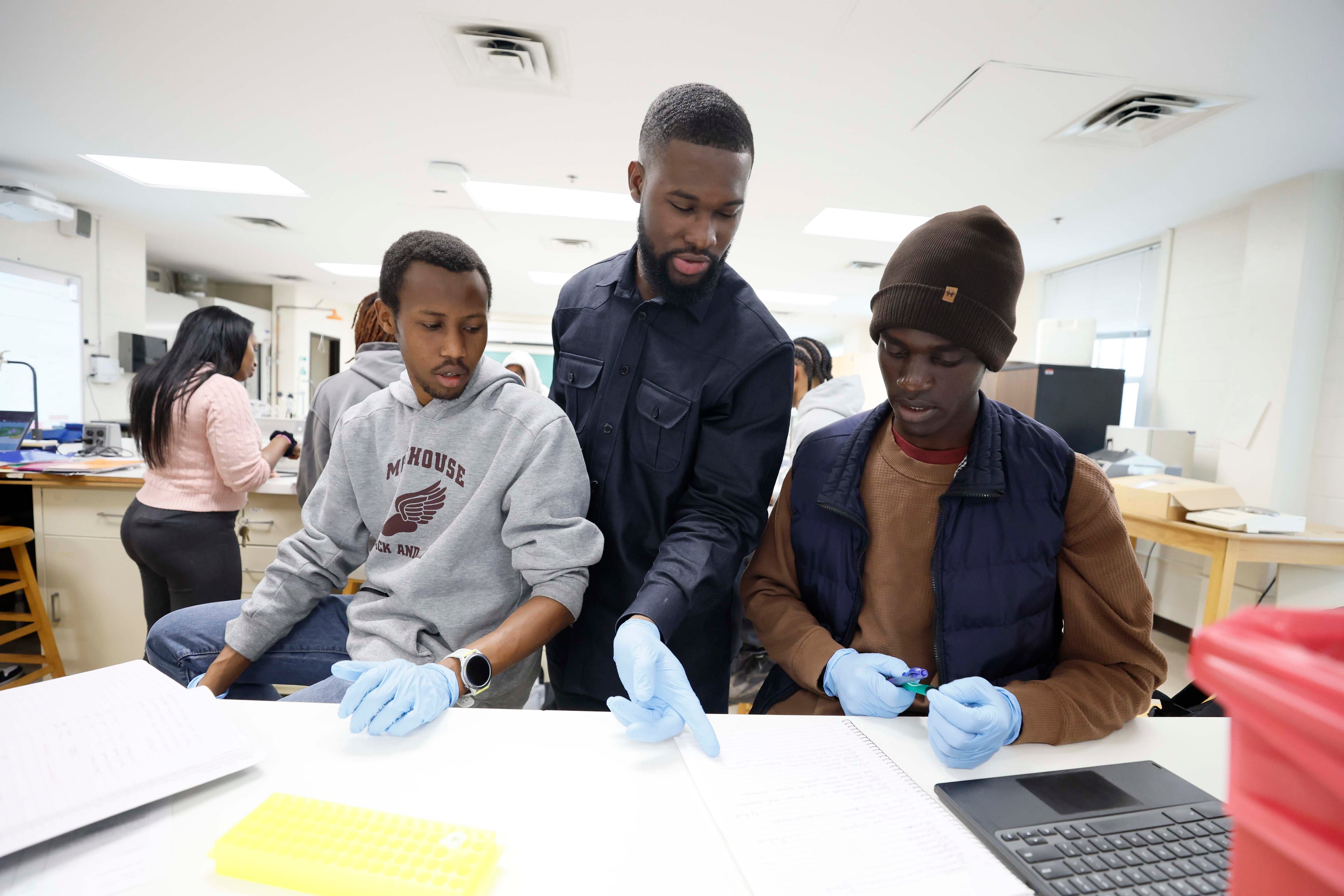
“He’s always caring about his friends,” said Jordan Noeuku, his best friend and a fellow Morehouse student. “Even if he doesn’t have the means.”
During his junior year, when Noeuku faced financial hardship, N’guessan helped find scholarships to keep him in school.
“He’s impacted my life in ways you wouldn’t imagine,” Noeuku said. “I’m glad he’s in my life and that I’m in his.”
When Professor Davenport resumes her lecture, N’guessan turns his attention back to the front of the room. He pulls a small pouch from his backpack, searching for something to write with, then pauses on his Bible.
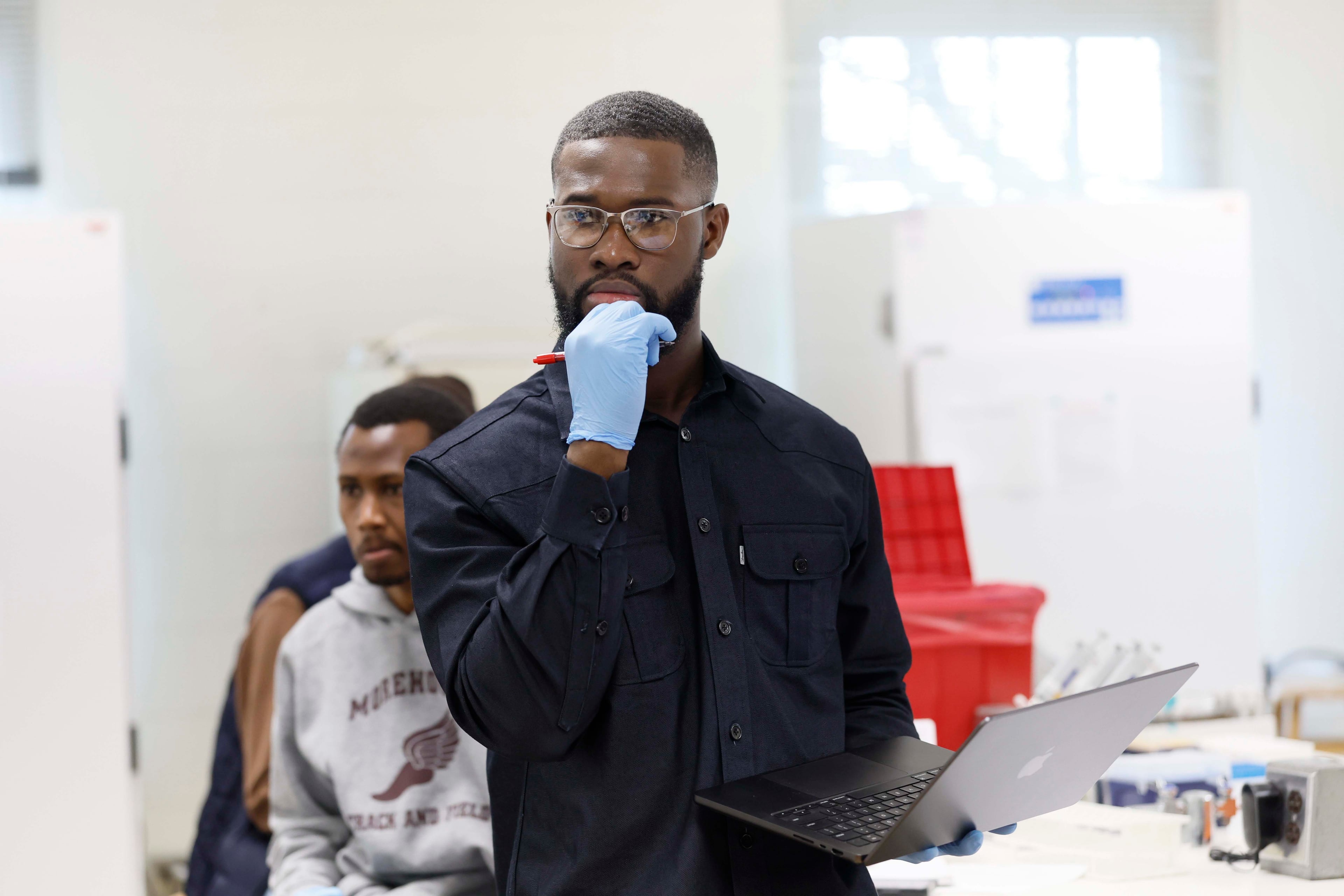
“I take it with me wherever I go. Every decision I make, I bring to God first,” he said. “Being away from my homeland, faith has been something that anchors me daily.”
He is a member of Friendship Baptist Church, the historic Atlanta congregation that housed what would become Morehouse College after the school moved from Augusta in 1879.
It was there that he came to the attention of Michael Green, a youth leader who would later write one of his recommendation letters for the Rhodes scholarship.
“I had no hesitation,” said Green, who drove N’guessan to the airport for his Rhodes interview in Nigeria with luggage purchased by the church. “I had seen him in action. You never know who’s watching, and I’ve watched him closely.”
The making of a candidate
The idea of the Rhodes scholarship did not take hold immediately. N’guessan saw references to previous Morehouse recipients, but it felt more like institutional pride than a personal possibility.
“I never understood what that meant,” he said.
That began to shift during his sophomore and junior years, when he came onto the radar of English professor Leah Creque, Morehouse’s institutional representative to the Rhodes Trust.
“I’ve known (N’guessan) for quite some time,” Creque said. “I always told him he should apply.”
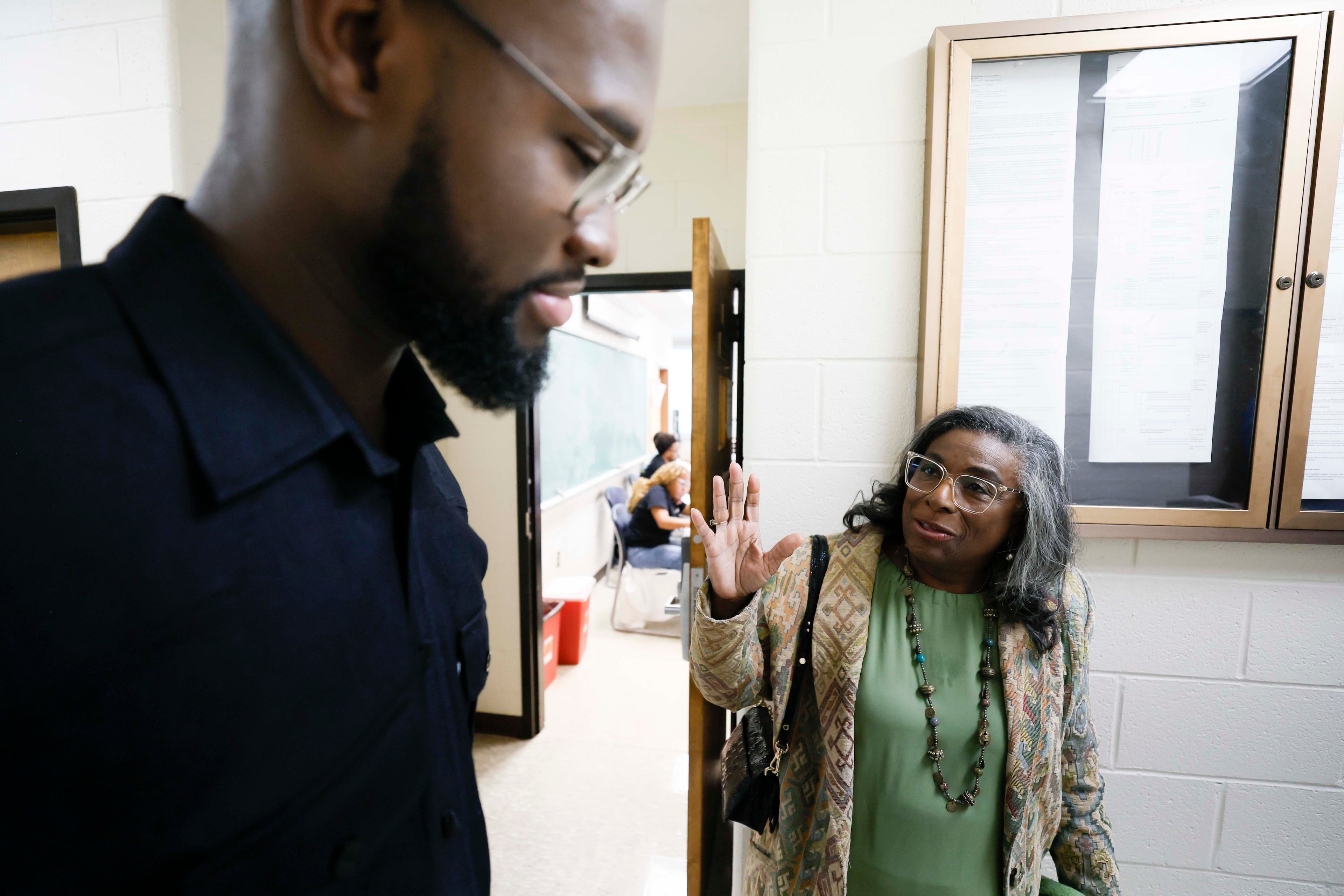
She worked with him through academic programming, public speaking opportunities and fellowship advising, helping him shape a narrative of purpose.
“You can’t just wake up one day and apply. The application has to reflect who you are and what you’ve done,” Creque said. “His goal wasn’t just to be a Rhodes scholar. It was to have an impact, and that’s what’s beautiful about him.”
Big risks
But the full Rhodes application process introduced significant uncertainty.
Although he is a student at Morehouse, Rhodes scholarships are awarded by regions and N’guessan competed against candidates from across West Africa. To reach the final round, N’guessan had to travel to Nigeria in the middle of the semester, risking complications with his F-1 visa, which allows international students to study full-time in the United States.
Because F-1 visas are issued through U.S. embassies or consulates abroad, students whose visas have expired must be approved again before they can return to the country.
That created a significant risk: N’guessan could leave the United States to compete for the Rhodes scholarship, but to come back, he would have to renew his visa overseas.
That uncertainty was also unfolding at a time of heightened immigration scrutiny for international students in the United States, particularly those from Africa.
“I tried to discourage him because it was a problem,” his father said. “All the friends we asked said it would be better for him not to go. To take that risk — I was doubtful.”
N’guessan mentioned his fears to junior Miles Finley, who is also a member of the international organization on campus.
Finley called his mother, Allana Foster-Finley, a global mobility specialist and owner of Visa Diva Global in Johannesburg who has been helping clients navigate difficult visa processes for more than 25 years.
“This is a very nuanced time in our immigration journey, and F-1 visas for Pan-African students were being caught up,” Foster-Finley said.
N’guessan and Foster-Finley, who had never met, spoke almost daily. She guided him through the process — helping him complete paperwork, manage correspondence and, through WhatsApp, held his hand at every step — while also preparing him for interviews, connecting him with additional support and securing an expedited appointment.
“At 54, I knew I had to be a part of this,” she said. “This was one of those moments. But the real moment for me was when he called and said, ‘I got it.’ I still get goosebumps.”
Waiting, gospel and silence
When the finalists gathered in a Nigerian hotel awaiting the announcement, the tension in the ballroom was palpable. At one point, as the delay stretched on, N’guessan tried to ease the moment.
“I started playing some good gospel,” he said. “We were all dancing and rejoicing in the lobby.”
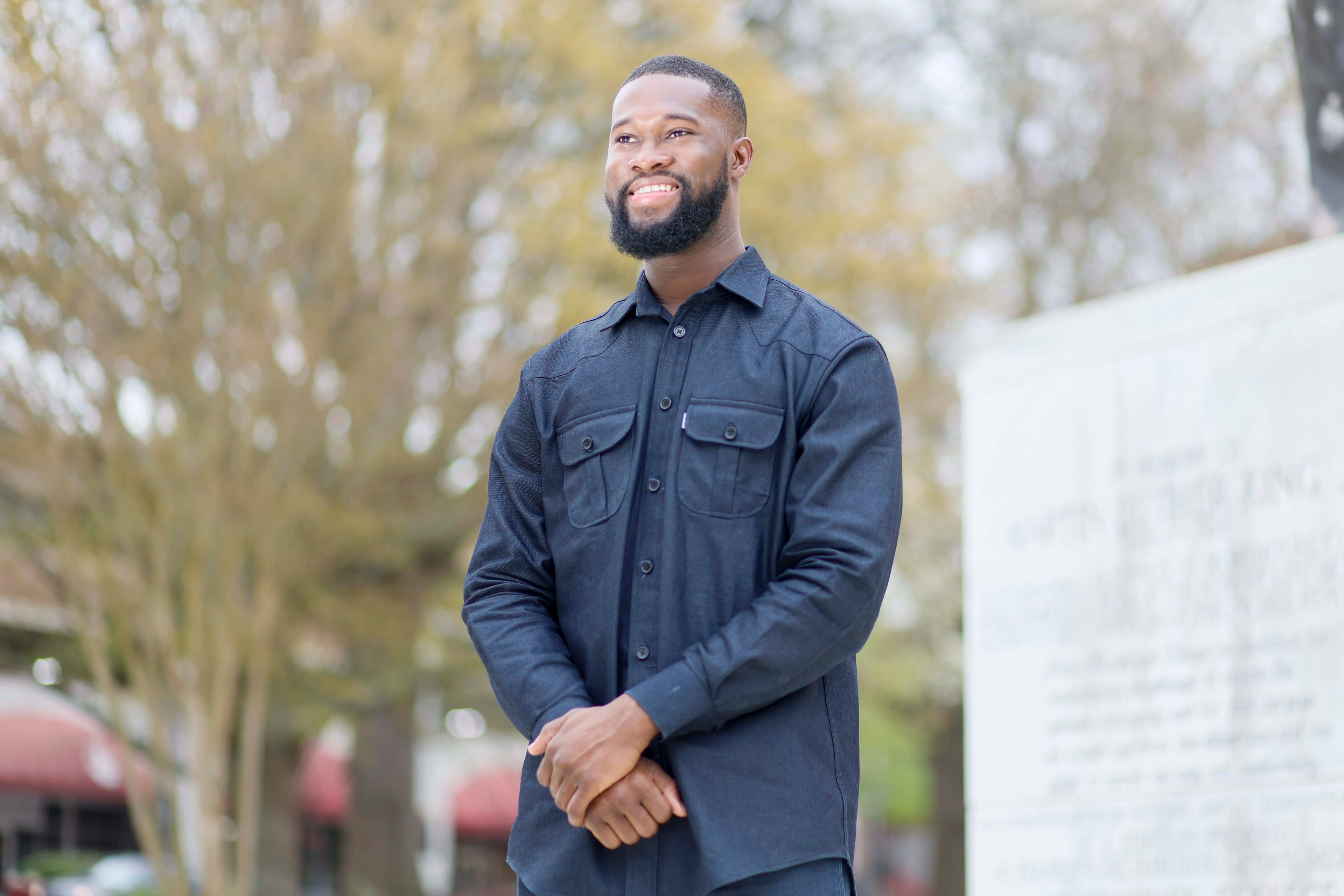
Then it was silence as the judges entered. N’guessan was the second of only three names called. For the first time in his life, a person who had always been among the smartest in the room had nothing to say.
“My mind went blank. I couldn’t process in real time what was happening,” N’guessan said. “It took me maybe until the next day to realize that this was actually happening.”
As he began to settle into the moment, N’guessan began to see the honor as a reflection of the people who helped carry him there.
“It definitely took a village to get me here, and I appreciate and respect that,” he said. “That is something I try to pass on to others. When I talk to young people, I try to help them realize that their value and pride should come from love and family. Those are the things that last.”
Carrying the village
In the weeks since, N’guessan has come to see the scholarship not simply as a personal achievement but as a reflection of a broader network that spans continents.
“There’s power in community across the seas,” he said.
For now, his focus remains on finishing what he started at Morehouse — leading, completing his coursework and preparing to graduate in May — while looking ahead to a future shaped by research and entrepreneurship connecting Africa and the United States, particularly in education and technology.
Looking ahead, Creque, his campus Rhodes adviser, sees a future that extends well beyond Oxford.
“He will innovate,” she said. “He will look at the world’s toughest problems and develop solutions — in technology, entrepreneurship and the global economy. He’s going to be a major player.”
About the Author
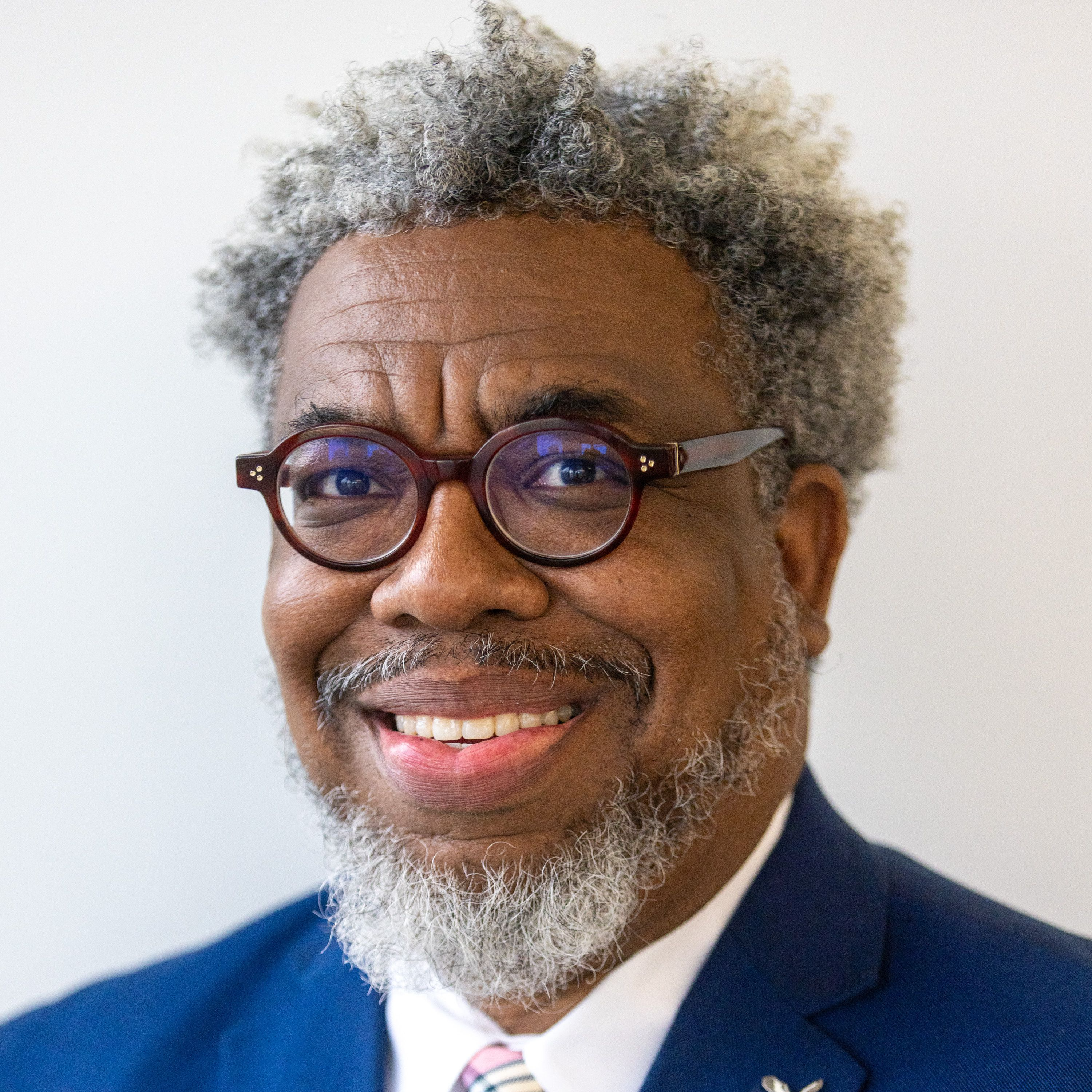
Ernie Suggs is an enterprise reporter covering race and culture for the AJC since 1997. A 1990 graduate of N.C. Central University and a 2009 Harvard University Nieman Fellow, he is also the former vice president of the National Association of Black Journalists. His obsession with Prince, Spike Lee movies, Hamilton and the New York Yankees is odd.