
MLK’s granddaughter praises debutante ball for embracing Black girls’ diversity
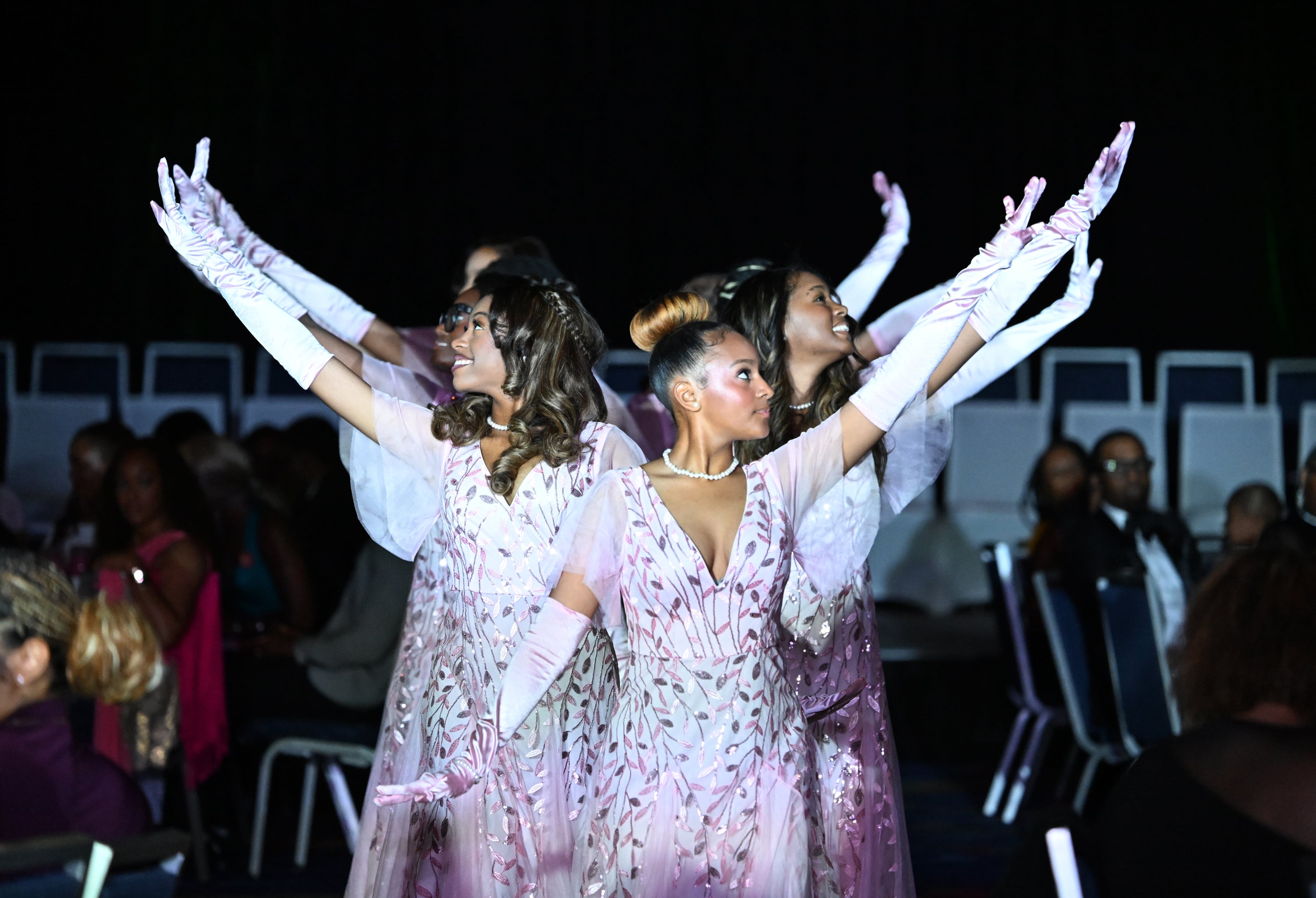
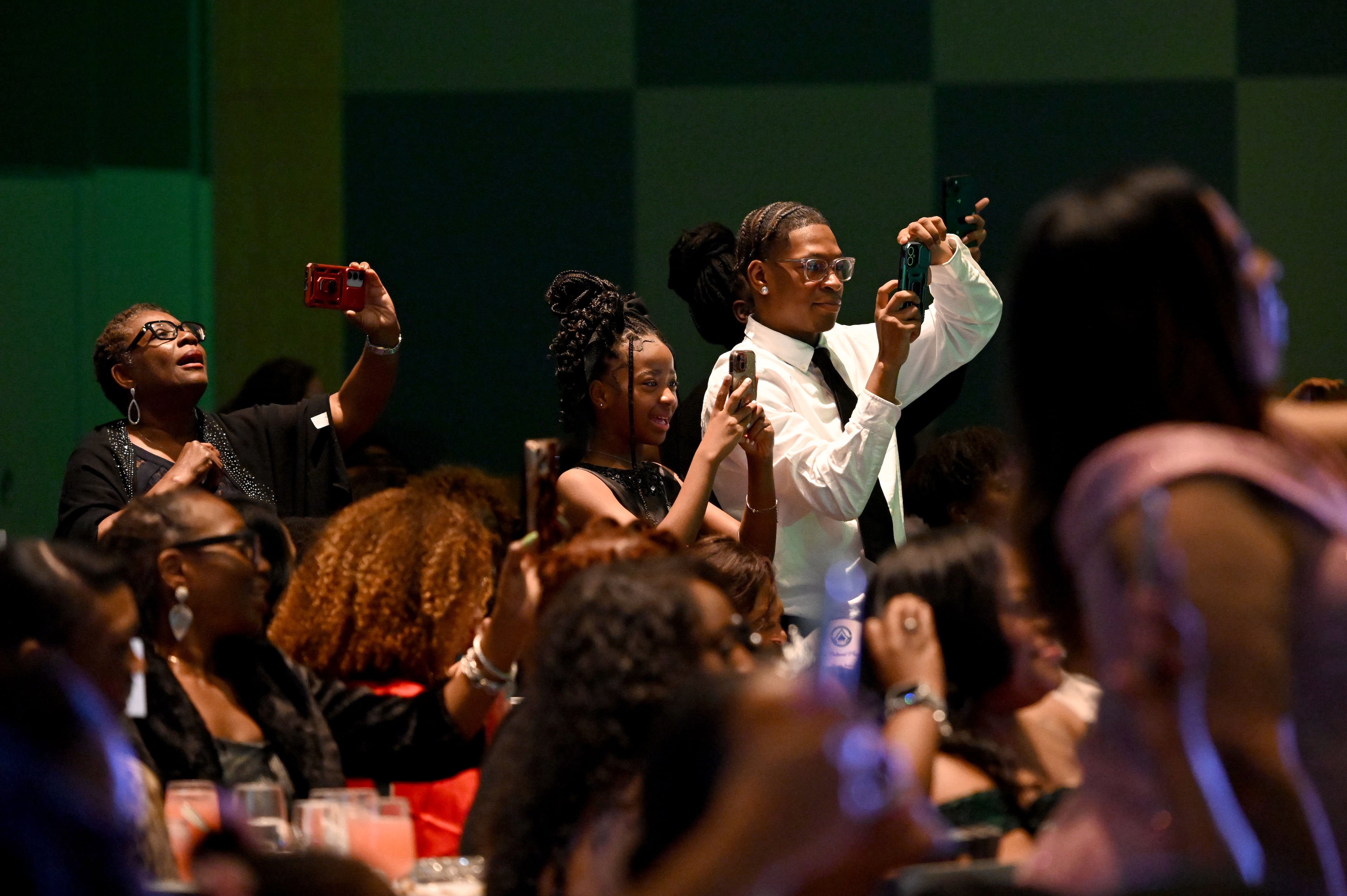
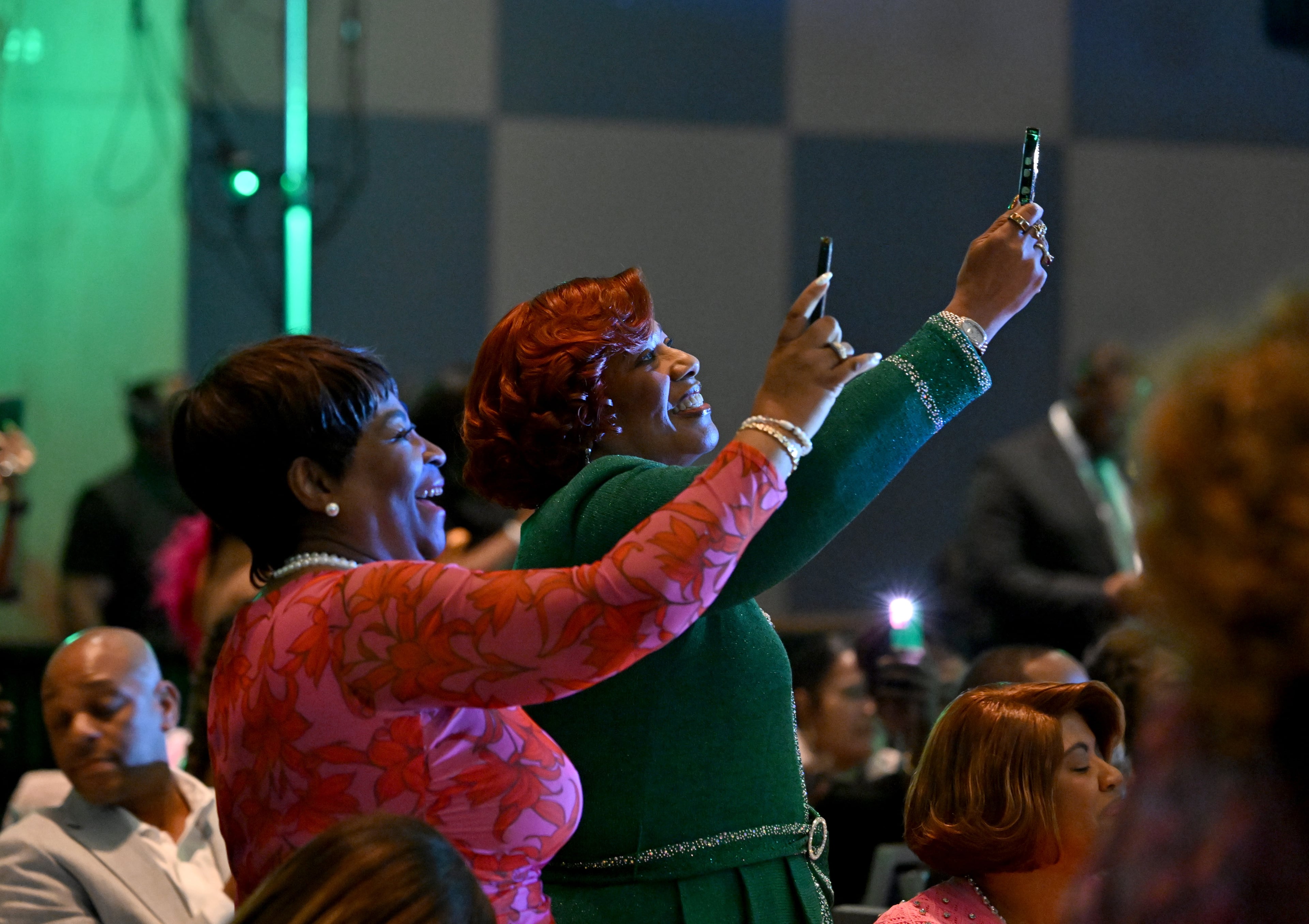
Young women in matching pink dresses floated into the hall at the Georgia International Convention Center, setting the tone of Sunday evening. The hall was decked out for a formal event with dining tables, a dance floor and two rows of seating propped up on a stage. Hundreds of men and women swathed in tuxedos and draped in gowns paraded through.
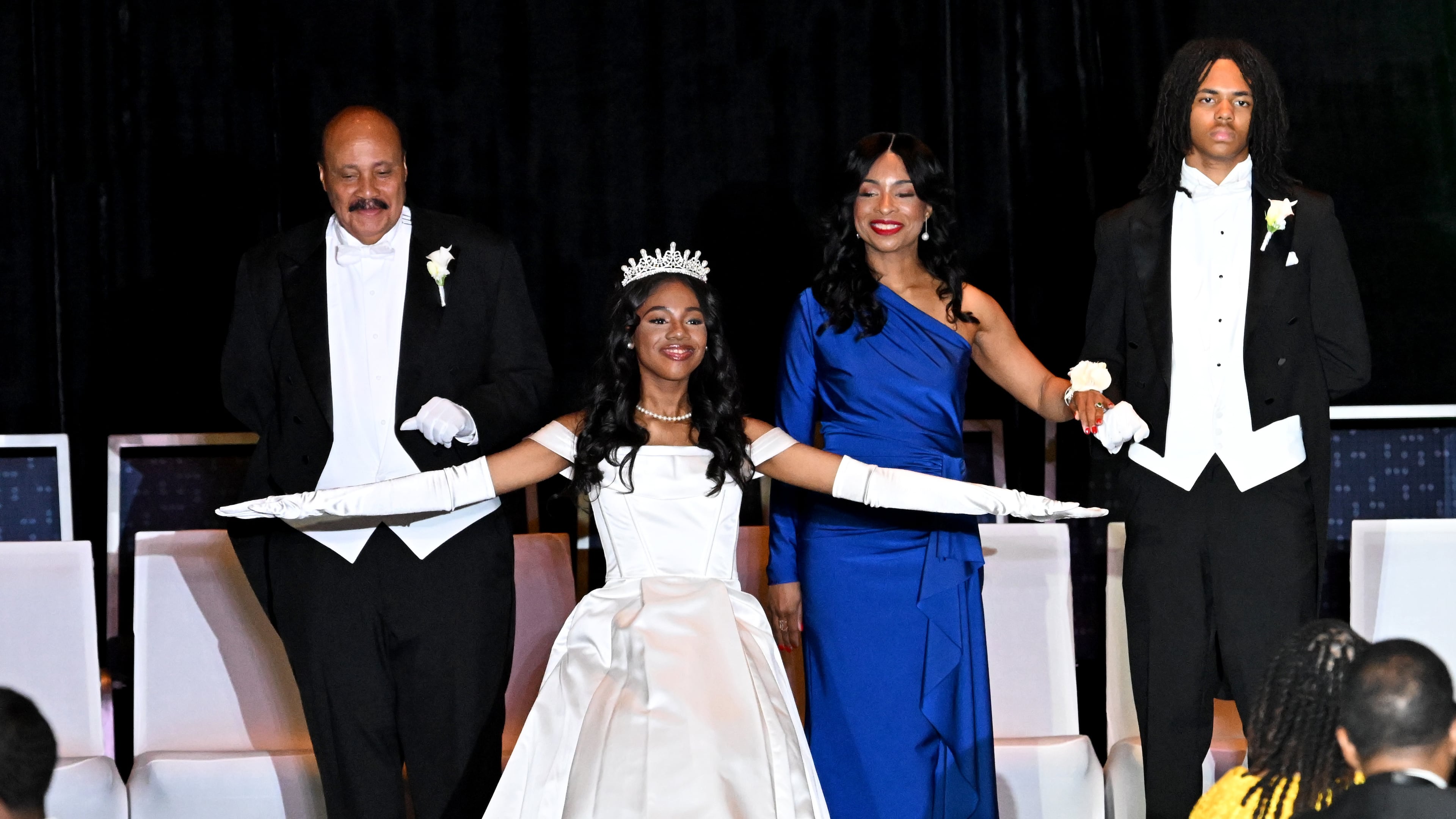
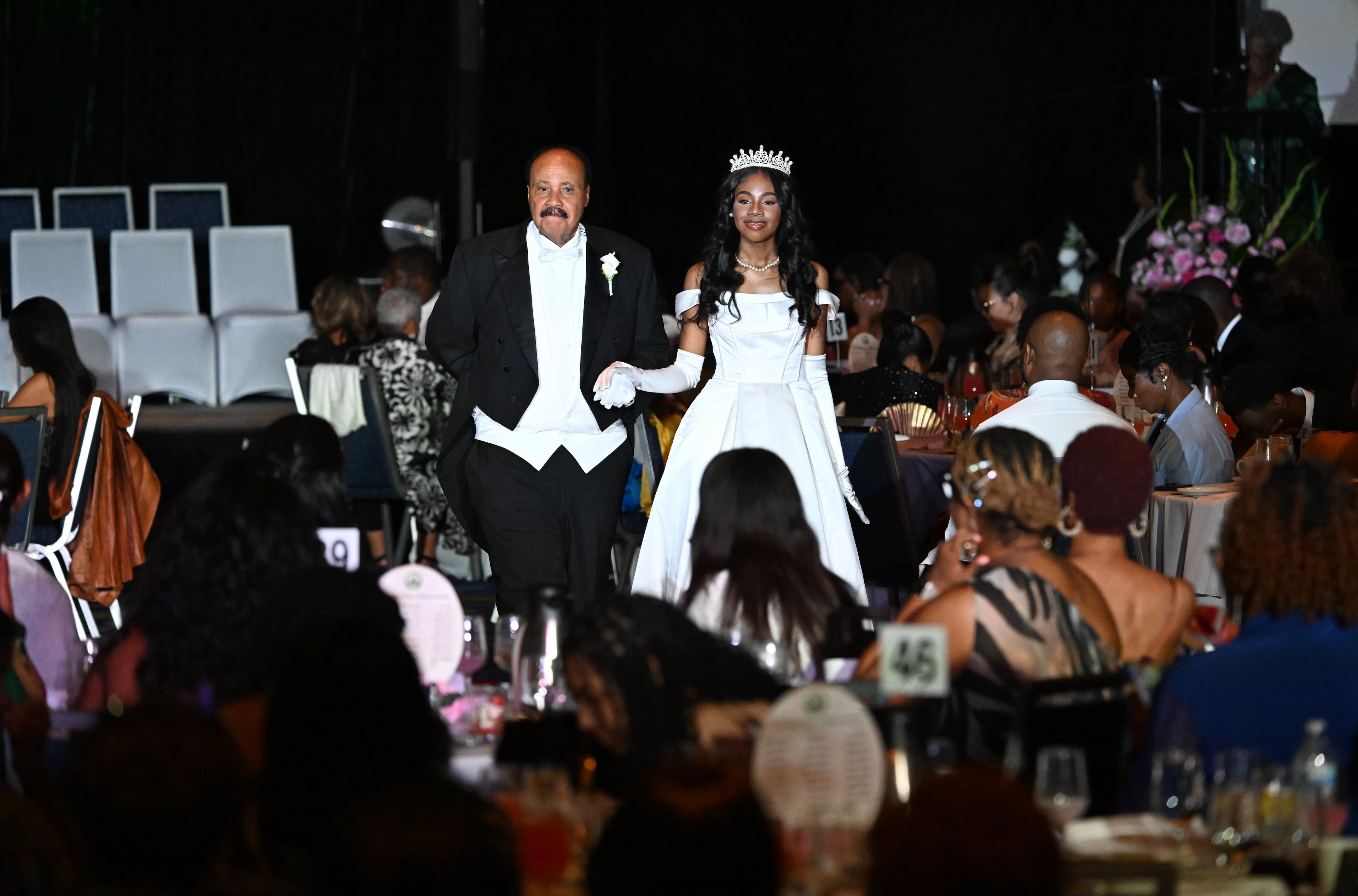
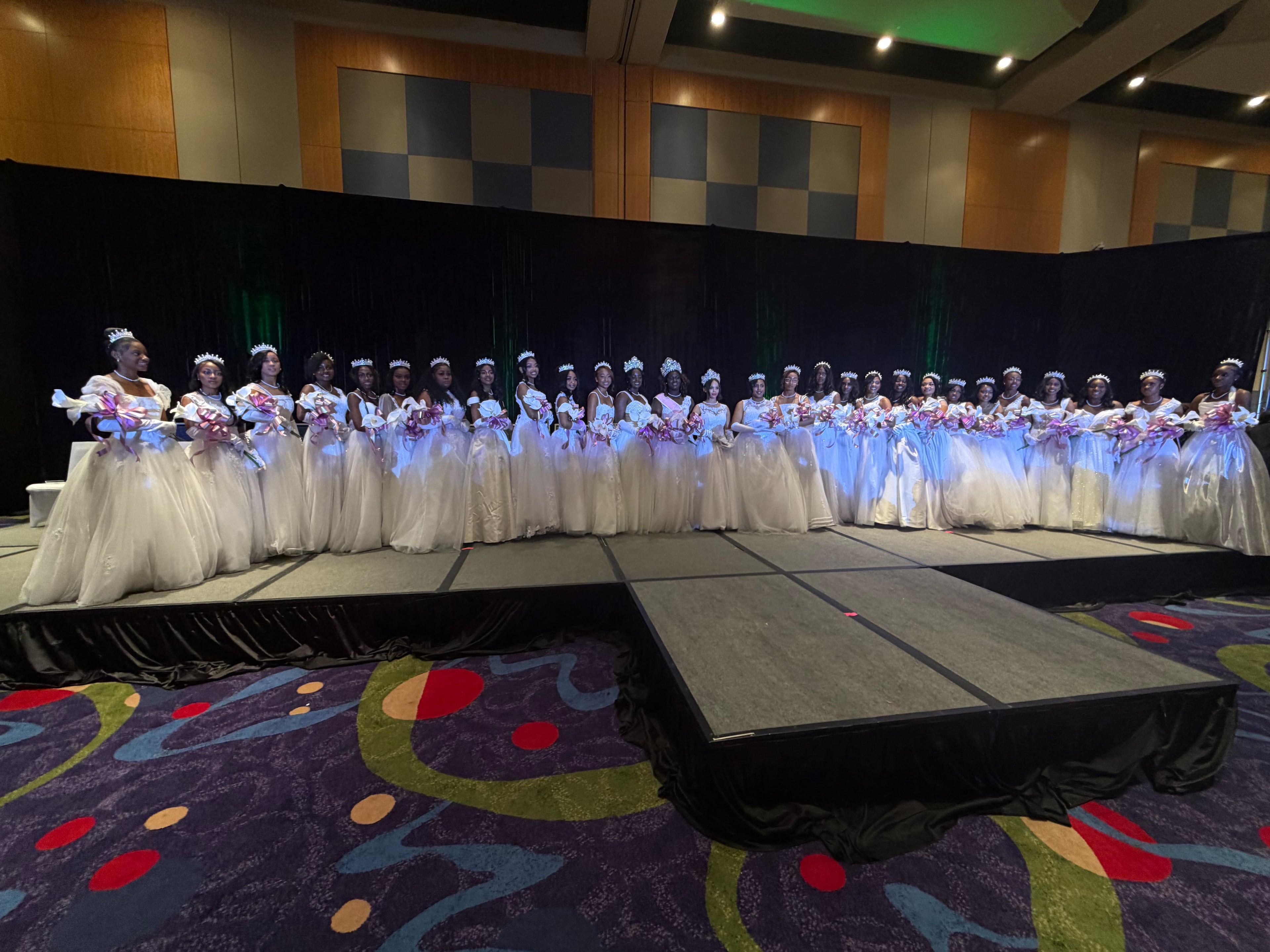
Just after guests were served a full-course meal, 28 young women in individually chosen white gowns led a procession into the hall: debutantes. They were the main attraction after pre-debutantes — high school juniors — left the room. Families were fully prepared to celebrate their daughters matriculating into adulthood in the most visually extravagant way possible.
Also referred to as cotillions, debutante balls are known for their elegance and status within Black communities, and the Pink Cultured Pearls Cotillion on Sunday upheld the standard.
Though debutante balls have been subjected to criticism about classism within the Black community, participating in one has become a rite of passage for some girls and young women to showcase their accomplishments. Typically held in the spring, they’re hosted by a variety of organizations, churches, sororities and fraternities.
“It is a way for young people to experience the formalities of the culture,” said former Atlanta Mayor Shirley Franklin, who was at Sunday’s Pink Cultured Pearls Cotillion and at one time a debutante.
“This is the opportunity for them to participate, and they spend time together, preparing for leadership, for community engagement,” Franklin said.
Even for a family as prominent as the Kings, becoming a debutante was a marker of “growth and transition.”
“It felt like a way to step into this next chapter with intention,” said debutante Yolanda Renee King, the only grandchild of Martin Luther King Jr. and Coretta Scott King.
Though rooted in the Black-American custom of pageantry, cotillions increased in popularity during the first half of the 20th century when Black families wanted to display their success despite the oppression of Jim Crow.
“You start to see more Black folks with wealth through the 1920s,” said Brooke Thomas, a Spelman College 2013 graduate and assistant professor in African American Studies at the University of Alabama. “By the Second World War, I think you got a more robust Black middle class, a more robust group of folks with wealth who want to — not so much show off their daughters in terms of show off their wealth — but also as a way of achievement.”
Thomas explained that as more Black people went to college, they utilized debutante balls as a networking opportunity. Black families were less concerned about presenting their daughters to eligible suitors, but more as an indication in the “success of child rearing.”
Participating in a cotillion became a subtle act of defiance in the midst of racial segregation and oppression.
However, Thomas did note that the act of defiance started to appear elitist to other Black people who felt as if they didn’t belong within those same social circles. She said there are perceptions that debutante balls are exclusive, that they are expensive, and that some people believe a person has to fit a specific type and socio-economic status in order to participate.
Blaze Tucker, the daughter of singer, songwriter, television personality and Broadway producer Kandi Burruss, participated in the youngest program of the Ivy Community Foundation.
Burruss posted on social media how she did not know what to expect or how to dress for a cotillion.
“Sooo … Ive never been to a cotillion in my life. I showed up for this cotillion with Blaze & I just wore a suit with sneakers,” Burruss wrote on Threads. “I thought only the girls in it had to be dressed up. All these people have on tuxedos & ball gowns! Let me go home.”
She added that she ended up leaving to change clothes.
Thomas said class differences in Black America are complicated and vary by region. Elite doesn’t always equate to wealth, and the definition Black elite continues to evolve.
“So much of that conversation about class — for Black folks — is rooted in colorism (and hair) texturism,” she said.
“‘Black excellence’ can be good and bad. I think it’s good when it helps us collectively affirm ourselves and our communities,” Thomas said. “I think we can and should affirm the success of our youth through cotillions or debutante programs.
“But I do wonder if ‘Black excellence’ becomes a problem when it leads to such a high or unrealistic expectation that it harms the very children we’re trying to support.”
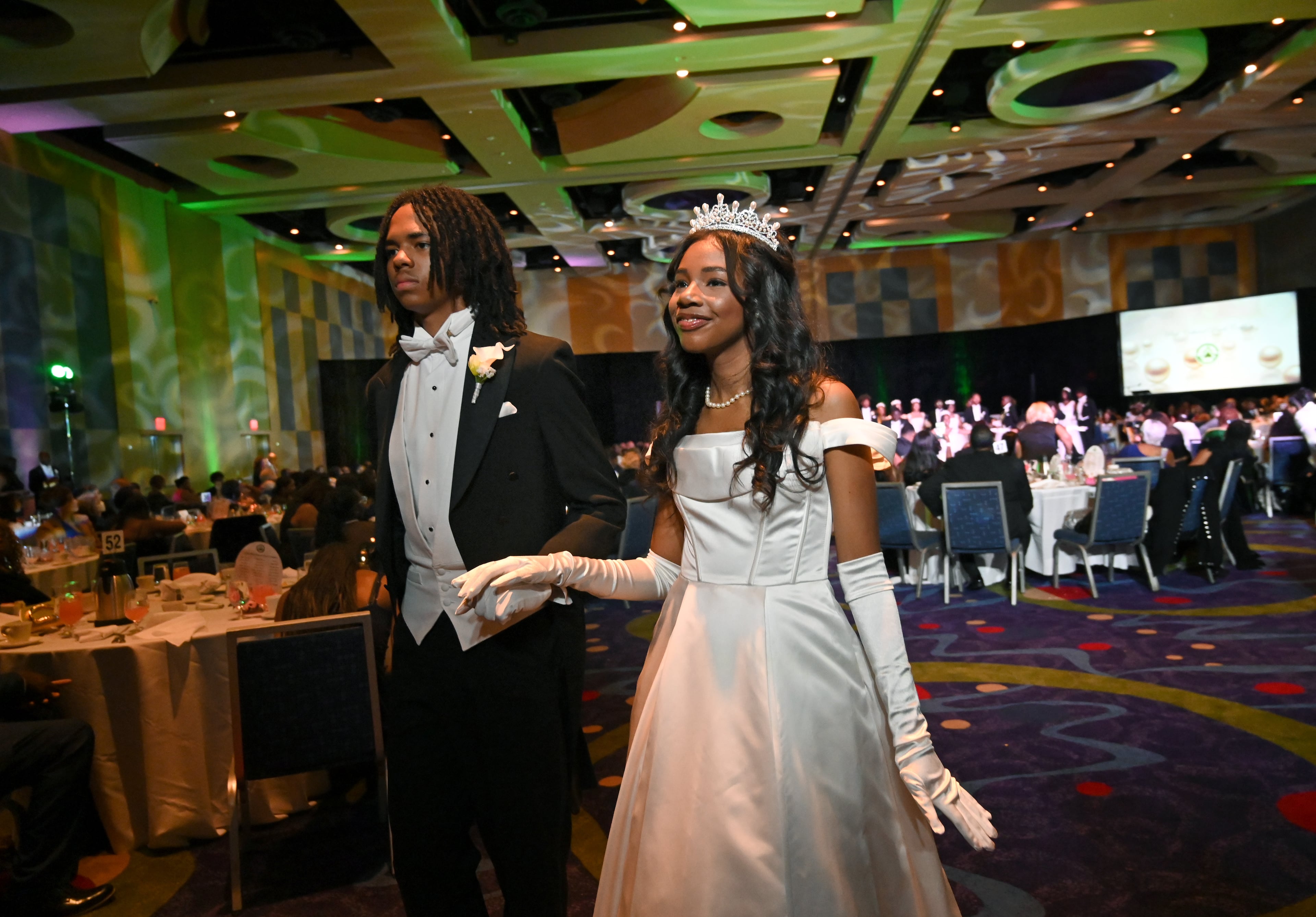
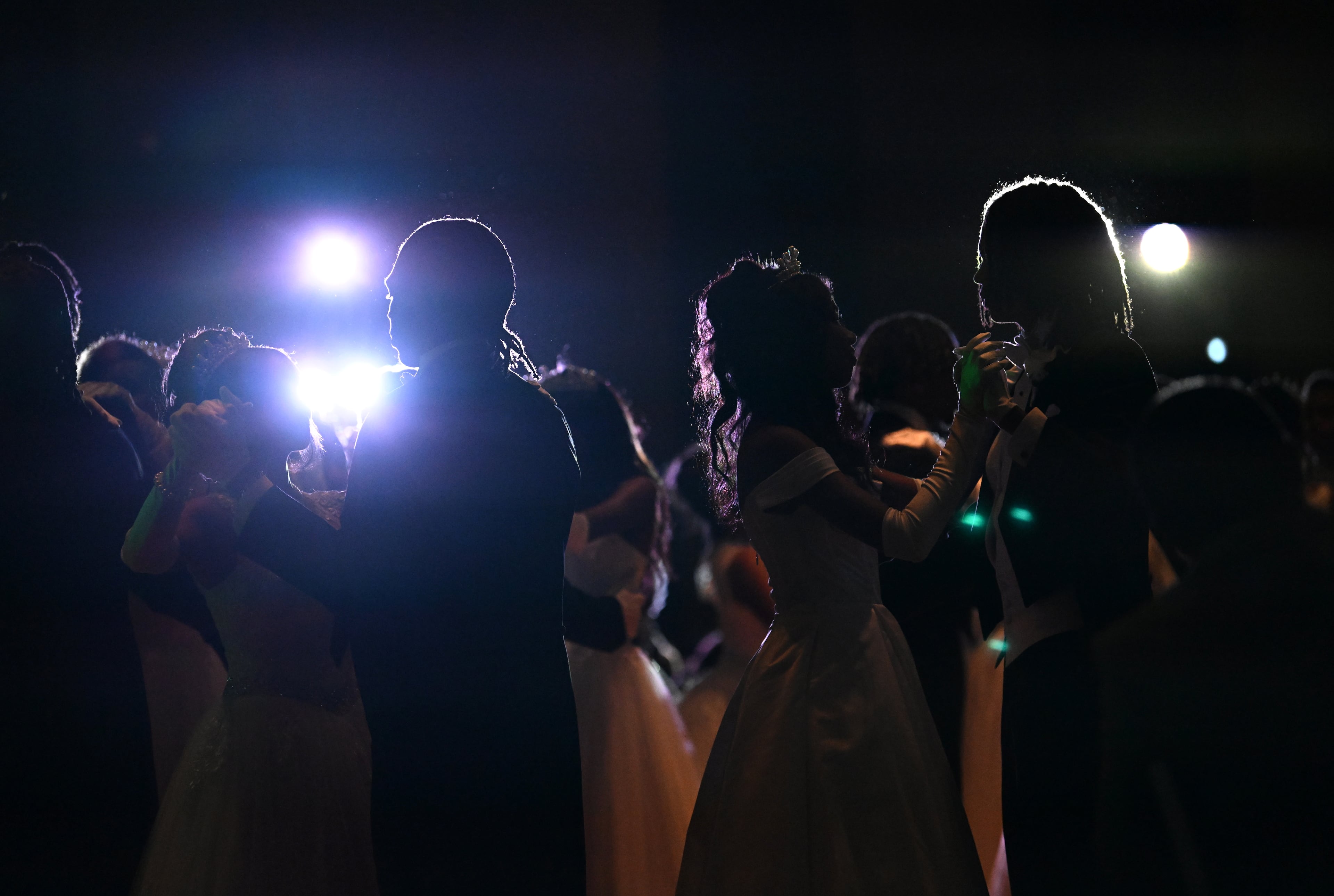
The Pink Cultured Pearls Cotillion, hosted by the Ivy Community Foundation in partnership with an Atlanta graduate chapter of Alpha Kappa Alpha Sorority, Inc., presented 28 debutantes on March 29. (Coretta Scott King was also a member of Alpha Kappa Alpha Sorority, Inc.) Each participant was accompanied by her parents and a peer male escort as she took the stage and waltzed across the dance floor.
Some spotlight was given to the debutantes’ escorts. All high school seniors, the young men were presented on behalf of their parents and schools.
“It’s not only an experience for the debutantes, but it’s also an experience for their escorts,” said Pink Cultured Pearls Cotillion Chair Billette Owens Ashford. “It’s amazing because we do talk to (the escorts) about setting goals and being your best self and once-in-a-lifetime experiences.”
Many of the 2026 debutantes were active in the Girl Scouts of America and National Honor Society. Others were members of their drama and dance clubs. Sports included volleyball, softball, and track and field. One young lady was a winner of the Young Georgia Author’s Writing Competition; another was part of the South Fulton Swordfish Swim Team. Some were already dually enrolled in college.
King opted to showcase her talents as a writer, having published a children’s book and essays in Teen Vogue and The Washington Post. She also highlighted her role as an activist and public speaker.
“Cotillions have a really important place in the Black community because they celebrate growth, culture and community,” King said. “It’s not just about tradition; it’s about connection and development.”
Her parents also said the experience provided a much-needed moment to uplift Black girls in a political climate where women have lost rights.
“All these girls are just tremendous leaders,” said her mother, Arndrea Waters King. “This experience is helping prepare them for the world, but also inspiring us to keep going.”
“You can’t lift up people enough, particularly in this time when we are all dealing with so much uncertainty,” said King’s father, Martin Luther King III. “At least you can go back and say, ‘At this time, this may have been a moment in my life where I realized there was nothing new that I could not do.’”

Arndrea Waters King said debutante balls have given Black families the opportunity to recognize and acknowledge the success of their daughters.
“Particularly in the past when there was no other way again of Black girls being celebrated historically, this has been a time that our girls were able to come together and stand just a little bit taller,” she said.
Owens Ashford, who has directed the Pink Cultured Pearls Cotillion for more than 20 years, said debutante balls continue to have a place in modern society.
“The part that I think that makes modern-day cotillions special is that we’ve been able to retool them. Because before they were a presentation to society,” Owens Ashford said. “We’ve been able to take that a step further. Because a lot of our children are in need of sisterly interactions with one another, we have mentoring programs as a part of this.”
From October to March, the debutantes undergo community service, etiquette classes and marketing workshops, they learn self-defense and take cultural trips to museums and concerts. Participants must attend classes every week. Some conduct fundraisers and have community support to help cover financial costs.
“It gives girls a chance to meet girls from various backgrounds and to share their female, teenage experience, and it culminates with the cotillion,” Owens Ashford said. “It’s another avenue and another opportunity for us to reach out to our young ladies.”
King, who plans to study law and social justice at Columbia University after graduating from high school, commended her experience in the debutante ball. She said the cotillion gave her the opportunity to bond with peers she may not have met otherwise, that it was not meant for “one type of girl.”
“My favorite part was the sisterhood,” King said.
“We all came from different backgrounds, including different economic backgrounds and different high schools, and we still found so much connection,” King said. “It made the sisterhood feel real and inclusive. I learned that everyone brings something different, and that’s what makes it strong.”
About the Author

Brooke Leigh Howard is a reporter for The Atlanta Journal-Constitution's Black culture team, UATL.