
Revisiting Dick Gregory’s ‘Seven Million Steps’ for young readers
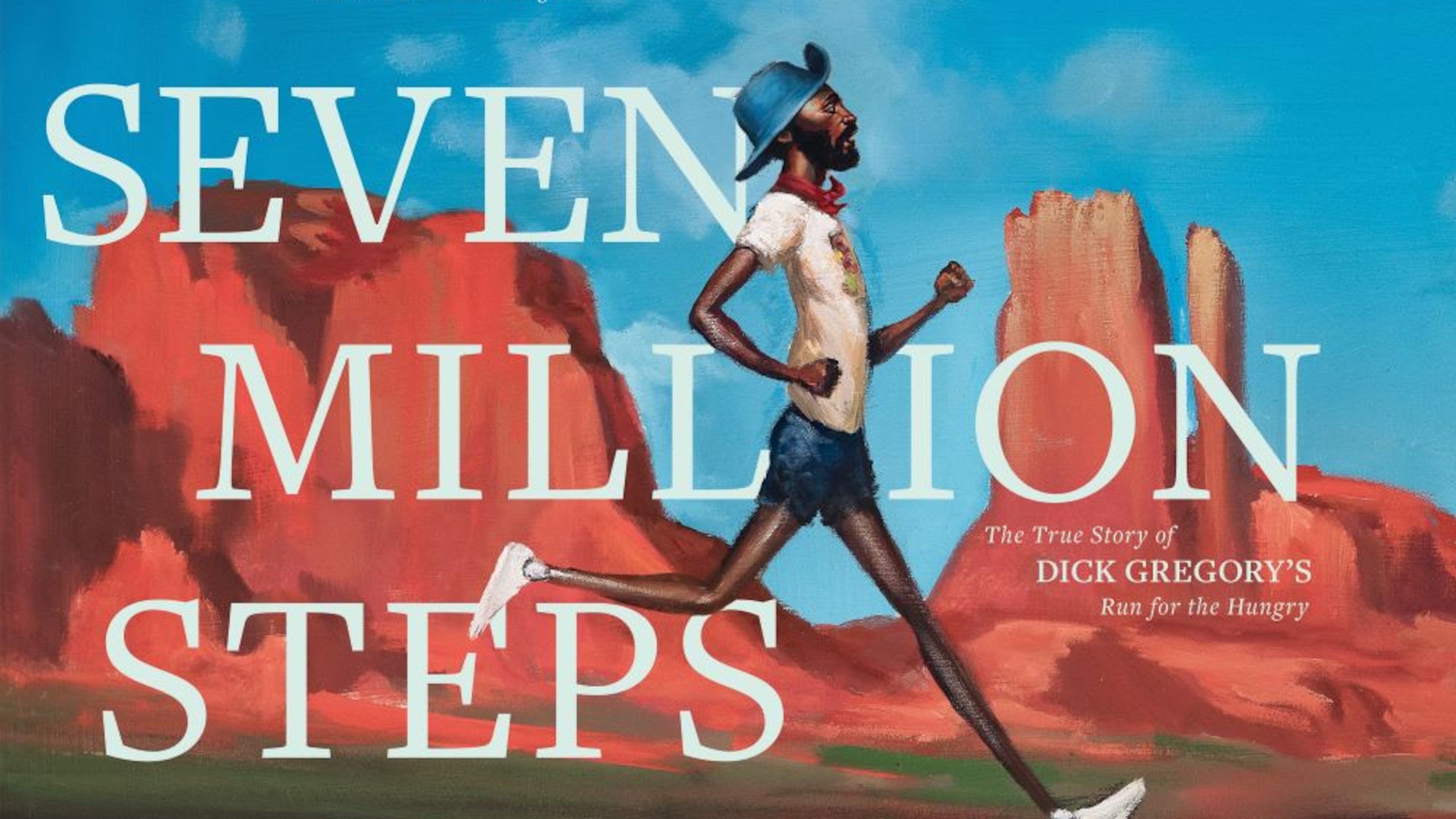
Dick Gregory knew confronting health and wellness in the Black community 50 years ago meant hitting the road.
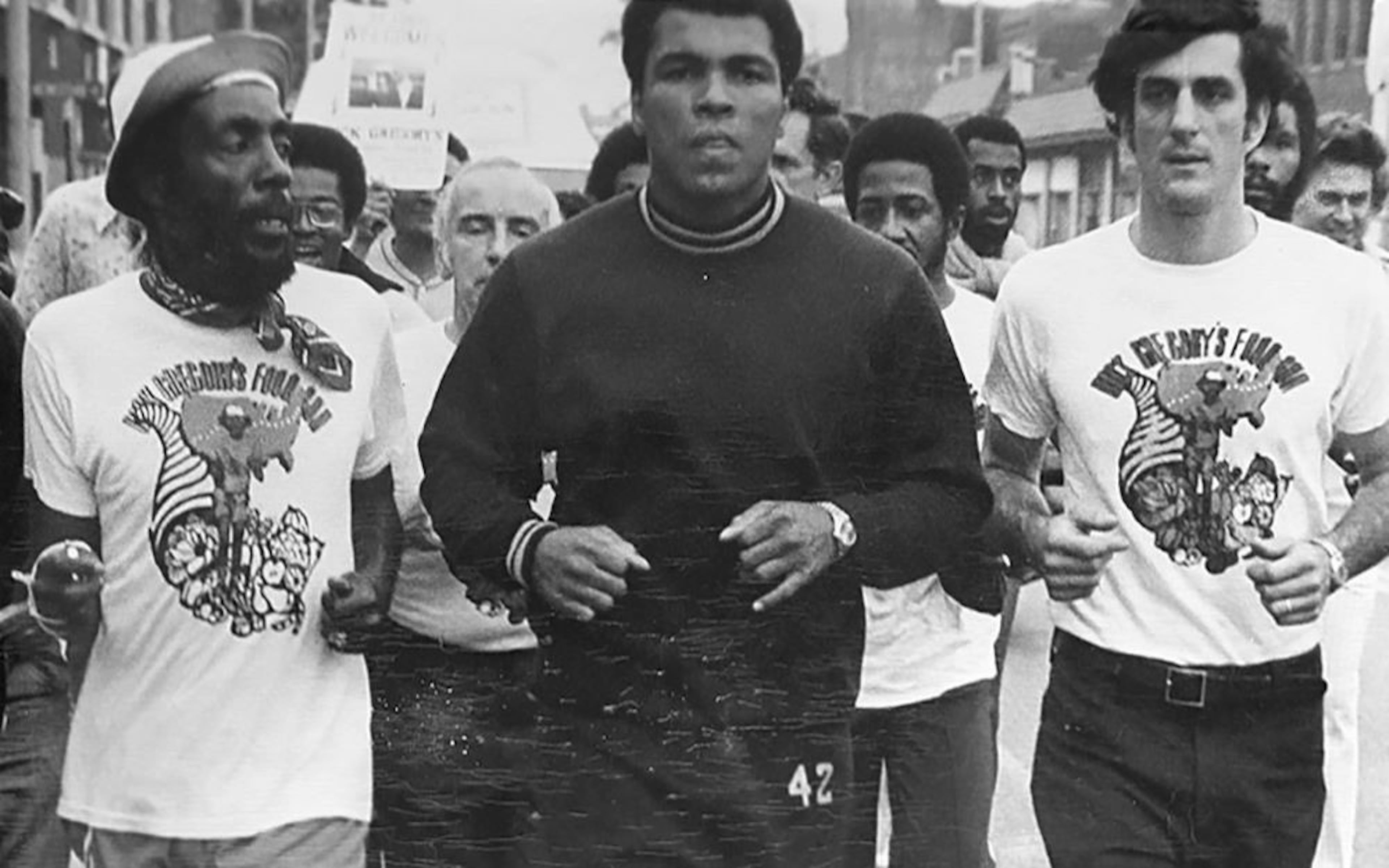
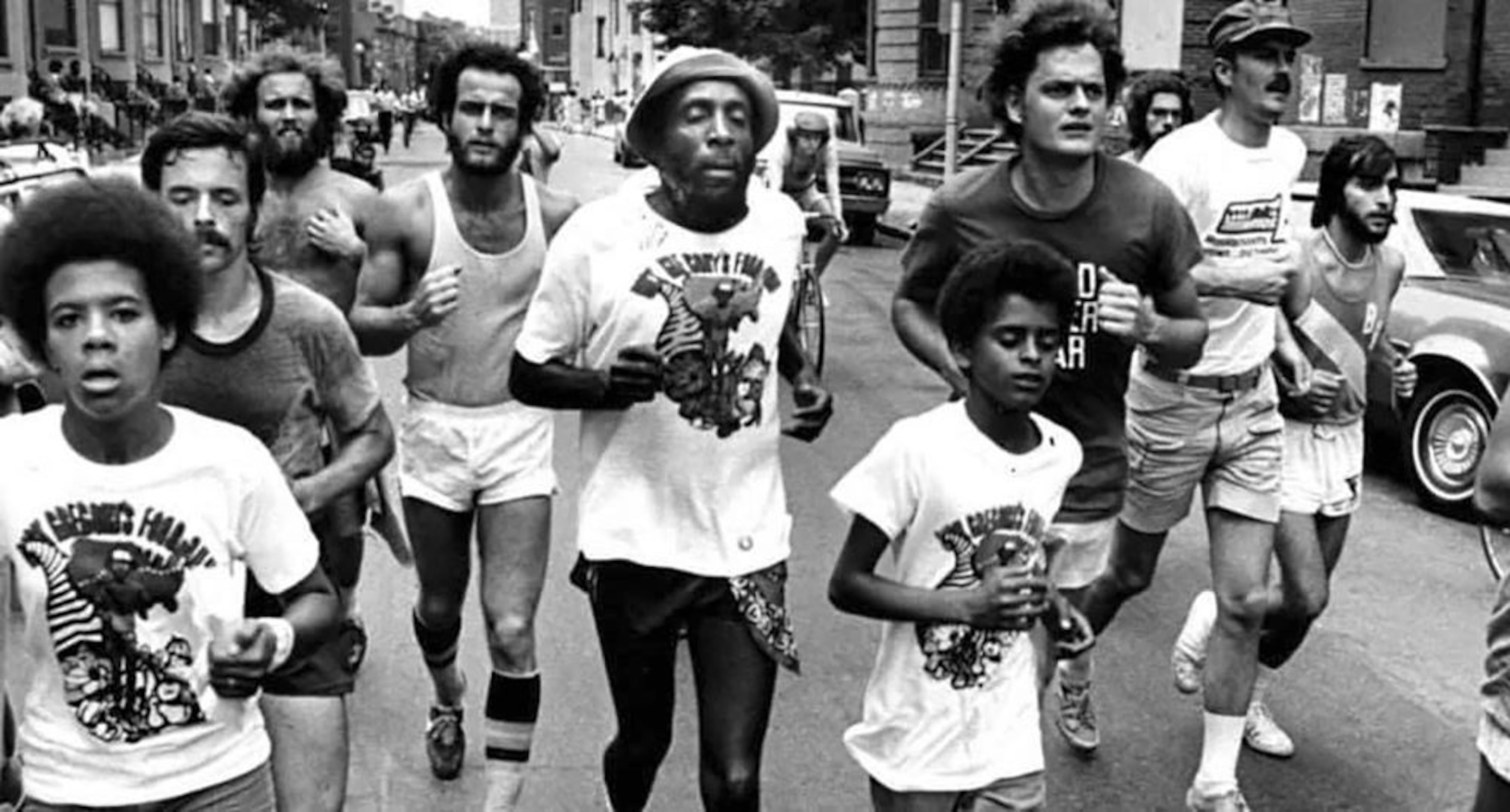
Starting in April 1976, the comedian ran solo from Los Angeles to New York to raise money for anti-hunger organizations and initiate conversations with diverse ethnic and age groups on poverty and famine nationwide. During his Run for Hunger, he survived off fruit juices, slept in motels and invited people such as Muhammad Ali to join him until the trip‘s end on July 4.
Dick Gregory remained an outspoken activist until he died at age 84 in 2017. Now, his son, Christian, wants young readers to remember his dad’s efforts toward creating social change.
Christian Gregory recounts his dad’s coast-to-coast trek in “Seven Million Steps: The True Story of Dick Gregory’s Run for the Hungry,” a children’s storybook published in February. It’s co-authored by Derrick Barnes and illustrated by Atlanta-based fine artist Frank Morrison.
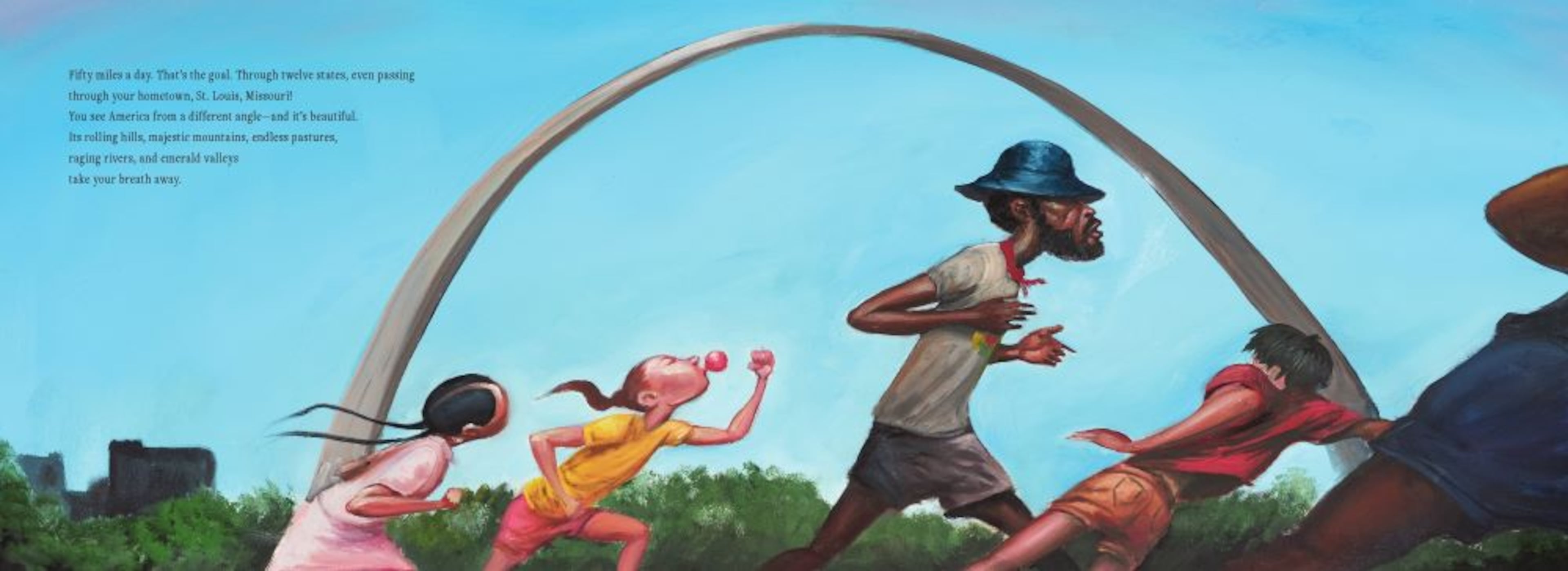
The title comes from the number of steps Dick Gregory took on that historic 3,500-mile journey. Released after the current presidential administration cut Supplemental Nutrition Assistance Program benefits, Christian Gregory wanted to remind readers of his dad’s selfless acts in combating food insecurity.
“Hunger is an unresolved crisis, and we must pick up the mantle on this new front to take it to the younger generation. A lot of people don’t realize how many doors he opened and how he provided healing for so many of us Black folks,” Christian Gregory told UATL.

A pioneer in comedy and activism
In the early 1960s, Dick Gregory became a popular comedian known for his unapologetic views on race, citizenship and class. He segued into speaking out on civil, human and animal rights and the Vietnam War.
In 1964, Dick Gregory published his autobiography titled after a racial slur. Despite his refusal to change its provocative title, he became a sought-after lecturer at colleges and universities.
“My dad was the king of banned books, and he started writing to make people (wildly) uncomfortable,” his son said.
Christian Gregory said his dad also made lifestyle changes after regularly booking speaking engagements.
“When he decided to return to the stage and entertainment, he was vegan, wasn’t drinking alcohol or smoking, so he went to where he felt comfortable, not asking his fans to come into an environment where people are doing those things,” he said.
Dick Gregory published 15 additional books in his lifetime. His son said the new children’s book helps continue his dad’s legacy.
“He understood the most fertile soil for him to plant his knowledge as seeds was (definitely) among young folks, so we just started taking it a notch lower in reaching grade and elementary school kids,” Christian Gregory said.
Dick Gregory, who had 15 grandchildren by the time he died, “frequently had a 5-year-old on his lap,” his son said.
Keeping the legacy alive
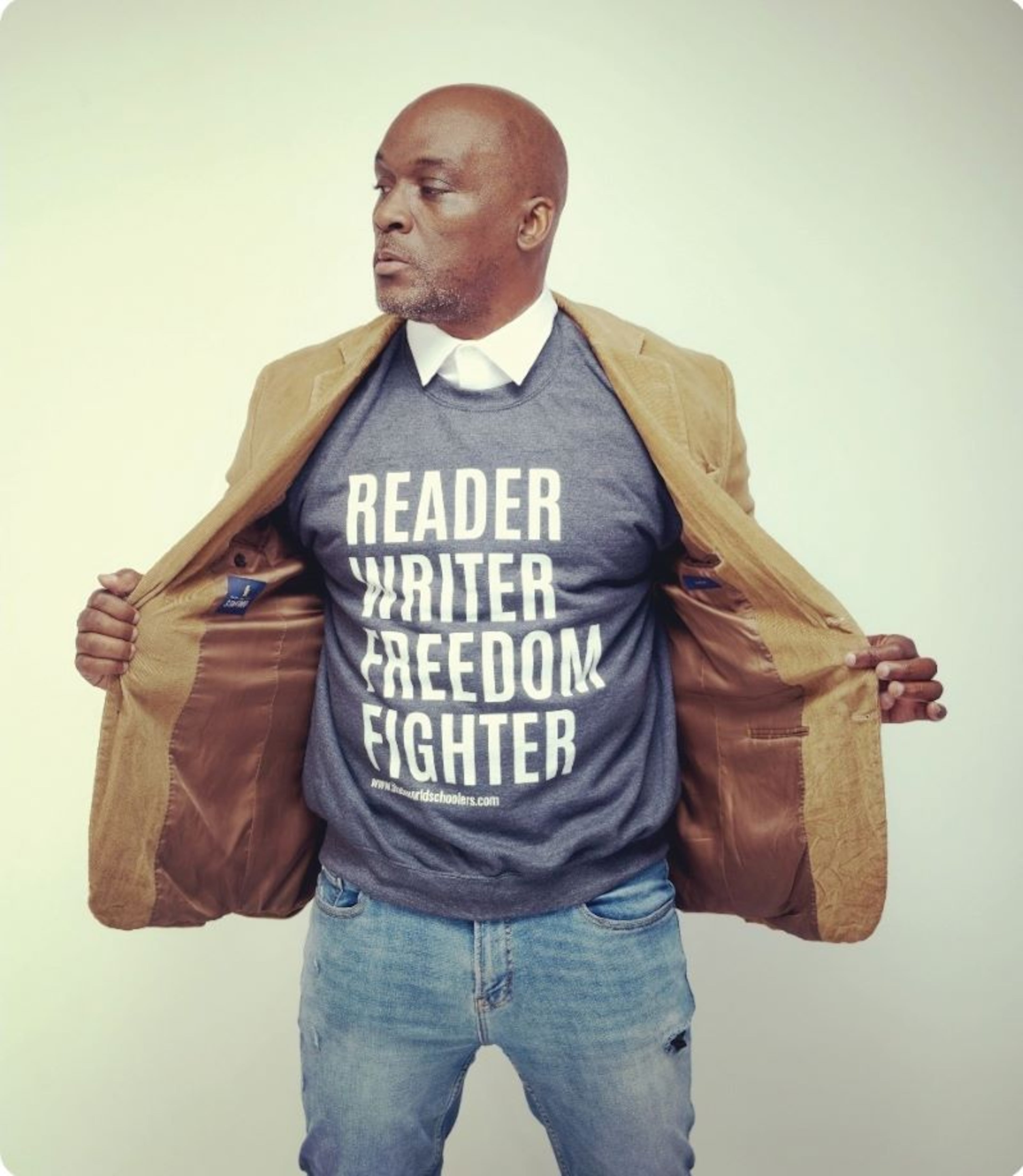
Barnes, Morrison and Christian Gregory spent three years completing the storybook. They share a literary agent, who suggested they collaborate.
Barnes wanted to recapture Dick Gregory’s story using his tone and cadence. He researched interviews, speeches, published work and created a vocabulary wall with recurring words the activist used.
“I wanted his family, friends and everyone that knew him best to hear him speak when they read the text,” Barnes said.
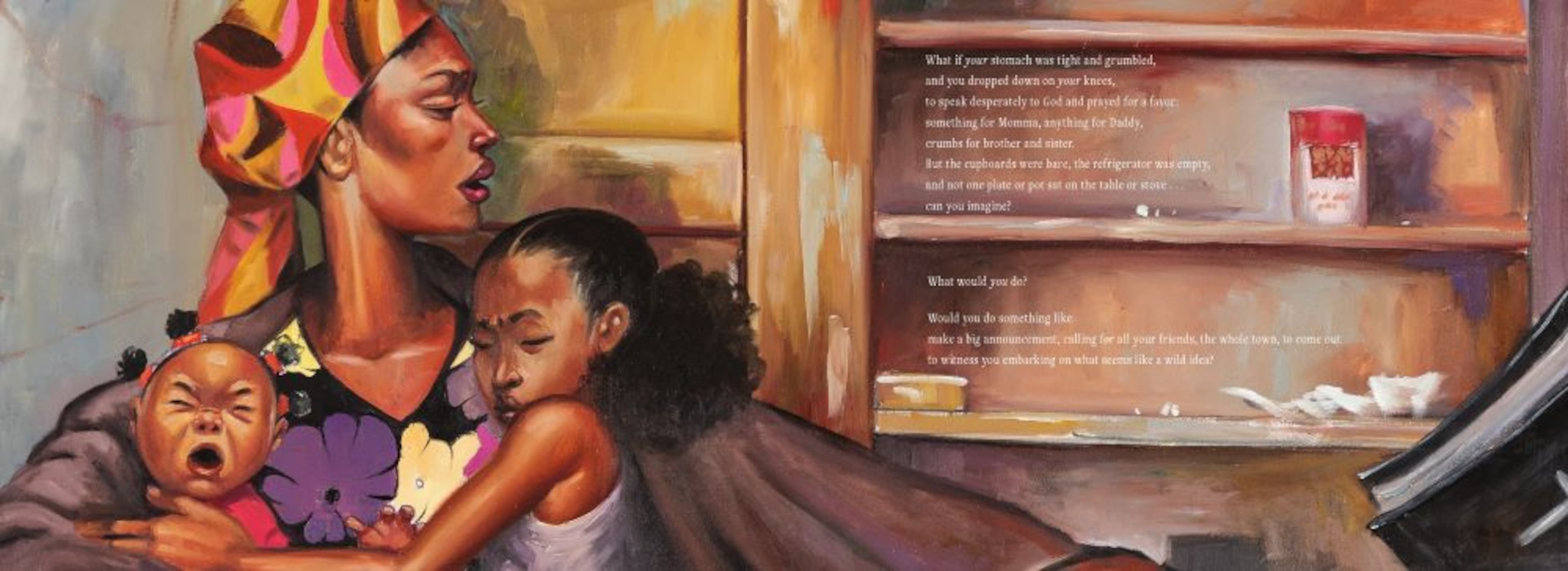
Morrison used oil on illustration board to re-create Dick Gregory’s historic run. The book includes images of impoverished Black families and diverse characters.
Morrison was inspired by his own personal experiences to design what he calls “social realism.”
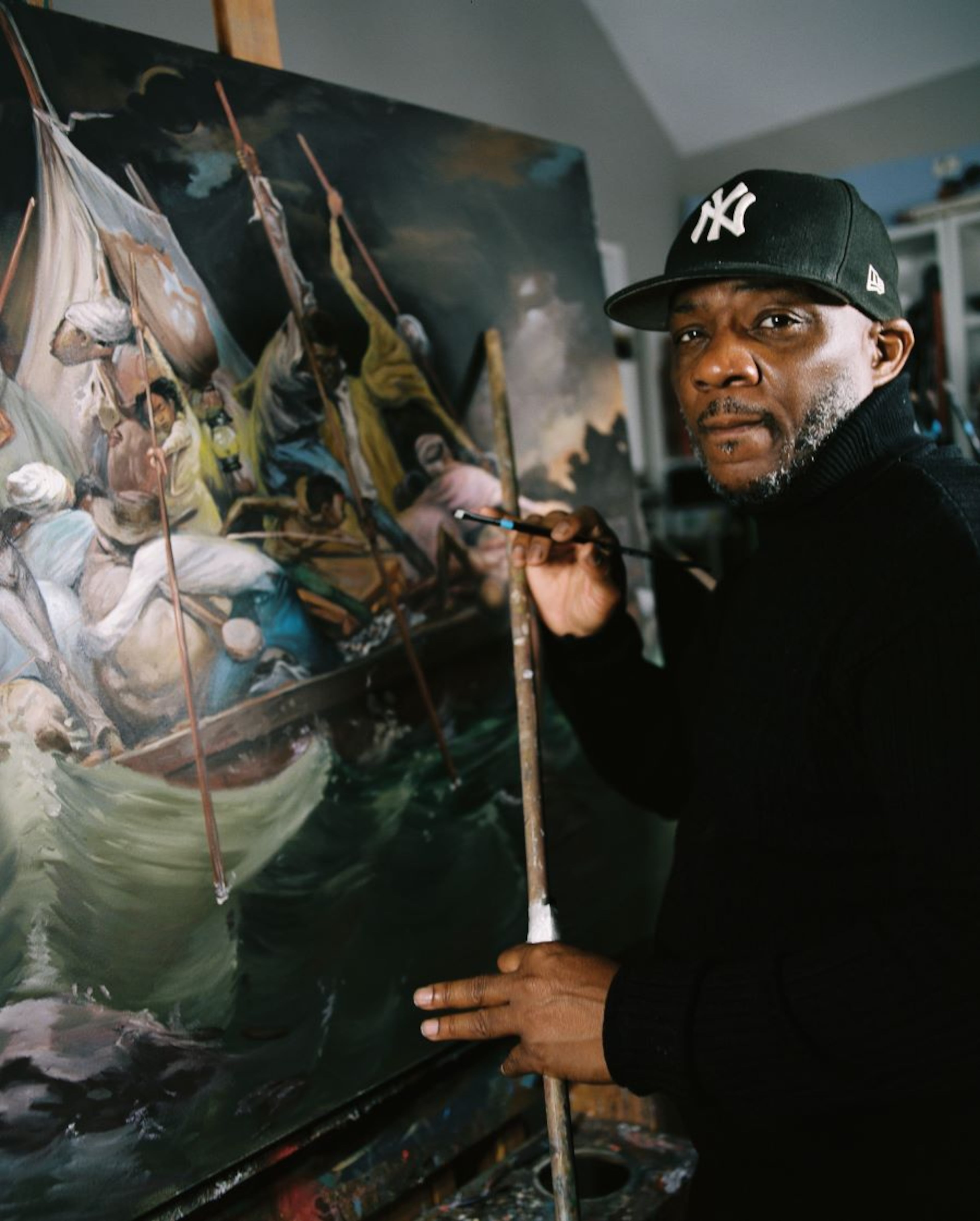
“I was just poor. I remember running with shoes that had tape on them, thinking I had on silver sneakers and not being able to wear them in the rain. We had DoorDash back in the ’80s, but it was the government dropping off that big block of cheese with no knife, hoping you could cut it,” Morrison said.
“I remember those days and how it prepared me for life.”
“Seven Million Steps” arrives at a time when school districts are banning books by diverse authors. Barnes said Black storytellers should prioritize addressing social issues in their work.
“(Dick Gregory) is one of the primary reasons we’re able to write so freely. If you’re a Black artist in the United States of America, we are de facto activists who can’t let anything stop us,” Barnes said.
“We have to write stories that tell the truth about our (and American) history, create the kind of artwork that highlights our beauty and brilliance for Black children.”
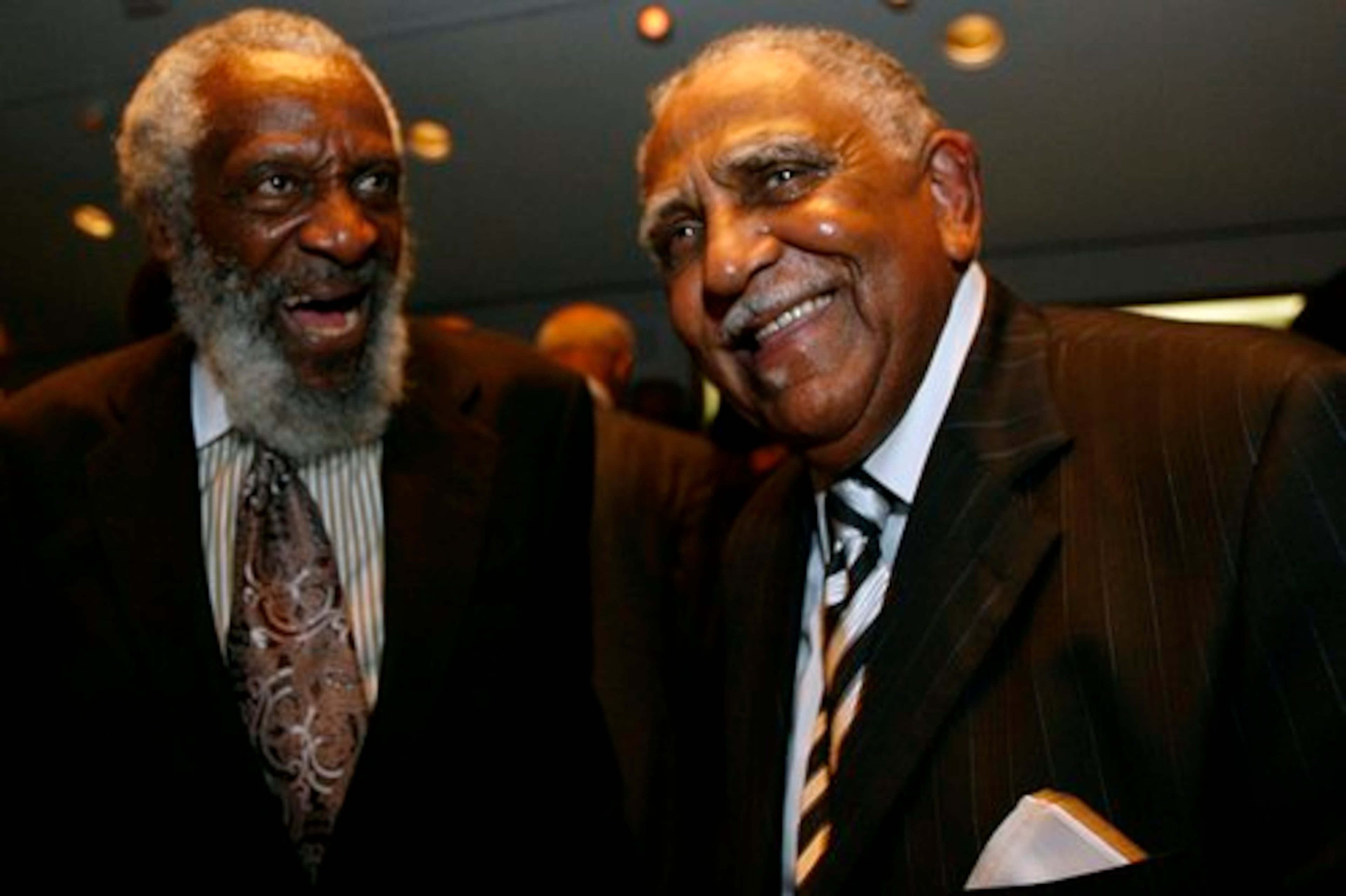
The men hope to take the book on a national tour. Christian Gregory plans to host a 50th anniversary celebration to commemorate his dad’s activism later this summer.
“He was prophetic for wanting Black folks to get healthier,” he said.
About the Author

Christopher A. Daniel is a Black Culture reporter for The Atlanta Journal-Constitution. He is an Atlanta-based, award-winning journalist, cultural critic and ethnomusicologist. He previously taught courses at Morehouse College, Clark Atlanta University and Georgia State University.