
Spelman College presidents: The leaders who shaped the HBCU over 145 years
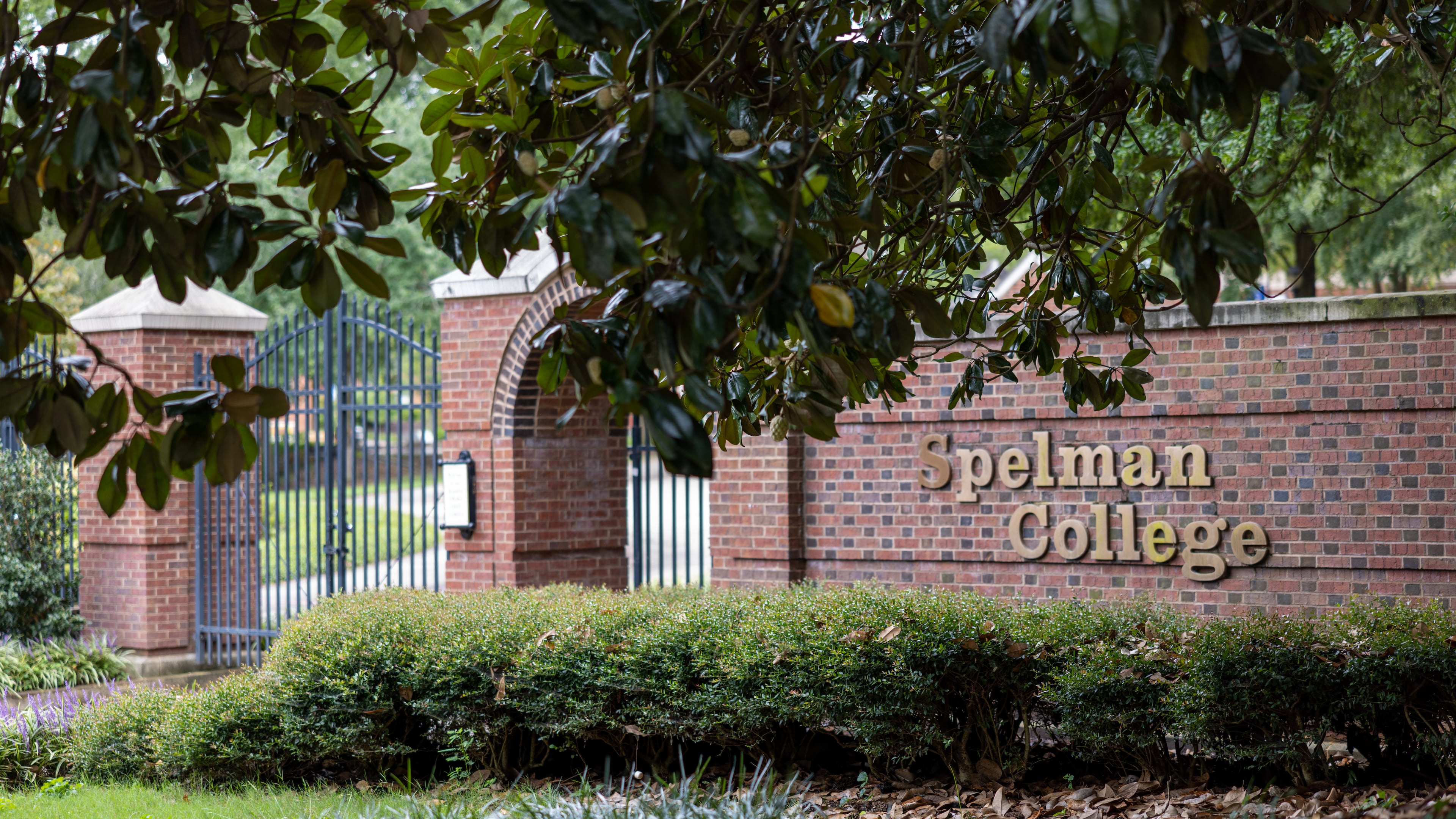
As Ayanna Howard prepares to become Spelman College’s 12th president, she joins a lineage of leaders who, over nearly 145 years, helped shape the institution into one of the nation’s premier colleges for Black women.
Since its founding in 1881 as a small seminary for Black women in the post-Reconstruction South, Spelman College has been guided by leaders who expanded academic opportunities, strengthened the school’s financial foundation and elevated its national profile. Along the way, the college evolved from a fledgling Atlanta seminary into one of the country’s most prestigious liberal arts institutions.
Here’s a look back at the 11 presidents and one interim president who have led Spelman during the past 145 years.
Sophia B. Packard, 1888—1891
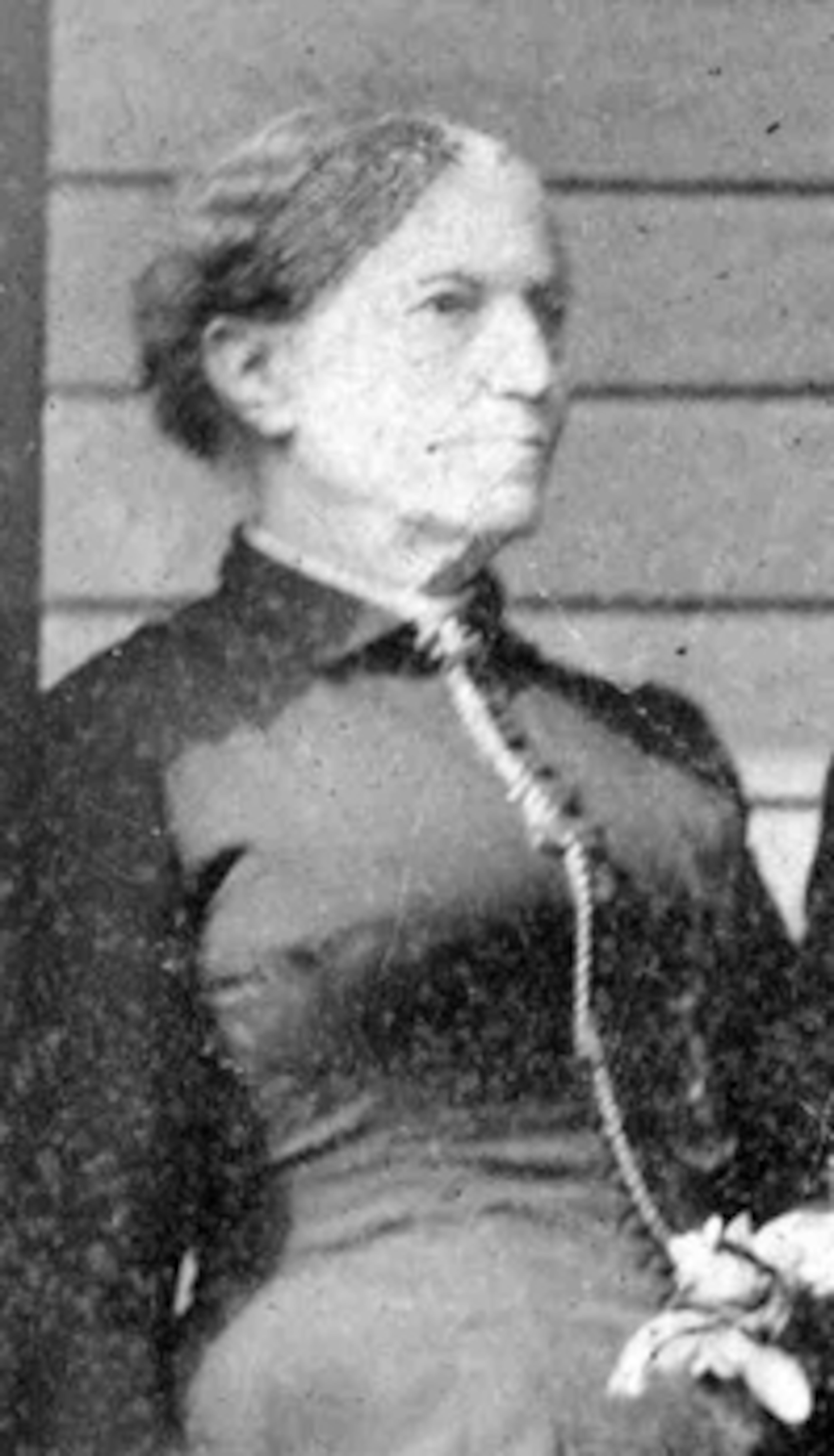
Sophia B. Packard was one of Spelman’s two founders, along with Harriet E. Giles. A white educator from Massachusetts, Packard joined Giles and other Baptist women in organizing the Woman’s American Baptist Home Mission Society in 1877 to support missionaries bringing education and Christianity to Native American and African American communities.
In 1880, the society sent Packard and Giles to assess conditions facing Black people in the South. The trip revealed widespread poverty and a need for educational opportunities, particularly for Black women. Their findings led to the launch of the Atlanta Baptist Female Seminary on April 11, 1881.
In 1884, the school was renamed Spelman Seminary in honor of Laura Spelman Rockefeller and her parents. After the seminary received its charter in 1888, Packard became Spelman’s first president.
Before her death in 1891, Packard oversaw the school’s enrollment grow from 11 students to nearly 800, with more than half living on campus. Packard Hall, the second-oldest building on Spelman’s campus, bears her name.
Harriet E. Giles, 1891—1909
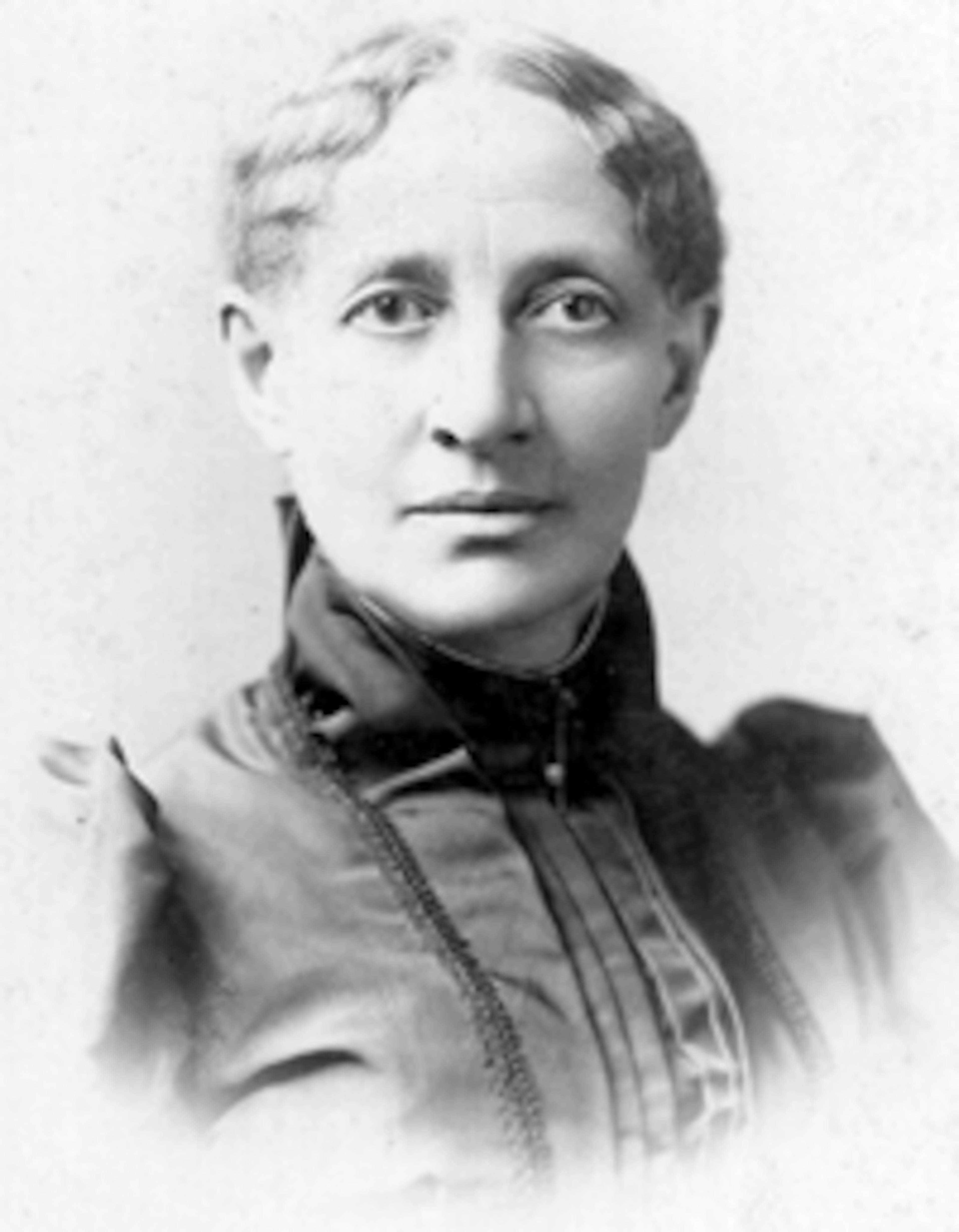
A co-founder alongside Sophia B. Packard, Harriet E. Giles became Spelman College’s second president in 1891 after Packard’s death.
During her tenure, the Missionary Training Department, Quarles Library, the teaching department and alumnae association were established, and two students from Africa — Maggie Rattray and Lena Clark — enrolled at the school.
While Spelman initially awarded high school diplomas, the institution granted its first college degrees in 1901 to Jane Anna Granderson and Claudia T. White.
Lucy Hale Tapley, 1910—1927
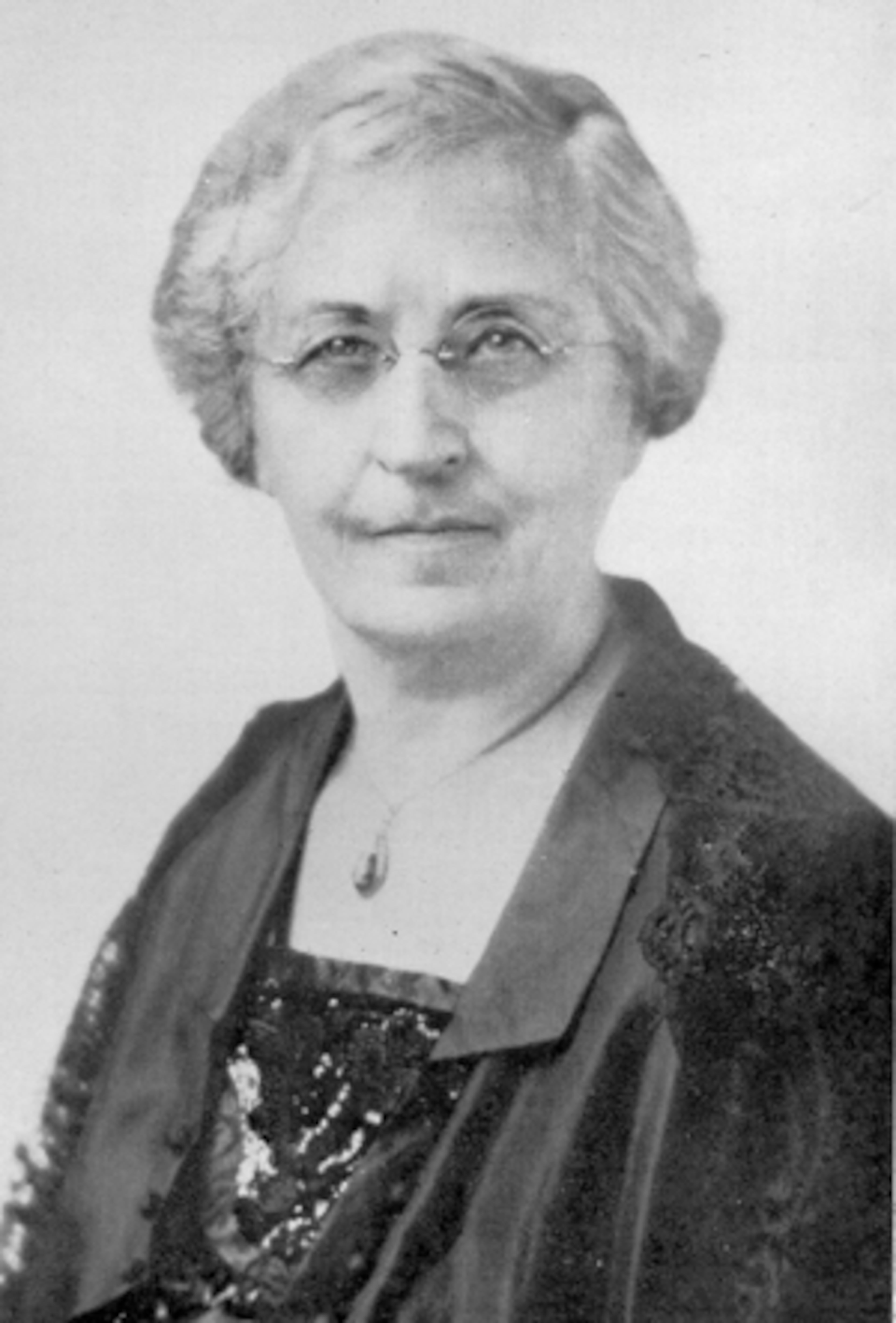
A native of Maine, Lucy Hale Tapley became Spelman College’s third president in 1910. During her 17-year tenure, she helped transform Spelman into a stronger and more independent institution.
Spelman increasingly focused on higher education under Tapley. She eliminated the school’s debt, grew its annual budget from less than $35,000 to nearly $140,000 and won financial independence by moving oversight from the American Baptist Home Mission Society to the college itself.
In 1924, Spelman Seminary officially became Spelman College, and the completion of Tapley Hall in 1925 reduced the school’s reliance on borrowed land and facilities. Later named president emerita, Tapley retired in 1927.
Florence Matilda Read, 1927—1953
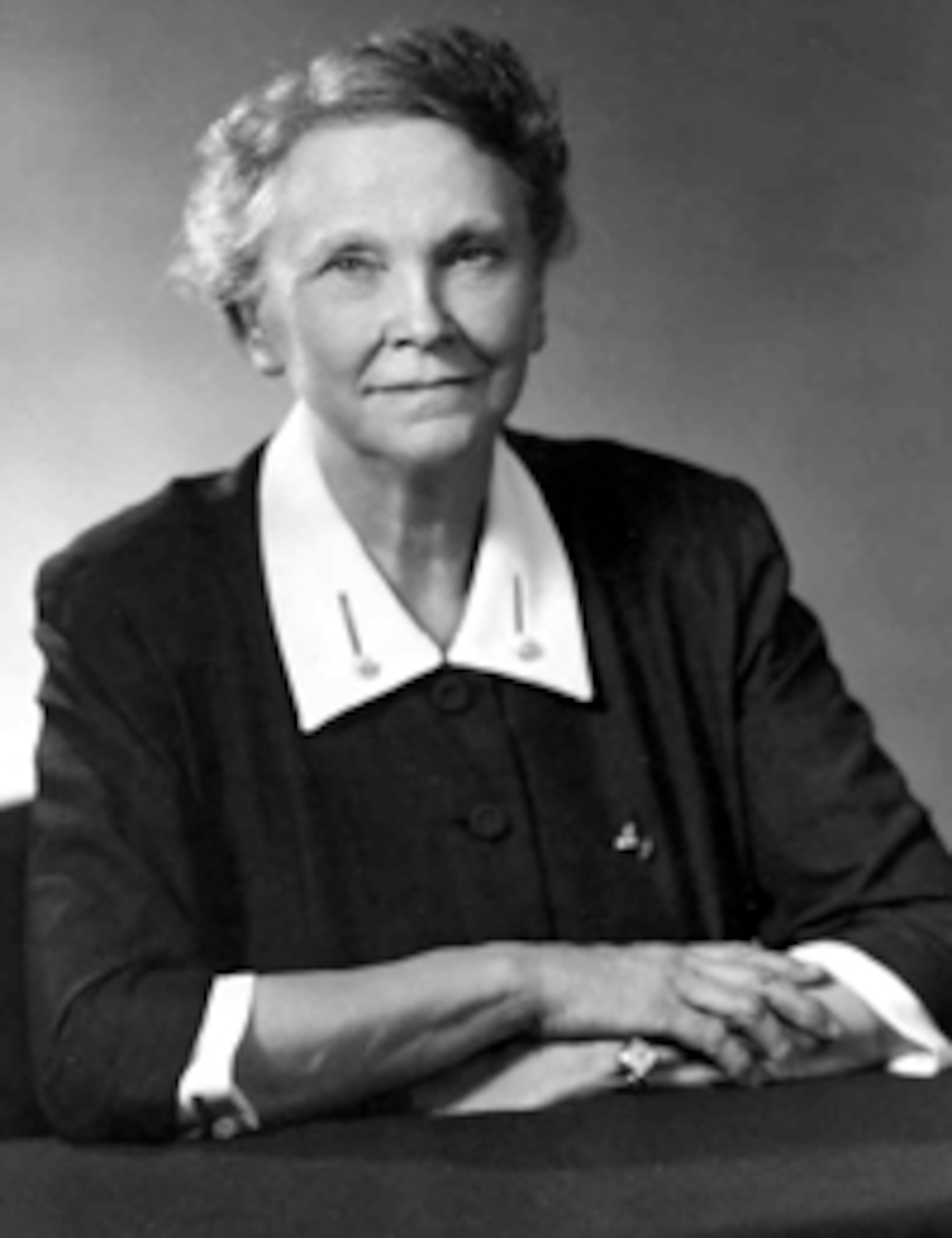
Florence M. Read came to Spelman College in 1927 from the Rockefeller Foundation’s International Health Division. The Rockefeller family had long supported the college, and Read persuaded Spelman’s board of trustees to establish an endowment fund that eventually grew to more than $3 million.
During her 26-year tenure, the Spelman College Glee Club was organized, and the annual Spelman-Morehouse Christmas Carol Concert was held in Sisters Chapel. In 1929, Read helped forge the Agreement of Affiliation among Spelman, Morehouse and Atlanta University, laying the foundation for the Atlanta University Center. The agreement gave Spelman students access to graduate programs at a time when many Black graduates were denied admission in the South.
Read helped establish the United Negro College Fund in 1943 alongside other HBCU leaders.
After retiring in 1953, Read was named president emerita and later chronicled the institution’s history in her 1961 book, “The Story of Spelman College.”
Albert E. Manley, 1953—1976
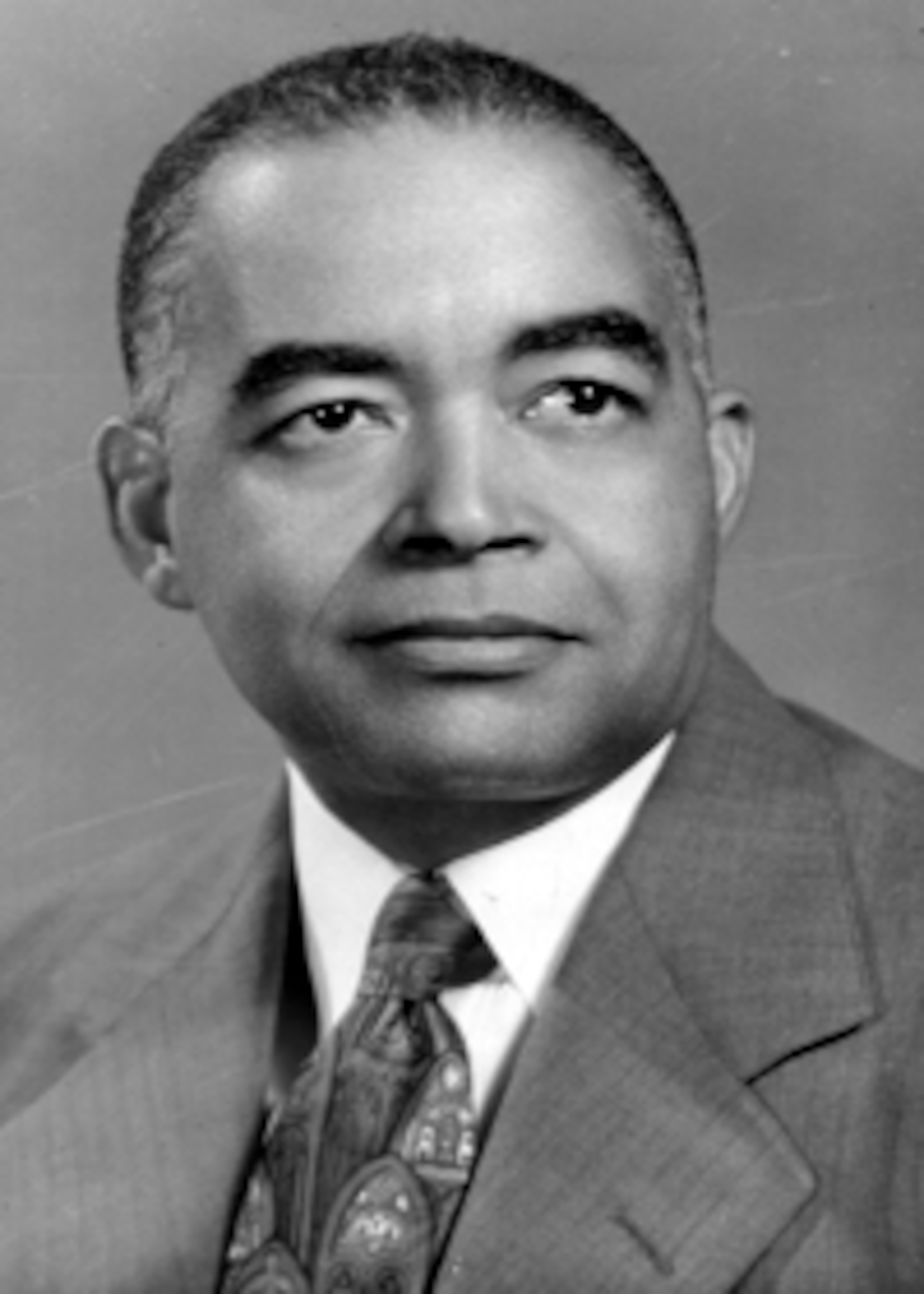
In 1953, Albert E. Manley became the first Black person and the first man to lead Spelman College. He was reportedly the first Black graduate of Stanford University’s doctoral program in education.
His 23-year presidency coincided with the height of the Civil Rights Movement and some of the most consequential years in Atlanta’s history. During his tenure, the first Spelman students were arrested during sit-ins in downtown Atlanta. In 1960, Atlanta University Center students, including Spelman students, helped draft “An Appeal for Human Rights,” a landmark document published in The Atlanta Constitution and newspapers across the country.
Under Manley, a faculty tenure program was established, student exchange opportunities expanded, and Spelman became accredited through the Southern Association of Colleges and Schools. In 1969, the college launched its Black studies program.
After retiring in 1976, Manley published “A Legacy Continues: The Manley Years at Spelman College, 1953—1976″ in 1997.
Donald Mitchell Stewart, 1976—1986
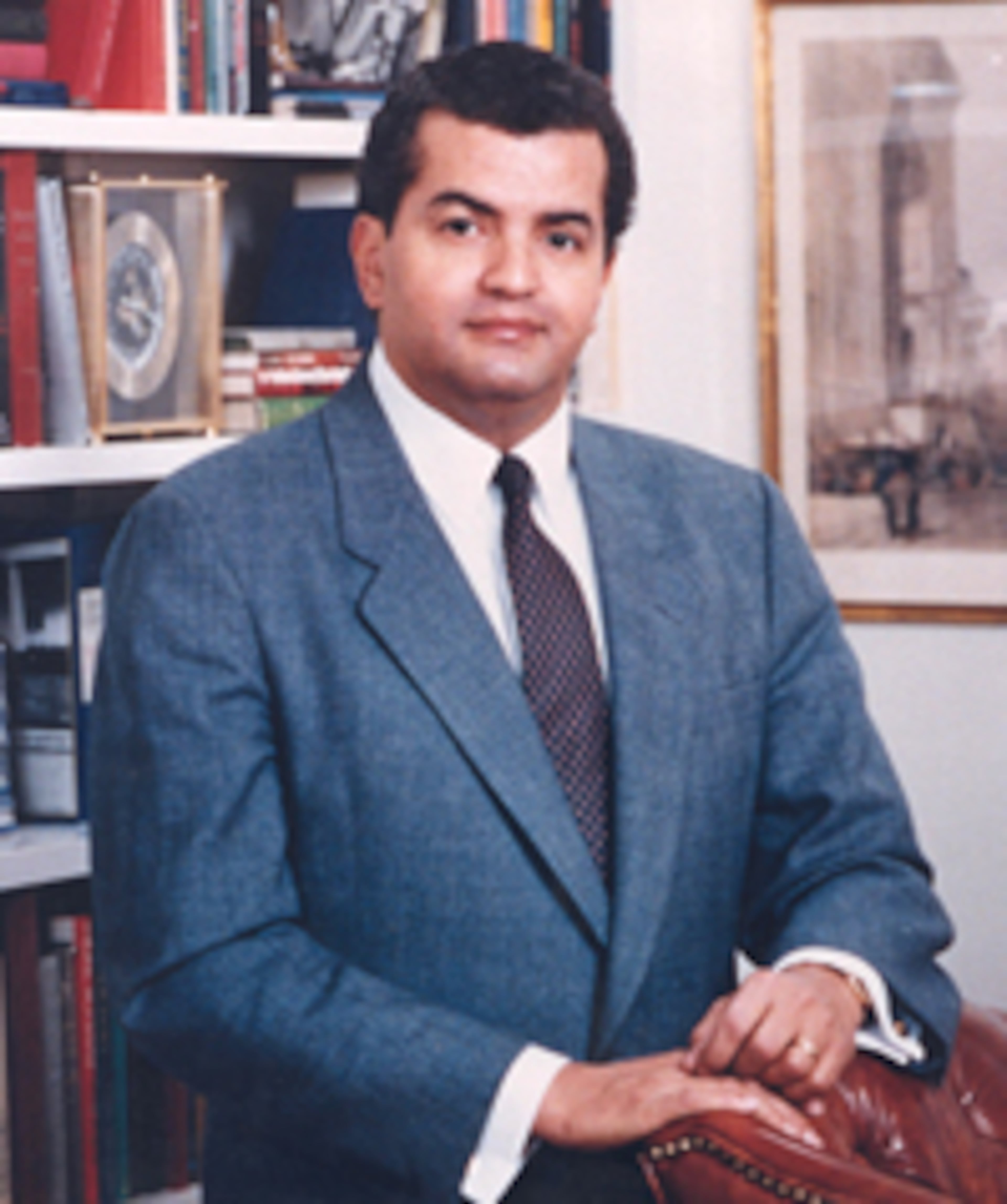
Donald M. Stewart, a Chicago native, became Spelman College’s sixth president in 1976.
Spelman expanded its academic offerings under Stewart, including prelaw and premedicine pathways. The Office of Freshman Studies, the Spelman College Honors Program and the Continuing Education Program were established. Computer and science programs expanded, and in 1981, Spelman became the first historically Black college or university to create a Women’s Research and Resource Center.
Stewart launched the President’s Council to deepen corporate partnerships, and Spelman’s endowment grew from $9 million to $41 million during his presidency.
After leaving Spelman in 1986, Stewart became president of The College Board. In 2010, President Barack Obama appointed him to the Commission on Presidential Scholars.
Johnnetta Betsch Cole, 1987—1997
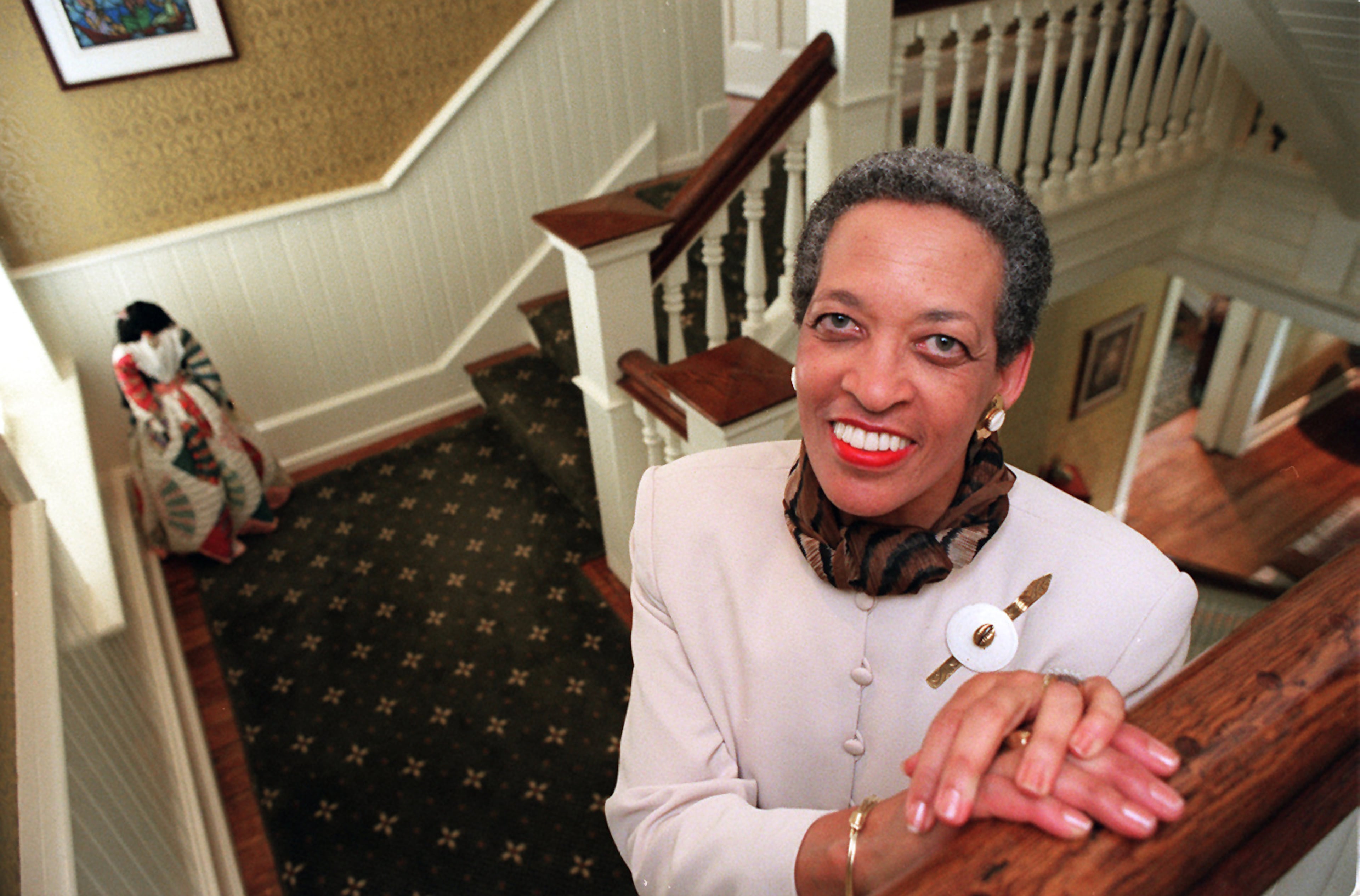
More than a century after Spelman College was founded to educate Black women, Johnnetta Betsch Cole became the institution’s first Black woman president in 1987.
Known affectionately as “Sister President,” Cole led Spelman as its endowment grew to $141 million, the largest of any historically Black college or university at the time. Spelman also became the top-ranked Southern liberal arts college in 1992, expanded its academic offerings and earned a White House Point of Light award for students’ community service.
Cole oversaw the most successful fundraising campaign in the college’s history. “The Spelman Campaign: Initiatives for the ’90s” raised $113.8 million. Spelman also received a $20 million gift from Bill and Camille Cosby for the construction of the Camille Olivia Hanks Cosby, Ed.D. Academic Center and a $37 million gift from the DeWitt Wallace/Reader’s Digest Fund, then the largest single gift ever awarded to a historically Black college.
After leaving Spelman in 1997, Cole became president of Bennett College in North Carolina, the nation’s only other historically Black college for women, and later served as director of the Smithsonian’s National Museum of African Art.
Audrey Forbes Manley, 1997—2002
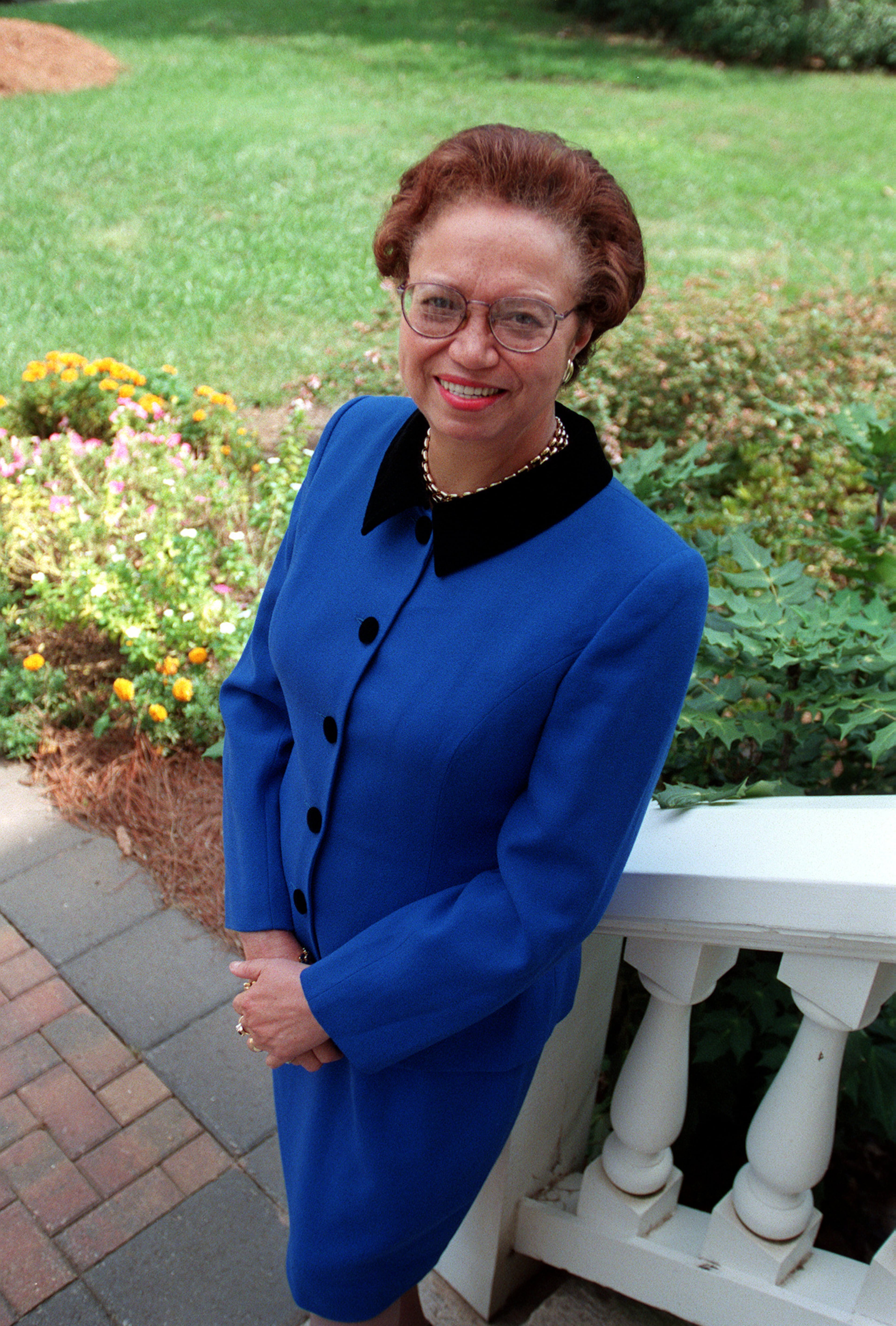
Audrey Forbes Manley, a member of Spelman’s Class of 1955, became the college’s eighth president in 1997 and the first alumna to lead her alma mater. Before returning to Spelman, she served as the college’s first lady and later as acting U.S. surgeon general.
During her five-year presidency, Spelman’s endowment increased by more than $63 million, and Manley helped secure more than $70 million in private and federal funding. Major campus renovations included improvements to the Manley College Center and construction of the Albro Falconer Manley Science Center, dedicated in 2002.
In 1998, Spelman received a chapter of Phi Beta Kappa, the nation’s oldest and most prestigious academic honor society. The college expanded its technology infrastructure, launched Spelman Technology Services and became the first historically Black college or university to host the International Association of Philosophy and Literature Conference in 2001.
Manley retired in 2002 and was later named president emerita.
Beverly Daniel Tatum, 2002—2015
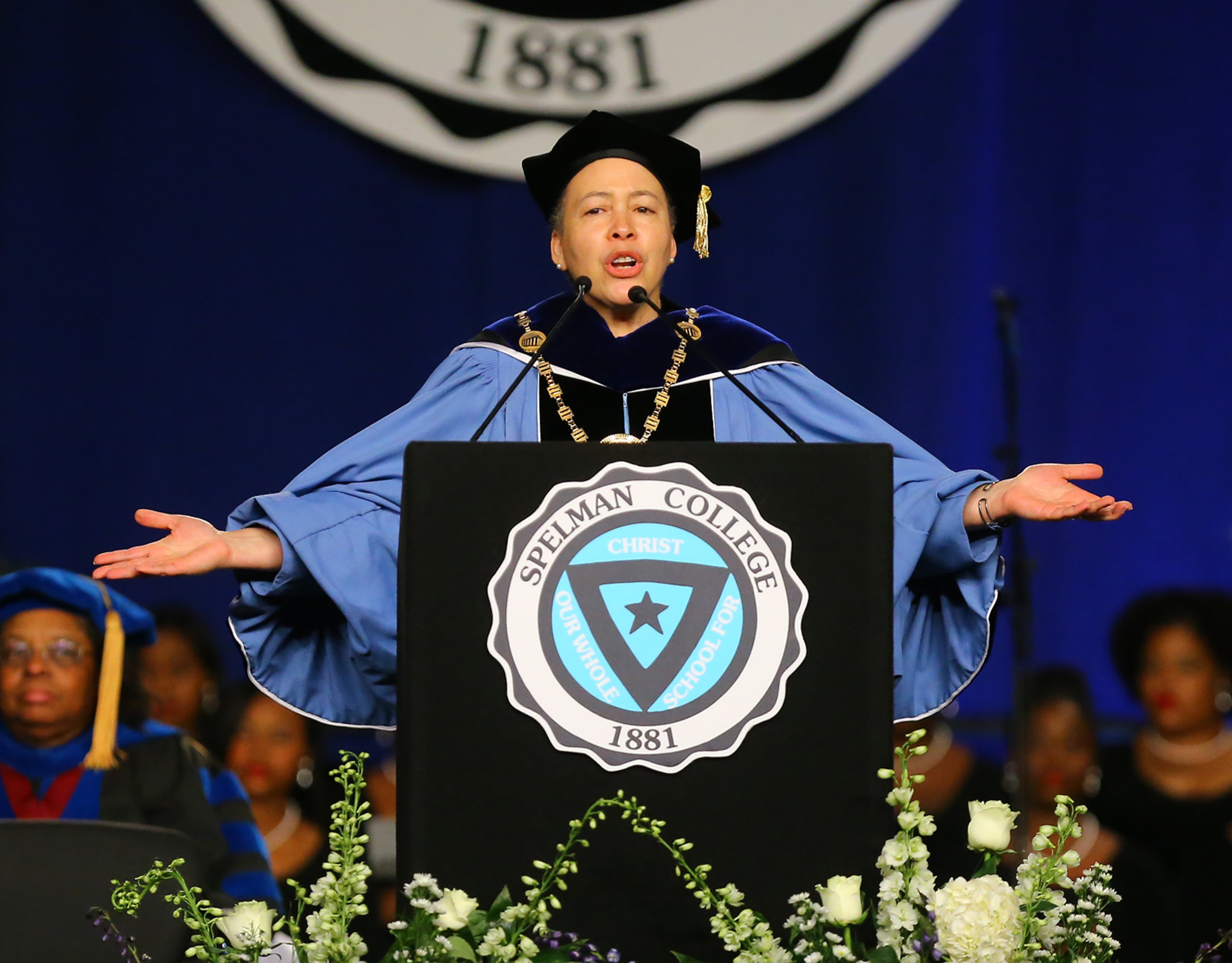
Before becoming Spelman College’s president, Beverly Daniel Tatum was a nationally recognized scholar of racial identity and psychology.
Her book, “Why Are All the Black Kids Sitting Together in the Cafeteria? And Other Conversations About Race,” was named the National Association of Multicultural Education’s book of the year in 1998.
During her presidency, Spelman launched The Center for Leadership and Civic Engagement, expanded student housing, increased financial aid and international opportunities and strengthened its commitment to sustainability.
Under her leadership, Spelman launched its Wellness Revolution initiative and completed the most successful fundraising campaign in school history, raising $157.8 million.
Tatum retired in 2015 as president emerita. Spelman emerged from her presidency as one of the nation’s leading liberal arts colleges and a premier institution for the education of Black women.
Mary Schmidt Campbell, 2015—2022
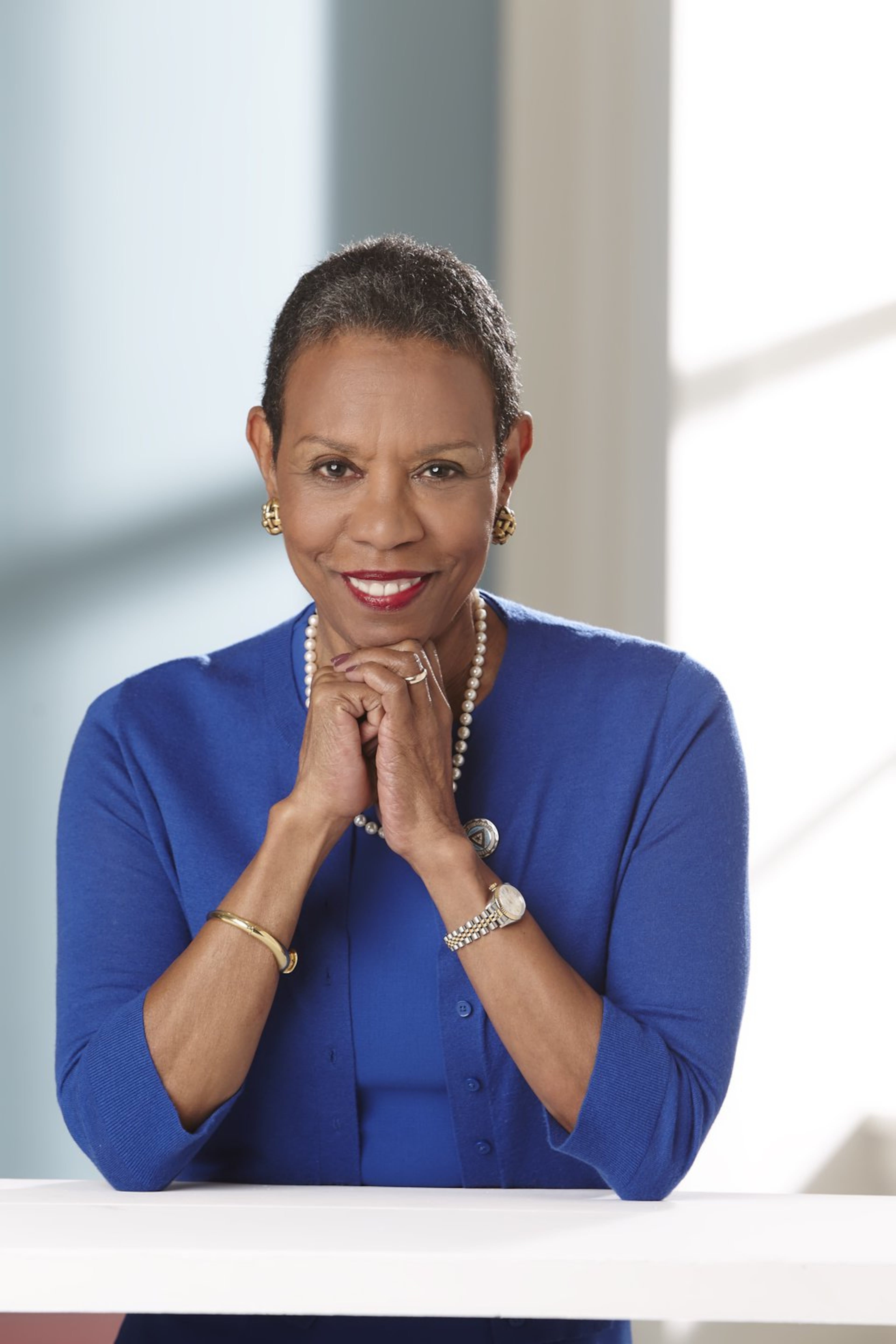
Mary Schmidt Campbell became Spelman College’s 10th president in 2015. Before joining Spelman, she led the Studio Museum in Harlem, served as New York City’s commissioner of cultural affairs and spent more than two decades as dean of New York University’s Tisch School of the Arts.
Under Campbell, Spelman expanded opportunities at the intersection of the arts, technology and entrepreneurship and navigated the COVID-19 pandemic.
Her most visible legacy is the Mary Schmidt Campbell Center for Innovation & the Arts, a hub for interdisciplinary collaboration in science, technology, engineering, arts and mathematics. Designed as a “front porch” connecting the campus to the surrounding community, the center reflects Campbell’s emphasis on creativity, civic engagement and cross-disciplinary learning.
Campbell stepped down in 2022.
Dr. Helene D. Gayle, 2022—2024

Helene D. Gayle became Spelman College’s 11th president in 2022. Before joining Spelman, she served as president and CEO of The Chicago Community Trust, led the international humanitarian organization CARE and spent 20 years at the Centers for Disease Control and Prevention working on HIV/AIDS and global health issues.
Gayle emphasized science, technology and innovation during her presidency. She promoted partnerships with companies such as Honda and Goldman Sachs, expanded science programs and encouraged careers in health care, technology and business. Intramural athletics and student wellness initiatives also received greater attention.
Gayle stepped down in 2024 after two years as president, the shortest presidential tenure in Spelman College’s history.
Rosalind Brewer, 2024—2026
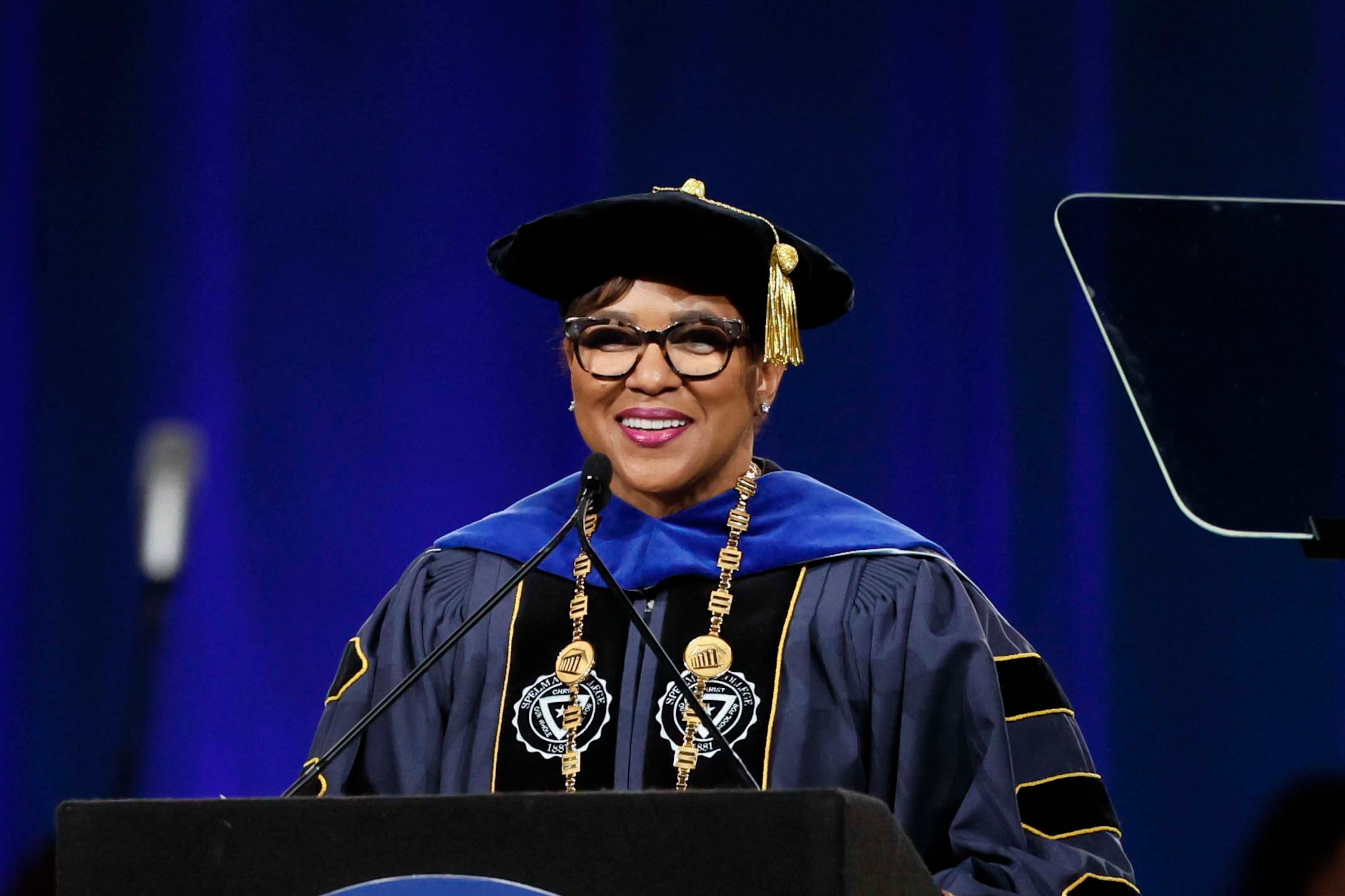
Formerly a Spelman College board of trustees member and Class of 1984 alumna, Rosalind Brewer became the interim president in 2024 and brought along her executive corporate skills. She has worked to build support for Spelman, even penning an essay arguing that an investment in the school is an investment in future women leaders.
“An investment in Spelman College is an investment in Atlanta’s future and affirmation of the vision for thriving communities and democratic ideals across our state and the nation,” Brewer wrote for the AJC. “Spelman women bring intelligence and integrity to their professions, and our success in advancing social mobility lifts everyone around us.”
During Brewer’s two years, Spelman secured a $16 million gift from the Arthur M. Blank Family Foundation to help provide academic scholarships.