
250 years later, what does the Fourth of July mean to Black Americans?

Cliff Brown remembers exactly when the Fourth of July stopped feeling like a celebration.
He was in eighth grade, researching the nation’s founding, when he realized Black Americans were still enslaved when the Declaration of Independence proclaimed that “all men are created equal.”
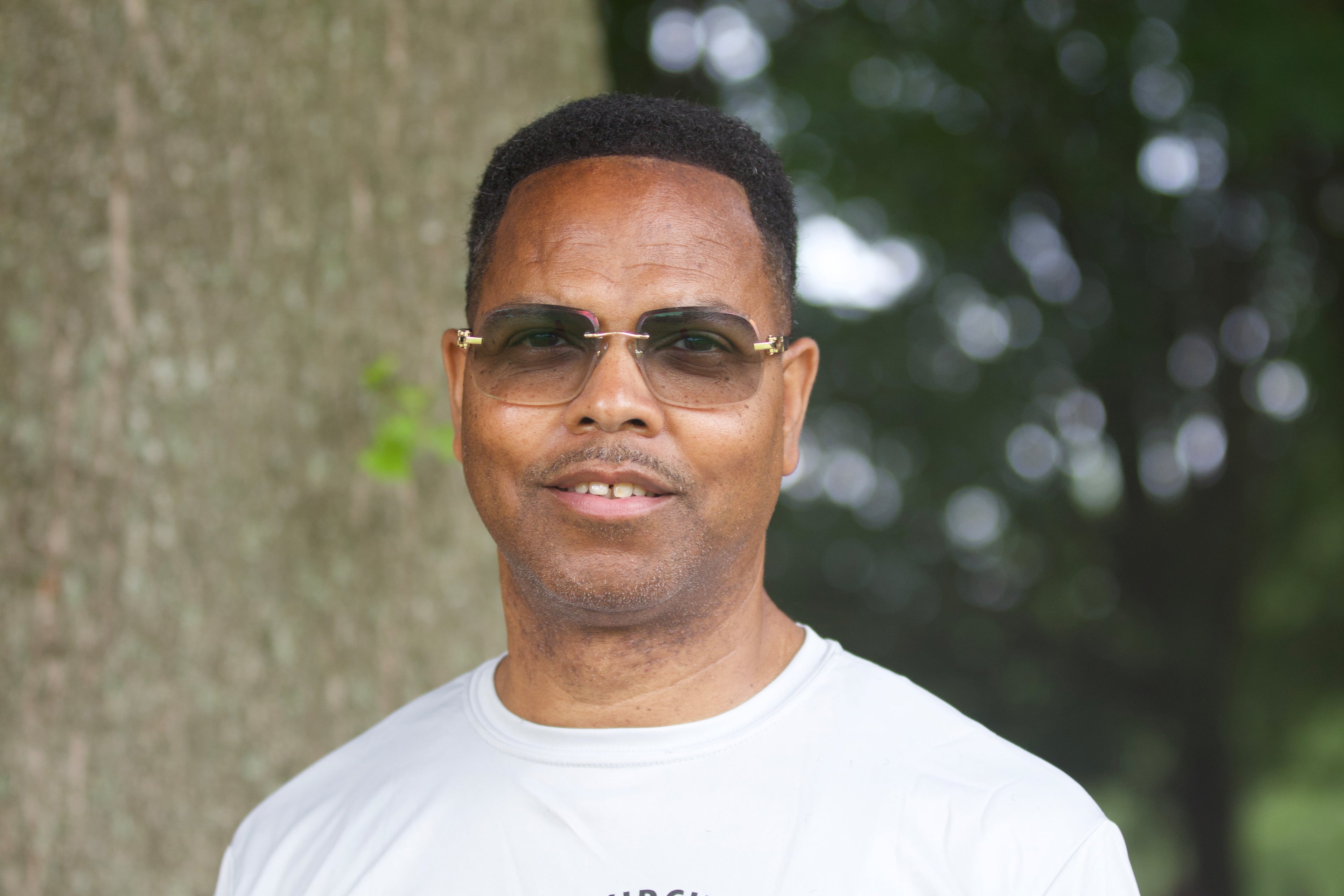
“When you look at the Constitution, and you look at what was done when it was written … Blacks were not considered humans,” said Brown, a 63-year-old native of Ohio. “They were considered property.”
As America marks the 250th anniversary of its independence, many Black Americans continue to wrestle with what, exactly, Independence Day represents for them.
It is a question that Frederick Douglass famously asked 174 years ago.
In 1852, in Rochester, New York, Douglass — a former slave turned abolitionist — gave his speech, “What to the Slave is the Fourth of July?”

In it, Douglass argued that the Fourth of July was not a celebration for him as a formerly enslaved man, or for the millions of Black people who remained enslaved across the South.
“The rich inheritance of justice, liberty, prosperity and independence, bequeathed by your fathers, is shared by you, not by me,” said Douglass. “The sunlight that brought life and healing to you, has brought stripes and death to me. This Fourth July is yours, not mine. You may rejoice, I must mourn.”
For generations, Black Americans have wrestled with the contradictions between the nation’s founding ideals and the reality of slavery, segregation and discrimination. Douglass’s 1852 speech remains one of the most enduring critiques of that contradiction.
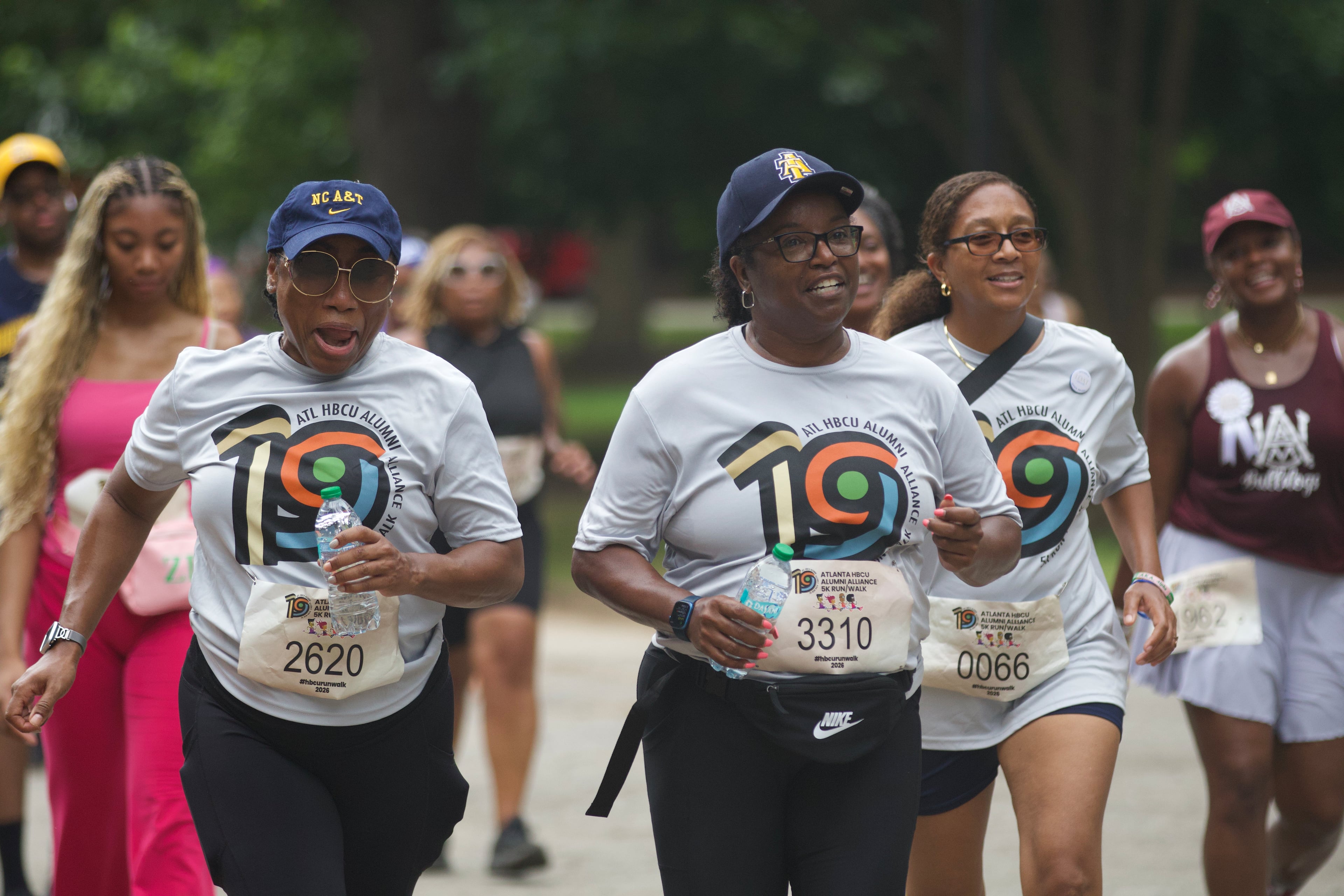
Last weekend at the Atlanta HBCU Alumni Alliance 5K Run-Walk, which draws about 4,000 participants, mostly graduates of Black colleges, UATL asked a variation of Douglass’ question: “Two hundred fifty years later, what does the Fourth of July mean to Black Americans?”
“The Fourth of July is supposed to be independence,” Brown said. “But it’s not for Blacks. It’s for whites.”
The Declaration of Independence famously proclaimed that “all men are created equal.”
Yet when it was adopted in 1776, roughly 500,000 Black people remained enslaved in the 13 colonies, and a majority of the Declaration’s signers enslaved Black people.
Patrick Collins, born and raised in Columbus, Ohio, no longer celebrates the Fourth of July but instead observes Juneteenth, which commemorates the day enslaved Black people in Texas learned they were free on June 19, 1865, more than two years after the Emancipation Proclamation.
Juneteenth became a federal holiday in 2021 when President Joe Biden signed the Juneteenth National Independence Day Act into law.
“The Fourth of July really had no significance because at that time we were still enslaved people,” said Collins, a graduate of Central State University.
He said an African-American history course taught him more about Black history than what he learned in his formative years.
Like Collins, Azrieal Heath’s meaning of the Fourth of July changed while taking an African-American history course at Albany State University.
She considers the Fourth of July a day off work and Juneteenth as her “Independence Day.”
“Juneteenth is where we really celebrate our independence, our Black freedom, and the great things that have come with it,” said Heath, a Chicago native now living in Atlanta.
For Joi Greene, the Fourth of July has always carried another meaning. She uses the date to celebrate her birthday, which falls on July 2, with gatherings and fireworks which have become family traditions.
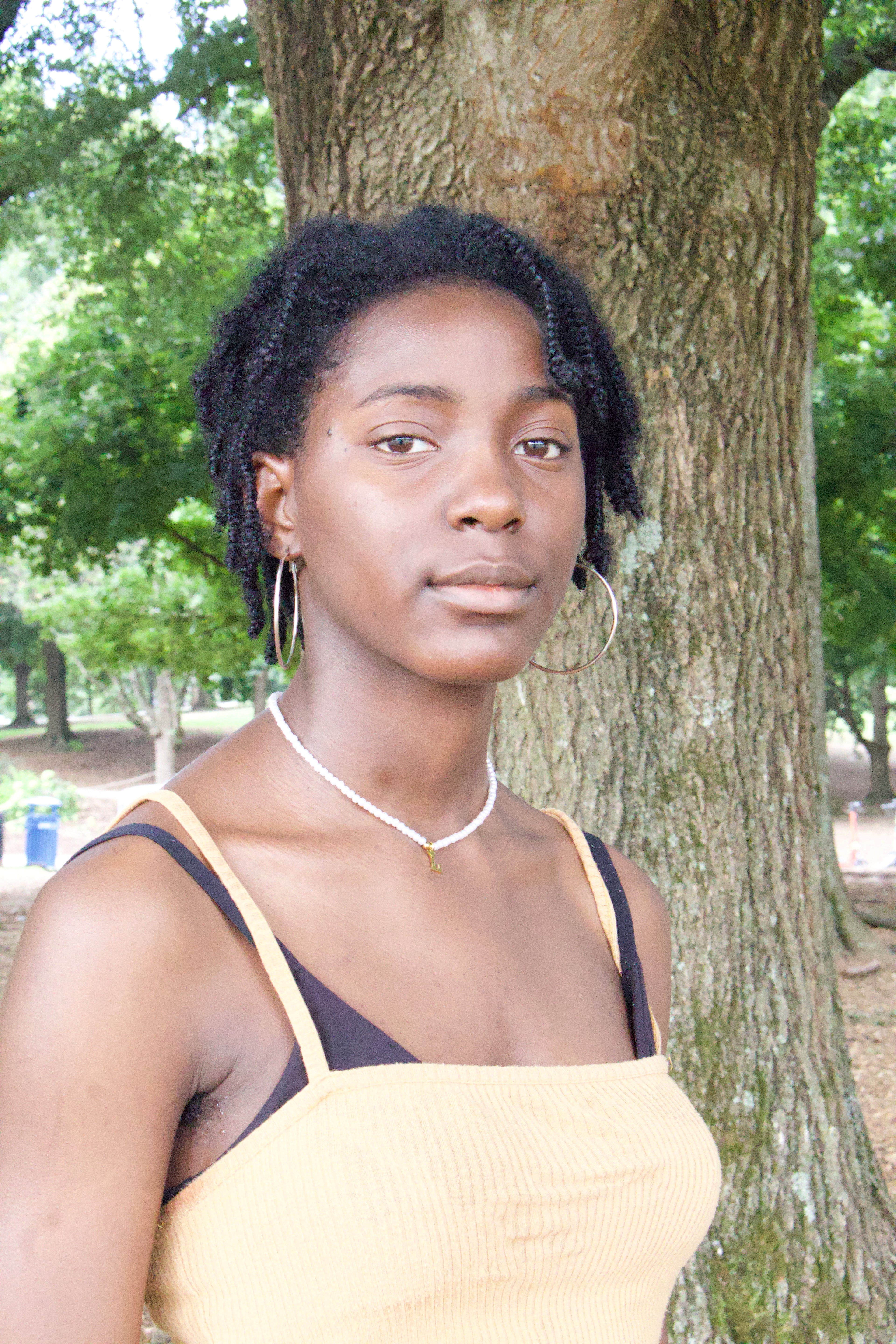
“Fourth of July really means fun for all Americans,” Greene said. “Not necessarily freedom or liberty, but a time to come out and be with family, be with friends, and to celebrate that we are here, that we’re free, not as Americans, but as Black people.”
Jay White, who has lived in Atlanta for two decades, says the Fourth of July has never reflected the Black experience. He celebrates Juneteenth instead.

“We can’t continue to celebrate the heritage of this country that was not inclusive of us,” said White, who was born in Germany.
Brown was handing out water and refreshments as runners crossed the finish line of the Atlanta HBCU Alumni Alliance 5K when he returned to the lesson he first learned decades ago in eighth grade. Brown encourages Black people to learn their history and do their own research. He said Frederick Douglass, who died in 1895 as one of the most recognizable Black men in history, is one person every Black person needs to know.
“Knowledge is power. If you don’t have that knowledge, (people) can tell you anything and you would never know the difference,” said Brown. “Educate yourself.”
Become a member of UATL for more stories like this in our free newsletter and other membership benefits.
Follow UATL on Facebook, on X, TikTok and Instagram.