
Before there was America, there was an enslaved Black woman’s poetry
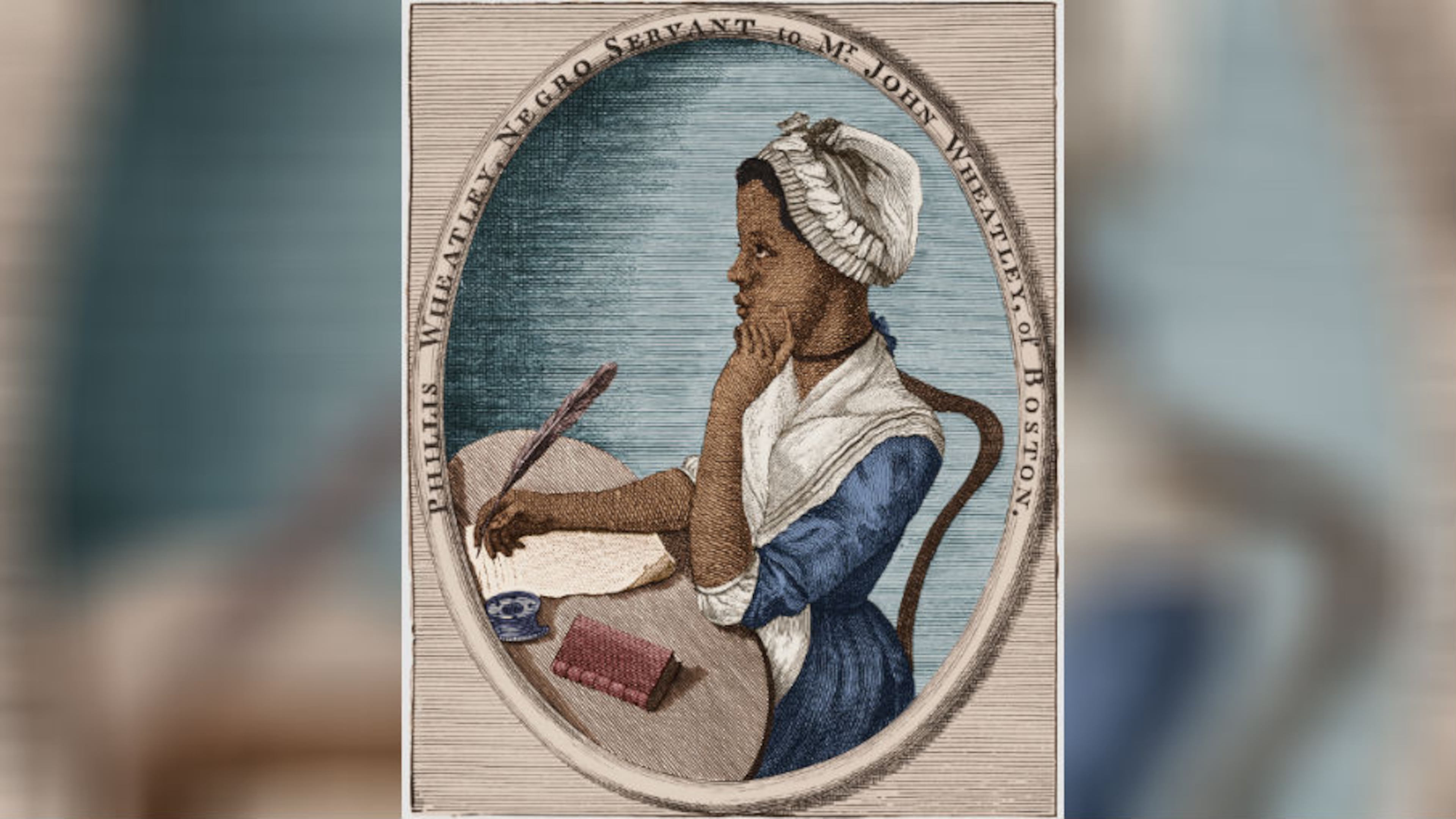
Three years before the Declaration of Independence was signed, an enslaved Black woman published a small book of poetry.
Her name was Phillis Wheatley.
“Poems on Various Subjects, Religious and Moral” was well-received and garnered the attention of future president George Washington.
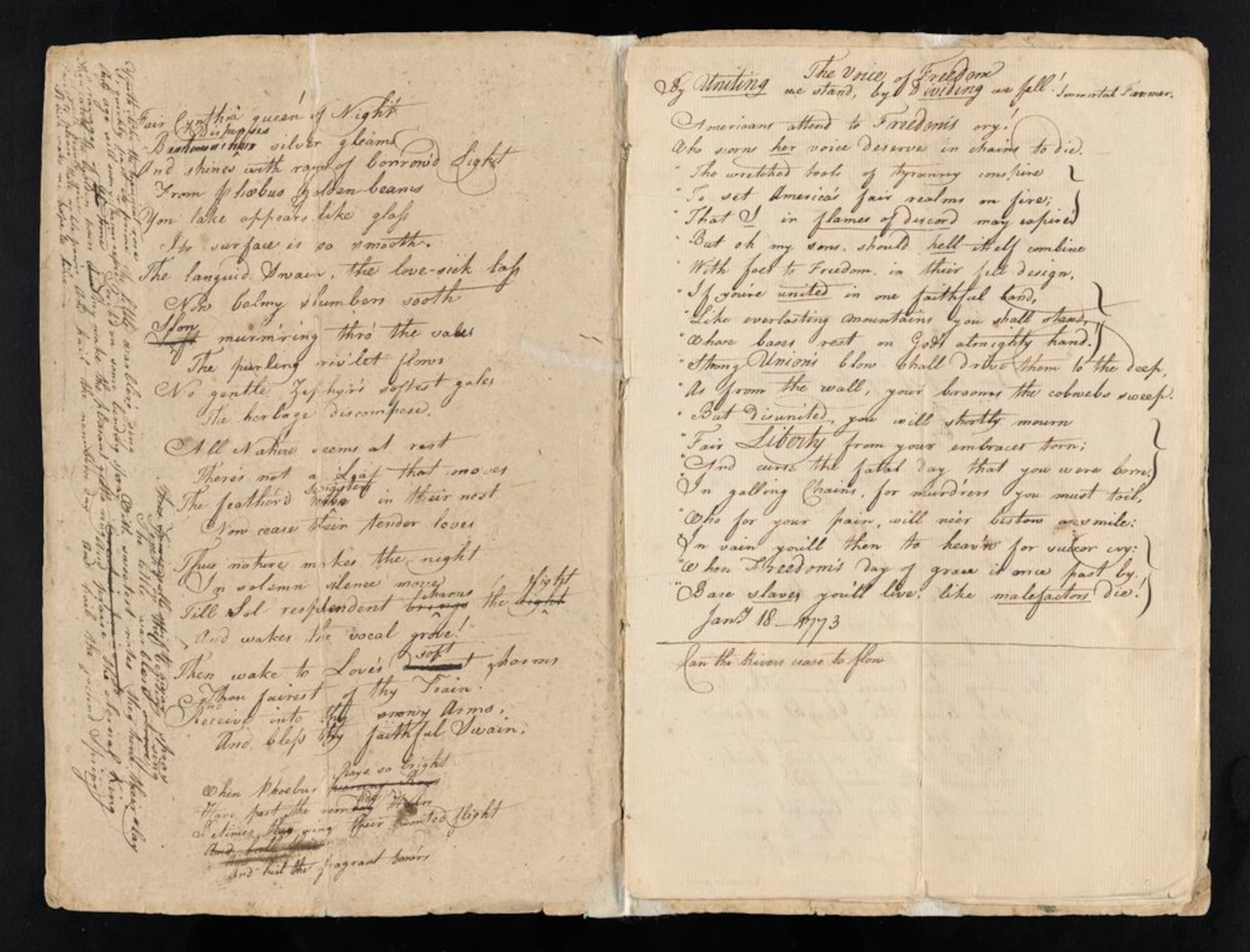
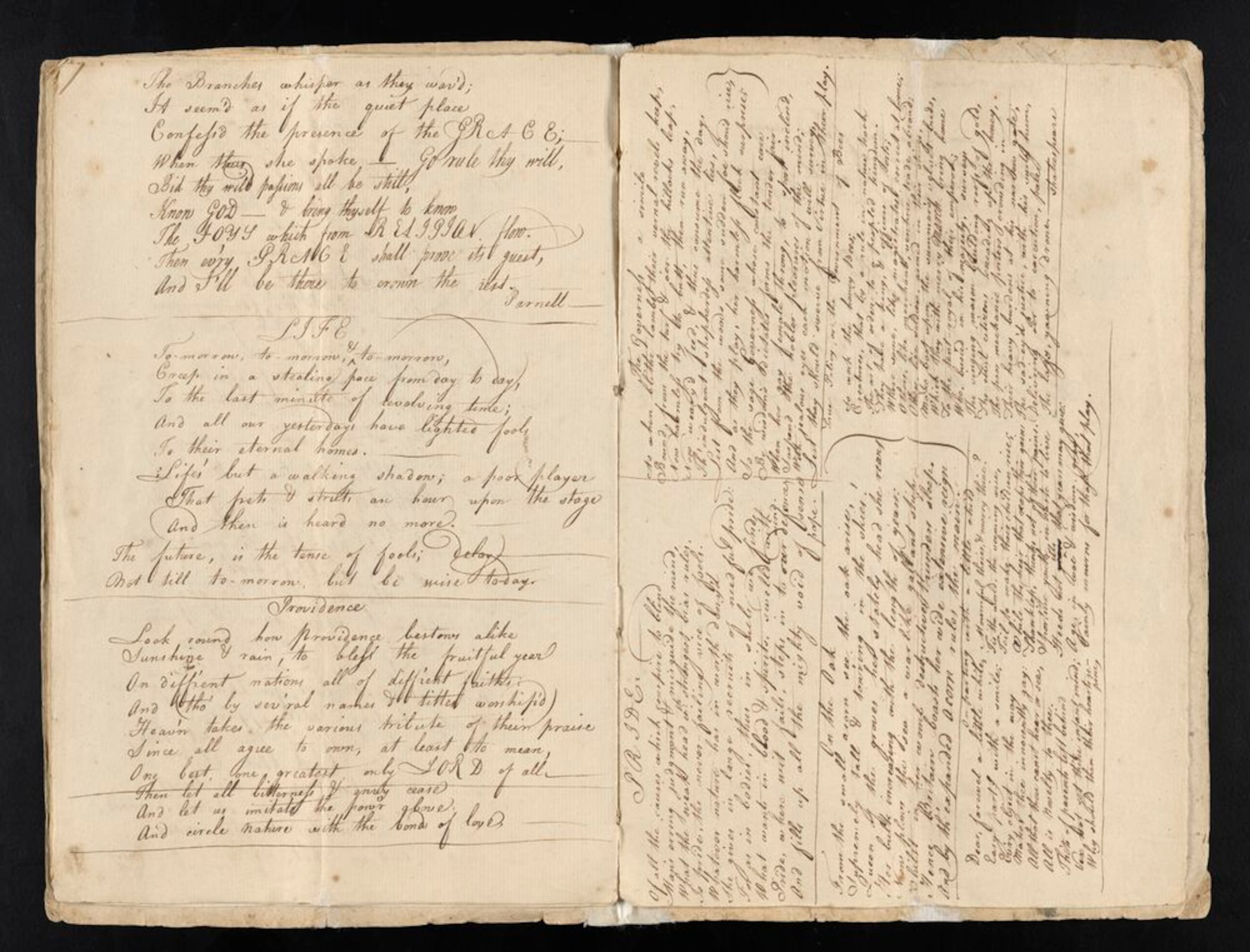
Only two original draft books of Wheatley’s poetry remain — and they’re in Atlanta, according to Emory University collection development archivist Kayla Genell Annan.
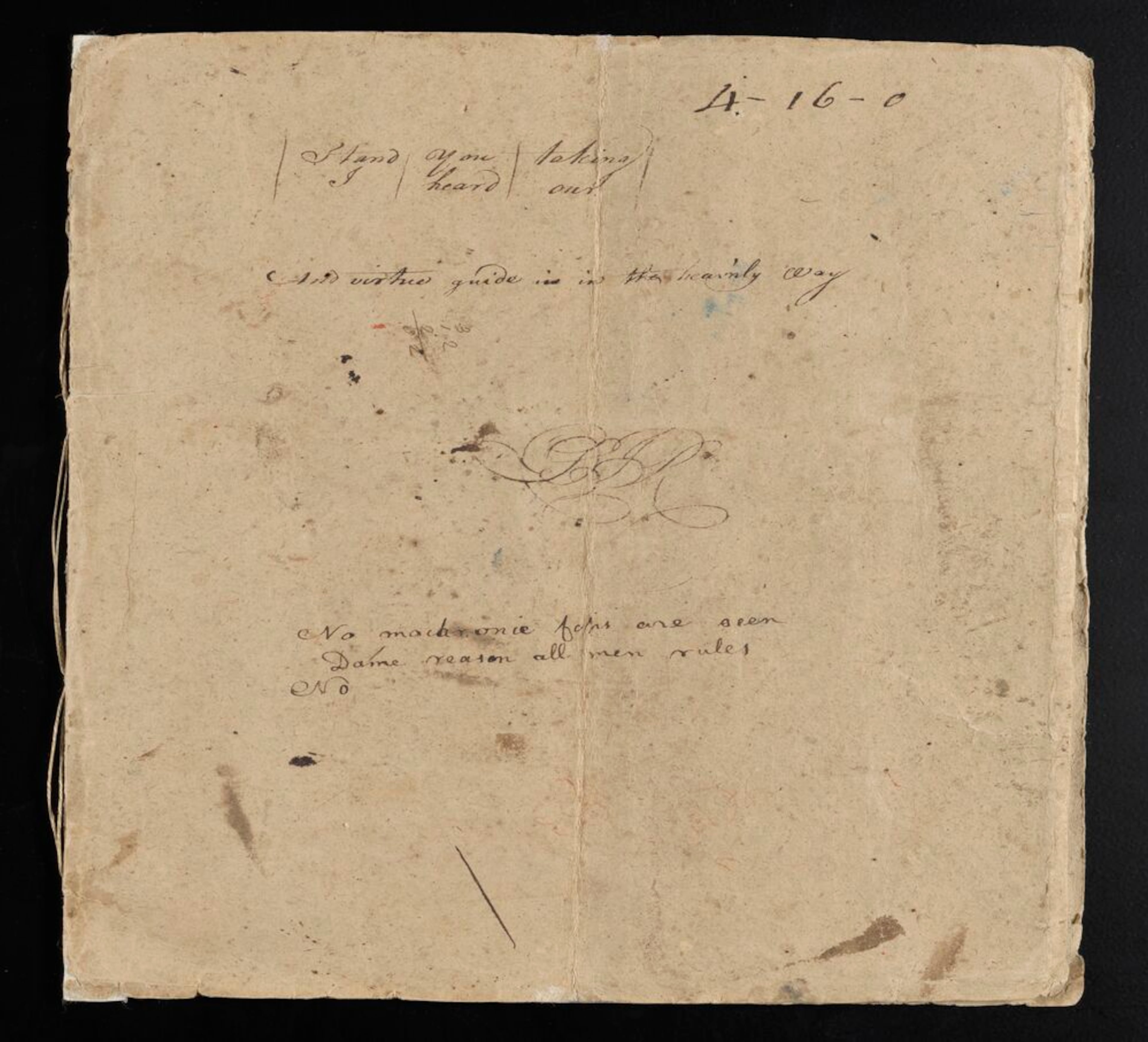
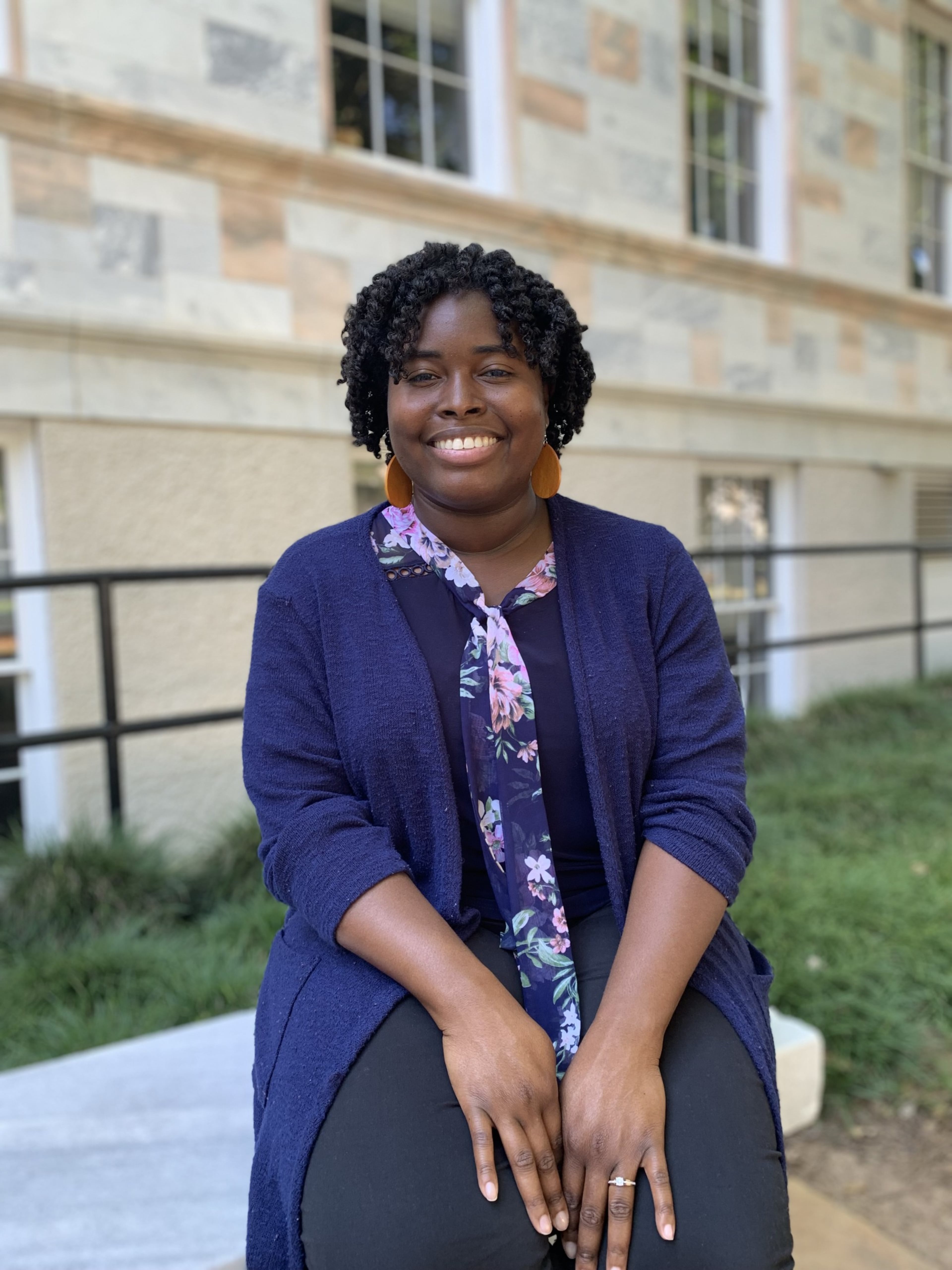
Annan is the Collection Development Archivist for African American Collections at Stuart A. Rose Manuscript, Archives, and Rare Book Library of Emory University, which has both handwritten poetry draft books and a first-edition copy of “Poems on Various Subjects, Religious and Moral” stored in a climate-controlled vault.
As celebrations for America’s semiquincentennial get underway, Wheatley’s work continues to resonate more than 250 years later alongside the document that solidified the independence of a nation built on an ideology of freedom.
“Before the Declaration of Independence, there is an America being made and Black people are at the foundation. Any attempt of making America something that does not include the ability for Black folk to thrive is anti-America,” said Jericho Brown, the Charles Howard Candler Professor of English and Creative Writing at Emory. “That includes the arts, and in Phillis Wheatley’s case: poetry.”
Annan said there’s been growing interest in Wheatley in recent years as efforts to digitize her work have expanded.
The Stuart A. Rose Manuscript, Archives, and Rare Book Library acquired the collection in 1997, and visitors are able to view digitized versions.
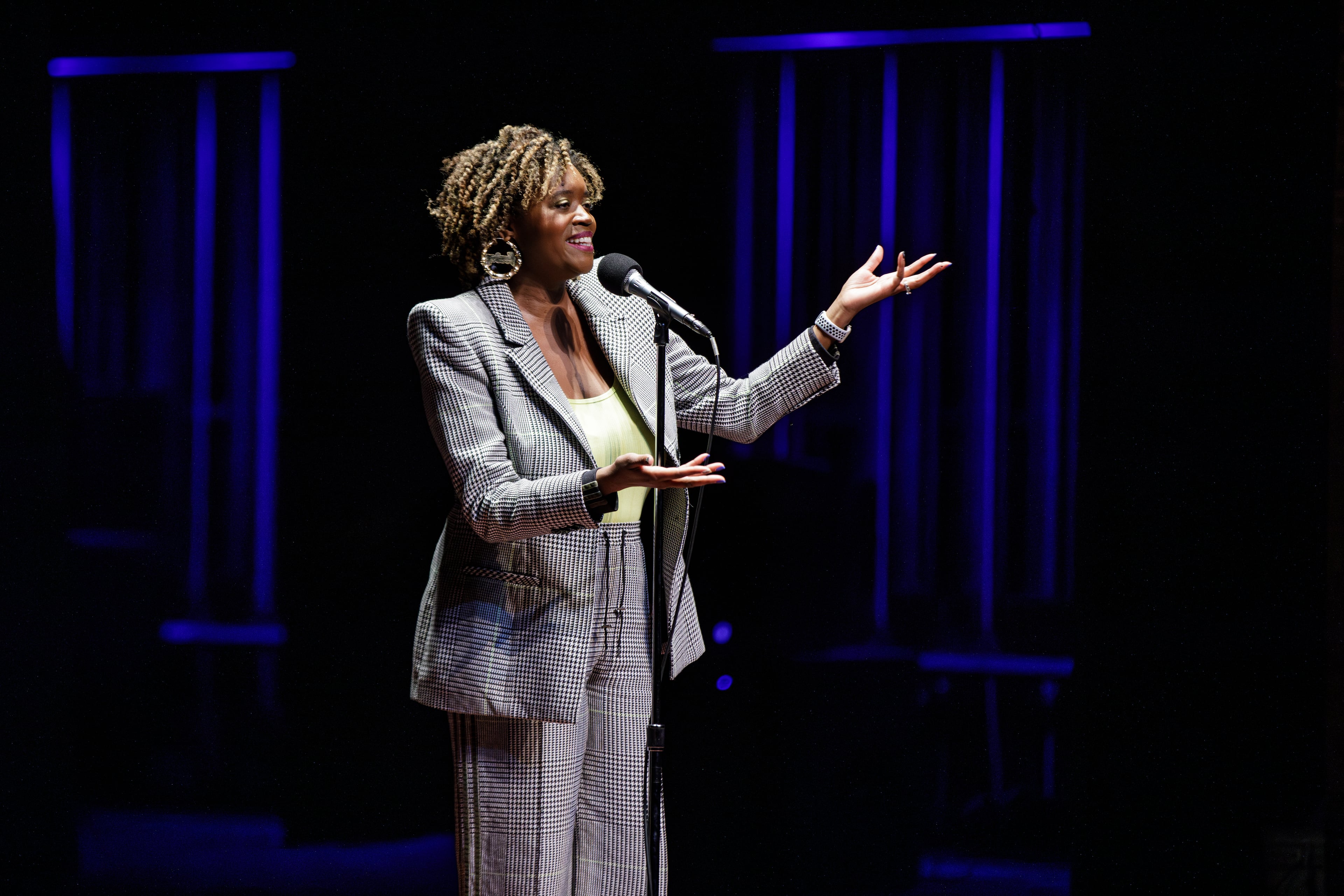
Atlanta-based poet and spoken word artist Amena Brown started reading Wheatley as a child and was struck by how the poet’s work tackled multiple complexities of being Black in America.
Amena Brown called Wheatley an “intriguing” griot, bridging the past and the future and serving as an ancestral guide for Black writers.
Her story continued to resonate with Brown as she grew into a poet herself.
“It is monumental what Phillis Wheatley was able to achieve, and I wouldn’t be a writer if she hadn’t dared.”
Wheatley’s work challenged stereotypes about Black intellectual ability while exploring spirituality, Christianity, politics and chattel slavery.
“There were these subversive ways that she was writing,” Amena Brown said. “That is a really important tool to study because in the time that she was writing, there are certain things that maybe a Black writer today could just go straight to threads and type and say and not be in fear in the same way.”
In the mid-18th century, Wheatley was taken from her home in Senegambia at age 7. She was transported on a slave ship to Boston, where she was placed on the slave market. Her white enslavers, John and Susanna Wheatley, named her after “The Phillis,” the slave ship that brought Wheatley to New England.
The family encouraged Wheatley to learn to read along with their young children. She also learned Latin and Greek and published her first poem at age 13.
“It is a grief that in order for Phillis Wheatley … to begin her writing career, that she had to begin her writing career when she wasn’t free, that the people who owned her thought enough to think her writing gift was important but not enough to free her,” said Amena Brown.
As Wheatley’s acclaim grew, it didn’t come without skepticism in a society rooted in white supremacy.
Critics doubted that an enslaved woman possessed the intellectual ability to produce such work, forcing her to defend her authorship before prominent Boston officials.
Amena Brown was curious how Wheatley’s literary artistry might have flourished if she had full autonomy during a time when Black people were not seen as full human beings.
Wheatley was freed after the death of her enslaver. Scholars prefer to refer to the poet by her full name, Phillis Wheatley Peters, the name she chose after gaining her freedom and marrying John Peters, a free Black man.
She died in 1784 at the age of 31 after living in extreme poverty working as a maid.
Jericho Brown called Wheatley a founding figure in American poetry and arguably the first civil rights poet in the United States. He said she was “slick and sly” in her works, and had the ability to tap into her audience’s subconscious while making political arguments.
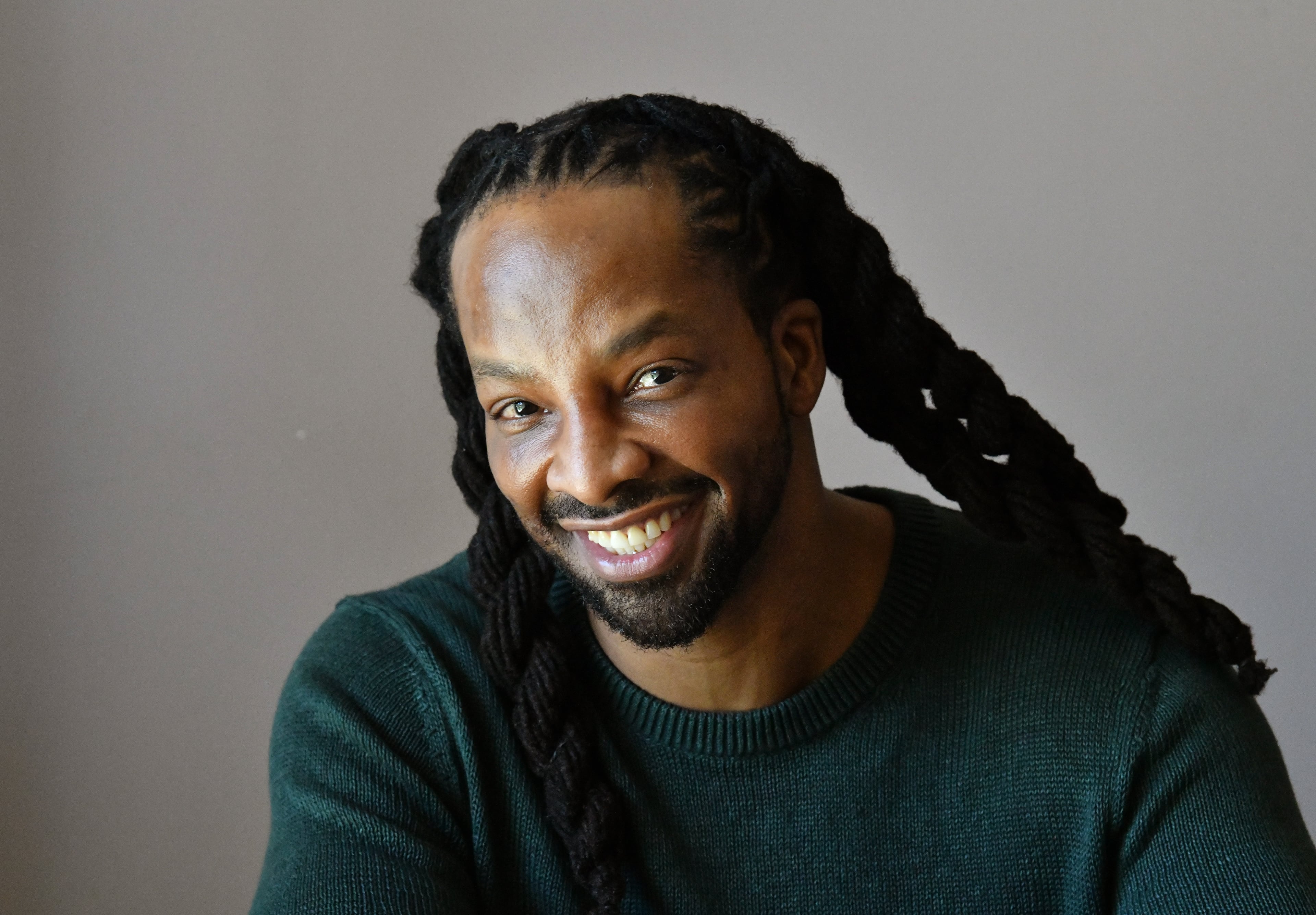
Just as scholars revere Walt Whitman and Emily Dickinson, Jericho Brown said the same respect must be given to Wheatley Peters, who wrote nearly a century earlier.
Housing the collection in Atlanta gives Wheatley’s work an added layer of meaning, Annan said.
“Knowing that Atlanta is considered to be the Black mecca and having the Civil Rights Movement and all of these different individuals who were the catalyst for change coming out of Atlanta, I do feel that Phillis Wheatley kind of represents what that means,” said Annan.
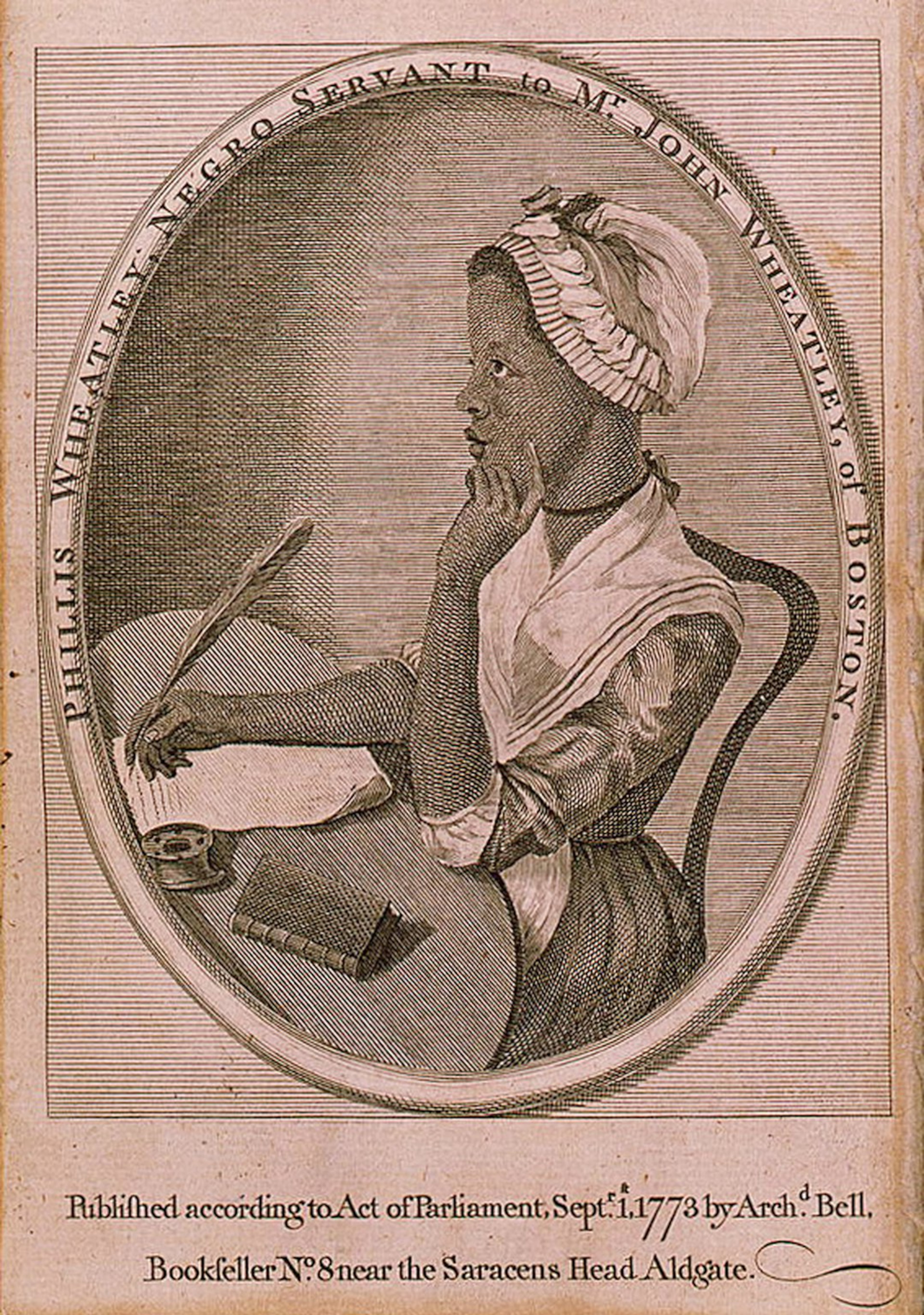
She said Wheatley’s kidnapping and being viewed as property before becoming a published writer was extraordinary.
“That is something that we should pay attention to. It’s not just a piece of history that we should forget.”