
Evolution of the Revolution: Black Atlantans’ feelings about July 4th.

Today, debates over whether Black Americans should celebrate the Fourth of July often center on slavery and exclusion.
But in the decades after the Civil War, many Black Atlantans embraced Independence Day as a celebration of Union victory, emancipation and their new rights as American citizens.
Through parades, speeches and community gatherings, they marked the holiday by affirming their newfound freedom and citizenship.
Although some continue to recognize the nation’s independence by donning the red, white and blue and celebrating the nation’s departure from British rule, others, according to historian Jeffrey Ogbar, attach an “asterisk” to the holiday.
“We’re not thinking about George Washington and Patrick Henry,” said Ogbar, a graduate of Morehouse College and the author of “America’s Black Capital: How African Americans Remade Atlanta in the Shadow of the Confederacy.”
For nearly a century after the Declaration of Independence, millions of Black Americans remained enslaved. But emancipation and the Union victory transformed the Fourth of July into something different for many newly freed Black Atlantans: a celebration not just of the nation’s founding, but of their own freedom and citizenship.
Before the Confederacy surrendered at Appomattox Court House in 1865, Atlanta endured a devastating Union campaign that destroyed much of the city’s infrastructure and shattered community morale. Tens of thousands of Union artillery shells fell on the city during the Battle of Atlanta, sending many residents into bomb shelters.
In “America’s Black Capital,” Ogbar described how white Atlantans reacted to the siege, including Mary A.H. Gay, who called Union Gen. William Tecumseh Sherman the “Nero of the nineteenth century.”
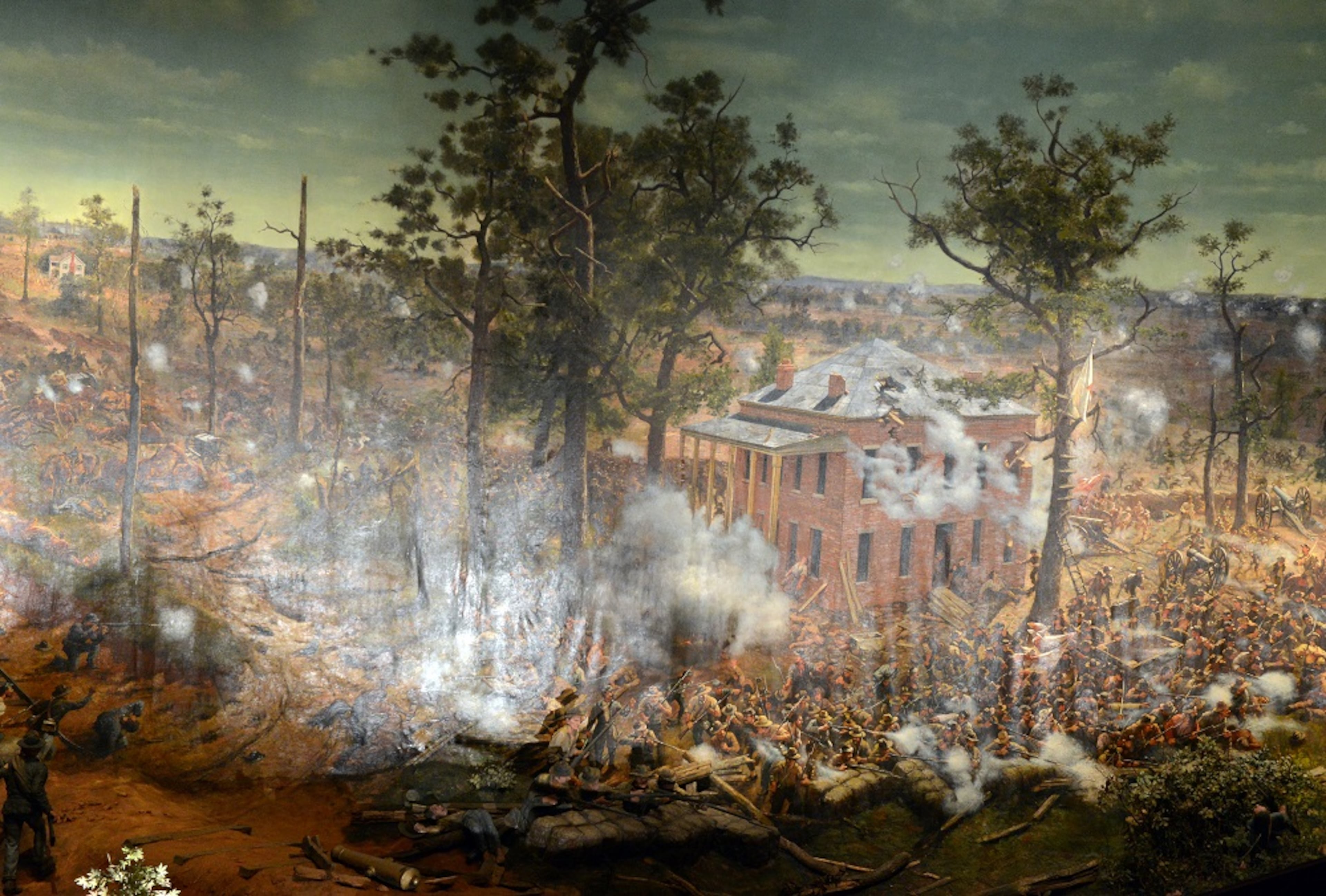
Ogbar said the Confederacy had developed a separate identity, complete with its own government, president, currency, stamps and flag.
“They had their own Independence Day,” said Ogbar, a professor at the University of Connecticut. “And they were not going to celebrate July 4 any longer.”
After the Confederacy’s surrender in 1865, many white Atlantans had little interest in celebrating a return to the Union.

Instead, they turned toward the Lost Cause, as Black Atlantans used the holiday to lean into their Americanness.
Across Atlanta, July Fourth celebrations featured parades, readings of the Reconstruction amendments, speeches and American flags carried through the streets.
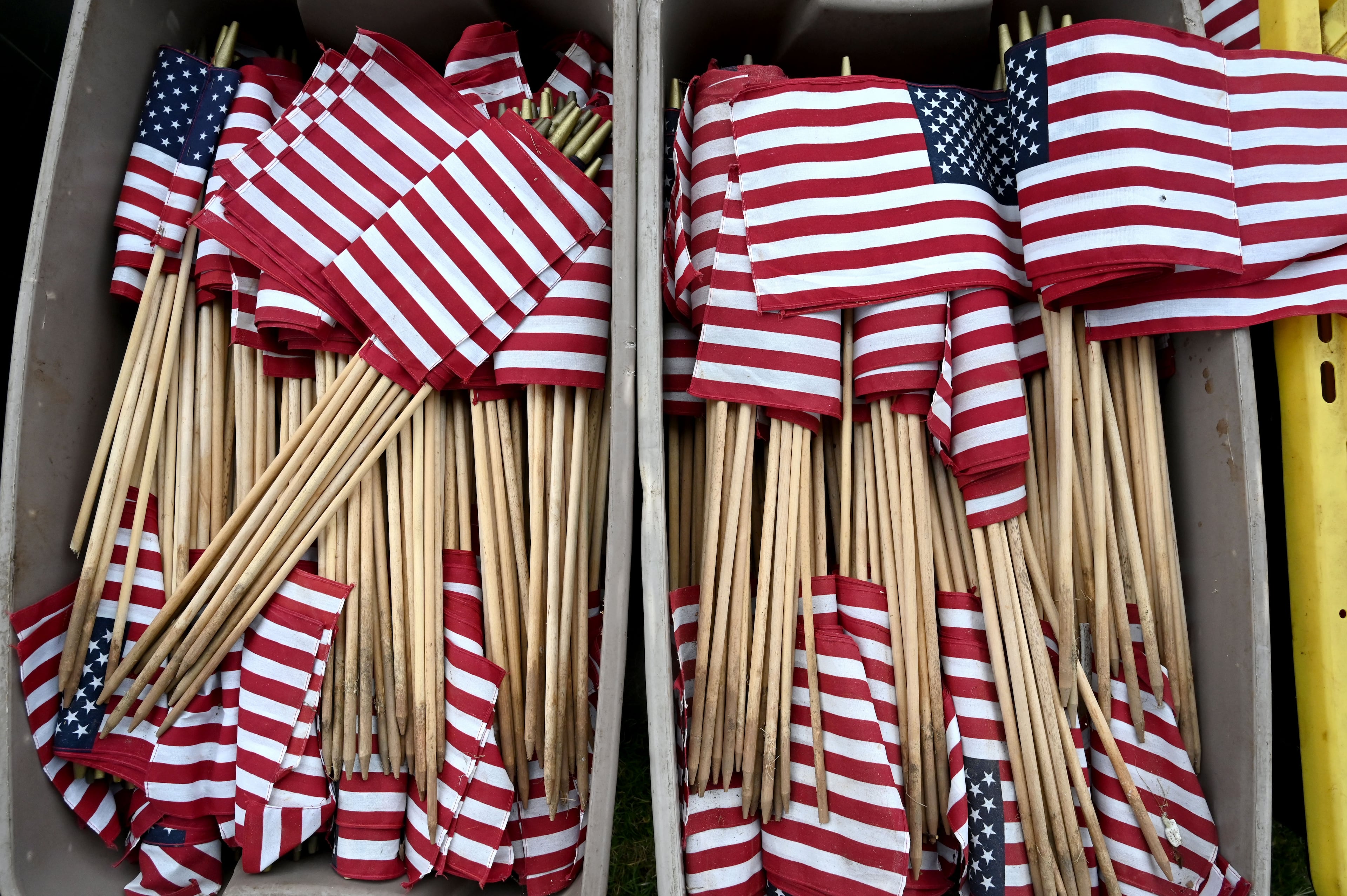
Ogbar said these events were a subversive response to the Confederacy.
“It became an act that defied the Confederates and the white nationalists who never viewed Blackness and Americanness as being synonymous,” he said.
Like Emancipation Day, the Fourth of July became an important date on Black Atlantans’ calendars, even as many white Southerners remained loyal to the Confederacy.

Many white Atlantans, particularly those loyal to the Confederate cause, redirected their patriotism toward April 26 to celebrate “Confederate Memorial Day.”
But those distinct celebrations gradually faded as white Southerners returned to observing the Fourth of July.
By the time of the Spanish-American War in 1898, there was a growing effort to reconcile white Northerners and Southerners, strengthening a shared sense of American patriotism.
Ogbar attributes this conflict, as well as World War I and other conflicts in the 20th century, to the acceleration of American patriotism we see today.
Independence Day became a paid federal holiday in 1938, further cementing its place in the national calendar.
Within Black communities, however, conversations about what Independence Day represented continued to evolve, reshaping how many people observe the holiday.
La’Neice Littleton, a historian at the Atlanta History Center, said that despite these events, there have always been Americans who were critical of the holiday.
“When we look at the American Revolution and the commentary about the hypocrisy of people enslaving an entire nation while saying they were fighting for their own freedom, I think people have always been aware of that contradiction,” she said.
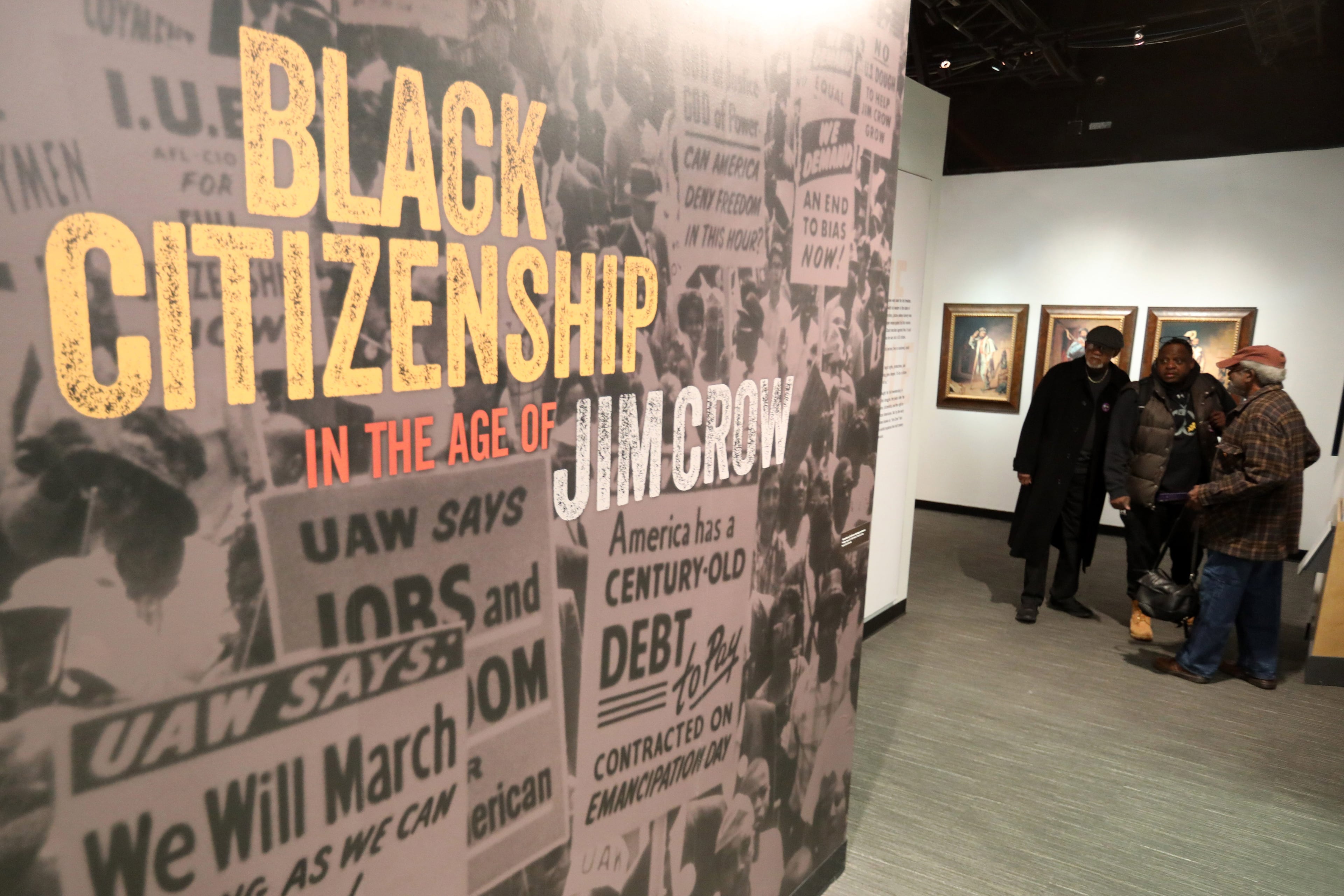
Currently, some Black people in Atlanta and across the country continue to make the day their own.
“It gives us the opportunity to celebrate ourselves,” Ogbar said. “Have some dances, food, laugh, catch up with the people you love most and have a great time.”
Others, like Atlanta native Tyesha Garcia, consider Juneteenth their Independence Day.
“It’s about my ancestors and about my culture and about my freedom,” she said. “It’s about the 13th Amendment.”
Chris T. Frazier is an Ida B. Wells Society fellow for The Atlanta Journal-Constitution.