
July 4 reopening of Martin Luther King Jr.’s childhood home is both symbolic and patriotic

1 / 19

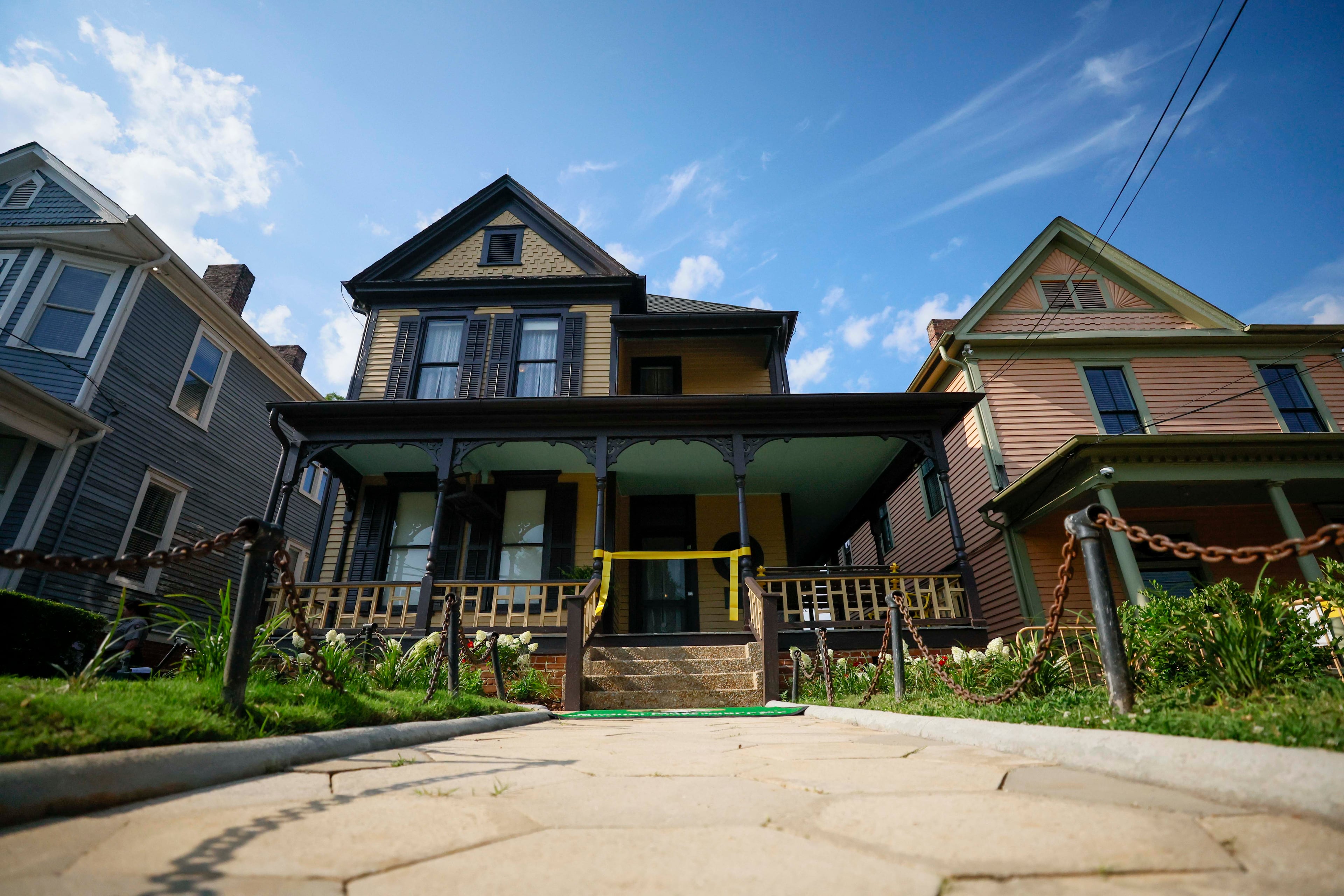
As the nation marks its 250th anniversary, the birthplace of Martin Luther King Jr. will reopen to the public Saturday after a three-year restoration, offering visitors a new way to experience the home where America’s most influential civil rights leader spent his earliest years.
On July 4, a date that holds great symbolic meaning, guests will have the opportunity to experience a more interactive museum home.
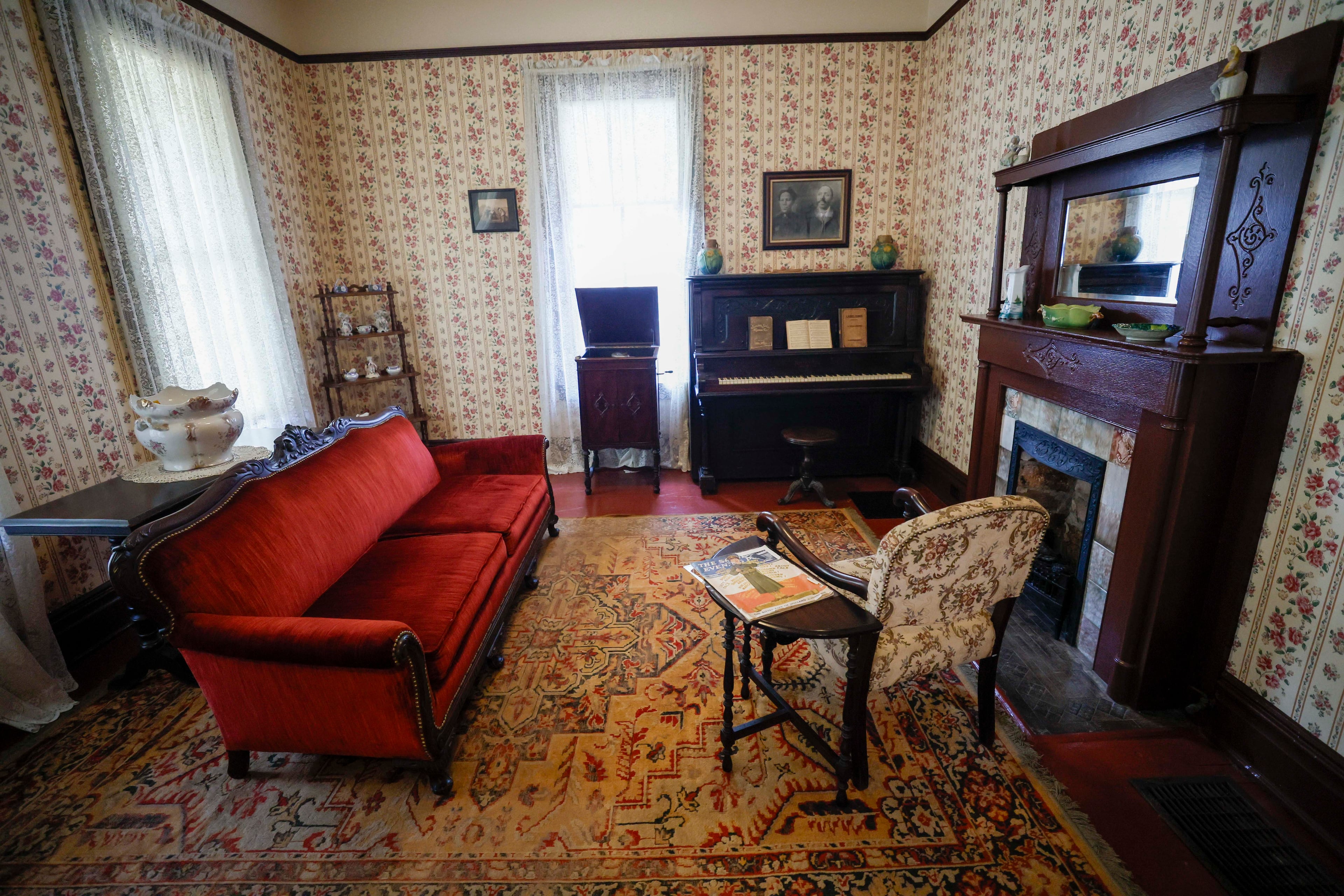
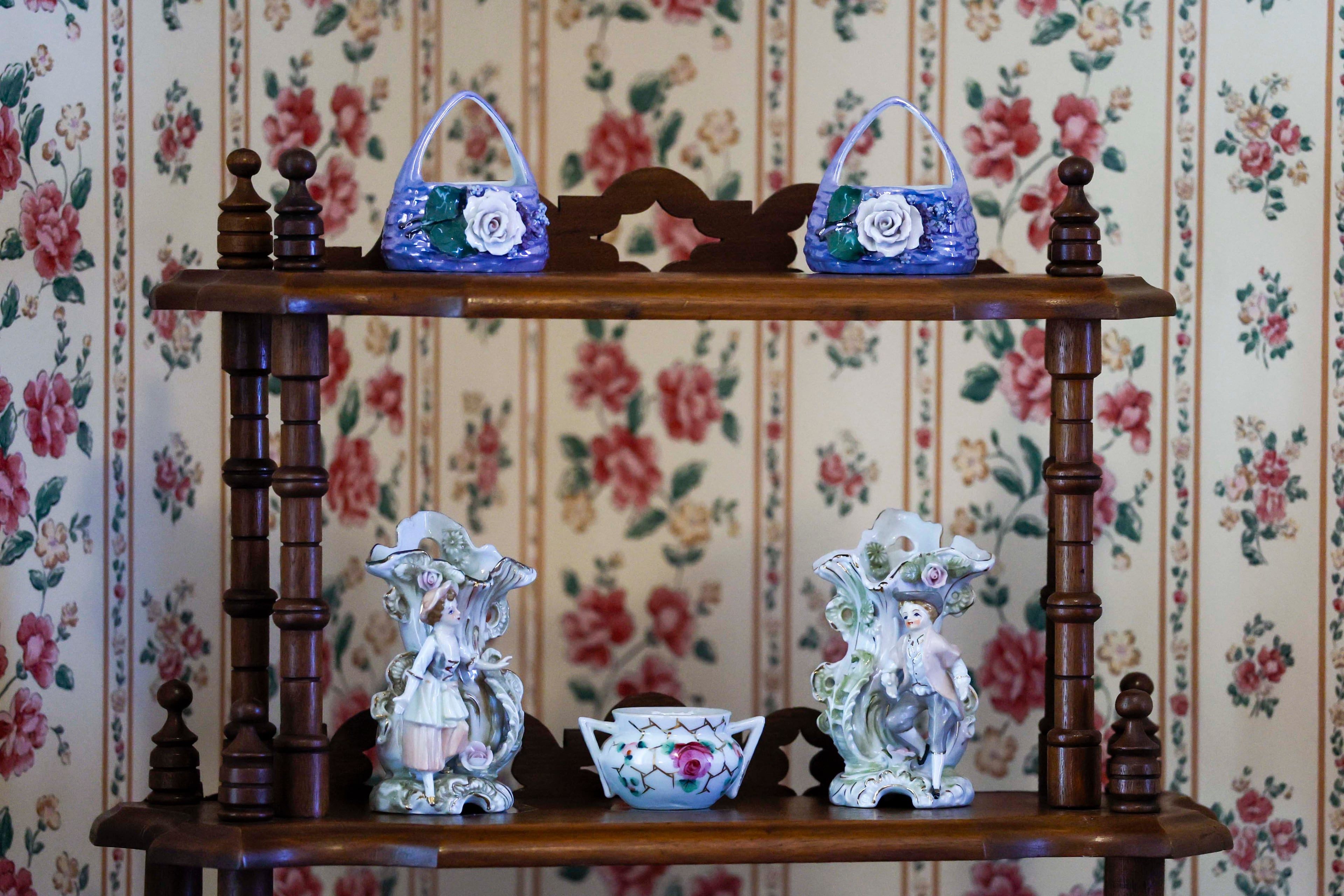
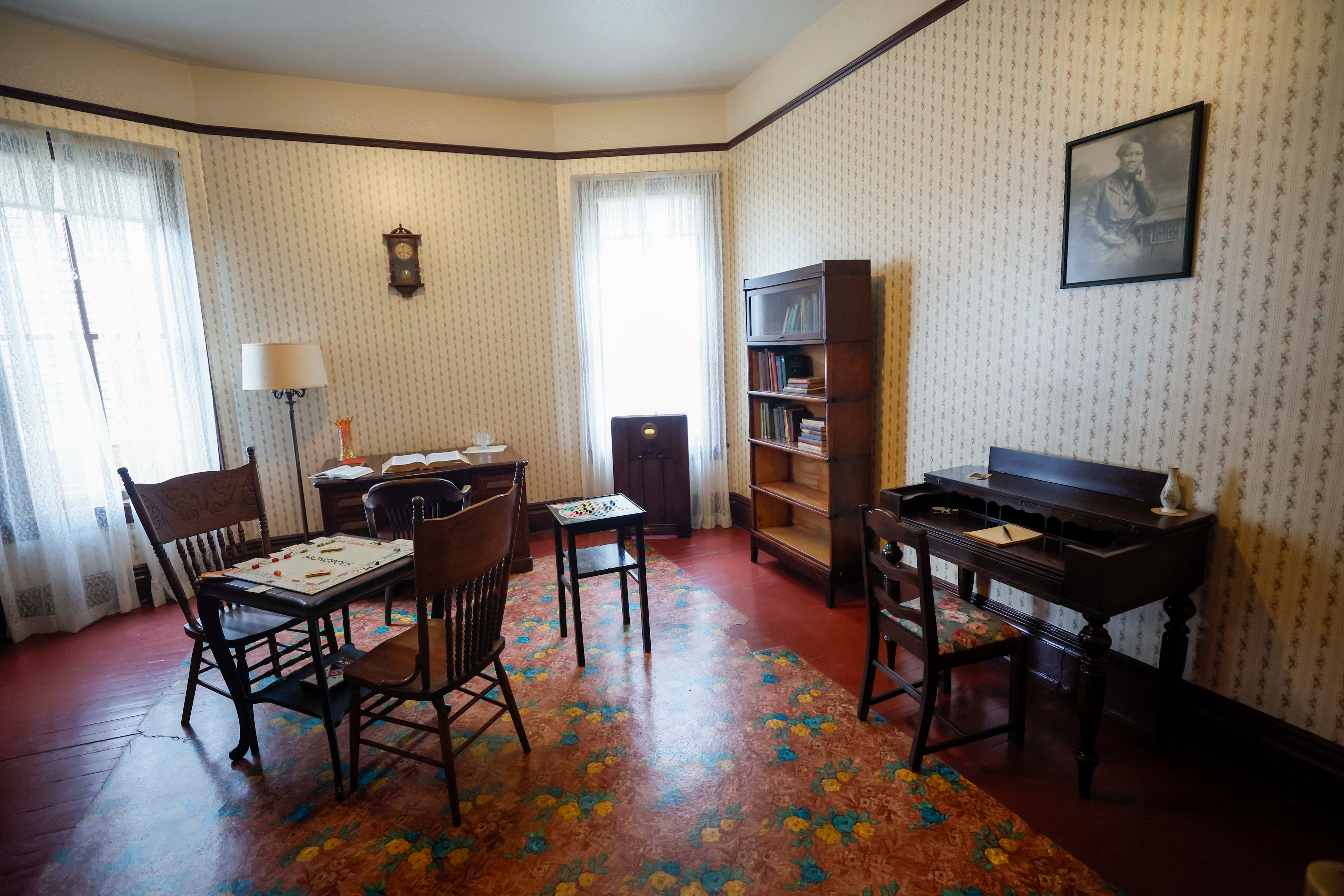
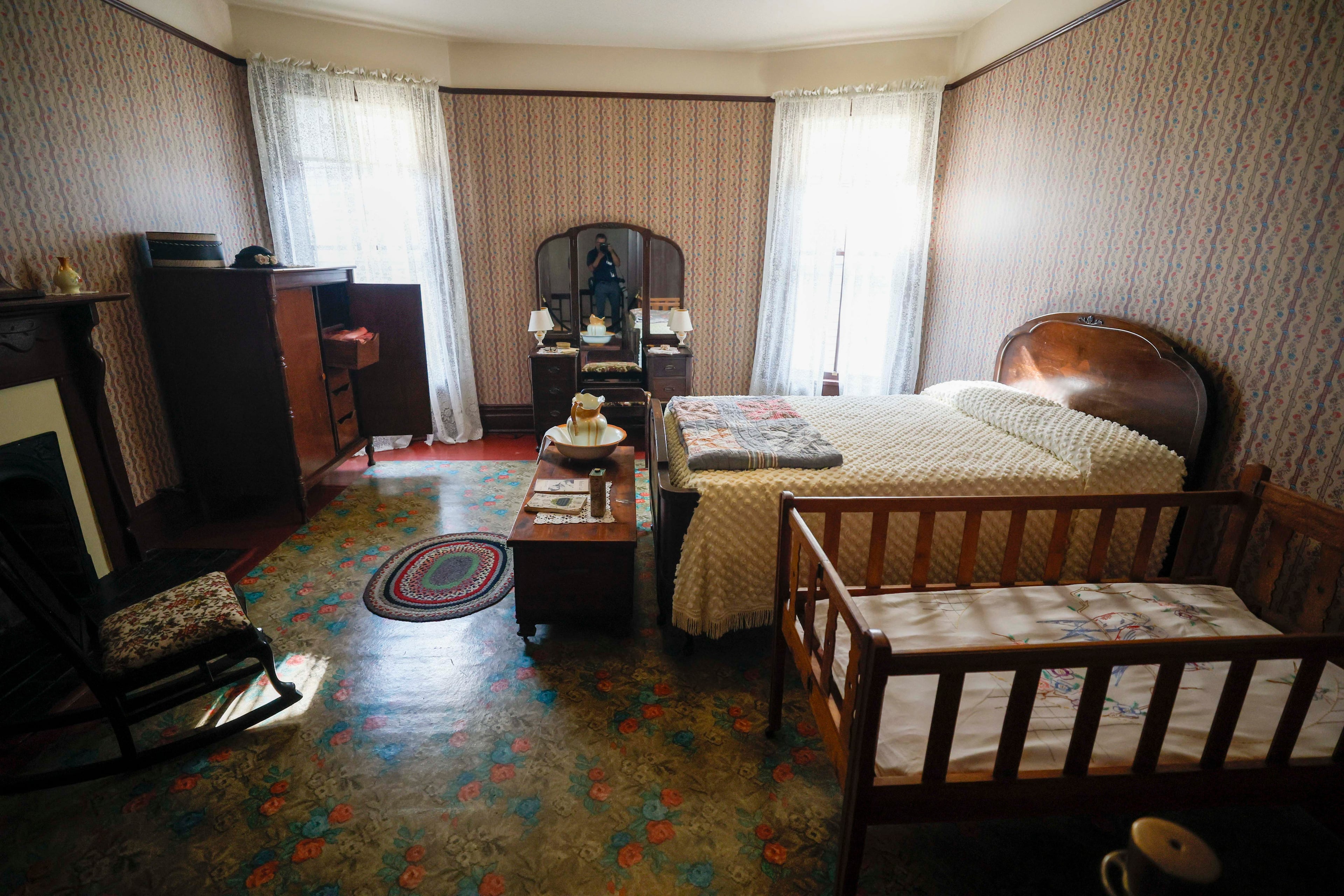
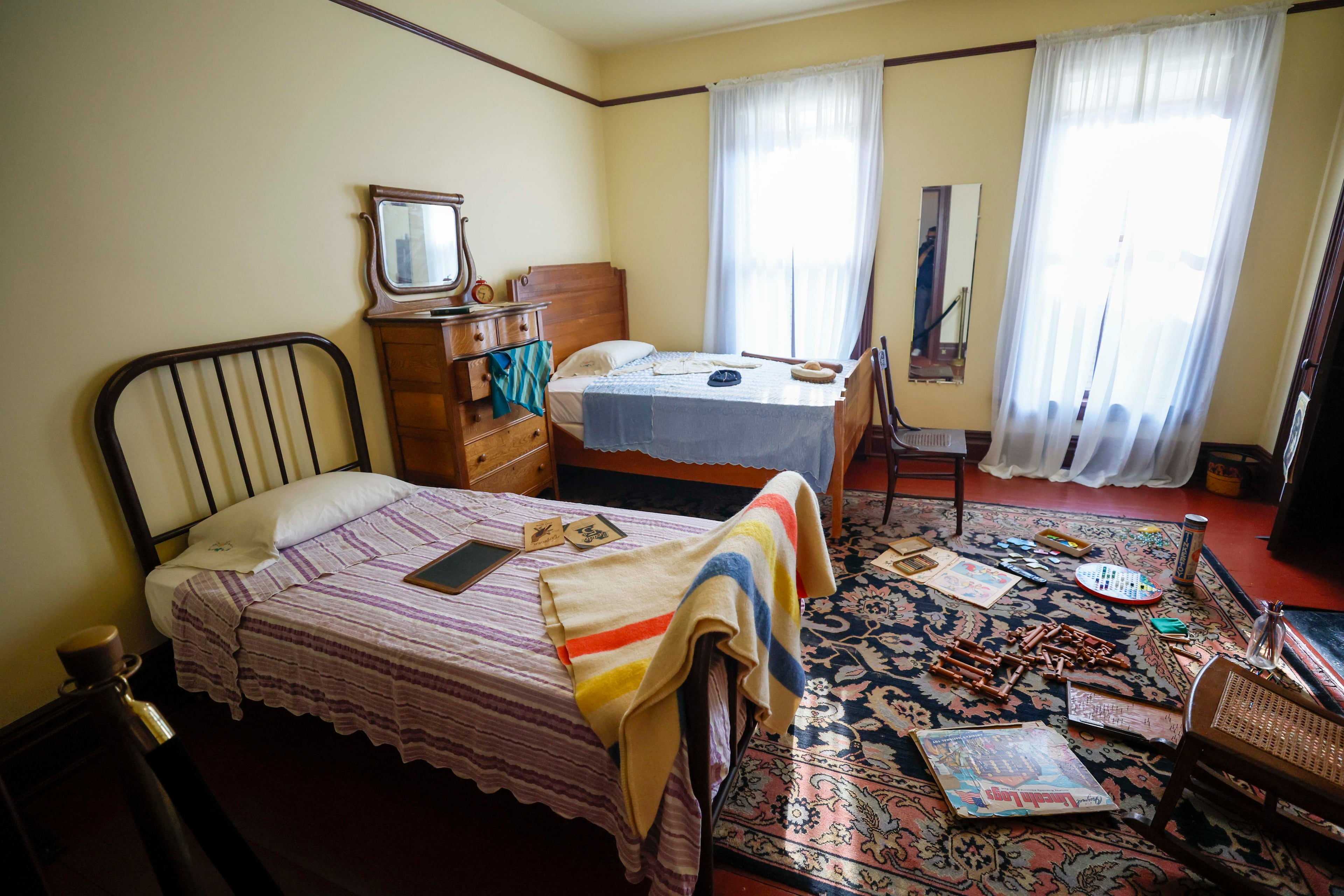
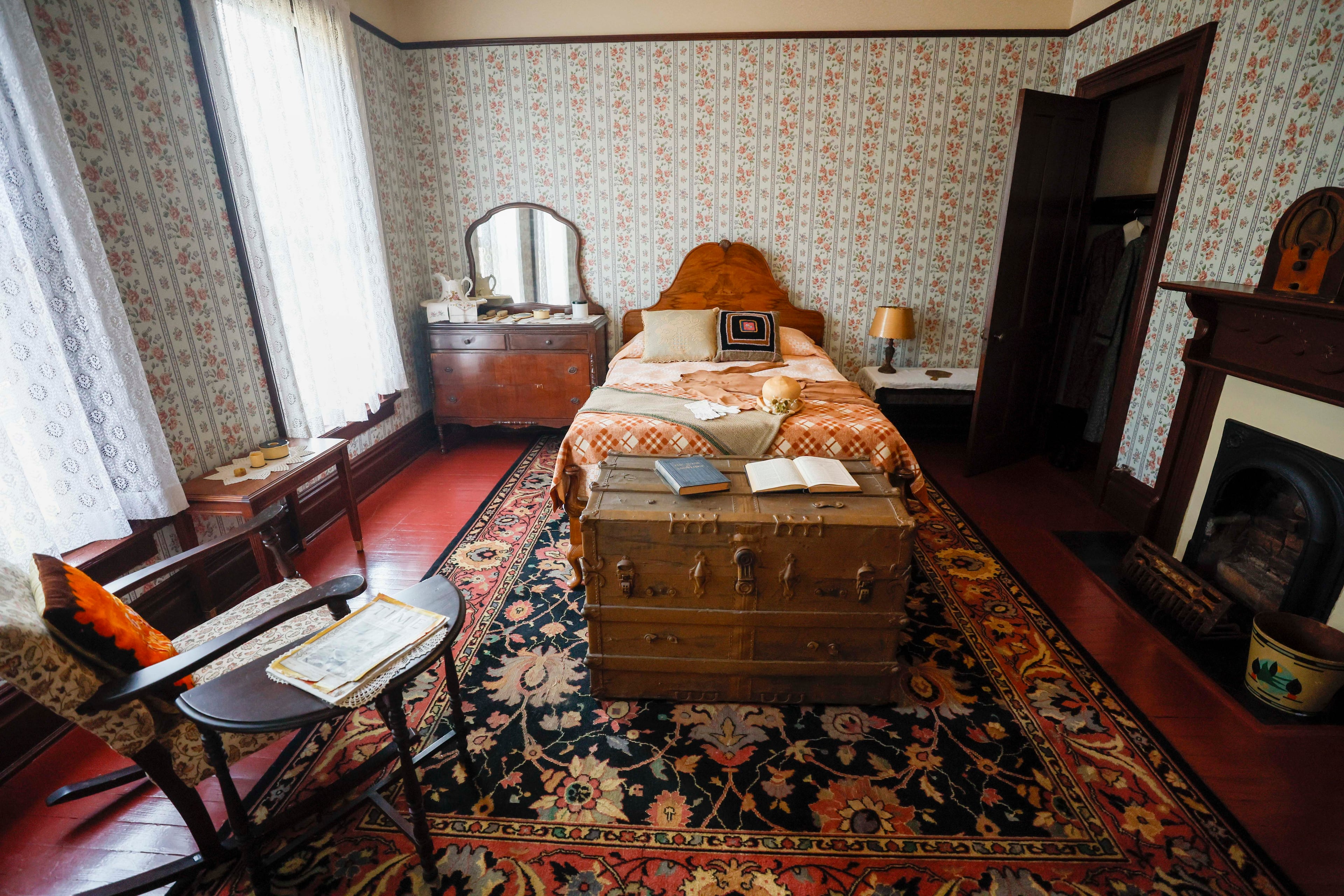
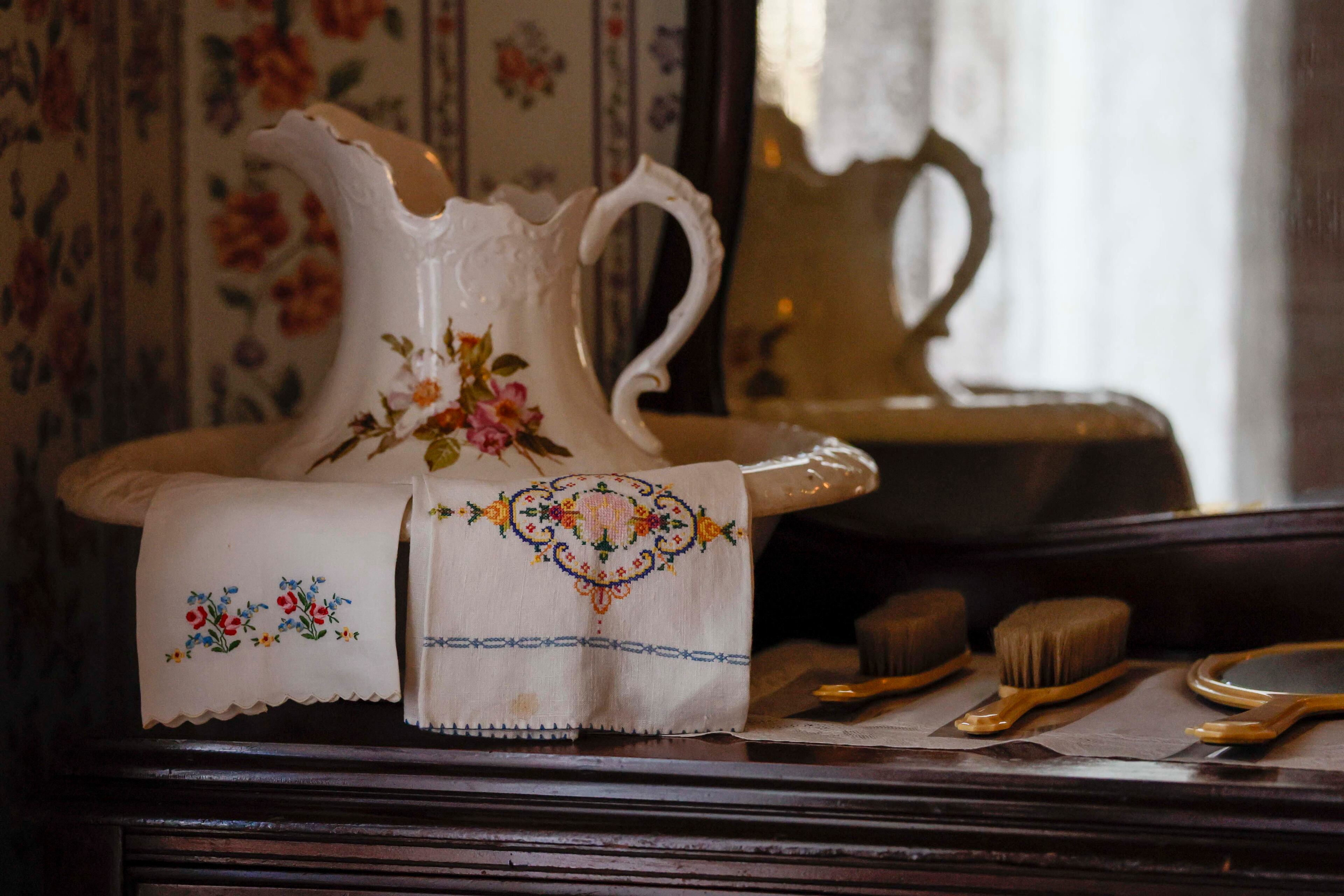
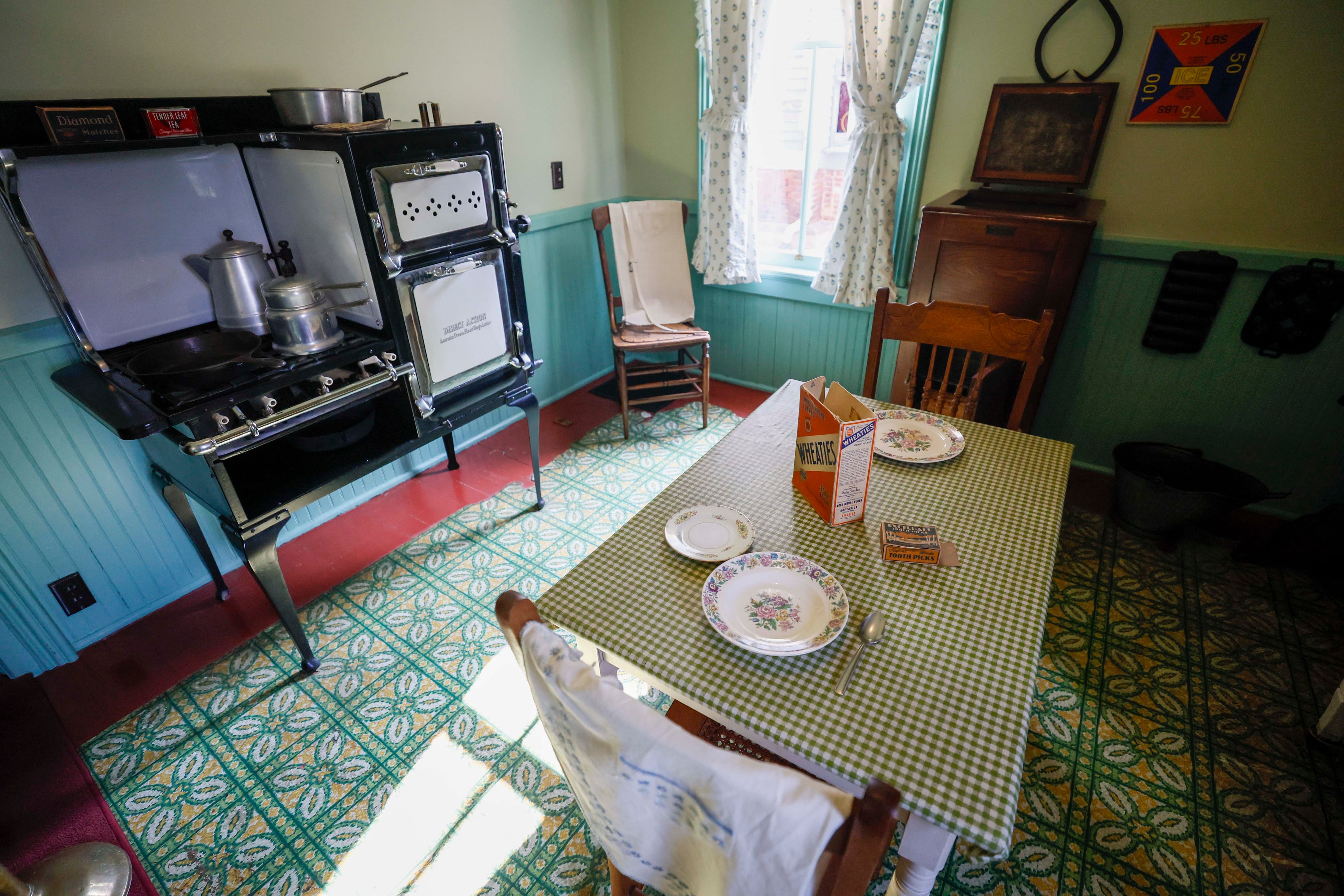
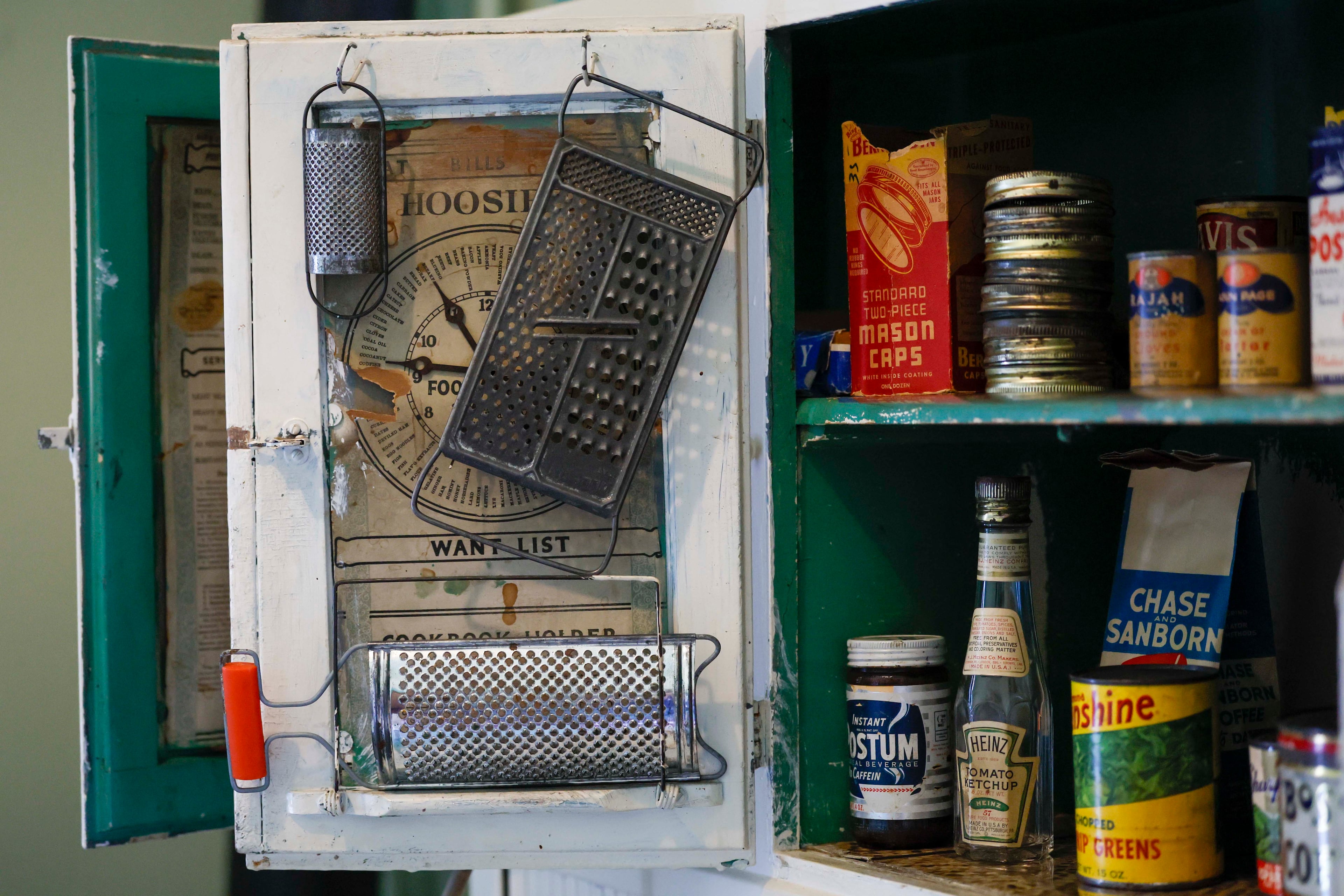
As it has in the past, the site will give visitors a full experience of what it was like to live on Auburn Avenue, when King lived there from the 1920s through the 1940s.
But the National Park Service has also worked to make King’s Birth Home an immersive experience.
Gospel and classical music play from the front parlor where King’s mother, Alberta Williams King, once held choir practices.
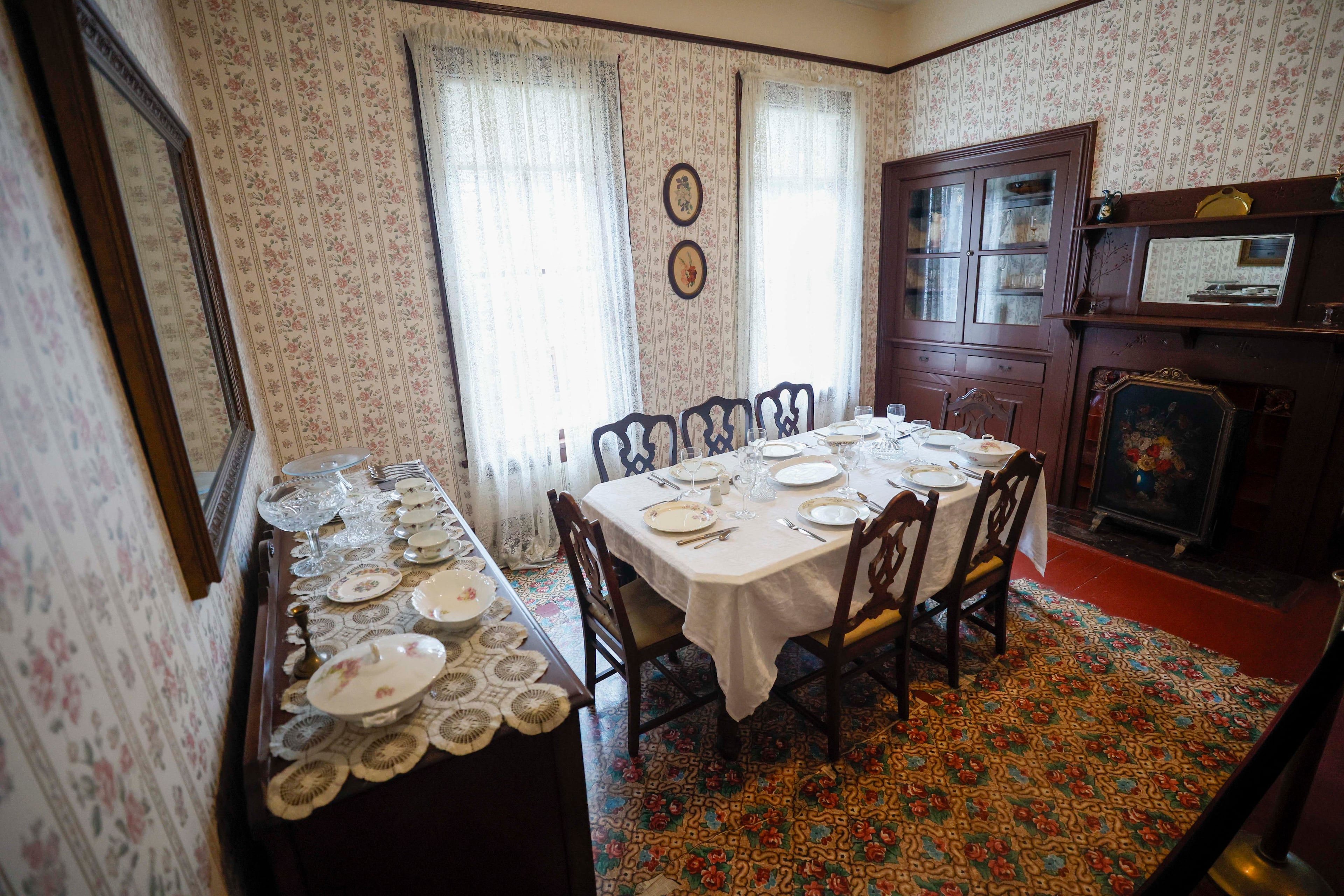
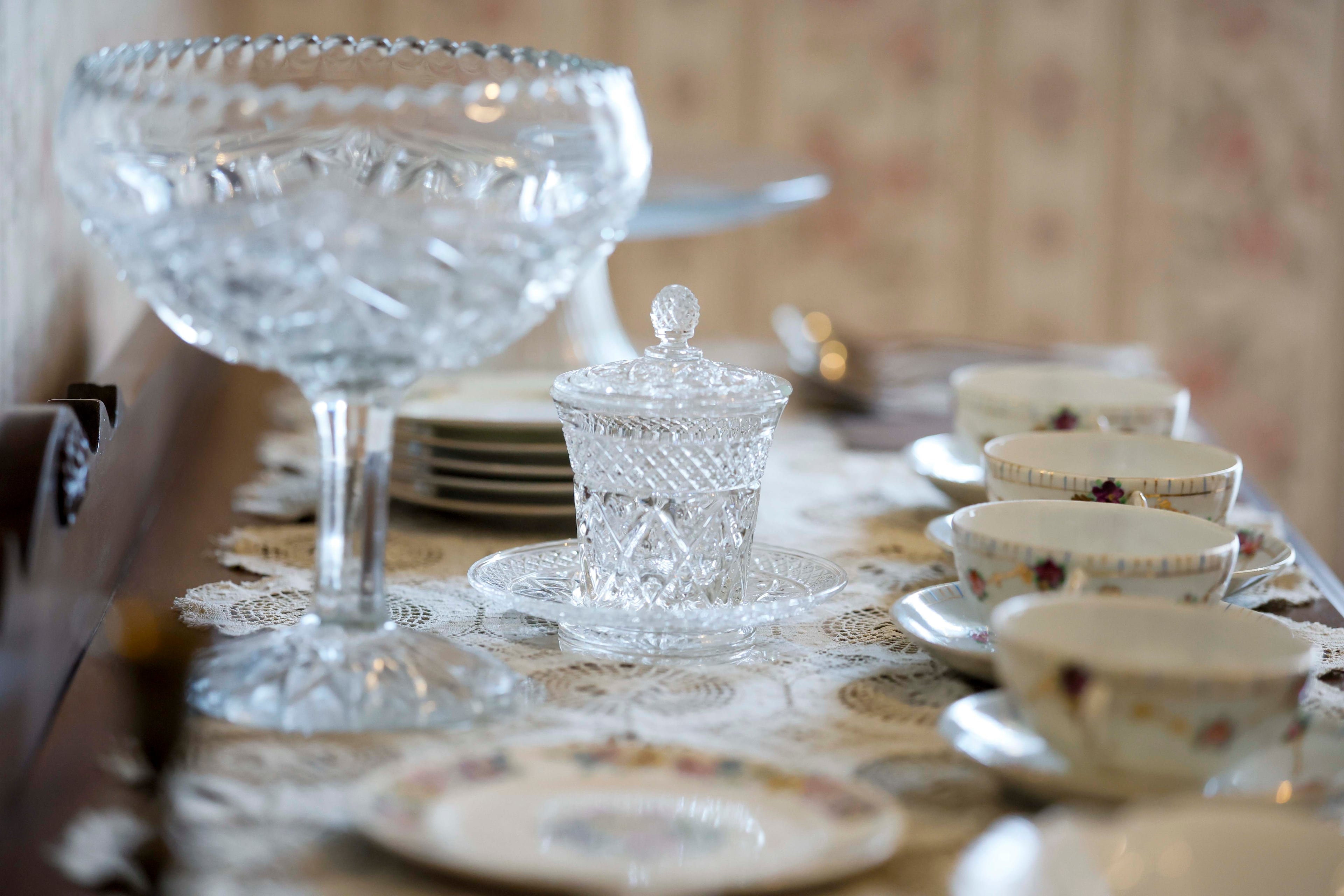
Sounds of dinner plates will be heard in the dining room and there are even plans for front porch reenactments.
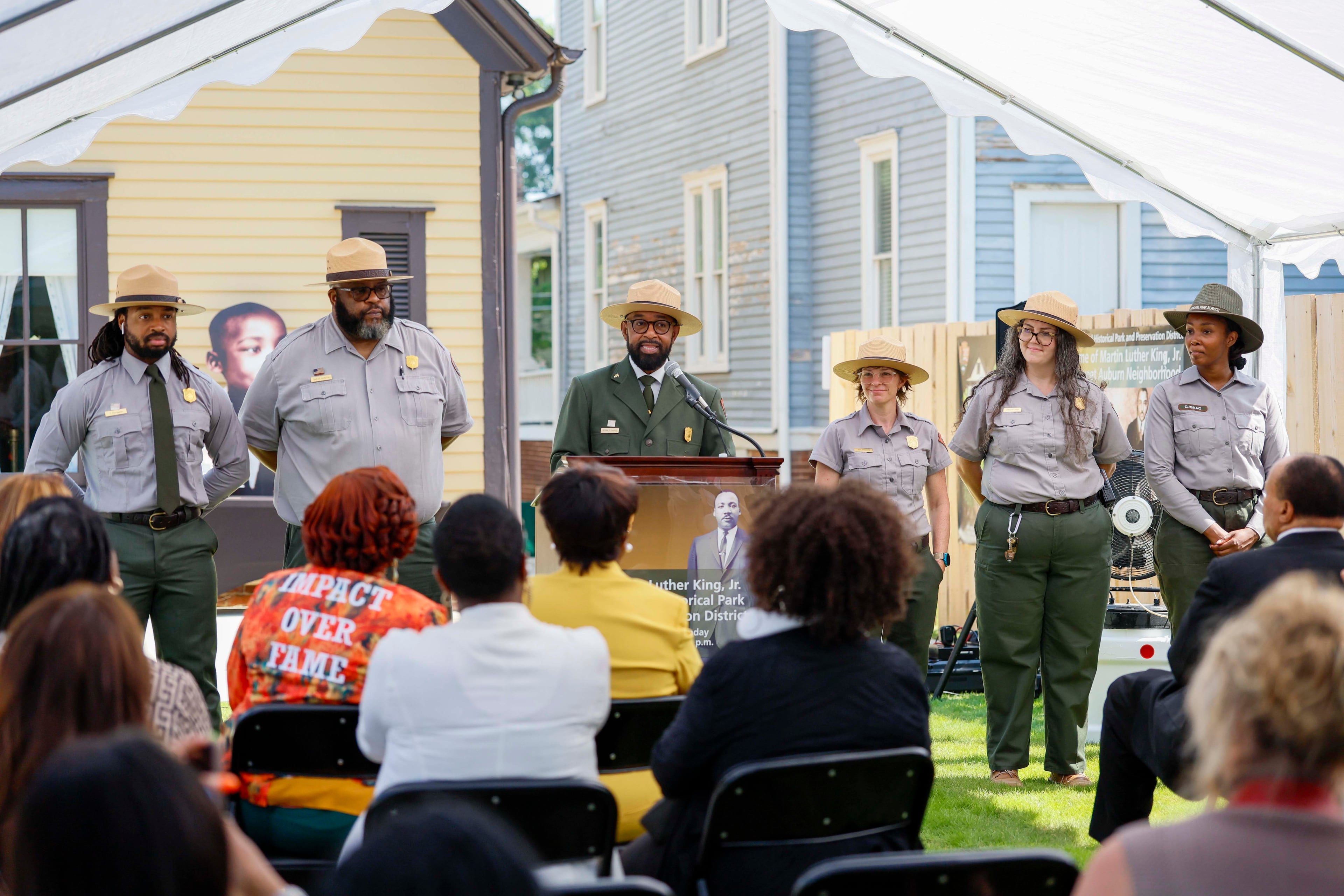
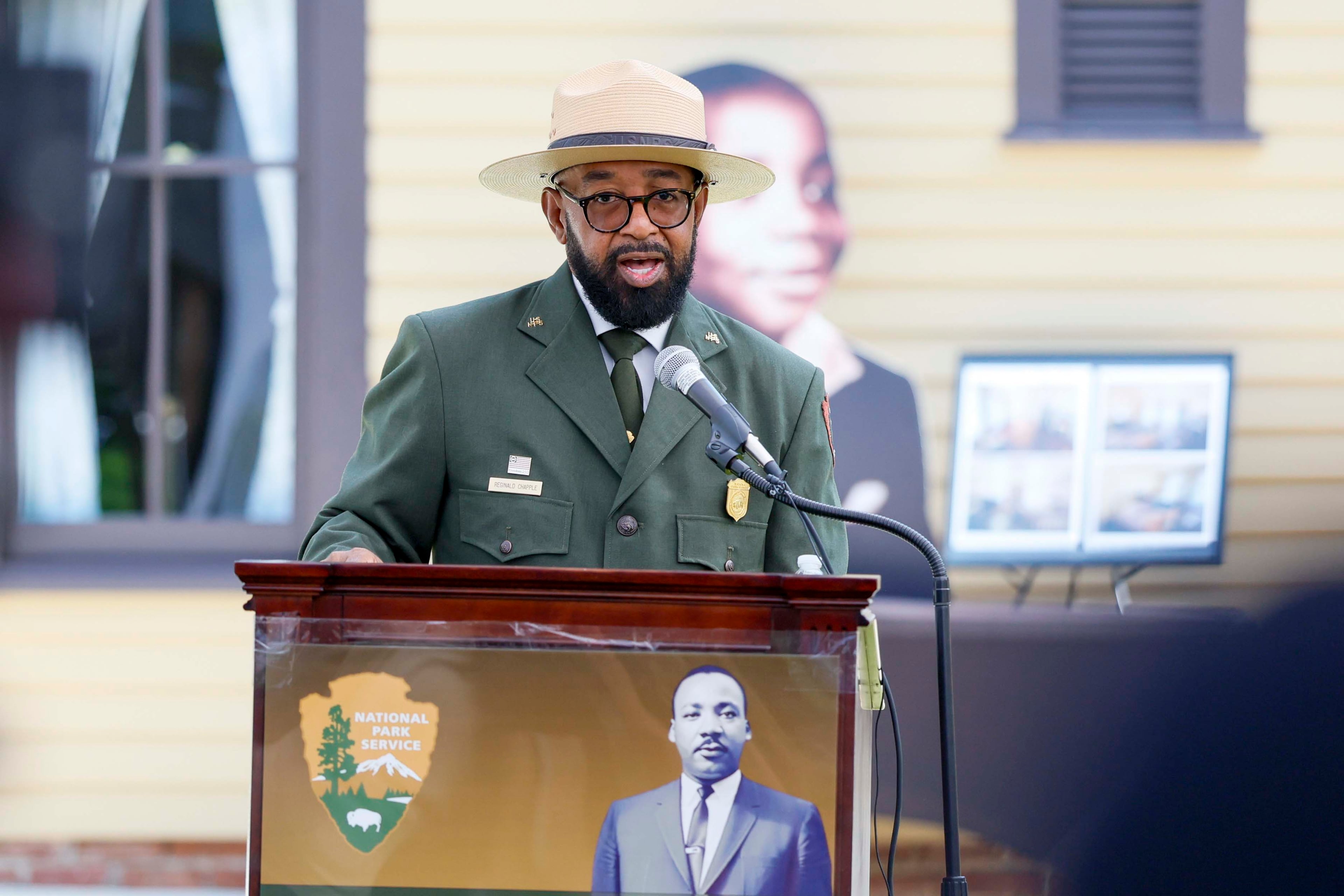
“Pretty soon, you’ll be able to smell what Sunday dinner smelled like in the house,” said Reggie Chapple, superintendent of Martin Luther King Jr. National Historical Park.
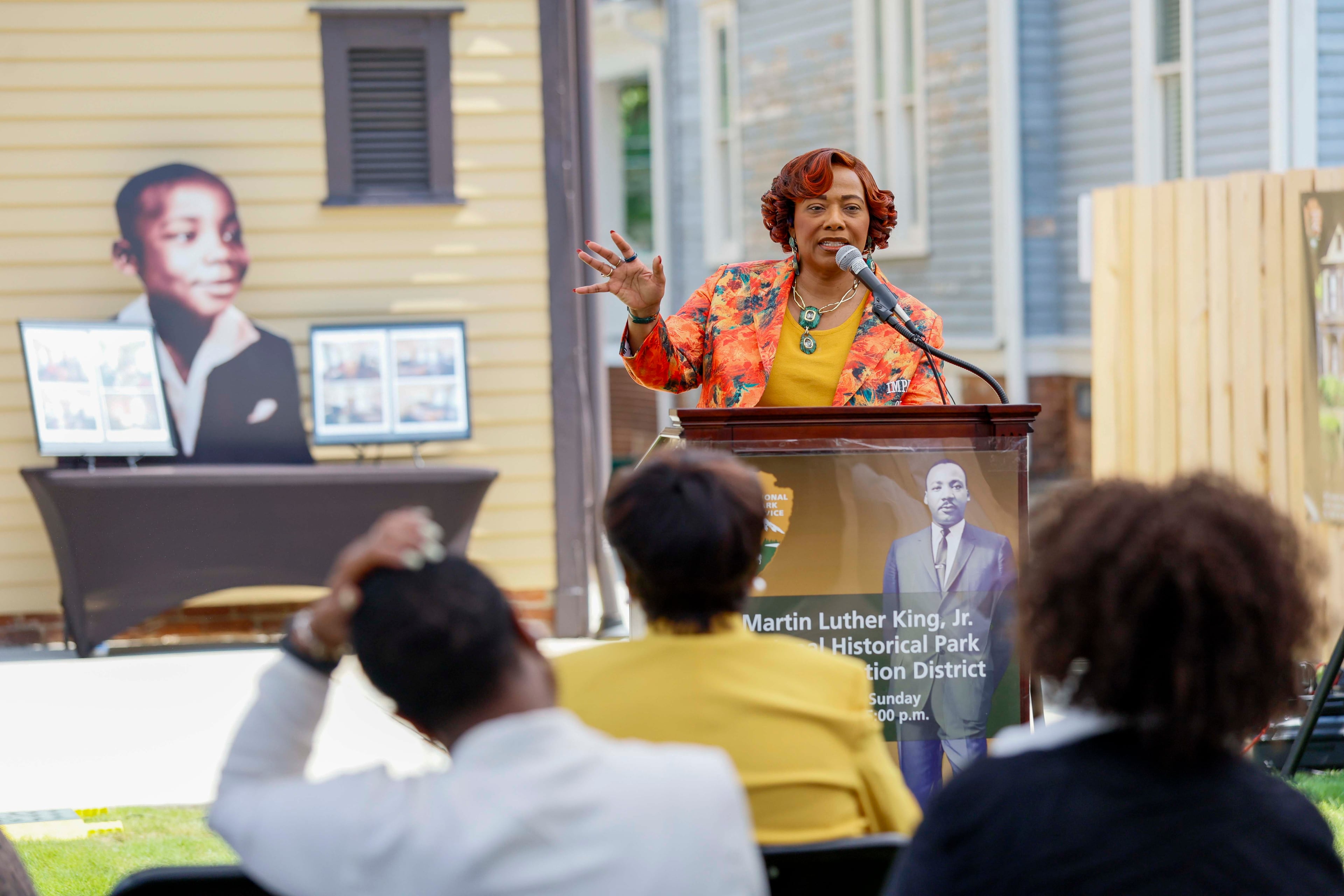
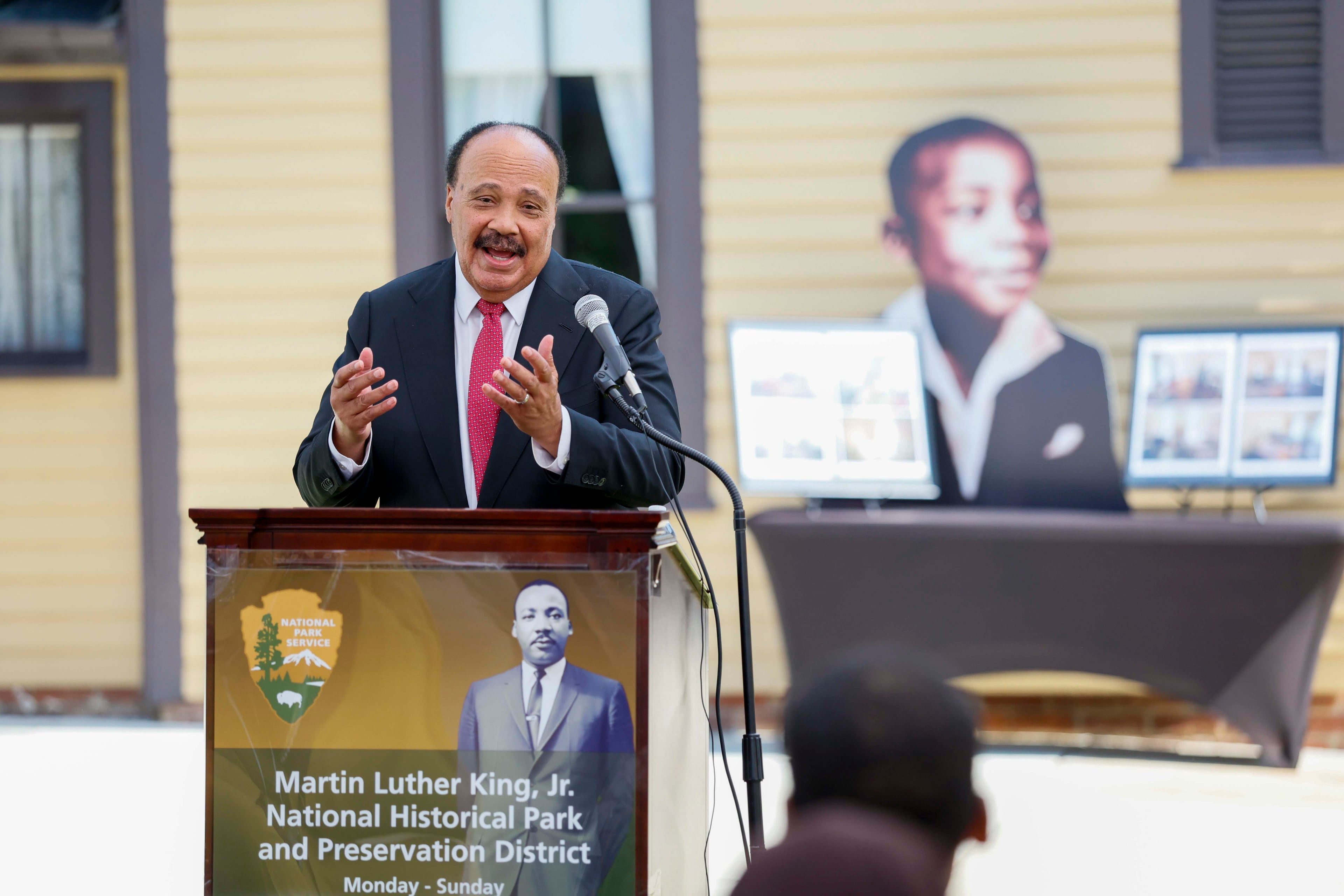
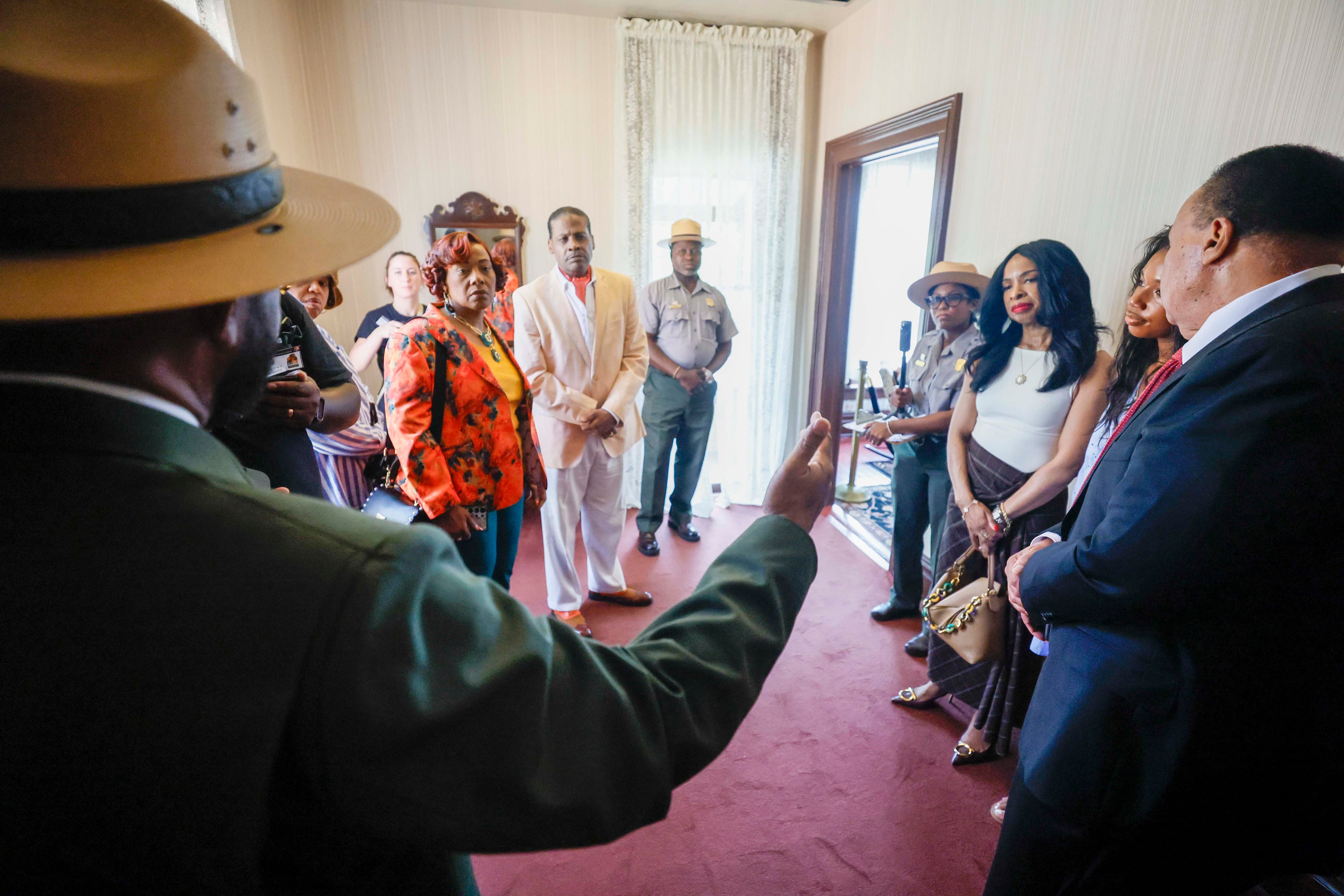
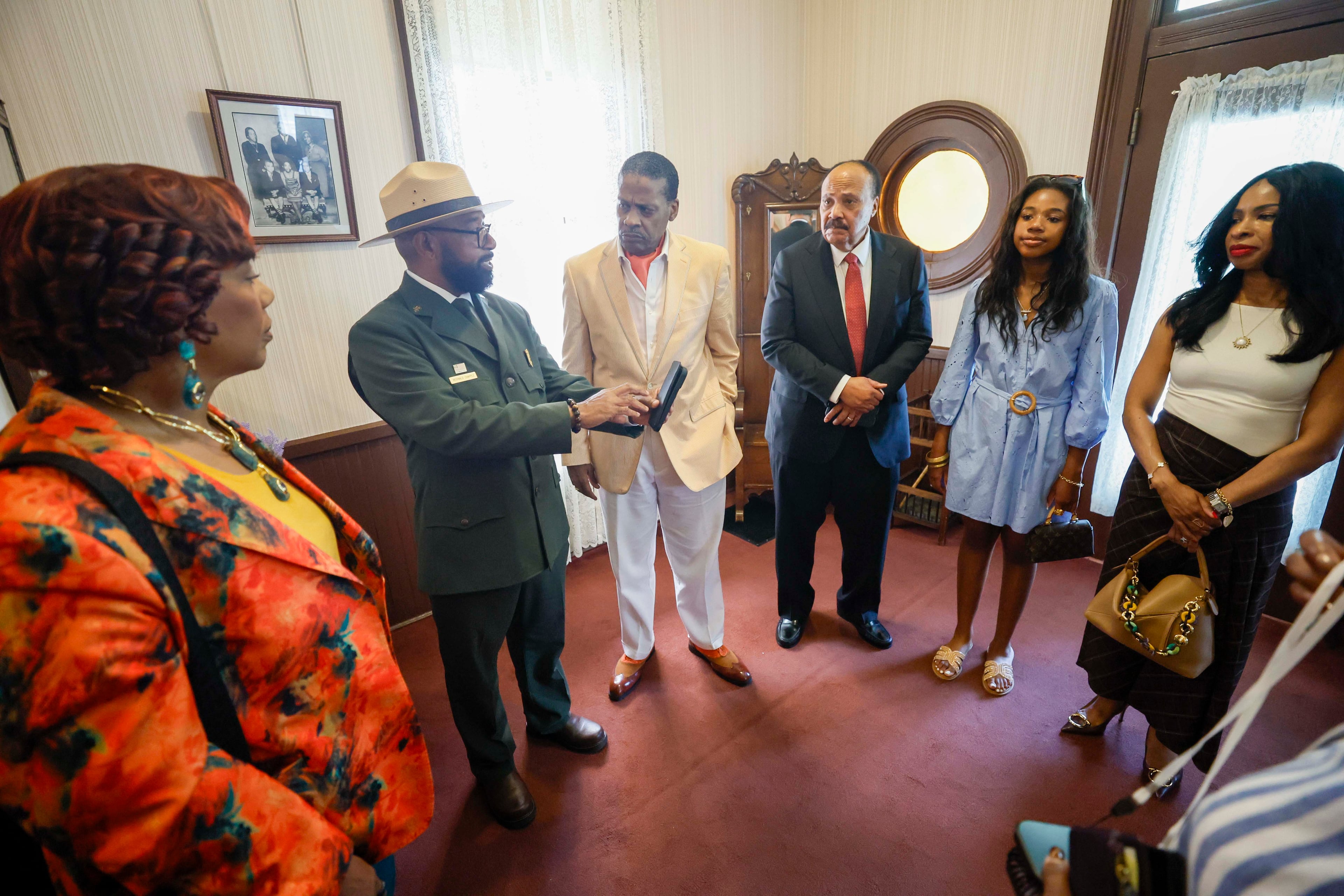
On Thursday, Chapple hosted a sneak peek at the renovated Queen Anne-style home inside the Martin Luther King Jr. National Historical Park and Preservation District.
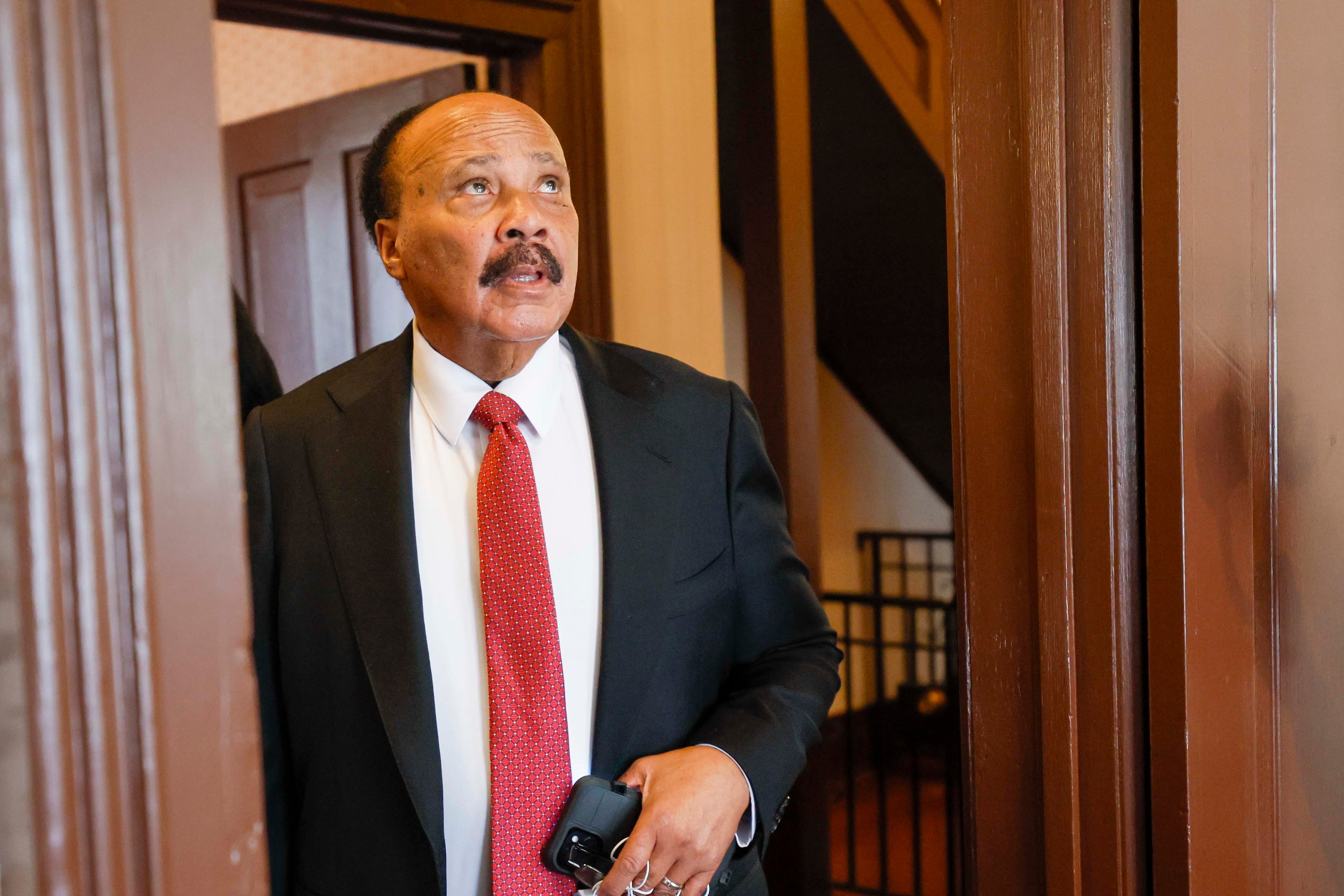
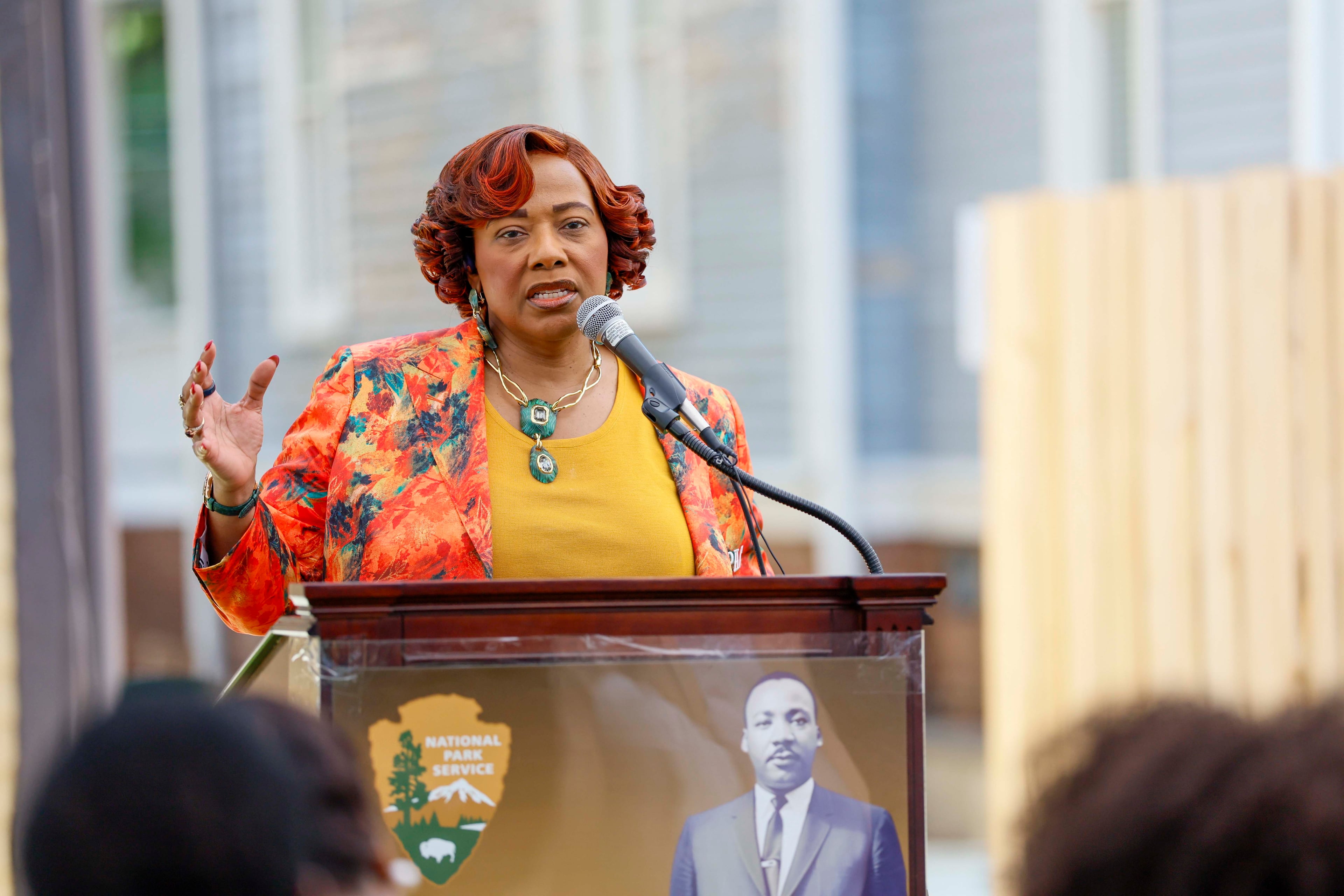
Alongside him were members of the King family, including Martin Luther King III, Bernice King, Isaac Farris and Angela Farris.
“I am excited that this home has been renovated over the years. This is not the first time, and it won’t be the last,” said Angela Farris, the daughter of King’s eldest sister, Christine King Farris. “It has been renovated to continue to tell the story of this entire family, and we are fortunate to be here.”
The most recent set of renovations was at least the second time in the last 10 years that the King home has been renovated.
Aside from the things tourists see, the multimillion project also included fixing leaks and flooring, upgrading electrical, plumbing and HVAC systems, shoring up the foundation and adding fencing in the back yard.
The National Park Foundation, along with investor Robert Smith — who donated $1.4 million to the multiyear project — want to expand the historic street and create a tighter connection between the King Center — where King and Coretta Scott King are interred — the offices of the Southern Christian Leadership Conference, the historical Ebenezer Baptist Church and to the Bryant Preparatory Institute.
“This is a home and community that shaped Dr. King into the civil rights leader, whose nonviolent strategies still impact the world today,” Chapple said. “Visitors will gain a deeper understanding of Dr. King’s life journey in the Sweet Auburn neighborhood, where he was born, lived, worked, worshipped and is buried.”
To understand King’s life is to understand where he grew up.
The home was built in 1895 at 501 Auburn Ave. for a white family and purchased for $3,500 in 1909 by King’s maternal grandfather, the Rev. Adam Daniel Williams, who was the second pastor of Ebenezer Baptist Church.
Martin Luther King Sr., who lived two houses down, fell in love with Williams’ daughter Alberta, whom he would see on the front porch whenever he walked past the home.
Alberta Williams, inherited the home when she married King Sr. in 1926.
Their first son, Martin Luther King Jr. was born in the house in 1929. Along with his siblings Christine and Alfred Daniel, King spent his earlier years in the home.
The family lived there until 1941, at which point they rented it out.
In 1973, Alberta Williams King, transferred the property over to the King Center, where Coretta Scott King fought to have her husband’s childhood home recognized as a national marker.
“She understood the importance of future generations understanding history and legacy,” said Bernice King, the Kings’ surviving daughter and CEO of The King Center.
The National Park Service began offering tours of the home in 1982 and since 1984 the federal agency has run the day-to-day operation of the home, offering maintenance and free tours.
In 2018, the National Park Foundation, the charity arm of the Park Service, bought the home from the King Center for $1.9 million.
For the King family, the reopening of the home on the nation’s 250th anniversary is symbolic.
King III and Bernice King said the public has come to view their father as a catalyst who helped expand American ideals.
So the reopening of the Auburn Avenue House on Independence Day serves as a physical representation of King’s connection to the U.S. Constitution.
“Dad was one who helped to expand what America is supposed to be,” King III said.
Isaac Farris Jr., the son of Christine King Farris, said that while the Founding Fathers are credited with building the country, his uncle “made it a reality.”
“Martin Luther King Jr. was a ‘Completion Father’,” Farris said. “We did not have democracy in this country until 1964 (and the passing of the Civil Rights Act).”
Walking through the home, Yolanda Renee King, the only grandchild of Martin Luther King Jr. and Coretta Scott King, remembers visits as a child with her family, as well as on class trips.
For her, the legacy and moment are full circle.
“Just looking at the house, learning about Sweet Auburn and this thriving community and its historical impact on the Black community, you can really see the Black excellence,” said Yolanda Renee King. “We have evidence right here. So, why not come and engage with it?”