
UNCF summit brings HBCU leaders to Atlanta to confront higher education challenges
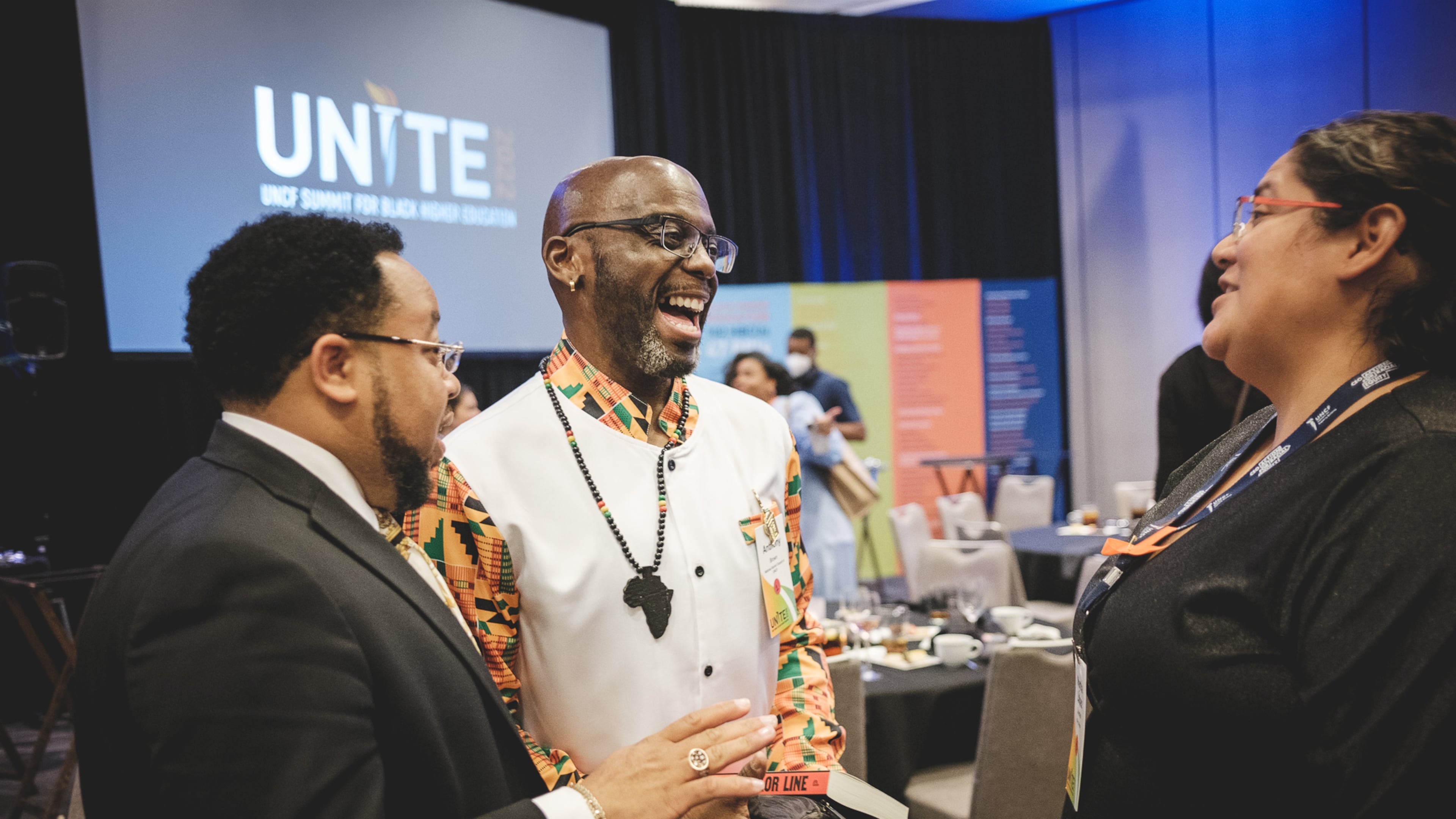

As Black colleges confront enrollment pressures, funding challenges and rapid changes in higher education, a national summit in Atlanta will focus on how the institutions can work together to strengthen their institutions and prepare for the future.
More than 1,000 HBCU presidents, professors, students, alumni and advocates are expected in Atlanta beginning Sunday for the fifth annual UNITE summit, where UNCF’s Institute for Capacity Building will celebrate its 20th anniversary.
UNCF created the Institute for Capacity Building in 2006 after Hurricane Katrina devastated Louisiana colleges Dillard University and Xavier University, recognizing that HBCUs needed stronger networks to share resources and respond to future crises.
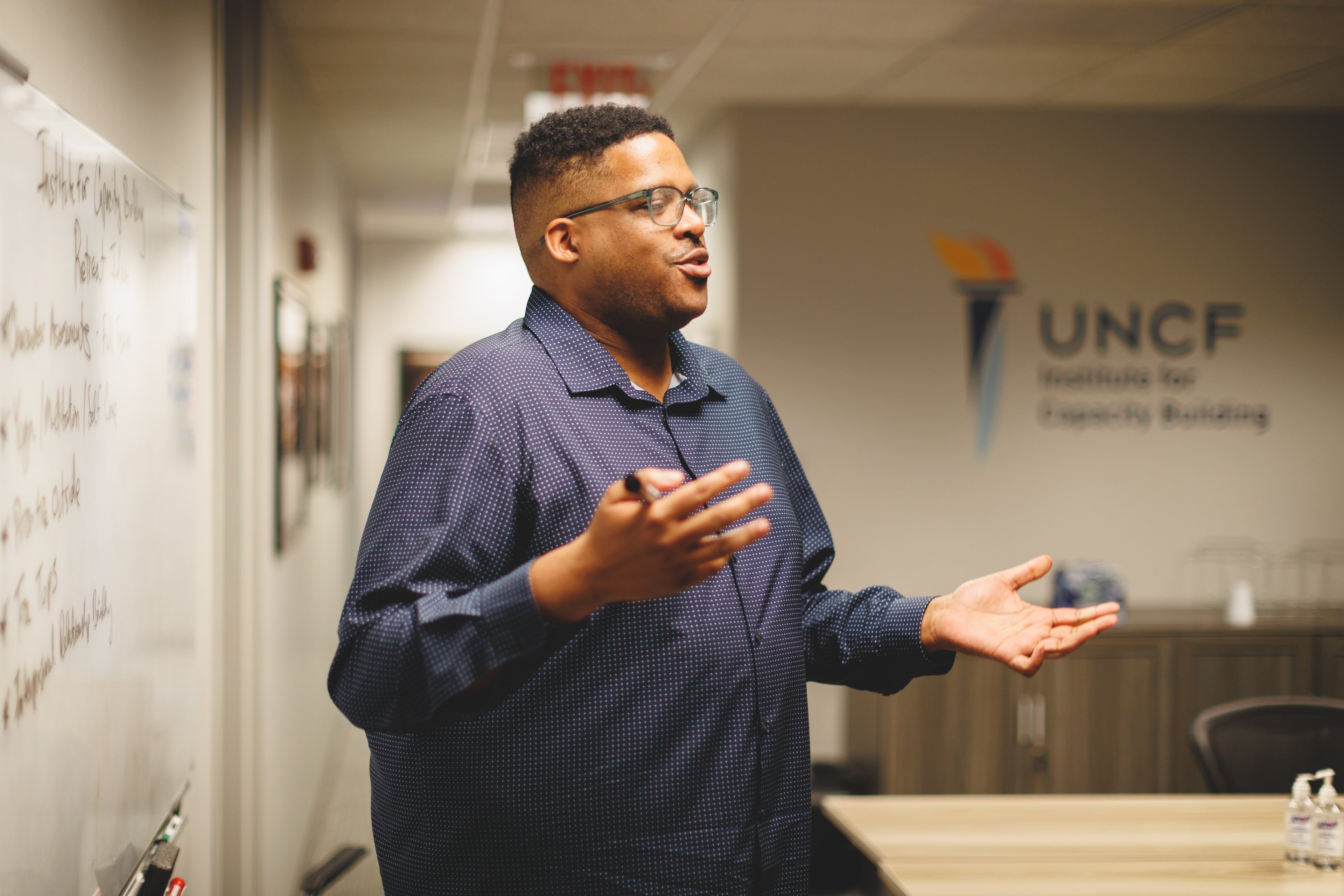
Over the past two decades, the Atlanta-based institute has helped HBCUs navigate the Great Recession, the COVID-19 pandemic, enrollment challenges, online learning and the rise of artificial intelligence.
“We support programs and initiatives that help institutions kind of think about what’s next or what’s strategic for them,” said Julian Thompson, the ICB senior director of strategy development.
Through workshops and panels, the summit will explore institutional strategy, financial sustainability, accreditation, student retention and career opportunities.
“We are committed every single day to building a networked approach to the improvement and transformation of historically Black colleges and universities,” Thompson said.
UNCF, formerly known as the United Negro College Fund, is a nonprofit organization that promotes racial equity in education and supports a network of private historically Black colleges and universities. While its member institutions are private HBCUs, the conference is open to representatives from all HBCUs.
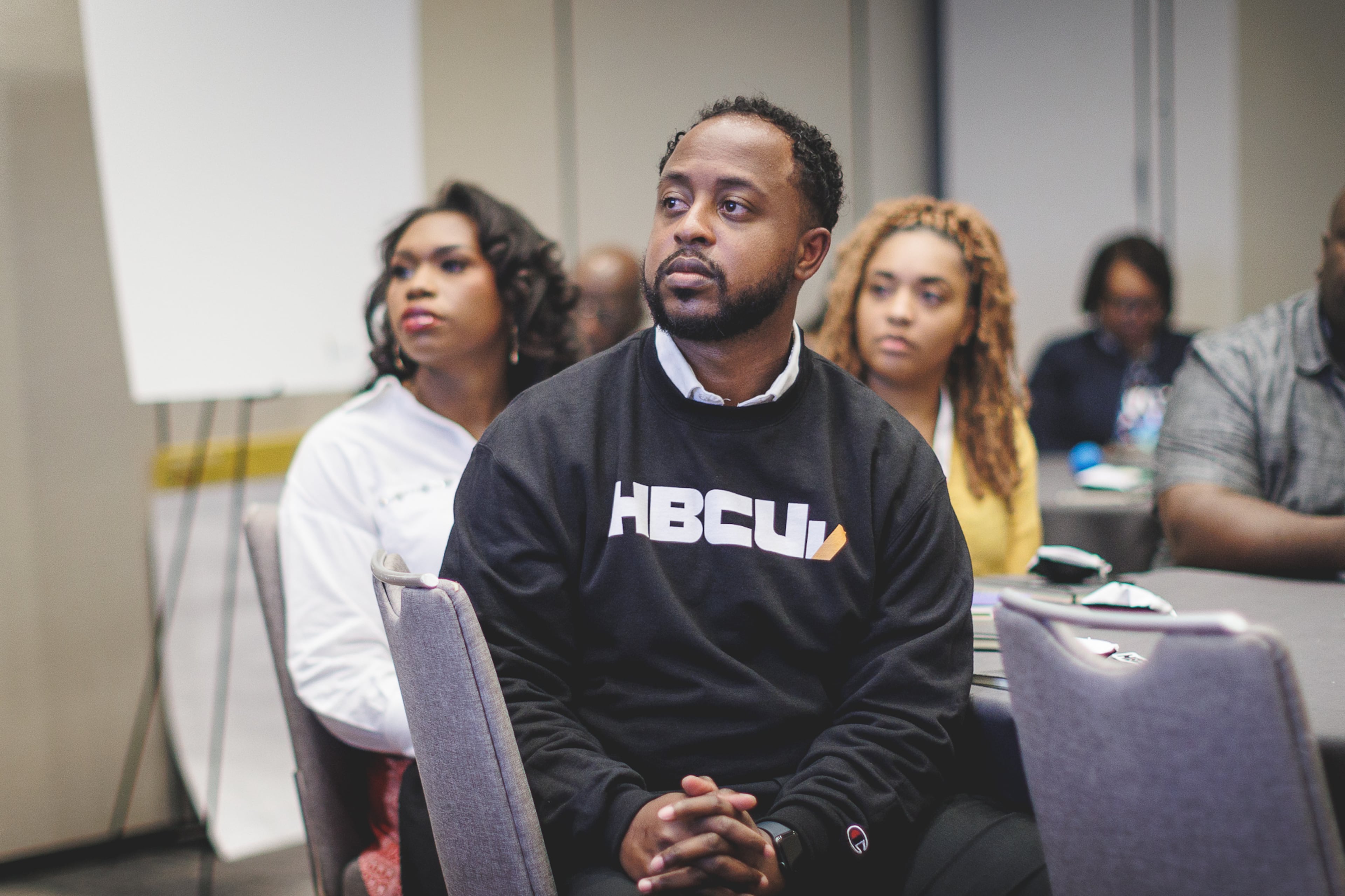
The summit will also celebrate HBCU culture through appearances by cast members from Netflix’s “A Different World,” alumni presentations and a public conversation featuring Tayari Jones, Jericho Brown and Pearl Cleage.
Kennedi Reece, who plays the role of “Hazel” in the “A Different World” sequel, said she grew up in predominantly white schools and was always the only Black girl in her classes.
She said she didn’t have a single Black teacher until she enrolled at Howard University.
“With Howard, I really learned how to come into myself and just be unapologetically myself,” said Reece, whose father is a graduate of Atlanta’s Morehouse College. “I felt a lot more comfortable with exploring who I was as a person.”
Florida A&M University alumna Oluwamodupe “Dupe” Oloyede — the school’s first female head drum major — said advocating for HBCUs has become her purpose after her undergraduate experience.
“We just need the Black students to know our value, our worth,” Oloyede said. “(HBCUs) actually do equip us to be who we are supposed to be and show up in the world as the leaders that we’re created to be.
“Sometimes you just need a nest before you fly,” she said.
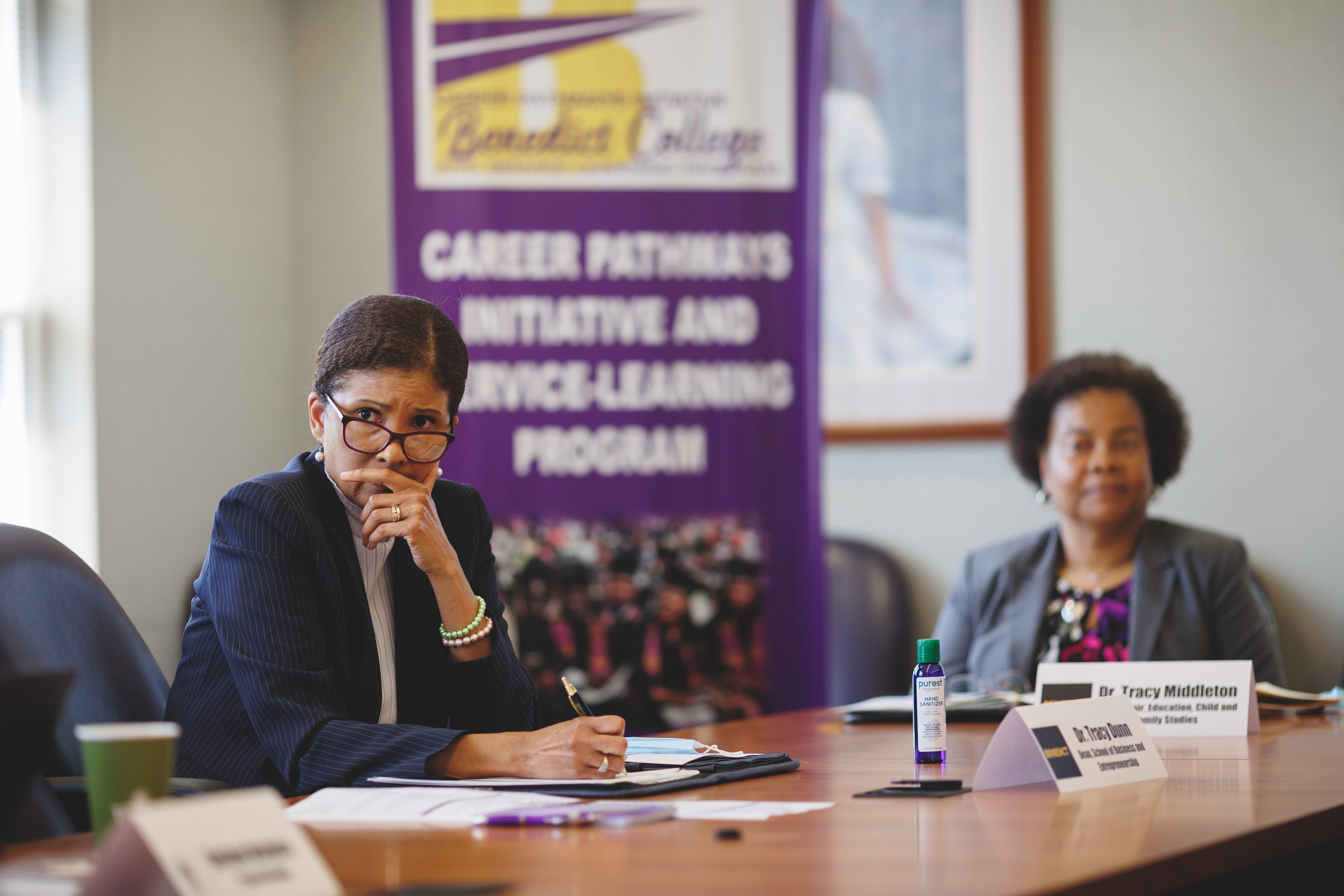
“The range of activity has been really dynamic,” Thompson said. “What we’ve tried to do is connect institutions through all of that to the resources that can catalyze their long-term sustainability.”
Since its inception, Thompson said the institute has helped attract more than $250 million in investments supporting enrollment management, accreditation, mental health resources and wealth-building strategies at HBCUs.
“(Institutions) are all figuring out that they need to collaborate in order to take on the next era of the challenges of American higher education,” Thompson said.
Ideally, once HBCUs become more self-sufficient, Thompson said the ICB will have served its purpose and no longer be a necessity.
“We want HBCUs to not operate in silos,” Thompson said. “We want all HBCUs to know that you go further and faster if you do so together.”