
What Angel Reese said about singing ‘Lift Every Voice and Sing’

“Lift Every Voice and Sing” was like medicine to the soul for Angel Reese.
As a vocalist performed “Lift Every Voice and Sing” in honor of Juneteenth, Reese sang along to every word.
Her head moved in rhythm with each note and inflection, and her facial expression reflected the emotions of the song as she embraced its theme of triumph.
Two days later, I sat across from Reese during the Atlanta Dream’s postgame press conference at State Farm Arena and asked her why the song resonated.
Reese blushed before expressing that she found inspiration in the song after being showered with boos by a hostile crowd in Indiana.
Before the Dream battled Caitlin Clark and the Fever on June 18, Reese shut out the crowd’s jeers while emoting every lyric, gaining strength from those who paved a path for her.
“My ancestors walked so I could run,” Reese expressed to me. “I’ll never forget that. Every day I wake up, I’m very grateful … Hearing the loud boos when I was in the arena. And then when I heard ‘Lift Every Voice,’ it just made me feel like this is for the ones who walked for me … It’s bigger than me. It’s for the ones who really walked so we could run.”
Reese is a star on the court and the Met Gala
Since joining the Dream, Reese has made an immense impact on the court, recently making history as the fastest WNBA player to 1,000 rebounds.
She’s currently the most famous Atlanta athlete since Deion Sanders high-stepped into the end zone and stole bases at Fulton County Stadium.
Beyond the court, Reese is the only Atlanta athlete who can walk the runway at the Victoria’s Secret fashion show while owning enough cultural cachet to flaunt an elaborate outfit alongside Beyoncé and Cardi B at the Met Gala.
But what makes Reese exceptional is not just her on-court dominance or celebrity status, she’s unafraid of being vocal about her beliefs.
“I am very grateful for this opportunity, to be a Black woman is a privilege. And to be in this space and use my voice is very important,” Reese shared.
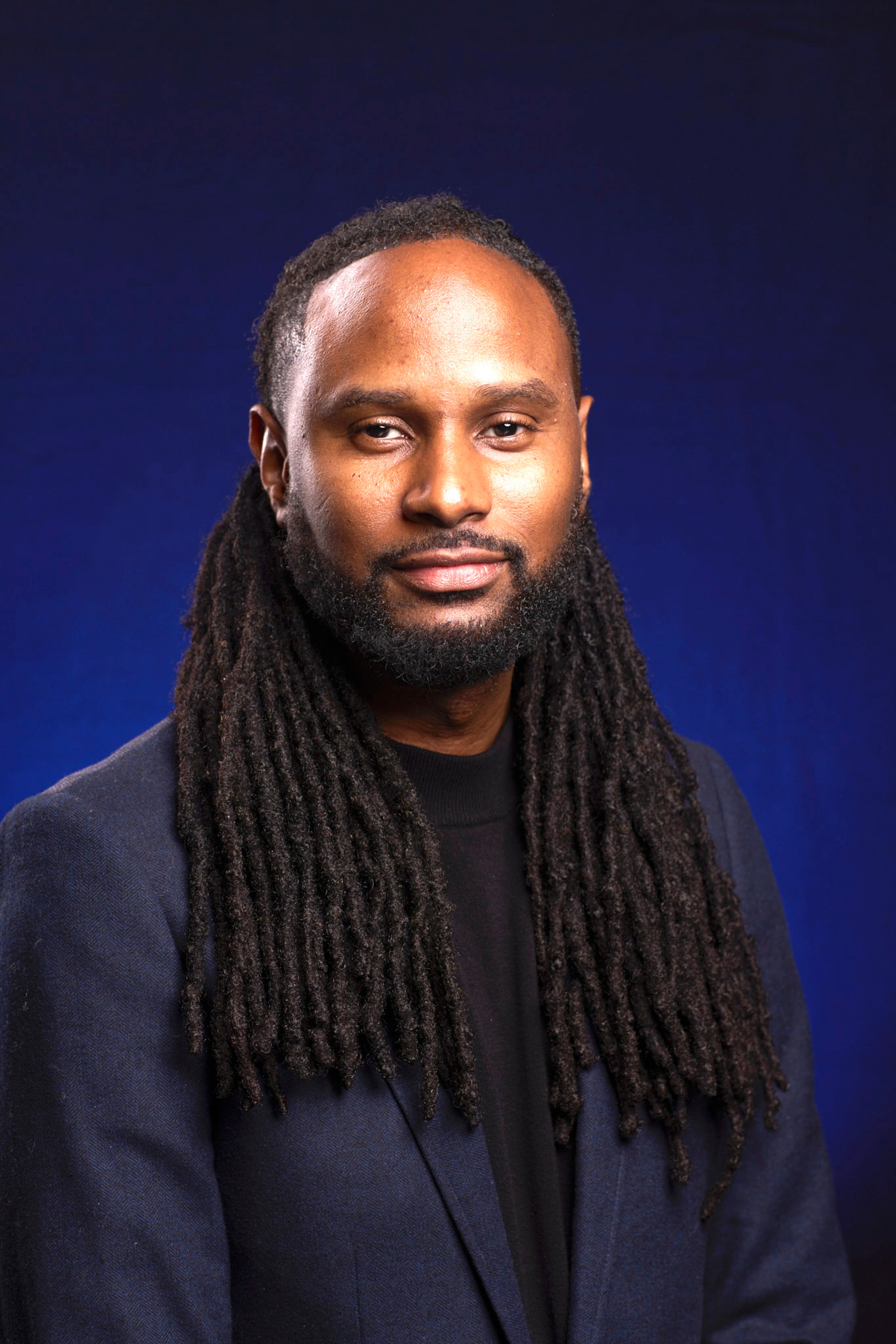
Clark Atlanta alum wrote this iconic song
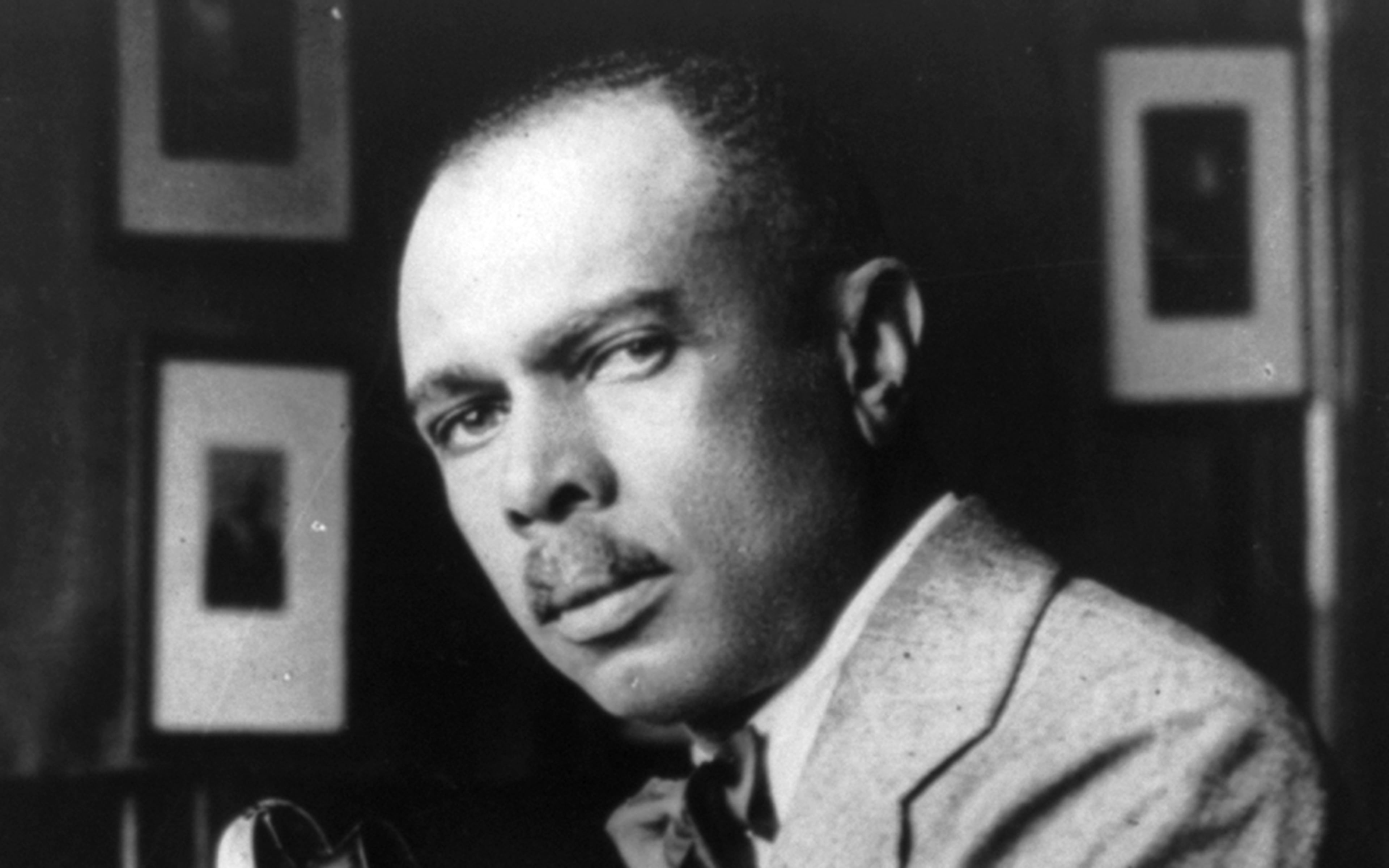
Historically, Atlanta has served as a sacred space for leaders who changed the trajectory of the nation, including James Weldon Johnson, the author of “Lift Every Voice and Sing.”
A graduate of Atlanta University (now Clark Atlanta University) in 1894, Johnson wrote the hymn in 1899 to honor President Abraham Lincoln. Originally titled “National Hymn” with music composed by his brother J. Rosamond Johnson, the song was performed for the first time on Feb. 12,1900 by 500 students in Jacksonville, Florida.
The NAACP named it as the organization’s official song in 1919, one year before Johnson was named executive secretary. Through oral traditions, the song became a staple within the Black community, often performed at schools and churches.
But it first gained wide notoriety as “The Black National Anthem” in 1972 at Wattstax when Jesse Jackson introduced Kim Weston and announced that she would sing “The Black National Anthem,” branding it as a symbolic song in connection to Black culture.
More recently, the song became a touchpoint following the NFL’s controversial handling of Colin Kaepernick and in the aftermath of the George Floyd protests. In 2020, the song was performed before every game during week 1 of that NFL season, and it has since been included in the pregame show of the Super Bowl.
A national hymn for America 250
In the midst of America 250, “Lift Every Voice and Sing” could finally receive official recognition by the U.S. Congress. In 2021, Rep. James Clyburn introduced a bill that would honor it as America’s first national hymn; however, political differences between Republicans and Democrats caused the bill to stall.
If political change occurs following the midterms, Rufus Jones, president of the James Weldon Johnson Foundation, believes that it could be the first opportunity for the bill to receive a bipartisan hearing.
“It’s a song that’s not just for a single group of people, it’s for ‘every’ voice,” Jones expressed. “It’s not race-based or ethnic based … It’s a song for all Americans.”
After pouring her emotions into singing “Lift Every Voice and Sing” in Indiana, Reese played with a rejuvenated spirit, leading the Dream to back-to-back wins over the Fever. It served as a cathartic source for Reese, as well as the author who cried during its conception 126 years ago.
“Tears rolled down James Weldon Johnson’s cheeks as he wrote the words to the hymn,” Jones shared. “It has always been a song that has resonated with people going through struggles or pain. For a great American athlete like Angel Reese to fall into that song when she needs it, that’s a testament to the majesty of the lyrics.”
It also affirms that Reese fits seamlessly in the current movement of Atlanta’s culture, while unabashedly recognizing the enduring significance of the city’s powerful history.
A.R. Shaw is an Atlanta-based journalist and author of “Trap History: Atlanta Culture and the Global Impact of Trap Music”; his work has appeared in The Guardian, ABC News, NBC, and BBC.