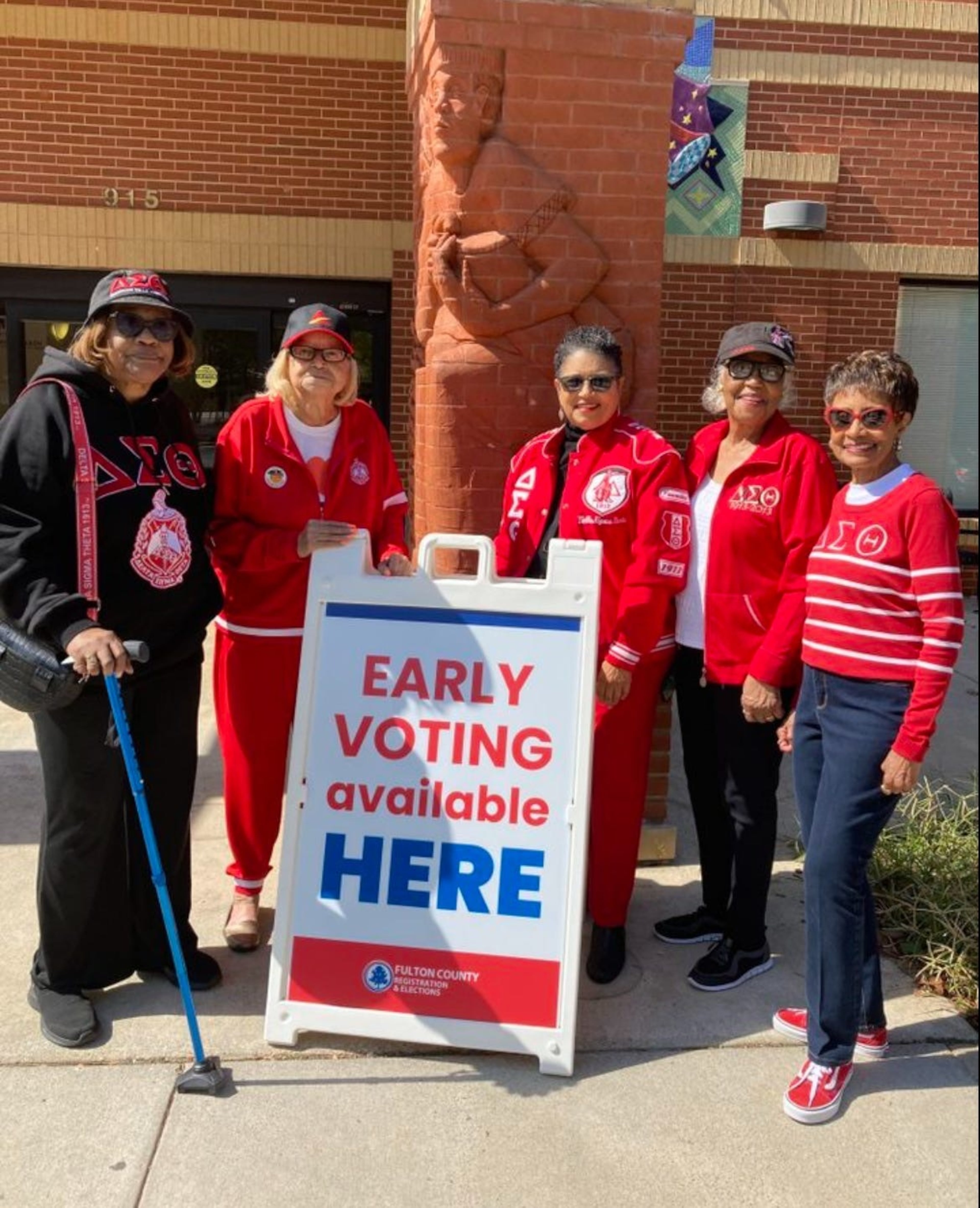
Delta Sigma Theta brings largest Southern Regional conference to Atlanta
More than 8,200 members of Delta Sigma Theta Sorority Inc. — including more than 2,000 college students — will meet in Atlanta this week for the organization’s Southern Regional Conference, where voting rights, higher education and service will take center stage.
The wave of crimson and cream that will flood the city Wednesday through Sunday is expected to be the largest regional conference in the sorority’s 113-year-old history. The Southern Region will be celebrating its 100th anniversary, having been formed at the 1926 national convention.
Delta’s Southern Region includes Georgia, Alabama, Mississippi, Florida, Tennessee and the Bahamas, making it the sorority’s largest regional body. There are 19 Delta chapters in metro Atlanta, including 11 alumnae and eight collegiate chapters.

For Delta International President and chair Cheryl Turner, there is no better place to celebrate the Southern Region’s centennial than Atlanta. Turner said Atlanta’s role as a “Black mecca” makes it the ideal place to renew the organization’s commitment to service.
“We want to ignite those sorors that have gone away for so many different reasons,” Turner said.
With more than 350,000 members worldwide, Delta Sigma Theta was founded on Jan. 13, 1913, at Howard University as a Black service-based sorority.
Members have included trailblazing former U.S. Rep. Barbara Jordan, civil rights activist Dorothy Height and Grammy-winning singer Roberta Flack, as well as former Atlanta mayors Shirley Franklin and Keisha Lance Bottoms.
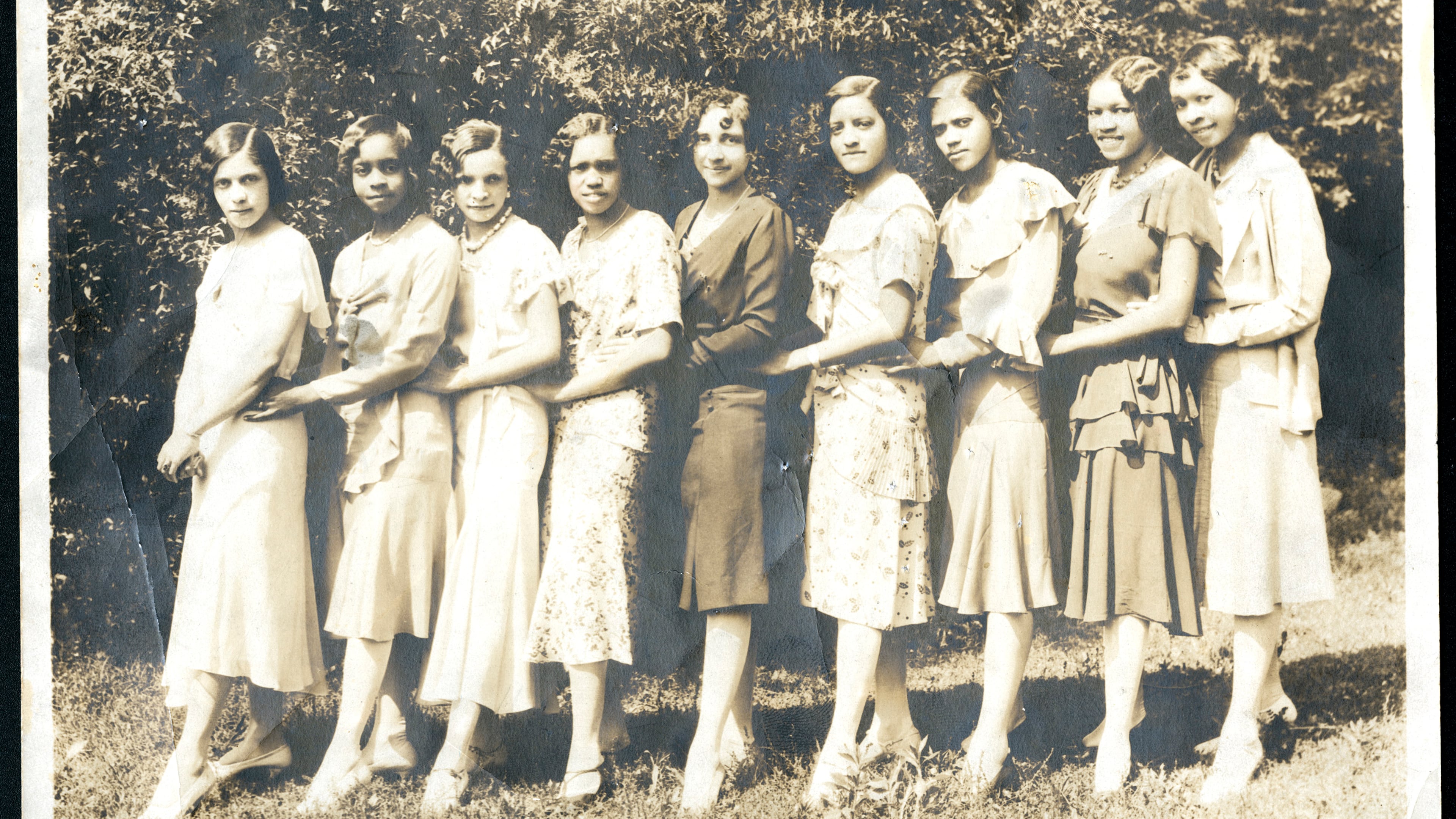
One of the first public acts from the sorority came March 3, 1913, when members marched in the collegiate section in the Women’s Suffrage Procession in Washington, D.C.
More than a century later, the regional conference’s emphasis on service is still strong.
An HBCU Impact Day will be held early Wednesday, before the official start of the conference. Delta will assist high school seniors with paying for college applications, as well as connect prospective students with college admissions officials.

Beyond service projects, attendees will participate in networking events, leadership sessions and sisterhood traditions like stroll battles. Members will also get to discuss political concerns during a social action lunch.
Turner said members need to get “back in the fold to work” as issues of voter disenfranchisement, job losses and anti-DEI initiatives mount.
“We have to truly look at humankind and see our role as believers in whatever faith … and we have to support and care for each other,” Turner said.
She said the sorority “adds that extra layer of sisterhood” to help protect one another.
“I‘m not defending for my children; I’m defending for my grandchildren,” Turner said. “I’m defending for the generations that are coming. You gotta look ahead.”
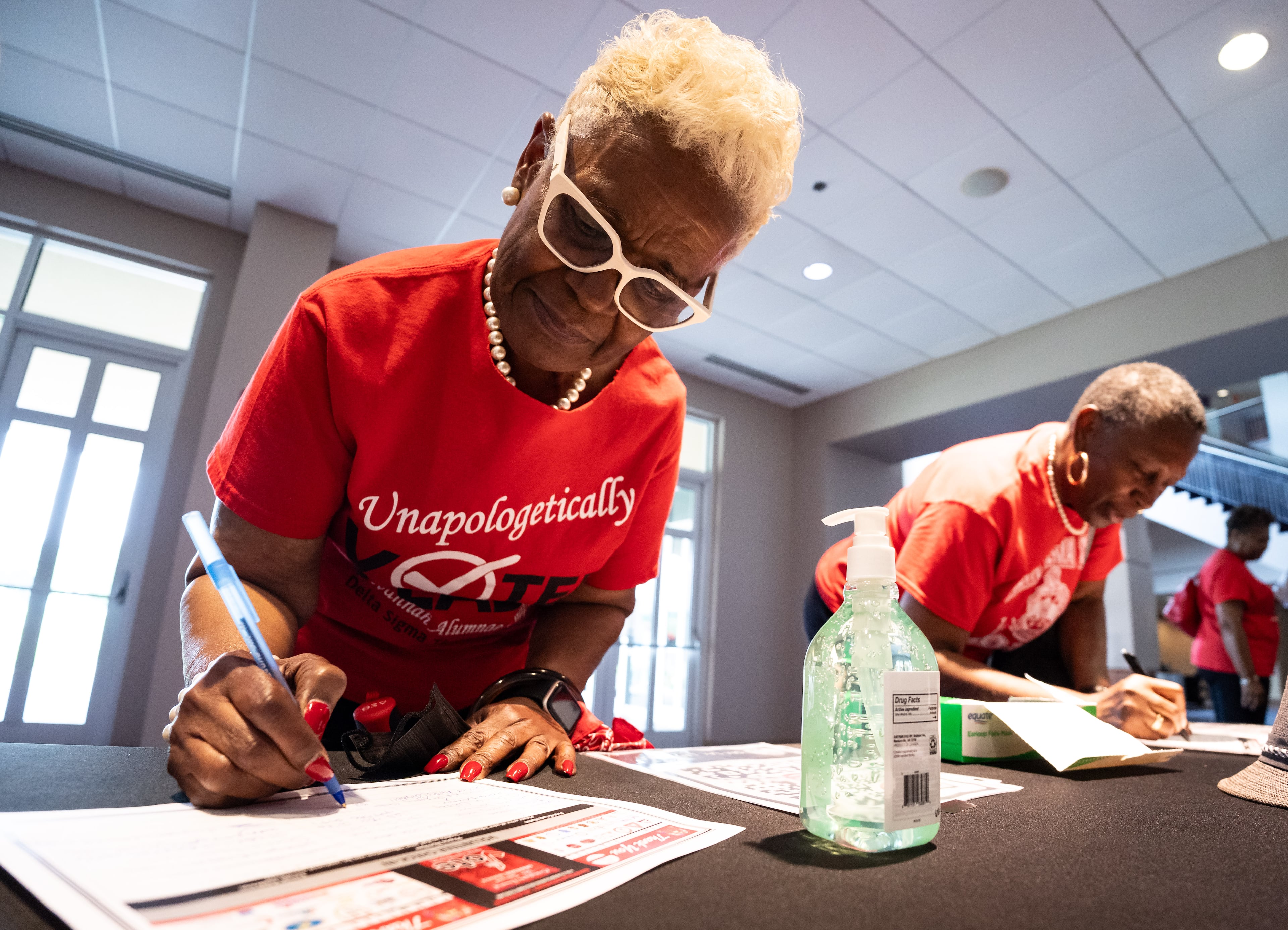
Rhonda Briggins — the president of D4 Women in Action, a social advocacy group within Delta — said Georgia plays a vital role in protecting voting rights after redistricting attempts and restrictions in drop box locations. In order for the public maintain their right to vote, she said people need to get back into a “warrior” frame of mind.
“We can’t sit on the sidelines,” Briggins said. “We can’t mope around anymore. Black women are going through a lot, but we have always gone through a lot. We have to do what we have to do at this point because we’re the ones that will save America and its democracy.”
Brooke Leigh Howard is a member of Delta Sigma Theta sorority.