
Let Me Put U On to liner notes
In our weekly series, “Let Me Put U On,” the UATL team shares the stories, places and experiences that continue to resonate long after we first discovered them. Some things are simply too good to keep to ourselves.
I’ve been a music nerd since I was a child.
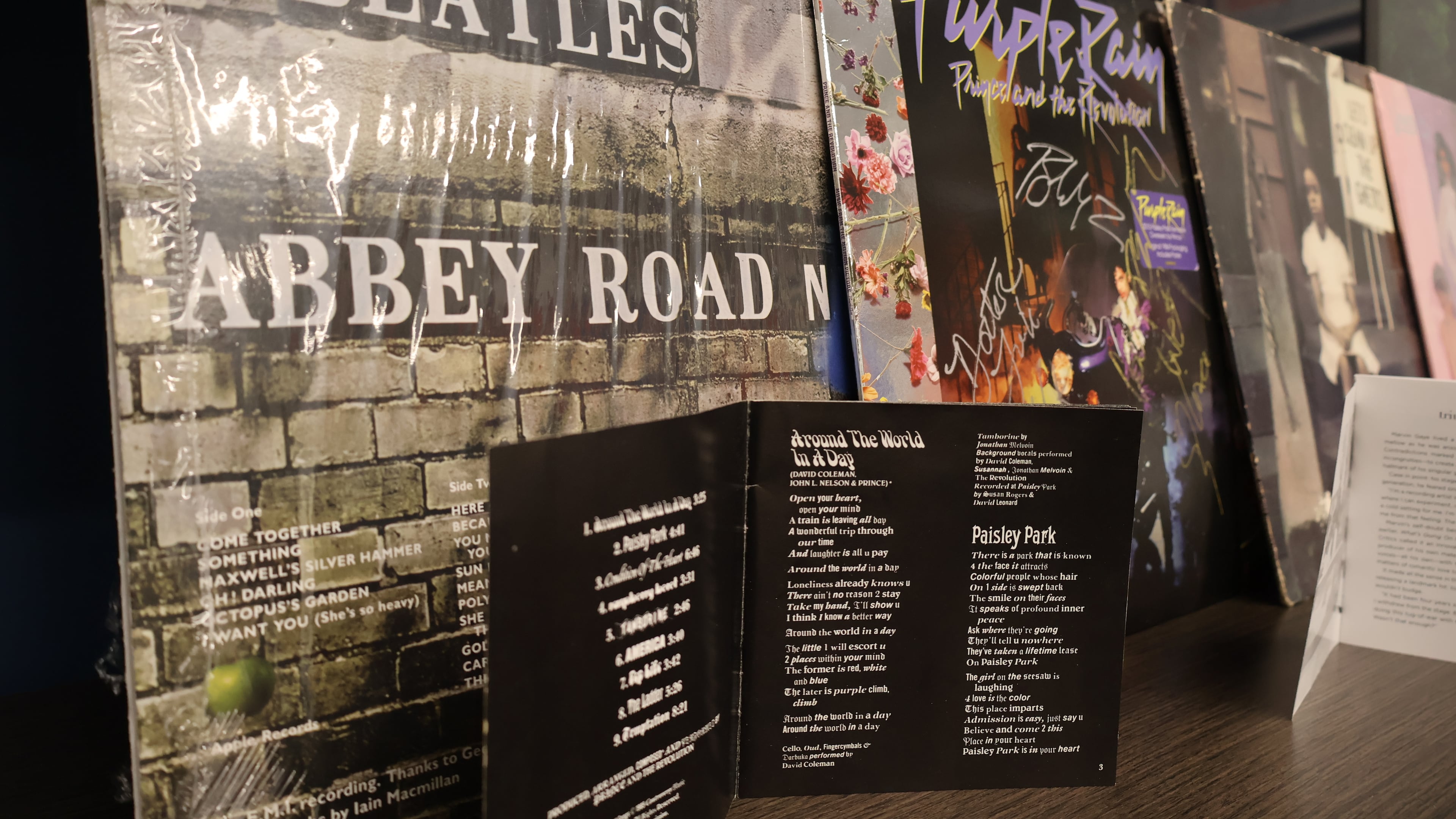
Growing up in Upstate South Carolina, I used to spend hours in my bedroom playing records on my stereo and reading the album covers.
After I got my first job in 1998, as a high school freshman, I camped out at Circuit City and Best Buy every Tuesday to purchase new releases, eager to get back home just to rip the plastic wrapper off the compact disc case and take out the liner notes.
Before streaming platforms reduced albums to tiny images on a screen, CDs and vinyl records came with booklets and sleeves that named nearly everyone who helped create the music.
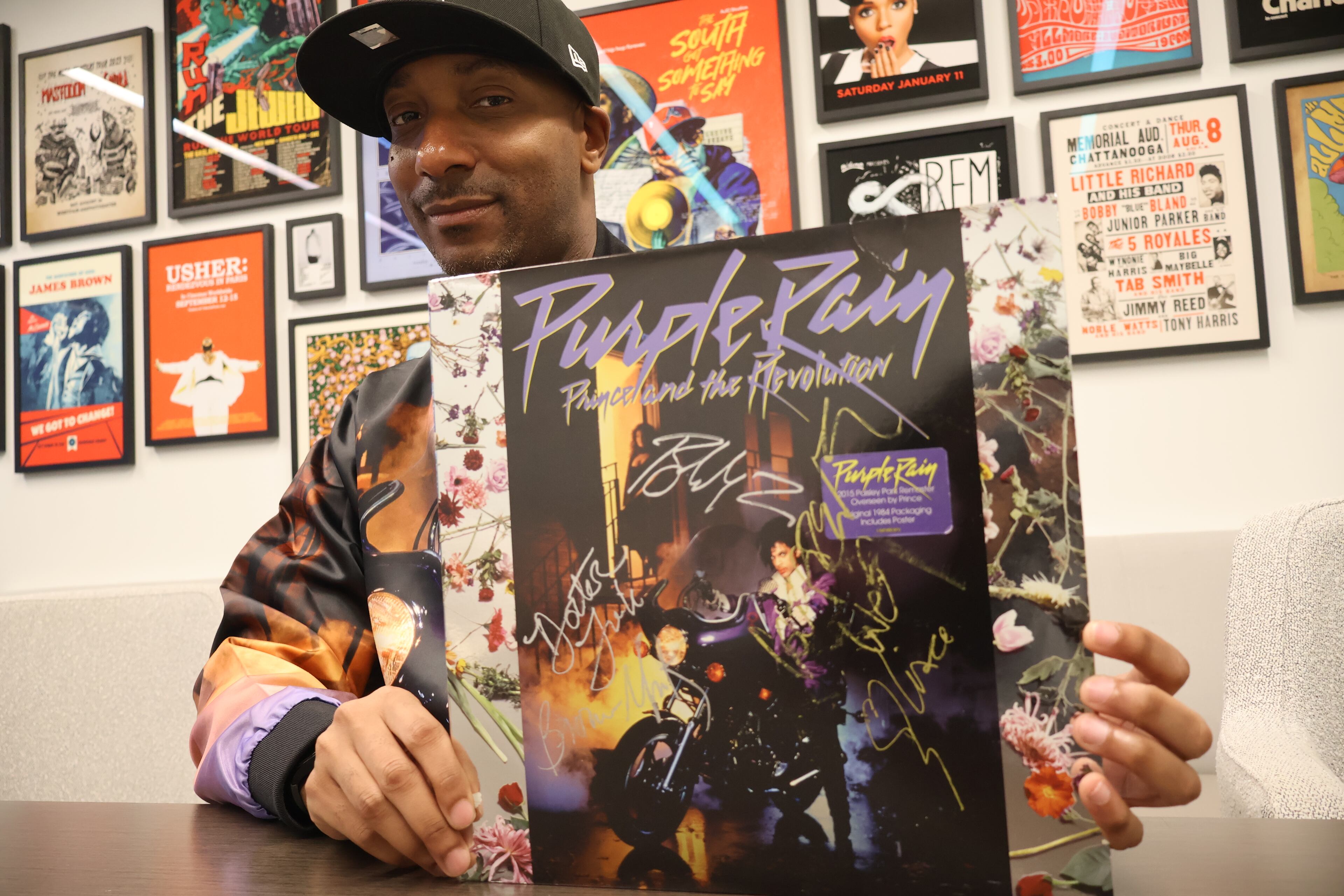
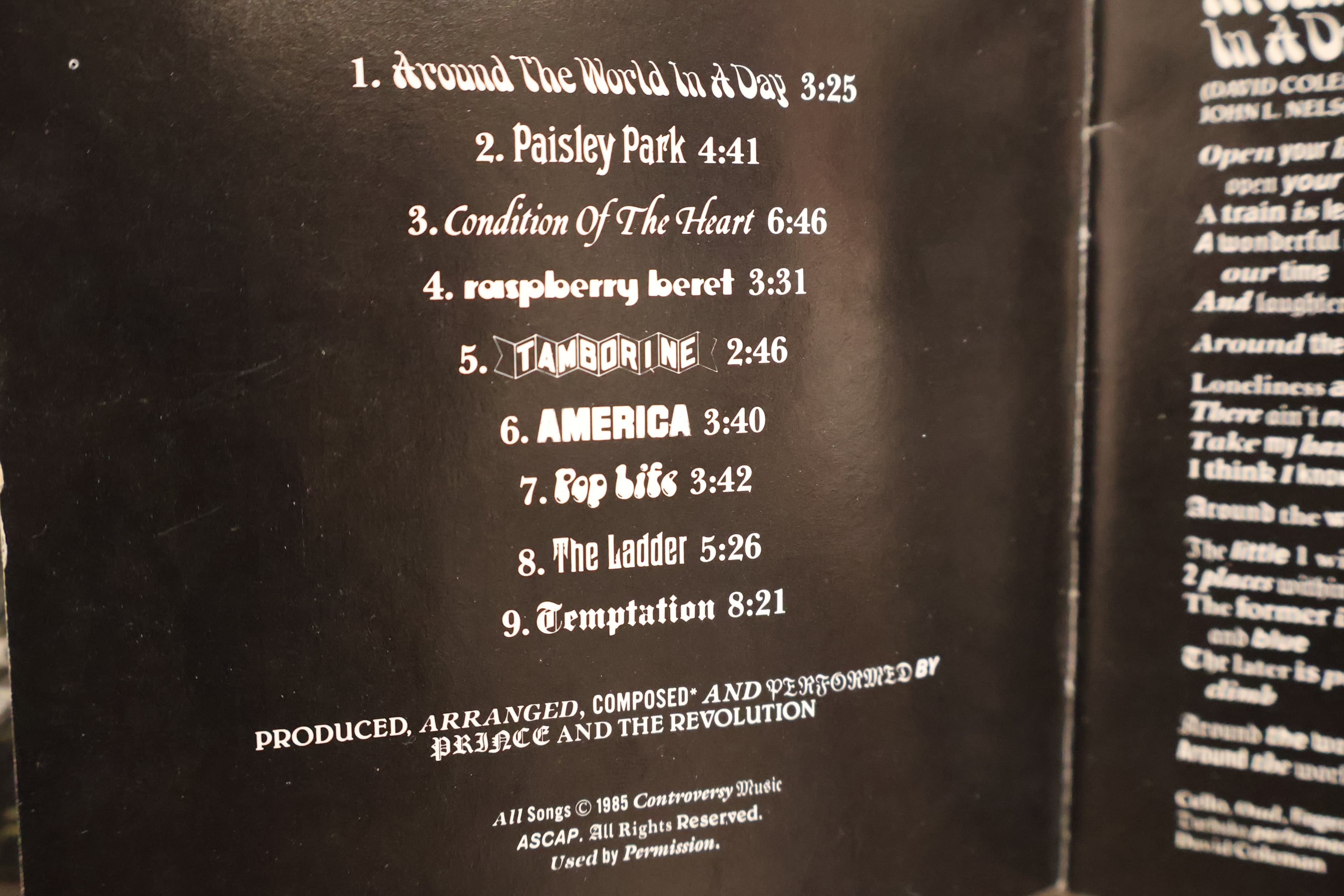
Those liner notes contained lyrics, production credits, studio information, photographs, essays and the names of the songwriters, producers, engineers, executives and musicians whose work fascinated me.
Before long, I recognized all of it, down to the fonts and record company logos.
What I didn’t realize at the time was that studying and paying attention to liner notes helped me form relationships, prepare for a career in journalism, and inspire my sense of style.
I grew up in a family that could throw a party and always played good music in the house. Hip-hop and R&B artists I listened to were sampling soul, funk, rock, and pop records that I recognized from my mother’s album collection and the music played at family social gatherings.
Reading those liner notes led me down rabbit holes to research and discover other albums and songs by legacy acts.
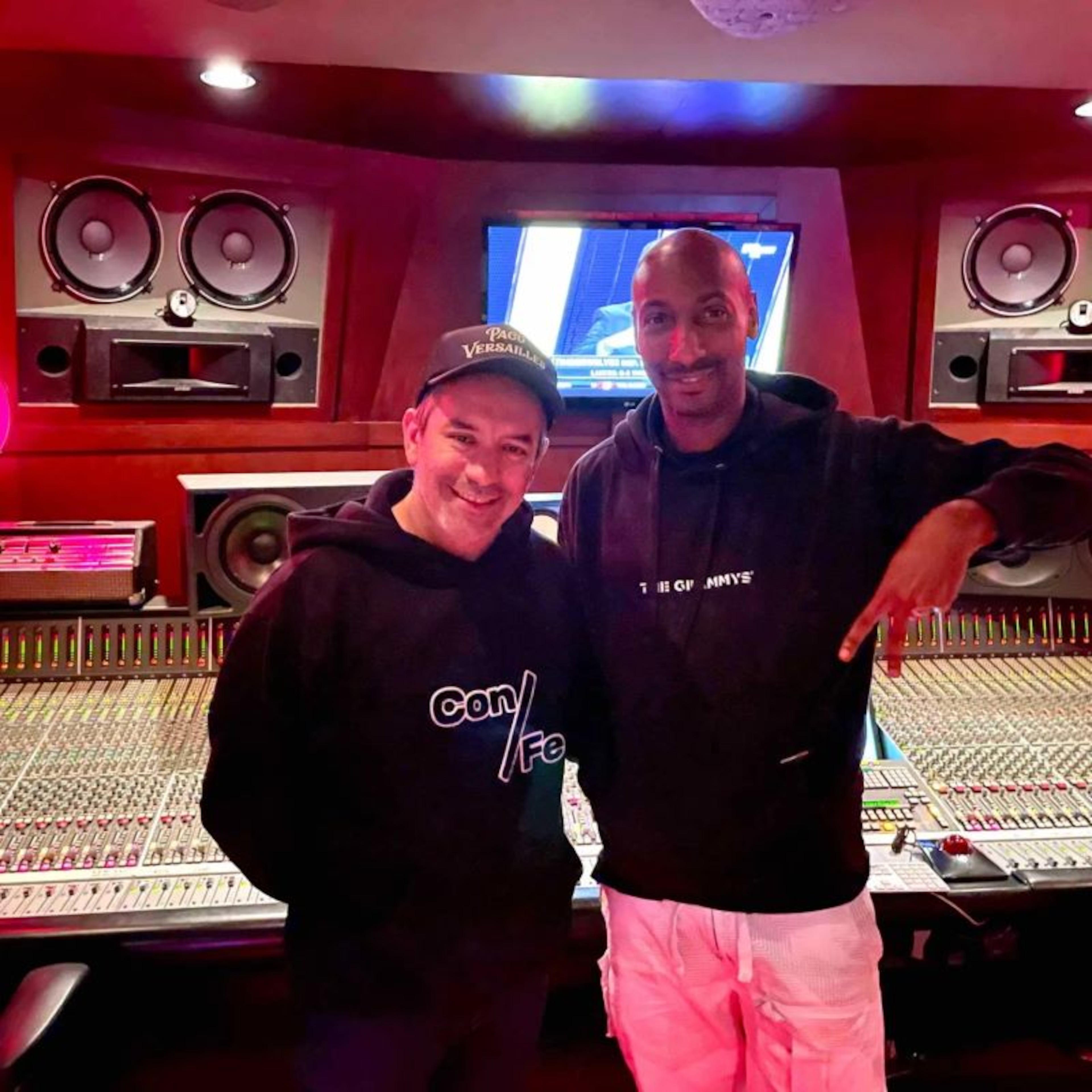
I studied liner notes more than my schoolbooks, so I quickly earned a reputation among family and friends for knowing about people who worked behind the scenes in the music business like Clarence Avant, Bruce Swedien, Greg Philliganes, Susan Rogers, Bob Power, Leslie Brathwaite and Manny Marroquin.
My musical knowledge often led older people to call me an “old soul,” who was wiser than my years and unusually informed about culture outside of my own generation. Some thought I was older than I actually was.
But seeing the same studio personnel credited on several albums I owned and loved taught me an important lesson: Music is a collaborative effort.
I also grew to understand those same people were professionals who were always around superstars, and I wanted a piece of the action, too.
By the time I joined my college newspaper at Johnson C. Smith University in 2002, I was writing album reviews and regularly interviewing artists who visited campus. Those liner notes came in handy because I was connecting with artists like Killer Mike and Lil Jon simply by knowing about Patchwerk, D.A.R.P. and Doppler, three legendary Atlanta recording studios.
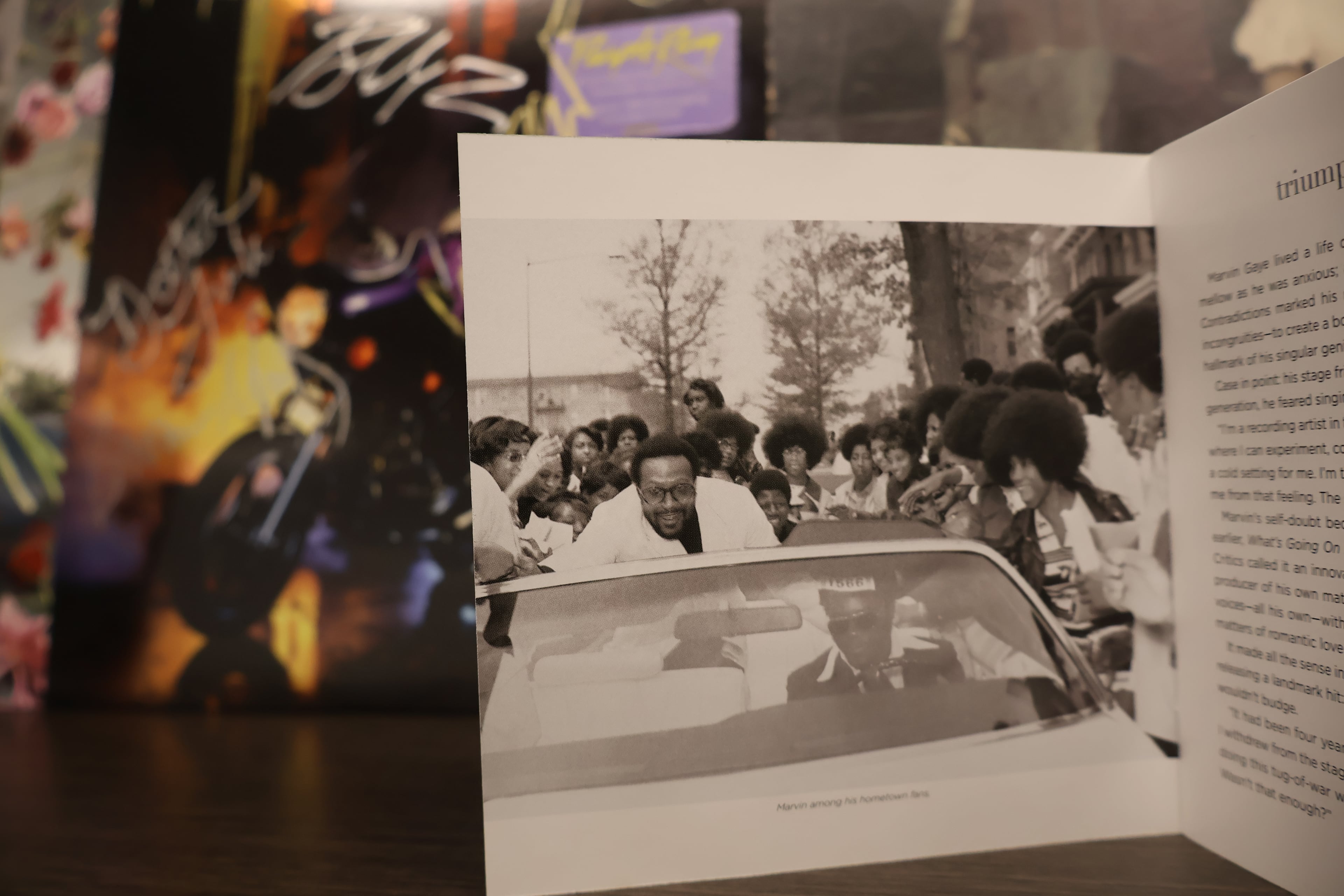
That’s when it hit me that reading those liner notes was what would set me apart from other aspiring music and culture journalists. Imagine my surprise when I learned there were Grammy Award categories for liner notes and album packaging. Oh, you couldn’t tell me nothing then!
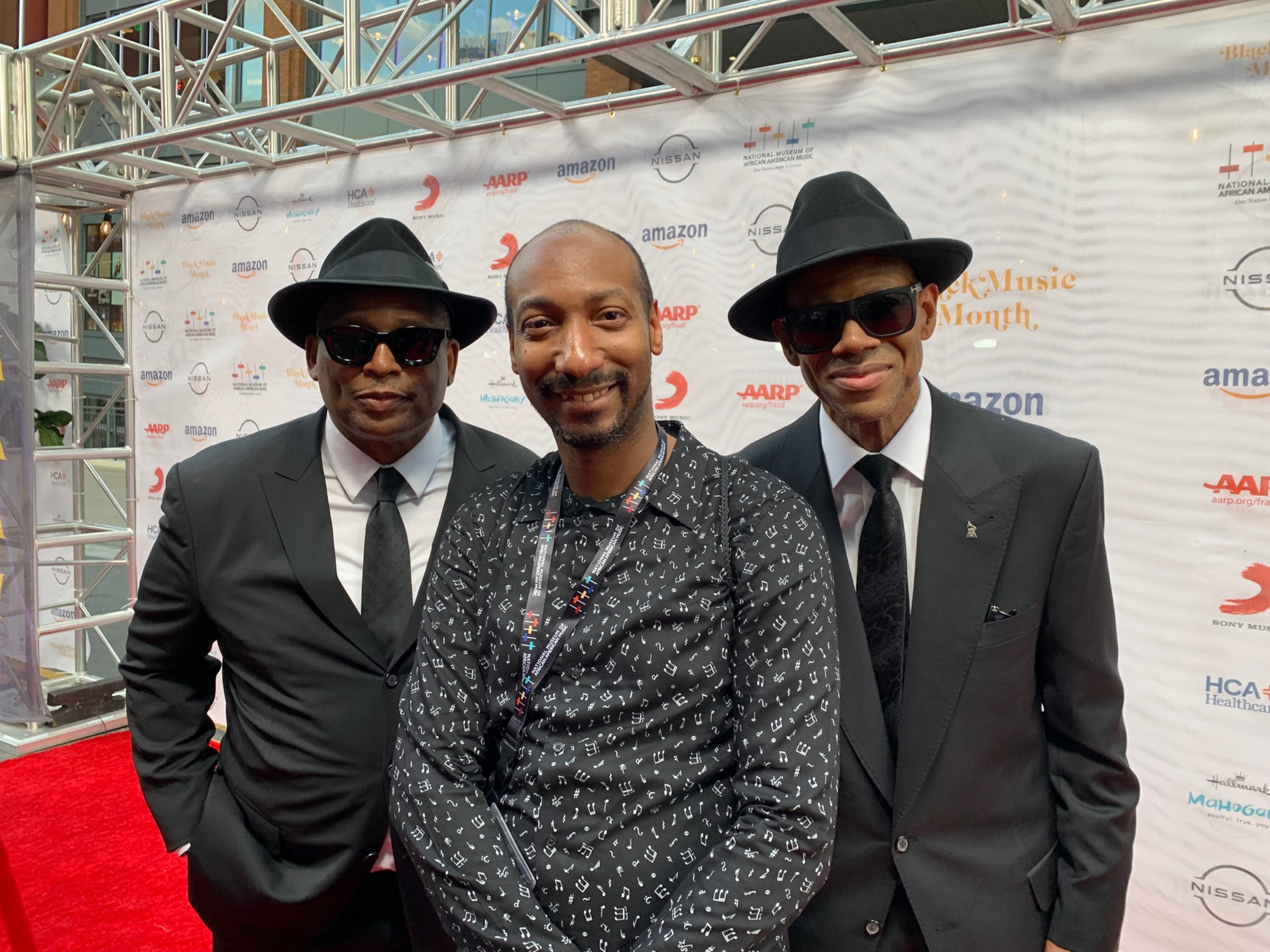
At 43 years old, I’ve been fortunate to cover and interview iconic, Grammy-winning music figures, including Philly Sound architects Kenny Gamble and Leon Huff, Minneapolis duo Jimmy Jam and Terry Lewis, Boo Mitchell, Rodney “Darkchild” Jerkins and Swizz Beatz, among others, for UATL and other national media outlets.
Those conversations often became richer because liner notes gave me a vocabulary that went beyond hit singles.
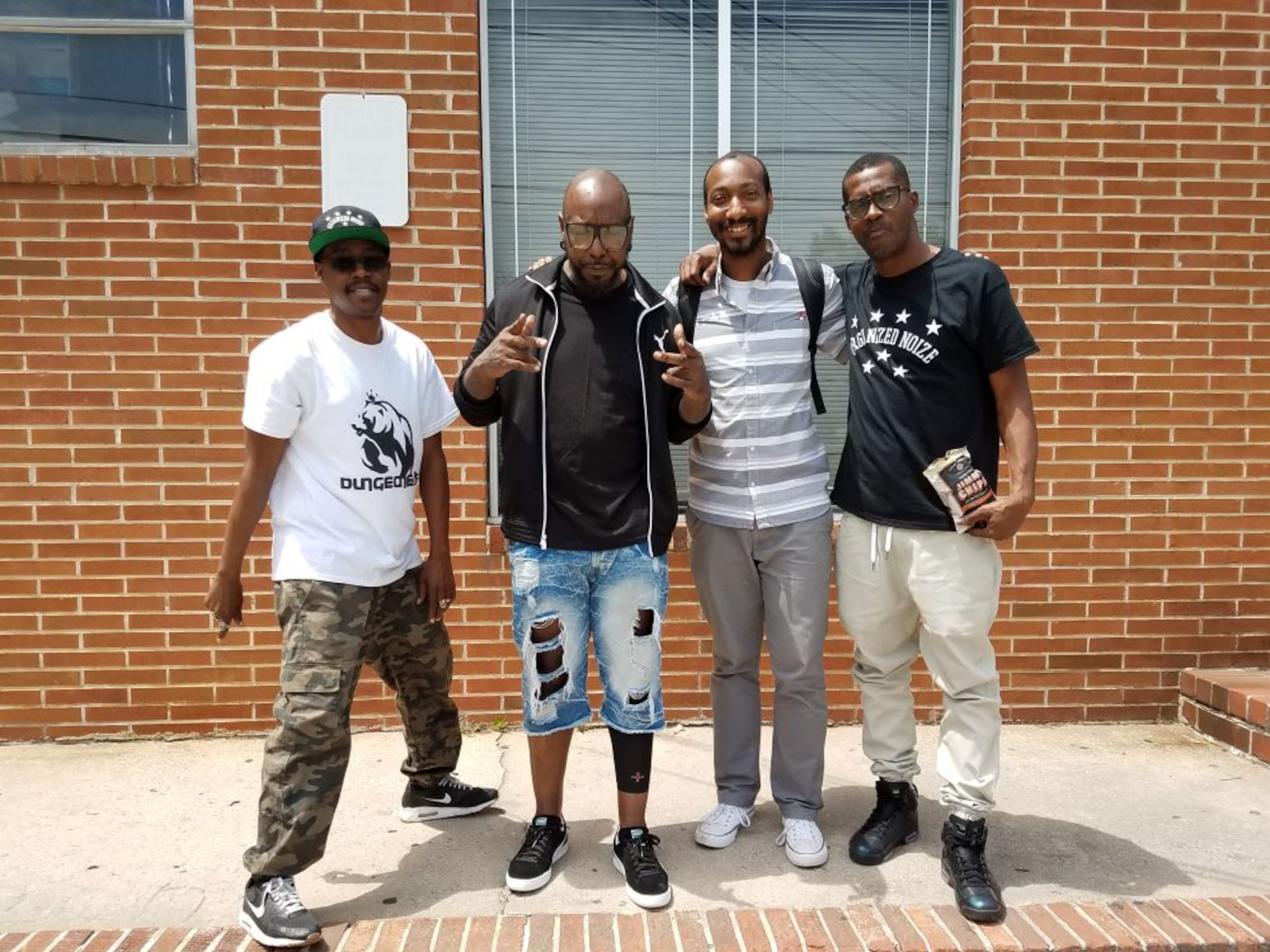
Like in the fall of 2007. After earning my master’s degree from the University of Georgia’s Grady College of Journalism and Mass Communication, I drove from Athens to Atlanta for a well-earned happy hour at the old W Hotel in Buckhead.
I sat at the bar and noticed Rich Harrison.
I couldn’t believe the producer behind Amerie’s “1 Thing” and Beyoncé’s “Crazy in Love,” was sitting next to me.
After I introduced myself, I mentioned to him that I knew he graduated with a communications degree from Howard University. I told him that the first time I saw his name credited as a producer was on singer Mary J. Blige’s 1999 fourth album, “Mary.”
He cracked a million-dollar smile, told me how impressed he was that I knew his background and immediately told the bartender he was buying me two rounds of cocktails.
Walking out of the W Hotel that evening, I knew I was going to become a successful culture journalist because of liner notes.
Times have changed. Some album credits are still available online on websites like Genius, Discogs and Wikipedia.
The credits haven’t disappeared. The ritual has.
Streaming encourages us to move quickly from one song to the next, often without learning who wrote, played on or produced any of it.
But I wonder, in this era of streaming and artificial intelligence, whether there are other young music lovers like me who care enough to learn about the people who are instrumental in creating the music.
I’m hoping the vinyl resurgence can inspire music consumers to once again make packaging part of their listening experience while helping to preserve history.
Reading liner notes taught me that the lessons are always in the details and that doing things that other people may not do can lead to extraordinary outcomes.