
Harlem’s Fashion Row brings first pop-up to Retreat by the Gathering Spot

Harlem’s Fashion Row is bringing its first HFR House to Retreat by the Gathering Spot on Saturday.
It’s a pop-up shop on the members-only rooftop club that features collections from 15 designers of color and allows patrons and fashion enthusiasts to purchase directly from Black-owned brands. Atlanta-based designers Brain Love, P. Sherrod and Co., Anwuli Eyewear and Jai Lyle MCMLXXXII are participating in the event.
HFR House is one of several programs produced by Harlem’s Fashion Row, an agency created in 2007 to support and connect emerging Black designers to major fashion companies and big-box retailers. The platform produces fashion shows, brand strategies and collaborations that create access for Black designers to work with brands like H&M, Nike, Gap and Nordstrom.
‘It’s a community that champions Black creativity …'
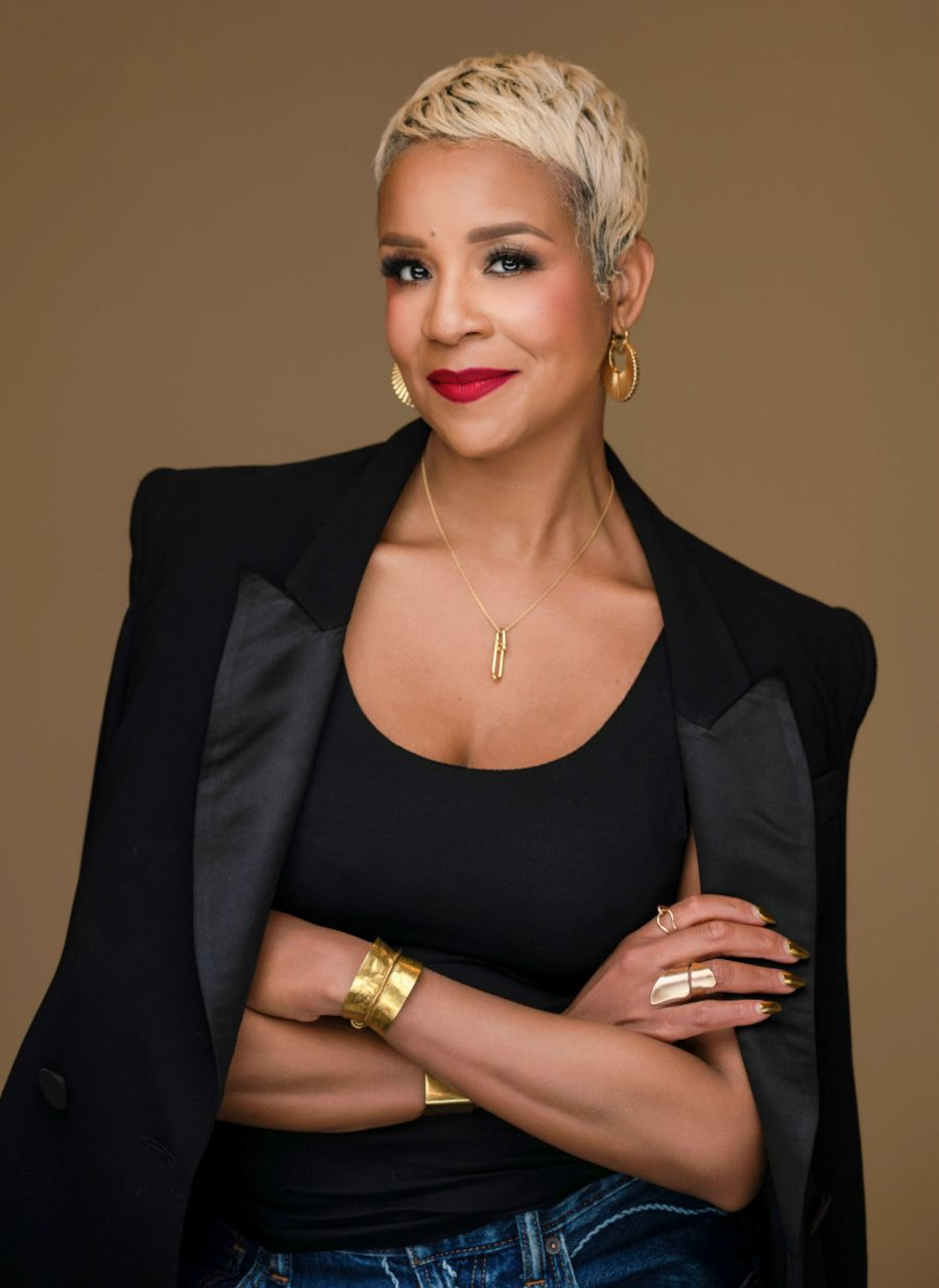
Pop-up stores were held at Martha’s Vineyard in Massachusetts and New Orleans this year. Founder Brandice Daniel said the event is a chance for people to discover new creators.
“You go to a department store and see what’s on the racks, but you never get to see who’s behind it or hear the stories behind the product,” Daniel said. “It’s removing a barrier between incredible designers who deserved to be seen and consumers who want to shop from Black-owned brands but don’t know where to find them. Every city we go in, our team is intentional about making sure we have incredible designers based in that city.”
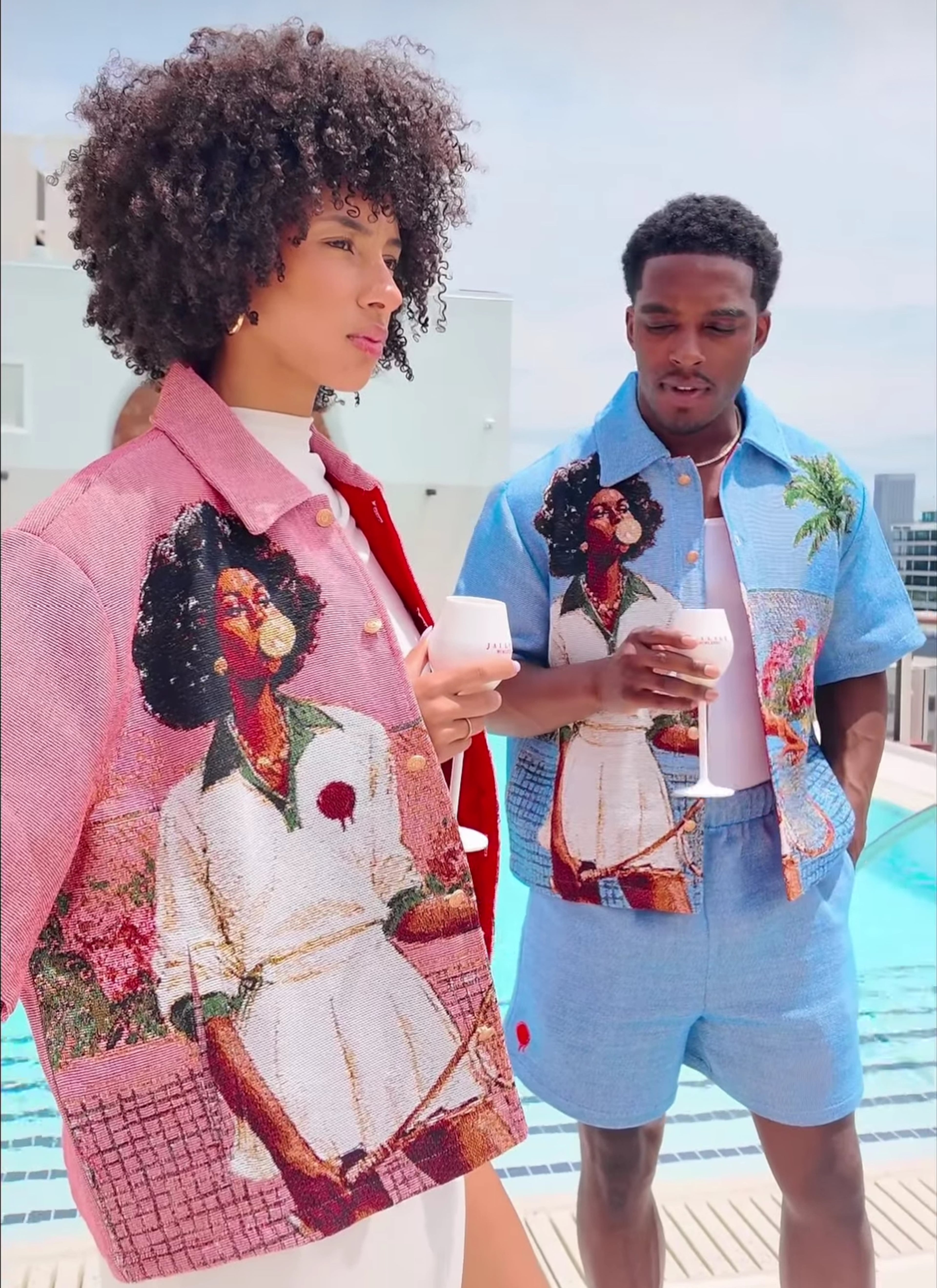
Atlanta-based designer Jai Lyle’s company, Jai Lyle MCMLXXXII, was included in HFR House’s Martha’s Vineyard event. He calls the space “culturally meaningful and deeply intentional.”
“It’s a community that champions Black creativity, entrepreneurship, excellence and sustainable growth. I’m grateful to be part of an ecosystem that understands preserving our stories and expanding access within the fashion industry,” Lyle said.
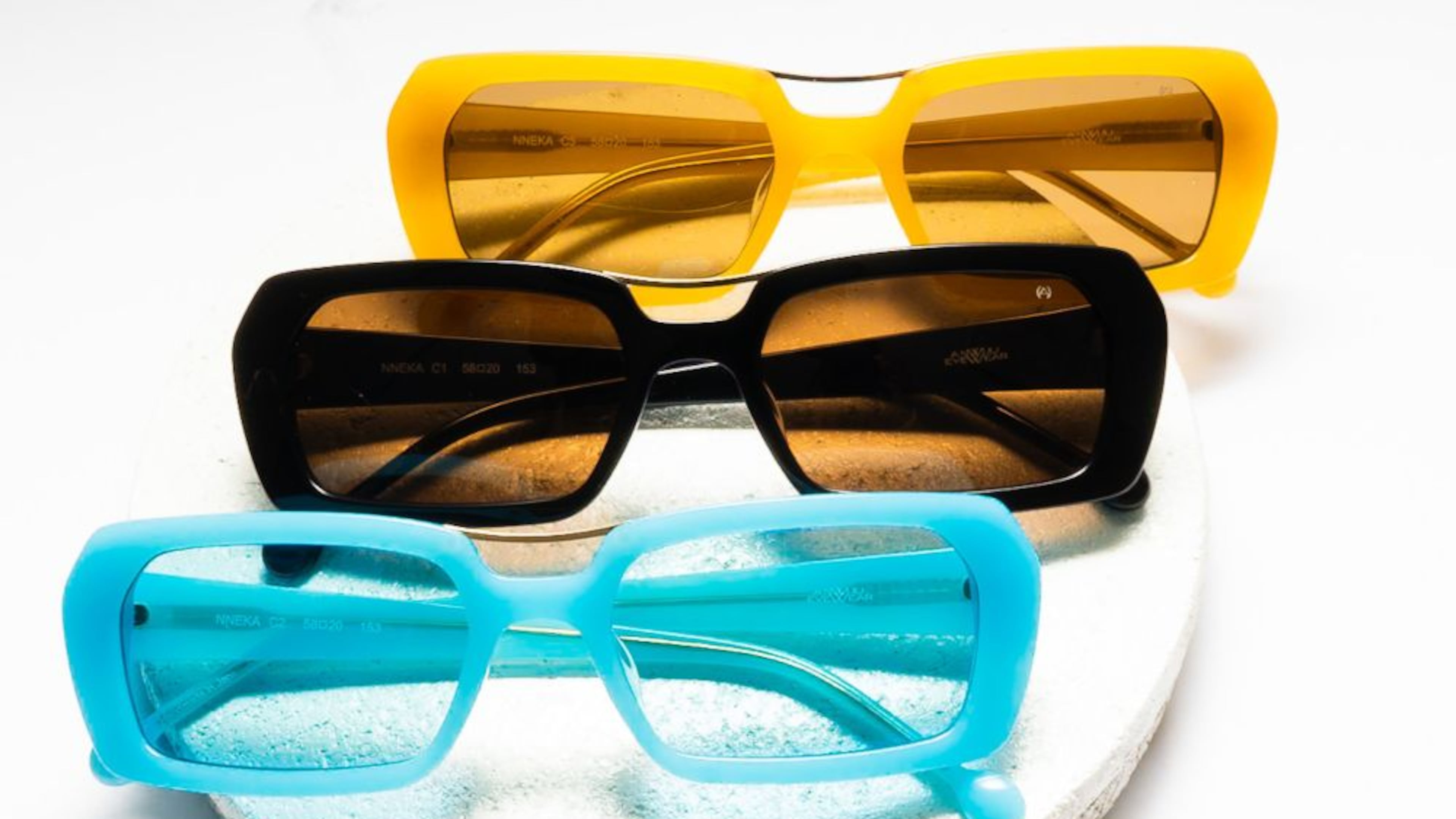
Dr. Nwamaka Ngoddy, creator of Atlanta-based Anwuli Eyewear, said participating in HFR House can influence patrons to seek other Black designers. “We can redirect consumer focus toward brands that value our shared experience, celebrate culture and prioritize creative design,” Ngoddy said.
‘I’m from Memphis, so I’m used to being underestimated …'
In 1999, Daniel, who studied fashion merchandising at the University at Tennessee at Chattanooga, interned at Saks Fifth Avenue at Phipps Plaza and started drafting plans to work in fashion. After graduation, she moved to Gwinnett County, where she lived until 2003.
She returned to her hometown of Memphis, Tennessee, before relocating to Harlem, New York, in 2005. Daniel, who enrolled at the Fashion Institute of Technology part time, was working as a production manager for Victoria’s Secret and started volunteering at a boutique with plans to eventually start her own.
“I thought I was going to work for a luxury brand. I realized (the boutique) was not it, and I didn’t want to do this. I’m too much of an extrovert to sit inside of a store and wait for people to come inside,” she said.
At the same time, Daniel noticed there were several Black-owned boutiques opening in her neighborhood. Then, she attended a fashion show in Brooklyn and came up with a plan to gather friends at her home for home-cooked brunch on weekends to help her produce a similar fashion show in Harlem.
“I knew I needed a lot of help to put together that first show. I always thought about how do we do everything in (the) community,” Daniel said.
She named it Harlem’s Fashion Row as a nod to the surge of Black-owned shops opening near her home. In 2007, she held her first fashion show with 17 volunteers. It spotlighted four boutiques and attracted 200 people.
Daniel said it made her confident to keep producing programs for Black designers.
“That first show was the hardest, most exhilarating thing I’ve ever done, but still the best event we ever had. There’s something about seeing an idea in your head and executing it. It was beautiful because the community had come together to do something really special,” Daniel said.
When Daniel started planning the second year, she had trouble finding Black designers and other designers of color. She searched department store websites where she and her friends shopped and realized there was a void serving Black designers and consumers.
“I created a spreadsheet and realized there were only four Black designers out of hundreds, which is less than 1% of what they carry. I’m still down that rabbit hole to solve this challenge where there’s not enough designers of color that people have the opportunity to shop from,” she said.
“We spend so much and impact fashion so much, but we’re not able to participate economically on the business side,” Daniel said.
Along with financing the events, Daniel encountered skepticism from designers. She realized she had to be persistent with talent.
“It was hard getting them to take me seriously. Getting those four designers to participate was hard, because all of them told me no except one. I went back to most of them at least five times,” Daniel said. “I’m from Memphis, so I was used to be underestimated.”
Daniel knew she was making an impact when Harlem’s Fashion Row held an event in 2010 at Studio Museum in Harlem in 2010, which collects and preserves works from Black artists from around the world. Daniel said in its 11th year, the agency formed a sneaker collaboration with LeBron James and Nike involving three Black female designers.
Daniel said she appreciates creating platforms for emerging designers to feel valued. “Black designers are just trying to feel validated, and when they see themselves on a campaign, it’s something they get to show their families,” she said.
Daniel also said Harlem’s Fashion Row drives corporations to understand Black consumer behavior. “People are behind those brands, so when they come and see the impact, they understand our dollars have a lot of power,” Daniel said.
Daniel hopes to expand Harlem’s Fashion Row into multimedia projects and producing content for Black designers. Her goal is to also return to Atlanta to hold future events.
“I want Atlanta to become our secondary market. It feels like home,” she said.
HFR House Atlanta. 5-9 p.m. Saturday. Free but registration required. Retreat by the Gathering Spot, 1115 Howell Mill Road, Atlanta. eventbrite.com.