
For Emory professor, Spike Lee’s films have been a lifelong conversation
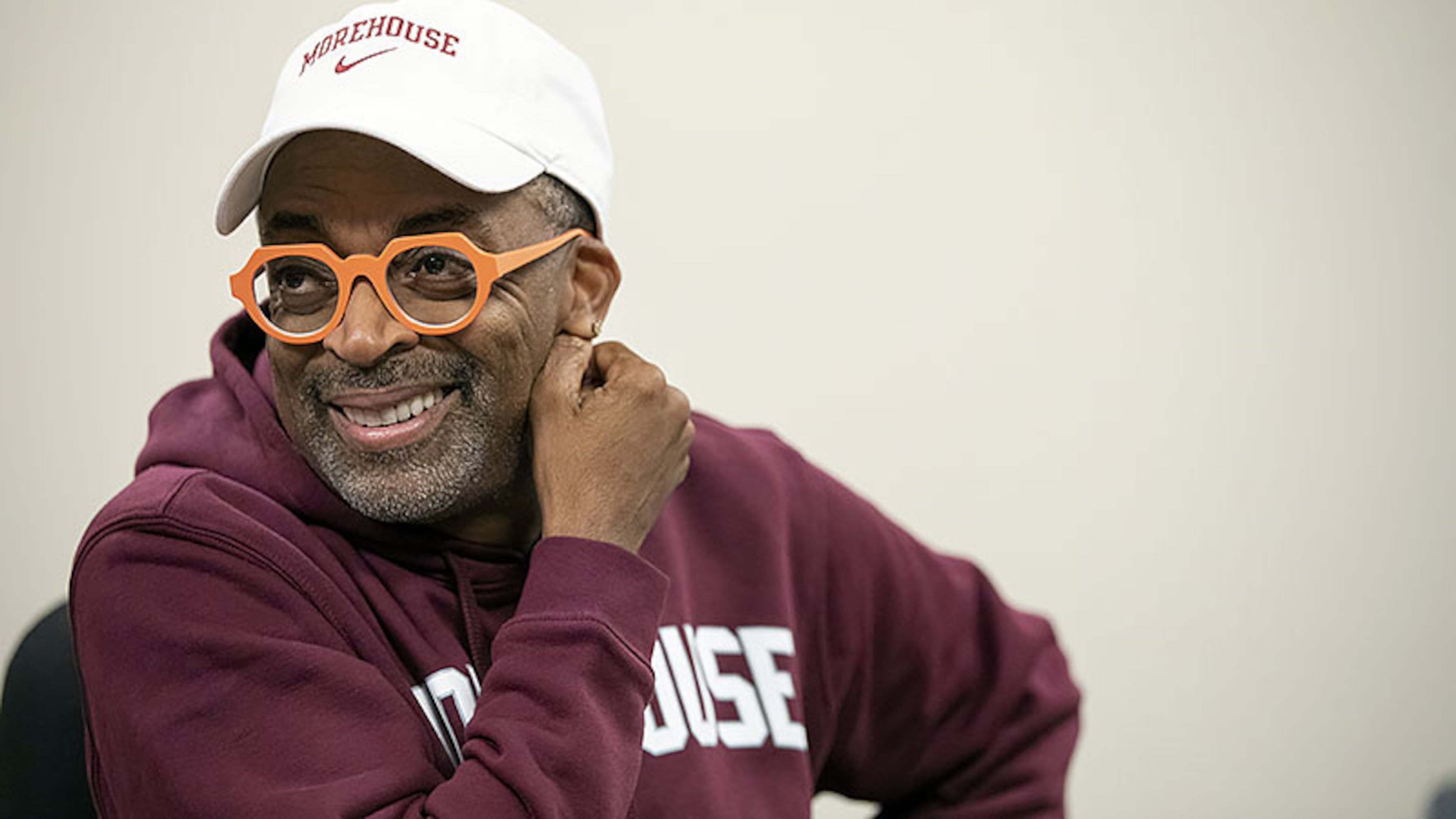

Long before Beretta Smith-Shomade became a film and media professor, Spike Lee’s movies were already intersecting with her life.
She was a student at Clark Atlanta University when Lee filmed much of “School Daze” on campuses throughout the Atlanta University Center.
Many of her friends landed roles as extras, and when they all went to see the movie, they talked so much whenever they appeared onscreen that she had to watch it again.
“I was like, ‘I can’t hear,’” Smith-Shomade recalled. “But ‘School Daze’ is one of my favorites. Everything about it is familiar.”
A few years later, while living in New York, she attended the premiere of the jazz-inspired classic, “Mo’ Better Blues,” where she was drawn to Lee’s visual choices and his willingness to experiment with the form.
Those encounters began what became a decades-long engagement with Lee’s work.
Smith-Shomade has studied, taught and debated Lee’s films, sometimes arguing with the choices he made. Even when a movie frustrates her, she said, Lee gives her something to wrestle with.
Now, four decades after the 1986 debut of “She’s Gotta Have It,” Smith-Shomade is bringing that conversation to Emory University.
“40 Years of Brother Spike Lee,” a semester-long series she curated for the Emory Cinematheque, begins Wednesday. The program will feature 13 films, along with Lee’s Netflix television adaptation of “She’s Gotta Have It.”
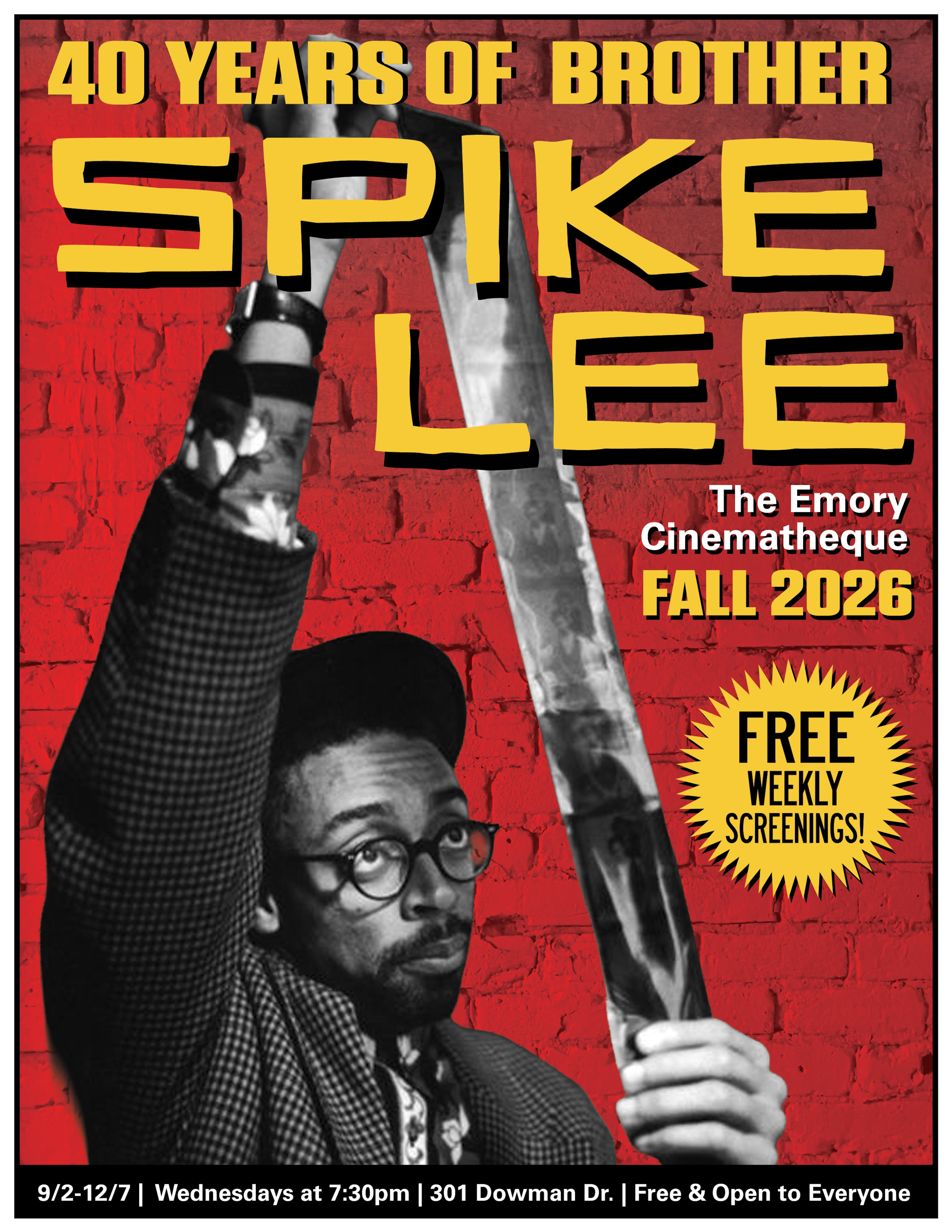
The free screenings will be held Wednesdays at 7:30 p.m. in White Hall, Room 208. Each will be introduced by a visiting scholar or actor and followed by a discussion with the audience.
For Smith-Shomade, a full professor in Emory’s Department of Film and Media, the retrospective is both an academic examination and a personal return to a filmmaker whose career has unfolded alongside her own.
The series also complements her Emory course, “Studies in Major Figures: Spike Lee.”
This semester, visiting scholars and actors participating in the public programs will meet with her students to discuss the films, assigned readings and Lee’s creative decisions.
Lee, who lives in Brooklyn, is not expected to attend any of the screenings. He could not be reached for comment.
When Lee emerged in the mid-1980s, Hollywood had largely retreated from the wave of Black-centered films that had flourished during the previous decade.
“He came with a vision and an energy that was not present at the time,” she said. “It was energetic, it was frenetic … and it was Black.”
Lee, who was born in Atlanta and graduated from Morehouse College, made films centered on Black people, Black neighborhoods and Black cultural debates.
He rarely paused to explain those worlds, believing the works spoke for themselves.
“If you understand it, great,” Smith-Shomade said. “If you don’t understand it, that’s OK too.”
Lee was also prolific. During the early part of his career, audiences could expect a new “Spike Lee Joint” every year or two.
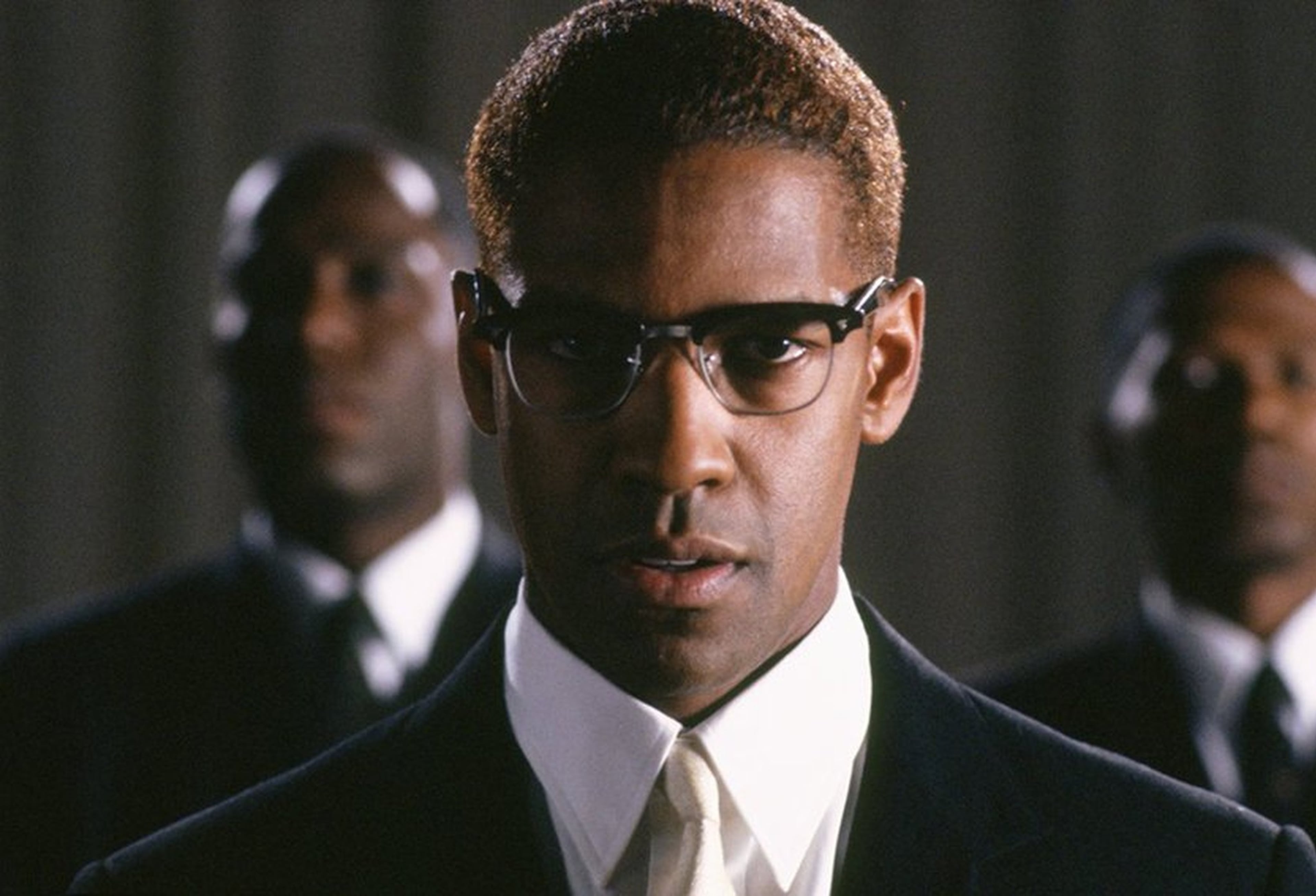
Each release became an event, especially for Black moviegoers who rarely saw their lives and internal debates treated with such urgency on the screen.
Whether exploring politics, race, family, sexuality or basketball, Lee consistently expanded the boundaries of what a Black film could be.
“Spike was pivotal in allowing us to truthfully tell Black stories — our stories — as we saw them,” said Otis Sallid, who choreographed “School Daze,” “Do the Right Thing,” and “Malcolm X.” “They were authentic and not under the white gaze.”
Smith-Shomade said Lee’s importance comes partly from his insistence on placing difficult questions about Black life before audiences.
“He’s trying to grapple with some issues, some concerns, some conundrum, some dichotomy that is happening within Black culture,” she said. “You can do with it what you will, but you’re going to engage it. You’re going to have debate around it.”
Those debates include criticism of Lee himself.
As a film scholar, Smith-Shomade has questioned some of Lee’s choices and understands the longstanding criticism of his depictions of women, whose characters, some say, are not fully formed.

Still, she said, even his most uneven films are often reaching for something larger.
“There’s always something that he’s trying to do historically,” Smith-Shomade said. “He is really trying to put forward a notion of Blackness in our lives and our culture in ways that initially were not being done at all.”
“School Daze,” which screens Sept. 9, remains one of the clearest examples of Lee’s ability to turn internal Black cultural conflicts into popular art.
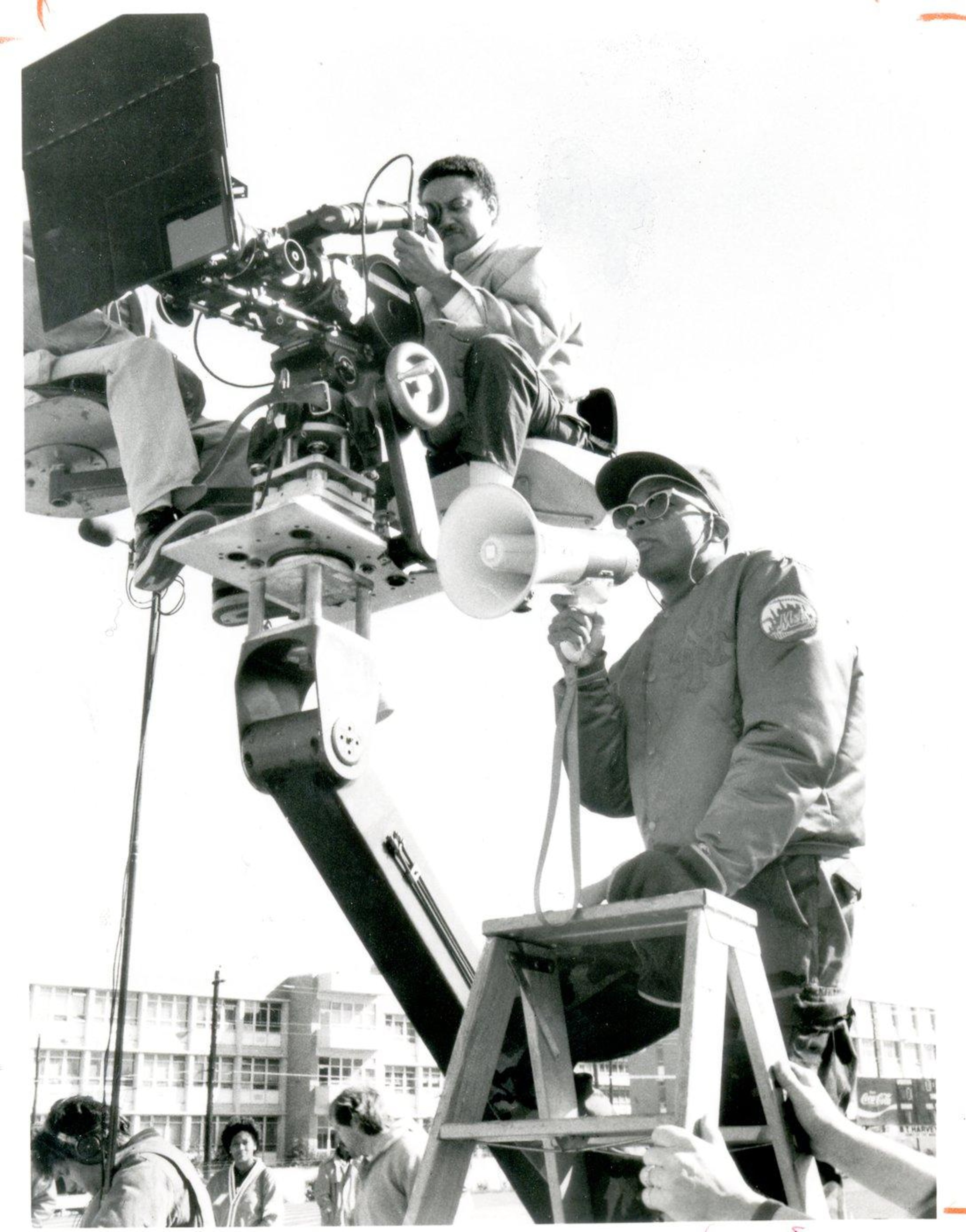
Set at the fictional Mission College, the movie explores colorism, class, fraternity and sorority culture, campus activism and tensions between students at a historically Black college.
For Smith-Shomade, an HBCU graduate and a member of Delta Sigma Theta Sorority, Inc., the setting and characters remain instantly recognizable.
The screening will be followed by a conversation featuring actor and dancer Kyme Hersi-Sallid, who played Rachel Meadows in the film.
Today, 38 years after the film debuted, Hersi-Sallid said she still meets women who told her they attended an HBCU because of how “School Daze” represented them.

“Spike has always understood that representation is everything. He opened many doors for Black actors, choreographers, costume designers, set designers and technical crews that, in many cases, had been previously closed,” Hersi-Sallid said. “He had a vision and mission to share our stories over 40 years ago, and we have been fortunate to share in his journey. May his iconic journey continue.”
Smith-Shomade initially considered dedicating an entire academic year to Lee. His body of work, which includes narrative films, documentaries, concert films, commercials and television projects, could easily sustain two semesters.
But she ultimately narrowed the series to one semester, choosing many of her favorite films and arranging them in a mostly chronological order.
Along with “School Daze,” the lineup moves from “Do the Right Thing” and “Jungle Fever” through “Malcolm X,” “Crooklyn,” “Clockers” and “Bamboozled.”
The series will also include “4 Little Girls,” Lee’s Academy Award-nominated documentary about the four children killed in the 1963 bombing of Birmingham’s 16th Street Baptist Church.

Smith-Shomade said she remains overwhelmed by the film’s closing moments, when one of the mothers reflects on grieving her daughter while still having to live the rest of her own life.
“There has never been a screening of it that I’m not just trying to get myself together, stop crying,” she said. “It’s just that powerful.”
That emotional force, paired with Lee’s bold visual style and willingness to provoke, has kept Smith-Shomade returning to his work for decades.
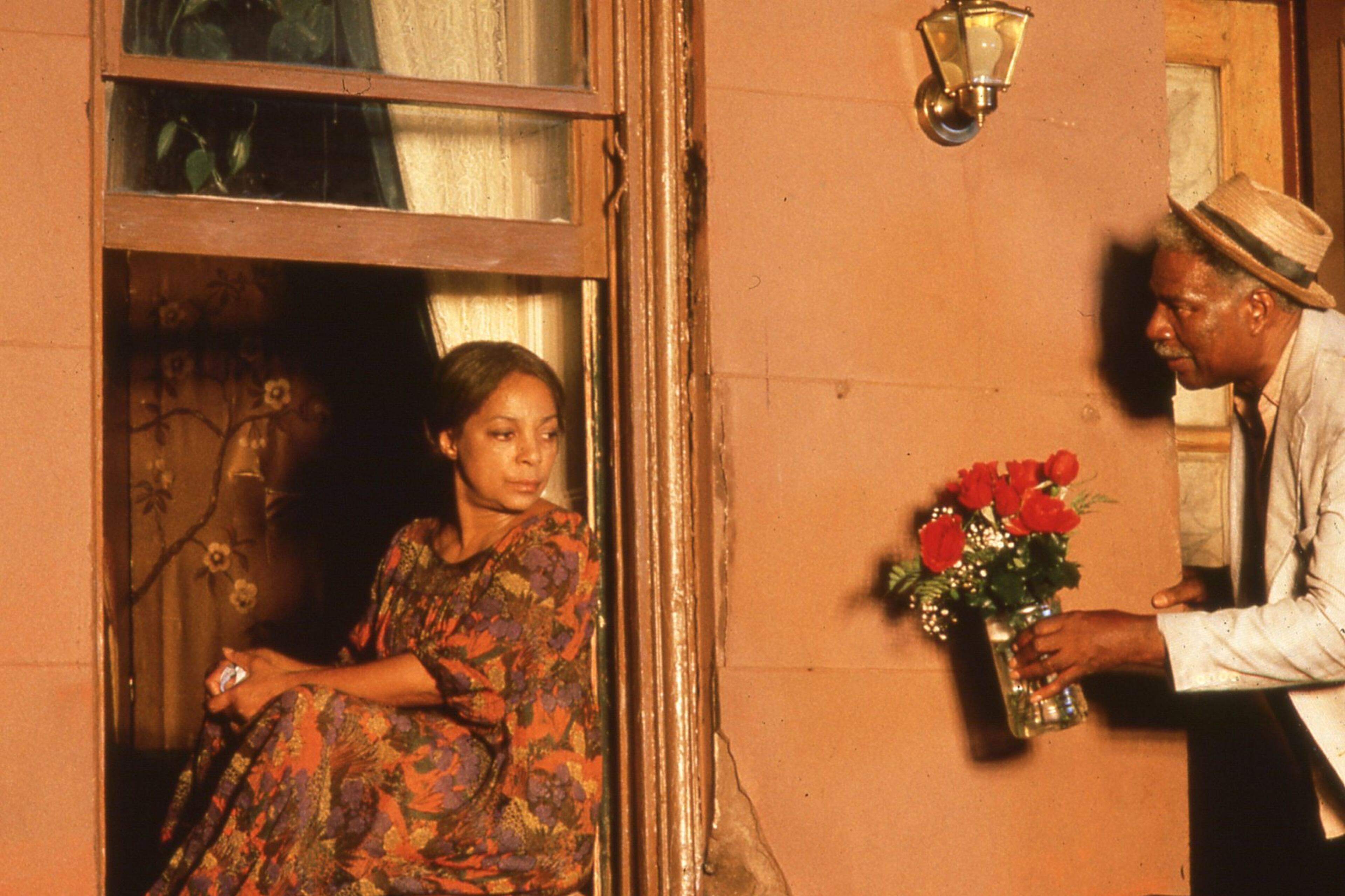
The series closes with two later works, “25th Hour” and the Academy Award-winning “BlacKkKlansman.”
“I love how he plays with form,” Smith-Shomade said. “He’s a very attentive filmmaker, trying to make the form do things and tell the story in a particular kind of way. The things that he does well, he does really well.”
Screening schedule
All programs begin at 7:30 p.m. Wednesdays in White Hall, Room 208, on Emory University’s campus.
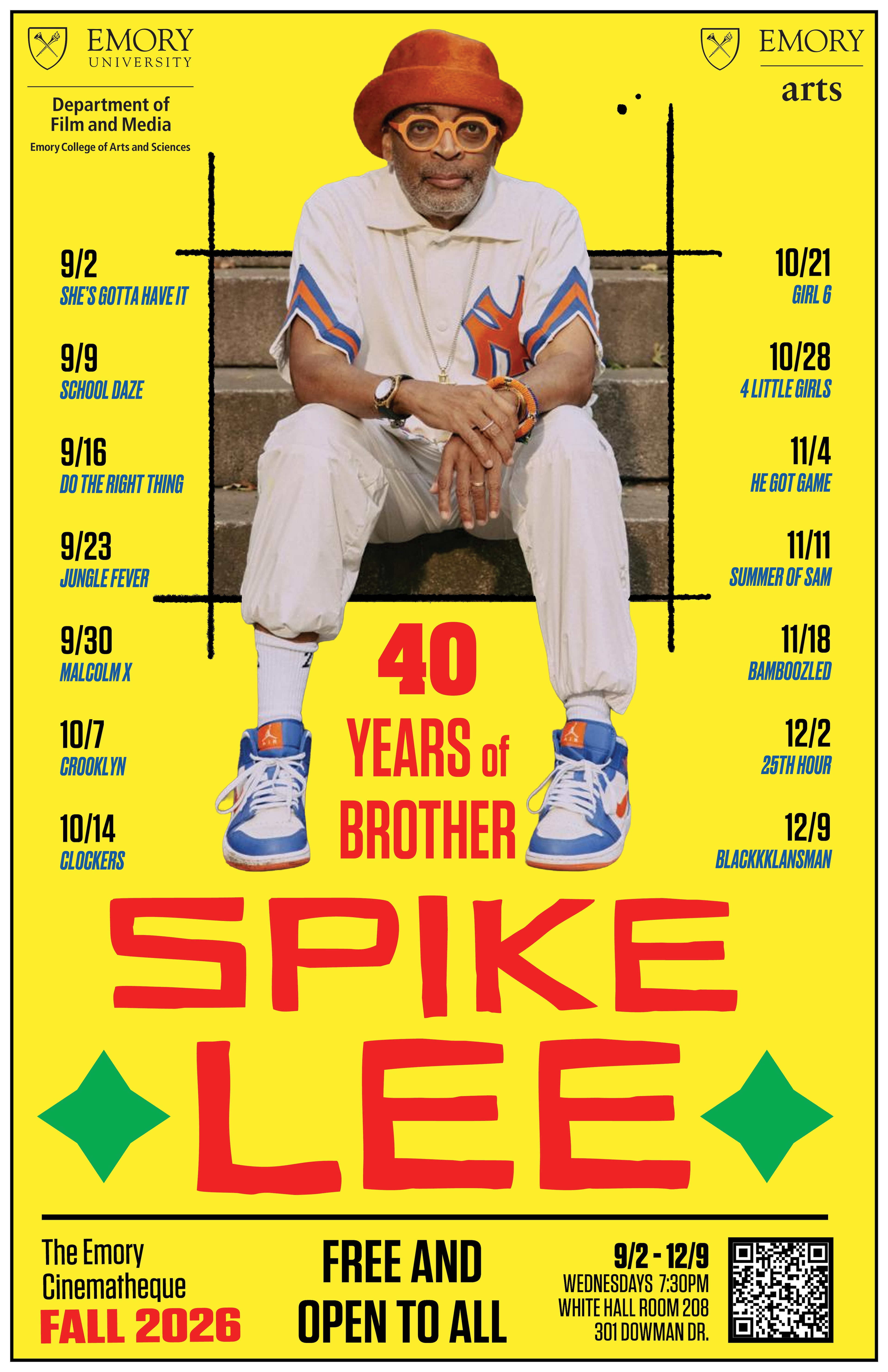
- Sept. 2: “She’s Gotta Have It” television series
- Sept. 9: “School Daze”
- Sept. 16: “Do the Right Thing”
- Sept. 23: “Jungle Fever”
- Sept. 30: “Malcolm X”
- Oct. 7: “Crooklyn”
- Oct. 14: “Clockers”
- Oct. 21: “Girl 6”
- Oct. 28: “4 Little Girls”
- Nov. 4: “He Got Game”
- Nov. 11: “Summer of Sam”
- Nov. 18: “Bamboozled”
- Dec. 2: “25th Hour”
- Dec. 9: “BlacKkKlansman”
The series is free and open to the public. Registration is not required. Parking on Emory’s campus is free after 6 p.m.