
4 books celebrating HBCU history, culture and the Black college experience


The HBCU experience doesn’t begin at freshman orientation nor end at graduation. It lives on in marching bands, homecoming traditions, family stories and the generations of students who carry those experiences into the world.
Four books by authors with ties to Atlanta and historically Black colleges and universities explore that legacy from different perspectives.
Some introduce young readers to the sights and sounds of Black college life. Others celebrate accomplished alumni or examine the history, challenges and enduring influence of HBCUs.
Whether you’re introducing a child to Black college traditions, considering an HBCU or reconnecting with your alma mater, there’s something here for you.
1. “Here Comes the Band”
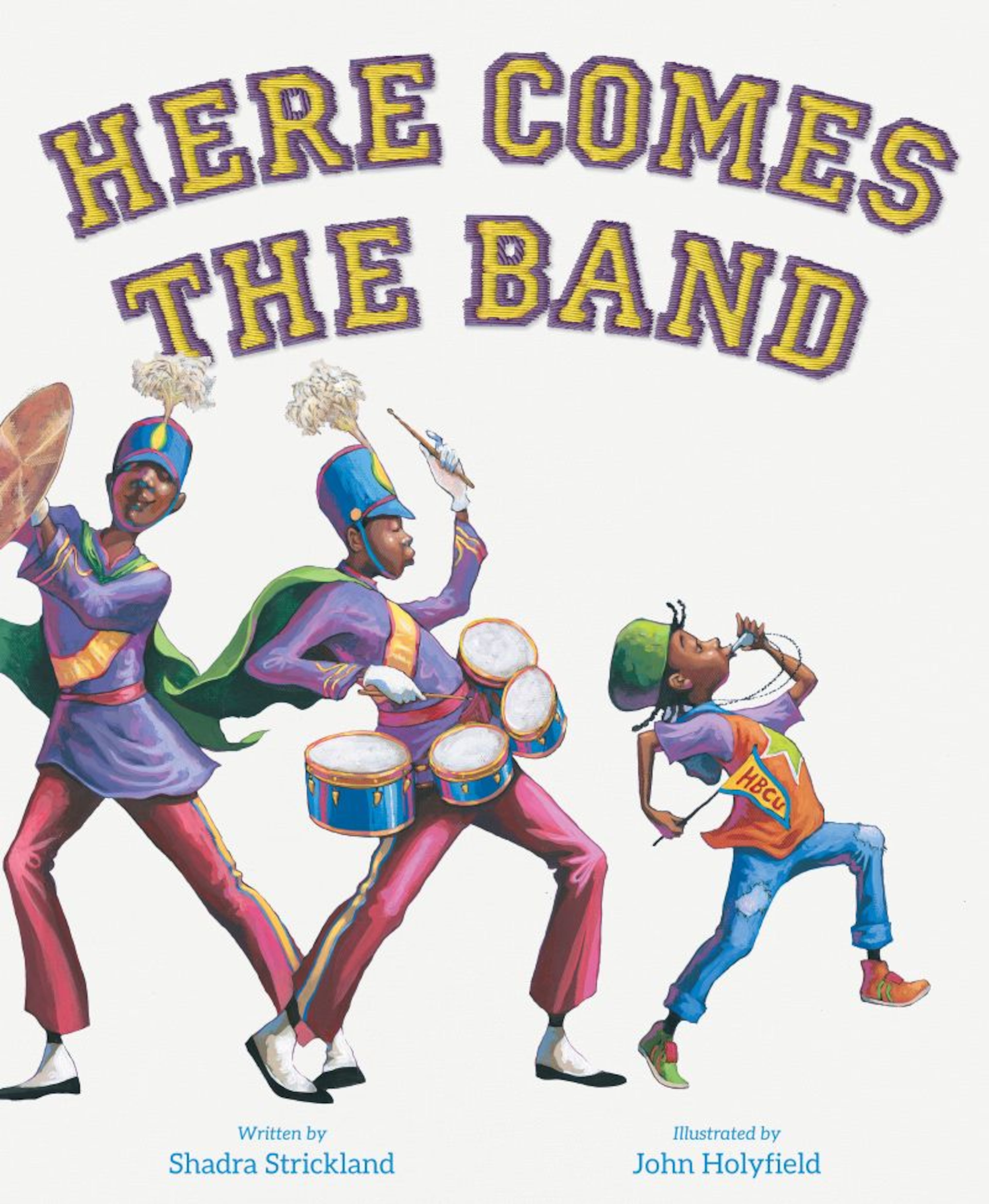
Atlanta native Shadra Strickland introduces young readers to the excitement of HBCU marching bands in “Here Comes the Band,” a children’s picture book released in September.
Through rhythmic language and the sounds of musical instruments, Strickland recreates the energy of a Black college homecoming halftime show. Illustrator John Holyfield brings the performance to life with colorful depictions of musicians, dancers and cheering spectators.
The illustrations recall the expressive figures and movement of painter Ernie Barnes, who attended North Carolina Central University.
Together, the words and illustrations introduce children to the music, pageantry and school spirit that make HBCU marching bands a distinctive part of Black college culture.
2. “Historically Black: American Icons Who Attended HBCUs”
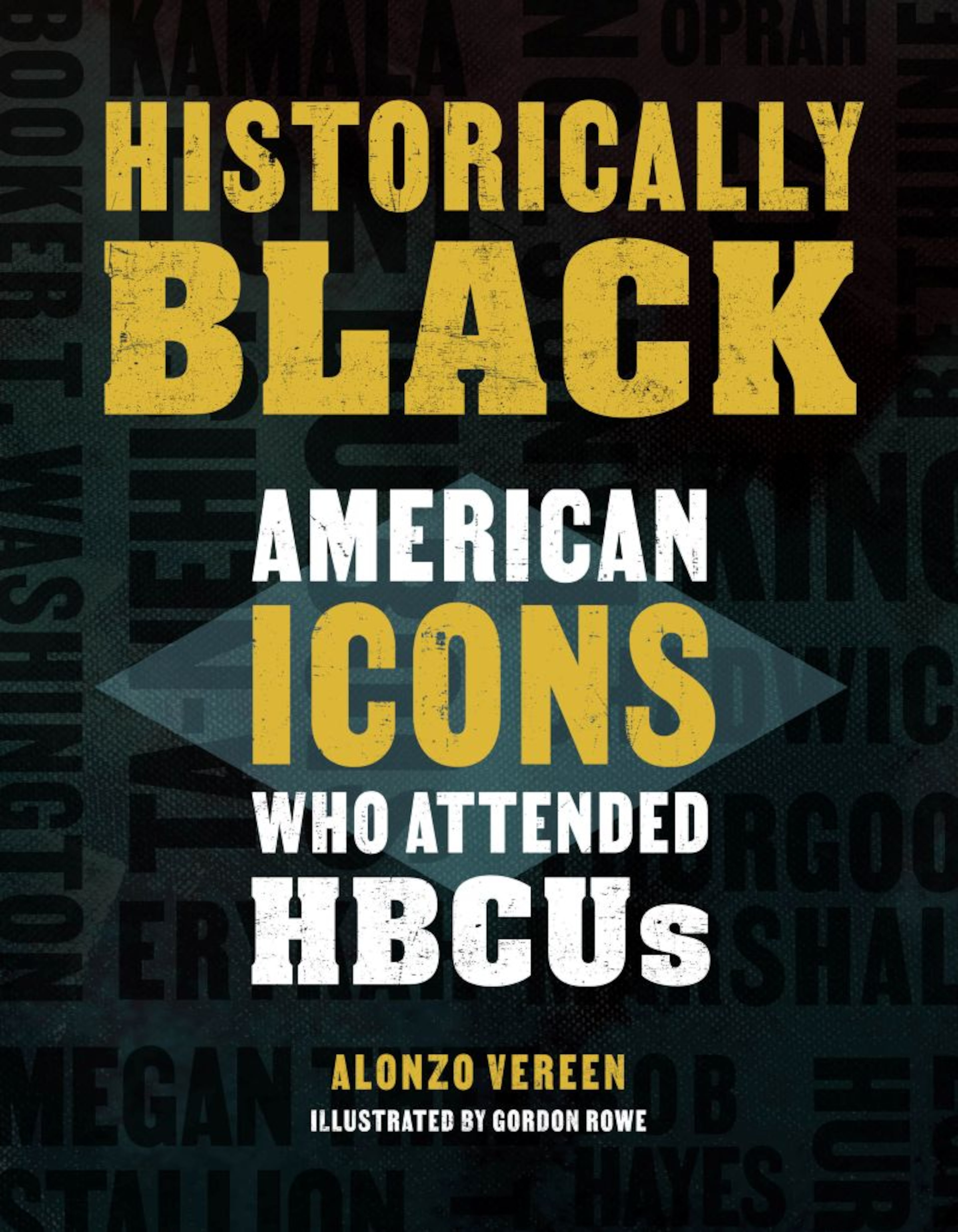
Morehouse College alumnus Alonzo Vereen celebrates the influence of historically Black colleges through profiles of prominent graduates in “Historically Black: American Icons Who Attended HBCUs.”
The book profiles notable HBCU alumni and attendees, including educator Booker T. Washington (Hampton University), singer Erykah Badu (Grambling State University), writer James Weldon Johnson (Atlanta University, now Clark Atlanta), politician Stacey Abrams (Spelman College) and civil rights leader John Lewis (Fisk University).
Through essays, artwork and biographical profiles, Vereen also explores HBCU history, marching bands and Black Greek organizations. He shares his own journey to Morehouse, offering readers a personal perspective on the traditions and educational experiences that have shaped generations of Black leaders.
3. “HBCU: The Power of Historically Black Colleges and Universities”
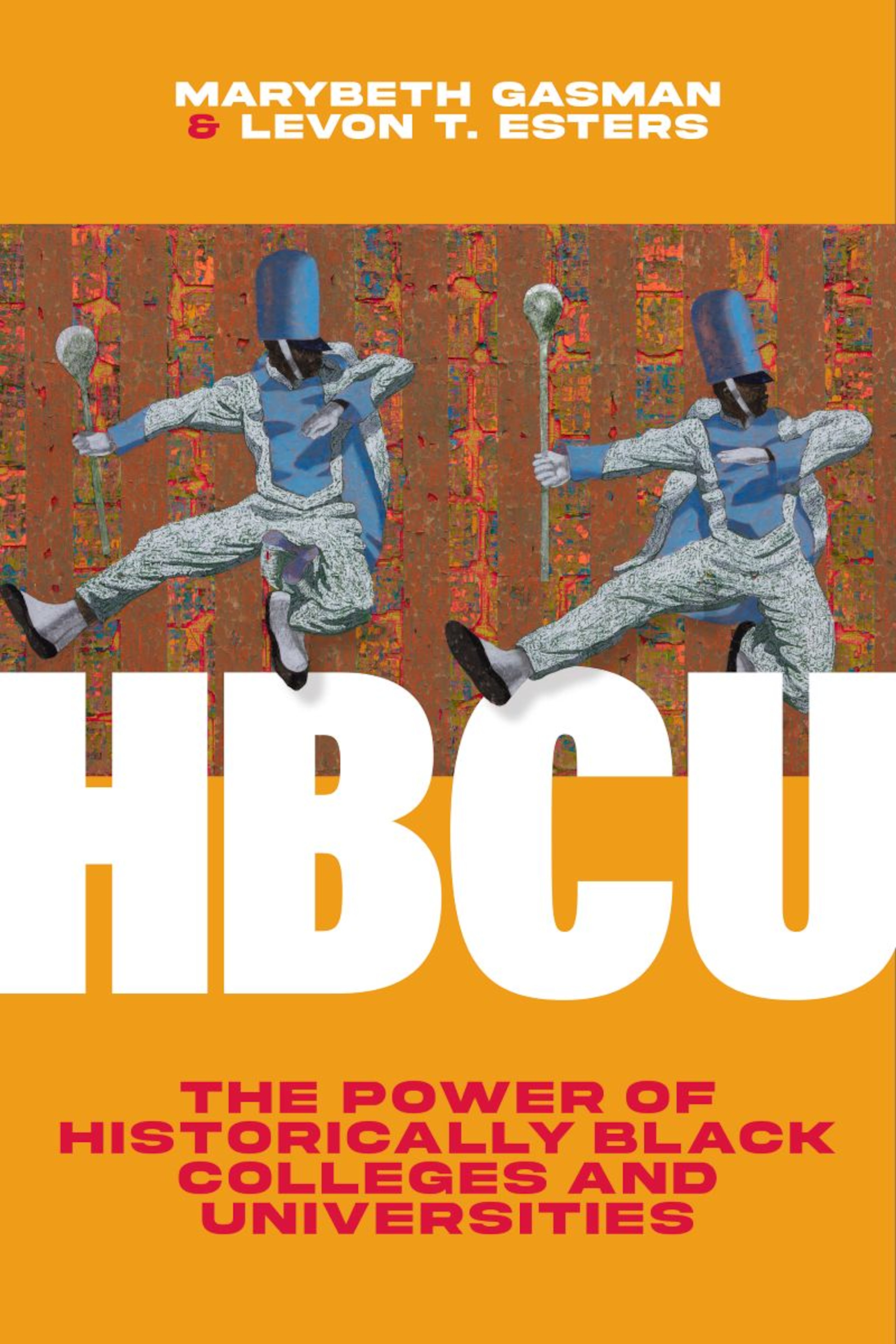
Despite ongoing funding and accreditation challenges, HBCUs are continuing to shape and develop generations of professionals and productive citizens.
In 2024’s “HBCU: The Power of Historically Black colleges and Universities,” authors Levon T. Esters and Marybeth Gasman combine history, personal narratives, testimonials, cultural analysis and research to spotlight the importance of Black colleges and universities in producing leaders in education, science, the arts, law and sports.
Esters, a Penn State administrator who earned degrees from Florida A&M and North Carolina A&T, and Gasman, a Rutgers University professor, also examine the financial and institutional challenges facing HBCUs, including funding, accreditation and the importance of alumni support.
The book offers readers a deeper understanding of both the contributions and the continuing challenges of historically Black higher education.
4. “HBCU Proud” by Yvette Manns
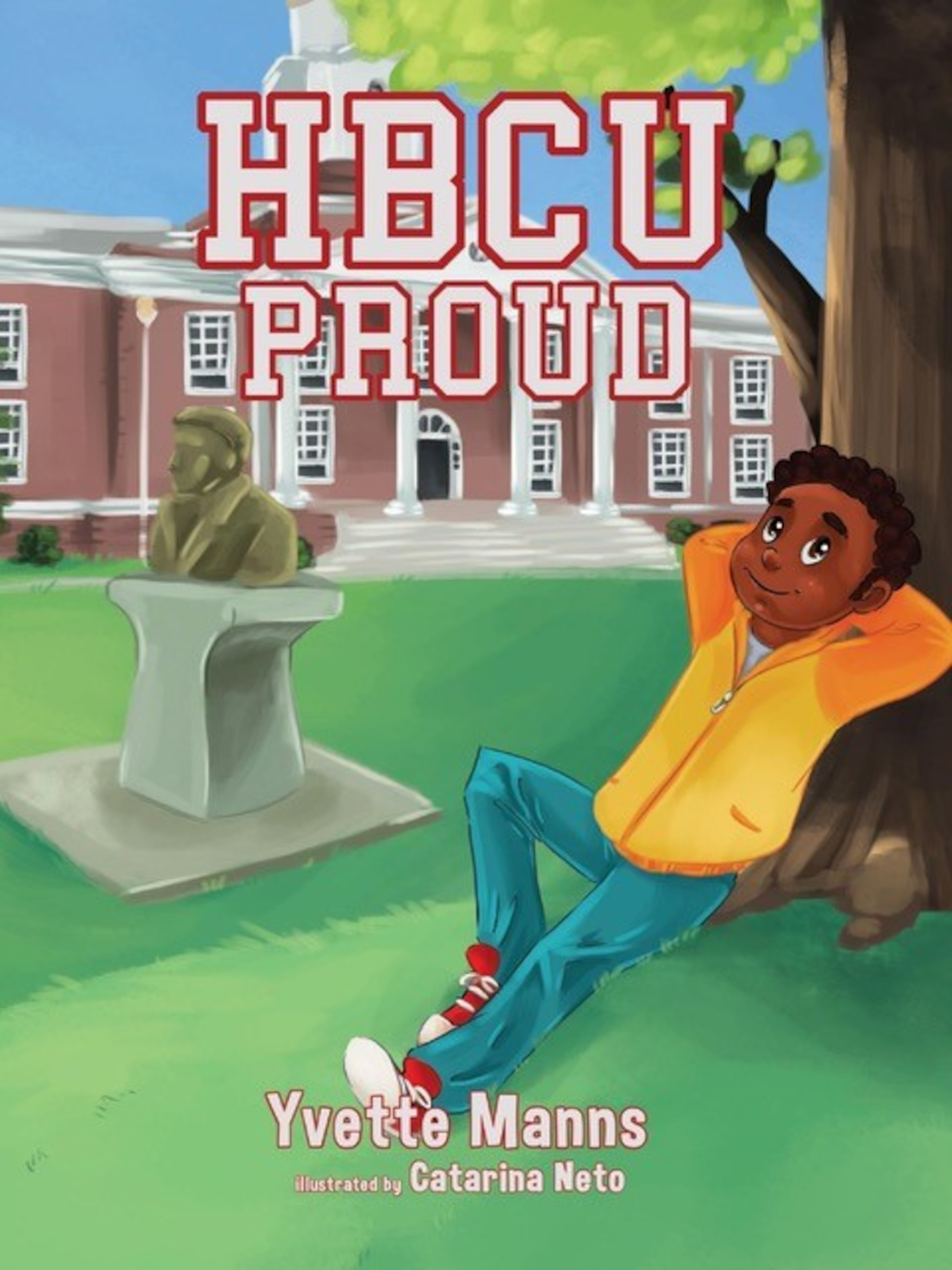
Clark Atlanta University alumna Yvette Manns introduces children to the traditions and possibilities of historically Black colleges in her self-published book, “HBCU Proud.”
Inspired by Clark Atlanta’s motto, “Find a way or make one,” the story follows a young boy who visits the fictional Legacy University with his aunt.
During the campus tour, he meets students, explores historic buildings and learns about college traditions, clubs and organizations. The story also touches on family legacy, preserving history and changes affecting the surrounding community.
Through the boy’s experiences, Manns encourages young readers to imagine themselves on an HBCU campus and understand the importance of cultural pride, education and community.