
Ethiopia Habtemariam is betting on Atlanta music again
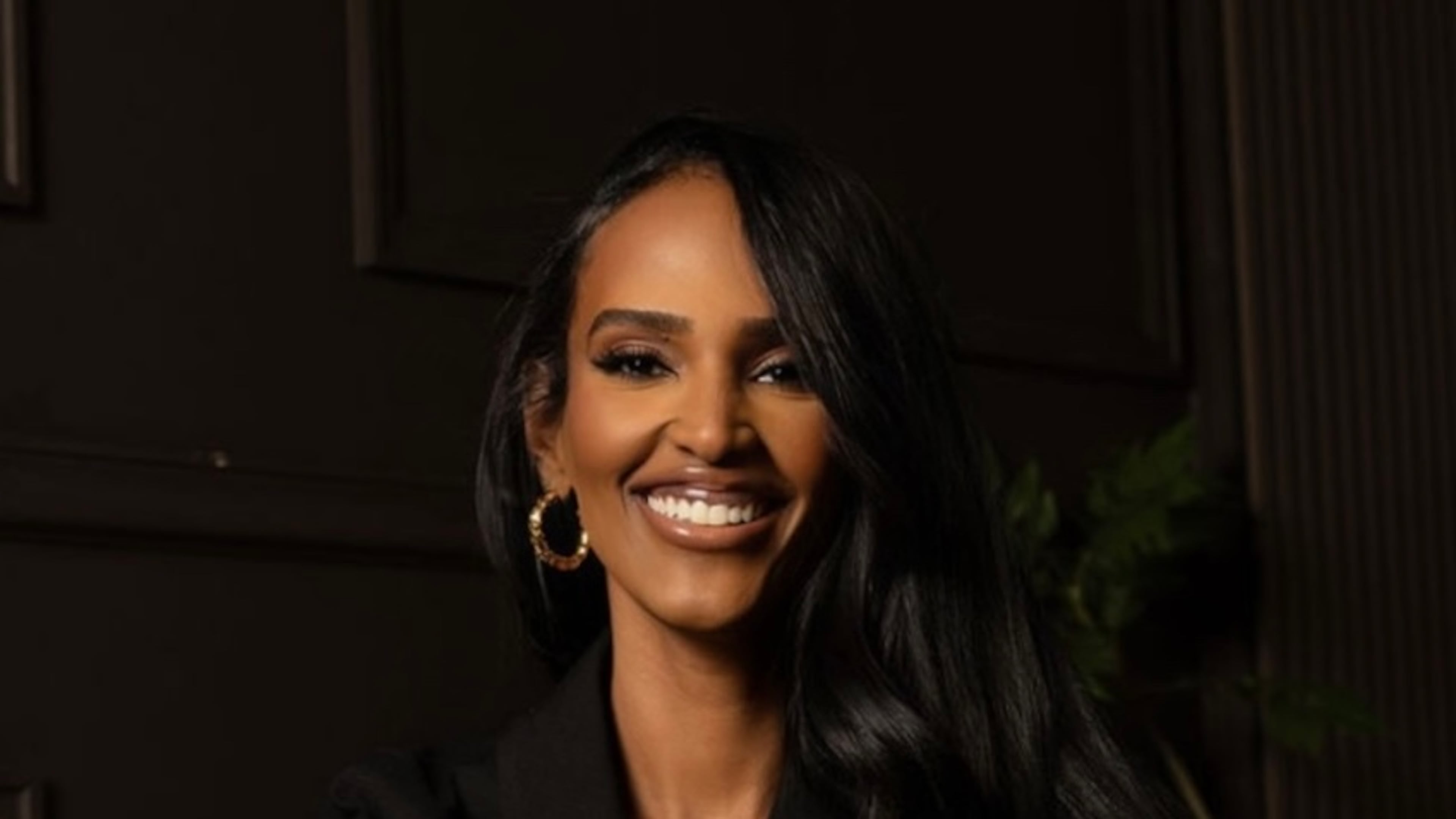

Ethiopia Habtemariam has spent much of her career betting on Atlanta, even when others in the music industry struggled to see its value.
As a freshman at Benjamin E. Mays High School, she shadowed an executive at LaFace Records before landing an internship at the label during a foundational era in Atlanta music.
Decades later, as president and CEO of Motown Records, her gaze remained fixed on her hometown.
Based in Los Angeles, she championed Atlanta-based labels, including Quality Control Music, home of Migos, Lil Baby, City Girls and others.
But the music industry has changed, and so has Atlanta’s music ecosystem. Rap music, the genre that has driven much of Atlanta’s musical success in recent decades, has lost some of its grip on pop charts.
Atlanta has endured losses of its own, including the deaths of several prominent artists and high-profile prosecutions that disrupted some of its biggest acts. Amid those changes, fans and executives have begun asking what comes next for a city that spent decades helping dictate the sound of popular music.
Habtemariam took this personally.

“I feel like people have turned their nose up at Atlanta and feel like it’s burnt out, and I have a personal agenda when it comes to that,” she said.
Now, after more than three years away from the music industry, she’s back with an opportunity to address those doubts.
As president of music for Hybe America, she has reunited with Quality Control and is looking to apply lessons from the South Korean entertainment company’s global artist-development model to help identify and build Atlanta’s next generation of stars.
A different model for developing artists
When Habtemariam was approached about working for Hybe America, the South Korean company behind K-pop megastars including the band BTS, she hadn’t worked in the music industry for three years. After leaving Motown in 2022, she traveled and enjoyed a much-needed break from the professional grind.
She was working on the launch of her own publishing company when she was invited to visit Hybe in South Korea, then to travel to Mexico City, where they were hoping to launch a new group under the company’s Latin American division.
“[Hybe] brought in top choreographers [and] top vocal producers,” Habtemariam said. “They brought in therapists [and] financial literacy educators to work with these kids through the process. I was like, ‘Oh, this is really smart.’”
The company reminded her, in some ways, of Motown’s iconic years under Berry Gordy. The label put artists through a “finishing school,” with lessons ranging from choreography to etiquette and style as part of Motown’s strategy to help the label’s Black artists achieve pop stardom.
What Habtemariam saw at Hybe felt less like a completely new model than a modern, global version of an old one.
“I wasn’t a K-pop fan before, and I can’t say that I’m necessarily a fan now. I’m fascinated at how much it mirrors what traditionally used to happen in the business,” Habtemariam added.
Since announcing her new role with Hybe in January, Habtemariam’s been back to work, learning the infrastructure within an international brand.
Her ultimate goal is to focus on artist discovery and building a sustainable infrastructure for the company’s American division. Her immediate priority, however, is solidifying the next era of QC.
The Atlanta-based label left Motown for Hybe in 2023, a year after Habtemariam’s departure from the legacy label.
Kevin “Coach K” Lee, COO of Quality Control Music, said he’s tried not to let speculation around QC and the future of rap in general shake him.
“Music in the last five years has shifted. It wasn’t QC, and it wasn’t even just rap. Everybody felt it,” he said.
While the company had endured setbacks, including tensions within Migos and the 2022 death of Takeoff, they were also learning to exist under a new corporate structure.
“In the last three years, we had to learn Hybe and Hybe had to learn us. A few changes happened. Now we’re like a well-oiled machine, and you’re about to see the fruits of that,” Lee added. “This fourth quarter and going into [2027], the world will see.”
Music labels are currently juggling artists who want the opportunity to own their intellectual property with the need for profitability.
Hybe’s model asks artists to trade a larger stake in their intellectual property for greater investment in their development. That can extend beyond the music itself to potential books, films and television projects based on an artist’s work. Habtemariam sees that as an alternative to the licensing and distribution deals that have become increasingly common across the industry.
“If you can build, if you provide talent with the resources in the beginning, and you really support them, they don’t have a problem giving you a piece of it,” Habtemariam said.
Building Atlanta’s next generation
Habtemariam knows firsthand what an investment in young Atlanta talent can produce.
After moving from Tuskegee, Alabama, to Atlanta’s Ben Hill neighborhood as a child, she enrolled at Mays High. There she met Shanti Das, LaFace’s marketing and promotions director.
Das, who also attended Mays, allowed Habtemariam to shadow her and, from there, the young music fan was granted an internship at the local label.
“She loved music, loved everything about the business and was just really excited about working in the music industry,” Das said.
In the 1990s, there were few Black women working in executive roles within the music industry.
Meeting Das and following the career of Sylvia Rhone, the former CEO of Elektra Records and president of Motown, convinced Habtemariam there was a place in the industry for her, too.
By the time Habtemariam was named chairwoman and CEO of Motown in 2021, Das had left the industry. But she monitored her mentee’s success with pride.
“I was so proud of her because I saw something in her that I knew was always possible. She kept the torch going, even for me as I stepped away due to personal reasons,” she said.
Today, Habtemariam primarily lives in Los Angeles, but owns property in Atlanta that she visits at least once a month. Her vision for the city’s music scene extends beyond the future of QC. She’s hoping to work with the label to create opportunities for local creators.
“We want to be able to create a funnel of growth, not just for musical talent, but for young creatives, directors, content creators, all the things.” Habtemariam also wants to launch an R&B group from the city.
Producer and songwriter Tricky Stewart said local creatives and executives have been working hard to get the music industry to match the value of Atlanta’s music exports with actual financial investment and artist development.
“It’s great to have people who have the full knowledge of how great Atlanta has been on the global music scene, and few would know that better than Ethiopia, from beginning to end,” he said. “I believe her understanding of that will get us working back to the excellence that the city has had on the R&B and pop side, not just the hip-hop side that people have known us for over the last 10 years.”
More than three decades after an Atlanta music executive gave a high school freshman her first look inside the business, Habtemariam is thinking about who gets the next opportunity. Her career has taken her from LaFace and Motown to Los Angeles and South Korea.
Her bet remains on Atlanta.
Become a member of UATL for more stories like this in our free newsletter and other membership benefits.
Follow UATL on Facebook, on X, TikTok and Instagram.