
Let Me Put U On: To gaming as a family love language
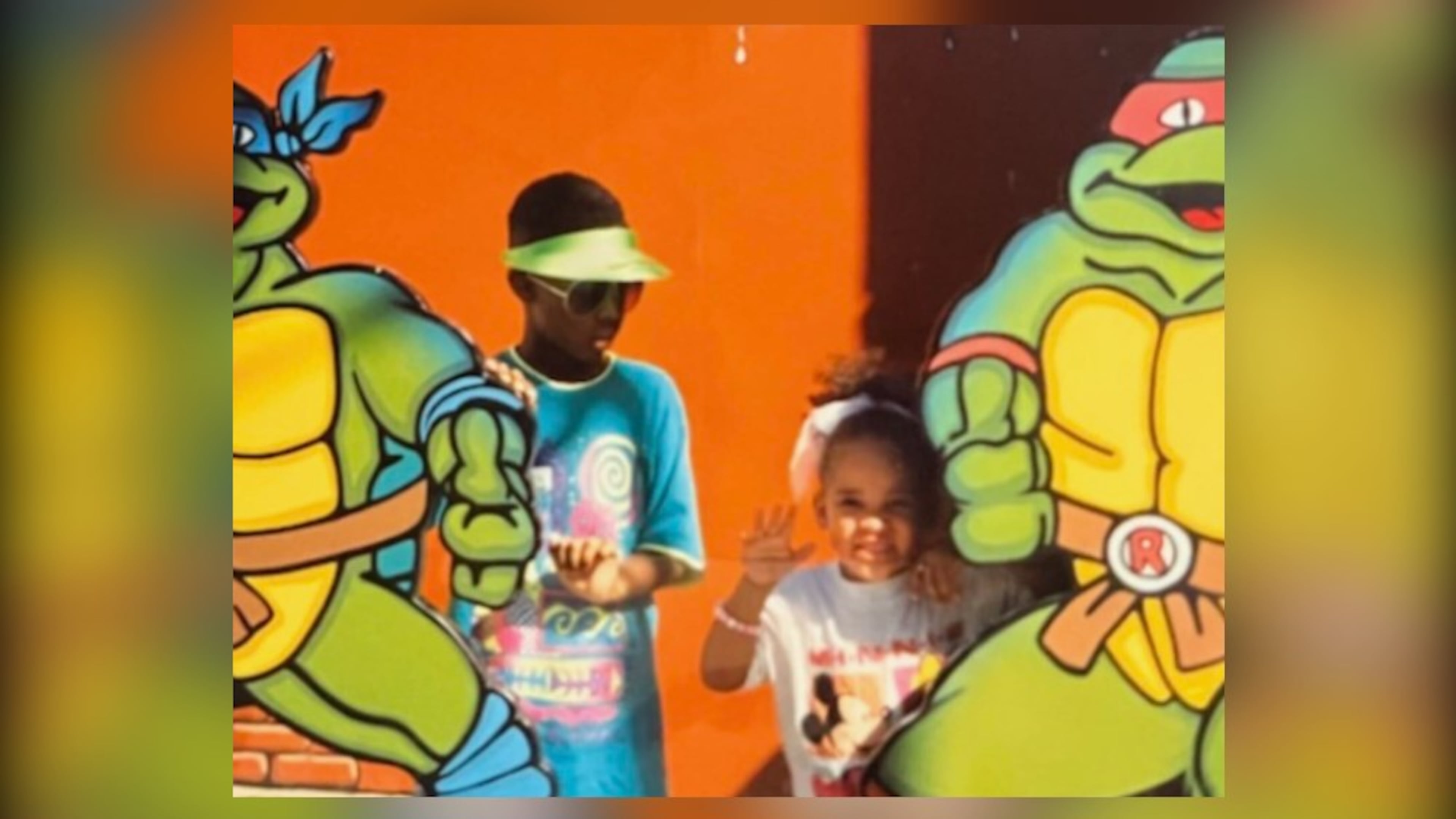

My brother could beat me at just about any video game.
Even after I mastered the complicated combinations needed to pull off an ultra combo in Killer Instinct, he could still defeat me with Sabrewulf. And the sound of Scorpion yelling “get over here” in Mortal Kombat still annoys the crap out of me.
But those childhood defeats are among my favorite memories.
My parents prided themselves on being early gamers. They bragged about being one of the first couples they knew to have an Atari in the 1970s.
For more than 35 years, they’ve told the story of playing Pong so often that its images became permanently burned into their television screen.
Some families share moments by watching movies together. Others listen to records. We game.
When my brother and I came along, we gave our parents another excuse to keep gaming.
On weekend nights, we’d visit the local video rental store so my brother could pick out a new Nintendo game. Five years older than me, he was both my teacher and protector.
His innate gaming abilities helped influence my competitive spirit.
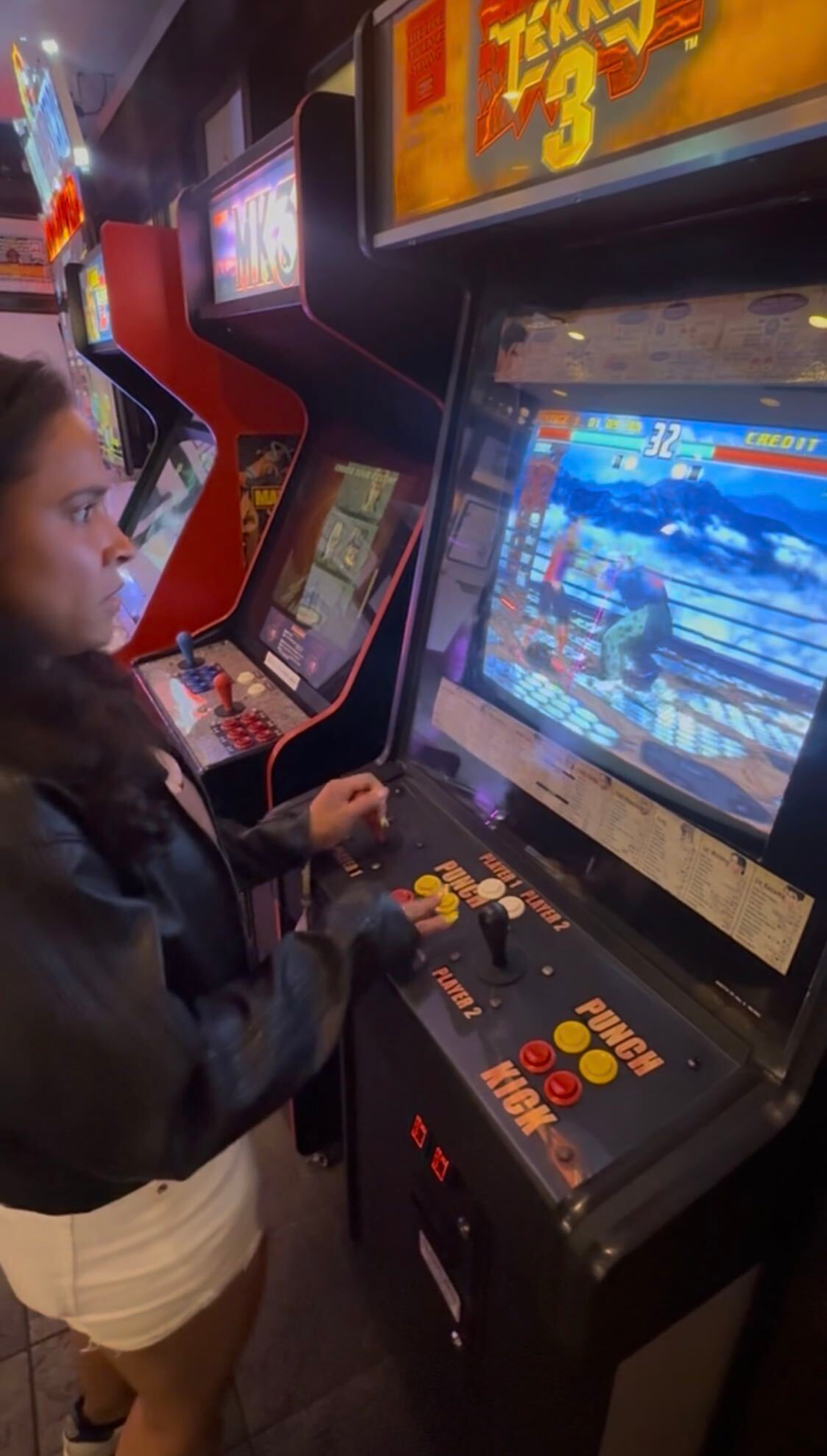
I remember him battling different opponents on Mike Tyson’s Punch-Out!!, or battling Sentinels on X-Men when we’d go to the neighborhood arcade.
When my brother got a Sega Genesis, I loved watching him and my older cousins go through intricate 2D linear maps as Sonic the Hedgehog — all while a fire soundtrack played in the background.
Christmases meant new games. My brother eventually moved on to PlayStation, while I had a Super Nintendo.
I’d be my brother’s co-pilot for horror games, watching him gun down monsters in Resident Evil (rated M for mature) when I was too scared to play myself. I’d also spend countless hours helping him solve puzzles with Lara Croft in Tomb Raider.
My brother and I were close, but our lives changed when our parents divorced. At 9, I moved with our mother to a new town while he stayed with our father. I struggled to make friends and adjust to my new surroundings.
I spent much of my time alone. I was a latchkey kid who was bullied at school, and every day I had to muster the emotional energy just to make the solo walk there and back.
When my mom came home from work during that rough period, she would occasionally bring a new game for me to play on my Super Nintendo. They were little surprises: Family Feud, Aladdin. She always kept me guessing.
I’d devour those new games. During the hours between school and my mother’s return from work, I’d study the instruction manuals, memorizing moves and learning strategies.
If I beat the game once, I had to play it again on a harder mode. If it was a fighter game, I’d play it again with a different character.
During long weekends and school breaks, I’d visit my father and brother. My dad would sometimes join me for Super Mario All-Stars, often reaching the flag before I did.
My brother occasionally surprised me with a Super Nintendo game he’d found secondhand.
He gave me his Sega Genesis when he no longer played it.
I still have that console, a reminder of the childhood we shared.
Adjusting to my parents’ divorce was difficult enough. My mother’s remarriage brought new tensions into our home.
My stepfather was an alcoholic. Constant fights between him and my mother led to me spending a lot of my time in my room. I could hear their arguments carry upstairs through the vents. Playing a game could help drown out that sound.
As my brother grew older and played less, gaming became more my own. My first big-girl console was a PlayStation 2, which my mother and I picked up at K.B. Toys.
The PS2 introduced me to action-adventure games like Grand Theft Auto III, Vice City and San Andreas (all rated M for mature).
By my teens, my father had become my gaming investor. He kept up with new releases and bought me the games my mother wasn’t particularly fond of me playing.
By then, I wasn’t just playing games. I was invested in their stories, characters and increasingly sophisticated graphics. And I’d become a pretty good gamer myself.
I subscribed to Game Informer magazine and memorized helpful game sequences and codes.
Into my adulthood, I picked up Red Dead Redemption, Ghost of Tsushima and too many versions of Assassin’s Creed (all rated M for mature) to count — gorgeously developed games that I never could have imagined existing when I was toggling a simple rectangular Nintendo controller.
My gaming crew, friends of friends I met through college, share notes and news about upcoming releases. Now scattered across the country, we still find time to get online and play together, no matter the time zone.
We’re currently waiting for the overdue release of Grand Theft Auto VI (rated M for mature), launching Nov. 19.
Even now, when I visit my parents, they ask whether I’ve brought my PlayStation 5 so we can sit and vibe. They still ask questions and get involved, just as they did when I was a child.
Now, I watch my nephew — my brother’s son — toying with the same controllers my brother and I once used. My Gen Alpha nephew finds new moves with Sonic the Hedgehog that I never knew existed.
My nephew still asks me to play video games with him. But I fear the day when he’ll be too old or too busy to ask.
So no matter how tired I am when I visit, I try to find the energy to pick up a controller.
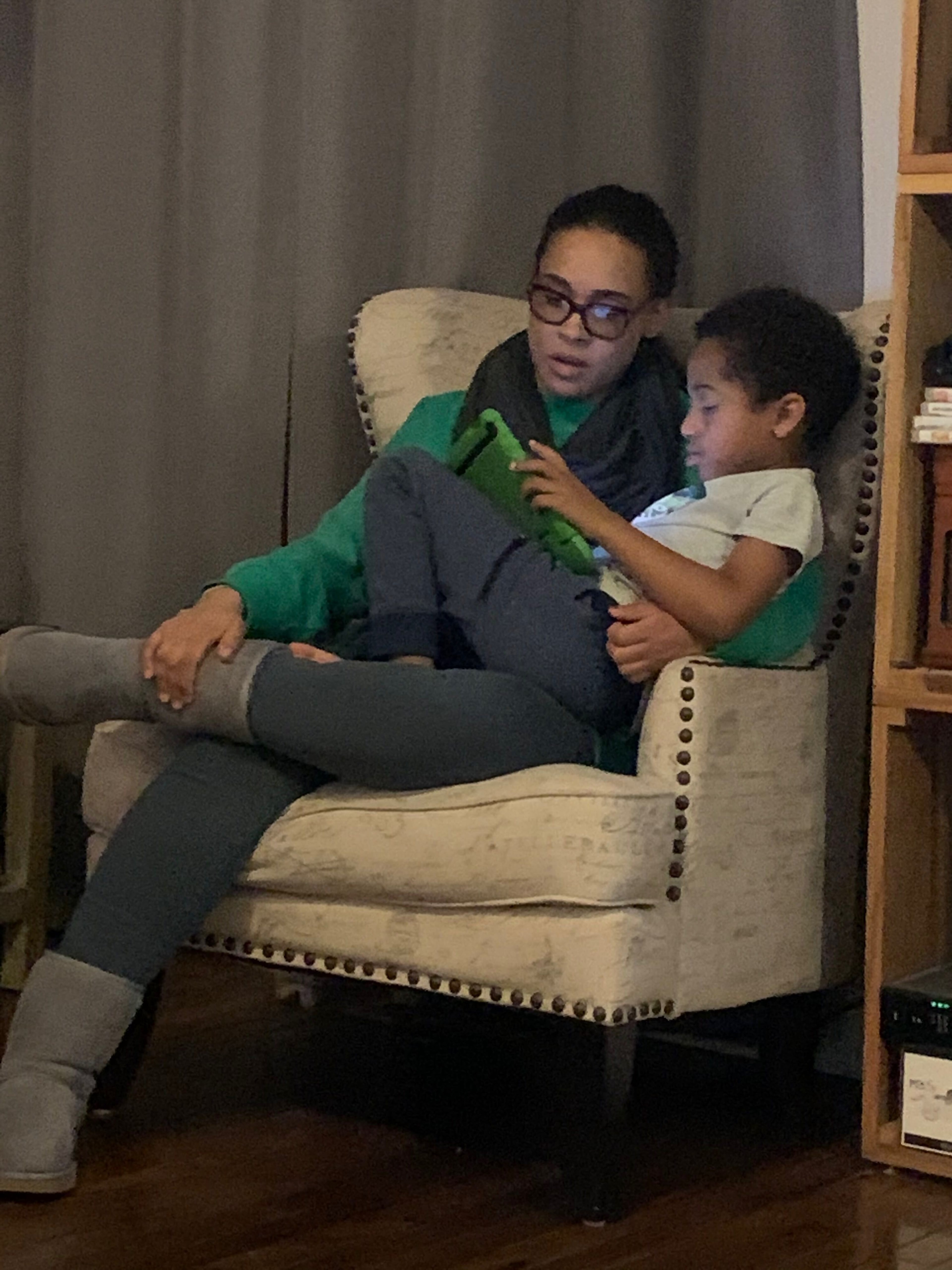
Sometimes, he introduces me to a new game.
Other times, he chooses a remastered version of something my brother and I played when we were children.
And for a moment, I’m that little girl again, sitting beside my brother, watching him play.
Only now, I’m the one helping keep our family tradition alive.