
Let Me Put U On: Why men’s health starts with speaking up

In our weekly series, “Let Me Put U On,” the UATL team shares the stories, places and experiences that continue to resonate long after we first discovered them. Some things are simply too good to keep to ourselves.
Thursday, April 11, 2024, was the day I learned that sharing personal health stories can potentially save lives.
It was 7 a.m., and I was about to order an Uber to the airport to give a presentation at NYU. But first, I needed to use the bathroom. When I stood up, I knew something wasn’t right.
My stool was black, and the water was thick and red. I stared at it briefly, but kept it moving.
Ten minutes later, I went back to use the bathroom again, and the same thing was in the toilet. I started crying because I was scared to death. I canceled my flight and emailed the conference organizer to let her know I wouldn’t be able to attend.
As I grabbed my cellphone from the charger on my kitchen counter, I passed out and fell to the floor. Somehow, I was able to crawl to the sofa.
Everything was blurry, but I knew I needed to see a doctor. But not yet.
A day later, I was barely able to stand up. I ordered a Lyft and checked into Piedmont Hospital, where two Black nurses and a security guard grabbed a wheelchair and immediately pushed me to the emergency room.
Doctors ran tests and discovered I had a stomach ulcer and a blood clot in my right leg. A nurse also asked if I’d ever had a colonoscopy and told me that I was going to get one.
That Saturday morning, I was taken to the operating room for a colonoscopy and to have an inferior vena cava (IVC) filter placed near my pelvis to prevent the blood clot from spreading.
I reached for my phone and saw Killer Mike’s Instagram post announcing that Organized Noize member Rico Wade had died earlier from heart failure at age 52. He was one of my musical idols, someone I knew on a first-name basis and had chatted with at brunch the week before. He died while I was in the hospital confronting my own health scare.
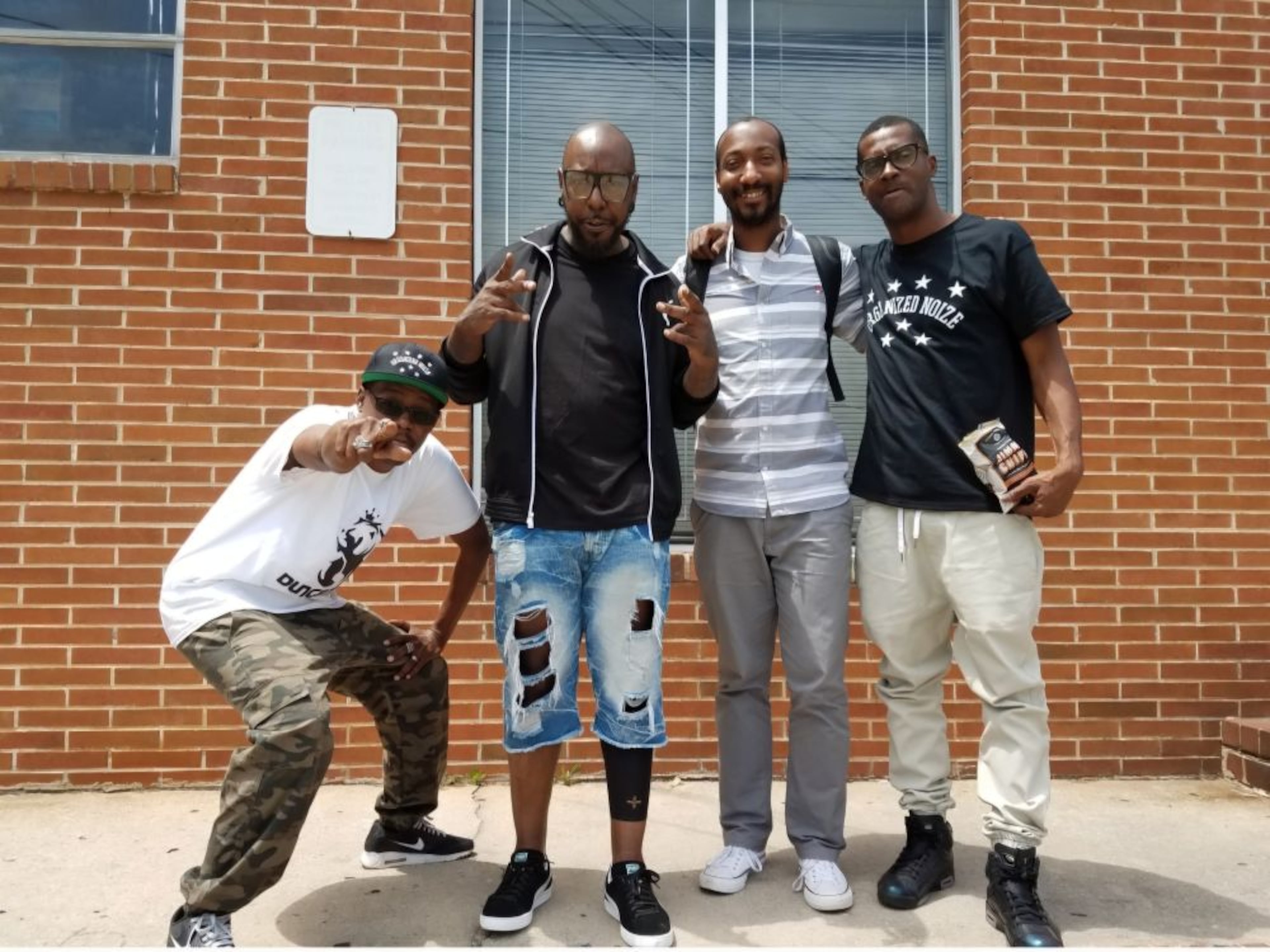
Then, something clicked. As the doctors performed my procedure, they were telling jokes and singing ‘80s pop songs. I realized being in that hospital for a weekend was nothing to be ashamed of.
I had good doctors, nurses helping me use the bathroom and IVs in my right arm. All of it was helping keep me alive.
By Sunday afternoon, I was allowed to go home. I was prescribed iron supplements and blood thinners, and I started regularly scheduling checkups.
Still, I felt there was more I could do with this experience.
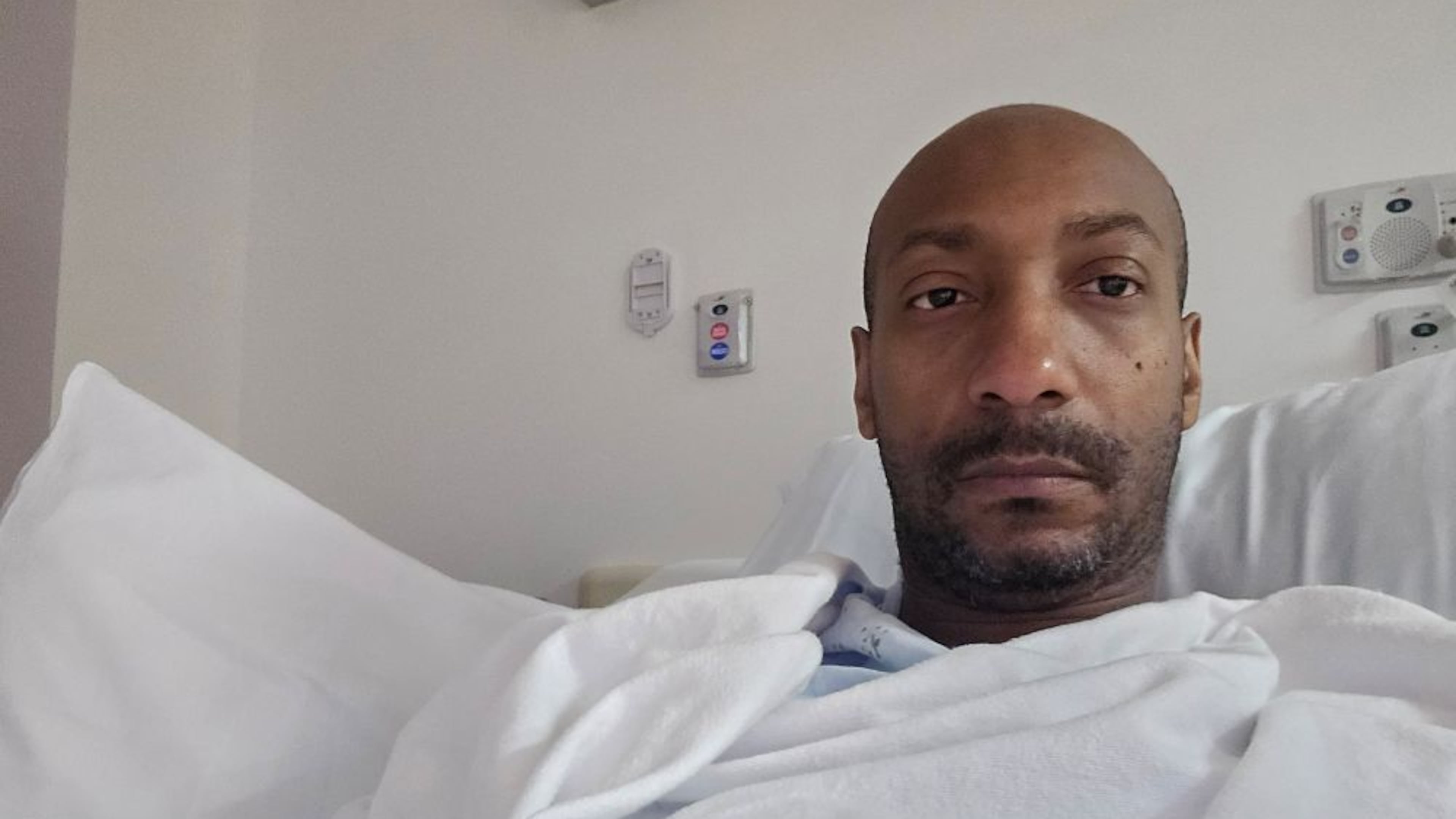
A week after leaving Piedmont Hospital, I posted a selfie I took in the hospital bed. I told the story about my stomach ulcer and encouraged my followers to not ignore signs that something might be wrong in our bodies.
Within two minutes, I received numerous (and I mean numerous) text messages and phone calls from publicists, Oscar and Grammy winners, authors, executives, colleagues and former students. Everyone was sharing their personal stories about their health, surgeries and hospital visits I never knew about.
They expressed to me that my post inspired them to take their health seriously and not be ashamed of seeing a doctor.
Several of my close friends — mostly Black men — approached me at social events to give me handshakes, hugs and extend moral support. They showed me emails with their primary care physicians and scheduled colonoscopies on their calendars.
Considering I’ve seen Black people express their distrust in health and medicine, it felt good seeing my story inspire other Black men to prioritize their health.
I’m grateful to have friends and colleagues who have normalized conversations about diet, exercise and doctor’s visits, whether over text or a cup of coffee.
It proves that all it takes is one person to inspire us to make a change within ourselves and our communities.