
Being thankful: UATL’s Black culture book recommendations for November
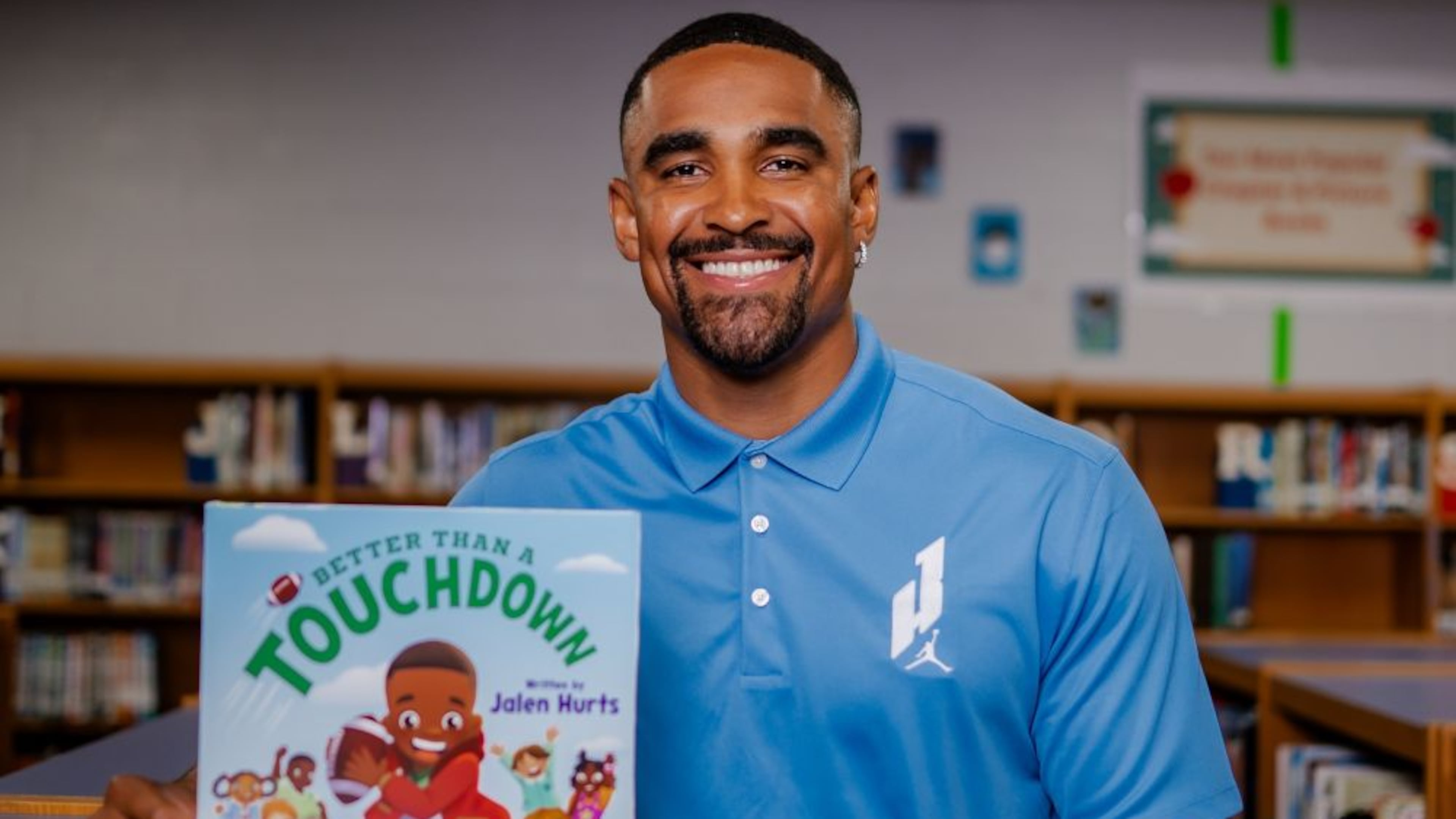

Black authors are telling stories about being grateful for their spirituality and having supportive communities.
A pro athlete writes his first children’s book encouraging young readers to collaborate with others to accomplish goals. Entertainers and performers dedicated to their crafts are turning their passions and personal struggles into supporting causes. Other Black writers are creating new works inspired by literary classics.
For November, here are six Black culture-inspired books that explore being thankful for our neighbors, heroes and faith.
“Better Than a Touchdown” by Jalen Hurts
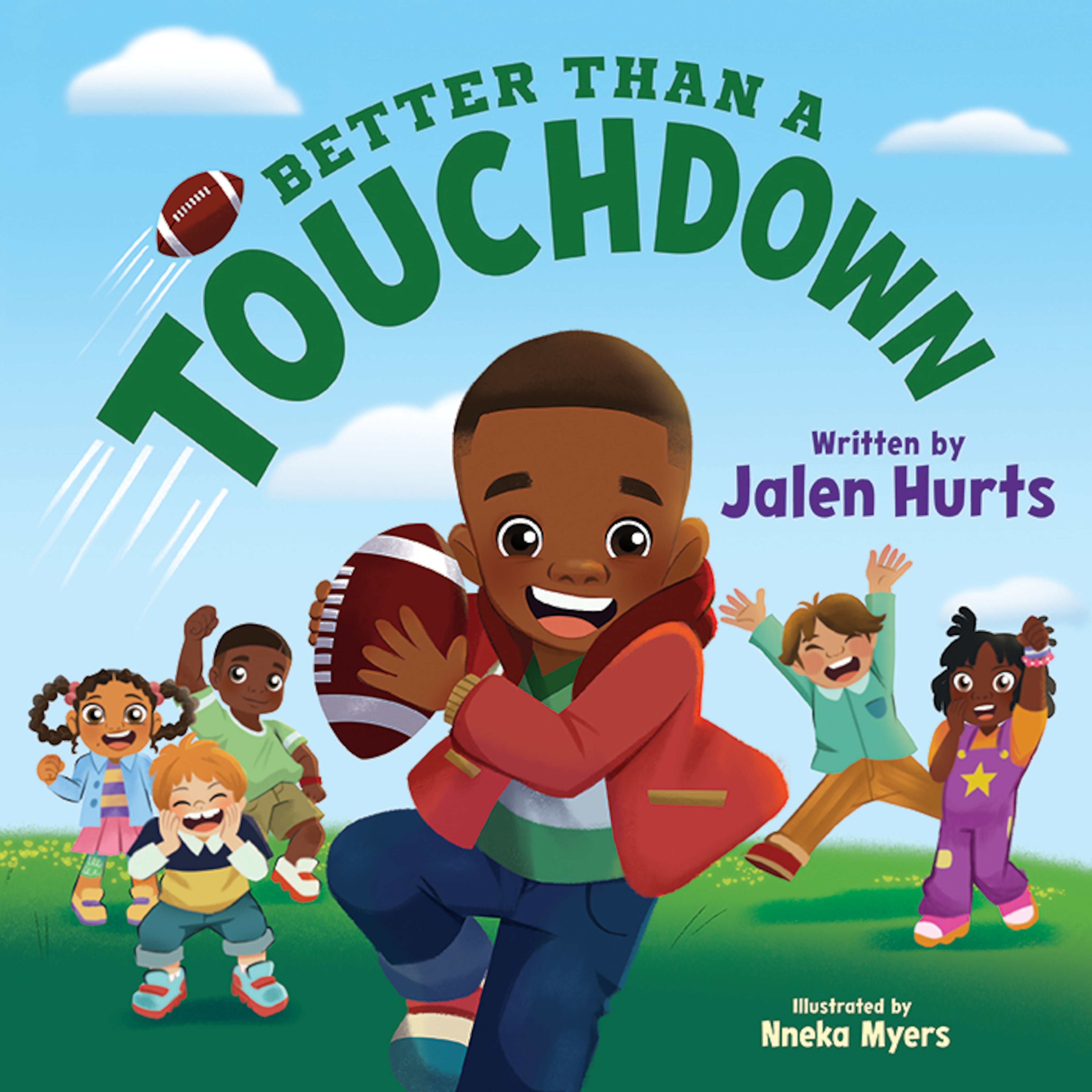
Philadelphia Eagles quarterback Jalen Hurts’ debut children’s book “Better Than a Touchdown,” released in March, encourages young people to persevere and embrace community partnerships to create change.
The former Super Bowl champion’s picture book illustrated by Nneka Myers is about a Black boy whose dreams of playing football for his school end when the team is cut and the practice field is turned into a garden. He follows advice and wisdom from elders and neighbors, connects with his friends and the garden club to convert an abandoned lot into a new practice area.
Hurts, who’s currently sidelined this season for blood clot treatments, sends a message that unity, kindness and never giving up lead to positive outcomes.
“Take My Word For It: A Memoir” by LeVar Burton with Tracey Michae’l Lewis-Giggetts
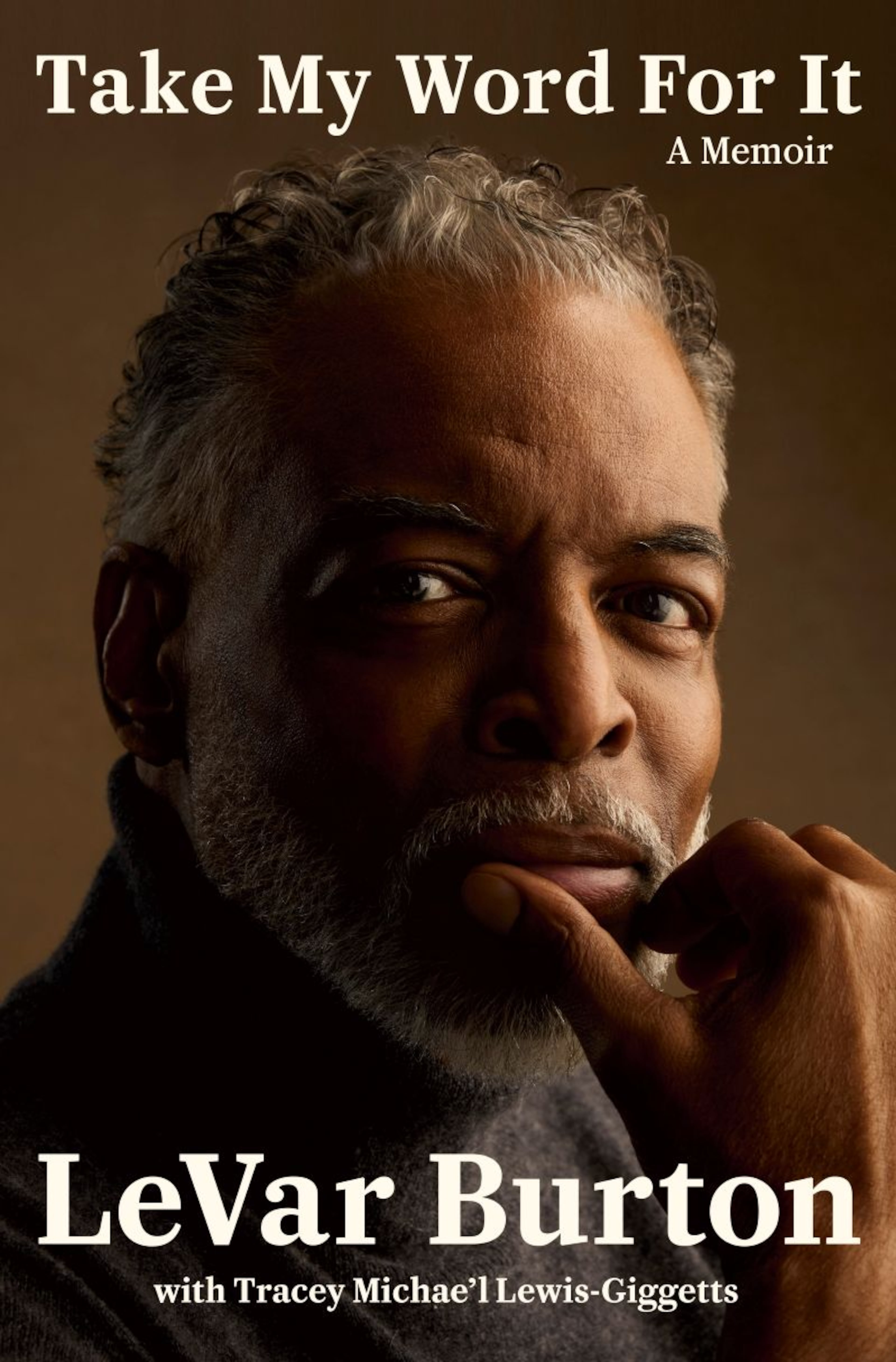
LeVar Burton achieved a successful career onscreen by portraying characters that could educate audiences and expand their imagination.
In “Take My Word For It,” the actor and activist shares his coming-of-age story from growing up in Sacramento to landing memorable roles as the enslaved Kunta Kinte on the 1977 miniseries “Roots” and Georgi La Forge on “Star Trek: The Next Generation.” Inspired by his catchphrase on the award-winning children’s television program “Reading Rainbow,” the book which publishes this month, includes Burton’s perspectives on family, mental health, the women who shaped his life and his advocacy for literacy.
“Take My Word For It” indicates how Burton turned art and storytelling into tools used to uplift others.
“We Make The World: Guided Aesthetic Practices for Art, Power and Healing” by Patrisse Cullors
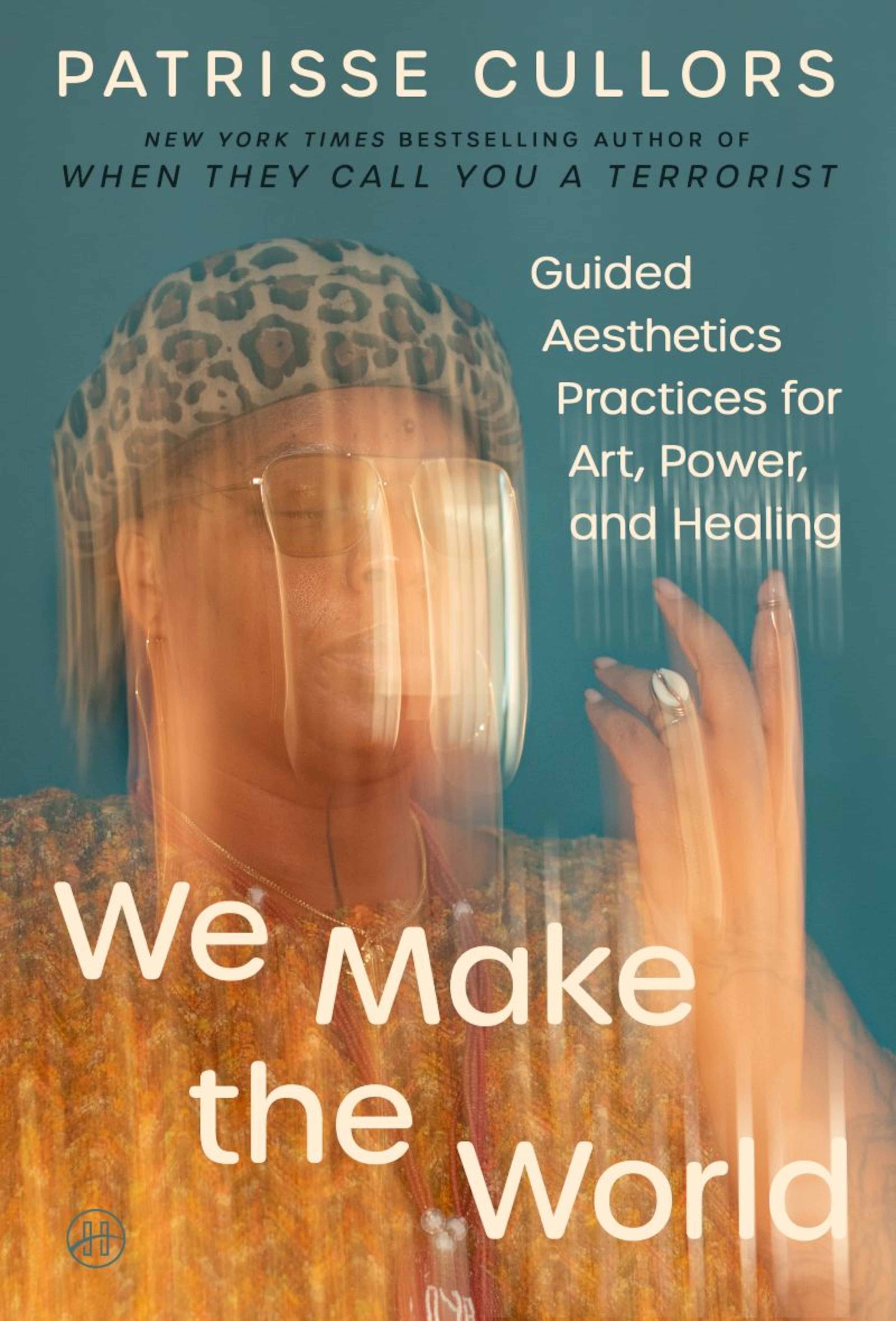
“We Make The World: Guided Aesthetic Practices for Art, Power and Healing” is activist Patrisse Cullers’ road map for turning creativity into actions toward social justice.
Cullers, who co-founded Black Lives Matter, weaves together history and practice to connect how political revolutions and movements were born out of design. The Los Angeles-born community organizer curates the book around 12 themes, tells personal stories, highlights an artist’s vision, incorporates healing rituals and ends chapters with interactive exercises.
“We Make The World,” which publishes this month, reinforces how the world and society are constantly reshaped through cultural and aesthetic choices.
“The Gospel According to DMX” by Earl “DMX” Simmons
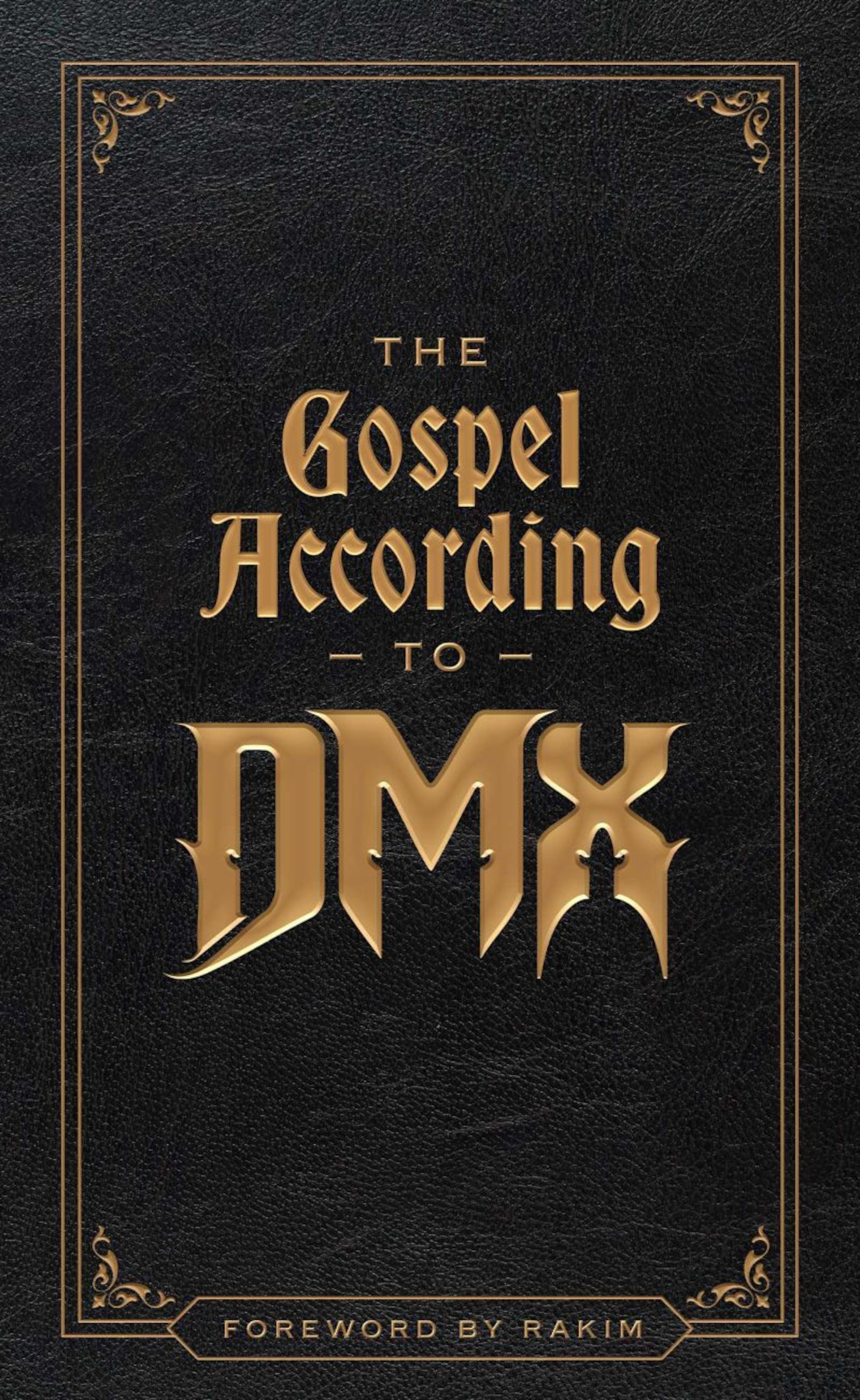
Rapper DMX was known in hip-hop for his raw lyrics combining street life with his vulnerability and faith.
“The Gospel According to DMX” is a collection of the late chart-topping rapper and actor’s song lyrics, journal entries, prayers, sermons and spiritual writings. The posthumous anthology includes a foreword by veteran rapper Rakim and reveals DMX’s handwritten notes on napkins, receipts and notepads.
Publishing this month, “The Gospel According to DMX” shows how the rapper, who died from a heart attack in 2021 at age 50, encountered personal struggles but used music to find hope.
“Nola and Baldwin” by Donna Hill
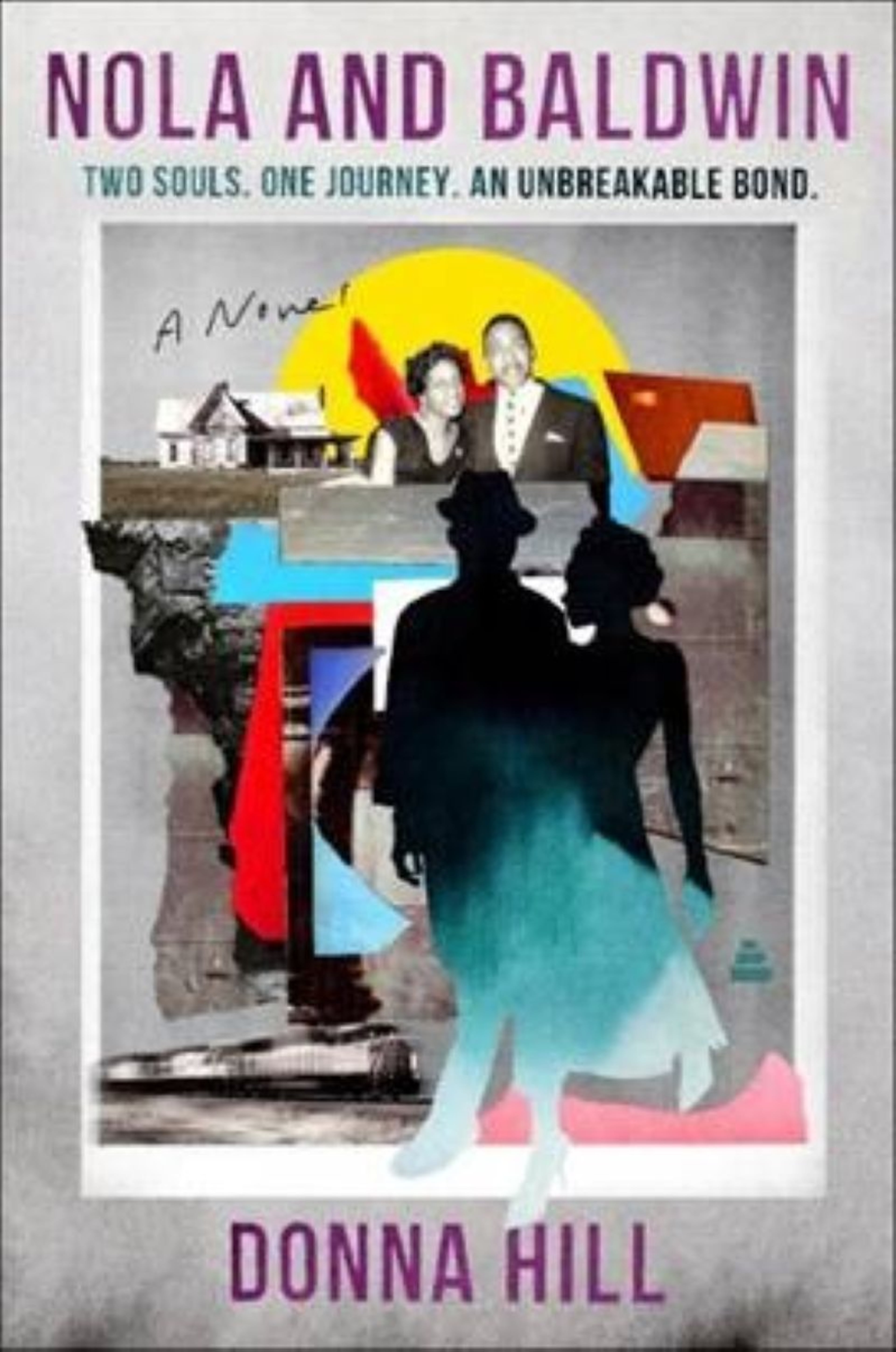
For novelist Donna Hill’s “Nola and Baldwin,” she turned to her muse Zora Neale Hurston for inspiration.
The story reimagines Janie and Tea Cake’s relationship in Hurston’s “Their Eyes Were Watching God” into Nola, a Mississippi woman who seeks a new life during the Great Depression after her father is lynched, and Baldwin, a Pullman porter who becomes Nola’s love interest. The book makes numerous references to the iconic writer’s creative writing while forming story arcs around racial discrimination, violence and overcoming trauma.
Hill’s novel publishing this month reflects how classic works from Black authors pave the way for new literary interpretations.
“We Were Here: A History of Black people and Alternative Music” by Stephanie Phillips

“We Were Here: A History of Black people and Alternative Music” examines Black performers and musicians’ contributions to rock ‘n’ roll, punk, new wave and grunge music.
Writer and superfan Stephanie Phillips combines music history and interviews with recording artists, music executives and critics about how guitarist Jimi Hendrix, singer Betty Davis, bands Bad Brains, Suicidal Tendencies and Living Colour challenged and reshaped how Black musicians were considered in rock and alternative music. She also includes her personal experiences as a Black front-woman in a punk band.
Phillips’ book coming this month updates narratives about how Black musicians continue to influence popular music despite not being properly credited.