
New documentary on luminaries from the Harlem Renaissance comes to Atlanta
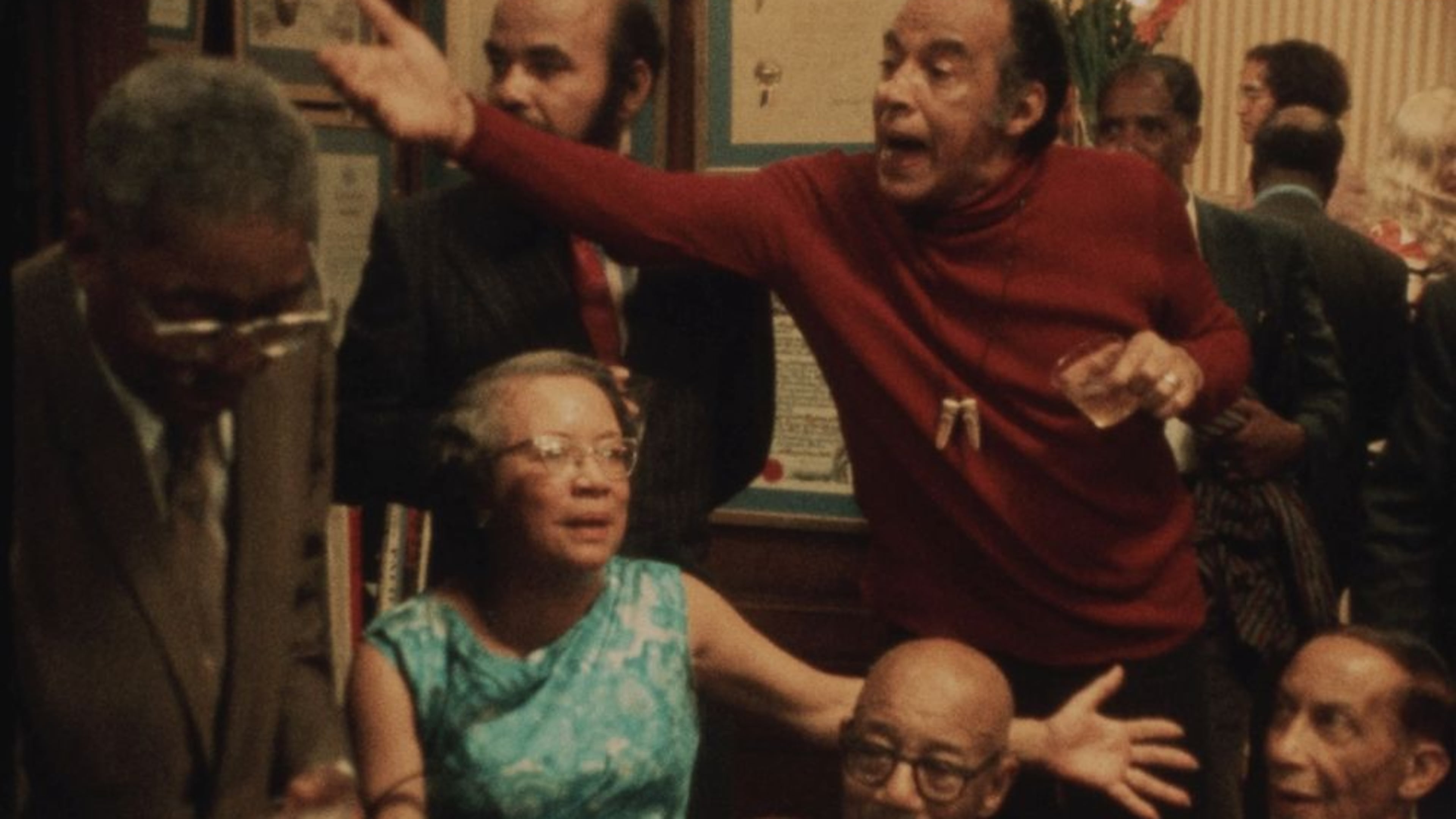

Fifty-four years ago, several Black creatives and intellectuals from the Harlem Renaissance gathered at musician Duke Ellington’s townhouse in New York to reminisce about their roles in the literary and artistic movement from the 1920s.
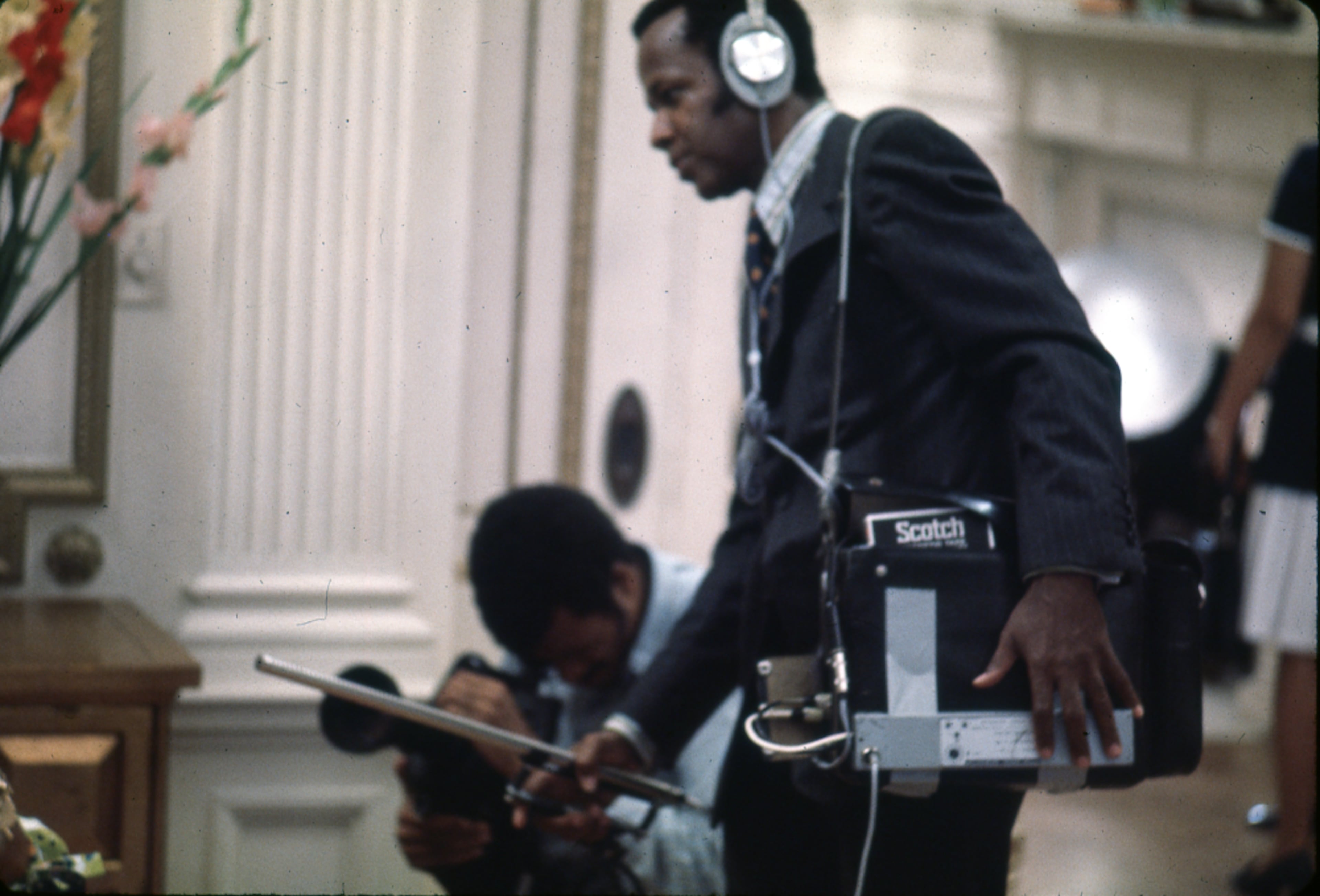
The event hosted by filmmaker William Greaves reunited writers, journalists, artists, historians and civic leaders over cocktails. He recruited his son, David, to operate one of four cameras used to film the occasion.
William Greaves’ goal was to inspire diverse communities to create social change through art and scholarship. “We just wanted to be sure we captured them and what was happening in their eyes. He (my dad) worked to uplift consciousness, bring people new information and to do it in a very entertaining kind of way,” David Greaves said.
Over a half-century later, the reunion became “Once Upon a Time in Harlem,” a documentary chronicling the conversations and memories from that intimate gathering held in 1972. The National Black Arts Festival is presenting an invite-only screening featuring David Greaves and his daughter, producer Liani Greaves, at Tara Theatre on Nov. 4.
The Tara Theatre is also hosting a sold-out screening the following night ahead of the film’s Atlanta release on Nov. 13.
Throughout the documentary, artists Aaron Douglas, Richard Bruce Nugent, Romare Bearden, poet Arna Bontemps and historian John Henrik Clarke among others share the inspiration behind their work, debate politics with each other, address racism and remember pivotal moments that shaped their cultural identities.
NBAF president and CEO Leatrice Ellzy said screening the film introduces the organization to new audiences and reminds former supporters of its mission. “When you’re watching it, you’re in the middle of a story. This is reintroducing ourselves into the marketplace with these really important programs and allows us to jump back into culturally leaning programming we’re known for doing but maintaining the programming that already existed,” she said
William Greaves find purpose in film
William Greaves, who co-founded his production company, William Greaves Productions, in 1964, made films that celebrated and recognized the Black experience in America. He worked on the documentary until he died in 2014 at age 87.
David Greaves, who worked alongside his father for 15 years, said William was intentional and selfless about documenting untold stories about the Black community.
“There’s an emphasis on learning about people, the issues that are set aside and not usually covered in other media. He was really devoted to doing the work not just for work’s sake. It was to do work that was meaningful to the culture, and it was fun to be a part of that,” he said.
Louise Archambault Greaves, William’s widow and business partner, continued raising funds to preserve the footage and finish the film until she died in 2023. David Greaves took over as director.
As director, David Greaves tells the story using split-screen interviews, exterior shots of Harlem, photographs, readings, handwritten notes, newspaper clips and archival footage.

He said he concentrated on the technical aesthetics over story arcs while filming. “I’m not really picking up anything other than what’s in front of the camera, being in focus, trying to make sure the sound is there and know where the other cameras are,” he said.
“Being a part of that was daunting, but it was energizing for us to know how important this thing was and making sure you’re capturing it in a way that’s accessible to the audience.”
Carrying on William Greaves’ mission through film
Anne de Mare, producer and editor, came onboard through the Ford Foundation, the nonprofit that funded the film’s preservation, in 2021. Now a Harvard Fellow creating a searchable archive for 60,000 feet of film, she said she joined the production because she was curious to learn more about the unsung heroes from Harlem Renaissance.
“I knew the big names everybody else knows (like) Langston Hughes, Zora Neale Hurston and Eubie Blake, but that was it. This was arguably the most significant cultural movement in 20th century American history, and this community of people had interests and knowledge of each other’s work,” de Mare said.
Liani Greaves said she felt obligated to join the family business as film producer to continue her grandparents’ mission to educate communities through cinema.
“They thought a lot about how media in general could be used to raise human consciousness and help heal society. They were very focused and thinking about the spiritual and mental health of the nation, and this is what we are doing now,” she said.
“My grandfather filmed these people because he understood that no one else had, no one else would, and they were important for us to know their history and receive the messages they have to share with us.”

“Once Upon a Time in Harlem” arrives at a time when the current administration is working to remove historical accounts associated with Black and other people of color from public spaces. David Greaves said the documentary reminds audiences of the contributions the Black community has made to American culture.
“Young people should understand there’s a deep intellectual history they’re a part of, and it’s something to lean into,” he said.
“There’s no major conglomerate that can come in, say it’s against their political thinking, put it to the side and destroy it. This film is in the control of Black people and an act of resistance to all of that, and we intend to keep it at the forefront and put it in its proper place in American history.”
Liani Greaves plans to adapt the documentary into a Broadway production. As the film prepares for additional widescreen releases nationwide, she hopes viewers get inspired to find and create community to spark change.
“When you bring a group of intelligent, exciting people into a room together, magic is going to happen,” she said.
“I hope there are ideas generated from that meeting that are useful. It’s a lot of responsibility, a gift and an honor to share ‘Once Upon a Time in Harlem’ with the community and have our people experience it.”