
Target pulls Halloween costume after critics compare it to blackface minstrelsy
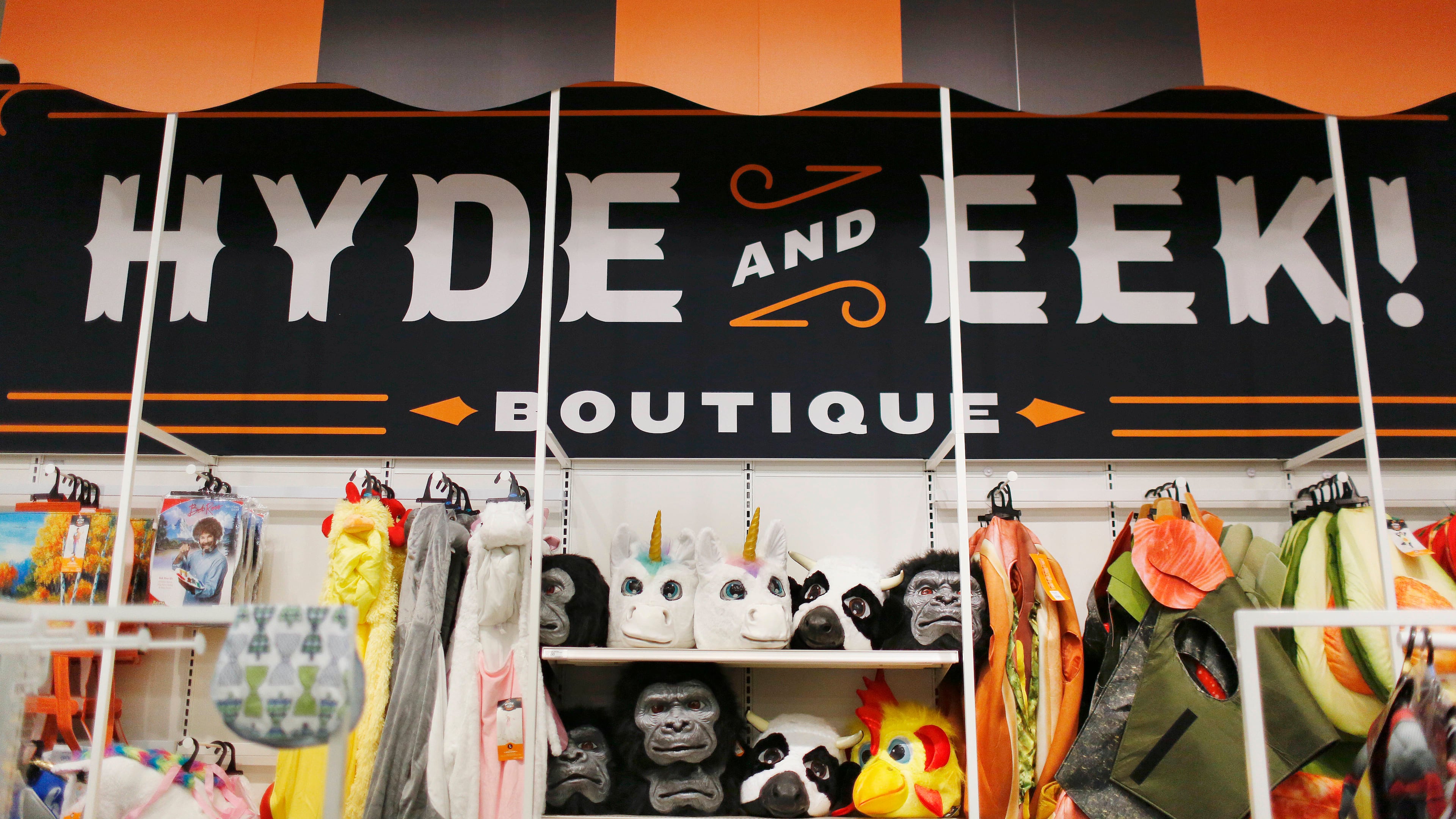

A Halloween costume sold by Target was removed from the retailer’s website this week after social media users said its imagery evoked racist minstrel shows.
The children’s clown costume from Target’s Hyde and Eek! Boutique featured oversized black gloves, a black hood, brown coloring around the face and an exaggerated smile. A small hat was tilted to the side. On Target’s website, it was modeled by a Black child in a pose some critics compared to images from minstrel-show posters.
For some Black Atlantans, the controversy landed in the midst of an already strained relationship with the retailer, which faced months of boycotts and protests after rolling back its diversity, equity and inclusion initiatives last year.
Target apologized Monday and removed the costume from its website.
“As a company, we got this wrong, and we are deeply sorry. We know this is especially hurtful for our Black guests, team members and partners,” the statement read. “Removing the costume is an important first step, and the company is looking closely at how this happened and what needs to change to ensure this won’t happen again.”
Ryan Hamilton, an associate professor at Emory University’s Goizueta Business School, said the controversy carries additional weight because of Target’s retreat from its DEI commitments.
He said he believed the decision to sell the costume was made “largely in ignorance.”
“One of the stated goals of DEI programs and initiatives is to just have a more diverse set of people in the room when decisions are being made,” Hamilton said. “It would surprise me if there was a diverse set of decision-makers in the room when that costume was approved.”
The controversy comes less than two years after Target began dismantling DEI initiatives it had expanded following the 2020 murder of George Floyd in Minneapolis.
Minneapolis-based Target had pledged to spend more than $2 billion with Black-owned businesses and made diversity a prominent part of its corporate strategy. But after President Donald Trump returned to office in 2025 and moved to dismantle federal DEI programs, Target announced it was ending several of its diversity initiatives.
The decision sparked protests from Black consumers and religious leaders, including New Birth Missionary Baptist Church pastor Jamal Bryant, who launched a 40-day “fast” from Target that grew into a monthslong boycott.
Bryant ended his boycott in March, citing progress in Target’s work with Black-owned media companies, brands, suppliers and historically Black colleges and universities, although the major demands he made were not met.
Other activists continued boycotting the retailer.
Bryant did not comment on the Halloween costume.
Some Black leaders in Atlanta said they were less surprised by the costume than frustrated by what they saw as another misstep from a company already struggling to rebuild trust with Black consumers.
Former marketing strategist and human rights activist Kiandria Demone said she was more annoyed than shocked when images of the costume began circulating online, immediately connecting them to minstrel shows.
“Black engagement is essentially tied to the Black dollar,” Demone said. “I believe that (companies) are rage-baiting (Black people) on purpose because it drives engagement and it drives sales.”
Tech entrepreneur Isaac Hayes III called the costume a “compounded problem,” arguing that Target has repeatedly failed to account for the concerns and experiences of Black consumers.
For Hayes, Target’s retreat from its DEI efforts made the controversy another sign that the company does not prioritize diverse backgrounds and experiences. He said the imagery evoked blackface minstrelsy, a form of entertainment built around racist caricatures of Black people.
“Being Black is just so hated on, and we just keep moving forward,” he said.
Jai Lyle, designer of the Atlanta-based luxury heritage brand of the same name, said Black people should use the controversy to look inward to “reset and recalibrate.”
“I think our focus should be more so in alignment with how to manage the version of ourselves we want to see publicly — and not being surprised when the sun rises in the morning,” he said.
Rather than focusing on Target’s internal decision-making, Lyle said Black consumers should consider where they spend their money.
“Let’s channel this energy into a positive way as a call to action in terms of reinvesting in ourselves,” he said.