
HBCU homecomings: A place to reconnect and reaffirm cultural identity

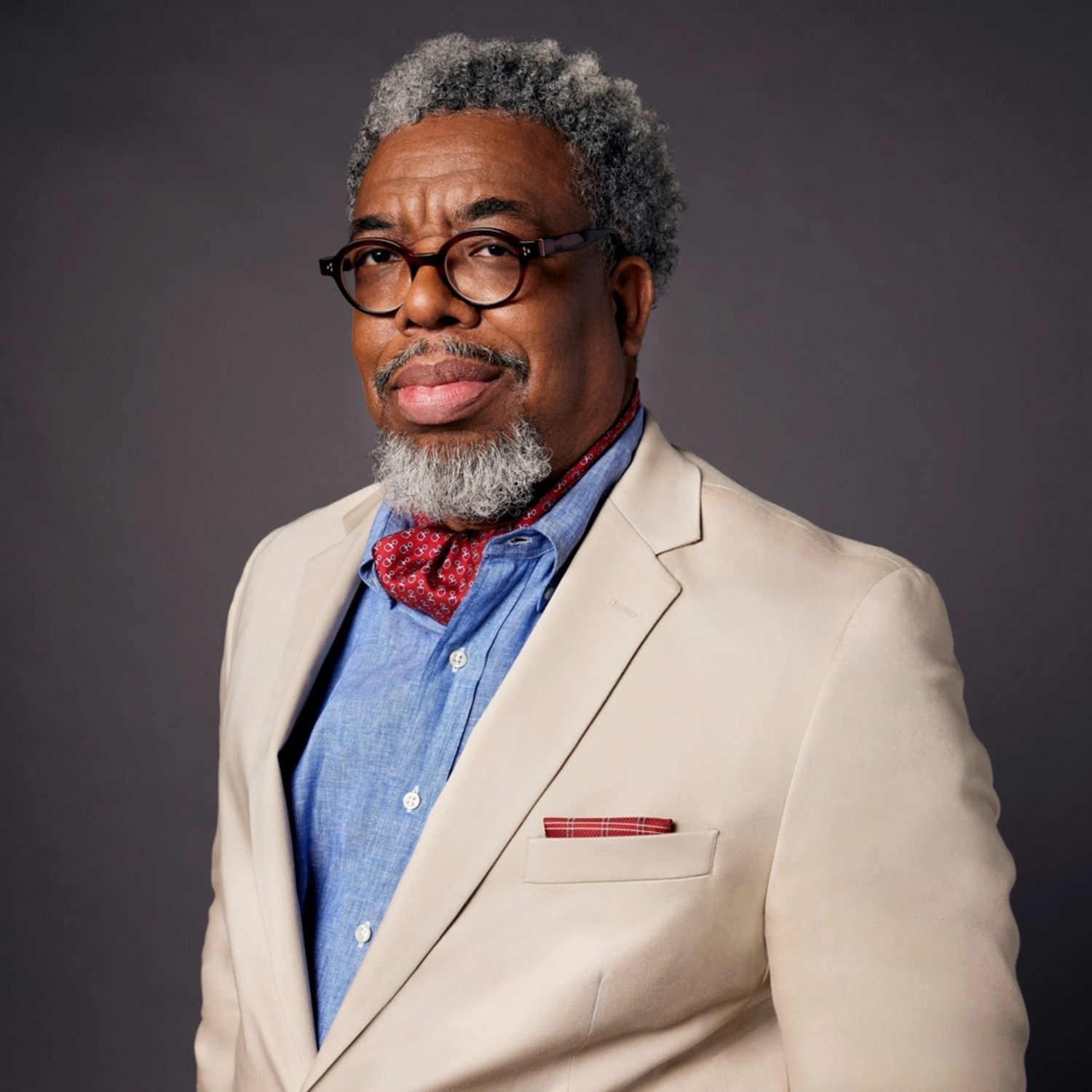
HBCU homecoming season makes the long trips short.
For Rasheed Dennis, that means flying from Playa del Carmen, Mexico — where he’s lived for 12 years — to his alma mater, Clark Atlanta University, for this weekend’s festivities.
Dennis said coming back to the United States can be a challenge for many reasons.
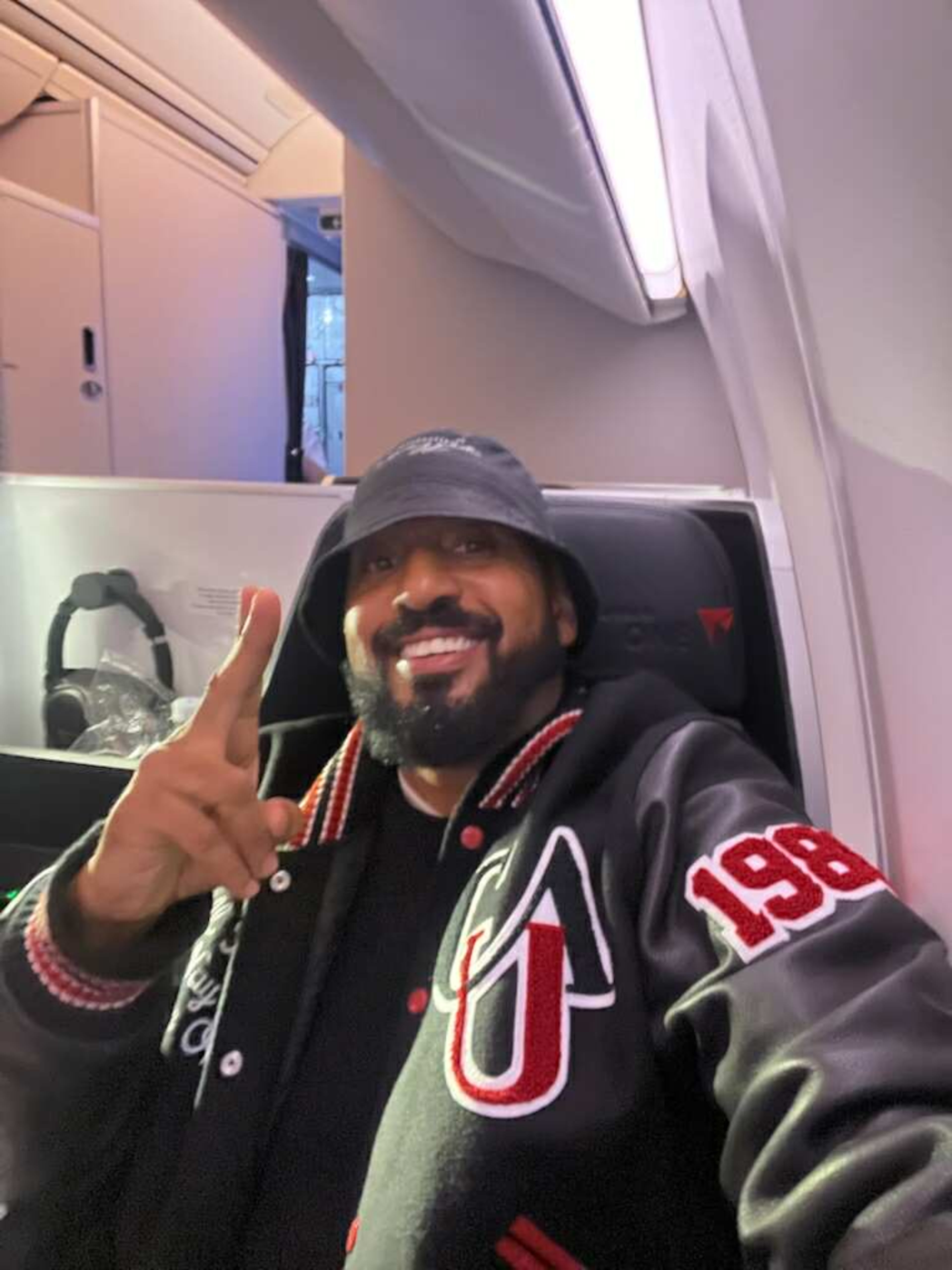
But returning to CAU puts him once again on “sacred ground.”
“It’s impossible to ignore the reality that Black people are still under attack — socially, politically and spiritually,” said Dennis, a 2002 CAU graduate. “But walking onto Clark Atlanta during homecoming transforms that weight into power. It’s one of the few places where we can exhale, where our excellence, creativity and history are celebrated without question. Homecoming is a reminder that no matter what the world throws at us, we continue to rise, thrive and represent with pride.”
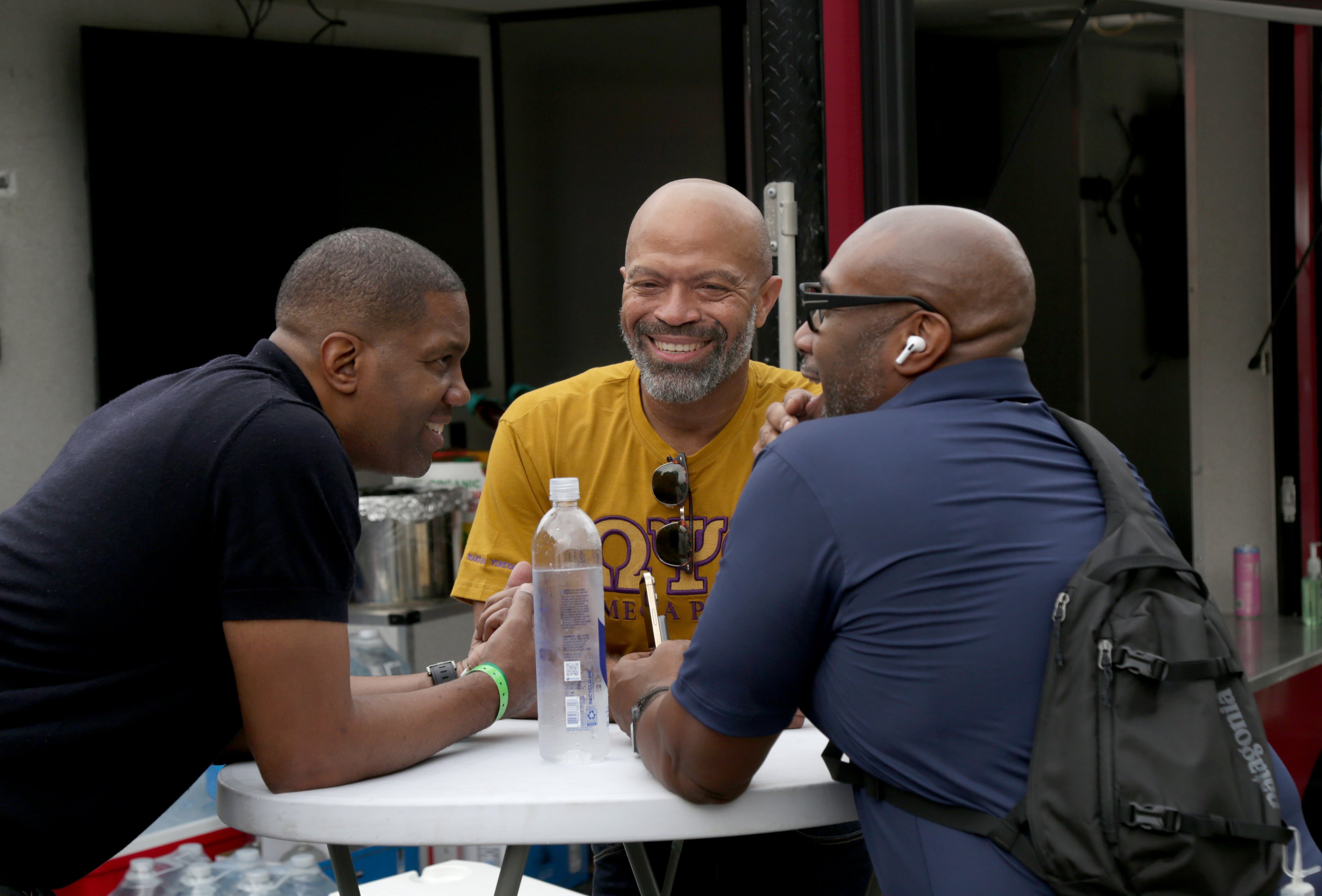
The impulse to come back is hardly unique. Across the South and along the East Coast, Black college alumni like Dennis describe the same pull — each telling a version of the same story.
And in a year when diversity, equity and inclusion programs and Black institutions face renewed scrutiny, the weekends serve as intergenerational reunions, cultural classrooms and gatherings to organize around issues impacting their schools and communities.
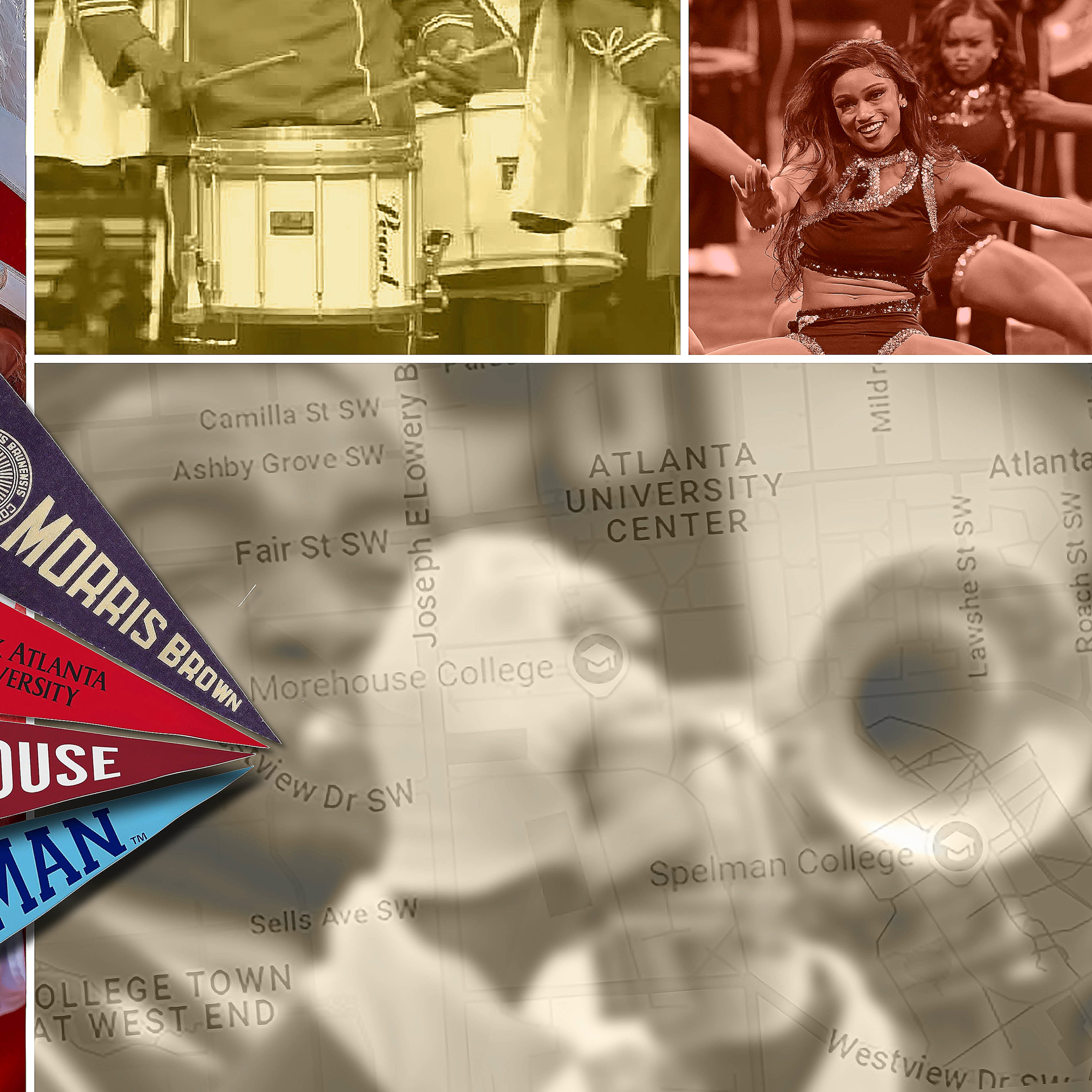
Atlanta is a hub for that return. Through November, thousands are expected to fly in for homecomings at Spelman College, Morehouse College, Morris Brown College and Clark Atlanta.
Morris Brown — still rebuilding after regaining its accreditation in 2022 — held its homecoming two weeks ago under the banner “Resurgence,” as alumni returned to a campus steadily finding its footing.

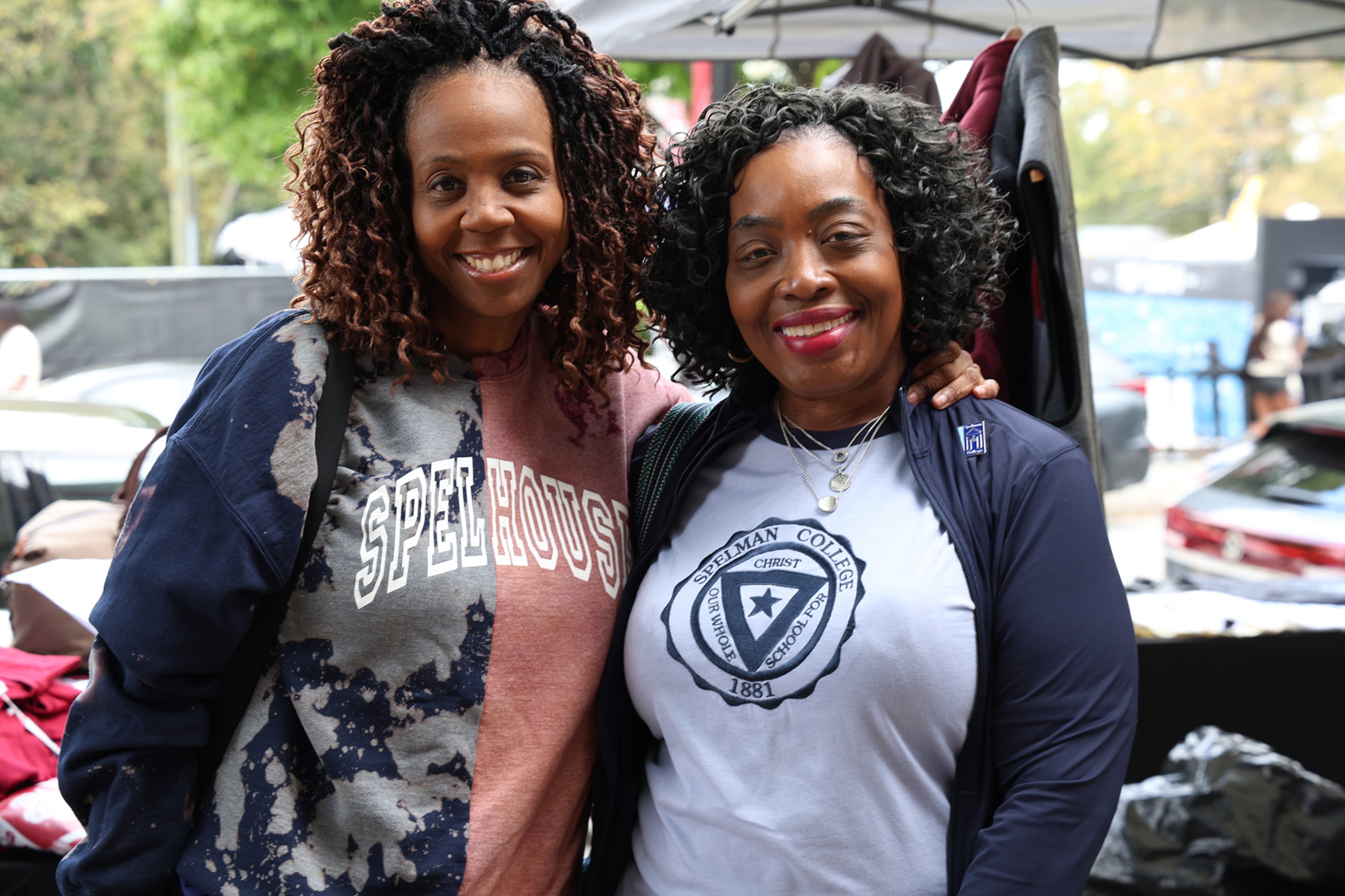
Last weekend, the combined “SpelHouse” celebration — where Spelman and Morehouse students and alumni gather together — turned the Atlanta University Center into a massive block party.
The circuit culminates when Clark Atlanta takes its turn in the spotlight.
“There’s nothing like hugging the people who helped shape your journey, laughing about the old days, and celebrating the men and women we’ve all become,” Dennis said. “It’s not just a reunion — it’s a revival of spirit.”
A family reunion
Spelman graduate Tiombé Nucklos O’Rourke sees homecoming as both memory and mission. Since 2020, the founder of True Blue 1881 Inc., has helped raise more than $600,000 to remove housing, food and tuition obstacles for HBCU students.
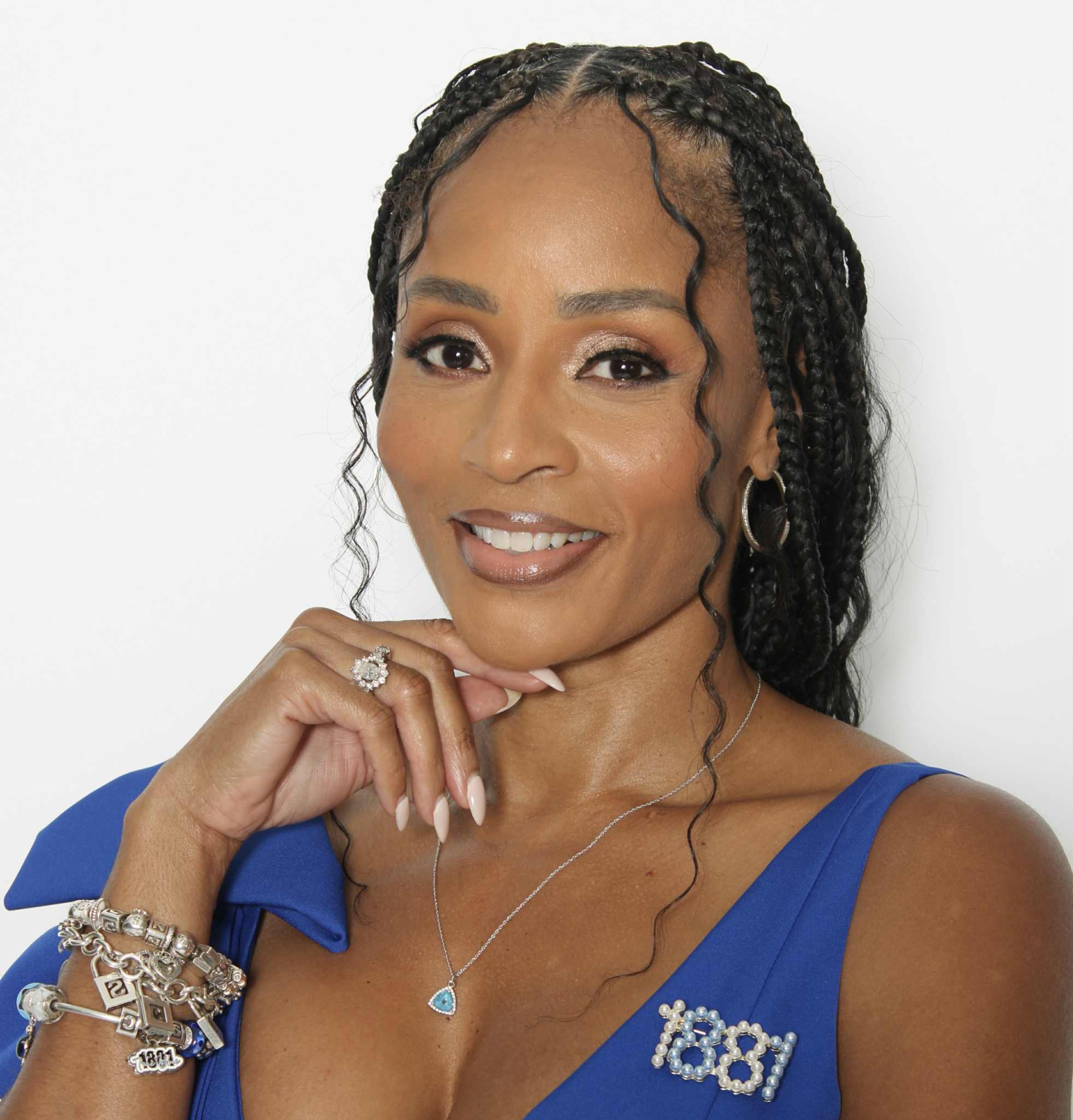
“Homecoming is a chance to recharge your battery for the year, reconnect, network and refuel yourself with people you grew to love years ago,” said O’Rourke, who graduated in 1999. “It’s like a family reunion on steroids.”
At the same time, Atlanta-based graduates are hitting the road, returning to North Carolina, Florida, Washington, D.C., Texas, Louisiana, Virginia, Maryland, Alabama, Mississippi — anywhere the school flag still flies — to turn those campuses into sanctuaries for the weekend.
“These are the people with whom you raise your children. We’ve been to friends’ funerals. We’ve been there for marriages and divorces and breakup,” said Chanda Gordon, who has two degrees from Alabama A&M University and now works in DeKalb County Schools. “Homecoming is literally like a family reunion when you go back and nobody is a stranger. Everybody knows your name.”
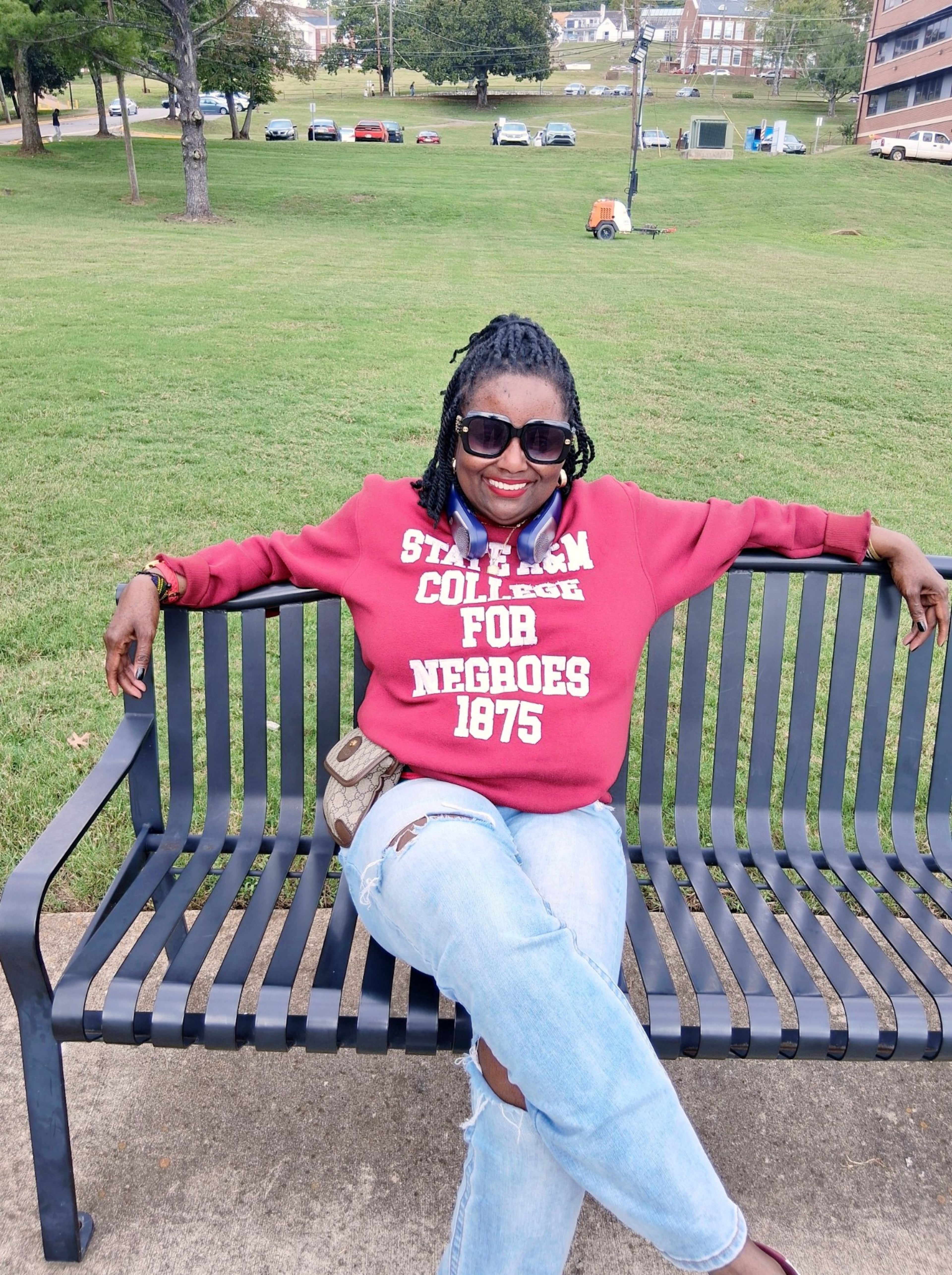
For some, the journey is worth any inconvenience — red-eyes flights, borrowed couches, even no-frills motels — just to touch campus again.
That’s because for graduates, homecoming at a Black college is more than a football game.
The week spills beyond the stadium: parades, tailgates, pageants, step shows, the marching band providing the soundtrack, late-night parties, early-morning chapel, Founders’ Day remembrances, convocations — and, yes — a football game.

“It’s a place of peace, resilience, love and grace — and you can actually be yourself,” said Gordon, whose parents met at Alabama A&M, where her daughter is now a sophomore. “These are the three days where you don’t have to code-switch. You don’t have to put on a suit. You don’t have an agenda, a Zoom call, a meeting or a presentation. I’m especially excited to share this moment with my daughter. Having a legacy child who’s involved puts an extra spice on it.”
A century-old legacy
The homecoming tradition itself is more than a century old. Scholars trace the modern, alumni-centered homecoming to 1924 — when both Morehouse and Howard held events that claim to be the first.
By the mid-1920s, Black newspapers were already calling the annual Thanksgiving Howard-Lincoln game the biggest “athletic and social event for Negroes in America,” as the Black elite traveled by train between the games in Washington and Philadelphia.

Out of that spotlight, Howard formalized the moment by turning the game into a weekend that brought former players and alumni back to campus.
Today, every HBCU — even those without a football team — hosts homecoming events, and every one of them swears it does it best, often flooding social media with shoulder-to-shoulder aerials.
North Carolina A&T brands its weekend The GHOE (Greatest Homecoming on Earth). North Carolina Central leans into “The Ultimate Homecoming Experience.”
In Atlanta, “SpelHouse” needs no translation.
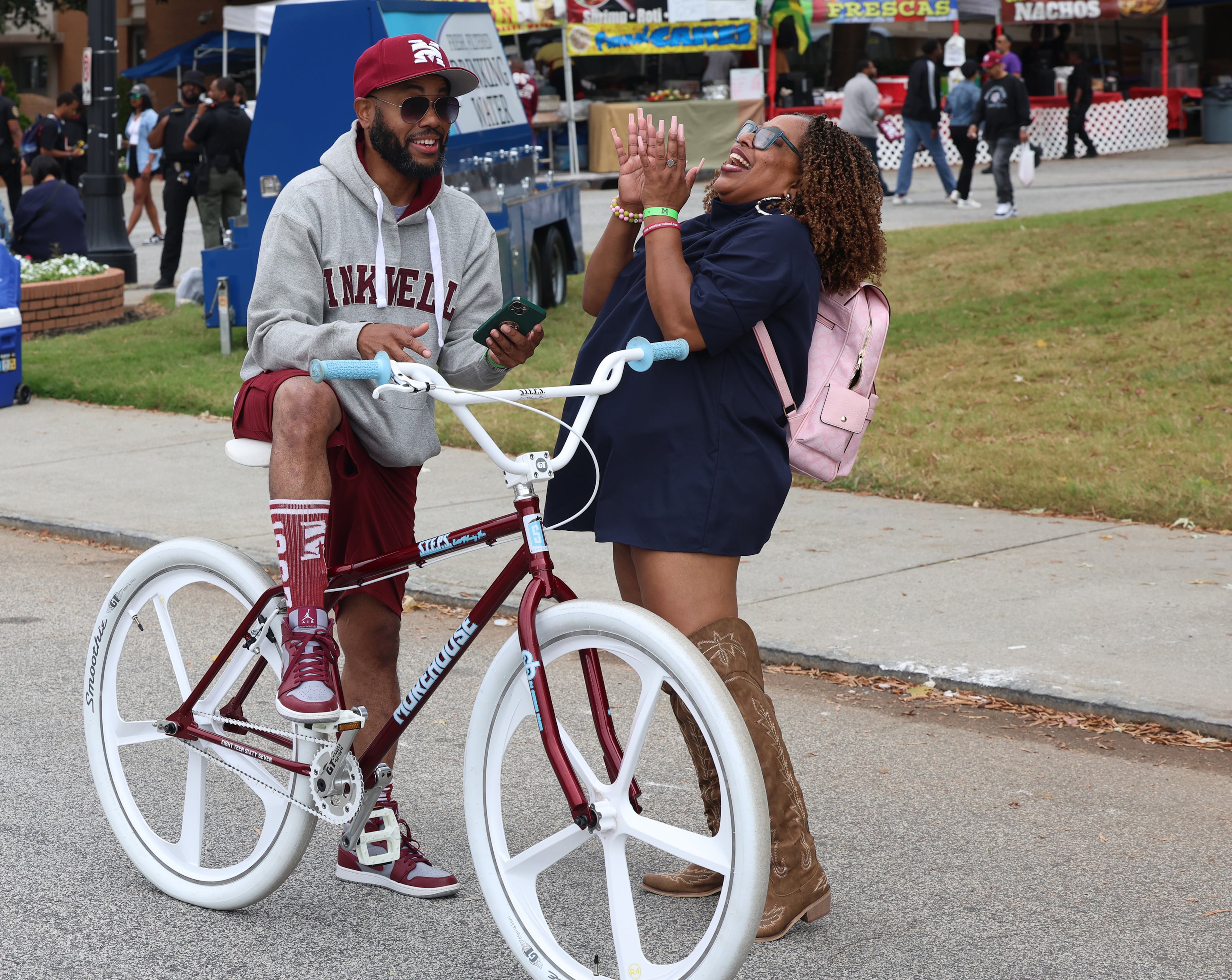
At Howard, which was immortalized by Biggie’s shout “Ain’t no telling where I may be/ Might see me in D.C./ at Howard homecoming,” there’s no need for a tagline — it’s simply Howard Homecoming.
For many, the draw is personal.
Kawana Mitchell, a 1992 Morris Brown alum who schedules her year around the ritual, flew in from Chicago, where she works as a nurse.
Mitchell — who kept coming even when Morris Brown struggled with accreditation — pushes back on the quiet reasons people skip: aging, anxiety or the feeling that life didn’t unfold on schedule.

“I’ve heard friends say, ‘I’m not coming, I’ve gained so much weight,” Mitchell said. “But that’s not what it’s about! Especially at this age. We just want to see people who are still on this side of the Earth and love on each other.”
For Rick Blalock, simply being seen mattered.
This fall, he attended his first Central State homecoming since graduating in 1993. Elected this year to Central State’s National Alumni Association board, he decided it was time to go home.
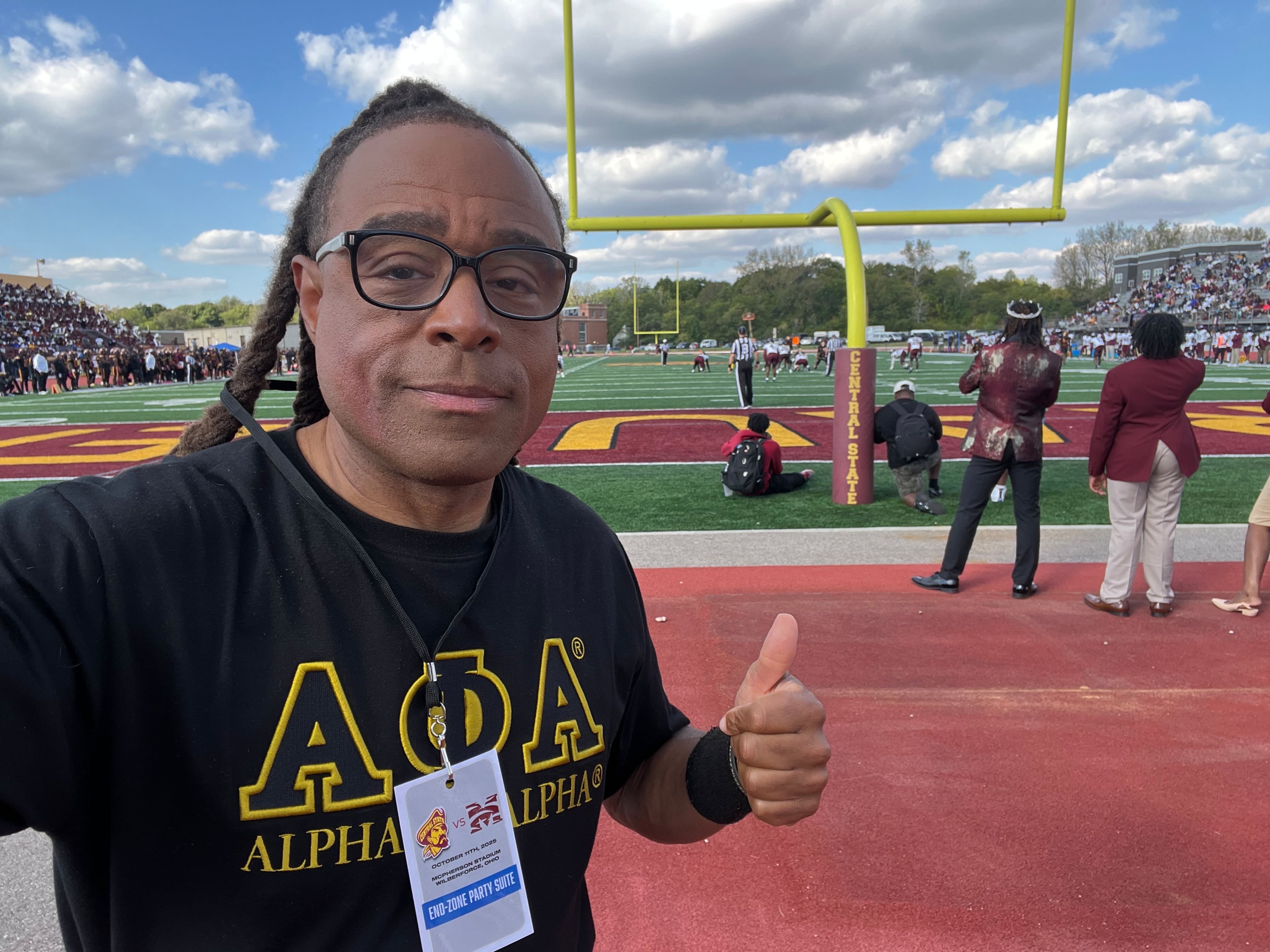
“It reinvigorated my enthusiasm for wanting to support the school,” Blalock said. “I enjoyed it so much and I will continue to go. I’m very supportive of the school.”
The HBCU homecoming experience is so deeply rooted that in 2022 the National Museum of African American History and Culture built programming around it. Beyoncé’s “Homecoming” concert and video paid homage to the traditions that Spike Lee immortalized in 1988 with his classic “School Daze.”
That safety and celebration isn’t guaranteed everywhere. In Florida, public schools like FAMU might soon be forced to change the name of one of the school’s most sacred streets in honor of Charlie Kirk, who was a critic of DEI initiatives, or risk losing state funds.
In this climate, homecoming reads less like nostalgia and more like a referendum on who defines Black excellence and who gets to defend it.

As Donna Allen — who regularly lobbies the Florida General Assembly as Southern region vice president for the FAMU National Alumni Association — puts it: “It’s less a reset and more a reaffirmation of how important it is to be involved beyond the parties, tailgates and games.”
She and others talk about calling legislators, showing up at public board meetings and treating homecoming as a command to stay engaged long after the weekend ends.

“When we gather and ignite that homecoming spirit, it reaffirms that we have an assignment,” said Allen. “We can’t just party. We must claim our university and ensure its sustainability. Whether it’s street renamings or partnerships with neighboring institutions, FAMU needs a seat at the table.”
That is why weeks before FAMU’s homecoming, Allen — an Atlantan of more than 20 years — was already planning her return to Tallahassee.
She has missed only one since graduating — in 2010 when a friend dragged her to Morehouse’s. It was fine, she said, but she vowed never to skip another gathering with her “FAMUly.” Last weekend, she was back in Tallahassee for FAMU’s homecoming.

“I wouldn’t be where I am today without FAMU,” said Allen, whose daughter, Kai Allen, graduated from FAMU in 2024. “The biggest thing for all of us returning is to give back, while also paying reverence to where many of us got our start.”
For Cheryl Green, a 1979 graduate of Howard University, the invitation to return to homecoming grew louder with time.
She began making the annual pilgrimage back to Washington, D.C. — only after turning 40 — as classmates started to slip away.
Now, she never misses the trip from Atlanta back to Washington, D.C., and this weekend, she’ll be there again for Howard’s homecoming.
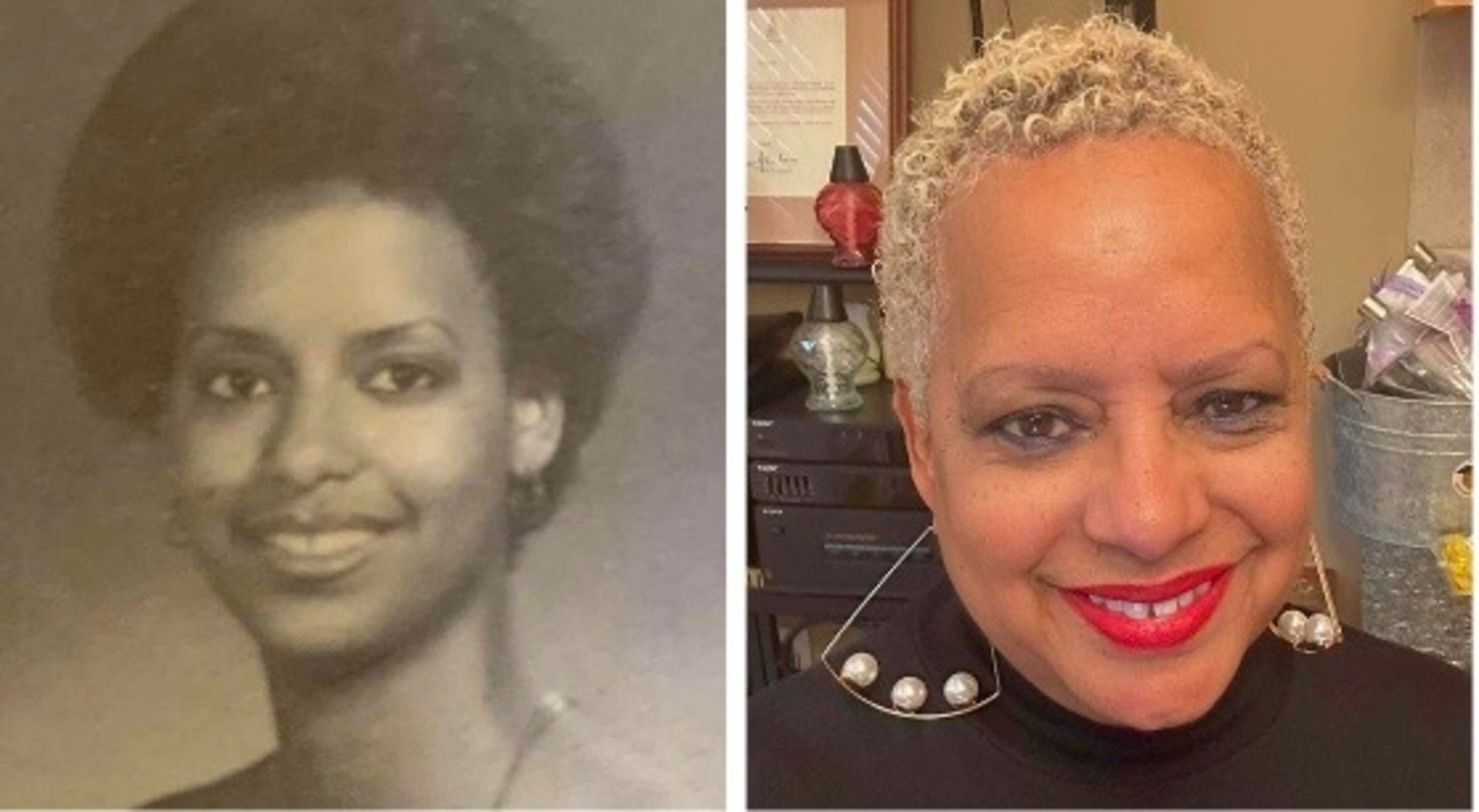
“If I could say one word about HBCU homecomings it’s ‘magical,’” said Green, who now lives in Atlanta. “If you didn’t go to an HBCU, you wouldn’t understand. But the people who didn’t go are the ones in awe of what we have. They want some of that magic.”