
Tuskegee’s dress code sparks online backlash, but many alumni applaud the changes
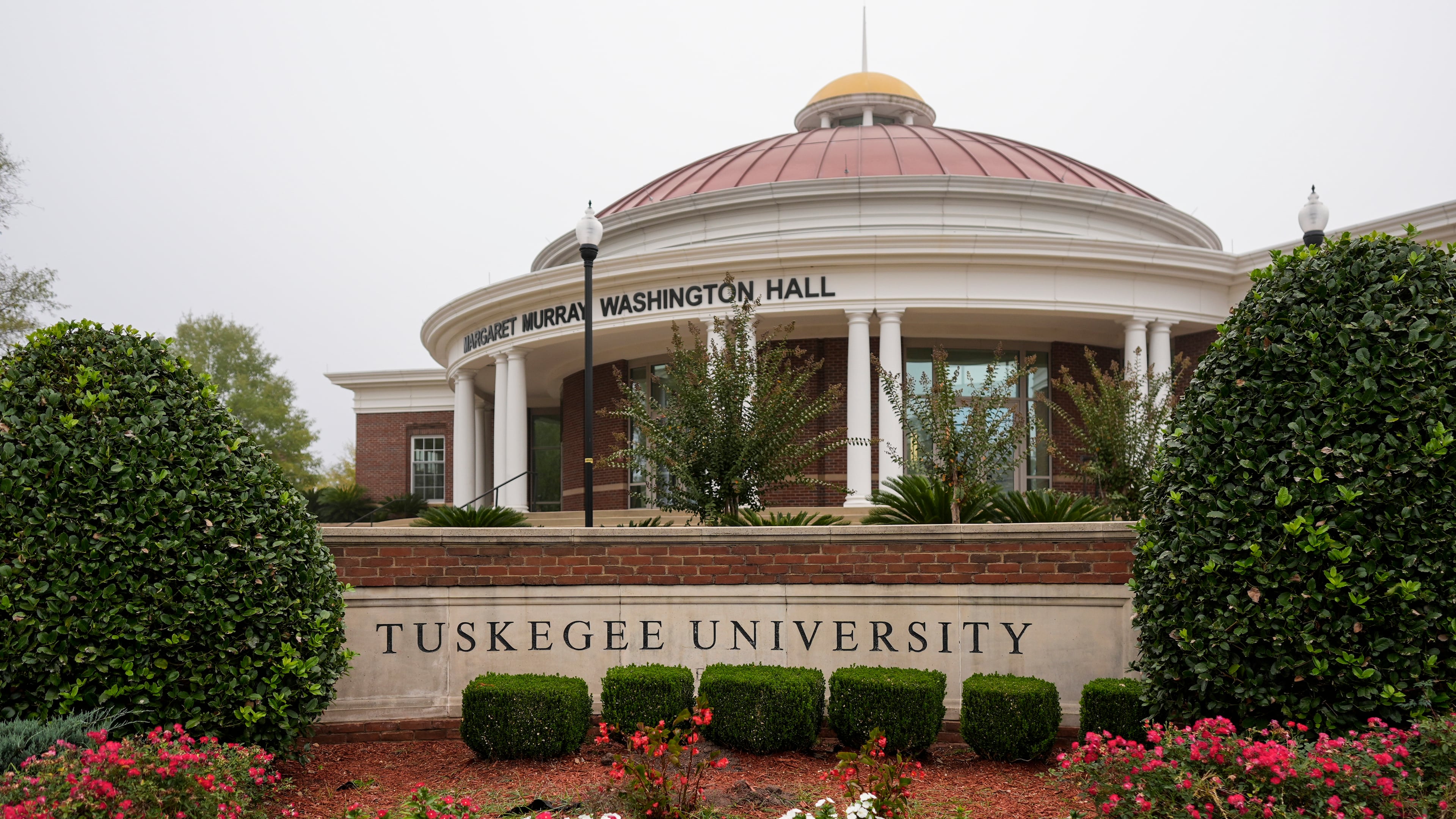
Tuskegee University’s new dress code banning bonnets, du-rags and other casual attire has ignited criticism online, with some accusing the historically Black university of placing too much emphasis on appearance over education.
Many alumni, however, say the policy reflects a long-standing and historical culture of professionalism that has defined the school for generations.
“Students are not just students of the school, they are ambassadors and should dress accordingly,” said Lisa Walker, a 1995 Tuskegee graduate who lives in Atlanta and supports the policy. “As an institution, it was just different in 1995 than it is today in 2026.”
Tuskegee sophomore class president Rayne Caldwell took to Instagram to question the university’s priorities, as she raised concerns about housing shortages and transportation.
“We are never asking Tuskegee to lower its standards. We are asking Tuskegee to prioritize the standards that matter most,” Caldwell said. “Professionalism isn’t just how students present themselves. It’s also about how institutions serve people who trust them.”
Jayden Wilson, a graduate of Frederick Douglass High School in Collier Heights and incoming Tuskegee freshman, said he understood the ban because college is considered a professional environment.
“It makes sense,” he said.
But he also said he understood students’ frustration with having to make adjustments to look more presentable before class.
What’s in the policy
In a July 22 letter to Tuskegee students, President Mark Brown said the policy was intended to prepare students for professional careers and improve student outcomes.
The letter prohibits “revealing clothing in class, to the cafeteria or in official settings like Convocation. They are also not able to wear bedroom shoes, bonnets, or du-rags to class or the cafeteria.”
Brown announced the changes as Tuskegee prepares to welcome its largest freshman class in 32 years, describing them as part of a broader effort to improve professionalism and student success.
The policy also prohibits revealing clothing, sagging pants, nonreligious and nonmedical headwear in classrooms and cafeterias and other attire deemed inappropriate.
If Tuskegee staff members see students not abiding by the dress code, they “will be empowered to respond.”
Students can be removed from class.
Brown’s letter also detailed new policies on class attendance and cellphone use in classrooms.
Social media reacts
Just days after Howard University, one of the largest HBCUs in the country, made news over its decision to unenroll more than 500 incoming freshmen over unpaid tuition, Tuskegee’s policy quickly spread across social media, with many users questioning whether the university was prioritizing appearance over more pressing student concerns.
“We don’t care about du-rags. We want dorm rooms to sleep in,” said Laverne Mickens, a social media personality who focuses on education issues, on an Instagram post.
Anti-racism activist and author Ibram X. Kendi said he opposed the bonnet ban, but would rather his child deal with that than attend a predominantly white university.
“While I oppose the ban, I’d rather send my daughter to a HBCU that bars her from wearing a bonnet to class than a (historically white college or university) that bars her from having many Black classmates, organizing Black events, or reading Black books in class,” he wrote on Facebook.
Tuskegee alumni speak
The reaction among many Tuskegee alumni was markedly different.
Founded in 1881, Tuskegee has long been considered one of the most elite HBCUs in the country — largely because of the outsized shadow of its first president Booker T. Washington.
Born enslaved, Washington would eventually be considered the most famous and powerful Black man of his generation, dining at the White House, raising money and growing a college in rural Alabama.
Janita Ferguson, a 2012 Tuskegee graduate now living in East Atlanta, said she understood the expectations were high before she enrolled at the university.
Each incoming freshman is expected to read Washington’s “Up From Slavery.”
She remembers reading Washington stressed the importance of appearance and hygiene.
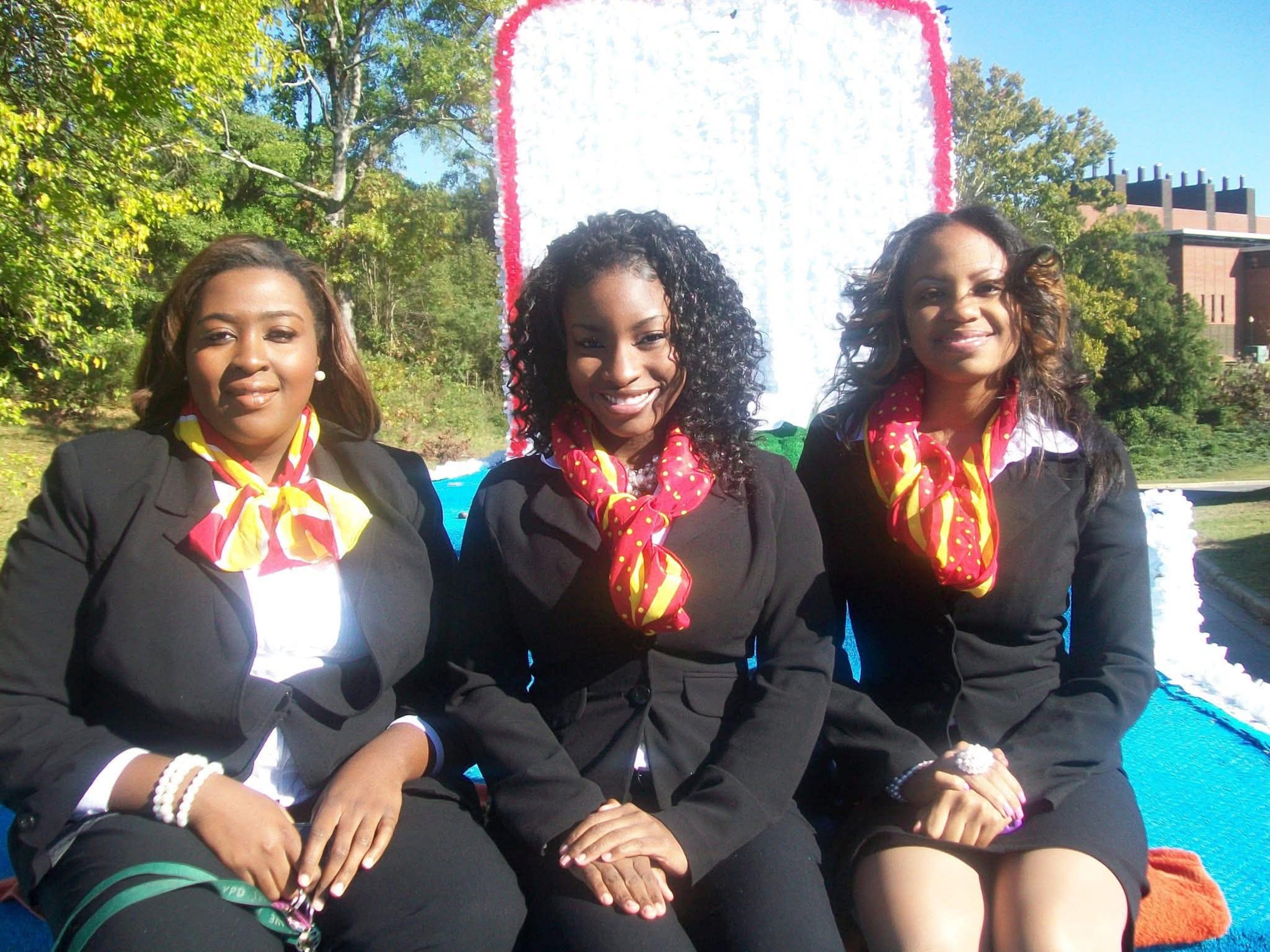
“Bonnets and du-rags are a sign of preparing for bed at night and if you are walking around in that attire, you are sleepwalking through life,” Ferguson said. “You can’t be awake or alert to what is happening in your life wearing bed attire.”
Jeremy Thomas, a 2011 Tuskegee graduate and a communications executive in Detroit, said the policy was necessary because it reflects the culture he experienced as a student.
During his time in school, he said it was “ingrained” within him and his classmates to wear appropriate attire.
“As a business student, professional attire was required and that permeated through the rest of the campus — from the cafe to the yard,” he said. “We wanted to uphold the standard of excellence associated with our university.”
Trending across HBCUs
While it has grabbed headlines, the changes in Tuskegee’s dress code are hardly new across the HBCU landscape.
In 2009, Hampton University, where Washington attended college, revised its dress code to strictly prohibit du-rags, stocking caps, skullcaps, bonnets, scarves and bandanas on campus at all times.
Eight years earlier in 2001, the Virginia-based school banned male students in the five-year undergraduate/M.B.A. program from wearing dreadlocks or cornrows.
“When was it that cornrows and dreadlocks were a part of African American history?” Dean Sid Credle asked at the time. “I mean Charles Drew didn’t wear it, Muhammad Ali didn’t wear it. Martin Luther King didn’t wear it.”
In Atlanta, students at Morehouse College are not allowed to wear du-rags or flip flops. Hats have to be removed inside school buildings and there are specific occasions when students are expected to dress in business professional clothing.
In 2009, when the all-male school revised its dress code, it emphasized that, “no wearing of clothing usually worn by women (dresses, tops, tunics, purses, pumps, etc.) on the Morehouse campus or at college-sponsored events,” would be permitted.
Spelman College does not have an official dress code, but students are expected to wear specific all-white outfits on days of major school events, like Founders Day and Class Day.
For Walker, whose daughter graduated from North Carolina A&T State University in December, HBCU dress codes are an extension of the educational experience.
A former marketing official at the Atlanta University Center’s Robert W. Woodruff Library, she believes previous generations viewed themselves as ambassadors for their institutions and that learning to dress professionally was one of the lessons college was meant to teach.
“It prepares students for their futures,” Walker said.