
Fulton County’s ‘Write Now’ forges the next generation of Black writers
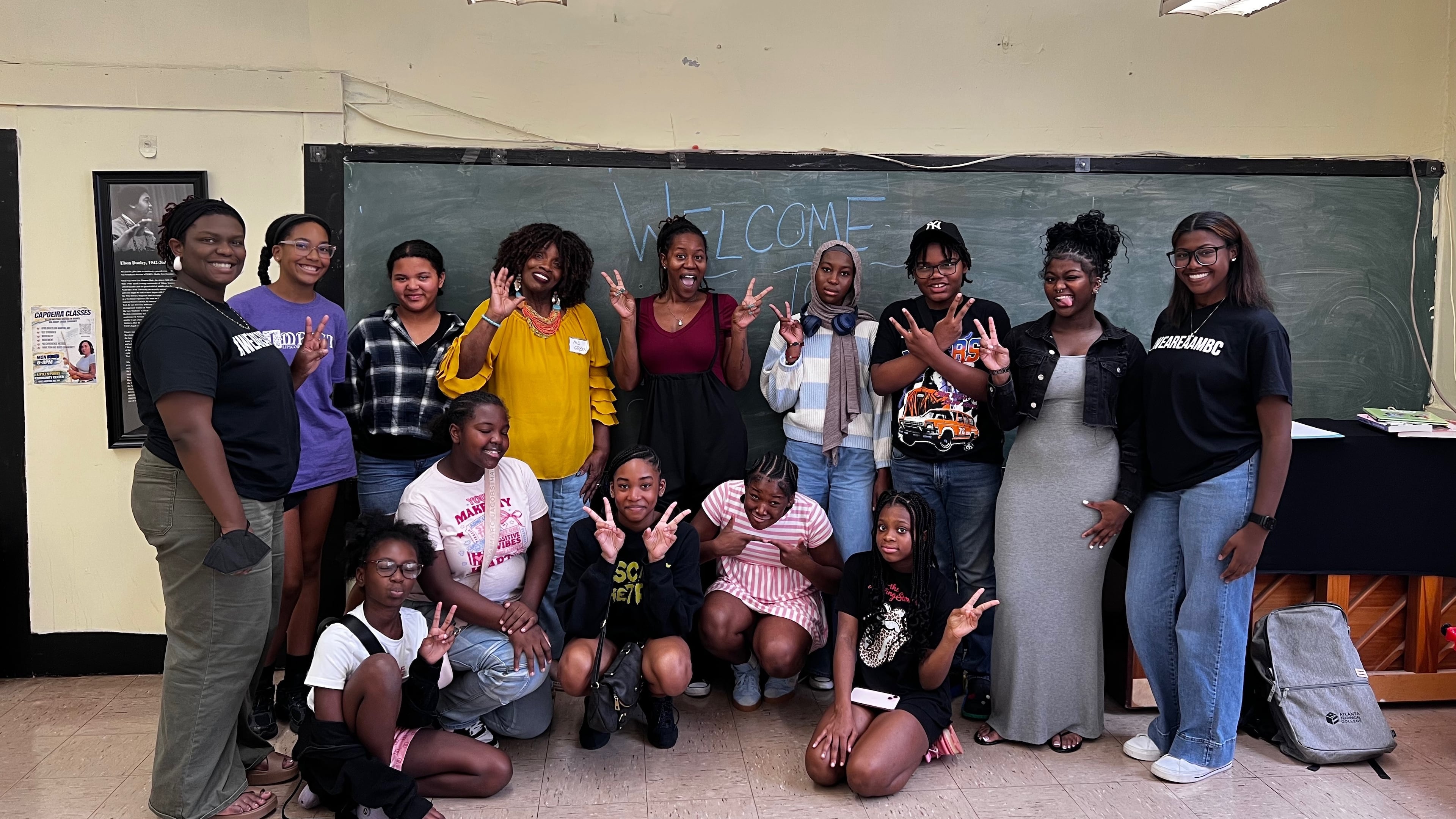
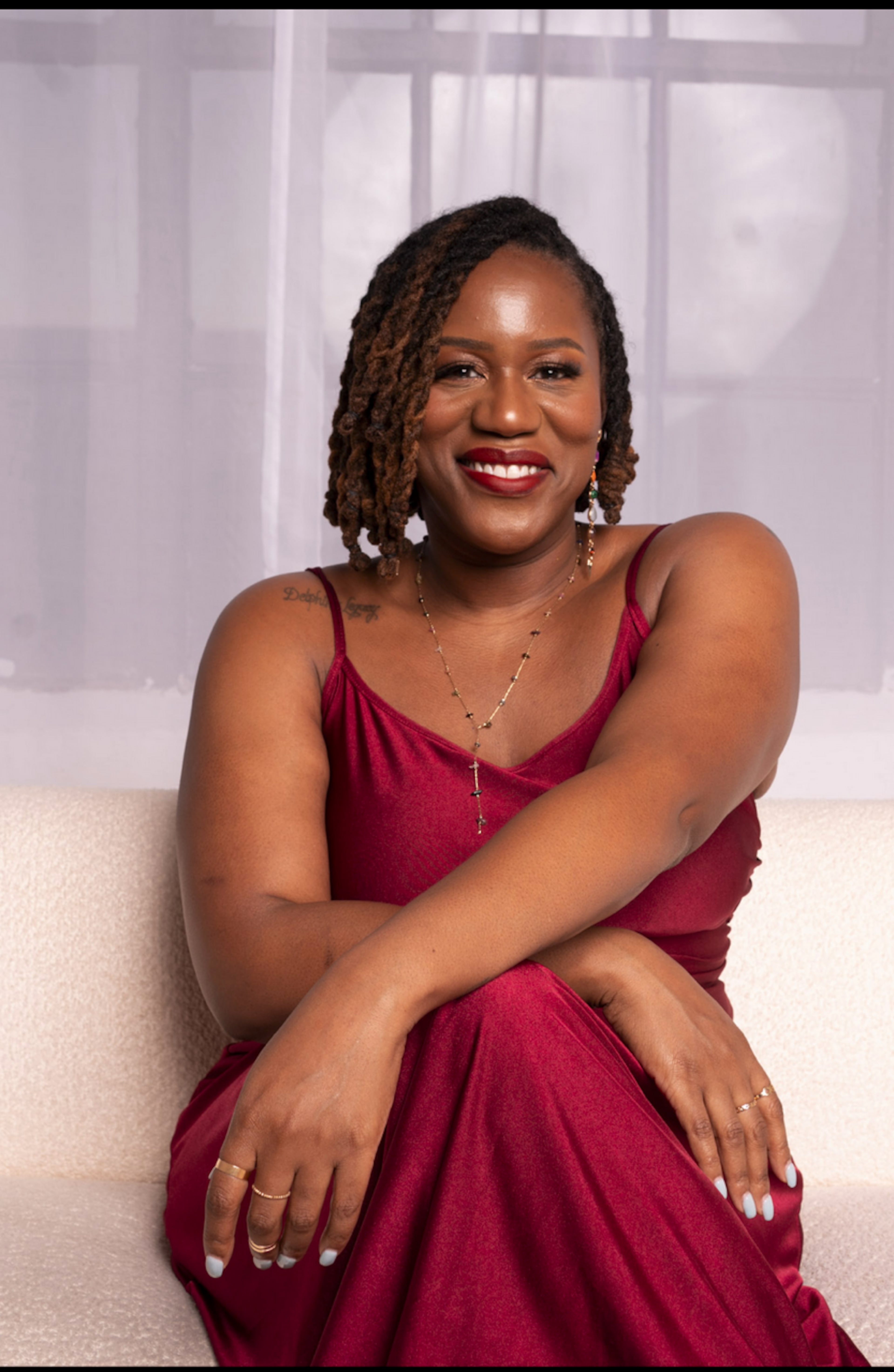
Tamika Jamison said she believes the best way to fight Georgia’s literacy crisis is to meet it head on, by helping children tell their own stories.
This summer, some Fulton County students have been sharpening their writing, discovering their voices and becoming published authors.
With a $25,000 grant from Fulton County, the two-month program “Write Now” launched July 29 for children ages 8-18 and includes workshops, creative exercises and guest speakers designed to improve writing skills while building confidence through self-expression.
“A lot of these children don’t know how to safely and respectfully express themselves; some don’t know how to even write logically,” Jamison said. “Nowadays we can’t even read their writing, so now I’m like all right, let me put more energy into a space that will help them.”
Fulton County parent Rhonda Hollaway said she thinks the free program is great for her 11-year-old daughter, Asia, who loves to make up her own stories and who has a learning disability that makes writing and reading challenging.
“I felt like her being able to learn how to harness her disability with something that she’s passionate about is going to help her be more confident,” she said. “Programs like this that are free are great. They’re usually not easy to find, because parents don’t know where to look.”

Across Georgia, literacy scores remain troubling, particularly among the state’s youngest readers.
Only 38.4% of third graders scored proficient or above on the 2023-24 Georgia Milestones English Language Arts assessment, meaning nearly two-thirds of students were reading below grade level, according to a Georgia Reads study.
The study also found that Black and Hispanic third graders were significantly below the proficiency line at 73.7% and 72.9%, compared to white third graders at 48.2%.
During the program, kids get the chance to practice different forms of storytelling — visual, poetry, technical writing and audio — to help build their communication skills and find their voice, Jamison said.
“They’re in a safe environment. We’re going to feed them, love on them, encourage them, and we going to expose them to some things that we feel that can genuinely help them for many years to come,” Jamison said. “We are really helping them find some inner joy within their own life and also regulate their emotions.”
At the end of the program, each participant will create a written work that will be published in a group anthology available for purchase.
When Fulton County parent Lauren Frazier saw the opportunity, she immediately knew her 9-year-old daughter would relish the opportunity.
Londyn, she said, had a natural gift for storytelling and was one of the kindergartener winners for the 2023 Georgia PBS KIDS Writers Contest.
Frazier said she thought the program was a good opportunity to surround her daughter with a like-minded community that would push her creatively.
She hopes the program will strengthen her daughter’s understanding of the importance of Black narratives.
“It’s important for children to be the tellers of their own stories, especially in an environment where our stories — and Black history in particular — are intentionally being erased or silenced,” Frazier said. “This program will give (Londyn) the space to grow and share her stories with others who also value the power and importance of our narratives.”
These kids are not alone in their journey. The program brings in professional writers, filmmakers, actors and podcasters who lead creative workshops and serve as mentors.

One of Jamison’s best friends, Ni’Cola Mitchell, is a guest speaker and mentor for the program.
A best-selling author, executive producer and founder of the nonprofit Girls Who Bruch Tour, Mitchell used storytelling to overcome all the bullying she experienced because of her cultural differences. She said she wants to impart what she learned on the students so they can use literacy to overcome their own personal challenges.
“Writing is the first piece of therapy we’re introduced to, so if we expose kids to writing, they’re learning how to get all these crazy thoughts and situations out,” said Mitchell, who came to the U.S. from Jamaica.
By using literacy to turn their trauma into happy stories, Mitchell said she believes it will help them unlock their “hidden emotions” and figure out how to deal with it.
Nearly 20 years after publishing her first book, Jamison said she hopes “Write Now” becomes more than a Fulton County program. She wishes the program becomes part of a national movement to encourage Black children to write, publish and tell their own stories.
“Black folks read. Not only do we read, but we also create,” Jamison said. “It’s a literary movement.”