
Did ‘A Different World’ send a generation to HBCUs?
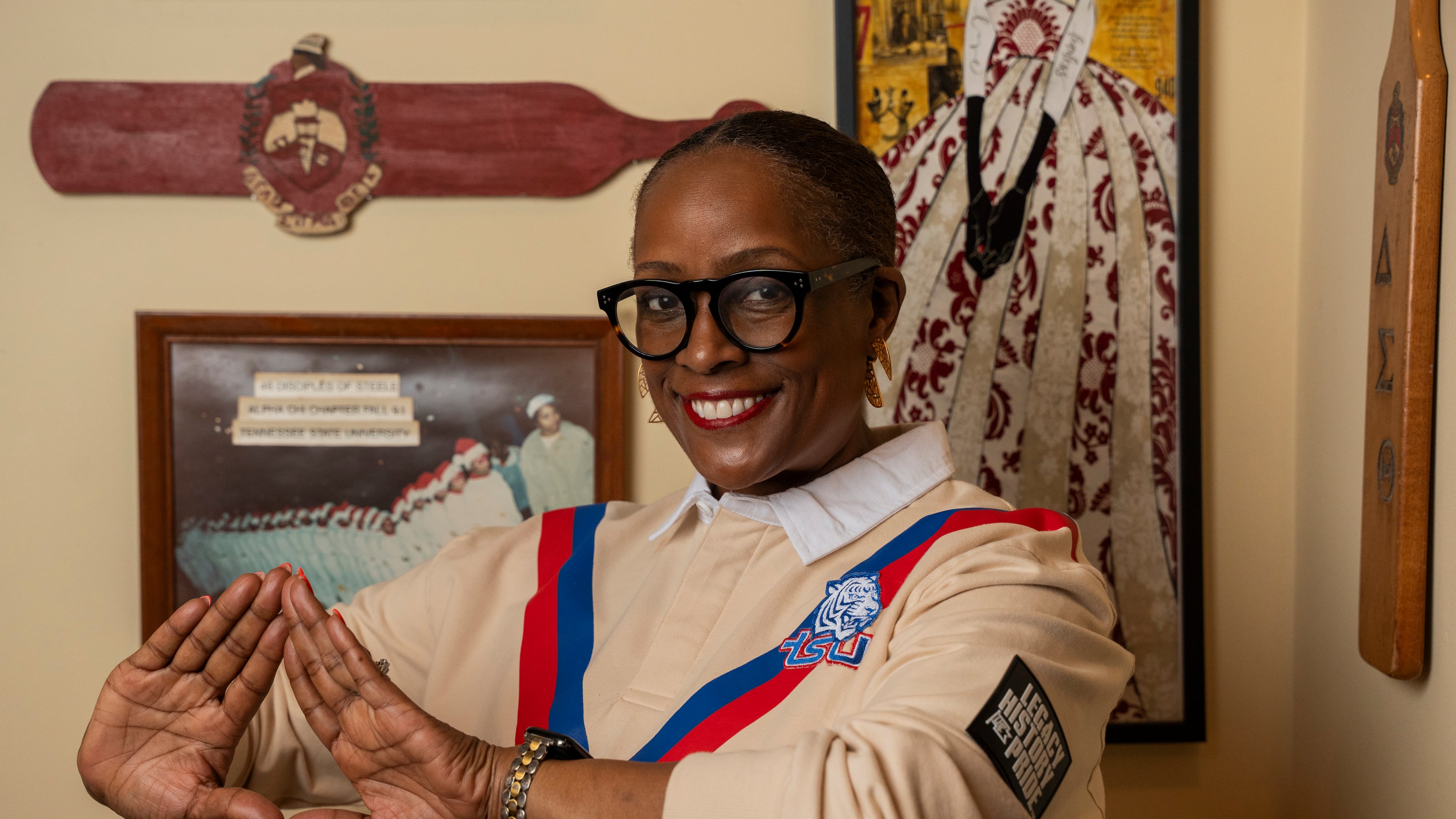
When Latise Egeston entered Tennessee State University in 1988, a year after “A Different World” premiered, the show had nothing to do with her decision.
She grew up in southwest Atlanta and Decatur and planned to attend the University of Georgia.
Then her grandfather, a proud Tennessee State alumnus, brought her to Nashville when he was invited to speak at the university.
“I thought I was simply going on a ride,” Egeston said. “The next thing I knew, they had taken me to the admissions office. I had applied, been accepted and was registered for classes.”
At Tennessee State, Egeston joined the band, pledged Delta Sigma Theta and met her future husband. She graduated in 1991.
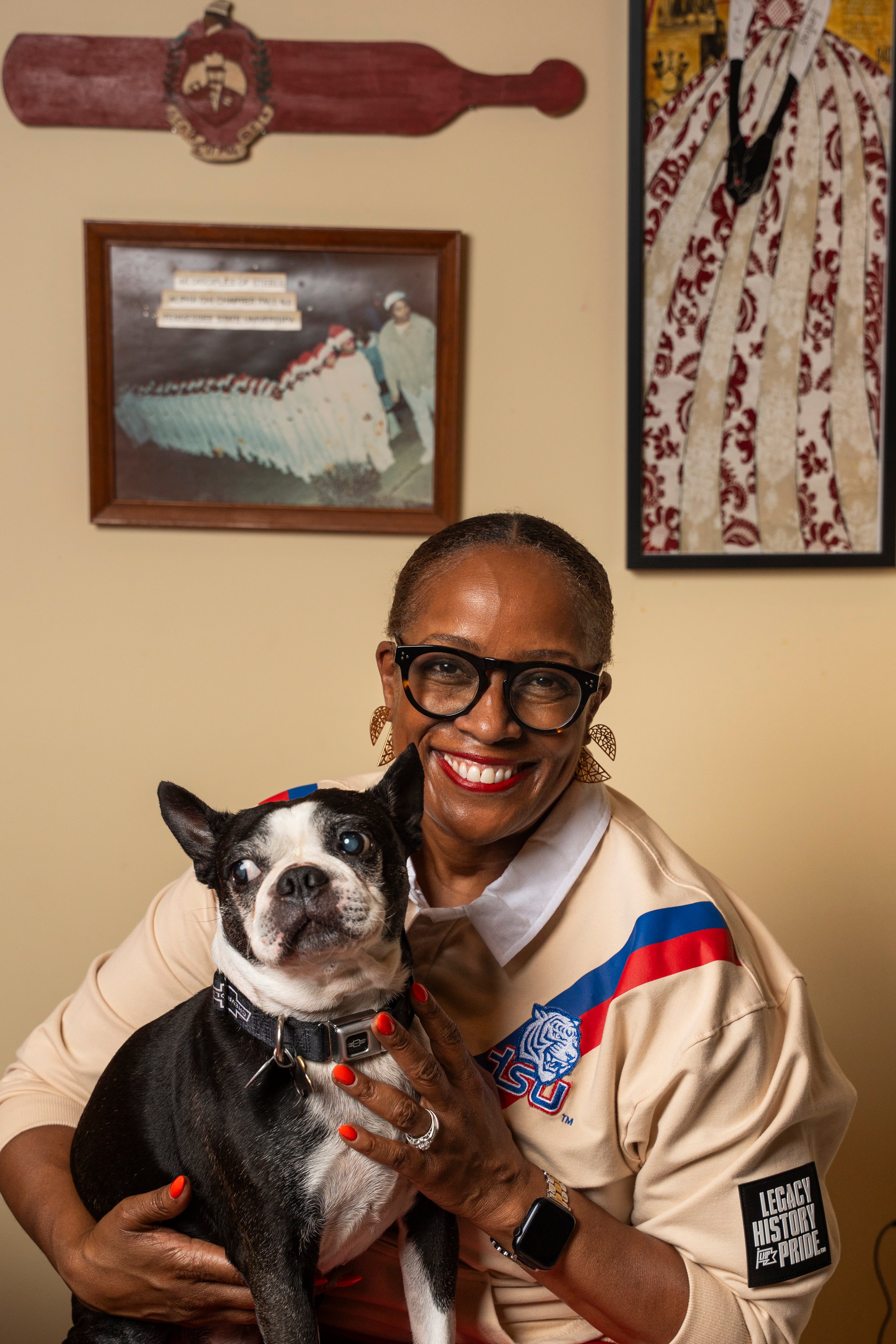
Years later, reruns brought back parts of the life she had lived there. Hillman College, the fictional HBCU at the center of “A Different World,” reflected “specific subcultures within the Black experience, particularly the HBCU experience,” she said.
Now an Atlanta psychotherapist, Egeston can usually identify an episode within its first minute. She watches reruns between sessions and lets them play while she does chores. Her husband says she can recite every line from all 144 episodes.
“He’s exaggerating a little bit,” she said. “But not a whole lot.”
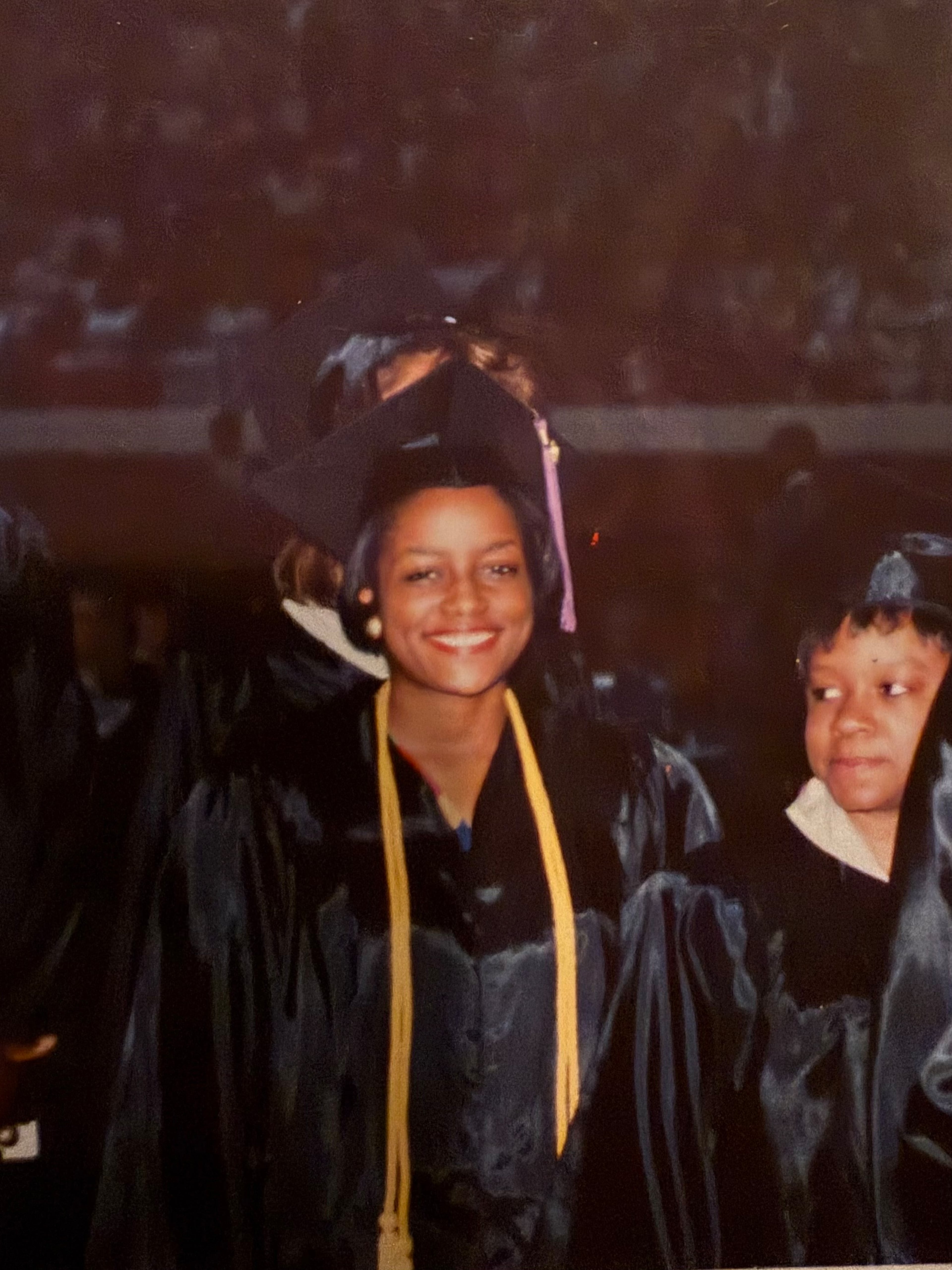
Egeston’s story captures the difficulty of measuring the show’s influence on HBCU awareness, aspirations and enrollment.
The question has fresh relevance as Netflix prepares to return viewers to Hillman with a sequel to the original series, premiering Thursday.
To Tell the Truth
Since its 1987 premiere, “A Different World” has been routinely credited with helping drive a historic rise in HBCU enrollment.
From 1986, the year before “A Different World” premiered, to 1994, the year after it ended, HBCU enrollment rose from about 223,000 to more than 280,000 students, an increase of roughly 26%.
Walter Kimbrough, UNCF’s executive vice president for research and member engagement and a former president of three HBCUs, calculated in a 2010 analysis that HBCU enrollment grew 8 percentage points faster than higher education enrollment overall during the show’s run.
Put another way, the HBCU growth rate was about 44% higher than the overall rate.
“HBCUs outperformed the national average,” Kimbrough said, while cautioning that the timing does not prove the show caused the increase.
The timing is striking. The evidence is less conclusive.
Federal data counted students, not their motivations. The enrollment surge also coincided with rising Black college awareness, stronger recruitment, increased federal support and a broader cultural movement that included hip-hop, Afrocentric expression and Spike Lee’s 1988 movie, “School Daze.”
The connection was being made in real time. A 1991 “Education Week” report cited media attention, including the national exposure created by “A Different World,” among the factors drawing Black students to HBCUs.
Michael Bailey entered North Carolina Central University in 1991 and now serves as its executive director of undergraduate admissions.
A first-generation student from Fayetteville, North Carolina, where the military offered one of the community’s most prominent paths after high school, Bailey said Hillman gave him “direct insight into what college life was about” and inspired him to pursue higher education.
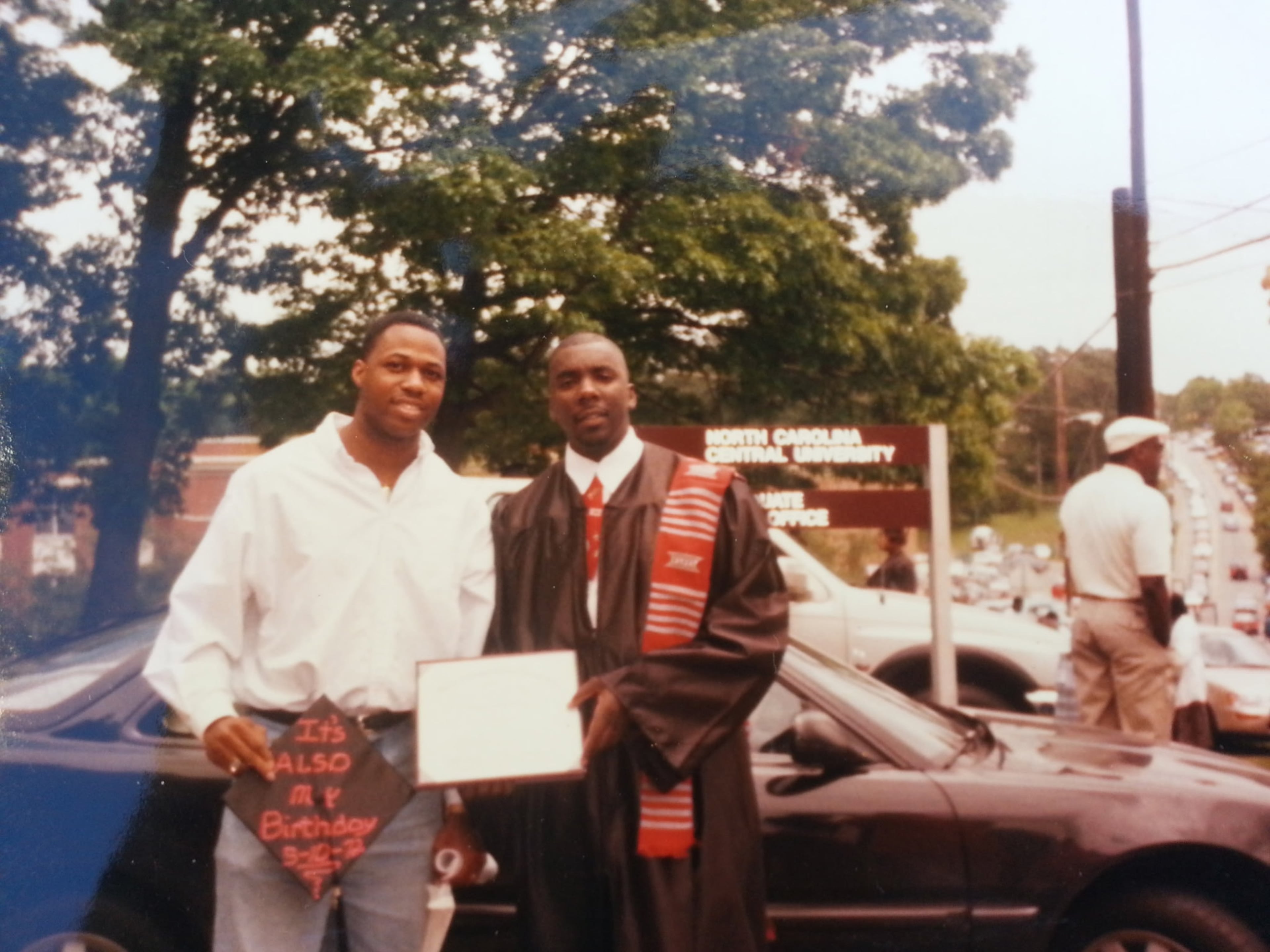
Bailey calls the show, which is still in heavy syndication, one of several catalysts, alongside hip-hop. From his current position, he sees the show as sustained national marketing that gave students “a snapshot of what it could be, what the possibilities are” before an admissions officer ever reached them.
Great Expectations
“A Different World” arrived as Black college participation was already expanding. Between 1988 and 1990, minority enrollment across higher education rose about 10%, compared with 5.1% overall, and Black enrollment grew at both HBCUs and predominantly white institutions, according to an American Council on Education report.
More students were finishing high school, and the children of those who benefited from civil rights advances were reaching college age.
At the same time, disappearing manufacturing jobs and a growing earnings advantage for degree-holders made college more urgent. The 1990-91 recession may have sustained the increase near the end of the show’s run, though it cannot explain growth that began earlier.
Women accounted for most of the long-term increase.
From 1976 to 1994, women’s HBCU enrollment rose about 41%, compared with 9% among men, according to the National Center for Education Statistics.
Shunna Crockett was among them.
Crockett entered NCCU in 1993, left after becoming pregnant and worked three jobs before returning in 1996.
“I was determined that I was not going to be a statistic,” she said. She sometimes brought her daughter to class, and professors still remember the child as “the campus baby.”
A world alike
“A Different World” did not exert its influence in isolation.
The series was part of a wave of Black film, television, music and political expression.
“The Cosby Show” treated college as a family tradition. “School Daze” offered a grittier portrait of Black campus life; and hip-hop, Afrocentric fashion and images of Black fraternities, sororities and marching bands carried cultural pride into the mainstream.
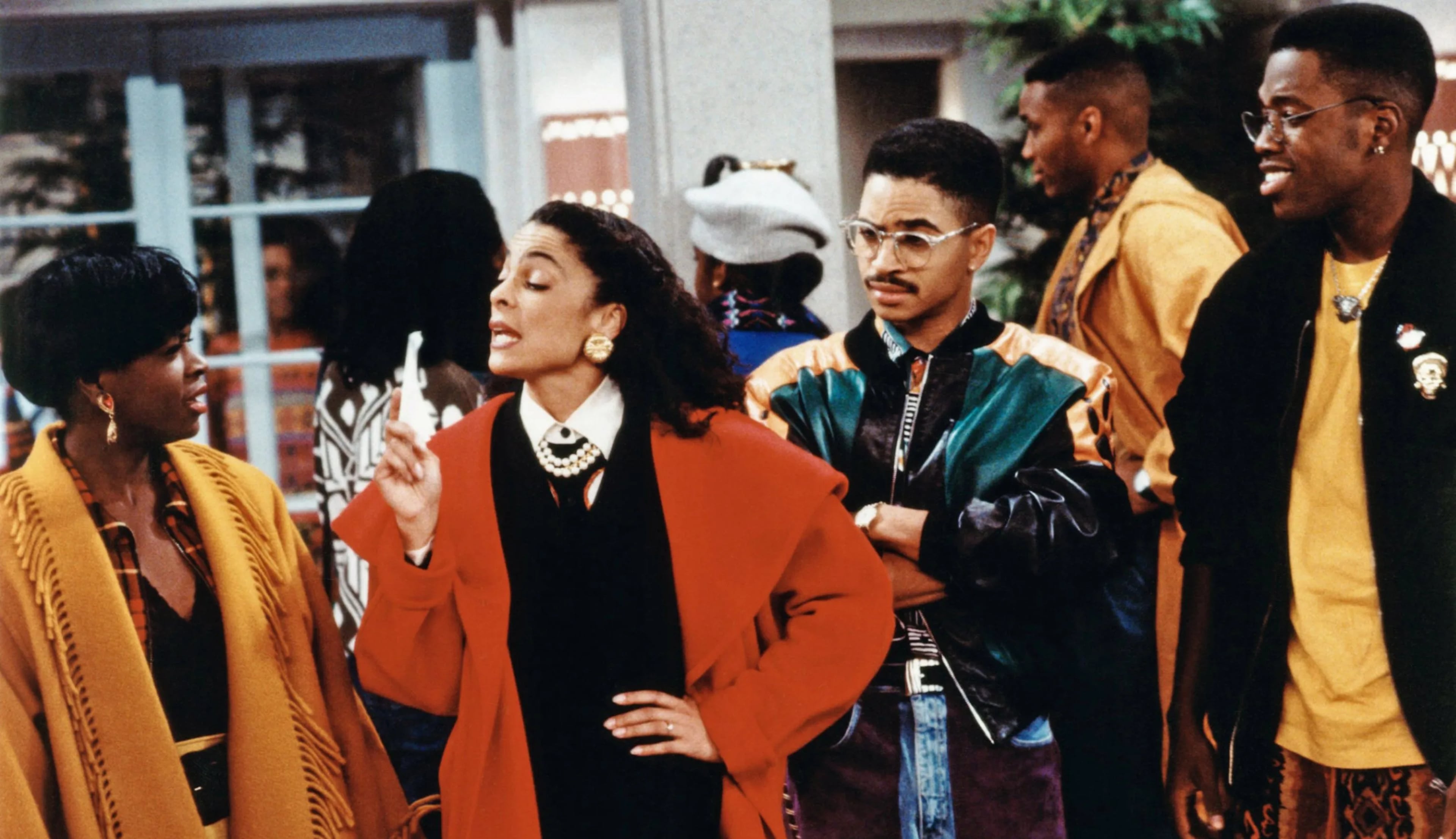
What distinguished “A Different World” was its weekly return to Hillman, where viewers saw Black students, faculty and alumni navigate campus life and national issues like racism, class, relationships, sexual assault, police violence, war and HIV/AIDS.
Crockett already knew HBCUs through family and childhood visits to homecomings at Johnson C. Smith University in Charlotte. The show affirmed rather than introduced that world.
“I would see something on TV and think, ‘That looks exactly like what I see whenever I go onto (campus),’” she said.
Patrick L. Riley knew HBCU culture through an older sister at Clark College, but “A Different World” and “School Daze” made the aspiration vivid.
“The idea of an HBCU became Technicolor for me,” said Riley, who entered Morehouse College in 1988.
At Morehouse, Riley joined the Glee Club and performed with the King Players. For him, Hillman also became personal.
One of his professors was the Rev. William Vincent Guy, a religion and philosophy instructor at Morehouse and the father of Jasmine Guy, who played Whitley Gilbert, the central character in the original show.
During his senior year, he met Jasmine Guy and the two have remained in touch.
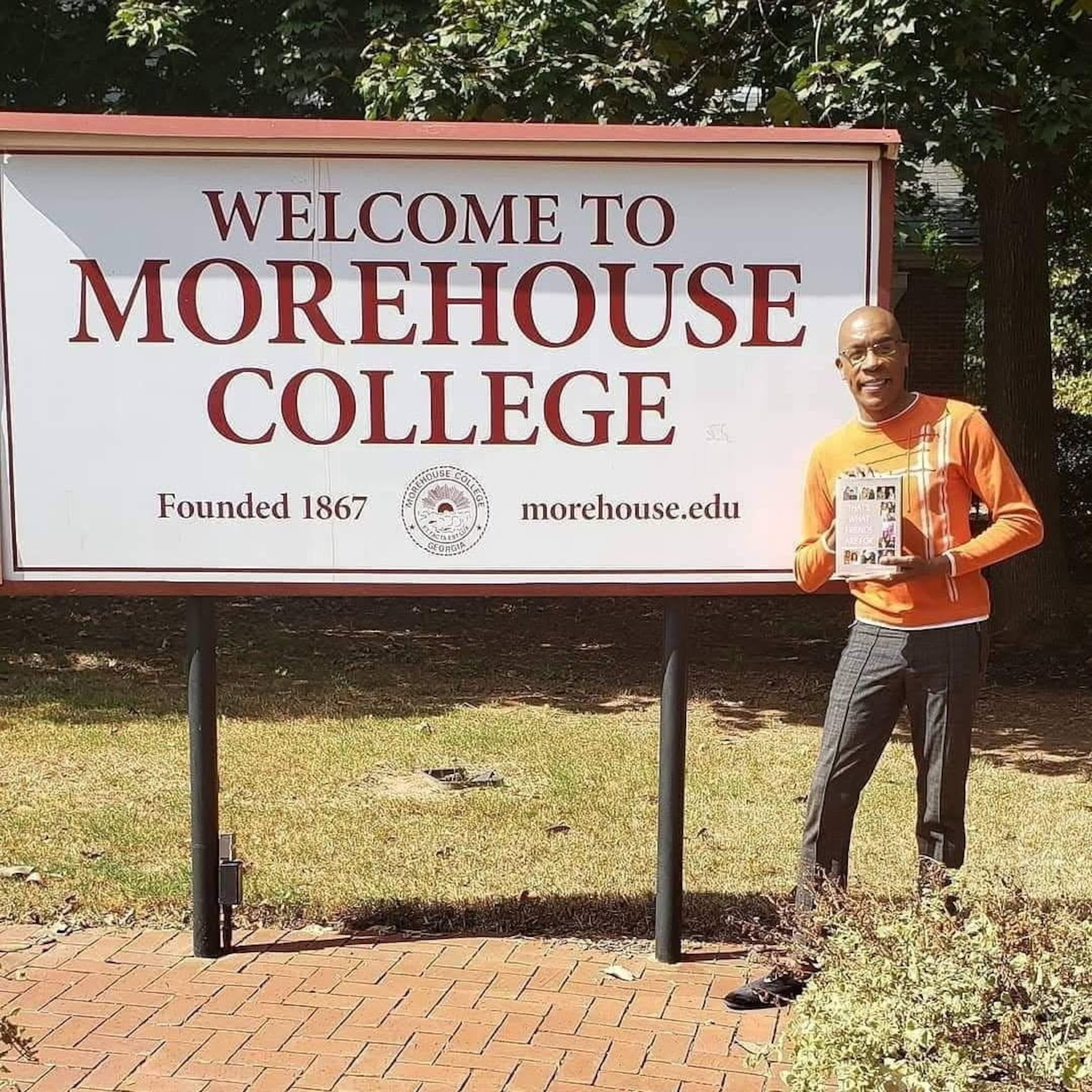
“Morehouse delivered me exactly what I wanted or what I saw from ‘A Different World,’” said Riley, who later spent 20 years as a producer for “The Oprah Winfrey Show” and now works as an independent producer, media personality and writer in the New York City area.
There’s no place like home
Greater college participation does not fully explain why some students chose HBCUs.
Amid highly publicized racism on predominantly white campuses, the 1991 Education Week report found that some students wanted a less threatening racial environment and more opportunities to study Black culture and history.
HBCUs placed Black faculty, traditions and organizations at the center of campus life. Hillman gave that alternative a face.
When Crockett returned to NCCU, the university provided childcare options, family activities and other support for single mothers.
“I had resources I never knew were available,” she said.
Crockett ultimately left NCCU and earned her degree at UNC Charlotte in 2010, but her connection to the school endured.
Her son Grayson transferred there after starting college elsewhere on a football scholarship. When he called to say, “I think Central is home,” Crockett shouted, cried and screamed. He is scheduled to graduate in May.
Crockett still feels that pull when she sees the NCCU sign from the highway.
“I get a little flutter in my heart because it’s like I’m home,” she said.
Television offered a glimpse of that campus culture. The institutions still had to create and sustain it.
The cash isn’t always greener
HBCUs worked to convert attention into enrollment through school visits, alumni networks and academic programs. They also expanded their capacity through public investment.
In 1986, Congress added a program to Title III of the Higher Education Act that provided HBCUs with grants to strengthen their facilities, academic programs and financial management. Inflation-adjusted federal funding to HBCUs rose nearly 31% between the 1987–88 and 1993–94 academic years, according to the National Center for Education Statistics.
That funding offers firmer evidence of how HBCUs accommodated more students.
No national evidence ties the series to increases in government funding, alumni giving, corporate donations or endowments.
HBCUs also competed with predominantly white institutions recruiting Black students, while white students accounted for some of the enrollment increase at historically Black institutions.
The series could attract attention. Its impact depended on recruitment, funding and what students found after arriving.
To be continued
Nearly four decades later, the strongest evidence of the show’s impact remains in personal histories. Whether the sequel can achieve similar reach is uncertain.
Kimbrough says the reboot is arriving during an “HBCU excitement, engagement and investment era,” marked by philanthropy, renewed prominence in popular culture and recent enrollment increases.
Backlash against diversity, equity and inclusion may also lead some Black families to seek campuses where students feel celebrated, embraced and safe, he said.
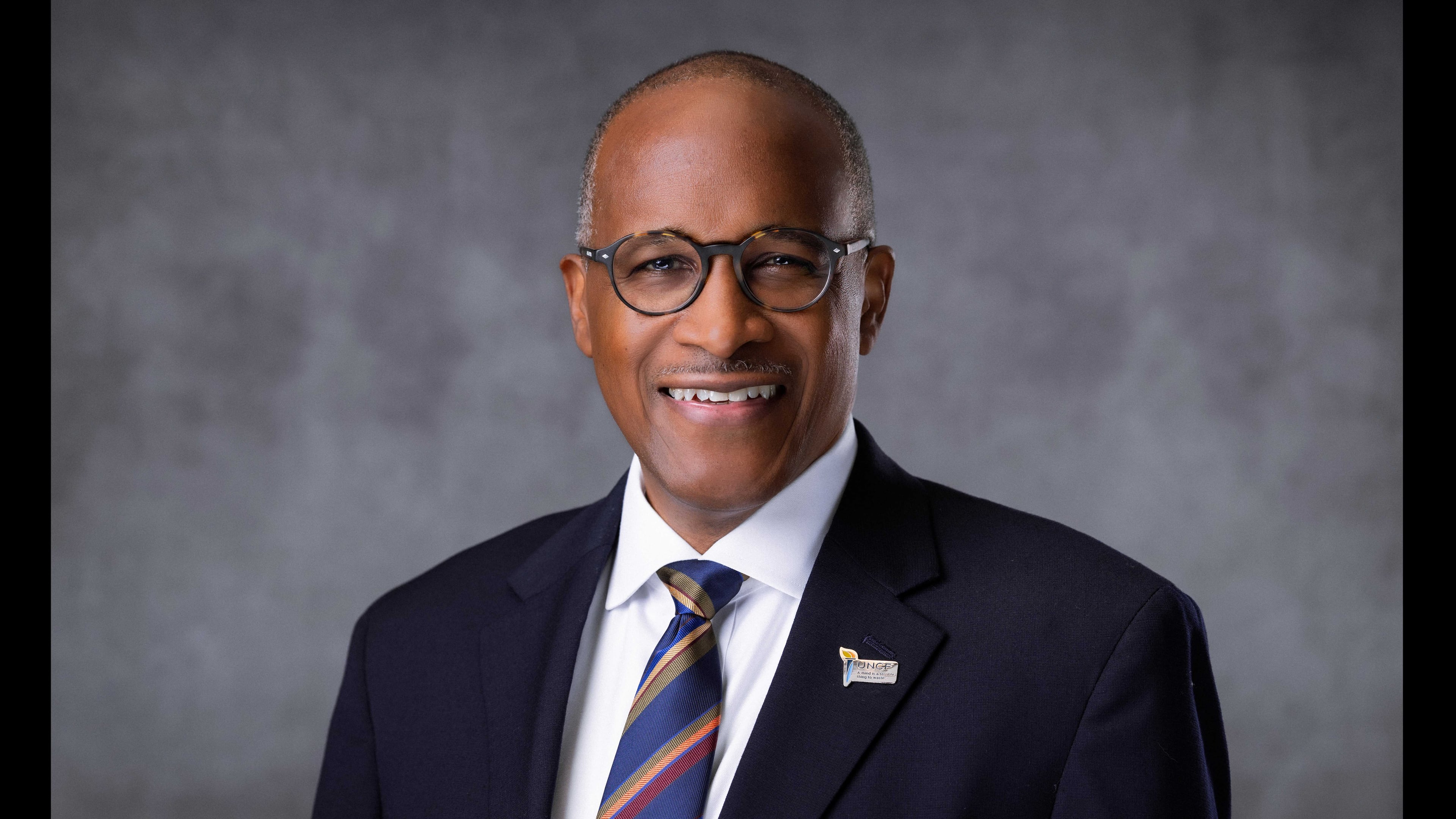
“All these factors create this perfect storm for HBCU growth,” Kimbrough said. “And the ‘A Different World’ sequel is a perfect part of that.”
Bailey doubts any program can command the concentrated audience the original reached in an era of fragmented streaming and social media. But he sees potential, particularly if parents introduce the show to their children.
Bailey said North Carolina Central University now enrolls 10,124 students, a school record and nearly twice its 1987 enrollment of 5,088, when “A Different World” premiered.

Bailey credits the social climate and the university’s own outreach, an “ecosystem” for telling HBCU stories to a new generation of students, as a modern version of what the original series did nationally.
That handoff is playing out in Egeston’s family.
Egeston said her son chose Tuskegee University in part because he wanted a campus where he would feel secure and supported.
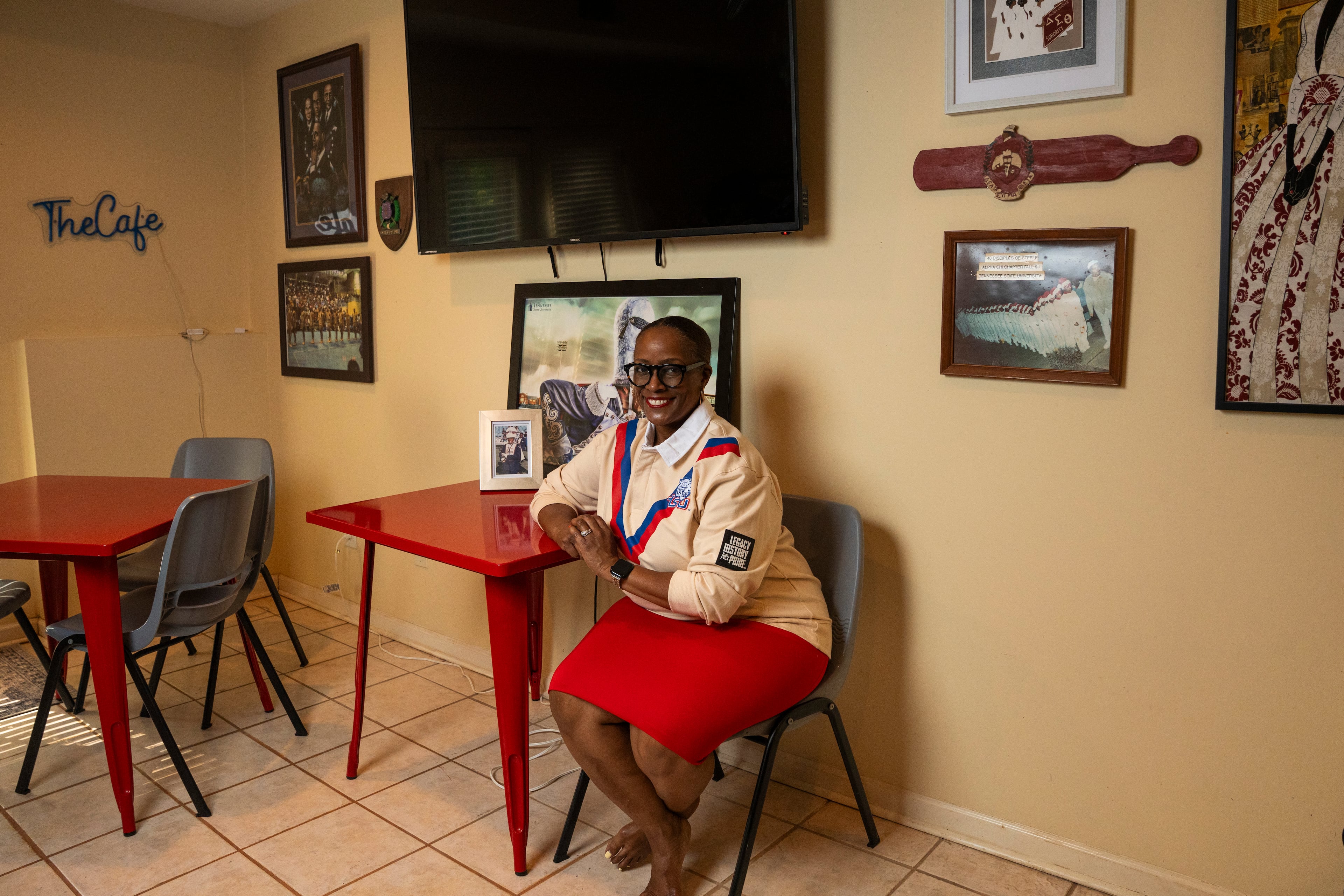
Hillman did not lead Egeston to an HBCU, but years later, it gave her language to explain the value of that kind of education to her son.
“A Different World” did not create the HBCU experience. It translated a convergence of rising Black college participation, changing family expectations and renewed cultural pride into one of television’s most popular half-hours.
The question may not be whether “A Different World” single-handedly drove Black students to college.
It may be whether Hillman helped a generation already headed toward college decide where it wanted to go.