
How navigating my predominantly white institution inspired the Black stories I tell
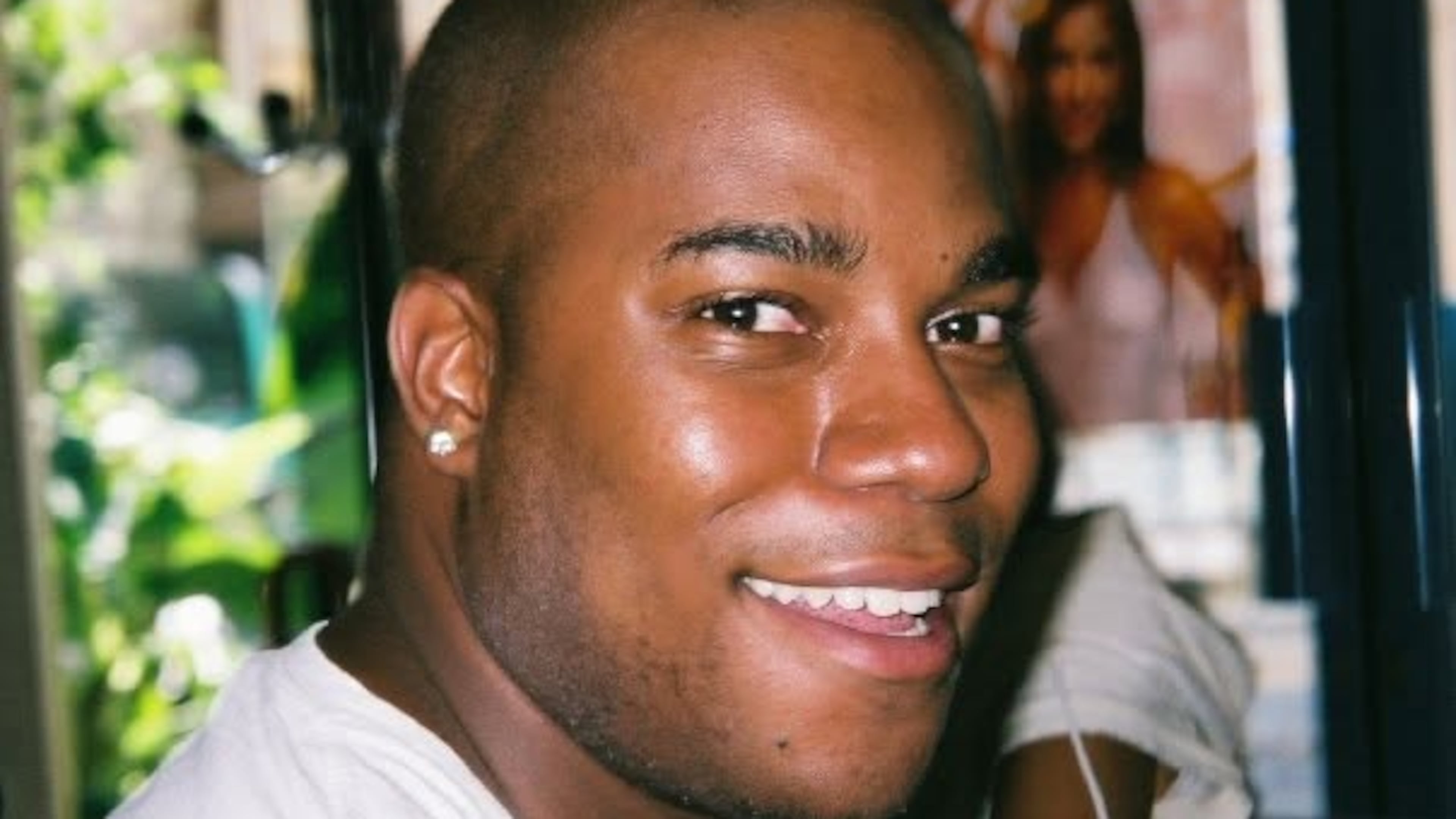
“We don’t have any Hennessy, Blackie.”
Looking back at me were the eyes of someone I thought was a friend.
There I stood: the Black kid from the South inside a crowded, mostly white bar in Syracuse, New York. It was my sophomore year at Syracuse University. Like many young, dumb coeds on a Saturday night, all I wanted was a drink.
All I saw was red. Not the white, Italian American bartender from New Jersey grinning at his own racist joke.
I leapt. I made it halfway over the counter, my hands reaching for his popped collar, before my best friend pulled me back.
My best friend’s girl and the bartender’s girlfriend — both white — were friends. They proceeded to fight, one spitting in the other’s face.
The bartender (that “friend”) and I never spoke again.
On campus, microaggressions and overt bigotry were nothing new.
I can’t forget the white Portuguese guy from Cumberland, Rhode Island, who lived on my hall freshman year. He’d get tipsy on Keystone Light and blurt out that Black guys only had luck with women on campus because we were “packing heat.”
It was moments like these when the realities of my decision to enroll at a predominantly white institution made me question the choice.
I had convinced myself that attending a PWI would prepare me for the “real world.”
If I go to a school with one singular demographic, would that not be limiting? My friends and family with HBCU roots insisted I was wrong.
They were worried for me.
I wasn’t looking for my own Hillman College. I thought I needed something different.
As a kid what you fail to realize is that said real world is rife with experiences and interactions that exacerbate your sense of otherness.
Eventually, you grow up. You learn that going where you’re celebrated, comforted and can build community is paramount.
I figured that out in Syracuse. Strangely enough, it was at this PWI where I found my people and a passion for telling Black stories.
How did I get here?
I’d always pictured myself following in my father’s footsteps, trekking over the Mason-Dixon Line into a storied northern institution.
My parents told me to stay home, get the HOPE Scholarship.
Mama attended Tennessee State University before graduating from Bethune-Cookman University.
Pops got his Ivy League degree from Columbia University and was a founding member of the Omicron chapter of Omega Psi Phi. It was the first Black fraternity chapter ever chartered at Columbia.
I remember my late Uncle Buck — who got his bachelor’s degree from HBCU Delaware State University — telling me that if I had to leave Georgia, find a place with a “quad, greenery, tradition.”
In other words, find the opposite of your small Atlanta private high school experience where you were one of six Black kids in a senior graduating class of just over 80 students.
You could say I did, and didn’t take Unc’s advice. Syracuse was certainly bigger than my high school, but not necessarily Blacker. It was also private.
I arrived on campus in fall of 2002, along with nearly 3,000 other freshmen. All of us were just kids barely a year removed from the Sept. 11 terrorist attacks.

After flirting with the idea of transferring three weeks into my freshman year, I started to meet the people who would become my chosen family.
Over time, our eclectic group of brothers took shape.
Alfonso, the Wu-Tang Clan-obsessed Dominican from Washington Heights; Josh from Western Massachusetts with Irish and French roots; Bryan, my fellow ATLien, a year younger than the rest of us; Nevin, the engineering major from Rochester; Kieran, an Irish kid from New York’s Upper East Side; Lorenz, a German advertising major and rugby player from Denver; Mike, a Syracuse local and our voice of reason; and Ken, also a Syracuse local, my best friend, the son of a Puerto Rican mother and Black father.
With the exception of Bryan and Alfonso, we all lived in an old frat house together.
‘Talented Tenth’
On campus, I was busy with class and work.
I majored in English and worked at The Daily Orange, Syracuse’s independent student newspaper, where I was the only Black full-time editor. Still, the newsroom was my happy place.
Even then, I gravitated toward Black stories. I wrote about everything from Kanye West performing at the Carrier Dome to a campus visit from Sekou Nkrumah, the youngest son of Ghana’s first president, Kwame Nkrumah.
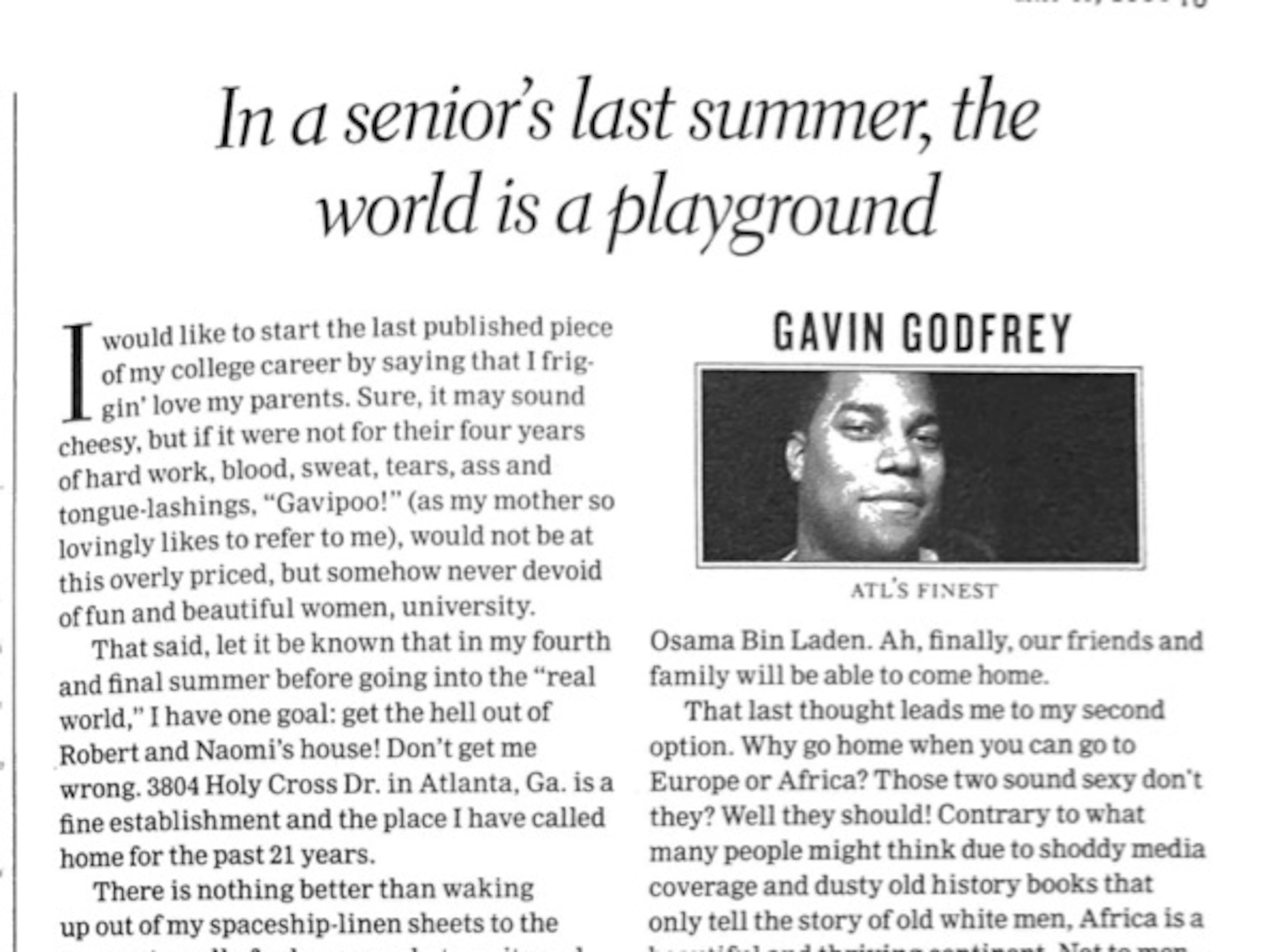
I was selected to join other Black male scholars in a group dubbed the school’s “Talented Tenth” in honor of W.E.B. Du Bois. We’d meet in the library to discuss ways to “network” and “build” as Black folks long before influencers made them buzzwords.
Socially, I was recruited by Omega Psi Phi because of my dad. There was also the historically Latino frat, Phi Iota Alpha by way of Alfonso who became a member. Josh and I even received overtures from the mostly Jewish Zeta Beta Tau.
I turned them all down.
Instead, we jokingly created “Beta Beta Rho,” aka “the Boom Boom Room” named for our house.
It had seven bedrooms. Rent was $250 a month. The space was owned by Syracuse and NBA Hall of Famer Dolph Schayes.
The French connection
The summer before my senior year was a turning point.
In my African American studies courses, I learned how folks such as Josephine Baker, Langston Hughes, James Baldwin and Richard Wright lived in Paris. They spoke about the French showing an appreciation for Black brilliance not found at home.
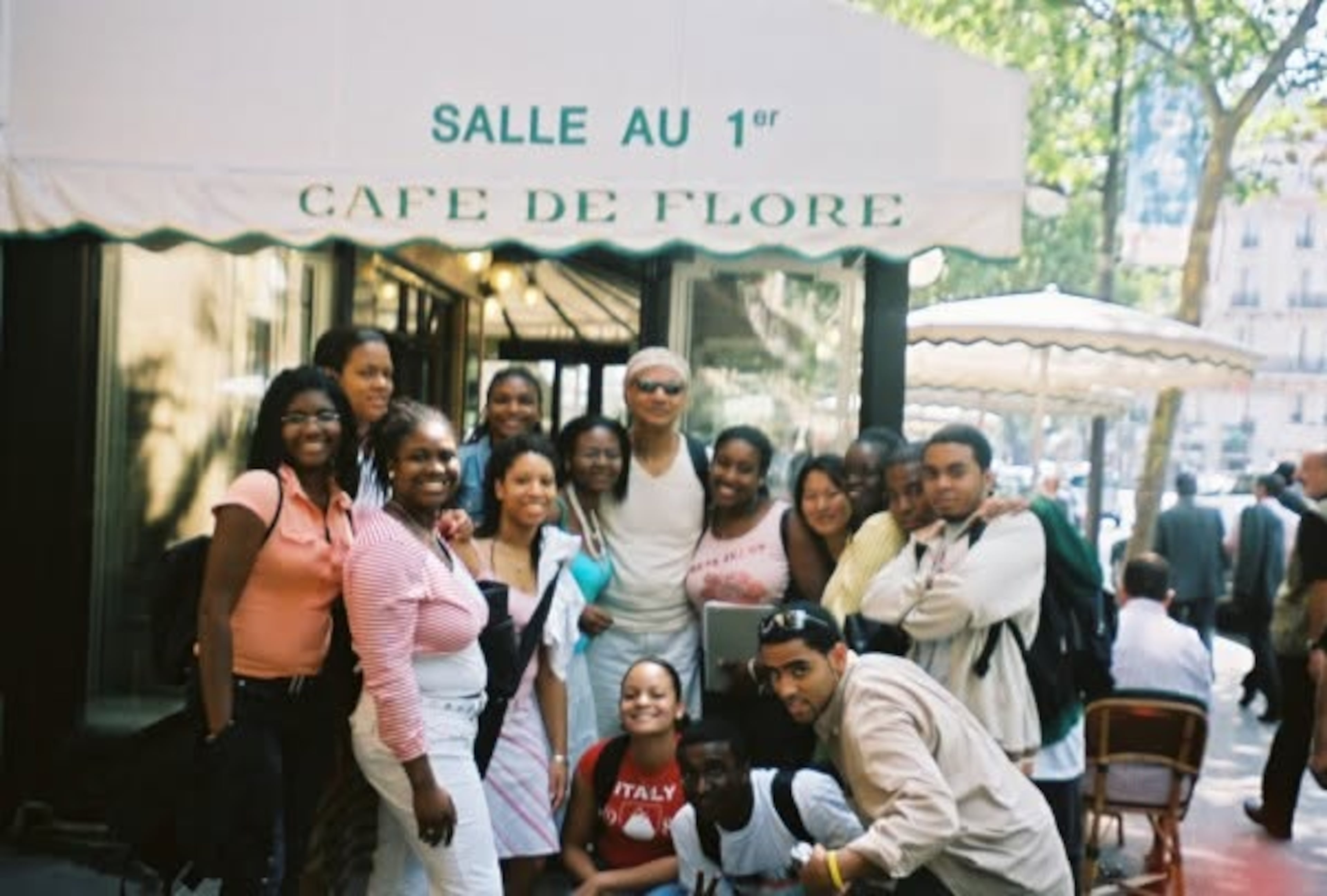
Along with 13 students from across the country, I took part in a study abroad program called Paris Noir. It was led by Syracuse University African American studies professor Janis Mayes, a Fisk University alumna. We studied how culture shaped by Black folks in America and across the Diaspora influenced “the City of Light.”
Our classes were held at Café de Flore, a favorite of Baldwin and Wright. We ran into the late Ed Bradley from “60 Minutes” there. We met Black poets, musicians, painters, chefs. I fell for a French girl whose parents had immigrated to France from Ethiopia.
In addition to studying Black culture, we were required to do an independent study. After two months, we’d present our findings to the group.
My research essay centered on how journalism documented rap’s rise in Paris, which coincided with France being the world’s second-largest hip-hop market.
I connected with local journalists from French-based magazines, “Groove” and “Rap U.S.” to hear from voices who were there. “Groove” was in French and diverse in its coverage of homegrown and American musicians. “Rap U.S.” was in English and fully dedicated to American rappers.
After my presentation, when Professor Mayes said that my approach to exploring Black music’s influence in France was “thoroughly journalistic,” it was validation.
Whatever happened when I got back to the States and finished school, I knew telling Black stories — past, present, future — would follow me.
And it did.
I’m still researching, reporting and writing about people who look like me. My aforementioned brothers — we’re still family.
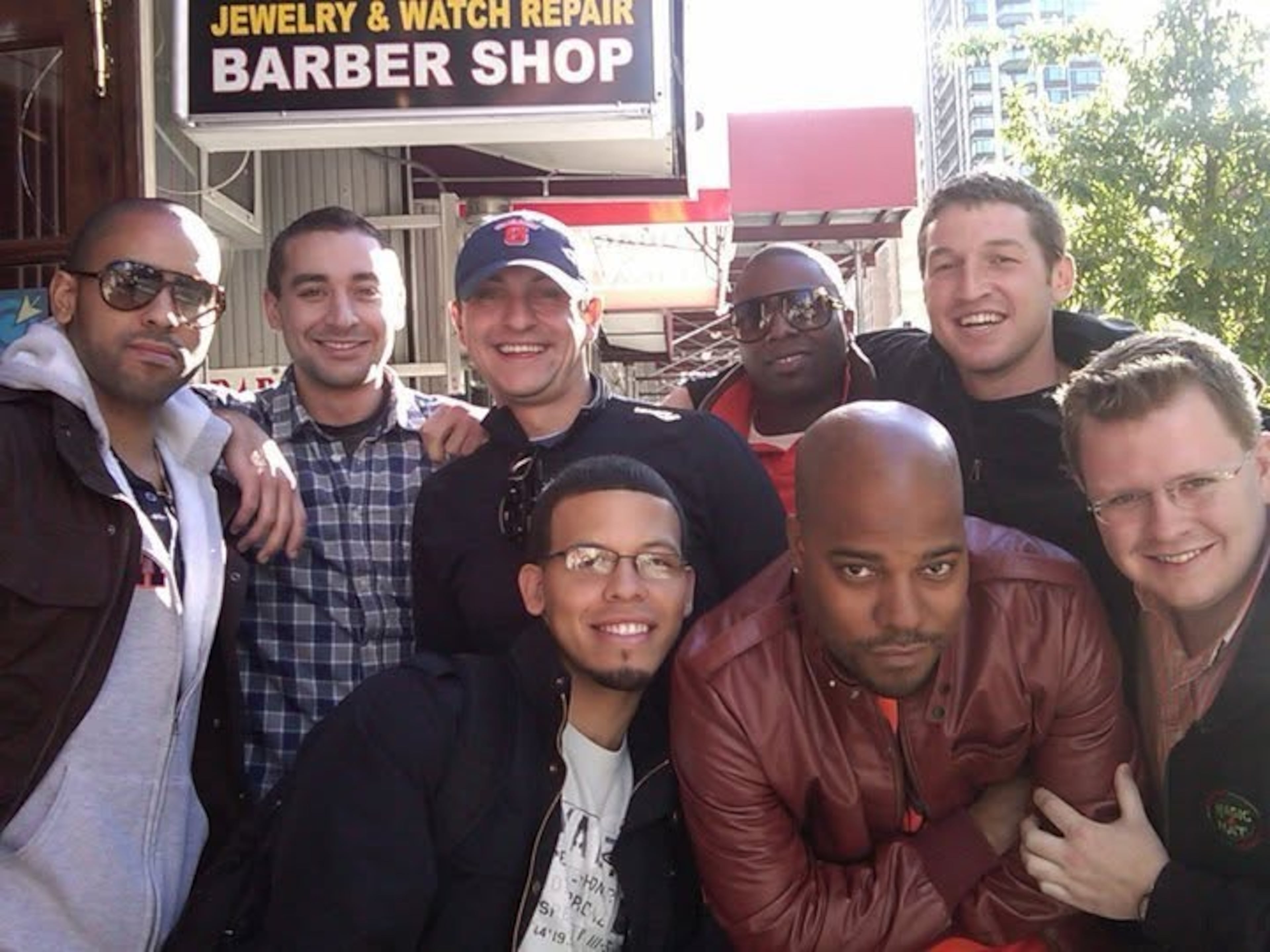
I’m thankful Syracuse gave me space to find my tribe and myself.
It felt like a different world, but eventually I found home.