
Atlanta HBCU students take to the streets demanding justice for Nolan Wells
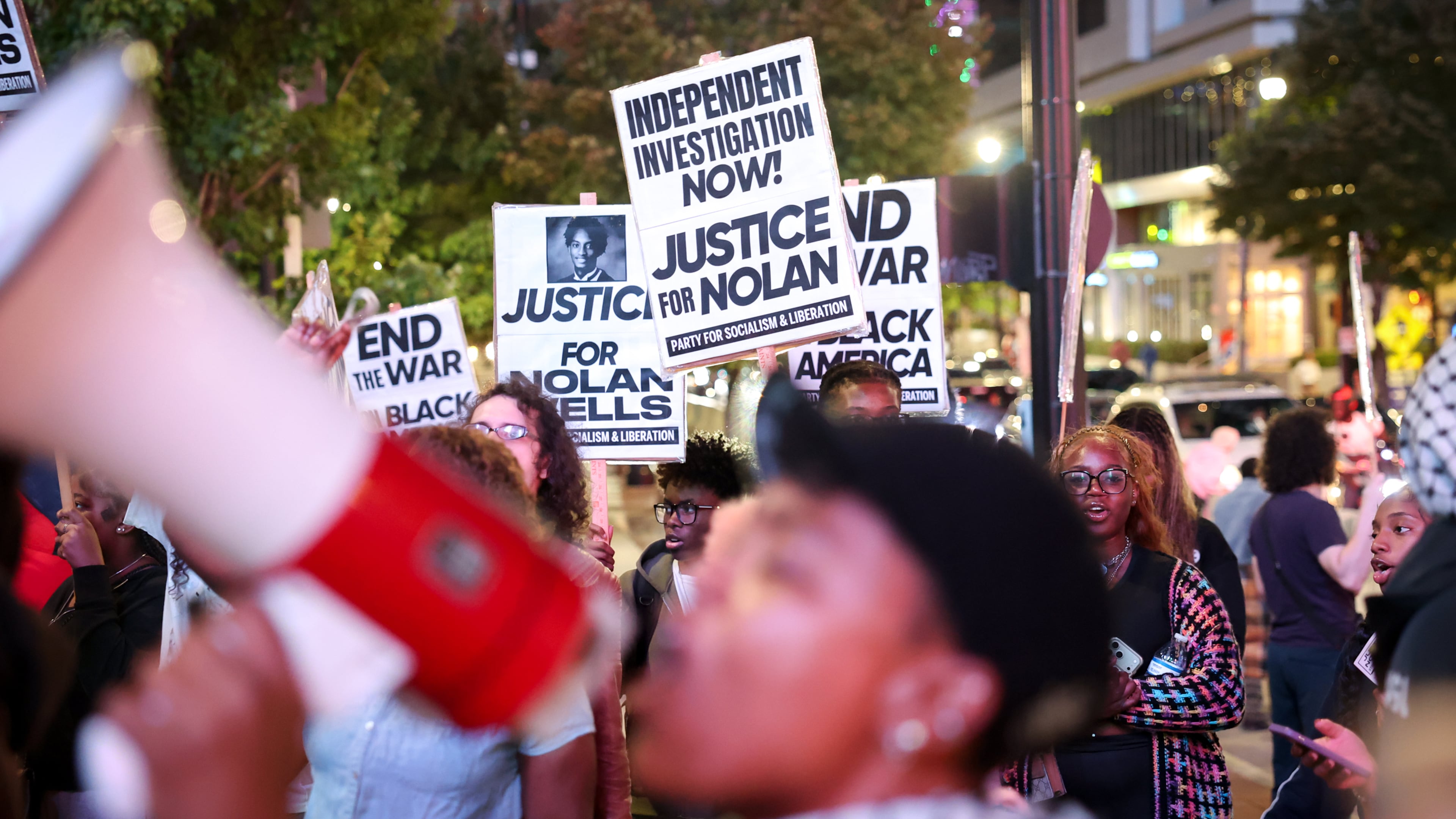

About 100 protesters gathered near Centennial Olympic Park Tuesday night, chanting the name of Nolan Wells, a Black teenager whose death during a Fourth of July weekend trip with friends in Mississippi has drawn national attention.
Demonstrators filled the sidewalk along Marietta Street, demanding that authorities reopen the investigation into the 18-year-old’s death.
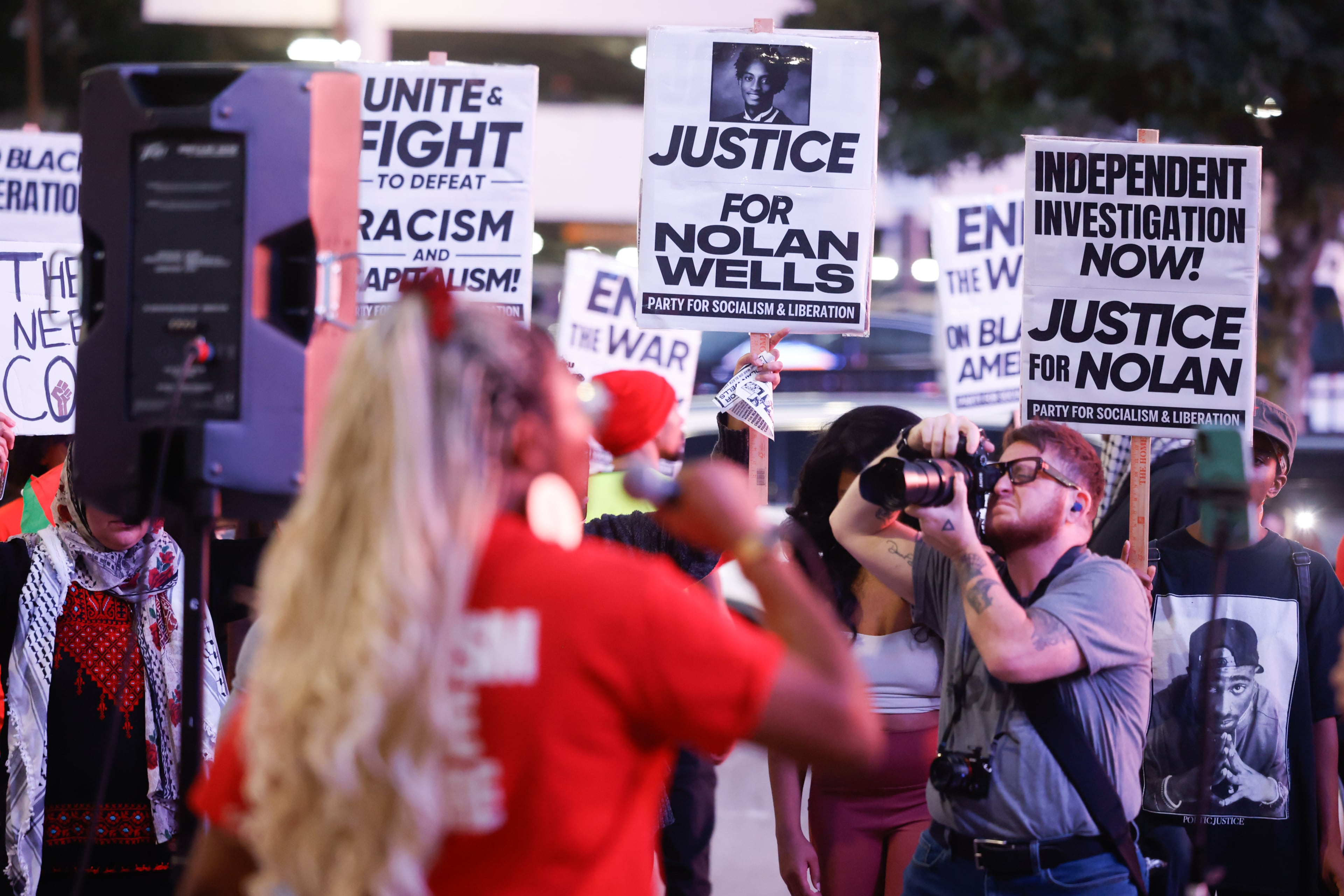
Atlanta college students were at the forefront of the protest, carrying signs and urging others to organize.
Meyunna Montgomery, a Clark Atlanta University sophomore who helped organize an earlier Atlanta University Center solidarity march for Wells, called for accountability in Wells’ case and in the deaths of other Black boys and teenagers.
“We are here for the injustice of Nolan Xavier Wells,” Montgomery said. “Black boys deserve the opportunity to grow up, to become fathers, to become artists, to become leaders, to become entrepreneurs and everything else they decide to dream.”
A legacy of student activism
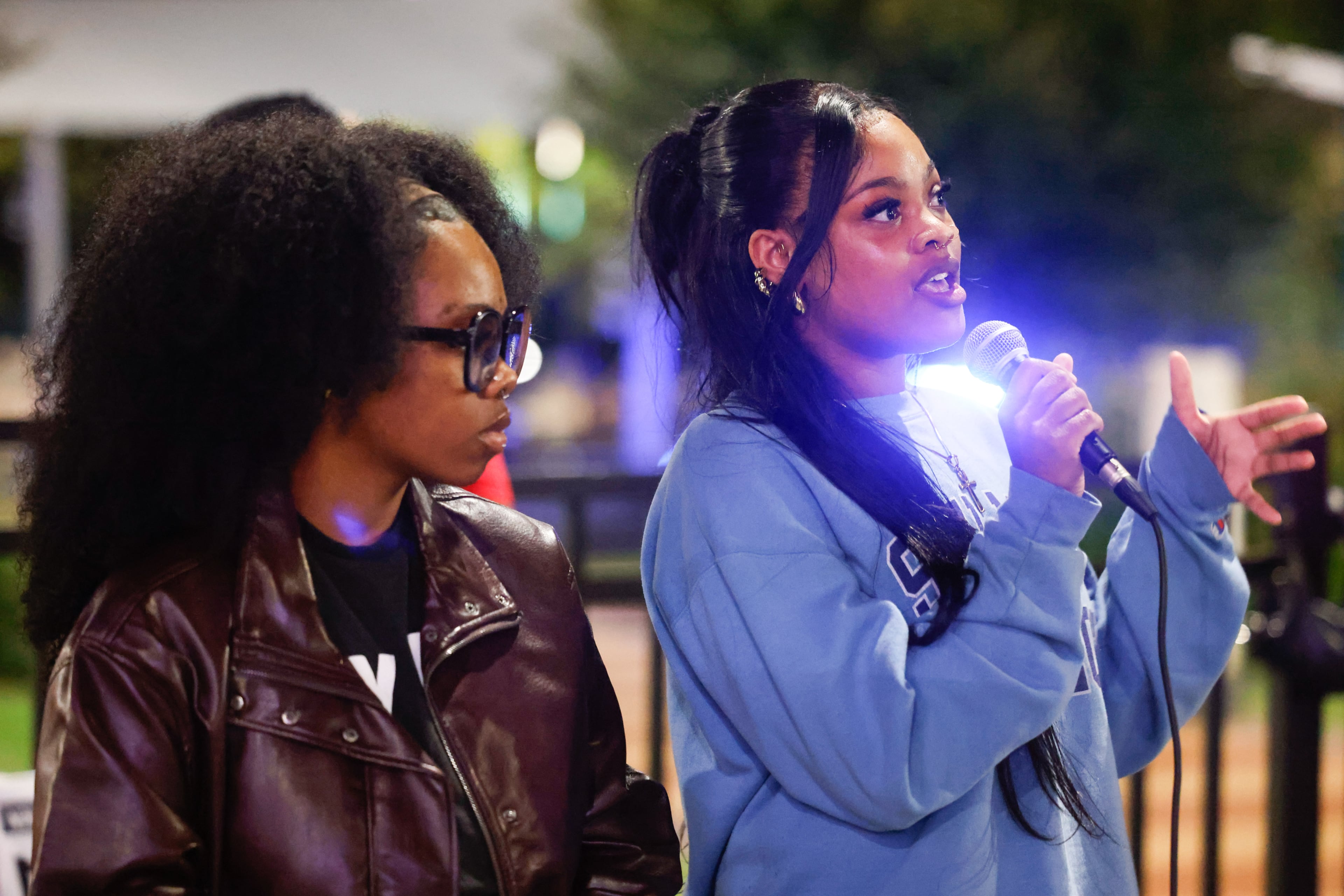
Beside Montgomery, Spelman College junior A’Nija Hughley told the crowd that HBCU students have inherited a responsibility to continue the fight for racial equality.
“We are legacies at my school,” said Hughley, president of Spelman’s NAACP chapter. “We’re legacies of freedom fighters. We’re legacies of those who organized the civil rights movement.
“So, it is my duty as a student at Spelman College to come out here and continue to organize for liberation.”
Clark Atlanta University student Quincy Butler also connected the protest to his own experiences.
“Growing up Black in rural America, I understand how discernment and who you engage with can be a matter of life or death,” said Butler, a member of the Atlanta University Center’s Young Democratic Socialists of America.
Butler described feeling pressure to assimilate into white society to feel safe, an experience he called “mental colonization.”
Around the crowd, funk music vibrated from speakers as drummers beat along to chants of “Justice for Nolan Wells.”
“We will not allow this attack on Nolan Wells and Black Americans to go unanswered,” said Genny Kennedy, a member of the Party for Socialism and Liberation who served as the emcee for the protest.
Across the street, another Tuesday night in downtown Atlanta carried on.
Music fans dressed in black streamed toward State Farm Arena for a Charli xcx concert. Some shouted their support for the protesters as they passed, while cars moving through the intersection honked in support.
Questions surrounding Wells’ death
Wells was last seen by his family on July 3, before leaving for a Fourth of July trip with friends to Horn Island, off the Mississippi coast. His body was found three days later.
Mississippi authorities concluded that Wells drowned and said they found no evidence of foul play. But his family has questioned that finding and sought an independent autopsy, which was inconclusive about cause of death.
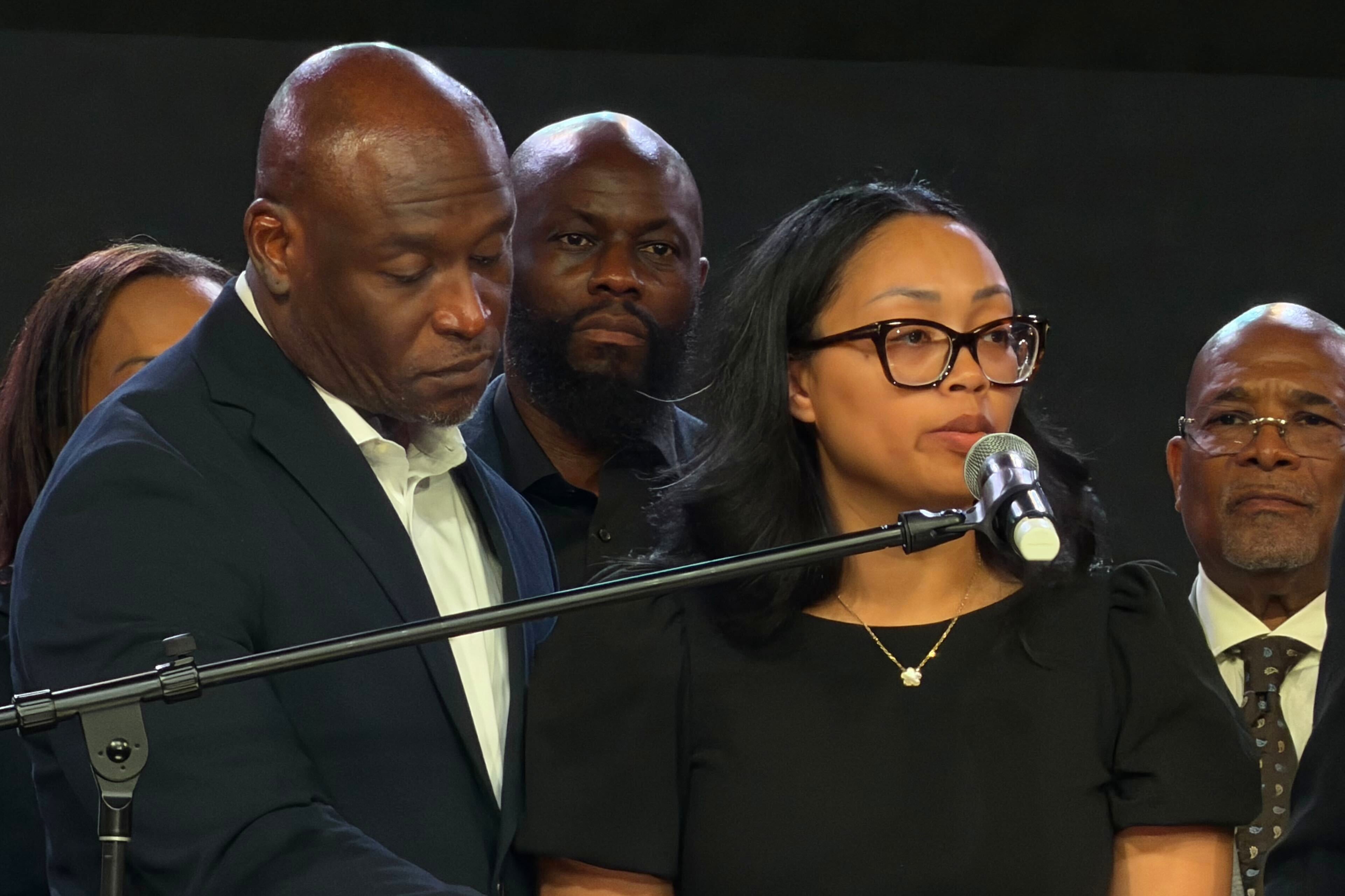
On Monday, Wells’ family called for a federal investigation after a Mississippi grand jury declined to indict anyone in connection with his death.
The case has since drawn national attention. Civil rights attorney Ben Crump represents the Wells family, and the Rev. Al Sharpton has joined the family’s calls for further investigation.
Filmmaker Tyler Perry has offered a reward for information about Wells’ death and covered his funeral expenses. Former NFL quarterback and activist Colin Kaepernick and media entrepreneur Byron Allen have also made donations.
‘We can’t see these issues as singular’
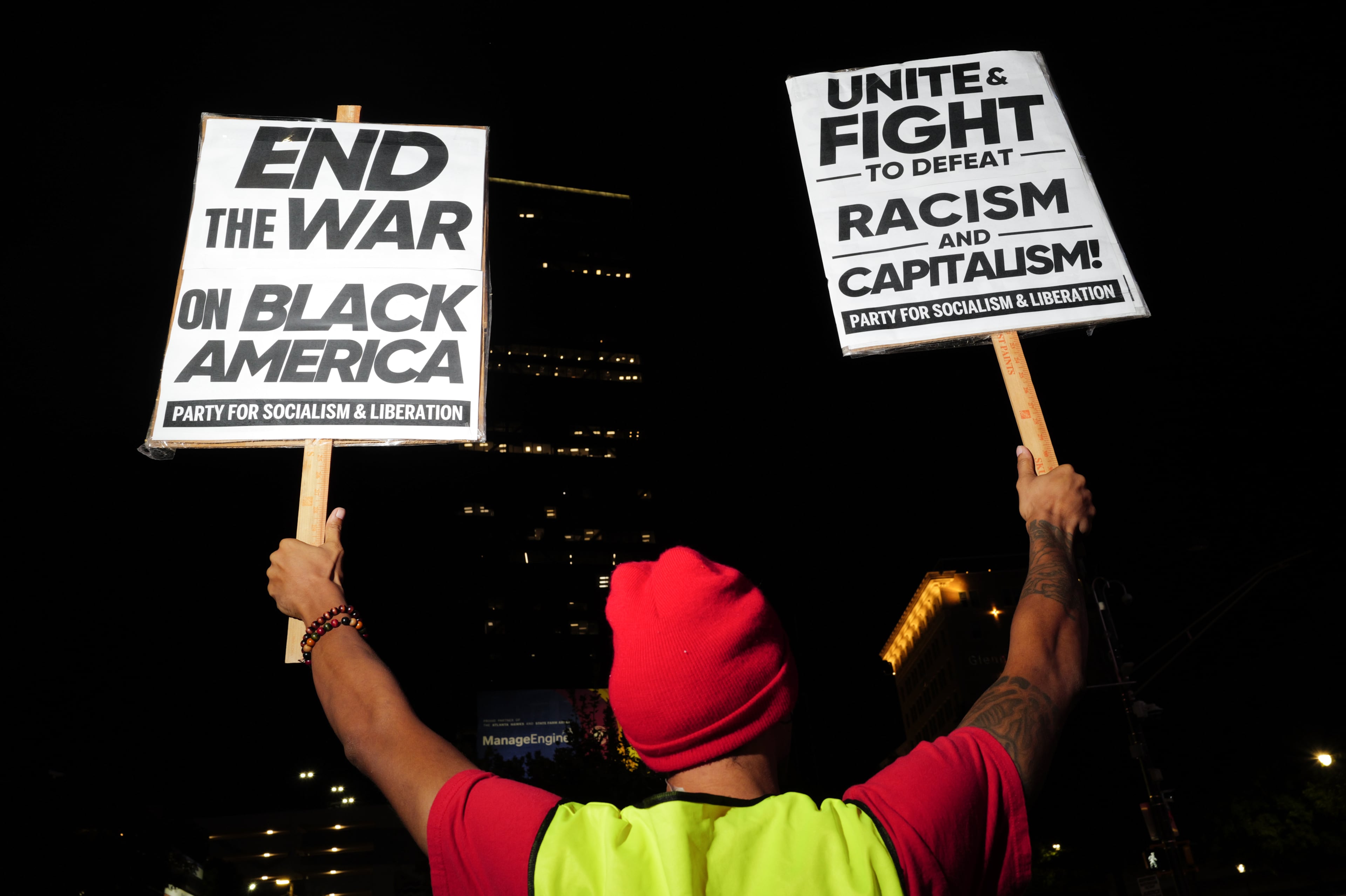
For some protesters, the questions surrounding Wells’ death were part of a larger concern about racial injustice and violence against Black Americans.
Ngaya Swai, a member of the Party for Socialism and Liberation, said he views the Wells case as part of a broader system of racial oppression throughout the country.
“Racism is not just about these individual cases of bad apples, but it’s about this entire system that props them up and maintains it,” he said. “We can’t see these issues as singular, but as one whole.”
Swai invoked the 1955 murder of 14-year-old Emmett Till, arguing that Wells’ death should be viewed within a longer history of racial violence.
“We’ve got to be learning from those lessons in history,” Swai said.
Kennesaw State University senior Stephan Sellers said demanding justice for Wells also means demanding justice for other victims of racial violence.
For Sellers, the case felt personal, as he could identify with him.
“Nolan Wells was just a student who was going out with his friends, who didn’t realize that perhaps something like this could have happened to him,” Sellers said. “He trusted his friends, and his family trusted the state with his investigation. Both of them were failed.”