
Nearly 10,000 pages of records released in unsolved Moore’s Ford lynchings
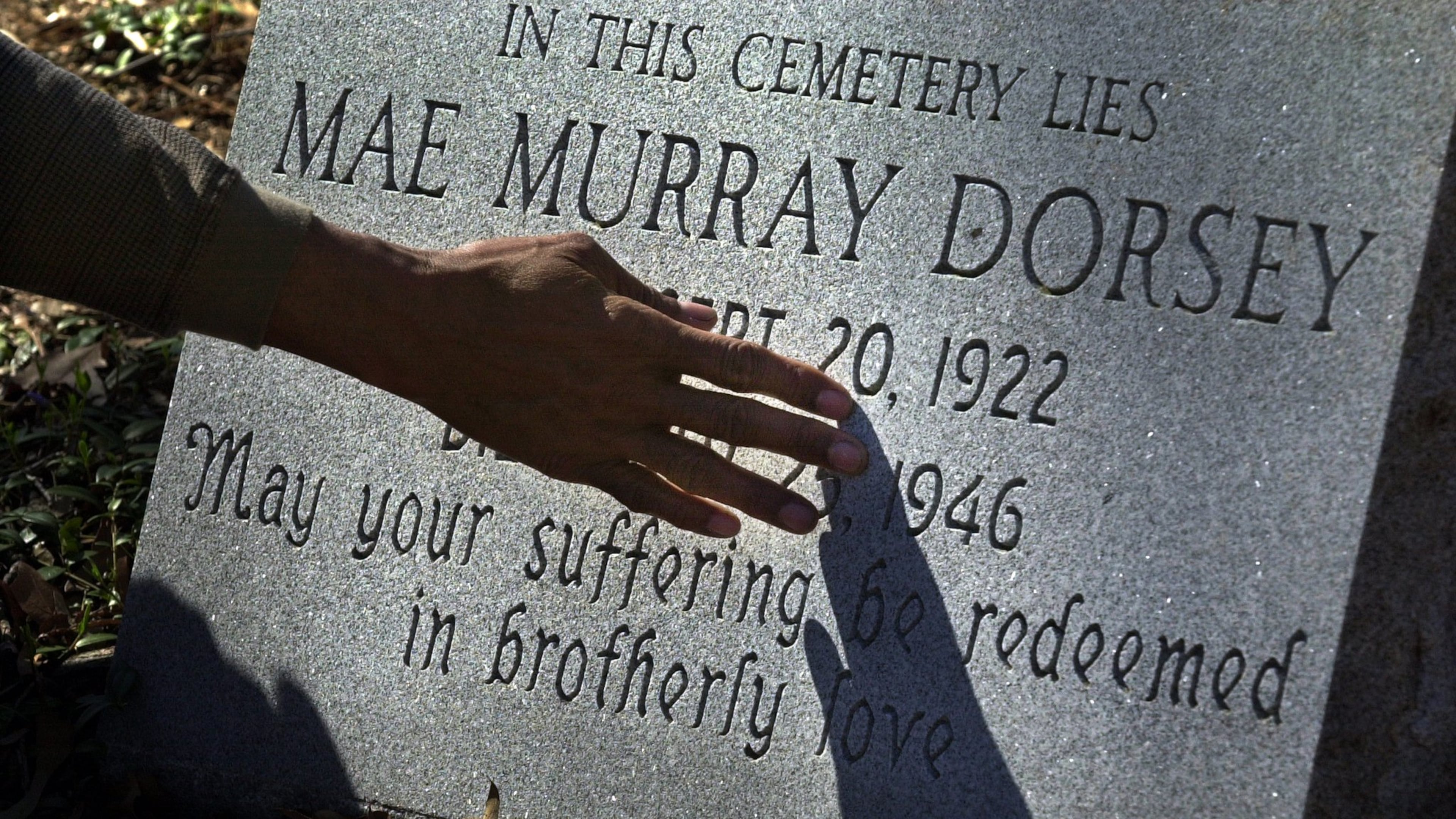

Nearly 80 years after a white mob killed two Black couples along a rural Georgia road, a federal board has authorized the release of nearly 10,000 pages of records concerning the unsolved Moore’s Ford lynchings.
The records include FBI investigative files identifying 58 people considered among the “most likely suspects” in the July 25, 1946 killings of George and Mae Murray Dorsey, and Roger and Dorothy Malcom near Moore’s Ford Bridge in Walton County, about an hour east of Atlanta.
Among the newly released records is a video recording of a December 1998 FBI interview with a Black witness, Roy Jackson, a teenager at the time, who witnessed the killings.

Despite decades of investigations, no one was ever prosecuted.
The Moore’s Ford documents are part of a larger release of 23,780 pages involving 10 cases of racially motivated violence, the largest single release authorized by the Civil Rights Cold Case Records Review Board.
For former Georgia state Rep. Tyrone Brooks, the announcement marks another milestone in a case he has pursued since 1968, when he was a 22-year-old civil rights worker assigned to Monroe by the Southern Christian Leadership Conference.
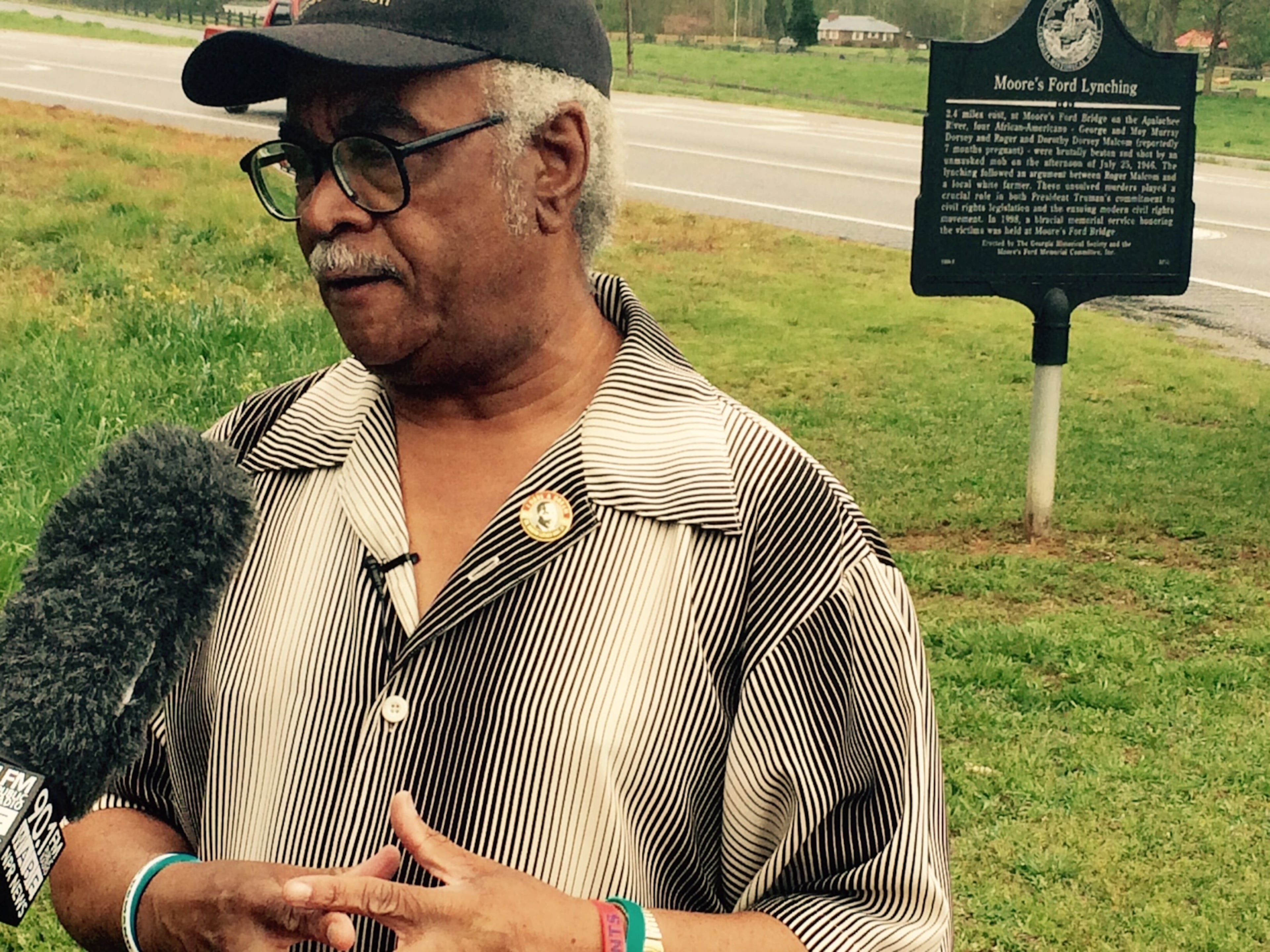
The assignment came on March 23, 1968, 22 years after the lynching and just 12 days before the assassination of the Rev. Martin Luther King Jr.
Brooks said King had instructed SCLC official Hosea Williams to send workers to Monroe.
“I didn’t ask for the assignment,” Brooks said Wednesday. “I didn’t want the assignment.”
The release comes as the board faces a Jan. 8. deadline to cease operations unless Congress extends its authority through 2031. The Senate has approved the extension, but the measure awaits a House vote.
“Case by case, these records fill in gaps in the historical record and answer questions that have lingered in victims’ families for generations,” said Gabrielle M. Dudley, the board’s co-chair. “Unfortunately, if Congress does not extend our work, hundreds of other cases we’ve identified will likely remain inaccessible to historians, journalists and — most tragically — to families of other victims.”
A crime that haunted Georgia
On July 11, 1946, Roger Malcom was arrested after allegedly stabbing a white farmer, Barnette Hester, during a fight.
Two weeks later, on July 25, Malcom and his wife, Dorothy, were traveling with George and Mae Murray Dorsey and Loy Harrison, a white farmer who had arranged Malcom’s release from jail on a $600 bond.
On their way back to Harrison’s farm, a mob of about 30 armed, unmasked white men stopped their vehicle near Moore’s Ford Bridge, between Monroe and Watkinsville.
The four Black passengers were forced from the car and shot repeatedly. Dorothy Malcom was pregnant. Historical accounts estimate that more than 60 shots were fired.
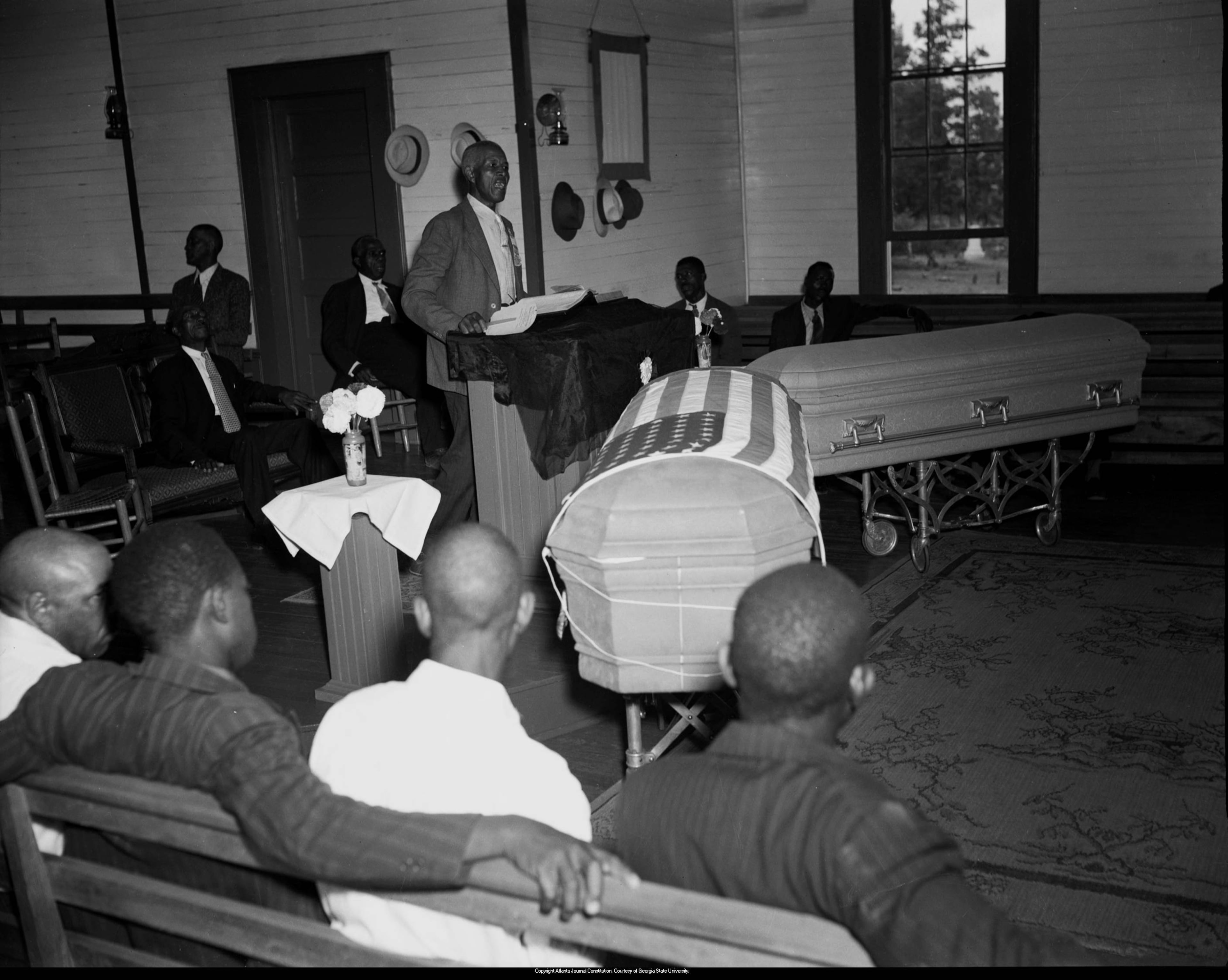
The killings, often described as the last mass lynching in American history, drew national condemnation and prompted an extensive federal investigation.
For Brooks, the case has always carried a deeply personal meaning. For years, he helped organize annual reenactments of the lynchings, bringing attention to a crime that had gone unpunished.
His father, Moses Brooks Jr., narrowly escaped a threatened lynching in Warrenton, Georgia, in 1946 after attempting to vote in the state’s all-white Democratic primary.
Brooks said he did not learn the full story until adulthood, when his mother told him how his father fled Georgia.
“When I connect the dots and I see that my daddy was almost a victim of lynching, just like … the Malcoms and Dorseys in Monroe … I said, my God, it could have been my daddy,” Brooks said.
Thousands of pages remain secret
The release does not include all of the federal government’s records on Moore’s Ford. The board is seeking additional documents from the Justice Department and FBI.
Across eight of the 10 cases included in the announcement, 3,748 pages are being withheld because they contain federal grand jury information.
The board has asked Attorney General Todd Blanche to petition federal courts to unseal grand jury materials in seven cases, including Moore’s Ford.
Those records have already been the subject of a yearslong legal fight. A federal judge in Georgia ordered the Moore’s Ford grand jury transcripts released, but the full 11th U.S. Circuit Court of Appeals overturned that decision. The Supreme Court declined to review the case.
Created under legislation signed by President Donald Trump in 2018, the board has authorized the release of records involving 76 civil rights cases dating from 1940 to 1979.
In 2025, the board released the full file of the July 23, 1962, police beating of Marion King in Camilla, Georgia.
King was pregnant at the time and lost her baby.
Neither the Justice Department nor the FBI ever charged anyone with the beating.
The board’s latest disclosures also include records concerning the 1942 lynching of Cleo Wright in Sikeston, Missouri, and the 1953 killing of Claude Otis Johnson, a Black tenant farmer in Benoit, Mississippi, who was shot during a dispute over an unpaid $37.50 bill.
A deadline for unfinished history
Legislation extending its work through 2031 passed the Senate by unanimous consent last December. A companion measure cleared the House Oversight and Government Reform Committee in May but has not received a vote before the full House.
The documents authorized for release will be available through the National Archives’ Civil Rights Cold Case Records Portal.
Case summaries are available at the Board’s website.
“Once we read them and study them, we won’t be able to arrest or prosecute anyone, but at least we can write the true story,” Brooks said. “That’s what we’ve been waiting on.”